
Light stand buying guide
Light stand buying guide - how to choose the right light stand
Are you looking for a light stand but are frustrated when there are more than enough to choose from? Choosing the right light stand will be easier if you can answer the following four questions:
1. How much does the light and any attached light modifiers and accessories weigh together?
After doing this calculation, you will get a reading that is the load capacity that the flash stand should be able to withstand. The main function of a light stand is to provide solid and reliable support for your equipment.
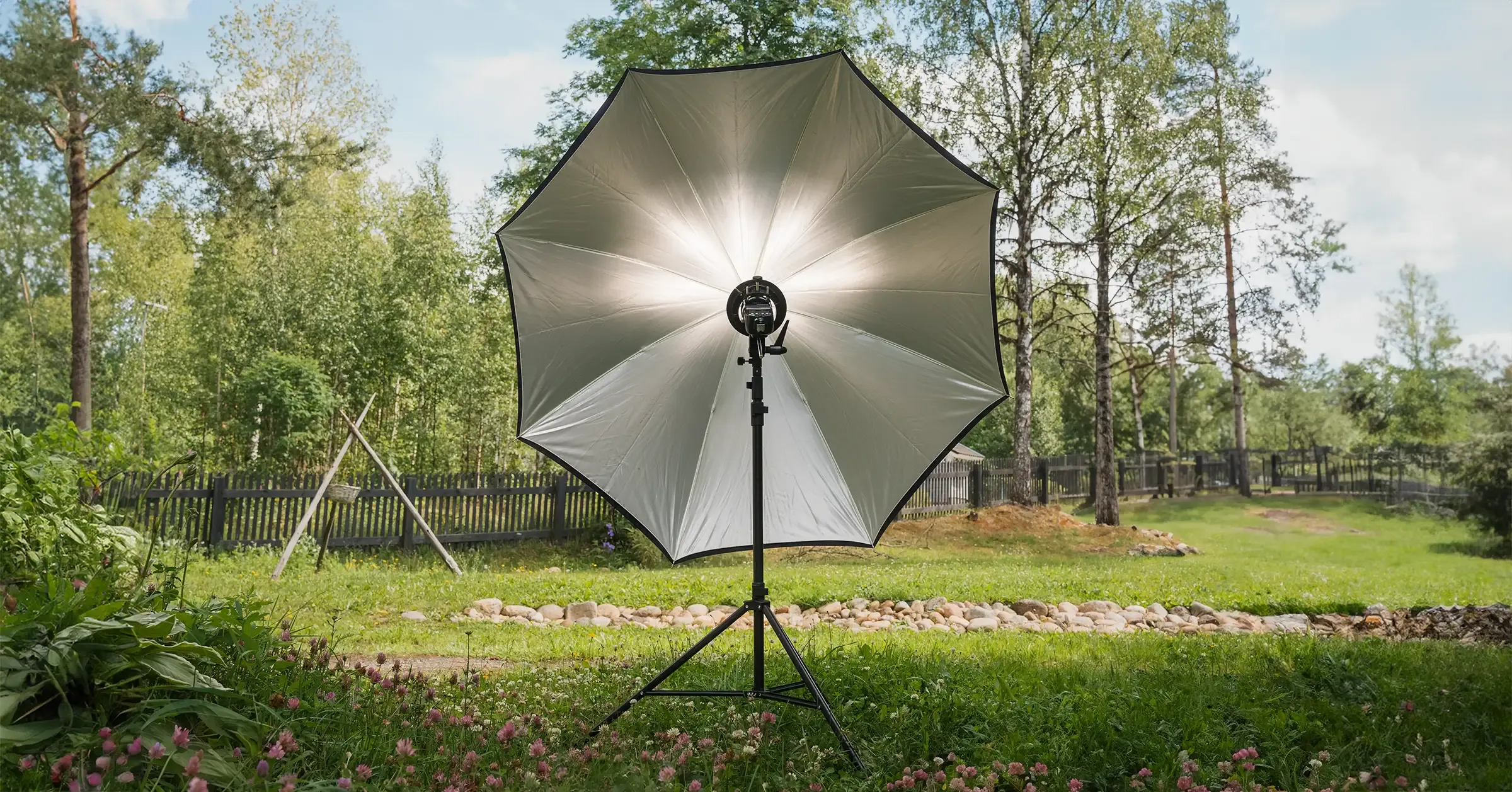
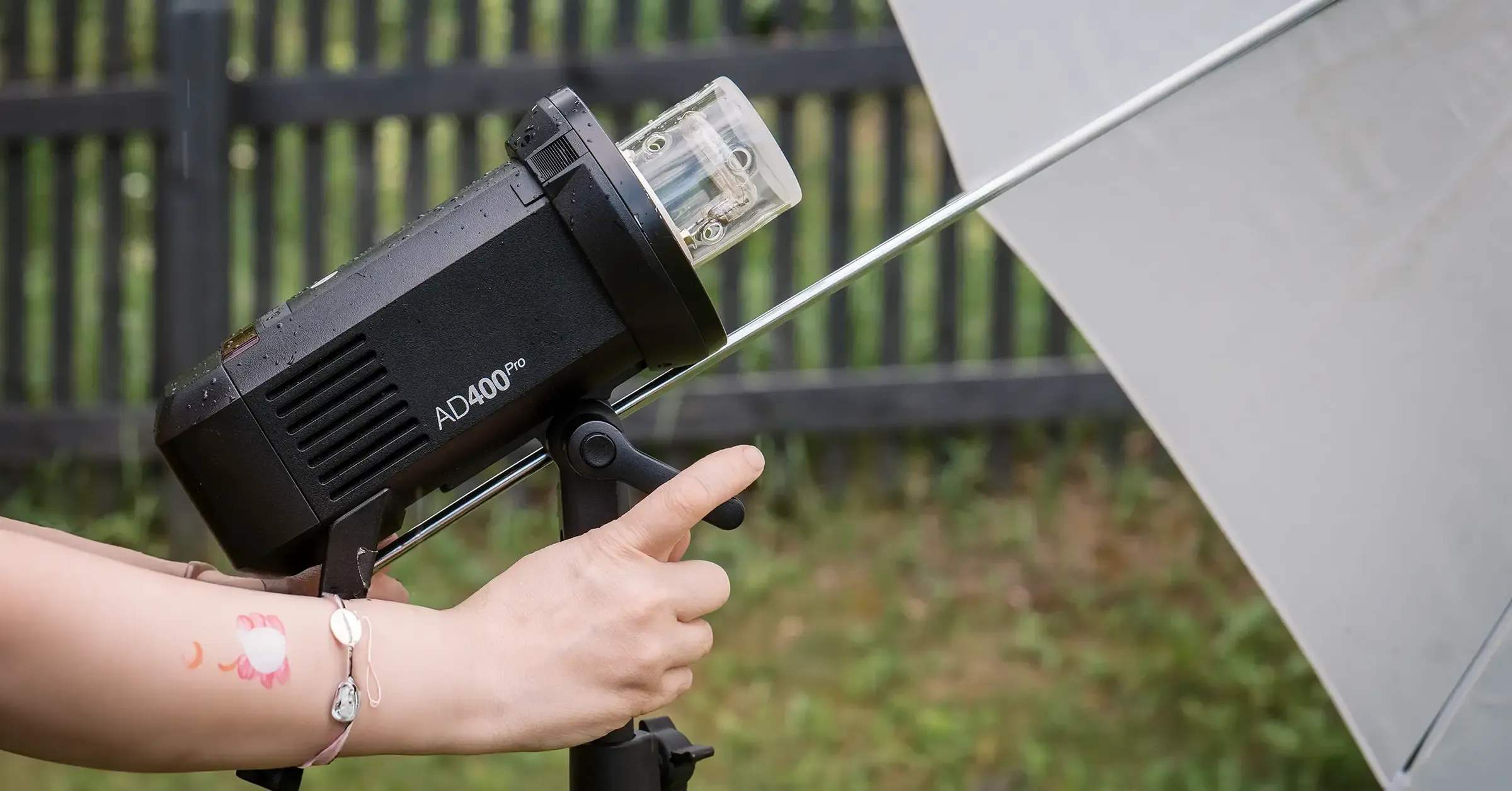
The information on light stands states the load capacity of the stand, which the stand can safely and stably support. When it comes to load capacity, it is important to note that the load capacity is different whether the stand is at the minimum or maximum dimensions. Also note at least a small margin in the load capacity. For example, if your light and light modifier weigh 3kg, choose a stand with a maximum load capacity of 4kg.
2. How high do you want to place the light?
It's not worth using an unnecessary height. Nor is it worth using a stand that is too low.
For example, if you are a portrait photographer and you do not need to set the light at 4-5 meters, then a tripod that reaches 2.5m is probably suitable for you. The height should also be considered so that if you want to set the light at 2.5m, we do not recommend a 2.5m tripod, but rather a tripod that reaches, for example, 3m.
Why is this? Because a 3m stand set to 2.5m is more stable than a 2.5m stand pulled out to its maximum length of 2.5m. The larger stand also provides support due to its own weight, thicker tubes and footprint.
3. Do you need a boom?
Do you want flexibility in moving the light, or do you need to position the light in front of or directly above your subject?
For example, if you want to place a light in front of your subject, with a normal light stand you would have to struggle with the light stand itself getting in the way of the image. With a boom stand you place the light stand off-screen to the side and use the boom to bring the light in front of your subject. That's it.. no annoying light stand getting in the way of the camera.
4. Do you shoot in a studio or on location outside the studio?
Do you mainly shoot in the studio, or do you do some shooting outside the studio? If you shoot a lot outside the studio, then portability, i.e. the transport length and weight of the light stand, is an important consideration. However, note that a lighter stand is not as sturdy as a heavier stand.
Other features to consider in tripods:
Mount: The mount on the arm of the light stand should match the mount on the light so that the light can be securely attached. The most common mounting type for flash lights and LED panels, for example, is the 5/8-inch or 16mm light mount, also known as a stud or Baby Pin.
Heavier, production-grade lights may require a larger 1 1/8-inch or 28mm mount, also known as a Junior.
Footprint: The footprint tells you how much floor space the stand requires to set up. This is indicated in the stand specifications as a diameter. A larger footprint gives the stand more stability, but may not fit in the tightest of spaces.
Air-Cushioning: Air -Cushioning is a feature commonly found on general purpose light stands. It is a safety feature that allows the leg to slowly lower when the lock is released or if the lock is accidentally released. The stand does not collapse all at once.
Leveling / Sliding Legs: The leveling leg is a feature that is especially useful for outdoor shooting when the terrain is uneven. The length of one leg of the light stand can be adjusted, allowing the light stand to remain straight.
Reverse Legs: This is a tripod design where the legs are designed to fold inwards towards the center column of the tripod. This allows for a small transport space for the tripod. These types of tripods are a good option for photographers who carry light stands with them.
Related product purchase
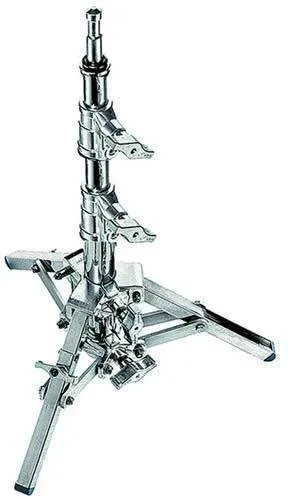
Avenger Baby Stand 10 light stands
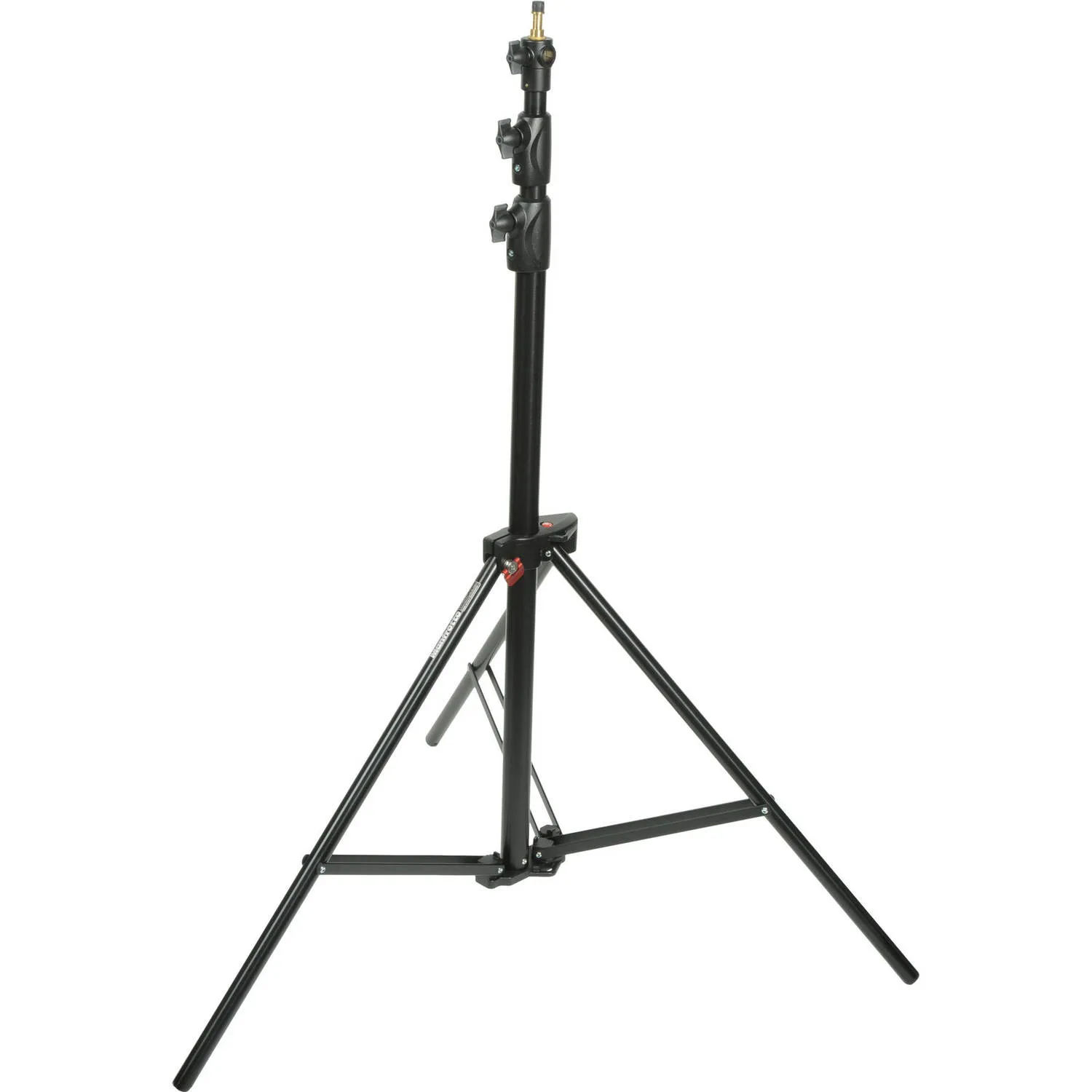
Manfrotto 1005BAC Ranker Air studio stand
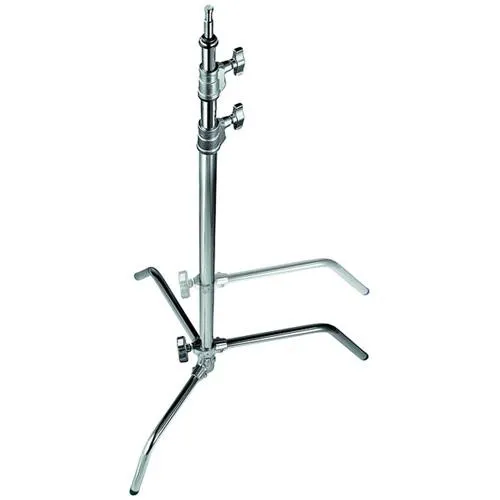
Avenger A2033L C-Stand Lighting Base - Chrome
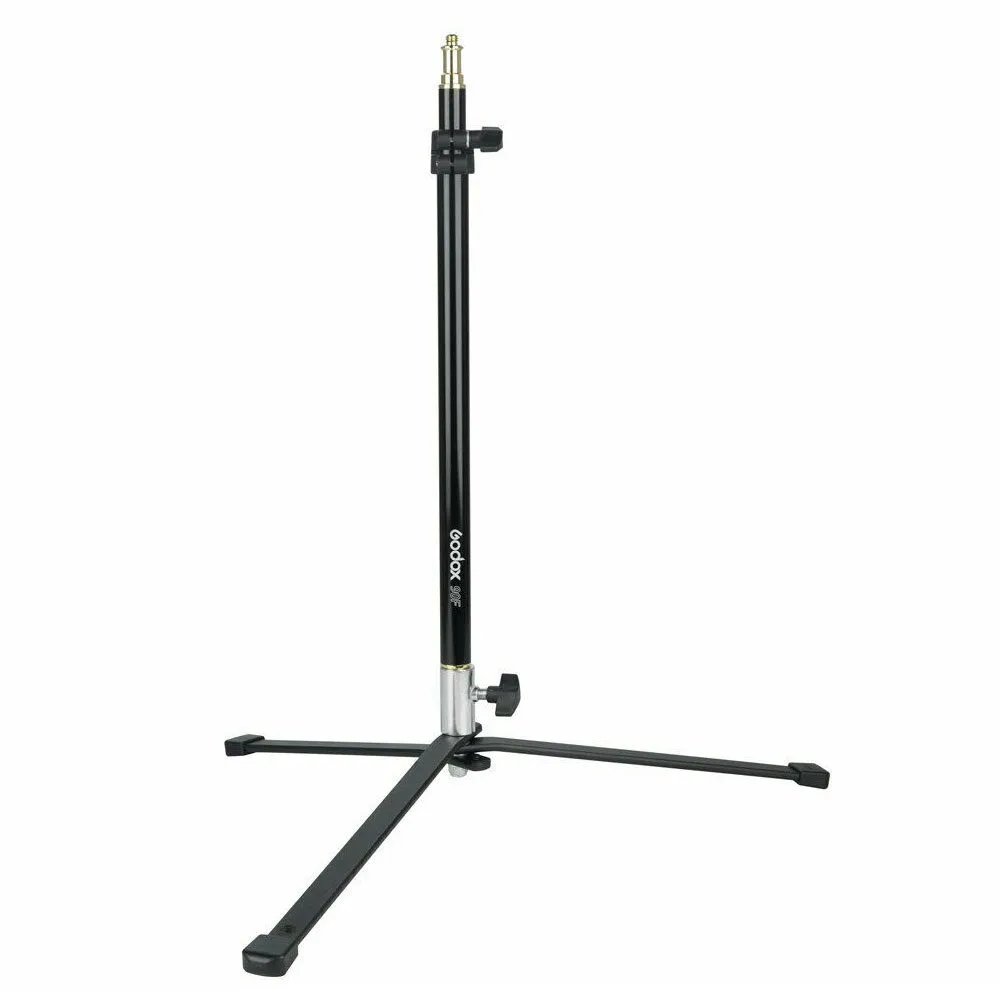
Godox 90F Foldable Floor Light Stand mini/half stand
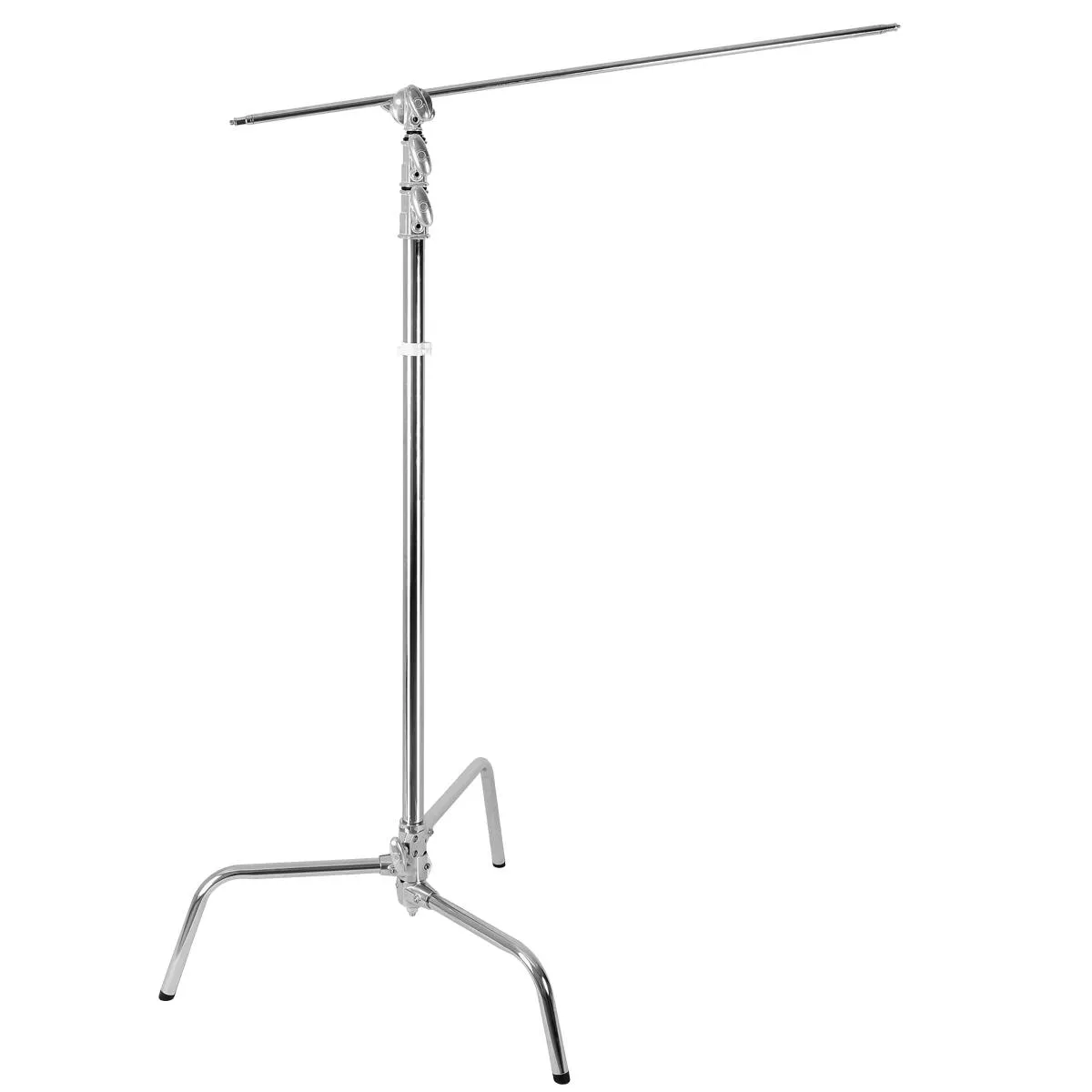
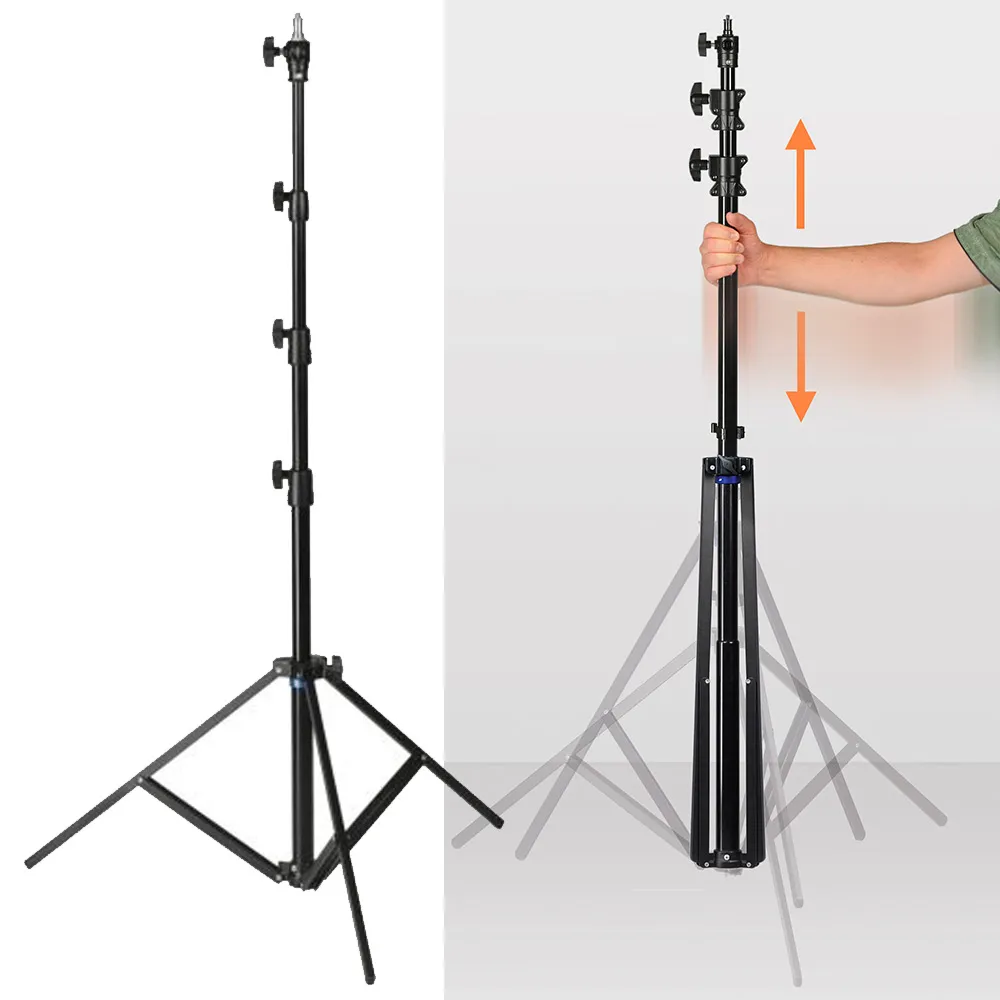
Kaiser AutoFold S Light Stand
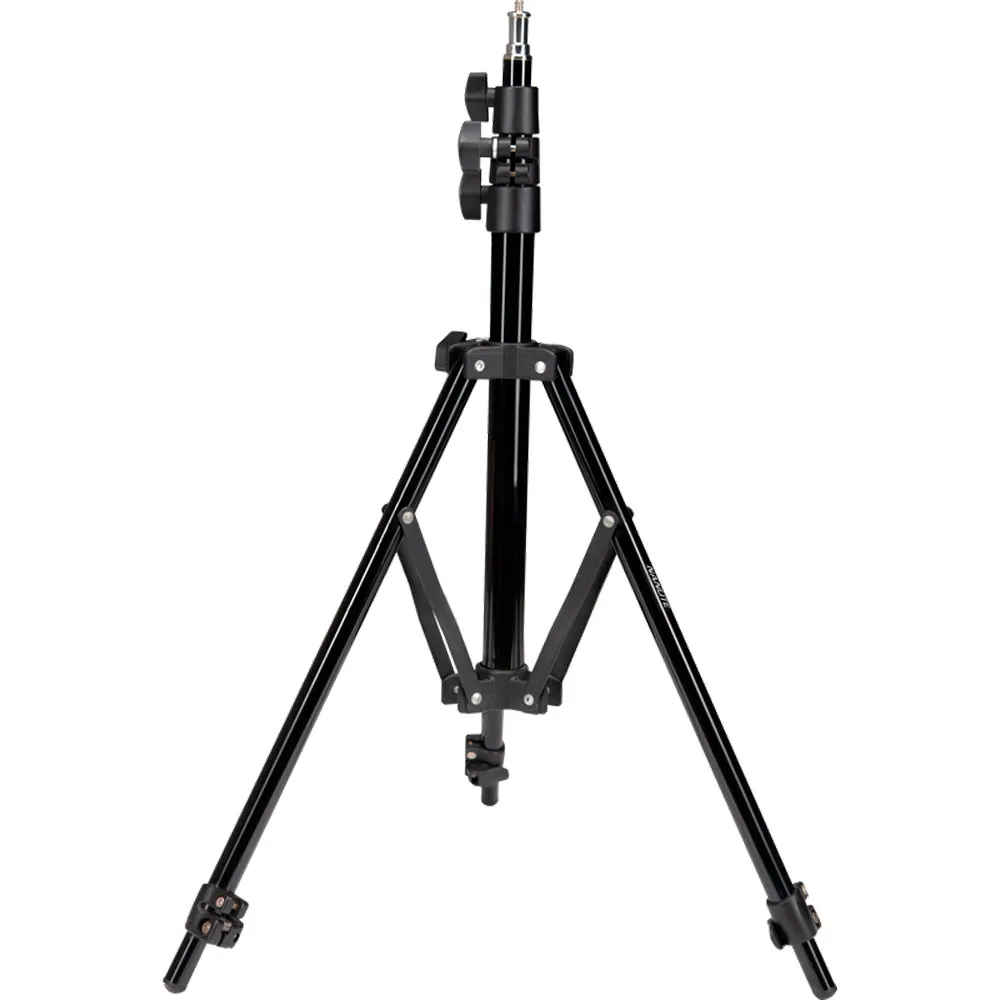
Nanlite LS-186 lighting stand
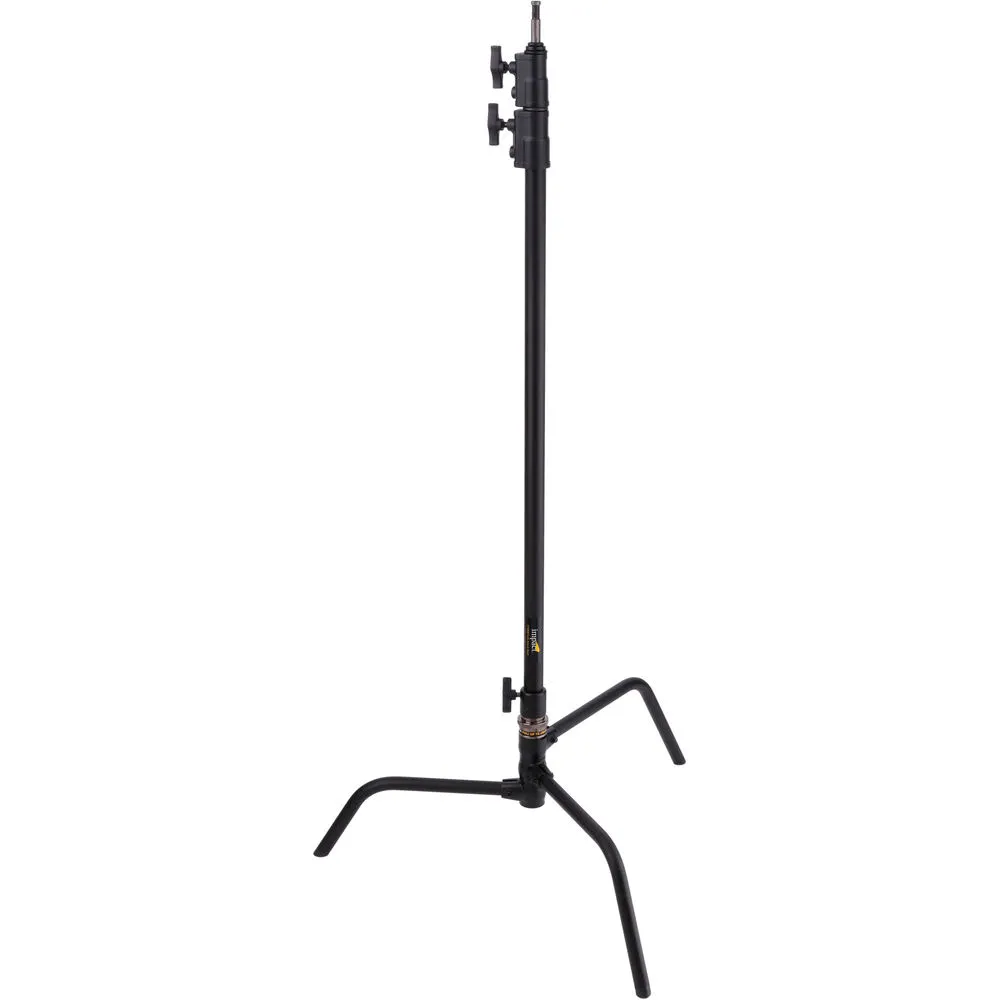
Kupo CT-40MB Master 20" Turtle Base C Stand

Mon-Fri 9-17 and Sat 10-14
INFO

