
Flash Guide 5: Metering Light

Histogram
To achieve the desired exposure, the photographer has many options at his disposal. The easiest and most affordable ways to measure and track light are at hand, the camera's histogram and, when tethered, Lightroom or Capture One display an image histogram from which the photographer can read whether the exposure is as desired. Is the image overexposed, underexposed, or just right?

Measuring light with an exposure meter
Light can also be measured with an exposure meter, which tells the light falling on the measured point the correct aperture value for the shutter speed and ISO sensitivity set on the camera.
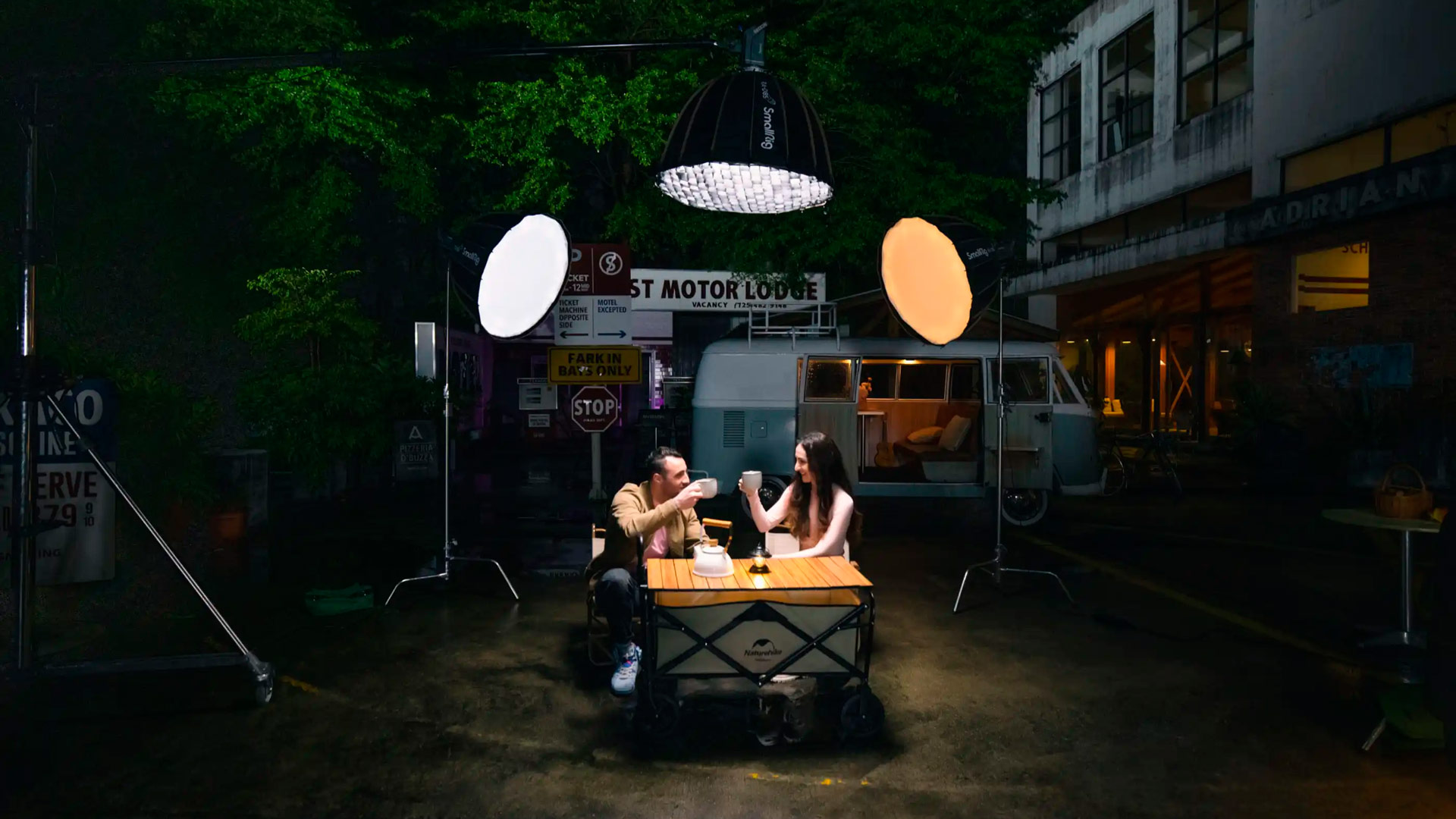
A light meter is a great tool in the studio when setting up lighting for portraits or product photography, for example. A light meter can be used to check that the main lights, fill lights and highlight lights are exactly as planned.
However, the exposure meter does not take into account different textures and their reflective properties, so the reading of the exposure meter must be taken with a little caution and often, for example, when tethering or checking from the camera, it is good to also trust your own eyes. They tell you whether the created lighting is the desired, aesthetic end result. It is also good to leave room for creativity and creative solutions.


Mon-Fri 9-17 and Sat 10-14
INFO

