The most common lighting modifiers for photographers

Photographers have a wide variety of light modifiers to choose from. There are softboxes, beauty dishes, snoots, umbrellas, etc. Light modifiers are not a one-size-fits-all model, but rather have their own specific characteristics, such as the nature of the light and the directionality of the light. This is why some modifiers are particularly suitable for a specific purpose.
You can find light modifiers in our online store here: Light modifiers .
Common light modifiers include:
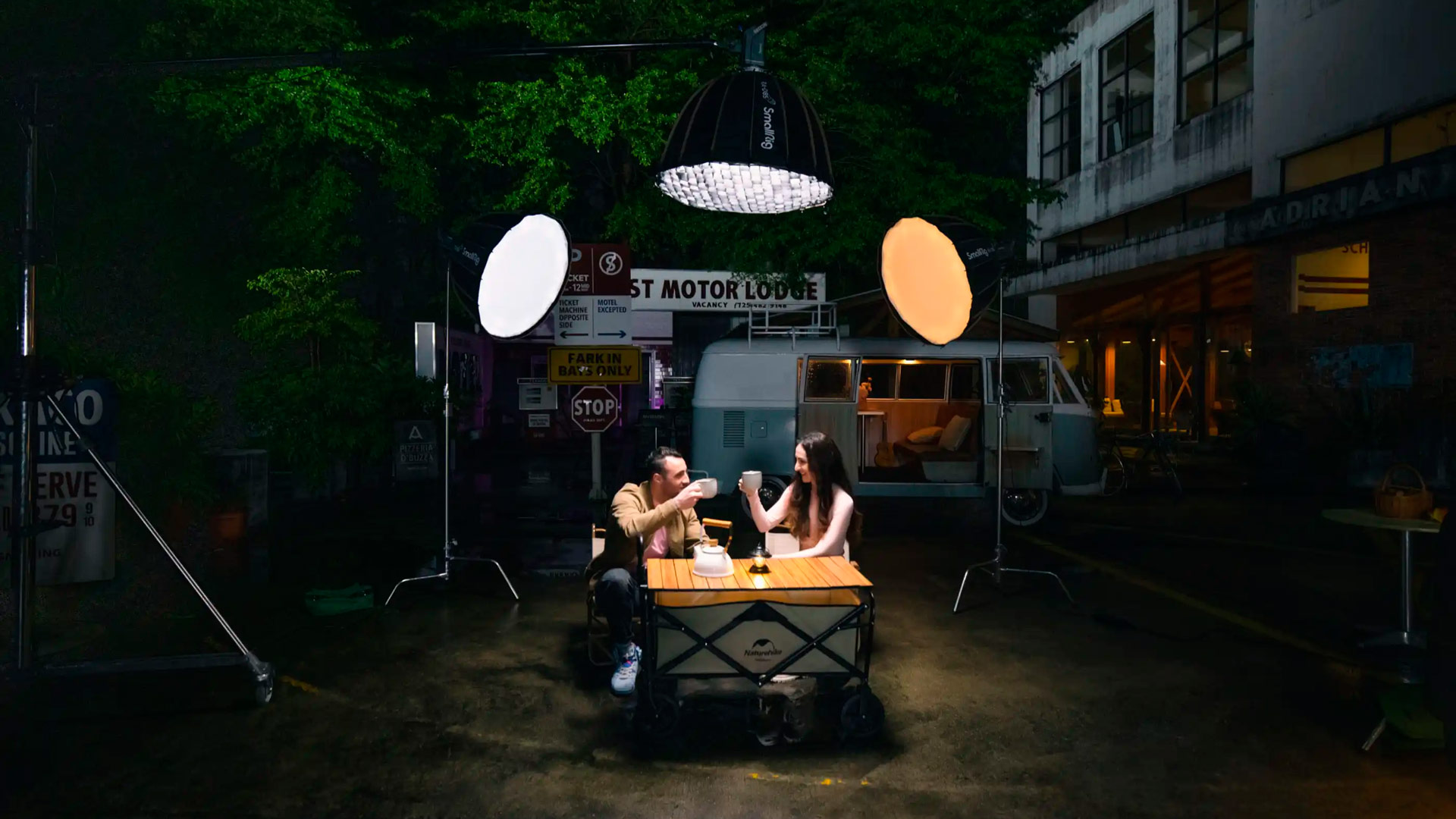
- Softboxes: These are boxes made of fabric with a diffusing material on the front. The purpose of this is to soften and diffuse the light and reduce harsh shadows.
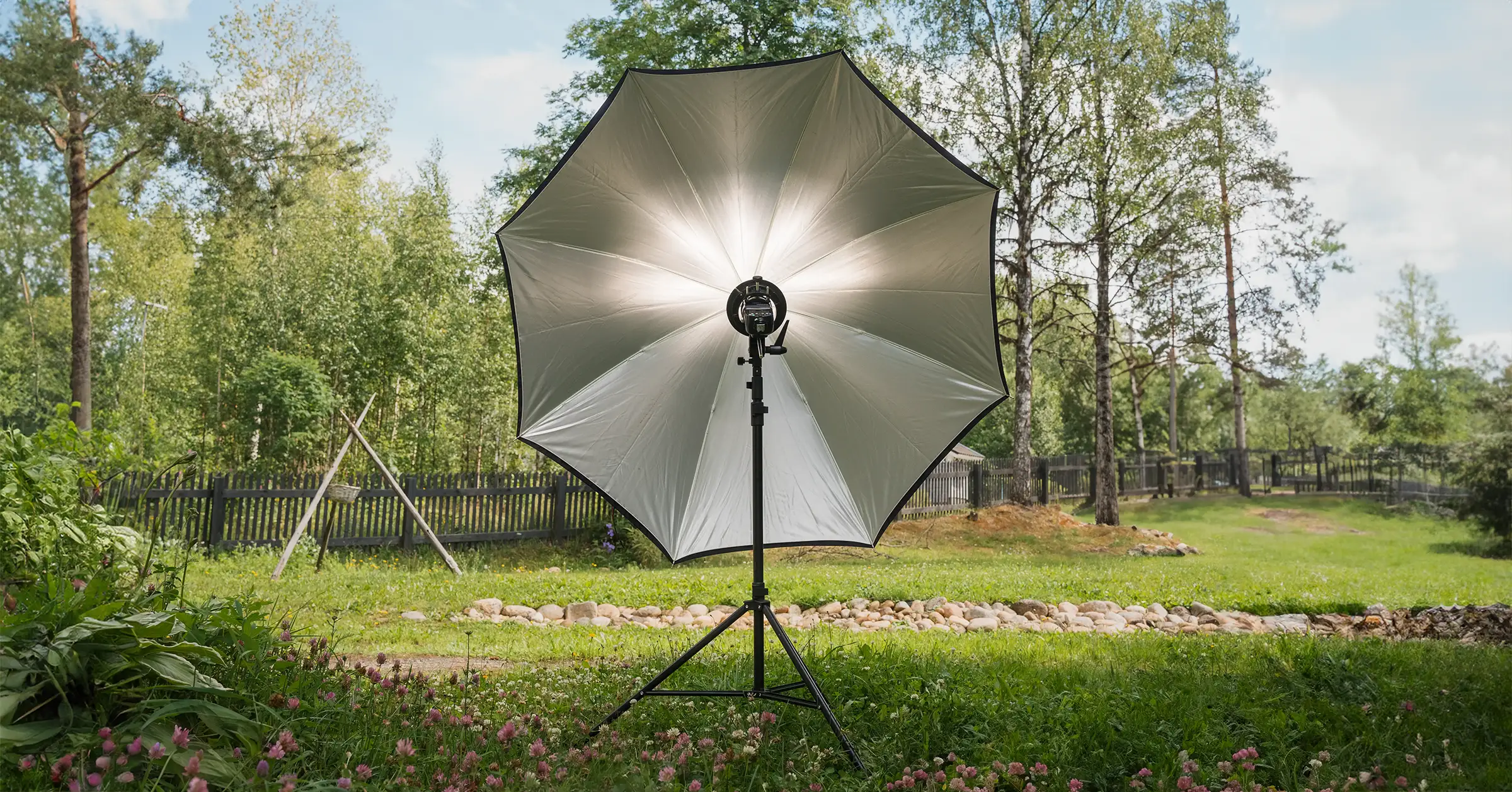
- Umbrellas: Reflective or translucent umbrellas can be used to reflect or transmit light, creating softer, more even lighting.
- Snoots: A snoot is a cone-shaped light modifier, usually made of metal, that narrows the light beam and produces directed light with a narrow beam.
- Beauty Dish: is a shallow, bowl-shaped metal reflector that produces soft and even light.
- Barn Doors: Adjustable doors that attach to the reflector dome to manipulate the direction and shape of the light.
Bayonet mount for light modifier
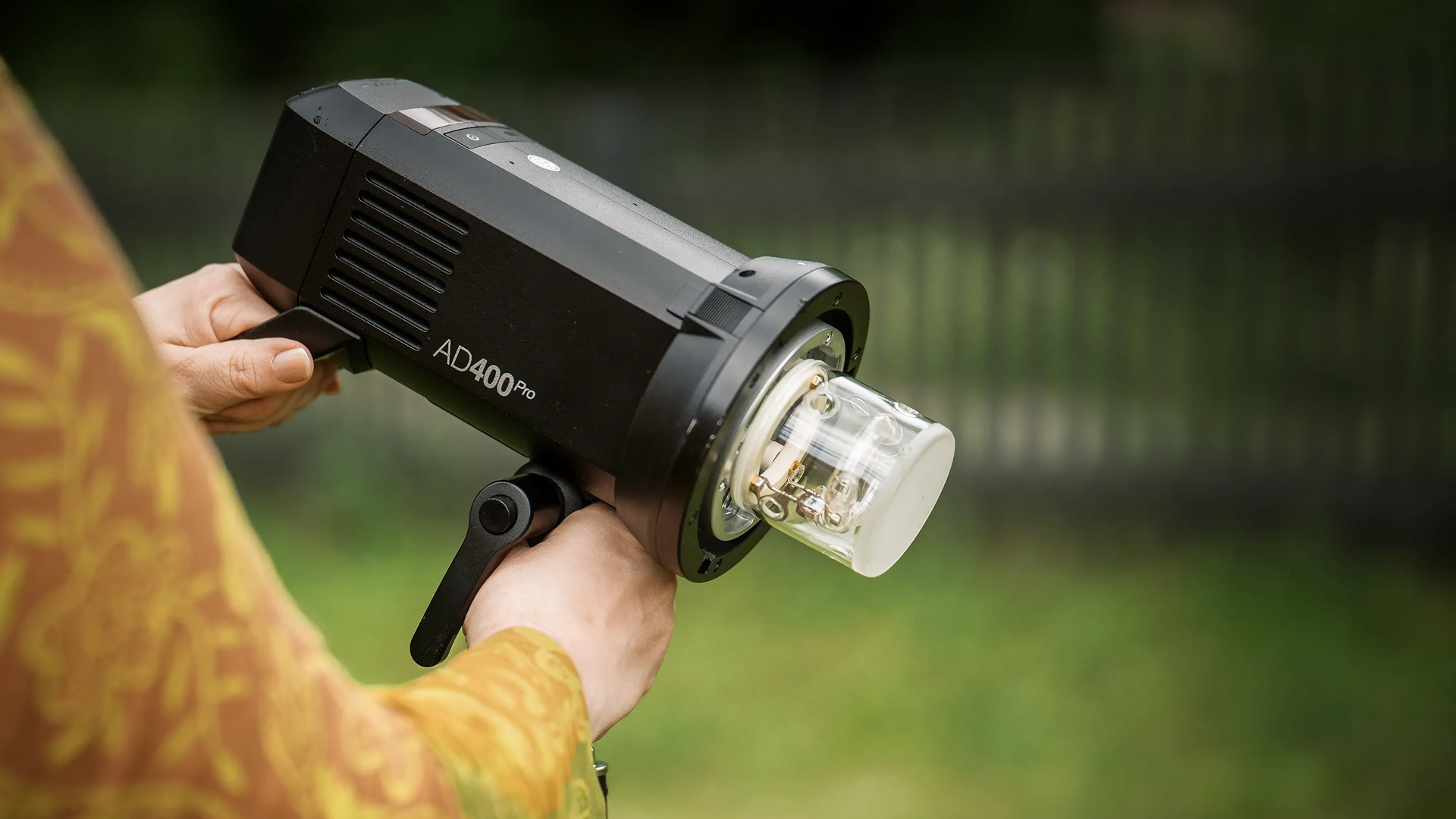
The front of the flash has standard mounts for light modifiers, known as bayonet mounts. The bayonet mount is designed to allow quick and safe attachment and removal of light modifiers without tools.
The flash bayonet mount has grooves and tabs made in a metal ring that fit together with opposing parts on the light modifiers and are locked together by twisting the light modifier in the mounting groove. There are different mounting systems, of which Bowens, Elinchrom and Godox are the most common. Bowens and Elinchrom mounts have the most light modifiers available for attaching light modifiers.
Most light modifiers are attached to the flash with a bayonet mount, except for umbrellas, which are attached to the umbrella mount on the flash body. Umbrellas have arms of different thicknesses, so it's a good idea to check which thickness of umbrella will fit on your flash mount.
Light shaper size
There are no strict rules for the size of light modifiers used in photography, as the choice of size often depends on the photographer's preferences and the desired outcome of the shoot. However, there are general guidelines that are worth considering when choosing the size of light modifiers:
- Subject size and distance: When photographing large subjects or groups of people, larger light modifiers are generally recommended. They provide wider and more even coverage of light. When photographing smaller subjects or close-ups, smaller light modifiers may be sufficient and can help create more controlled and focused light.
- Softness of light: Larger light modifiers tend to produce softer light, with smoother transitions between light and shadow (gradation). This is because they create a larger light source in relation to the subject, resulting in a more even light variation. Smaller light modifiers can produce more precise and contrasting lighting, which can be suitable for certain creative effects or styles.
- Portability: Consider portability, especially when shooting on location. Smaller, more portable light modifiers are useful for outdoor or remote locations, where portability is key. Some light modifiers don’t have locking mechanisms to close the light modifier, so they aren’t ideal for location shooting.
- Studio space: The physical size of the studio space or shooting environment can affect the choice of light modifier. In a small studio, a large light modifier can be challenging to move, while in a spacious studio, larger light modifiers can be used more efficiently.
- Type of photography: The type of photography also influences the size of the light modifier. For example, fashion and portrait photographers often use larger light modifiers to create soft, skin-friendly light. Fashion photographers may also choose smaller modifiers and hard light to create exceptional and not-so-conventional lighting. Product photographers may choose smaller light modifiers for more controlled and precise lighting, or if they want to create soft light that mimics natural light, then the light is brought into the shot through large light-softening surfaces. Or a combination of both can be used.
- Look and feel: The desired look and feel of the final image is crucial. If you want a soft, enveloping light for a classic portrait, a larger light modifier is selected. If you want a more dramatic or contrasting look, a smaller light modifier or even hard light can be selected.
- Photographers often experiment with different sized light modifiers to see which one best achieves the desired effect for a particular project or subject. It is essential to consider the characteristics of the light produced by different light modifiers and how they complement the photograph.


Mon-Fri 9-17 and Sat 10-14
INFO

