


Cameras

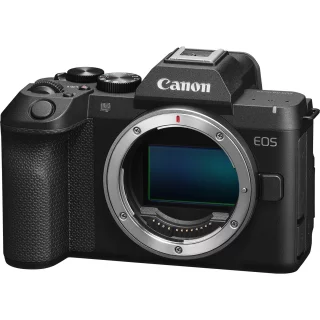
The Cameras section contains equipment suitable for all your photography needs, from sturdy SLR cameras to lighter mirrorless SLR cameras and pocket cameras. You can record video with traditional digital video cameras or, for example, with shockproof and waterproof action cameras designed for more active hobbies.

A new kind of viewing experience and virtual reality is already within everyone's reach with the help of 360 cameras.

Our customer service will help you if you are wondering which camera would be best for you.

Read more about different cameras here!

2361fc21187dd50.jpg
Suodata
Lajittele:
Tässä kategoriassa 408 tuotetta.
368 Tuotetta jäljellä

Beginner's camera

There is no specific type of camera for beginners, most cameras have the same automatic programs and subject programs to help you get started.

But on the other hand, even inexpensive SLR cameras always have all the same settings for adjusting shutter speed and lens aperture as more expensive cameras intended for professionals.

These settings are often easier to adjust on more robust cameras, meaning they may have dedicated buttons or dials for adjustments, while beginner models may require digging through menus for settings.

Of course, there is also a difference in the technology used, and therefore in the image quality, but fortunately, the image quality in new models is already very good. More advanced features in video recording and autofocus speed often put the budget to the test.

Camera sensor size

Besides the camera lens, the most significant factor affecting image quality is the size of the image sensor. A larger sensor collects more light, meaning that images taken in low light have less noise and, in principle, a shallower depth of field.

To put it simply, if the goal is to separate a sharp subject from a beautifully soft background, the larger the sensor used, the better.

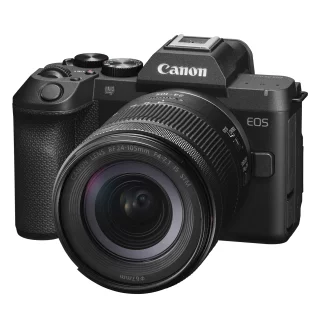
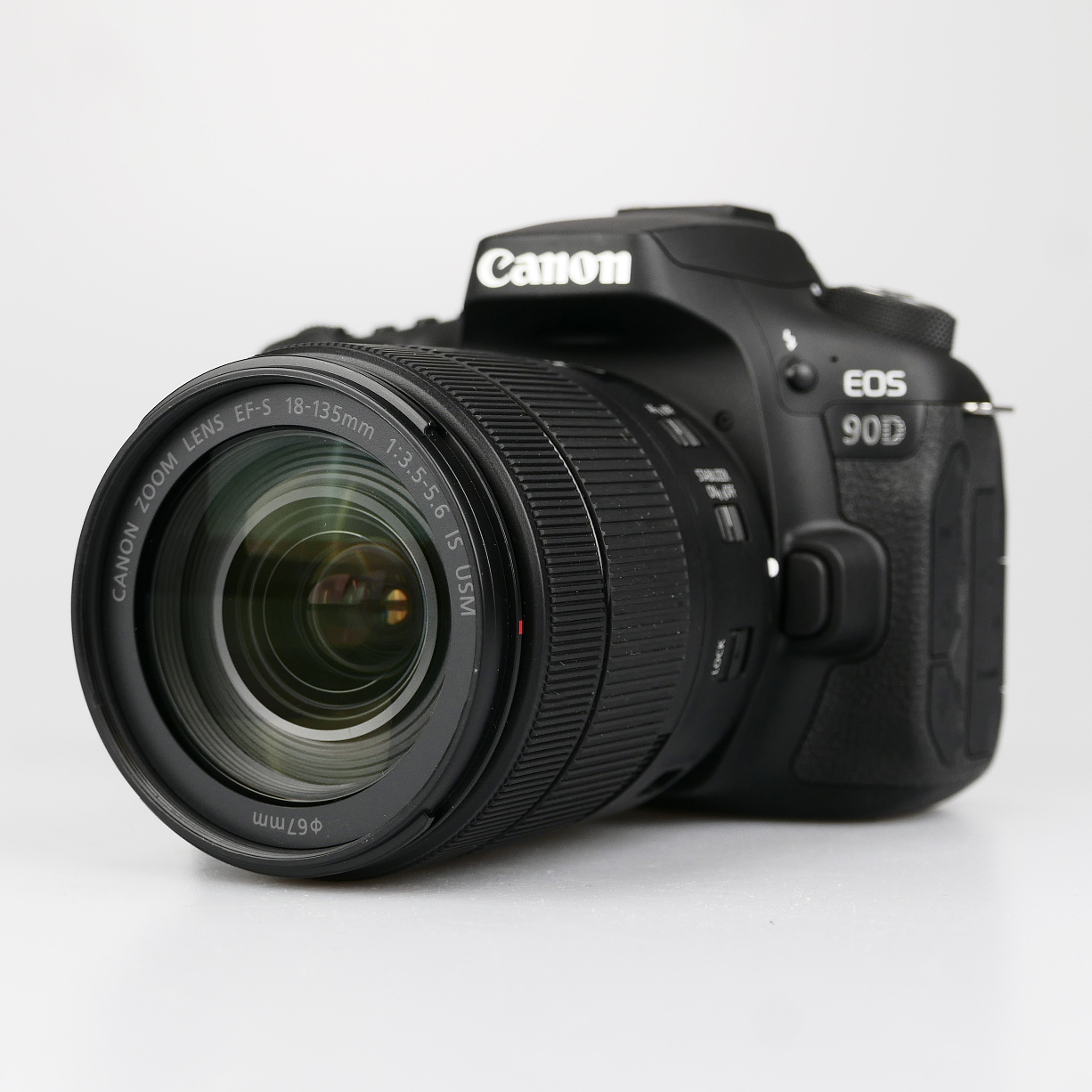
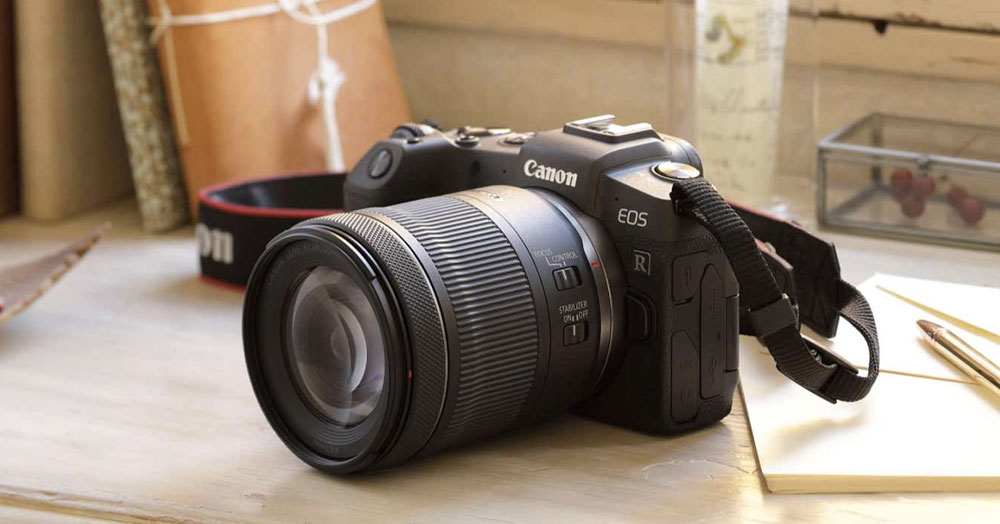
If you exclude specialty cameras, cameras can be divided into a few categories: full-frame cameras (such as the Canon EOS R and Sony a7), APS-C camera size (such as the Canon EOS 90D and Sony A6600), inch camera size (Canon G7X and Sony RX10 IV), and smaller-format point-and-shoot and action cameras.

In recent years, cameras have clearly moved towards larger sensors, and even hobbyists often have a full-size sensor camera in their camera bag or at least in their dreams. Prices have come down and the nature of the image is clearly different from the images produced by smartphones.


System cameras, paperbacks, micro systems and whatnot

System cameras are the king of equipment, with an almost endless number of lenses, teleconverters, zoom rings, and flashes available. Sometimes large digital cameras are referred to as semi-systems, but there is no such camera type. If the lens doesn't come off without a saw, it's not a system camera.

Sometimes a large physical size is also thought to guarantee image quality, but only the optics and sensor size matter, meaning that a camera with a long zoom and a small sensor is often a very poor option for shooting in low light, for example.

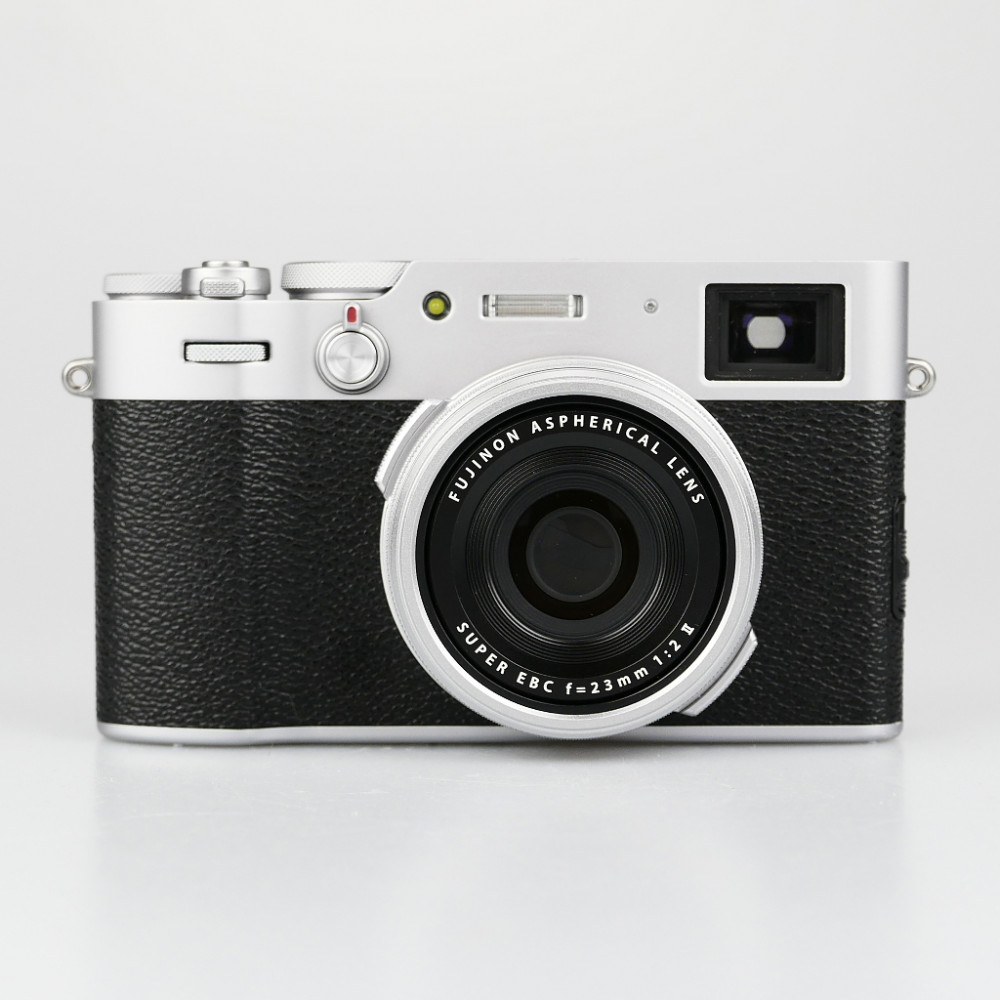
And this also goes the other way around, small fixed lens cameras can also be found with a large sensor and very good image quality (for example, the Ricoh GR III and Fuji X100V).

There has also been a trend in recent years in digital cameras towards larger sensors and better image quality. This is also noticeable in the price tags of cameras, but these days a pocket camera has to be really good and offer decent image quality and video recording capabilities.

It's hard to justify why you need to carry a valuable smartphone and a separate camera.

Good camera for nature photography

Fast-paced nature and sports photography is one of the most demanding areas for camera technology. Continuous shooting, autofocus, sensor sensitivity and weather protection are all put to the test. This is especially true when photographing wildlife or birds in extreme conditions, and for example when photographing motor sports.

But knowing the limits and strengths of your own camera can greatly affect the quality of your images, meaning you don't always need to buy the most expensive equipment. Experience and knowledge of your own shooting locations will help you make the best equipment choices, and the people at Kameraliik can also help with this.


Video camera or system camera

Nowadays, you can shoot video with any camera. Still, we have a wide selection of traditional video cameras. The reason for this is usability and reliability.

Most point-and-shoots and SLR cameras produce good quality video, but you need an additional microphone to record audio. Often, cameras only allow a maximum of 30 minutes of continuous recording (sometimes even shorter in 4K recording to prevent overheating).

In video cameras, these are often ready right away, i.e. turn on the RECC and the camera will do the job until the memory card is full or the battery runs out. Live streaming features, comprehensive connections such as HDMI and SDI, not to mention the more robust features of cameras intended for production use, also add extra spice.

So there is still a place for video cameras, but all manufacturers have good models for so-called hybrid use when you want the features of a good photo camera and also video recording from the same device. Yes, nowadays it's okay when there are alternatives.

015 211 540
Avoinna myymälän aukioloaikoina
ma-pe 9-17 ja la 10-14
asiakaspalvelu@kameraliike.fi
Vastaamme asiakaspalvelun viesteihin viimeistään 24 h kuluessa
Mikkelin valokuvausliike Oy
Porrassalmenkatu 21 50100 Mikkeli
Payment methods
Muuta evästeasetuksia