Flash Guide 4: Flash Duration

What is the flash duration?
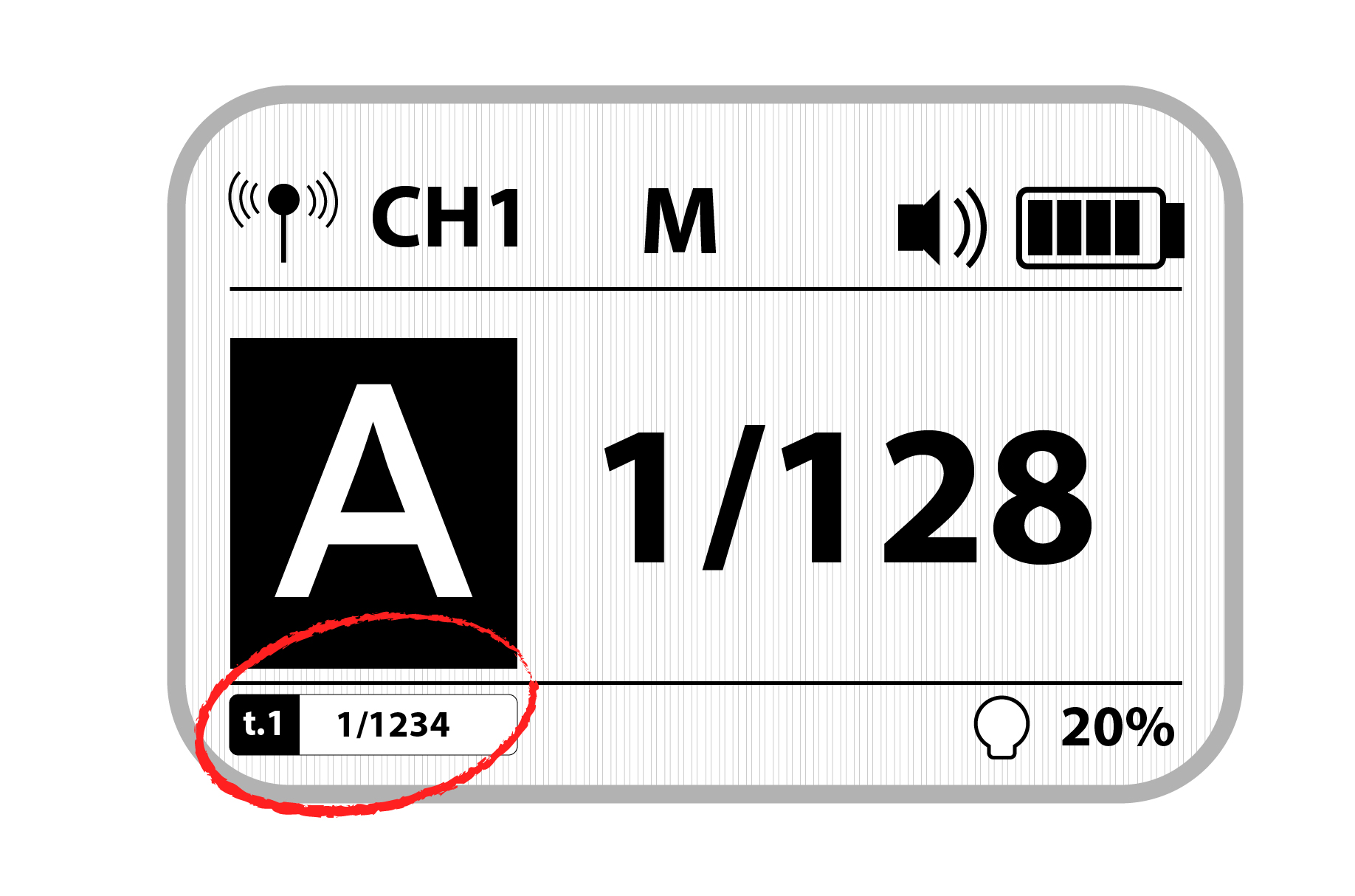
The technical specifications of a flash describe its flash time or flash duration, for example: 1/10,000 - 1/220 s. The flash time is the duration of the flash when it comes out of the bulb, reaches full power, and fades away.
Flash duration varies greatly depending on the flash brand and model, and of course the flash power.
What the buyer needs to pay attention to is the measurement technique used to measure the flash time. This does require a bit of precision from the buyer, but by paying attention to this, you will get a flash that fires quickly.
What do you need a fast-flashing flash for?
It's good to know that the flash stops the movement, not the camera. So if you're shooting portraits or other relatively still subjects, the flash duration doesn't matter that much.
If you are photographing fast-moving subjects, such as jumping and running people, moving liquids, splashing paint, water droplets, etc., the flash shutter speed is important.
In order to freeze the movement in the image sharply without motion blur, the flash's flash time must be fast. The flash's flash time is faster than the fastest camera shutter speed.
Flash duration, what is the difference between t0.5 and t0.1?
The flash duration is measured in two ways and different symbols indicate the flash duration, either t0.5 or t0.1 measurement.
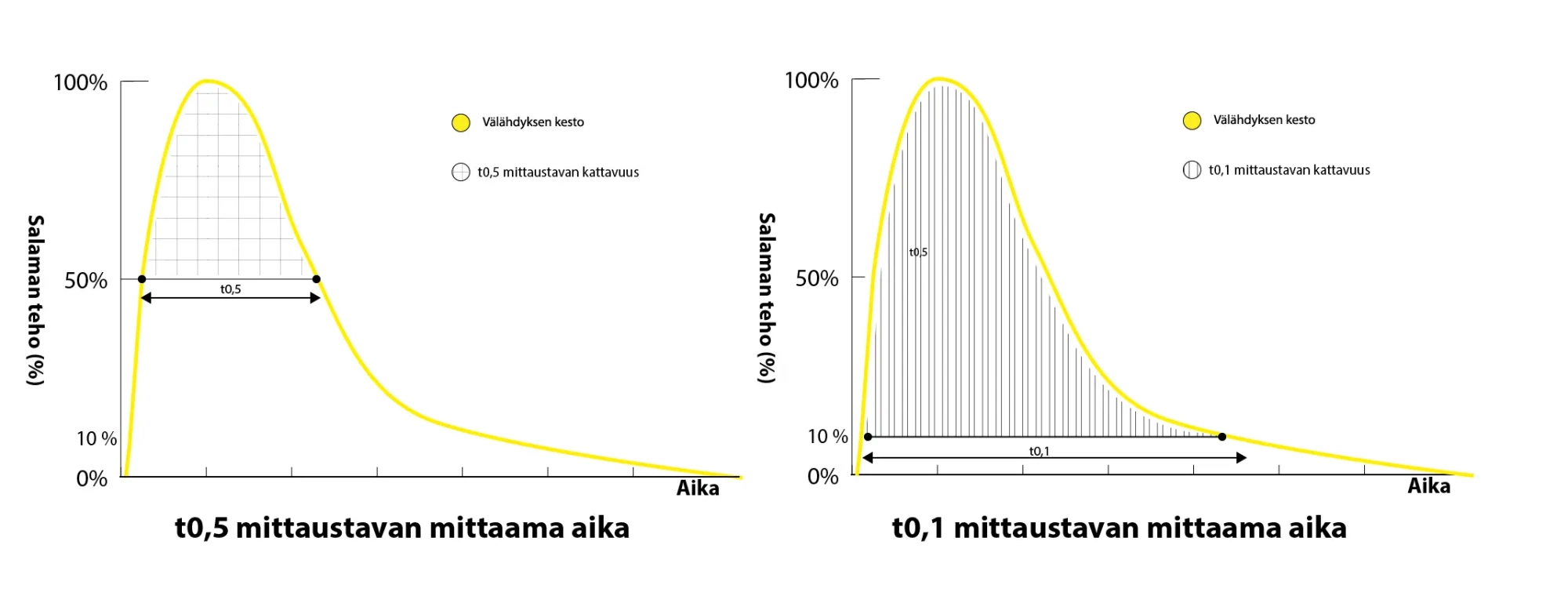
The t0.5 value indicates the flash time when the flash has reached 50% power → 100% power and has faded back to 50%. t0.5 is referred to as the effective flash duration. This measurement method only measures a fraction of the actual flash and therefore there is a risk that motion blur is more likely to appear in the image.
t0.1, on the other hand, measures almost the entire time the flash emits light, i.e. in practice, the flash power from 10% to 100% and the fade to 10%. In this case, we are talking about the total duration of the flash.
A more accurate and important value of these is t0.1, which corresponds to almost the entire duration of the flash, not just the brightest part of the flash.
Unfortunately, the reporting methods in flash specifications vary, with some manufacturers reporting the number t0.5 as a value that is shorter in duration than the t0.1 value. This means that the values from different manufacturers may not be comparable.



Mon-Fri 9-17 and Sat 10-14
INFO