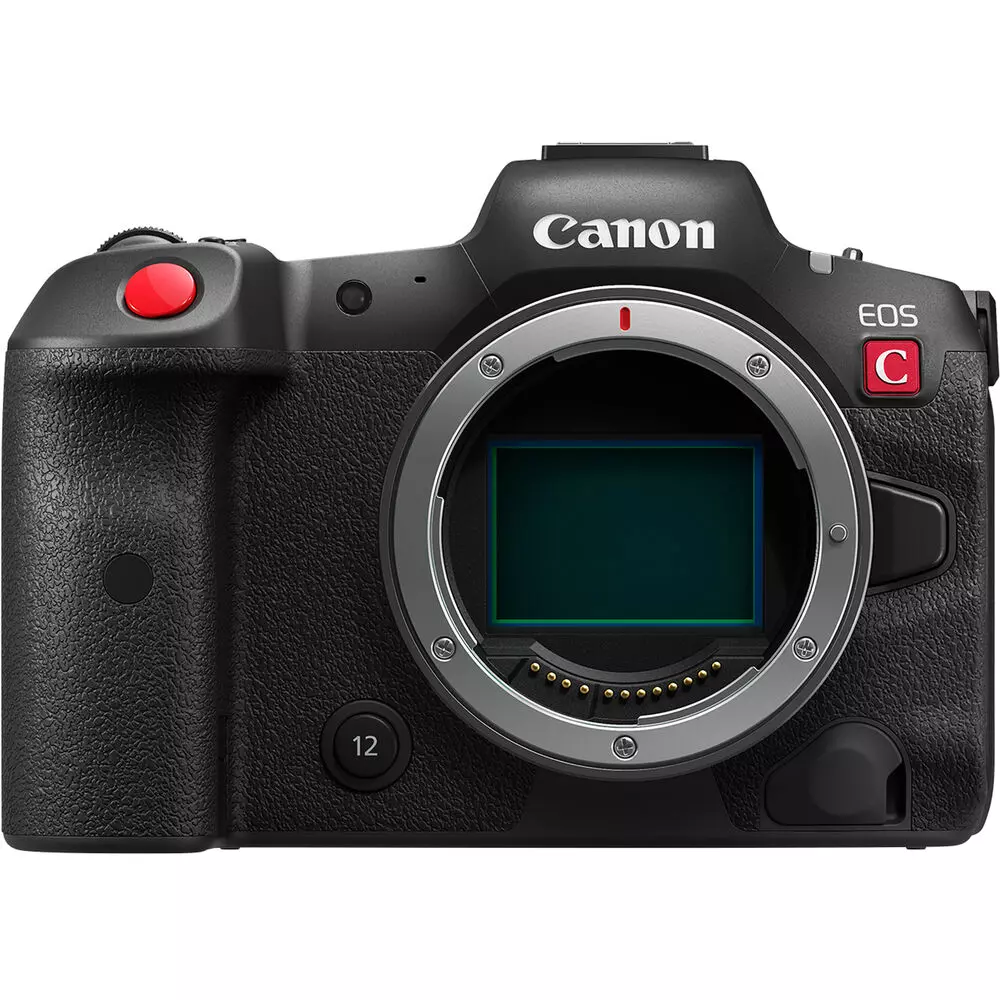
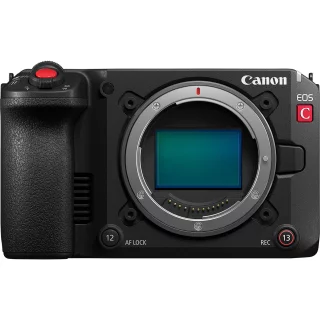
Canon EOS R5 C-Body




Varmasti yhteensopivat tarvikkeet
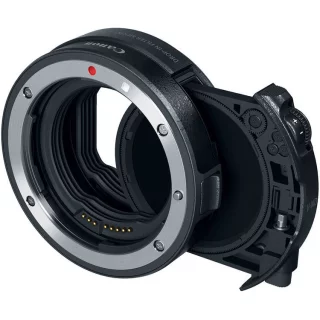
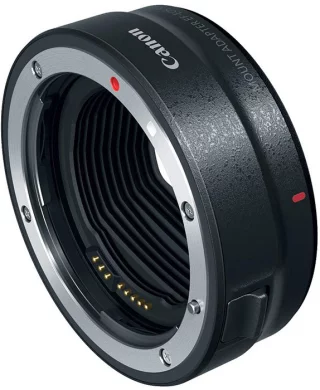
Canon EF-EOS R Mount Adapter
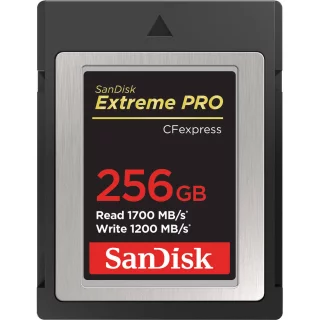
Sandisk Extreme Pro 256GB CFexpress Type B memory card
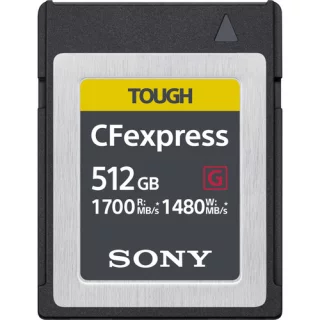
Sony 512GB CFexpress Type B Tough Memory Card
Canon EOS R5 C-Body
C as in Cinema! The Canon EOS R5 C is for photographers like the original R5, with tons of resolution and fast focusing. Now, the package has been expanded to include a cinema camera, with production-grade reliability and features sufficient for even demanding use.- 8K Raw video recording directly to memory card - without cropping
- Active cooling with fan, meaning no overheating
- Same information with 4K video but also 120P slow motion videos are possible
- Digital image stabilization in video, no IBIS stabilizer
- 20fps continuous shooting with electronic shutter and 12fps with mechanical shutter
- 45 megapixels, sensitivity 100-51200
- 1x CFExpress and 1x SD UHS-II memory card slots
- High-resolution 5.69 million-dot viewfinder
Continuous shooting on this camera is on par with the EOS 1D X III, with 20 frames per second using the electronic Silent Shutter and 12 frames per second using the mechanical one. This is a great achievement considering the 45 megapixel resolution.
iTR AF X Animal tracking AF
A complicated name, but this is what it means: The Canon EOS R5 can detect dogs, cats and birds in addition to people. According to Canon, the focus also works on flying birds. The entire figure, head, face and eyes are used to help focus and track, depending on how the subject is in the picture. The focus now also detects faces that are sideways.
In the video above, the closest swan to the Camera Shop is the test subject, we didn't wait for the swan to be over and took boring posing photos. We knew the feature worked because it recognized Finnish waterfowl from the nature photos hung on the walls of our shop, but the focus response speed still surprised us positively!
The Canon EOS R5 base body we used, with a Canon EF 70-200mm F2.8L IS II lens with an adapter. Image captured with an Atomos Ninja V recorder directly from the camera.
The Canon EOS R5 C also includes the Face only focus mode , familiar from more expensive Canon film cameras, which is very handy in interview situations. The camera focuses continuously but only on faces, if the interviewee leaves the frame, etc. the camera leaves the focus in place and resumes when the face appears in the frame.
- Real-time and next focus
- Face only focus
- iTR AF X Animal tracking AF: detects people, animals such as dogs and birds
- Works in lighting as low as -6.5EV (i.e. very low light)
- Focus covers 100% of the frame in automatic mode
Canon EOS R5 C as a cinema camera
The most visible and practical difference from the R5 to the basic version is the active cooling found in the R5C model. This means reliable shooting at basically all settings without fear of overheating, i.e. the memory card or power supply determines how long you can shoot.
In addition, the camera has a very comprehensive number of small fixes and adjustments related to video recording, such as an electronic spirit level, TC time codes, better audio settings, a waveform view instead of regular levels, a lot of settings related to anamorphic recording, and decent codec adjustments.
The Canon EOS R5's most striking display of power is its 8K video recording. 8K 30P videos are recorded from the entire sensor area without cropping. Recording is possible internally directly to a memory card. This 8K resolution video is four times the file size of the corresponding 4K video, meaning fast and large memory cards are needed. Canon's fast Dual Pixel AF autofocus also works in 8K shooting modes.
Additionally, 8K 60P shooting is possible using an external power source. 8K raw shooting is now much smarter than in the original R5 camera, meaning you can adjust compression and bitrate: choose High quality, Standard quality or Light quality as needed and file sizes are better kept under control.

Let the numbers speak:
- Up to 1.5 stops wider dynamic range than the R5 base version
- Adjustable noise cancellation
- Internal and external RAW
- XF-AVC
- Canon EOS Cinema picture profiles and custom settings
Usability of a SLR camera in a camcorder
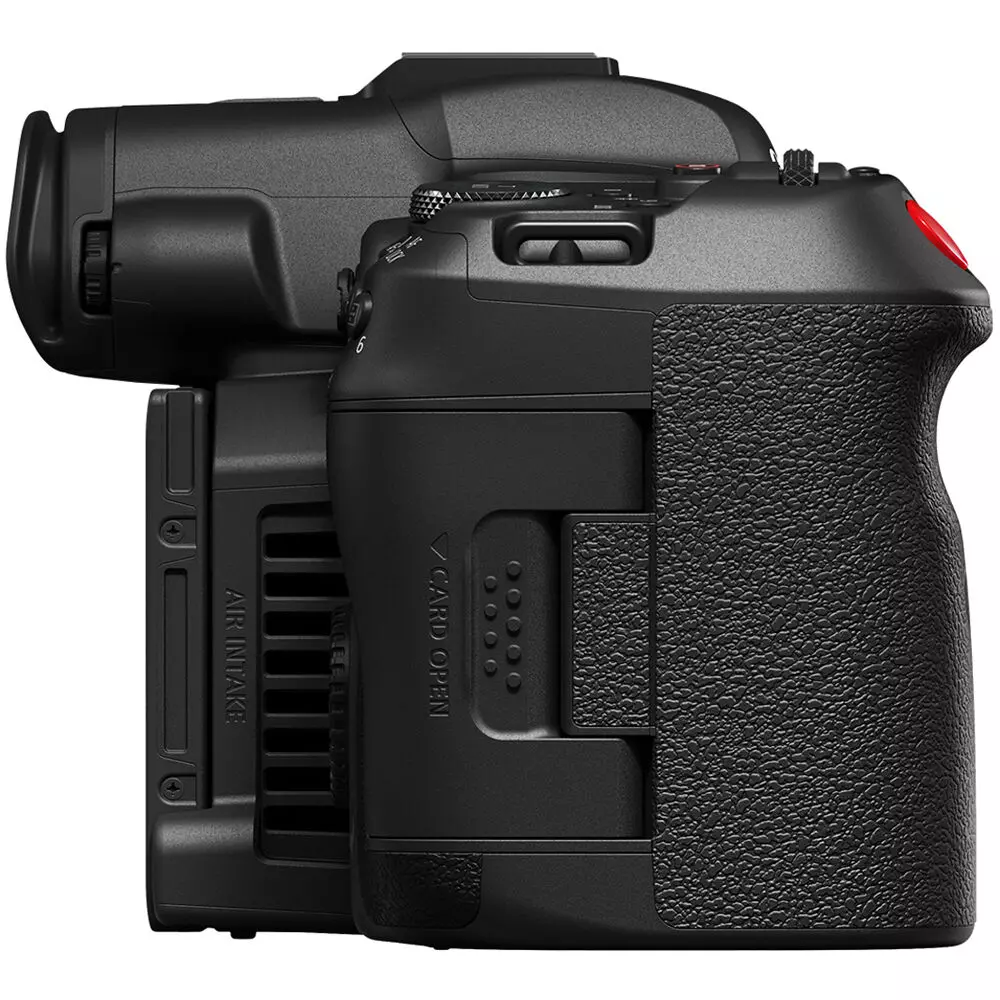
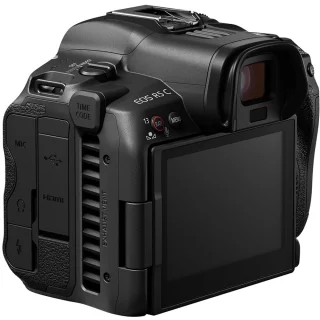
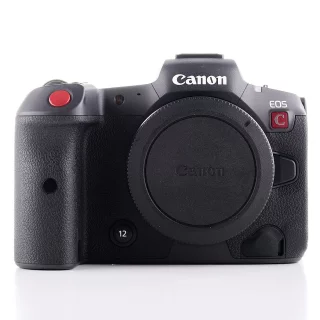
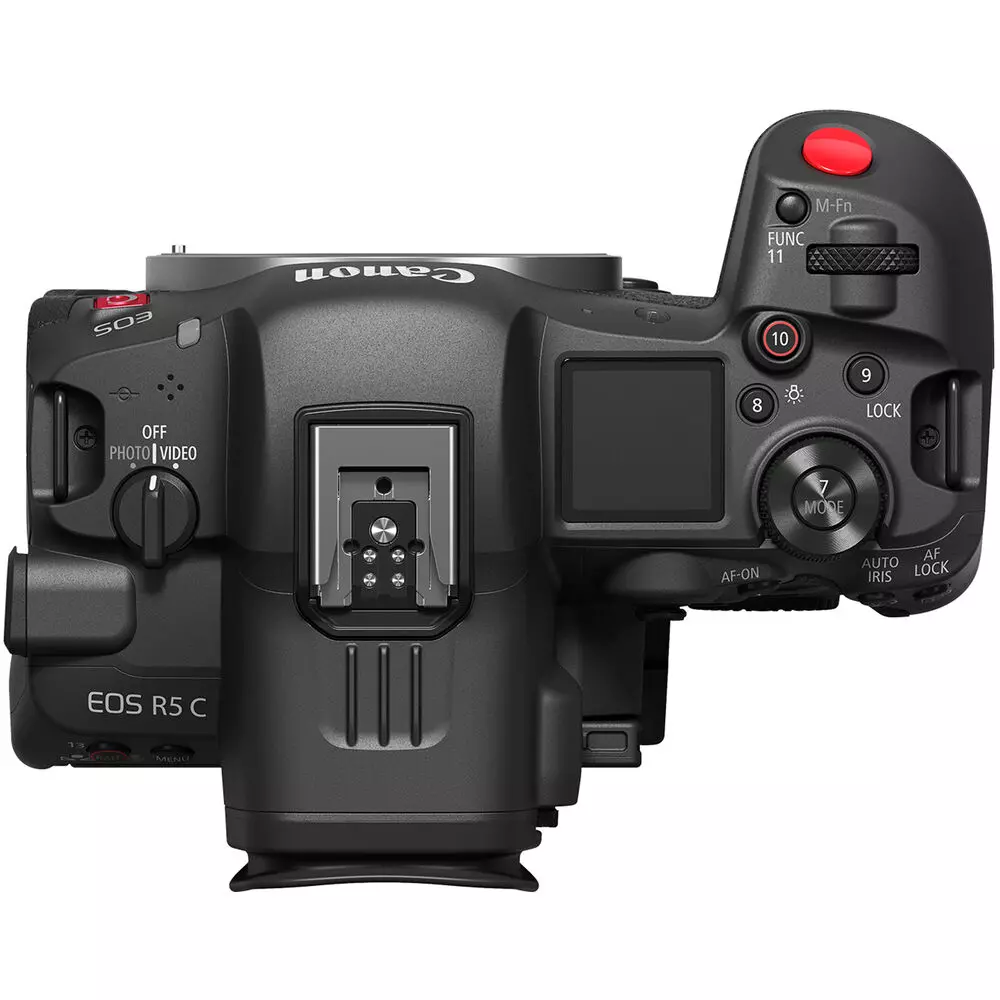
The Canon EOS R5C's duality also continues in usability, i.e. cinema-level features in a system camera. This means that the camera has a few bad things, such as a relatively small battery type and a micro HDMI connection instead of a full-size one. But on the other hand, the camera's size and functionality as a still camera have been preserved. The duality is made the most of, in the style of the Sigma Fp, with a proper video and still selection switch, which is connected to the power switch.
If you're on a video gig, select cinema and the on-screen view can have shutter angle, waveform and false colour tools for image monitoring, i.e. professional-level tools. With the Photo setting, things work just like on a basic R5 body
There are other good points, such as two memory card slots. For video files and very fast burst shooting requirements, a CFExpress card is used as the memory card, for photos and smaller video files there is an SD UHS-II card slot. And this works smartly, if the codec is such that the SD card speed is sufficient, you can save the same file to both cards, with RAW settings you can save a smaller proxy version to the card.
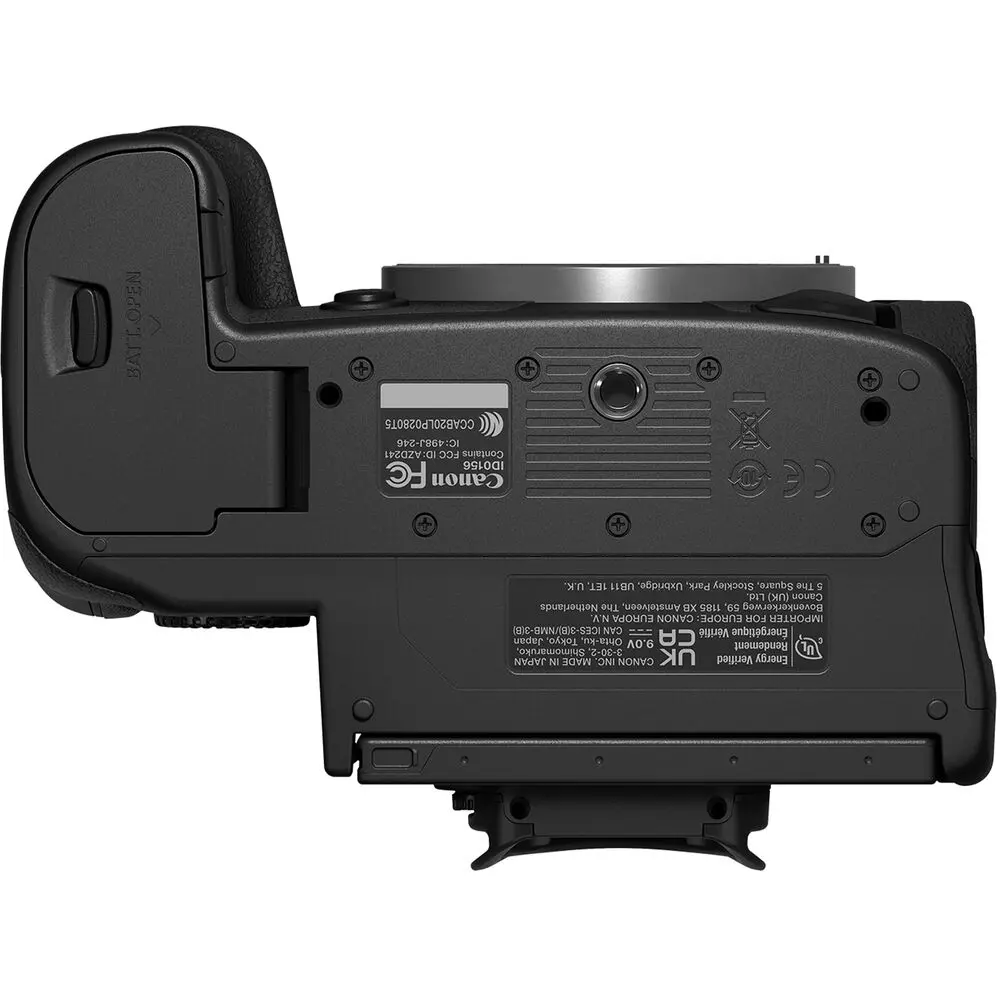
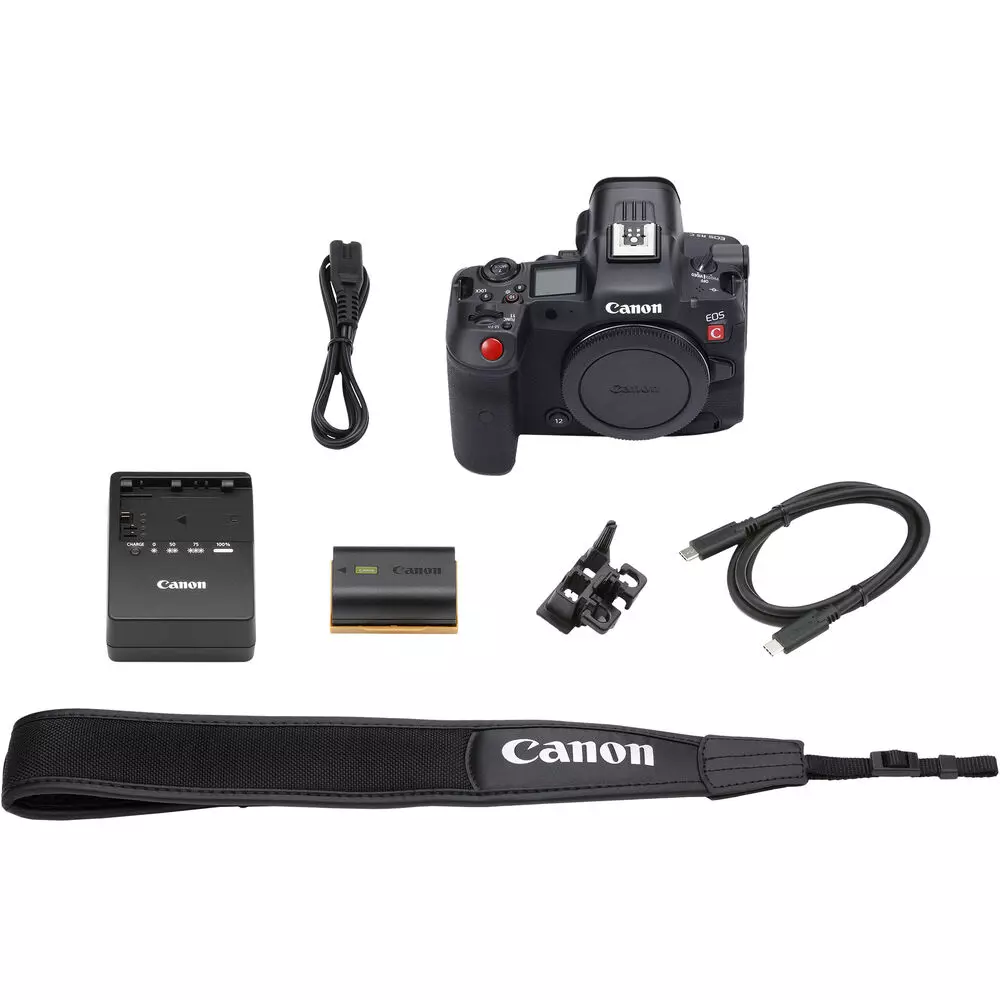
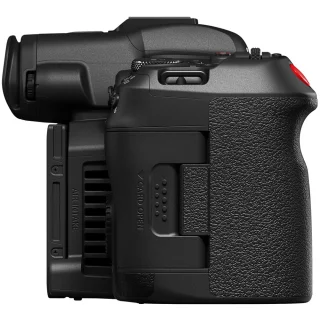
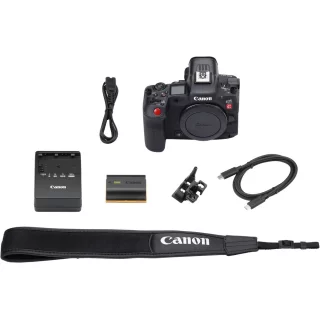
The Canon EOS 5R uses a new LP-E6NH battery type, which is about 17% more efficient than the old model. But video shooting takes a lot of power - the battery life can only be 30 minutes on the most demanding settings and about an hour of video shooting in general use. Fortunately, charging is possible with a High Power compatible USB charger directly on the camera, which means you can get plenty of use time for travel, for example with a power bank. In addition, many manufacturers have solutions for using NP-F and V-mount batteries, so you can get a relatively easy-to-move set without fear of running out of battery.
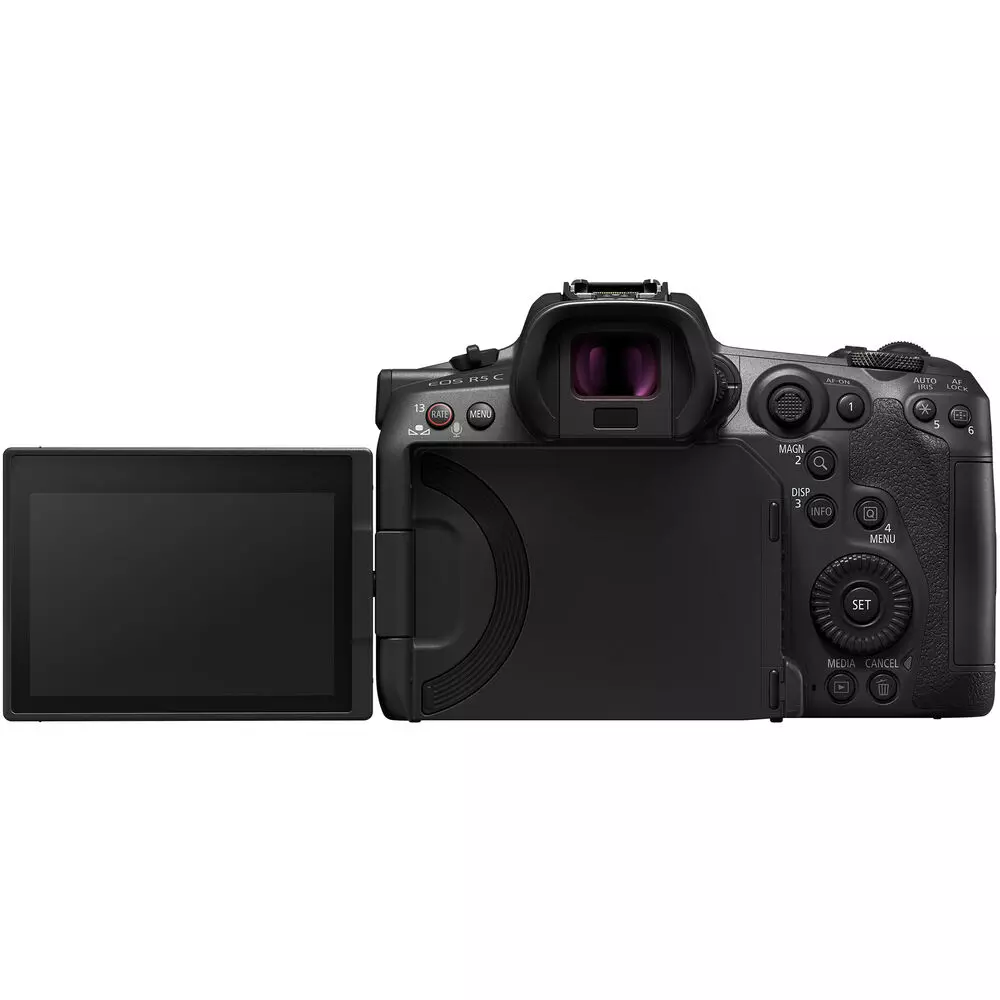
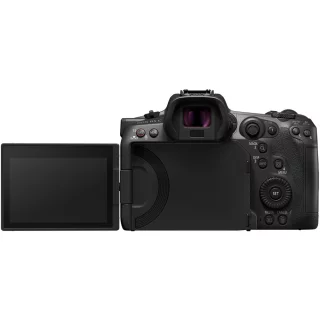
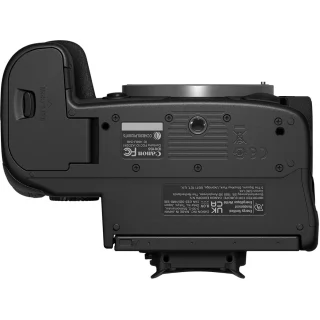
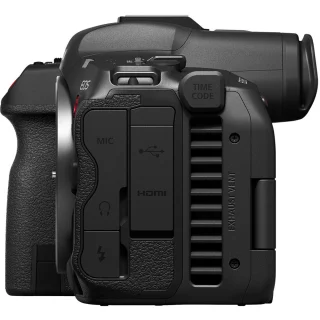
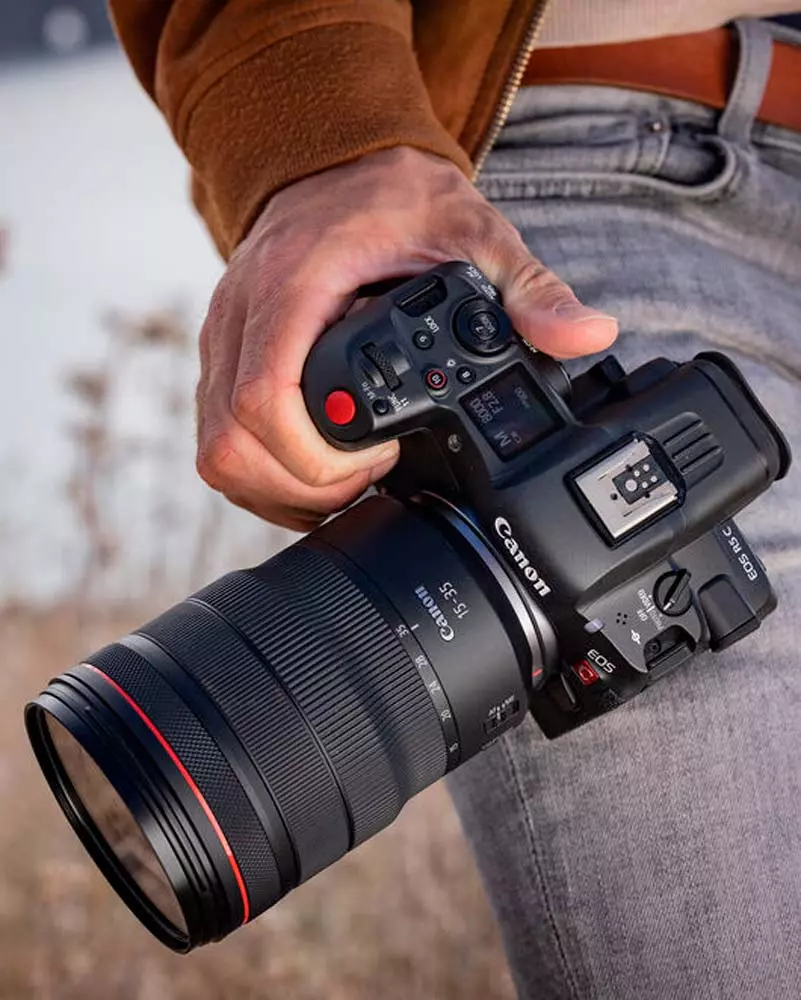
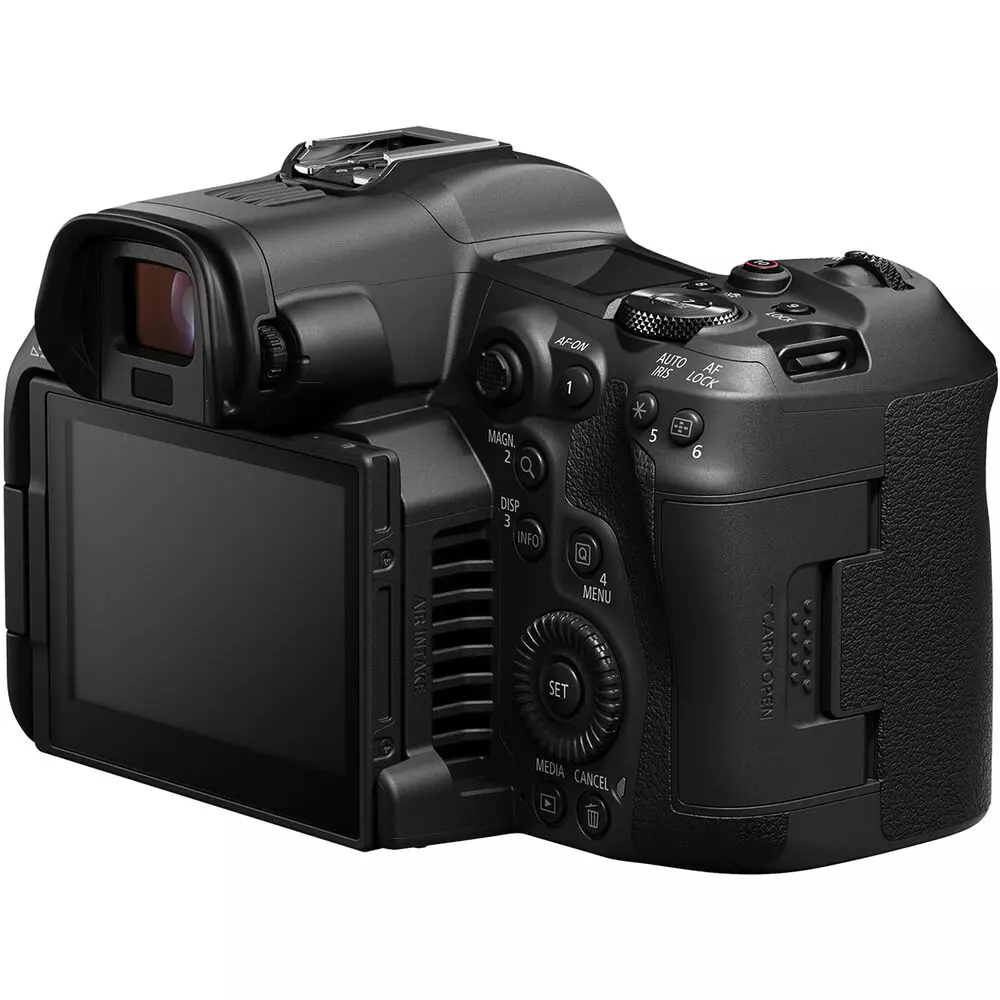
Judging by the pictures, the usability returns to the EOS 5D series roots, i.e. the M-Fn touch panel has been replaced with a rotating wheel and a traditional joystick! There is also a dedicated button for switching Liveview / movie mode. Otherwise, the good aspects of the EOS R model seem to have been preserved, the place for the electronic viewfinder, the tilting screen and probably one of the best-designed handles among mirrorless cameras.
The weather protection is in order and the frame is designed for heavy use.
Specifications:
- Compatibility: Canon RF lenses
- Sensor 45 megapixels, sensitivity 100-51200
- Digic X processor and Deep Learning AF
- Electronic viewfinder, resolution 5.76 million dots
- 8CM swivel touch screen
- 20FPS continuous shooting with electronic viewfinder, 12 with mechanical. Cache capacity 350 JPG or 180 Raw images
- Two memory card slots: 1x CFExpress and 1x SD UHS-II
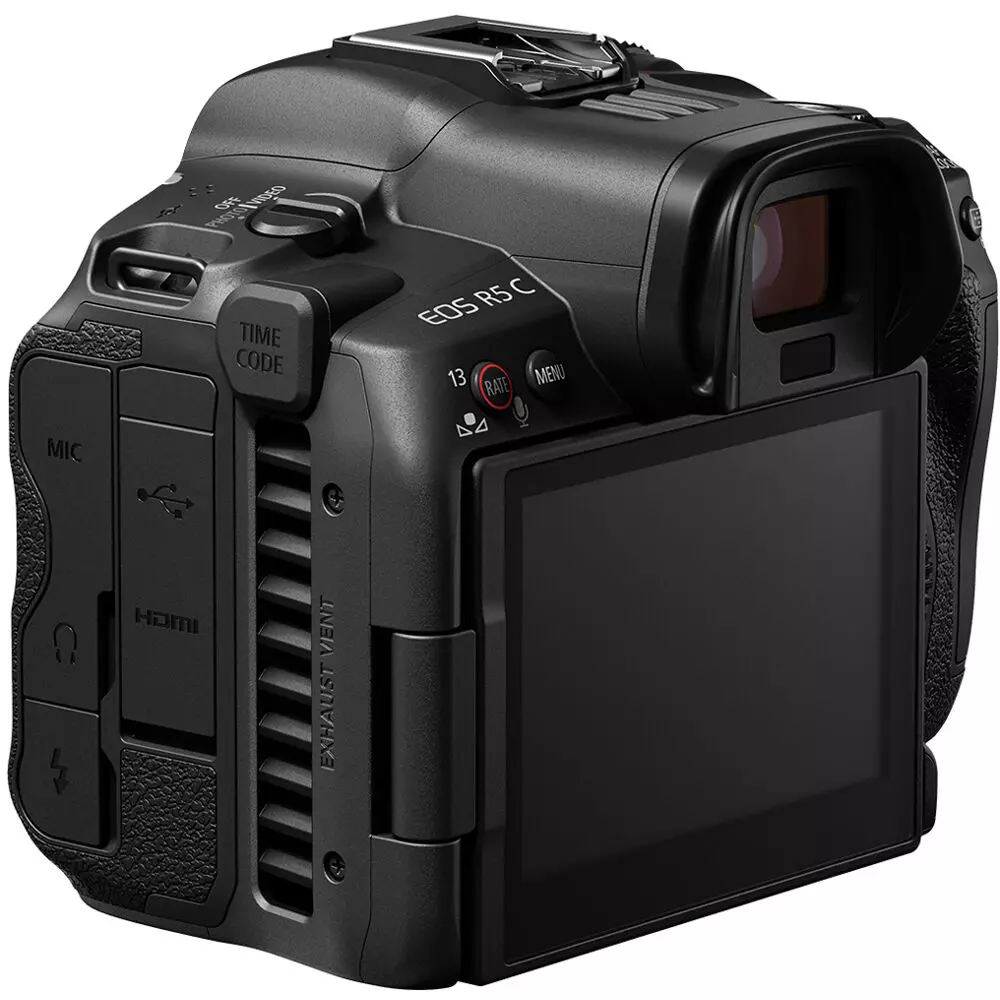
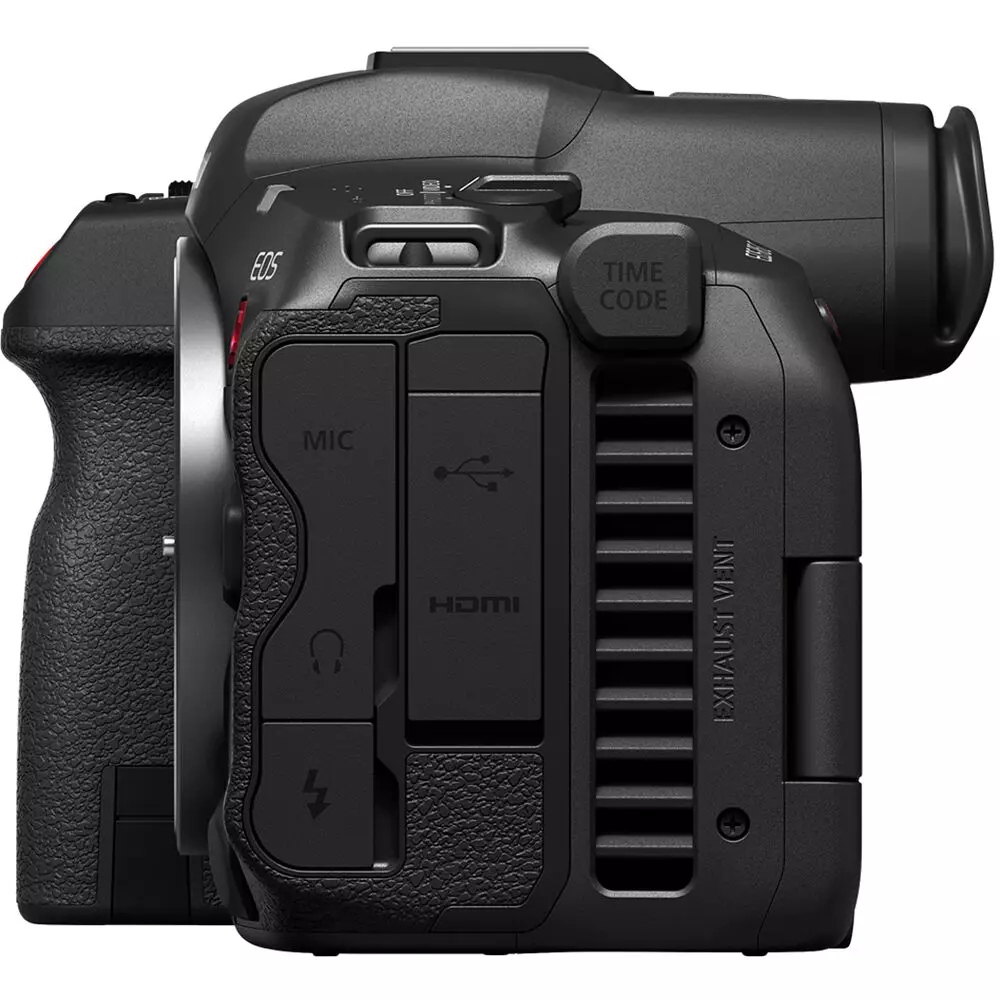
- HDMI Micro connector
- Timecode In/Out connector
- SuperSpeed USB 3.1 Gen 2 USB-C port
- Wireless Lan 5GHz & 2.4GHz and Bluetooth 4.2
- 3.5mm microphone jack, headphone jack
- Multi-Function Accessory Shoe for digital microphones or XLR connections, for example
- N3 remote release terminal and Flash Sync terminal
- Size: 142 x 101 x 111 mm
- Weight: 770g (without battery and memory card 680g)
Osta myös
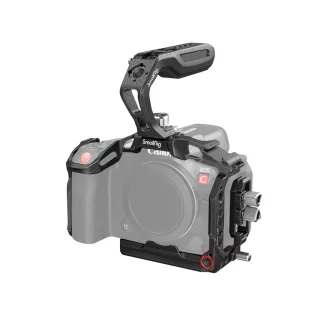
SmallRig 3891 Handheld Kit Black Mamba For Canon EOS R5C Frame

Arvostelujen yhteenveto
Kysy tuotteesta

ma-pe 9-17 ja la 10-14