Fujifilm Instax Mini Evo 2 (Black) Instant Camera and Printer

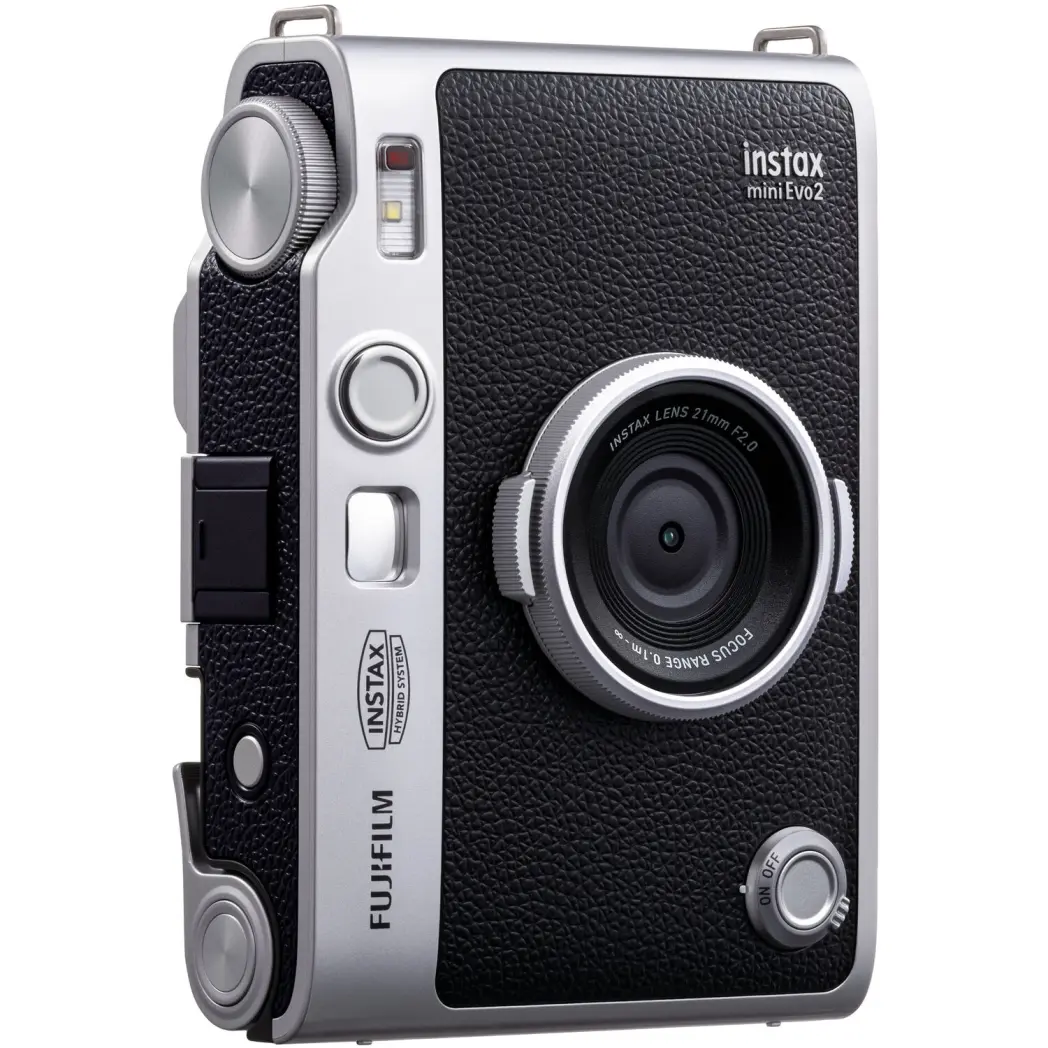
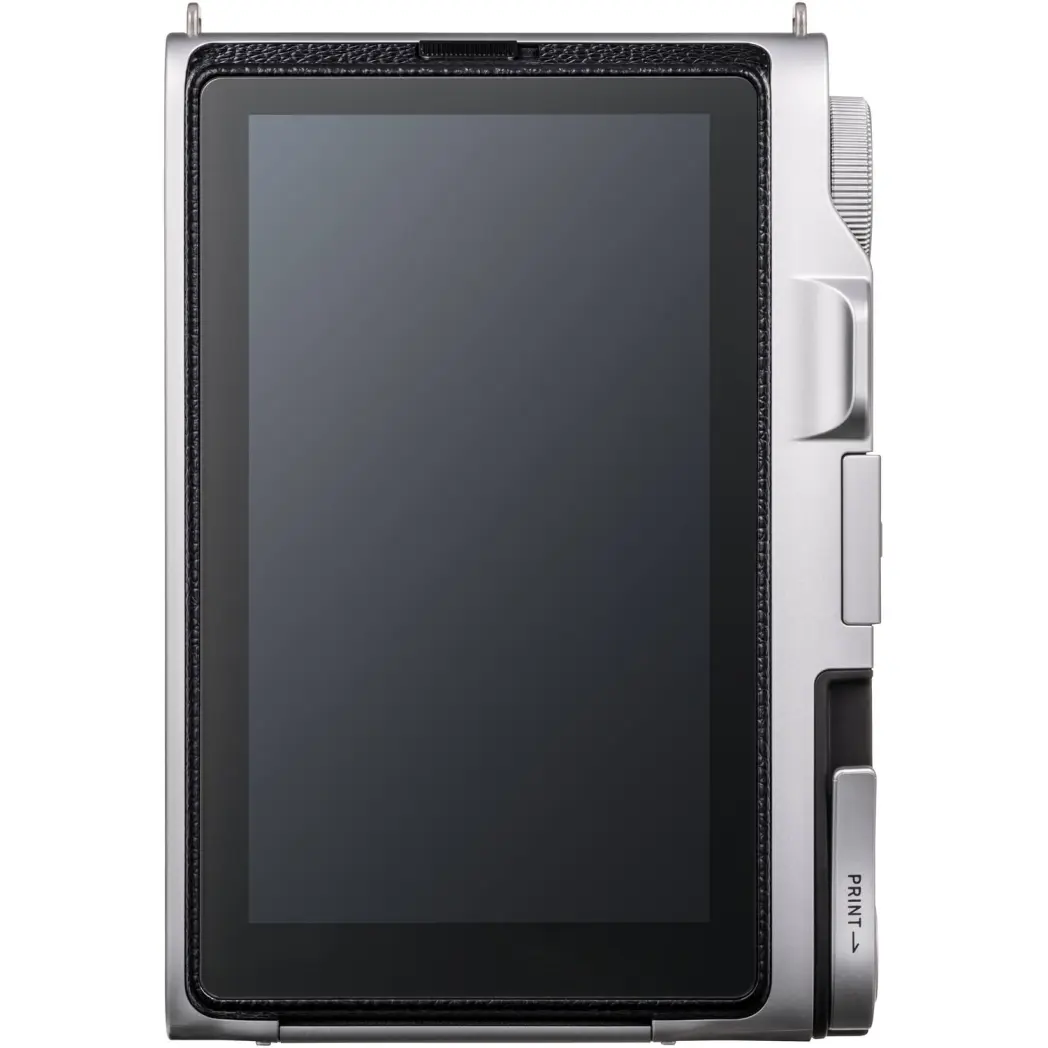
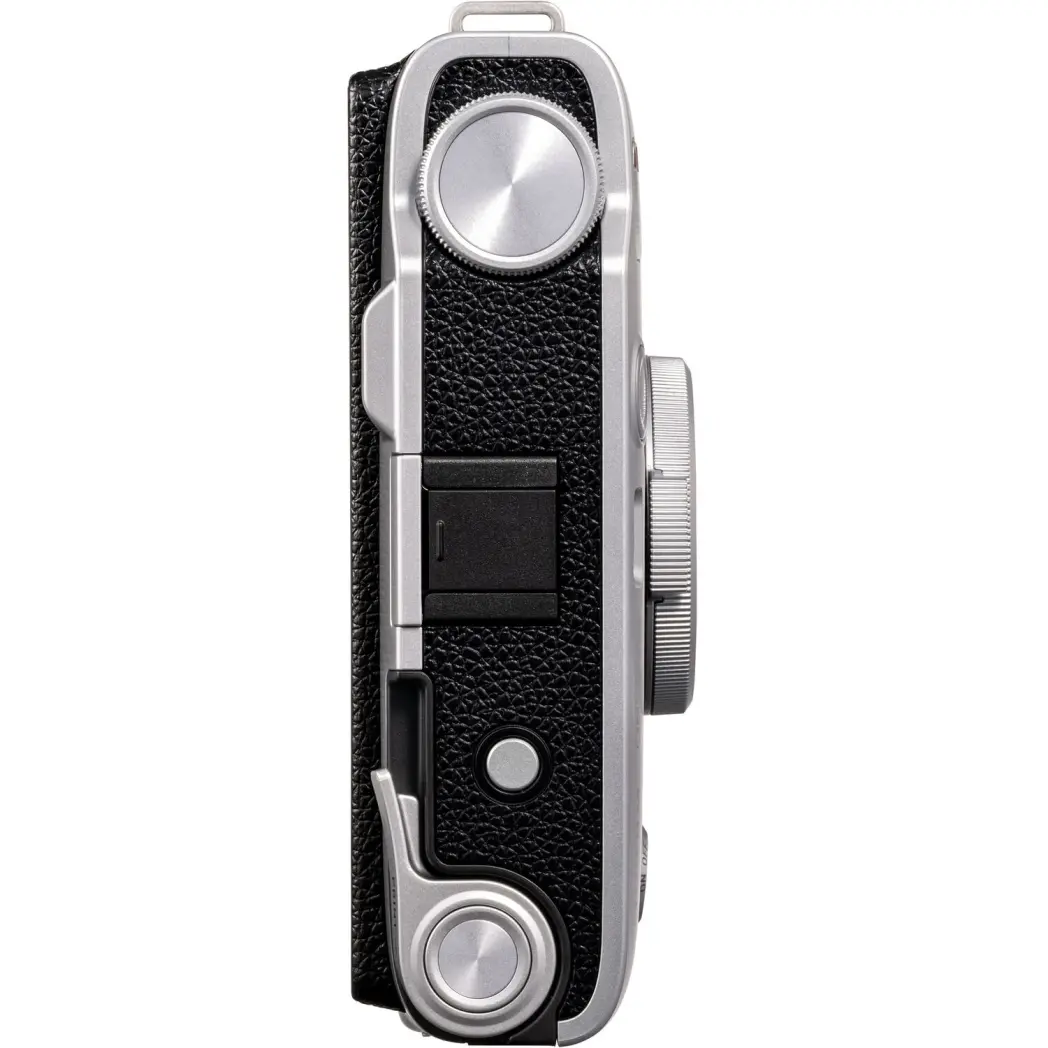
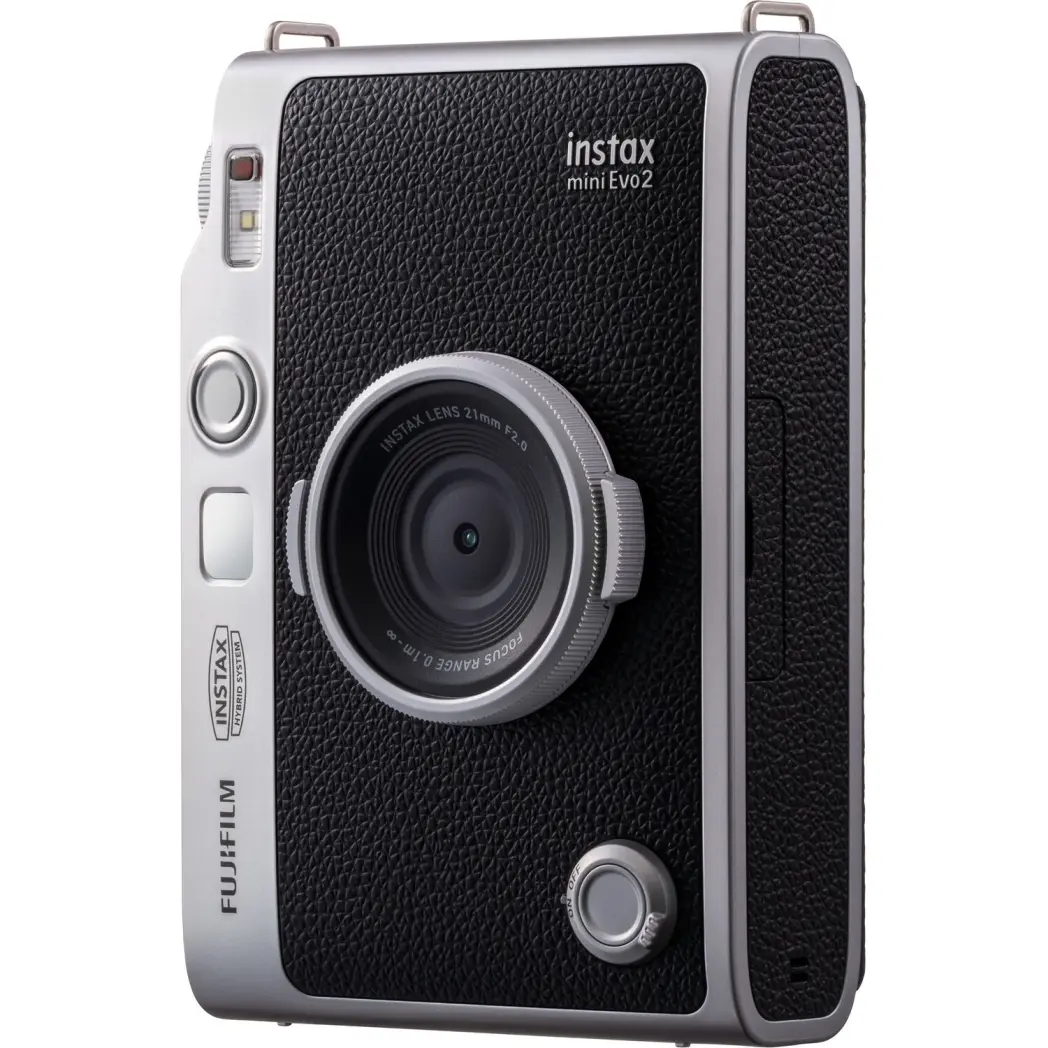
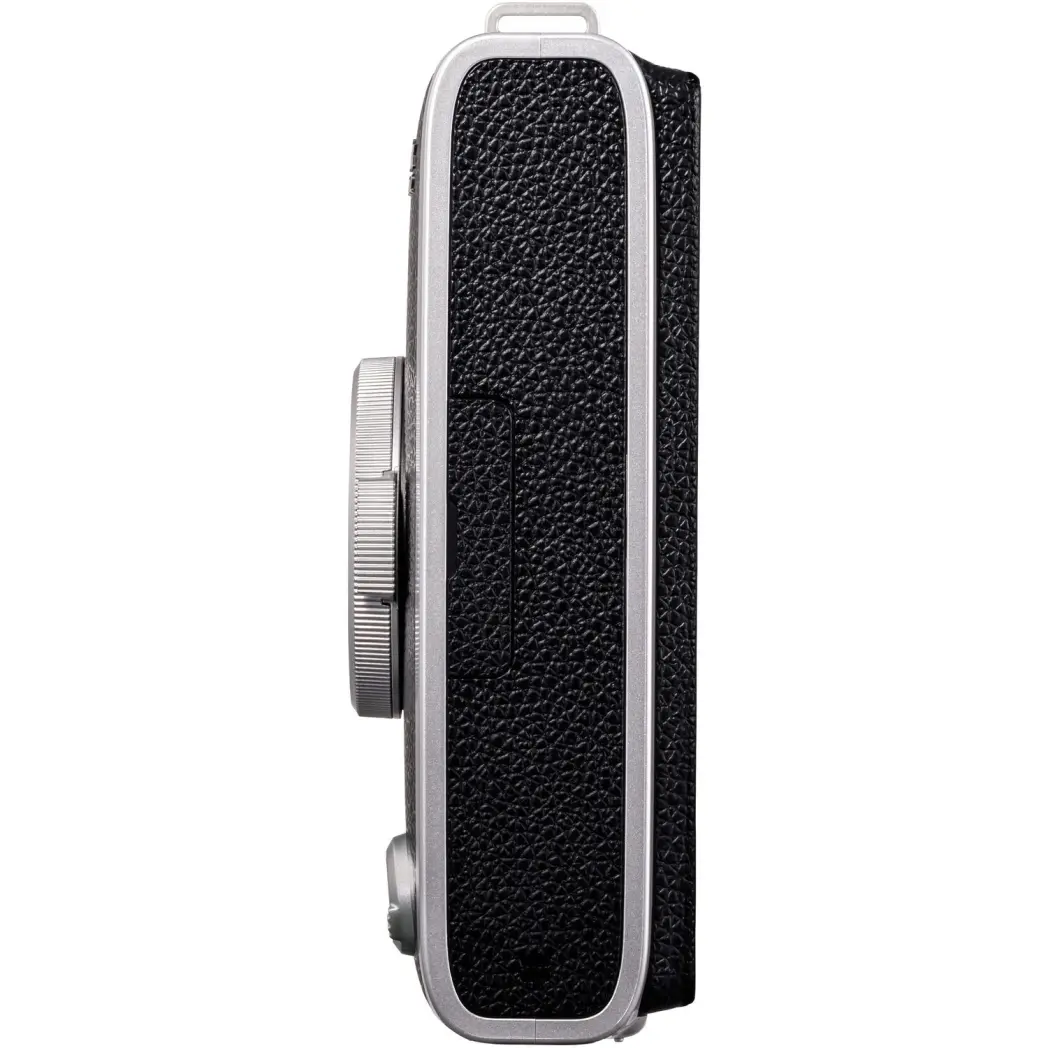
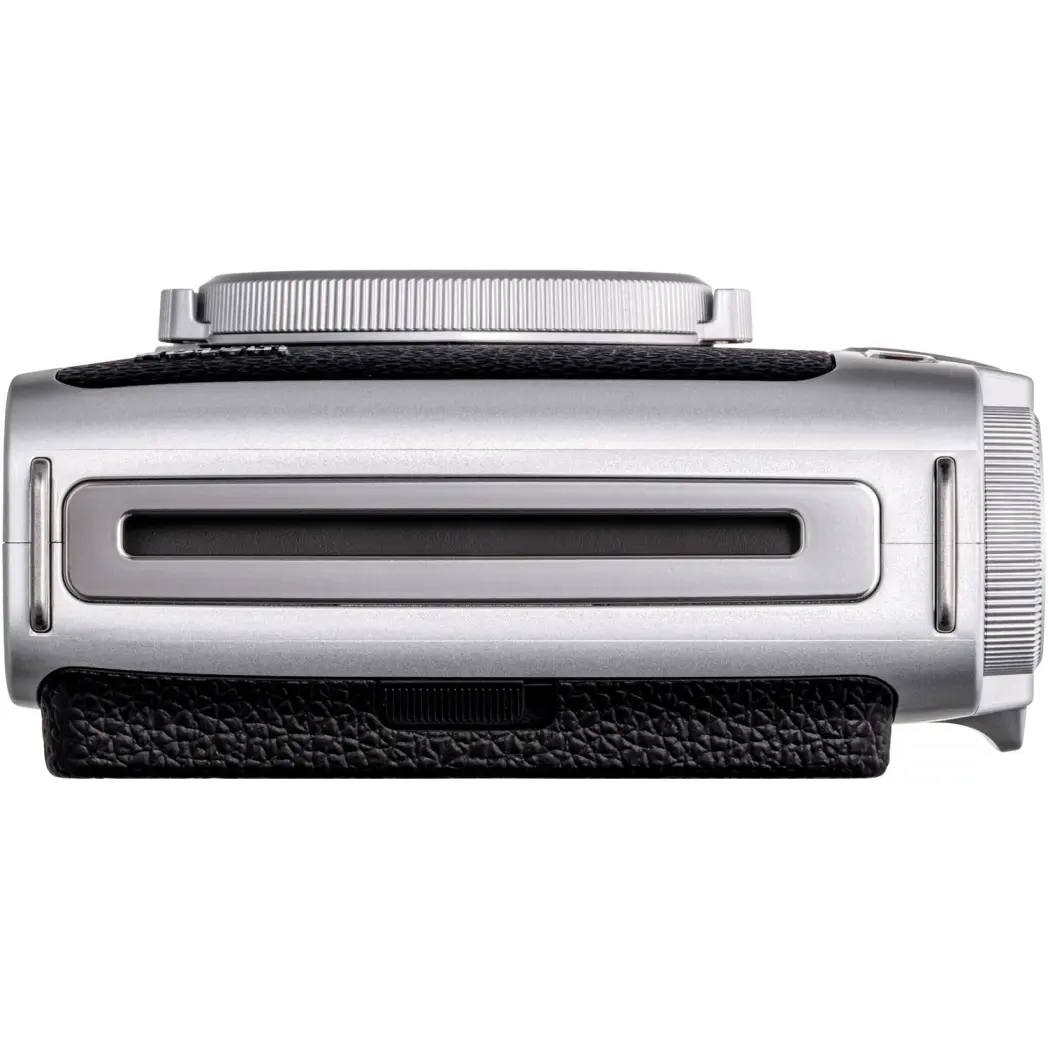
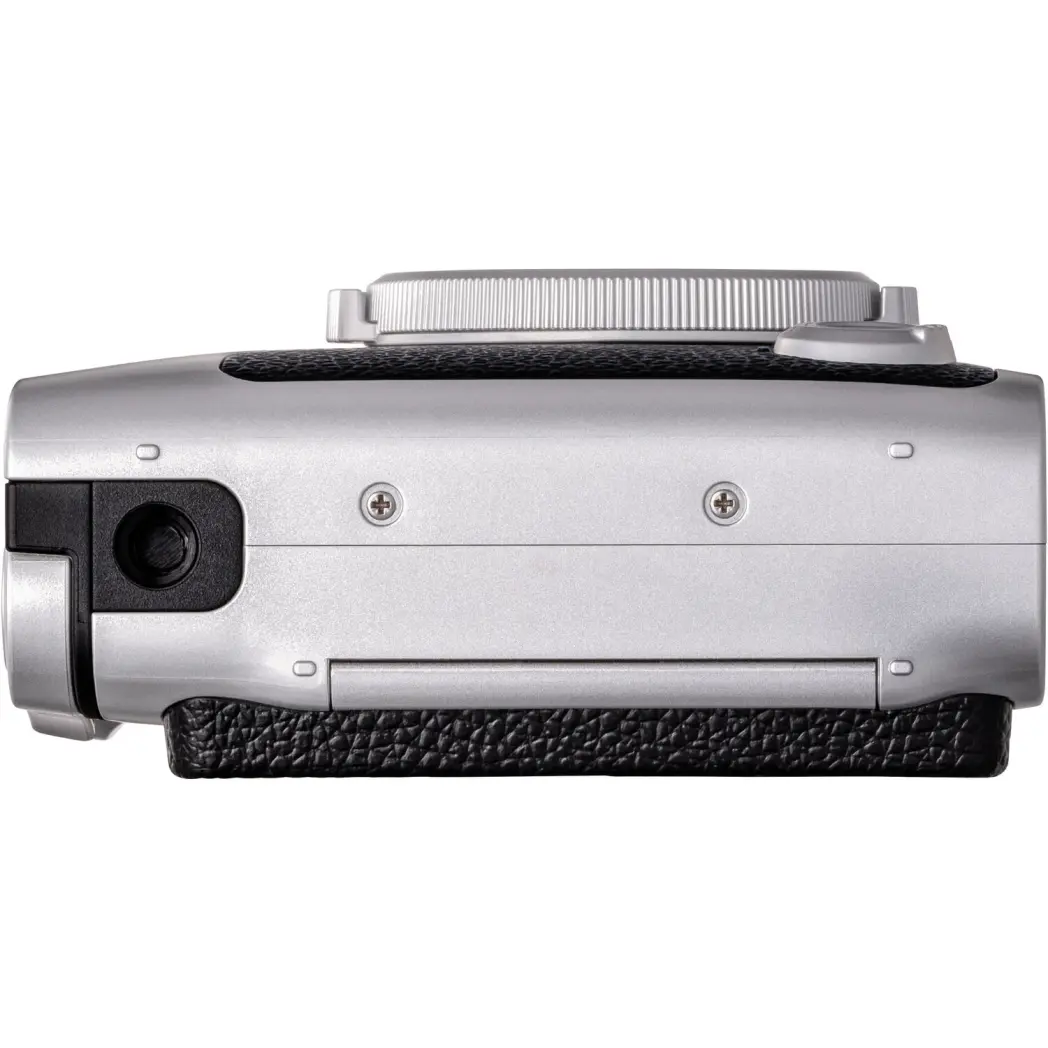
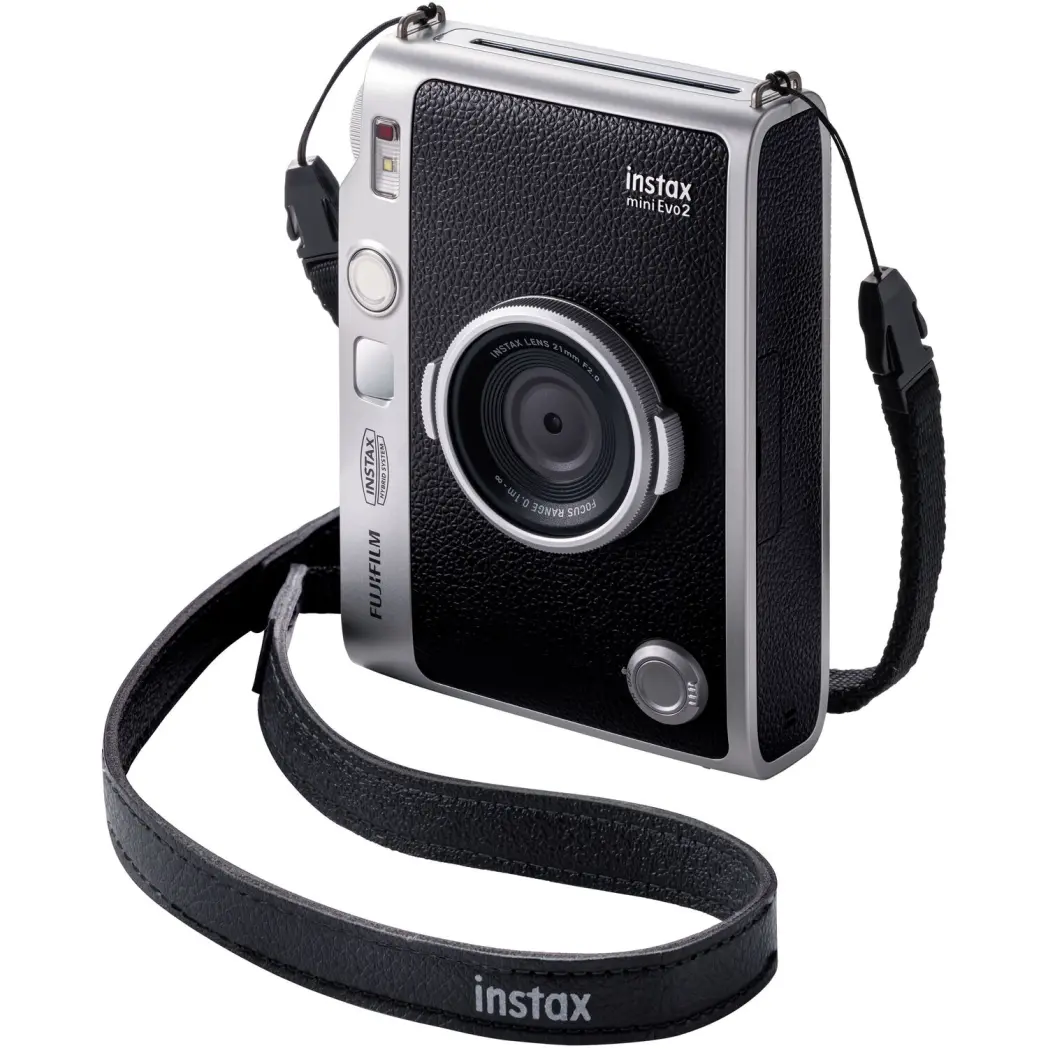
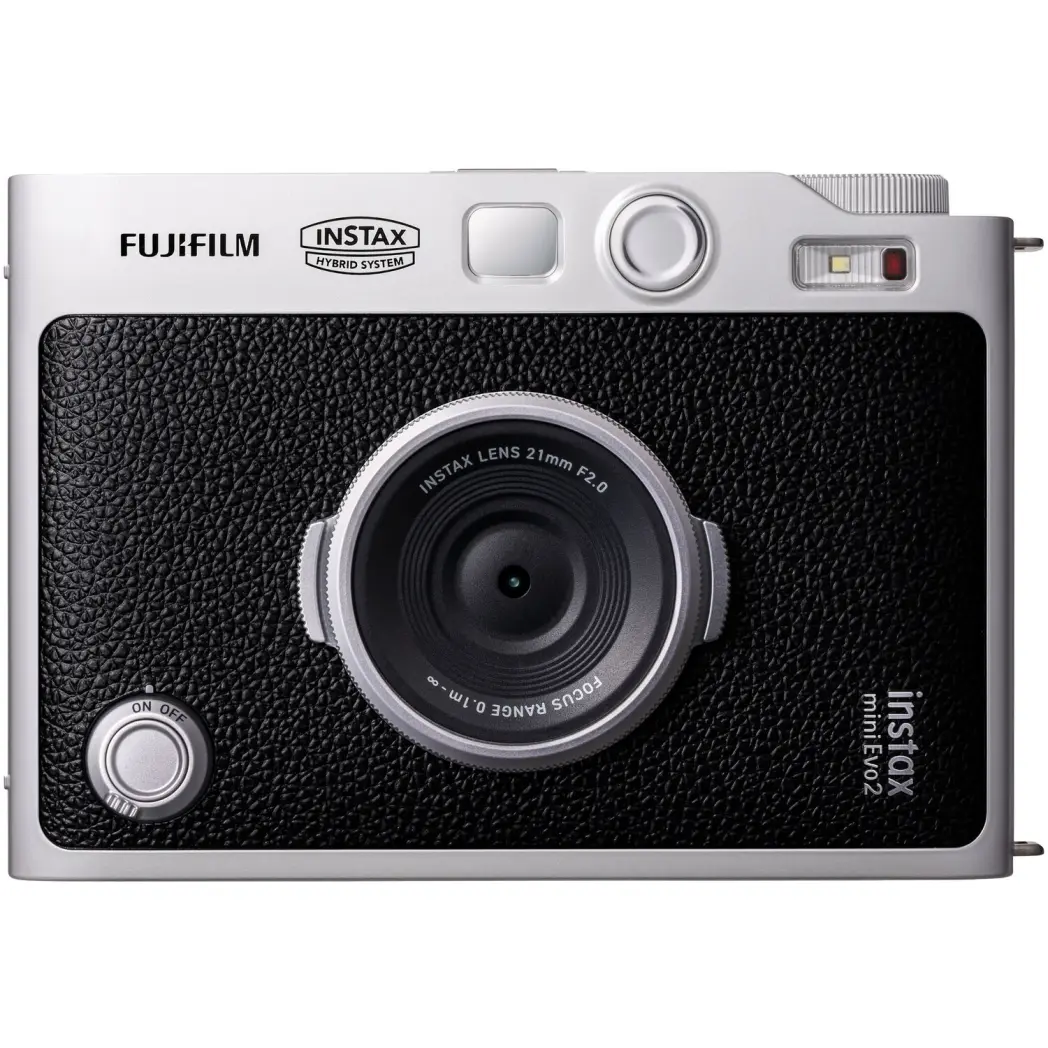
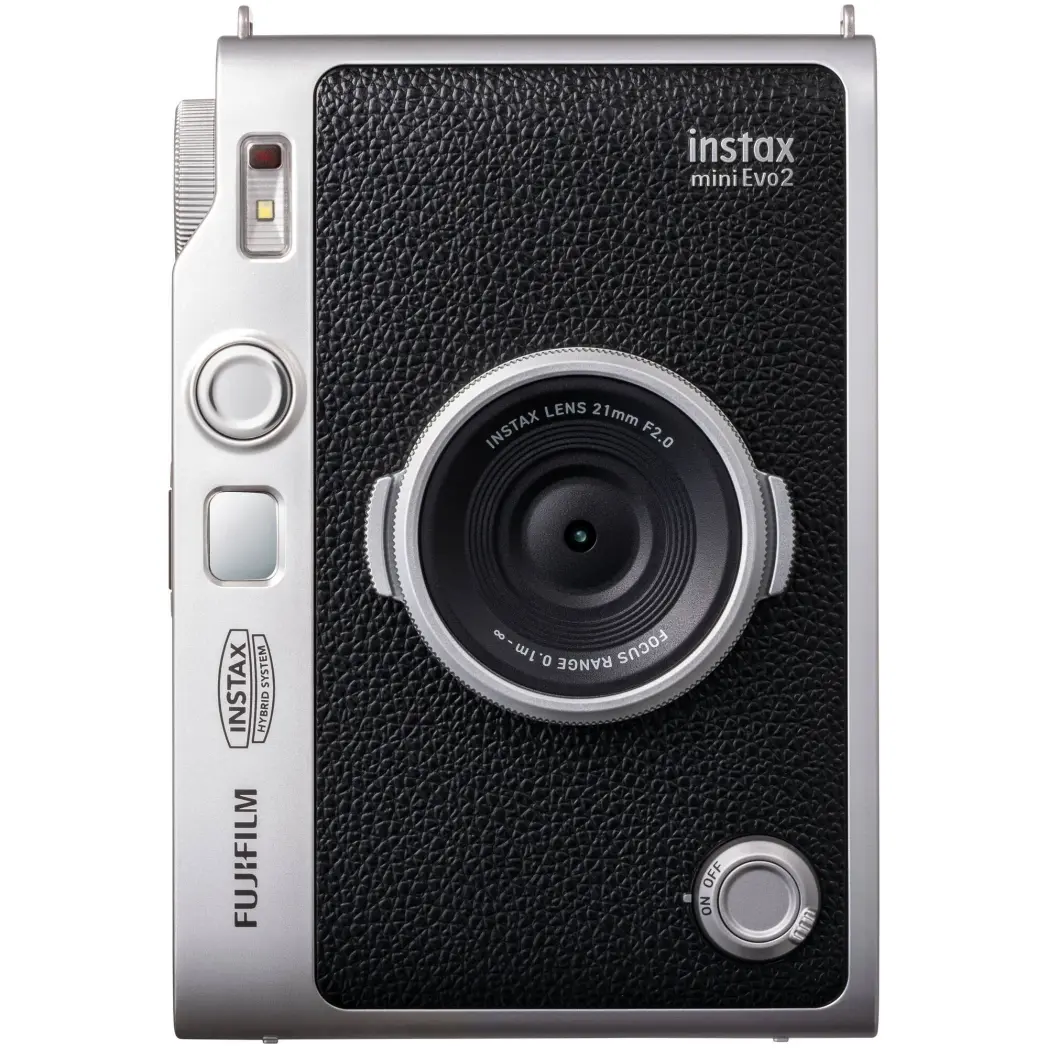
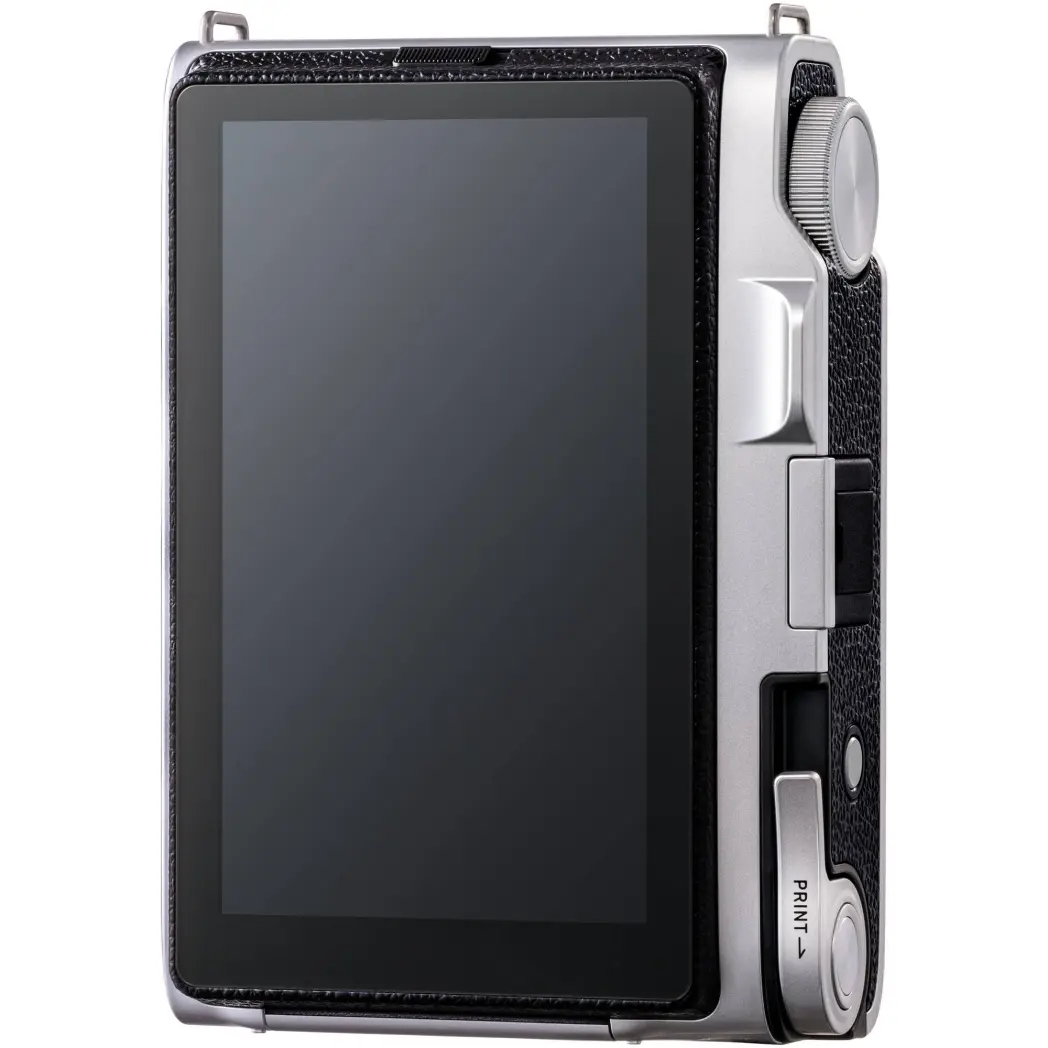
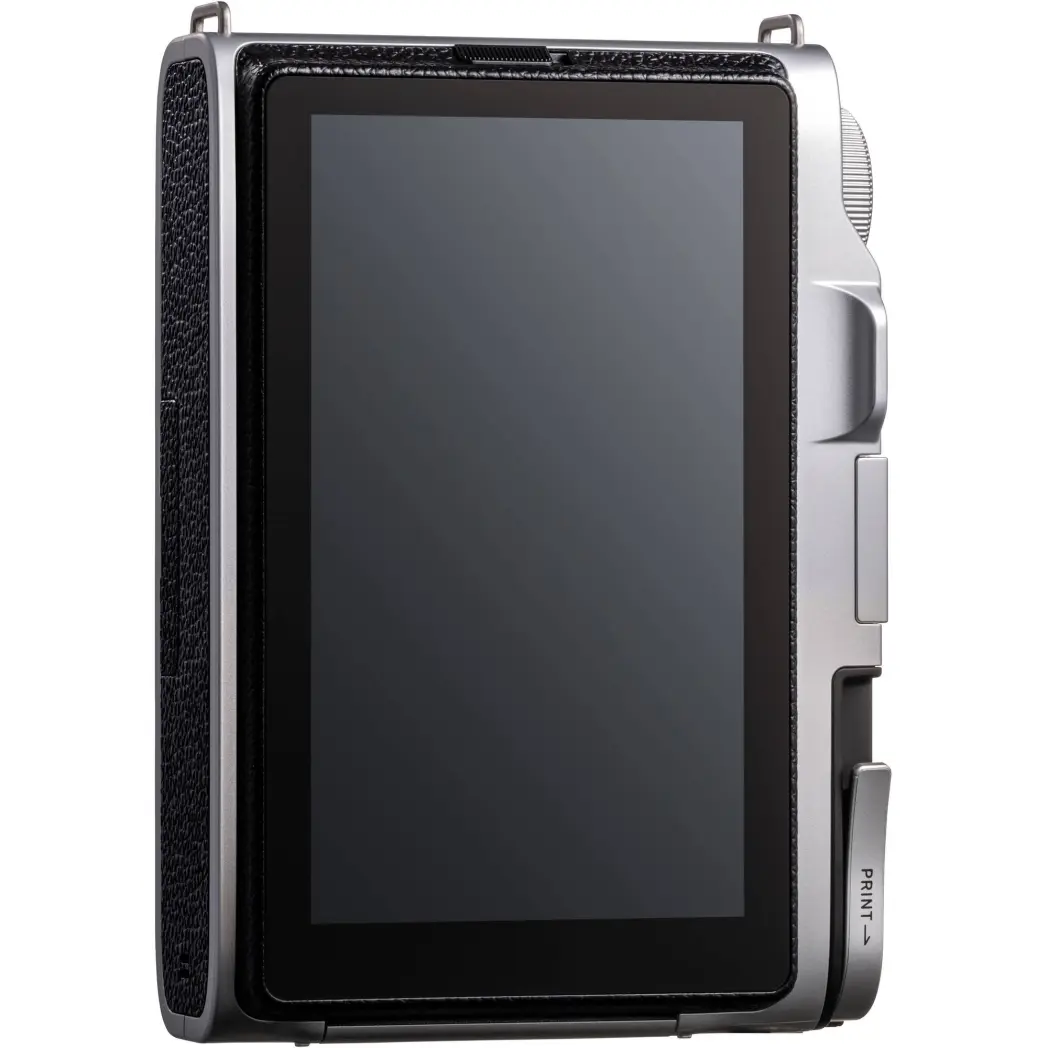
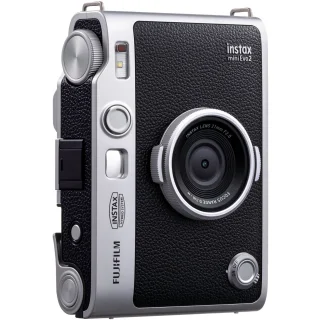
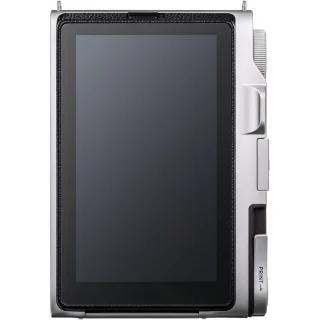
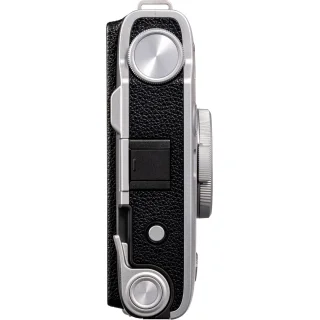
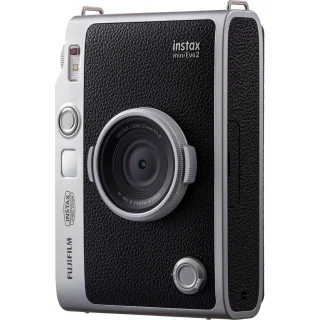
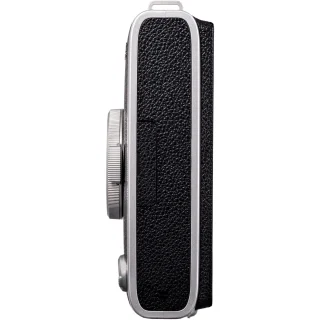

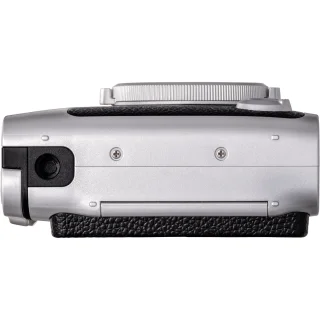
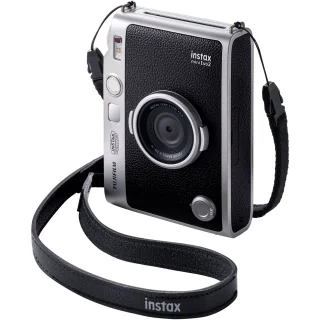
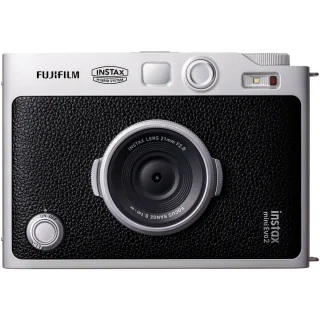
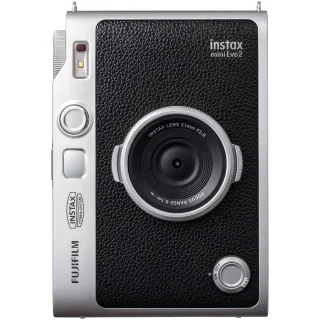
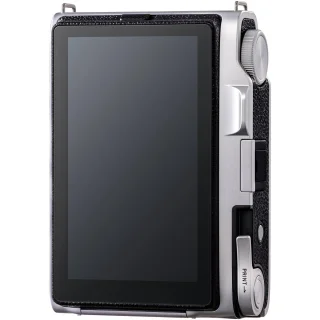
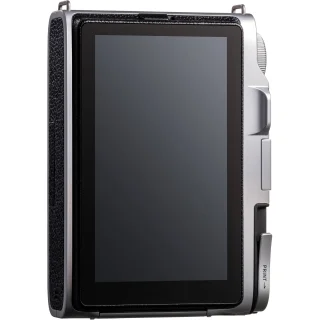
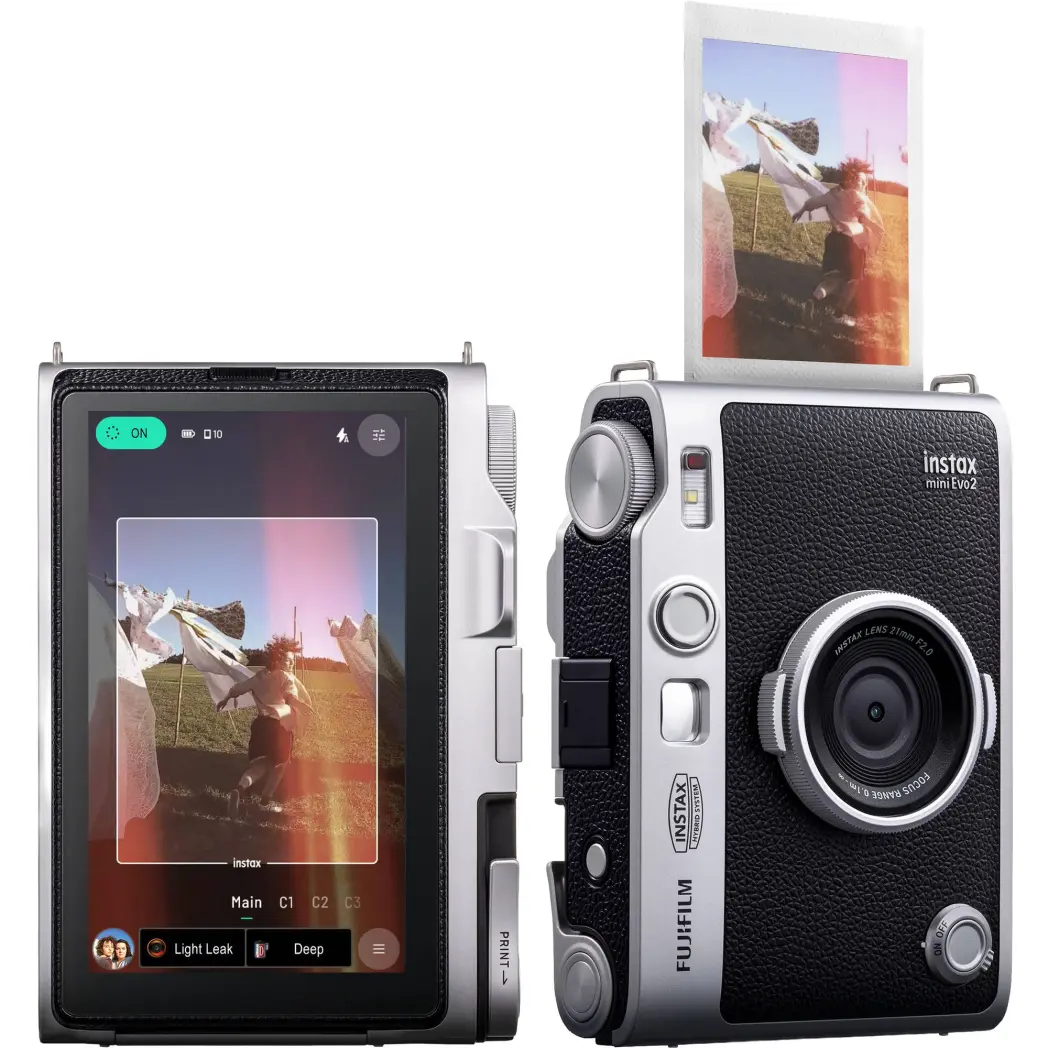
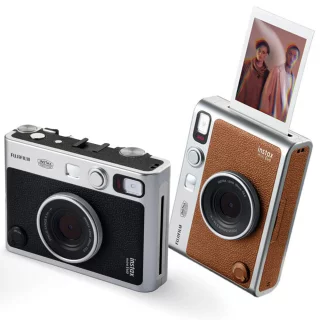
The Fujifilm Instax Mini Evo 2 is a hybrid camera: shoot digitally, select the best shots on the 4.5" touchscreen and print them as Instax Mini photos. 100 effect combinations, autofocus and printing from phone photos too.

Subscribe to availability notification, and you’ll receive an email as soon as the product is available again.


Fujifilm Instax Mini Evo 2 (Black) Instant Camera and Printer
The Instax Mini Evo was a favorite among hybrid instant cameras and was Japan's best-selling camera model upon its release. Now Fujifilm has given it a major update: it comes with a larger sensor, autofocus, and a large 4.5-inch touchscreen. The idea, however, is the same as before, which is that one device does three things:
- Instax instant camera: take a picture and instantly print it as a credit card-sized paper photo
- Digital camera: images are saved to the camera's memory or microSD card, print only successful shots
- Mobile printer: print any photo from your phone onto Instax Mini film via the app
The advantage of a hybrid camera is simple: no film is wasted on failed shots. You can see the image on the screen before printing and you can print as many copies of the same image as you want. So you can give one image to a friend and keep the other for yourself.
What's new compared to the previous Evo?
- Larger sensor and better image quality for digital photos too, up to 13 megapixels on the card
- The screen grew from 3 inches to a 4.5 inch touchscreen
- Autofocus with face detection
- New wide-angle effect and Expanded View crop view
- Immersive Movie records a short video of the moments before the photo was taken
- Rich and Natural print modes for different shooting subjects
- Editing images in the camera before printing
- Charging via USB-C connector
100 ways to describe
The most characteristic feature of the Evo series has been retained: the lens ring allows you to choose 10 lens effects (for example, vignetting, light leakage, soft focus, double exposure and a new wide angle) and the dial on top of the camera allows you to choose 10 film effects that change the color scheme of the image. So there are 100 different combinations. The controls are physical, so you choose the style while shooting, not by scrolling through menus.
Double exposure and the black and white film effect are favorites among testers, and this is where the hybrid camera really shines: you can see on the screen whether the combination was successful before the film runs out. You can also crop images and adjust brightness, contrast, and saturation directly on the camera screen before printing.
Expanded View shows a little bit around the cropped area on the screen, making composition easier. At the same time, the image is cropped a little tighter (cinema equivalent of about 33mm). When Expanded View is turned off or the wide-angle effect is used, the image is wider (about 23mm) and a higher-resolution 13-megapixel file is saved to the microSD card. Immersive Movie, on the other hand, records a few seconds of video before the shot is taken, meaning that the paper image can be accompanied by a moving memory of what happened just before the shot via the app. Videos require a microSD card.
Autofocus and correct adjustments
Previously, focus had to be estimated based on distance, now the camera focuses automatically and recognizes faces even in low light. The closest focusing distance is 10cm. There are also rare comprehensive settings for a point-and-shoot camera: the flash can be forced on or off, there are preset settings for white balance and exposure can be corrected ±2 steps. A self-timer, tripod thread and accessory shoe are also available. There is a second shutter button on the front of the camera, which makes it easier to take portrait photos and selfies.
Printing and digital photos
Printing is started by pulling the film advance lever on the side of the camera, and the image on the screen "drives out" in sync with the actual image. The print comes out in about 14 seconds and is fully developed in about 90 seconds. The image size is 62x46mm, the standard size of Instax Mini film. There are two printing modes: Natural with softer tones and Rich with a more colorful look. You can print about 90 images on a single charge.
Digital photos are saved in JPG format. The internal memory can hold about 45 photos, so it's worth getting a microSD card (max 256GB) right away. The quality is good enough for social media and normal viewing, the camera is not intended for large prints.
The free instax mini Evo app handles transferring images to your phone, remote shooting, and printing photos from your phone with the camera. Fuji's own protective case with a shoulder strap is also available for the camera.
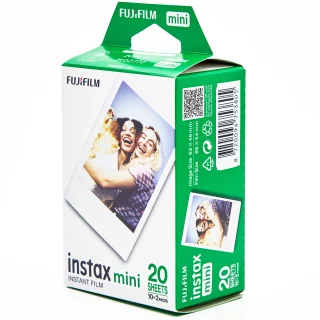
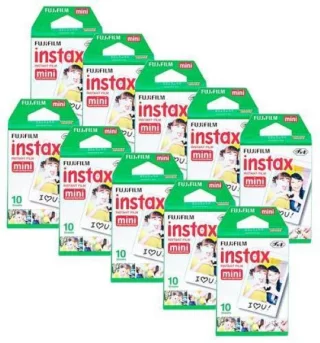
Note! The sales package does not include film or a USB charging adapter. The camera is charged using a USB-C cable, for example from a phone charger (1.5-5W).
Specifications:
- Compatible film: Fujifilm Instax Mini
- Image size: 62x46mm
- Lens: F2.0, cine equivalent 21mm (pictured 33mm with Expanded View on, 23mm with wide-angle effect or Expanded View off)
- Focus: autofocus, face detection, 10cm - infinity
- Exposure time: 1/4 - 1/8000 s
- Sensitivity: ISO 100-1600 (automatic)
- Exposure compensation: ±2 EV
- White balance: auto, sunny, shade, fluorescent, incandescent
- Digital image resolution: 2144x2860 (wide angle to microSD card 3100x4128)
- Effects: 10 lens effects and 10 film effects
- Printing modes: instax Natural Mode and instax Rich Mode
- Display: 4.5" LCD touchscreen, 1.23 million dots
- Memory: internal for approximately 45 images, microSD/SDHC/SDXC max 256GB
- Video: Immersive Movie, a few seconds of footage before the image is taken, 560x992, 24 fps (requires microSD card)
- Flash: built-in (auto/forced/off), range approx. 0.5-1.5m
- Self-timer: 10 sec / 2 sec
- Connections: Bluetooth 5.2, WiFi 2.4GHz, USB-C (for charging only)
- Battery: built-in lithium-ion battery, approximately 90 prints per charge, charging time 2-3 h
- Size: 87.5 x 125.3 x 43.7mm
- Weight: 330g
- Color: black
The sales package includes:
- Fujifilm instax mini EVO 2 Hybrid Instant Camera
- Shoulder Strap
- USB-C cable
Featured
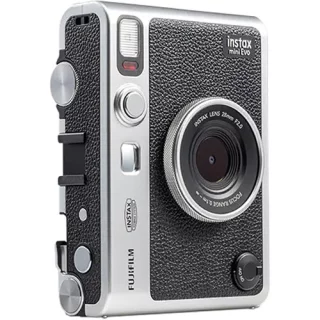
Fujifilm Instax Mini Evo Instant Camera and Printer - Black
Summary of reviews
Ask about product

Mon-Fri 9-17 and Sat 10-14
INFO

