Sony FX5 Cinema Line camera

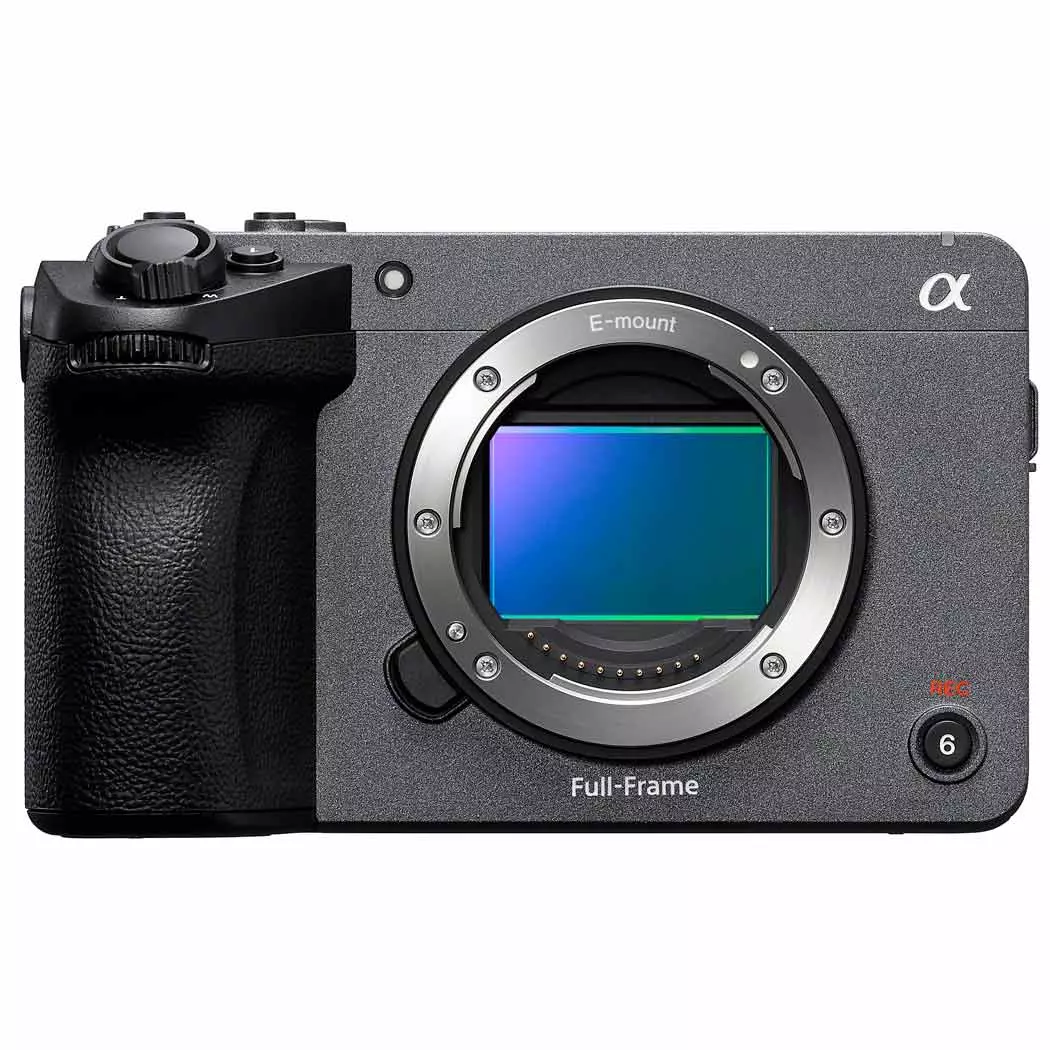
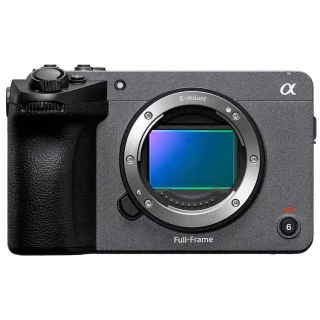
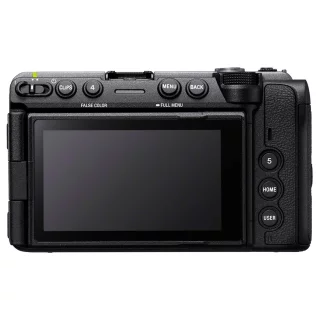
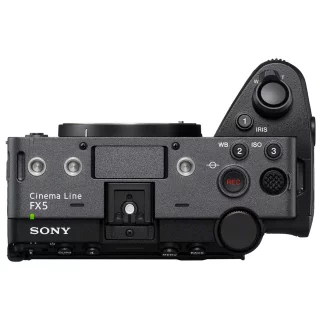
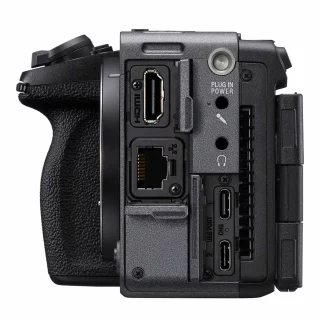
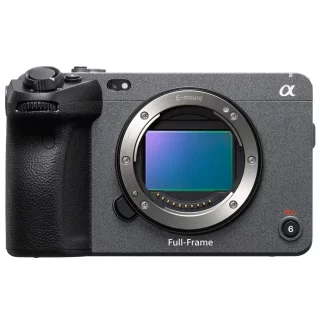
The Sony FX5 Cinema Line bridges the gap between rugged cinema cameras and compact FX-series models. With internal 16-bit RAW, Open Gate and a new 16.6 MP sensor.



Active campaigns

Compatible accessories
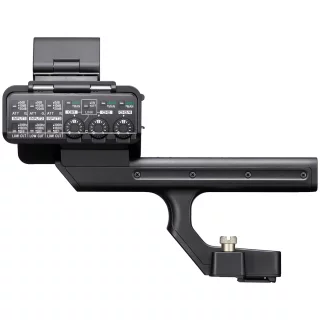
Sony XLR-H2 Handle Unit
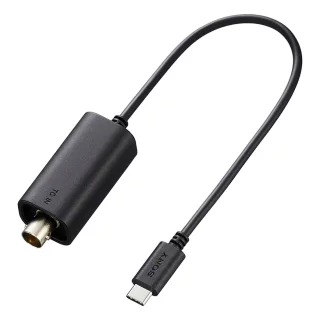
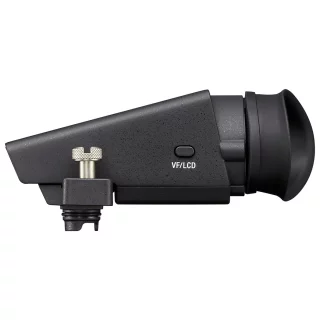
Sony DVF-EL1 OLED Viewfinder
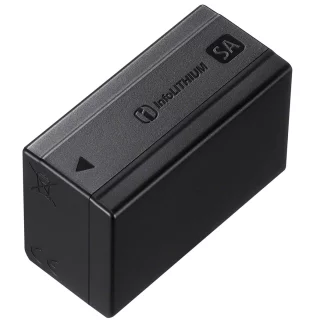
Sony NP-SA100 battery
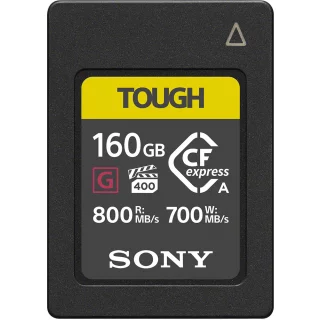
Sony 160GB CFexpress Type A TOUGH memory card
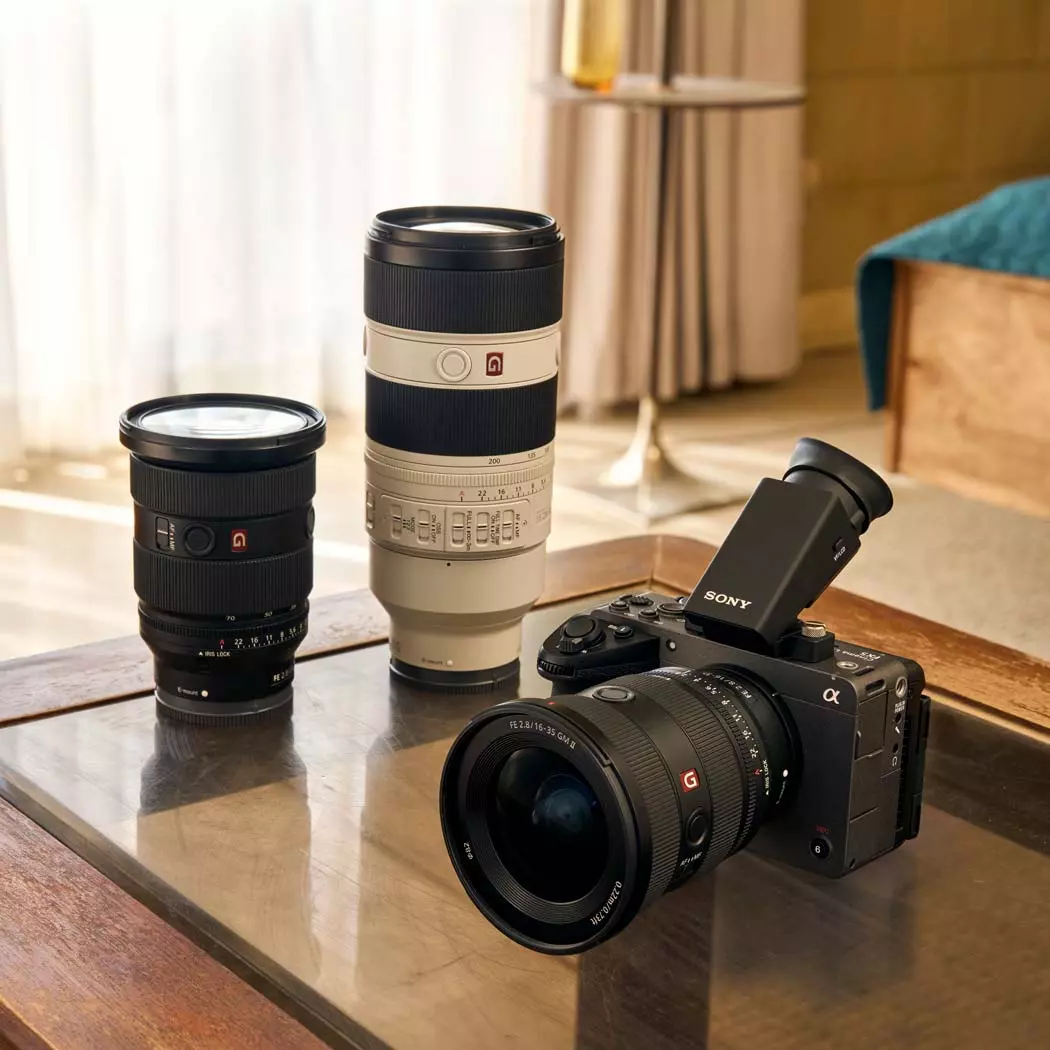
Sony FX5 Cinema Line Cinema Camera
The latest model in the Sony FX5 Cinema line of cinema cameras. Sony's Cinema Line series combines features from the very robust Burano and Venice 2 cinema cameras all the way to the smaller FX series. There have been practical features and a certain similarity in image quality and so-called look.
Now with the Sony FX5, the gap between the devices has narrowed even further, with the features of Hollywood-level cameras in a small, powerful package.
The Sony FX3 is still a very popular camera and its success has proven that this metal-bodied, actively frozen but compact body is really suitable for many uses, from content creators, small production companies and advertising agencies to even larger productions as a B-camera. The Sony FX3 was announced five years ago and the demands on cameras are surprisingly much higher these days. And the FX5 meets these demands perfectly!
- New 16.6MP Stacked sensor
- Bionz XR 2 processor i.e. AI-taught focus capabilities
- Open Gate 5K 3:2 video recording, 5K 120P and 4K 240P
- 16 bit internal RAW and Triple base ISO 800, 4000 and 12800
- 16 aperture value dynamic range
- X-OCN LT / C1 and C2 recording codecs like in VENICE and Burano cameras!
- VENICE style menu structures
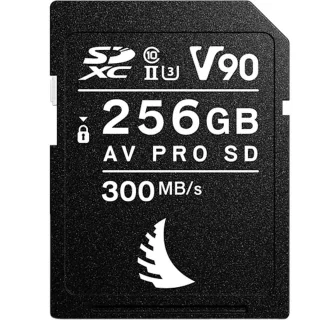
- 2x CFExpress Type A / SDXC UHS-II memory card slots
- Some features coming as a firmware update after release
New sensor x Open Gate x Internal RAW x next-generation AF
The basis for the new features appreciated by professionals is the new technology used in the camera. The sensor is completely new, so-called stacked, and has a resolution of 16.6MP. The reasonable number of megapixels is enough for 5.2K video and enables fast readout speed and a very wide dynamic range of 16 aperture values.
The Sony FX5 also supports Open Gate shooting, i.e. 3:2 video with a higher aspect ratio, which makes it easier to make different croppings of the material, for example. On the other hand, in addition to making Tiktok videos easily, users of this camera appreciate better support for anamorphic lenses, i.e. now you can use a larger area of ??the sensor and more de-squeeze settings have been added. You can also preview directly from the camera.
Now, for the first time, an FX series camera can also record X-OCN video, this is done directly to the memory card, meaning you are using 16bit raw video without external recorders. The codec is the same as in the Venice and Burano systems and the compression levels used are LT, C1 and C2, meaning quite robust file formats. And this directly to the camera, without HDMI cables, a recorder and separate media or power sources! These recording formats require a CFExpress Type A VGP400 memory card.
In addition to good codecs, in editing and the quality of the final material, it is important how much data from the deepest shadows is stored and how the highlights are reproduced, i.e. the dynamic range. The dynamic range has been made a bit larger again, the manufacturer talks about both 16 apertures and 15+ apertures and it will be interesting to see the first experiments, but it is clear that there will be a difference compared to previous generations.
There is a separately activated Dual Gain mode, which expands the dynamic range but slightly limits, for example, sensitivity settings and frame rate settings (ISO 800 and 30P in 5.2K mode and 60P in other modes). In addition, the camera uses the so-called Three Base ISO technology, meaning that now there are three basic sensitivities that offer the best quality (800, 4000 and 12800).
The new sensor's read speed enables distortion-free images even when the camera is moving, as well as 5K 120P and 4K 240P slow-motion videos.
The image stabilization has been improved and in addition to the IBIS sensor stabilization, there is a more effective electronic Active mode stabilization, meaning the video image is clearly steadier when, for example, walking with the camera. This fits nicely with the device's run&gun capabilities.
The new generation of autofocus means that it includes Sony's latest AI-taught focus and a separate AI Processor that handles focus. This does not mean a chatbot that gives pancake instructions, but mainly machine-taught focus that quickly recognizes objects thanks to this background material. In addition to recognition, the system can also predict the movement of the object and this always helps to achieve perfect focus. Recognition mode has also been added for birds and in addition to animals, there is flexible animal/bird AF if the objects change between birds and other animals.
But the final performance of autofocus is also affected by the speed and other characteristics of the sensor, and according to Sony, focusing is significantly faster and more reliable, especially in low light, meaning there will be less searching and professional-looking focusing even in demanding conditions.
Professional-level usability:
- CineAlta-style clear and fast menus
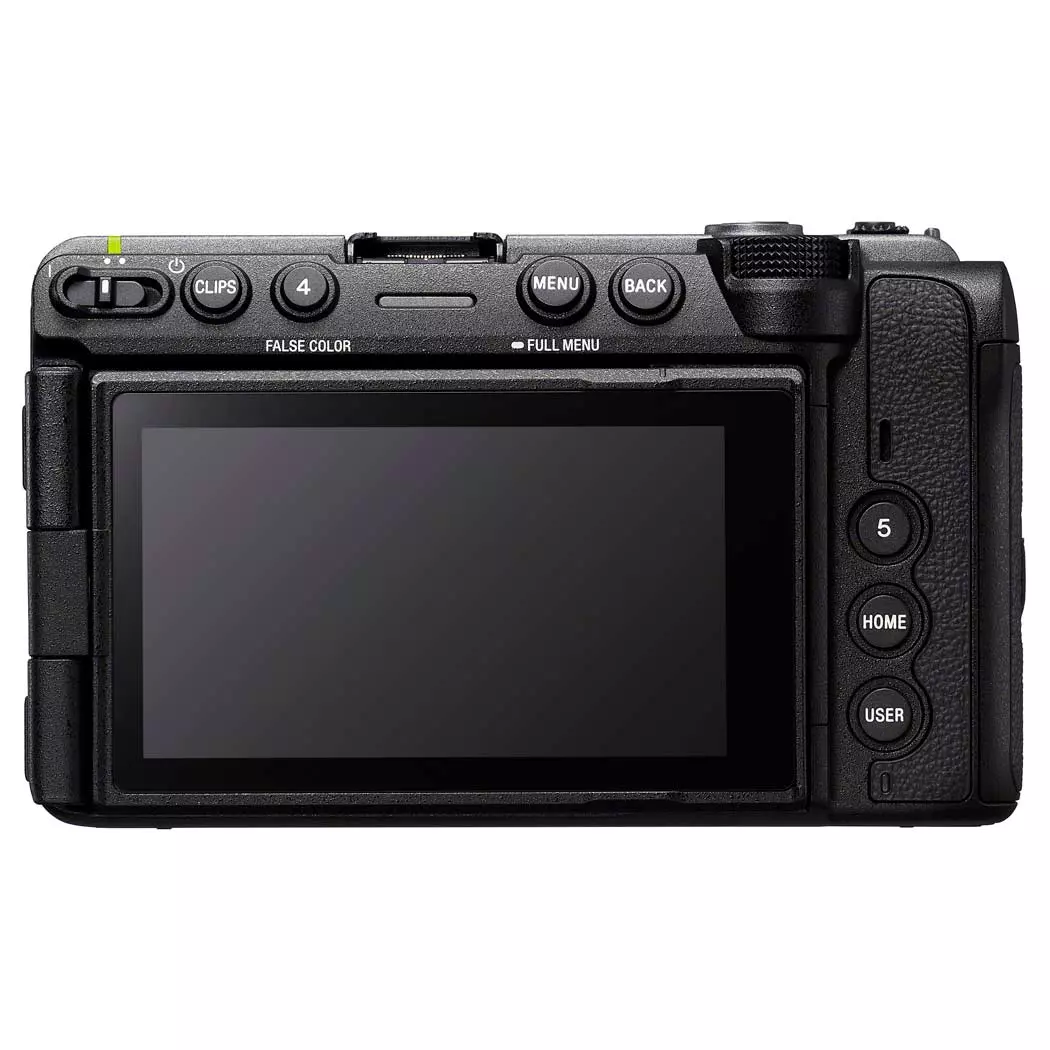
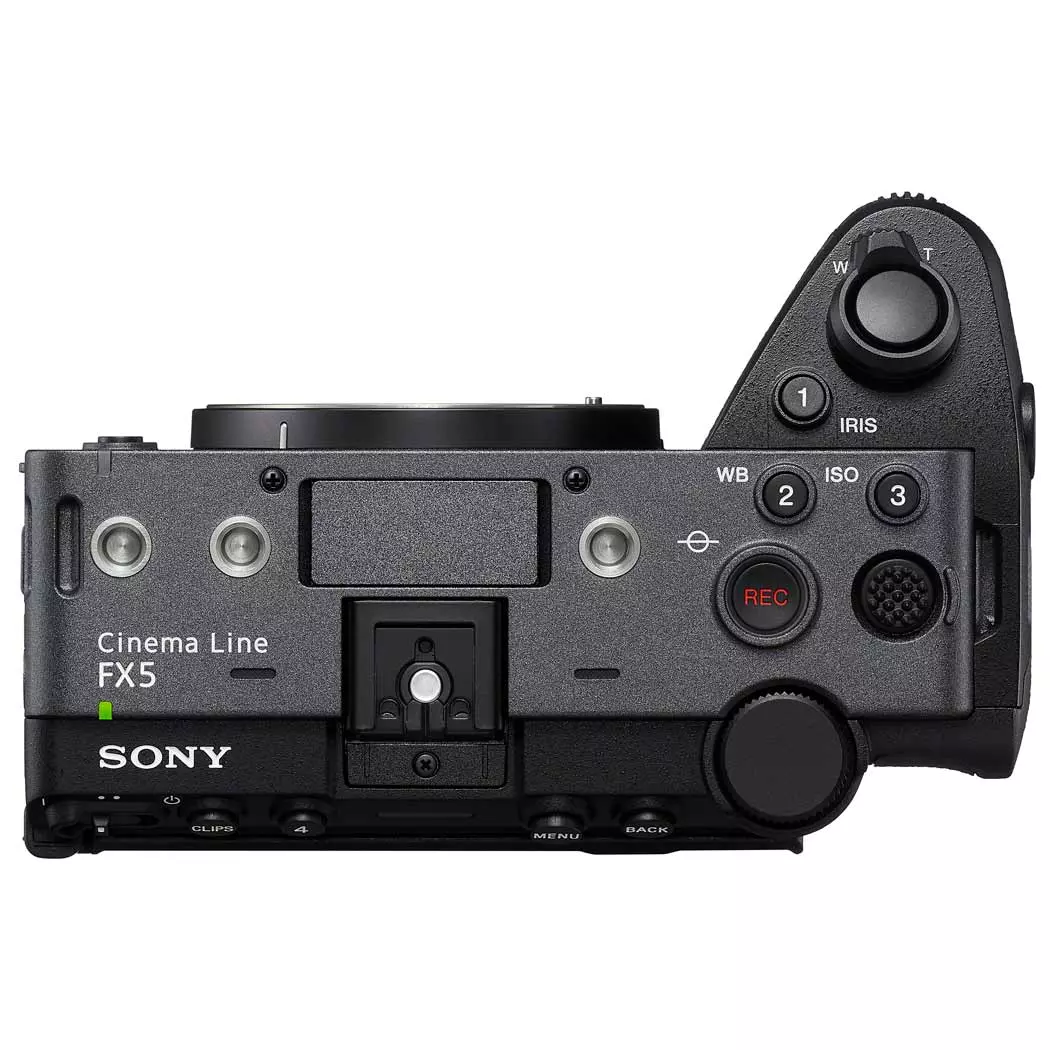
- More buttons: Clips, Back, Home, User and multi function wheel
- Cageless design, i.e. metal frame and multiple attachment points
- Active cooling
- Larger 3.5" 4-axis touchscreen
- OSD black, meaning no information is displayed on top of the image
- New monitoring tools: False color, Waveform, Vector and Focus map
- New 30% more efficient NP-SA100 battery type
- Tally lights on both sides
- 2x CFExpress Type A / SDXC UHS-II memory card slots
- 2.4/5/6Ghz wifi
- Monitor&Control app: use your phone as a wireless monitor! Also includes exposure aids
- No built-in ND filter or SDI connection
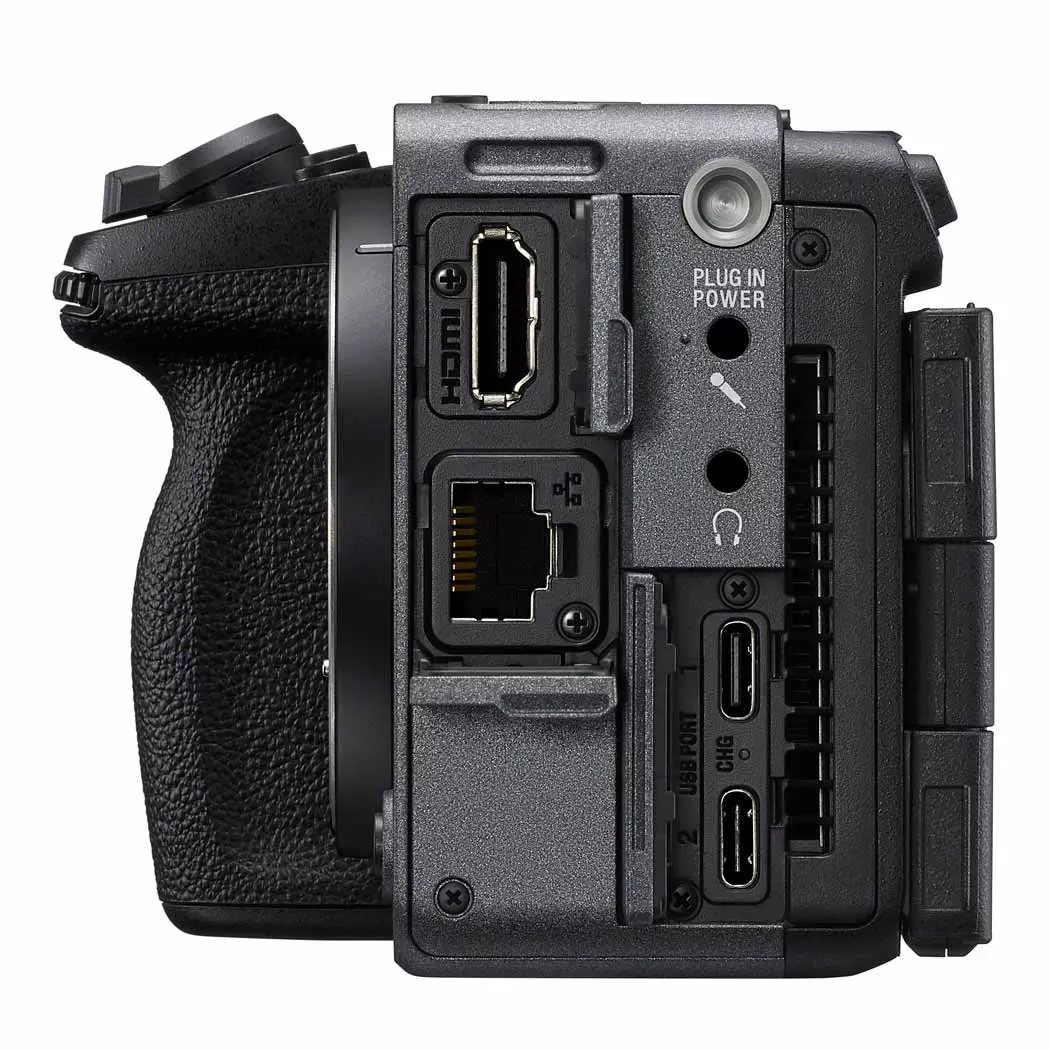
- Optional accessories include a rotating EVF, USB-C timecode adapter and XLR 32bit audio handle
Externally, the camera resembles much of the previous FX models, but as you can see from the listing, there are a lot of improvements and refinements that professionals will appreciate.
It uses a lot of features from high-end film cameras, such as CineAlta-style simplified and very informative menus, the larger display enables OSD Black-style shooting mode, meaning the image is displayed in its entirety without any information texts on top, and the settings and exposure information is on the edges. There are also more new buttons, which can also be customized.
The camera also goes really far in terms of exposure assistance, meaning it finally includes false color, wavefrom, vector display, and focus map features. This means professional exposure is possible in all conditions.
The camera's focus group is also indicated by the IBIS image stabilization lock service, through Sony the stabilization can be removed mechanically. This cannot be restored and the camera will also have the IBIS Locked marking on the body.
This allows the camera to be used in very demanding crash cam and driving scenes or, for example, in airplanes without the blur caused by microvibration appearing in the image. Due to irreversibility, we do not recommend this because the effect is not that big, but it speaks volumes about the quality of the camera and the level of the user base when it is taken into account!
The Sony FX5 is certainly a durable everyday tool suitable for a wide range of users, offering excellent image quality for years to come.
Specifications:
- Compatibility: Sony FE mount
- Sensor: 16.6 megapixel stacked full-frame sensor
- Processor: BIONZ XR2 and dedicated AI processor
- Video recording: including 5K Open Gate 3:2, internal 16-bit X-OCN RAW (LT, C1, C2)
- Slow motion videos: 5K 120p and 4K 240p (available with free V2 software update)
- Dynamic range: Up to 16 stops (Dual Gain technology)
- Base sensitivities (Base ISO): 800, 4000 and 12800
- Image stabilization: In-cell stabilization (IBIS) and electronic Active Mode
- Display: 3.5 inch 4-axis articulated touchscreen
- Memory card slots: 2 x CFexpress Type A / SDXC UHS-II combo slot
- Wireless connections: 2.4 / 5 / 6 GHz Wi-Fi
- Connections: 2 x USB-C, full-size HDMI, TC timecode compatibility
- Battery: New more powerful NP-SA100
The package includes:
- 1 x Sony FX5 Cinema Line body
- 1 x NP-SA100 battery
- 1 x Battery Charger
- 1 x Body Cap


Featured
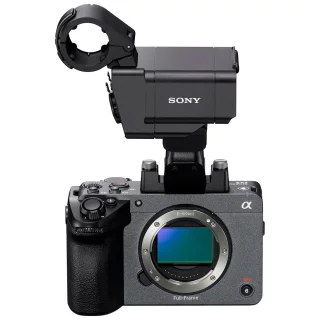
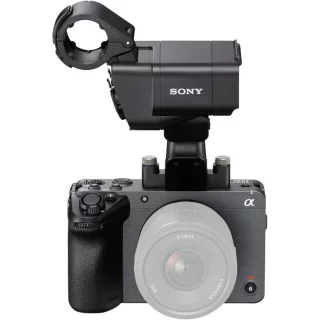
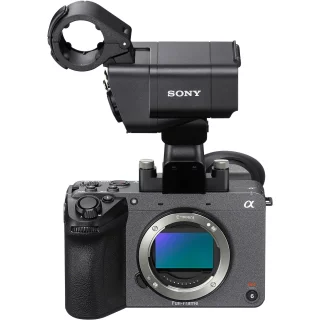
Sony FX2 Cinema Camera + XLR Handle
Summary of reviews
Ask about product

Mon-Fri 9-17 and Sat 10-14
INFO