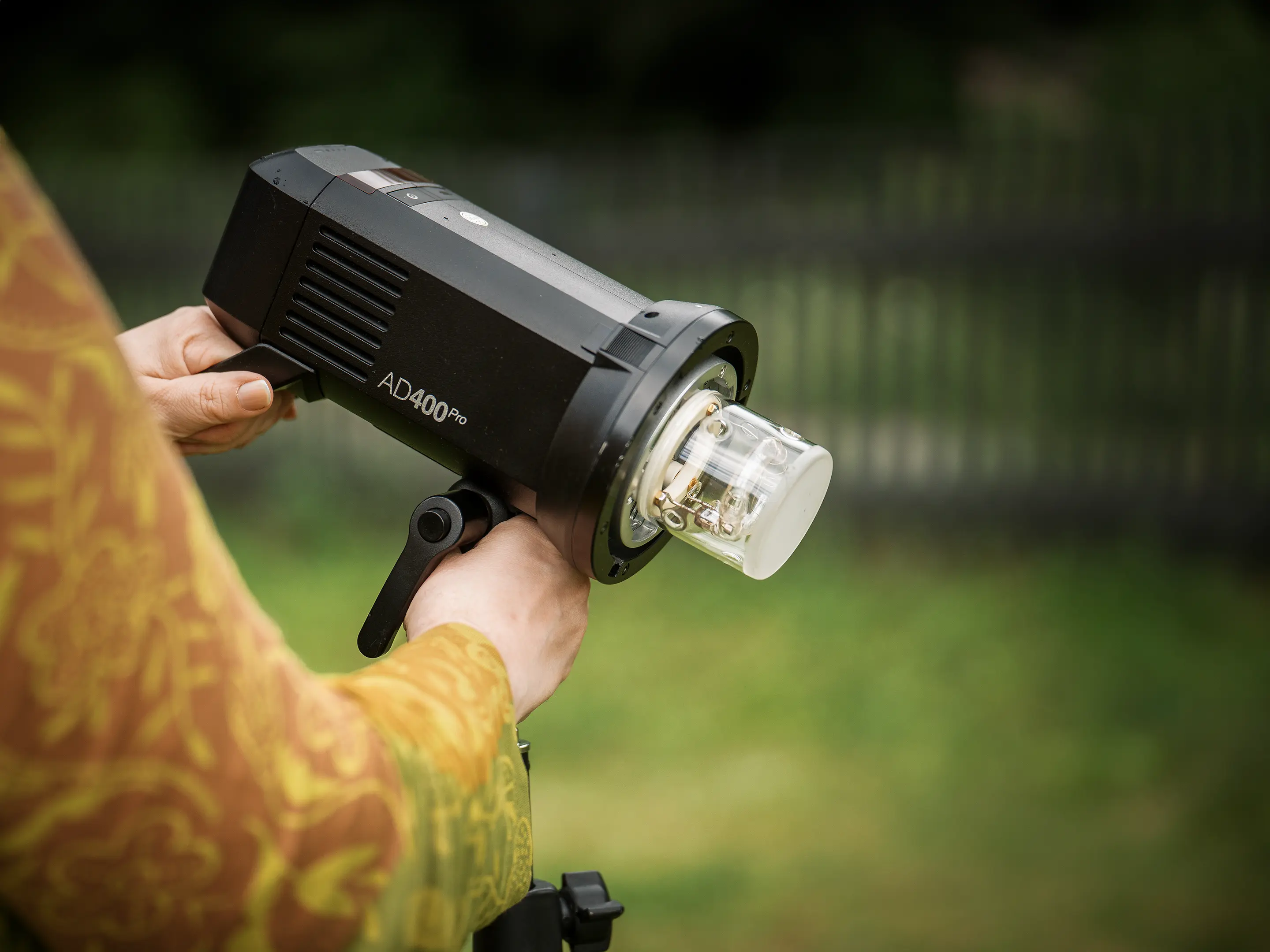
Flash Guide 3: Flash Output

The third part of the flash guide dives deeper into the technical side of lights. In this part, we will learn about light output and what kind of light is suitable for which conditions.
What affects light output?
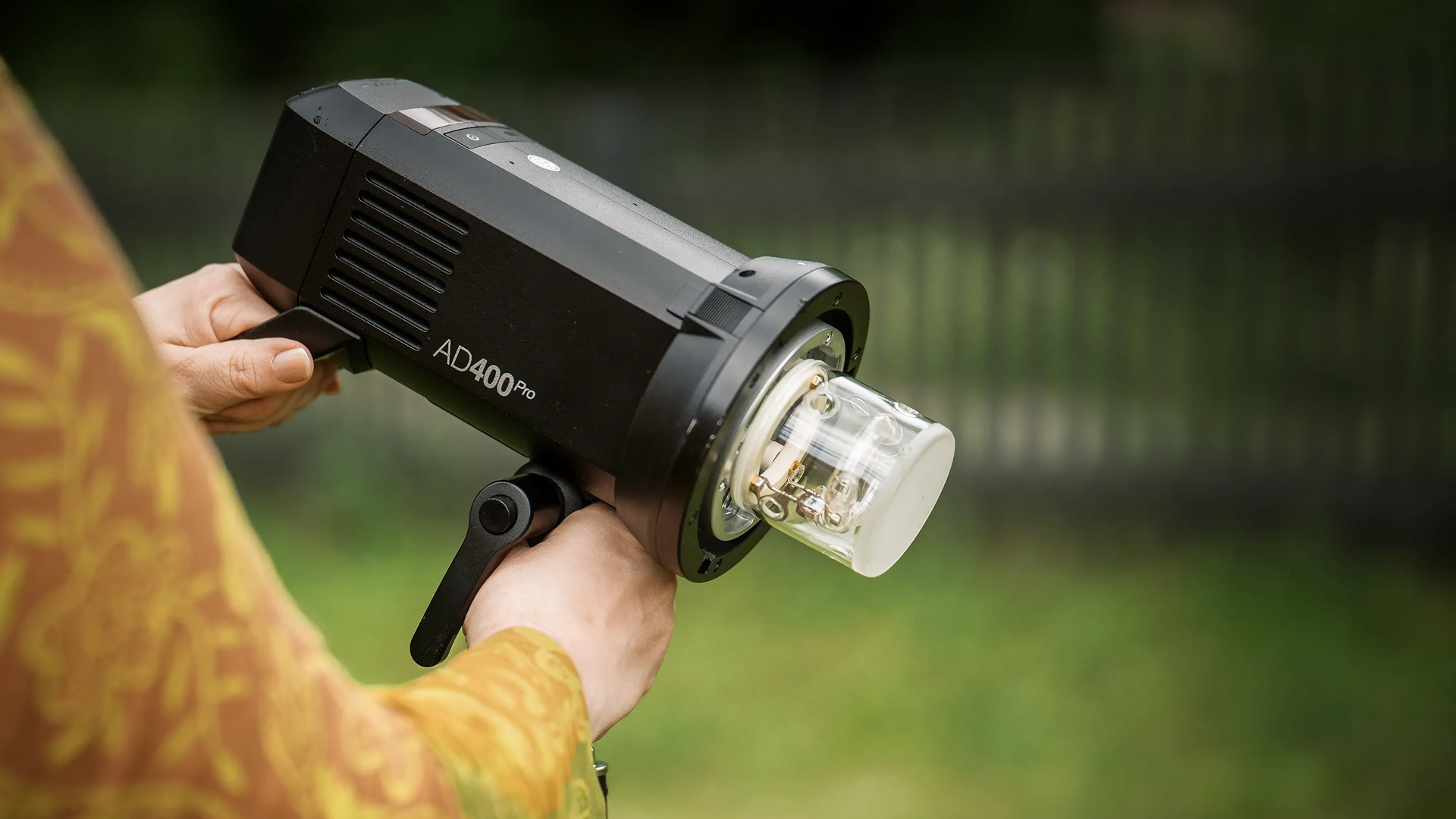
The maximum light output of the flash is the number stated in the technical specifications of the device. The number is stated in Ws units.
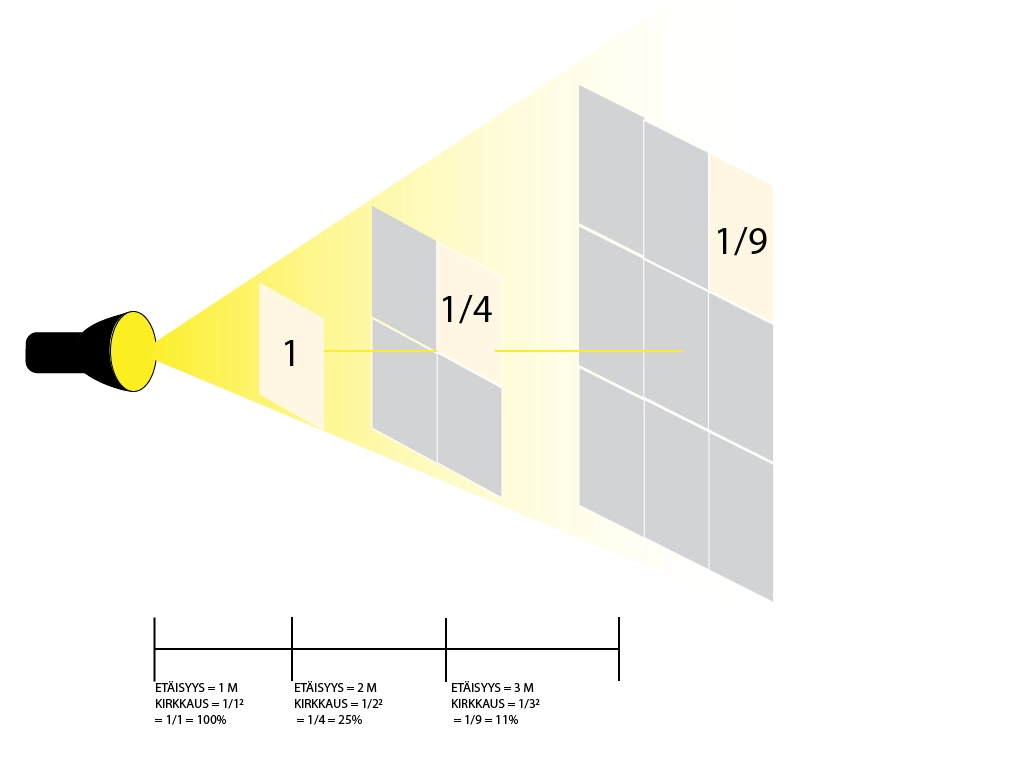
In photography, light output is also affected by the distance of the light from the subject. The closer the light is to the subject, the stronger the light output and the faster the light output decreases in relation to the illuminated subject.
As the distance increases, the reduction in light levels out and is no longer as strong as with light just released from the lamp (inverse square law).
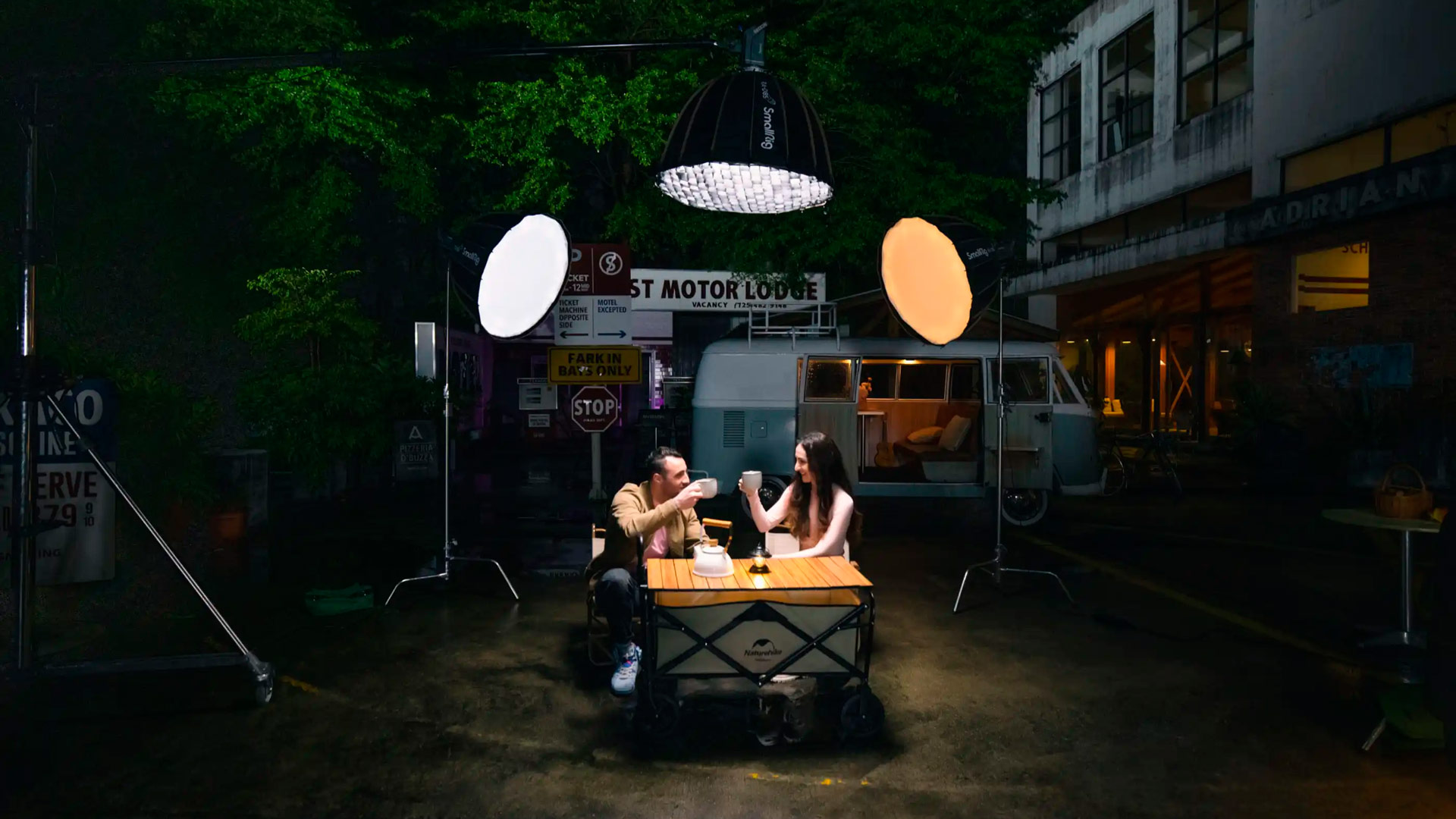
The light modifiers used also affect the light output; they dim the light and spread the light into the environment.
Flash output and f-number
For example, if you have 400 Ws and 800 Ws flash lights. The 400 Ws flash at full power will give half as much light as the 800 Ws flash at full power.
In aperture values, a halving/increase in light output means a decrease/increase in light by 1 aperture.
For example, if an 800 Ws flash at full power achieves optimal exposure at an aperture of f32, the equivalent value with a 400 Ws flash at full power is one stop less, i.e. at an aperture of f22.
The above example is given in a table (light outputs are given using the power values used by Godox) and a few more light outputs have been added to illustrate the effect of flash power:


Mon-Fri 9-17 and Sat 10-14
INFO