Sony A7S III -runko




Aktiiviset kampanjat



Pakettidiili
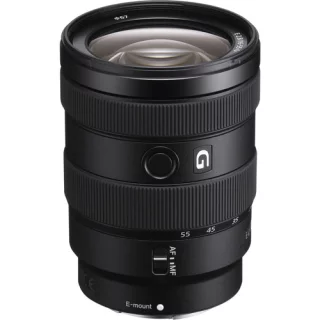
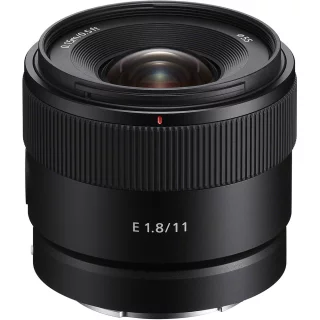
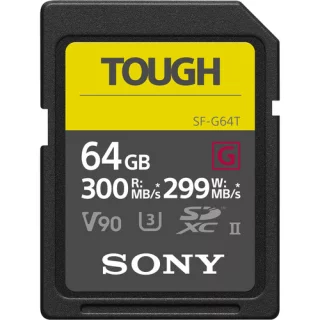
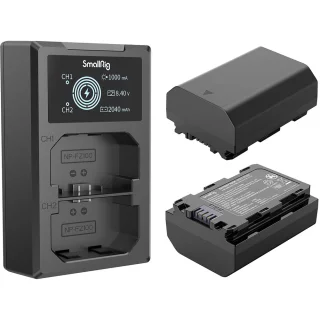
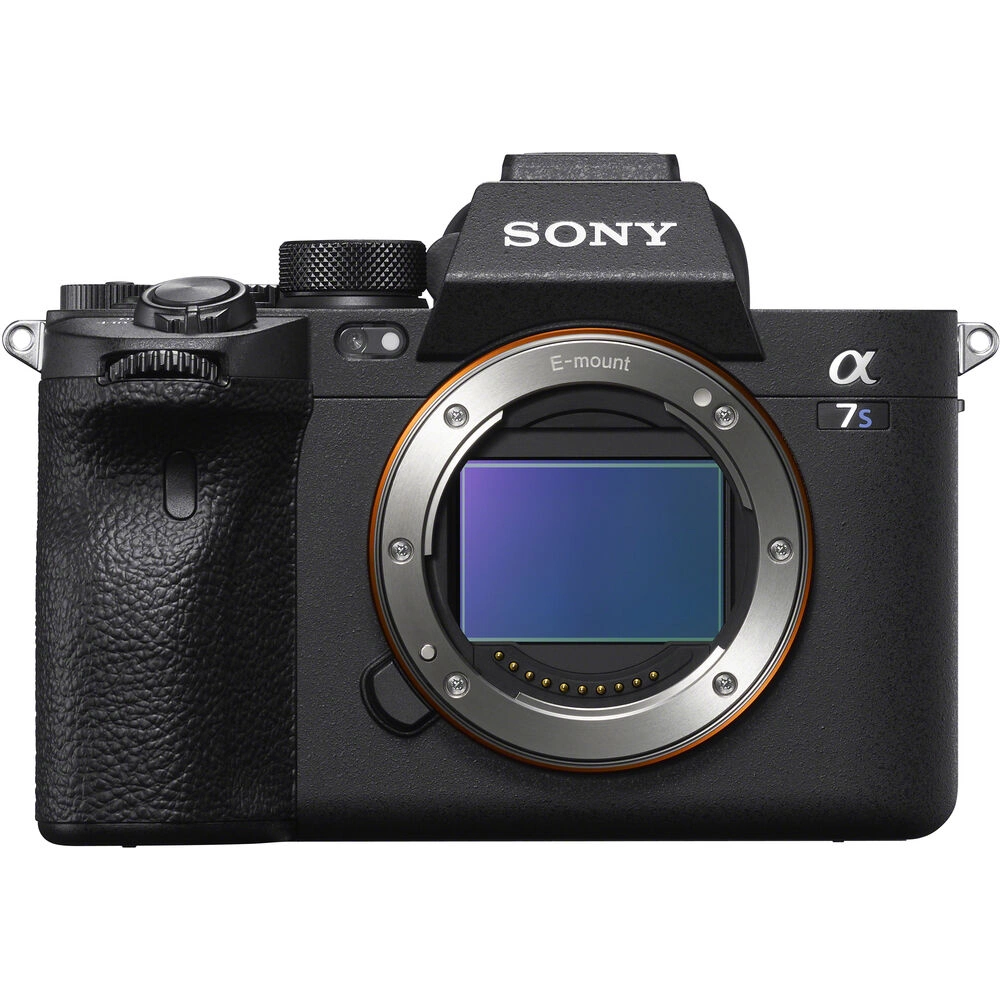
Sony Alpha A7S Mark III body
You can also ask us for an exchange offer and leasing financing for business use.
Firmware 2.0 has been released for the camera. Features include:
- New S-Cinetone Picture Profile
- Steadyshot Active also for S&Q shooting mode (for settings below 100fps)
First impressions of the Sony A7S III body
The first Finnish unit was tested by a Sony employee in Lapland, the video goes through usability and improved features. In addition, the camera was put to real use at Levi Bike Park, will the focus stay on the DH riders? Finally, a slow-motion night shot of an evening in Levi.
The wait is over! Sony's third version of its special body for low-light and video photography. Sony didn't set out to compete with the Canon EOS R5 on numbers, so you won't find 8K video or internal Raw recording in this camera. Sony has limited the features to the most important ones and these features have then been implemented without compromise and suitable for professional use. So Sony promises guaranteed operation without overheating, better menus, better usability, more versatile recording codecs and a faster sensor.
- New 12-megapixel sensor, 15-aperture dynamic range
- Very fast sensor read speed, 'the world's smallest rolling shutter'
- 4K 60P 4:2:2 10bit without time limit, i.e. 'about an hour of recording'
- 4K 120P and FullHD 240P
- Raw video to external recorder
- Fast autofocus borrowed from the A7R IV model, 795 focus points
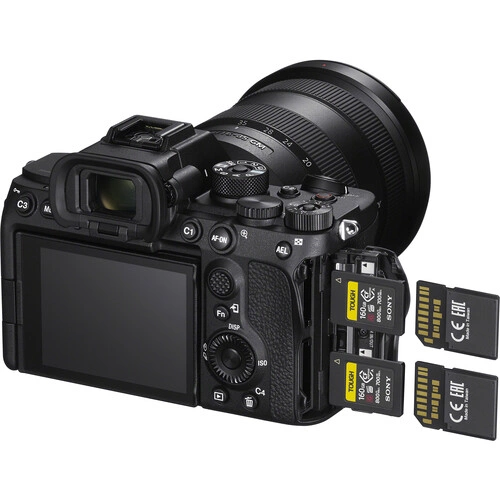
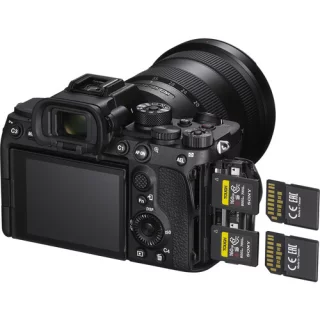
- Two UHS-II SD card slots and two CFExpress Type A slots
- Video recording on two cards or hotswap when the card is full
- Unprecedented 9.44 million-dot resolution electronic viewfinder
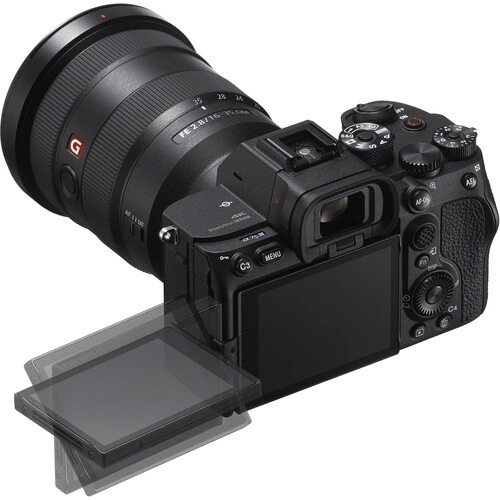
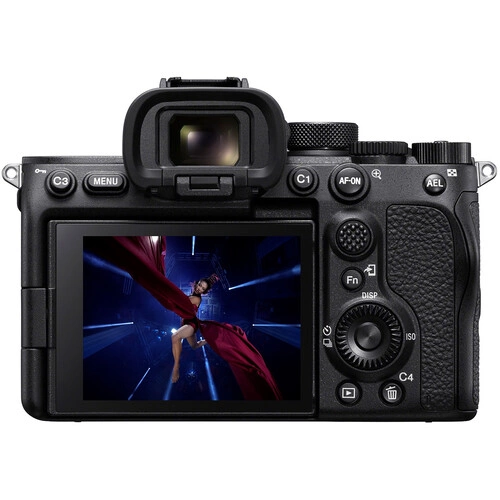
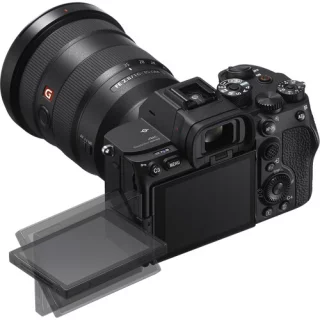
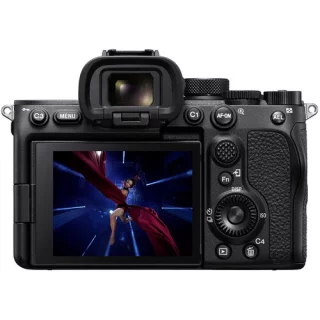
- A touchscreen that folds forward from the side (finally)
- Passive, i.e. silent but effective cooling system
- 5.5 aperture powerful image stabilization, new Active Mode setting
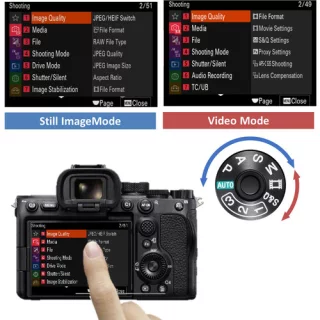
- New menu system with feedback support
- Full-size HDMI connector
As you can see from the long list, the entire camera has been rebuilt. However, the basic idea is the same, i.e. the Sony a7S III contains a 12 megapixel sensor. This resolution is enough for 4K video and at the same time maximizes the amount of light collected. The large pixels absorb light and the maximum sensitivity for video recording is a large 409600. With this, you can turn night into day if you want.
The camera is also available with an ISO 40 setting. This is a big advantage in S-Log 3 shooting mode, where the minimum ISO is now 160, meaning that when shooting in daylight, you don't need powerful ND filters and noise is kept under control better.
The autofocus has been completely redesigned and uses the familiar system from the Sony A7R IV model. The AF is therefore faster, more accurate and supports real-time EyeAF focusing. There is also touch tracking controlled via the touchscreen and adjustments for focusing speed / smoothness. This means you can select the object to focus on directly and also lock the next focus. After this, you can move the camera or the camera can move and the camera will take care of keeping the object in focus.
With fast autofocus and 10FPS burst shooting (this can be recorded almost endlessly, at least 1000 images!) and the sensitivity and dynamics of the sensor, an alternative idea also arises. Would this be a fast still camera with very good image quality and reasonable file size?
Philip Bloom has, as usual, published a comprehensive introduction and review video. The introduction of the camera, which is also suitable for film use, is almost the length of a full-length film: 1h 14min.
Video recording
- 4K 60P without 30min limit, recording from the entire sensor without pixel binning
- All recording options with 4:2:2 10bit option
- Ultra-fast sensor read speed, no rolling shutter or gelling
- Sony promises an hour of 4K/60P recording without thermal issues
- 4K 120P at about half an hour, 1.1X crop in this mode
- The digital stabilization information for the video is stored separately, stabilization can be done in post-processing if desired!
- New XAVC-SI ALL-I 500Mbps and X-AVS-HS (H.265) 200Mbps codecs
- ProRes Raw recording for Atomos
- Full-size HDMI connector for smooth recorder operation
- FullHD 240FPS slow motion videos
- FullHD is made by downsampling, meaning a high-quality FullHD file is created from a 4K video.
Thanks to good thermal management, Sony promises reliable operation even during long shots. Despite its power, the cooling is passive, meaning there is no fan like the Panasonic S1H, which guarantees undisturbed sound.
Sony didn't play a numbers game with its design, and the A7S III includes more improvements than new features. However, these improvements are very welcome and serve video use. The redesigned sensor reads data faster, which allows for fast frame rates and minimizes distortion.
The new codecs are of high quality, and an alternative is H.265 compression, which offers smaller files with the same quality.
Another great innovation is the storage of digital stabilization data recorded by the gyro. This slightly image-shaping digital stabilization can only be done afterwards , so it's easy to test whether the image works better without this electronic stabilization.
There is no internal Raw recording, but this is possible via an external Atomos Ninja recorder. The image is sent to the recorder as ProRes RAW files via a full-size HDMI connector at 4K 60P and 16-bit, which means there is enough quality for post-processing.
Of course, the wide tonal range S-log 2 and 3 recording is used internally. The use of settings is also facilitated by the extended ISO setting, i.e. in addition to the ISO 640 setting, the basic sensitivity can be set to ISO 160. This mode also achieves a large dynamic range of 15 f-stops.
Usability - big and small improvements
The Sony A7S III features a completely new viewfinder, with a resolution of now a whopping 9.44 million pixels (competitors' best is around 5.76MP). This makes it easier to check the focus of the image. In addition, those who wear glasses will appreciate the separate viewing setting that centers the image so that the image is not obscured by the edges.
The touchscreen folds straight out from the side. Some vloggers have even switched brands because of this. This is the first Alpha series camera with this display mechanism.
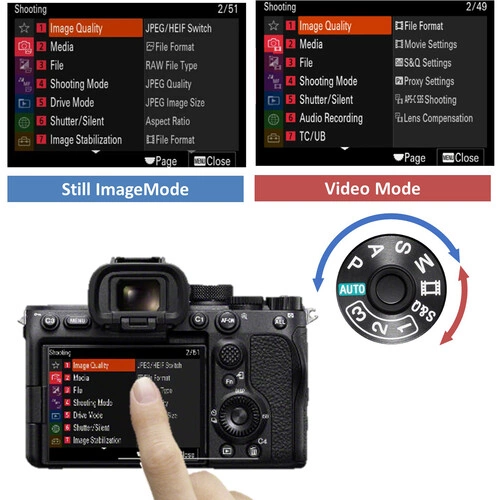
A revamped menu structure, with touch support. This is also a highly desired feature, there are plenty of features and the settings are displayed faster and more clearly. The camera has separate settings for video shooting and still images.
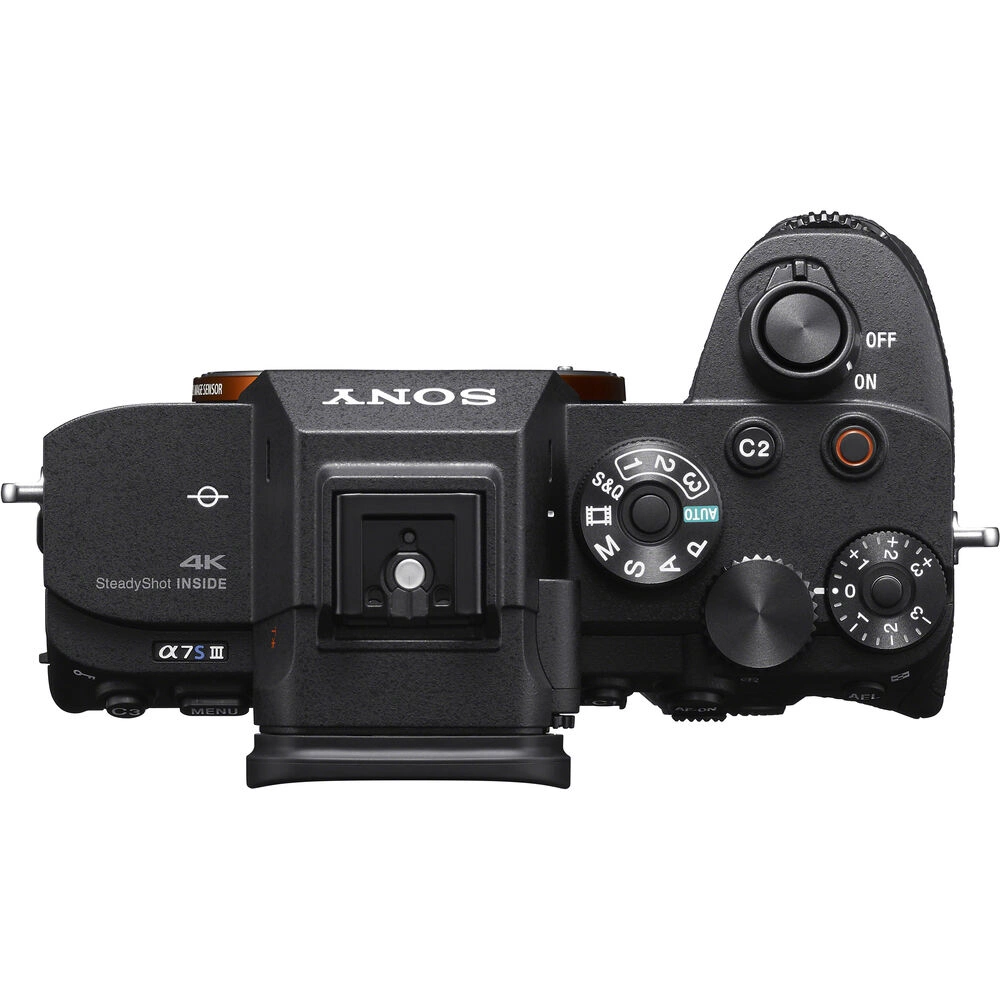
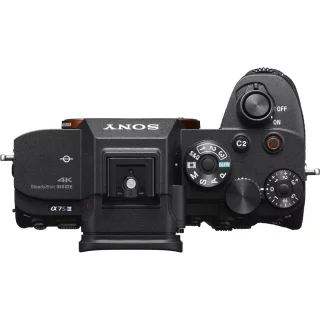
The body physically resembles the A7R IV model, the size of the controls and adjustment dials is now larger and fits larger hands compared to the previous model.
The memory card selection is now at a record level. The camera has two slots and both take SH UHS-II cards or CFExpress A cards. CFExpress Type A is a different card than, for example, the Nikon Z6 model's Type B, the physical size is different, somehow the cards are not compatible with each other. According to Sony, a V60 or V90 speed memory card is sufficient for most recording formats. A more expensive and faster CFExpress card is needed, for example, when recording 10bit 4:2:2 video with the S&Q setting.
The battery type is the efficient and common FZ100. On a single charge and using the rear screen, it takes about 600 photos or shoots 95 minutes of video. The camera battery can be charged in the camera and the camera can be conveniently powered directly via a USB cable. The Sony a7S 3 is compatible with the same VG-C4EM battery grip as the Sony A7r IV.
Specifications:
- Compatibility: Sony FE mount
- Sensor: 12.1 megapixels, sensitivity ISO 80-102400 (expanded to 40-409600)
- Burst shooting: 10fps, up to 1000 frames
- 759 phase-detection and 425 contrast-detection AF points
- AF works in -6EV lighting
- Electronic viewfinder, resolution 9.44 million dots, magnification 0.91X, 100% area
- Flip-out touchscreen
- UHD 4K 4:2:2 10bit video, multiple codec options, 24-120P
- Full HD 4:2:2 10bit 24-240P
- 16bit ProRes Raw recording via HDMI
- Unlimited recording time (no 30min limit)
- Built-in microphone and 3.5mm microphone jack and 3.5mm headphone jack
- HDMI A connector, USB Type-C connector, Micro-USB connector (Sony multi-connector)
- Wifi & Bluetooth
- Size: 128.9 x 96.9 x 69.7 mm
- Weight: 614g
Sales package includes: Sony Alpha a7S III body, Sony NP-FZ100 battery, Sony BC-QZ1 charger, USB Type-C to Type-A USB cable, cable strain relief, strap
Arvostelujen yhteenveto
Kysy tuotteesta

ma-pe 9-17 ja la 10-14
INFO