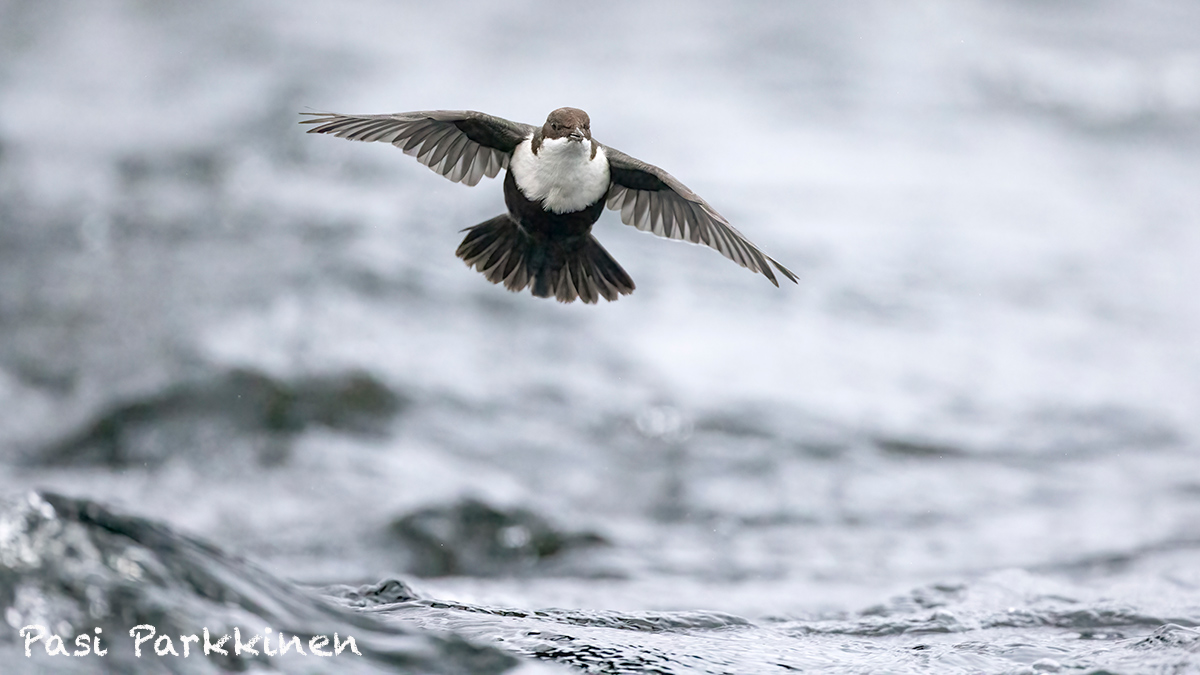
Speed spindle Canon EOS R5 ISO12800
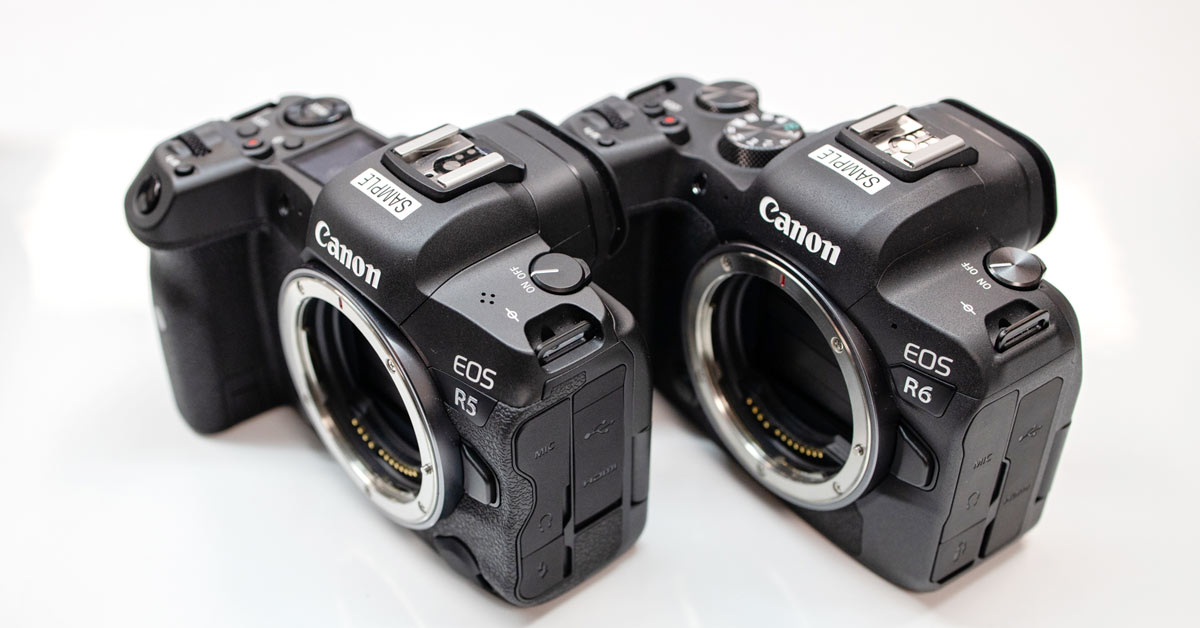
I've been using the Canon EOS 1DX Mk III for about a year now and the mirrorless Canon EOS R5 for a few months now. My subjects are mainly birds and mammals, often in fast-paced situations and often in challenging lighting conditions.
I also shoot landscapes and other nature scenes to some extent. The focal lengths I use for these scenes are most often between 70-600mm, sometimes extended with 1.4x and 2x teleconverters. In this comparison, I will focus on the still capabilities of the cameras, especially fast-paced situations and challenging lighting conditions.
The short depth of field of super telephoto lenses combined with low-light shooting demands speed and accuracy from the camera's autofocus. Both cameras' ability to perform in these situations is phenomenal, largely due to their high ISO-tolerant sensors and excellent focusing systems. I don't think it's easy to rank the cameras.
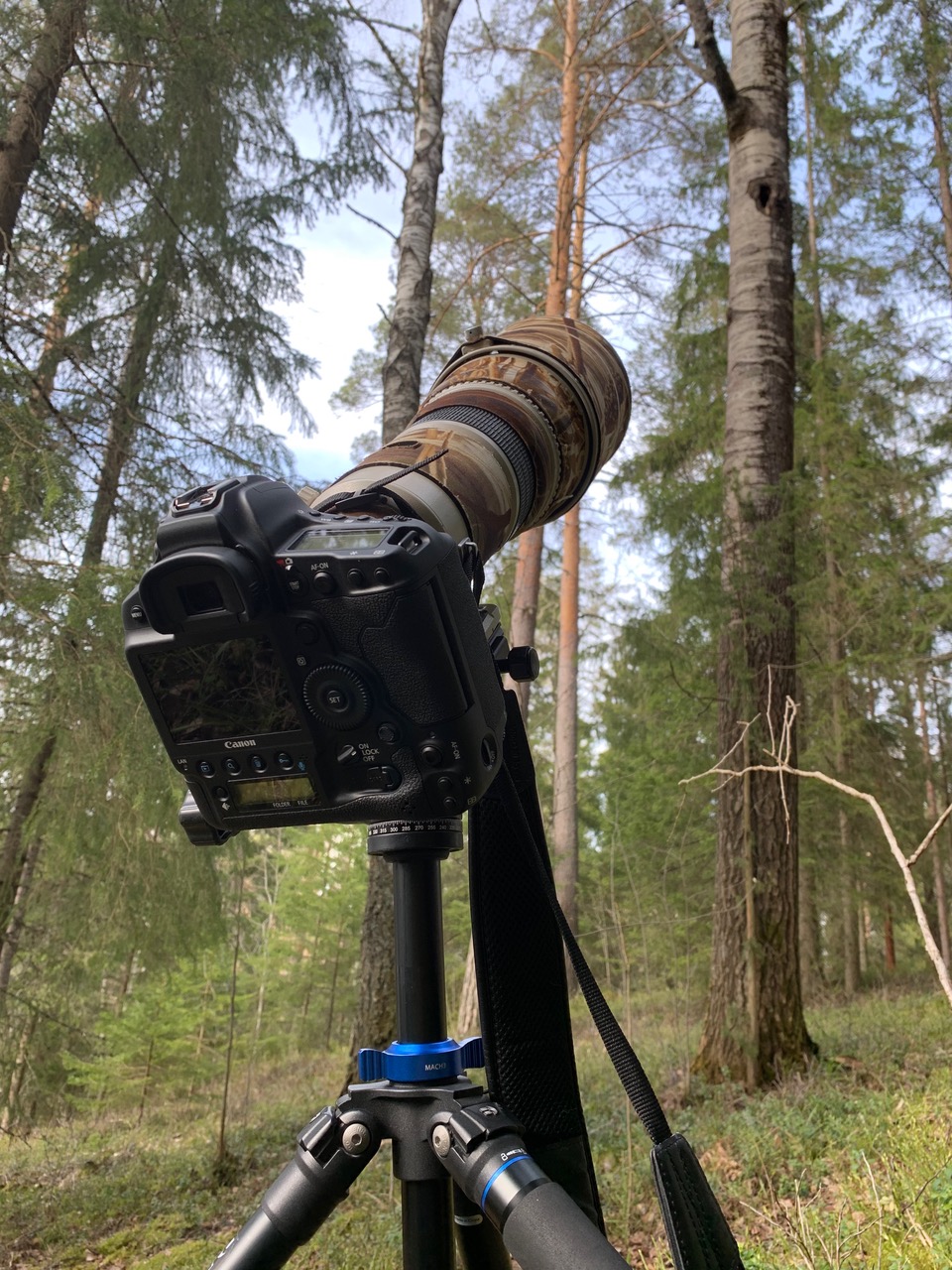
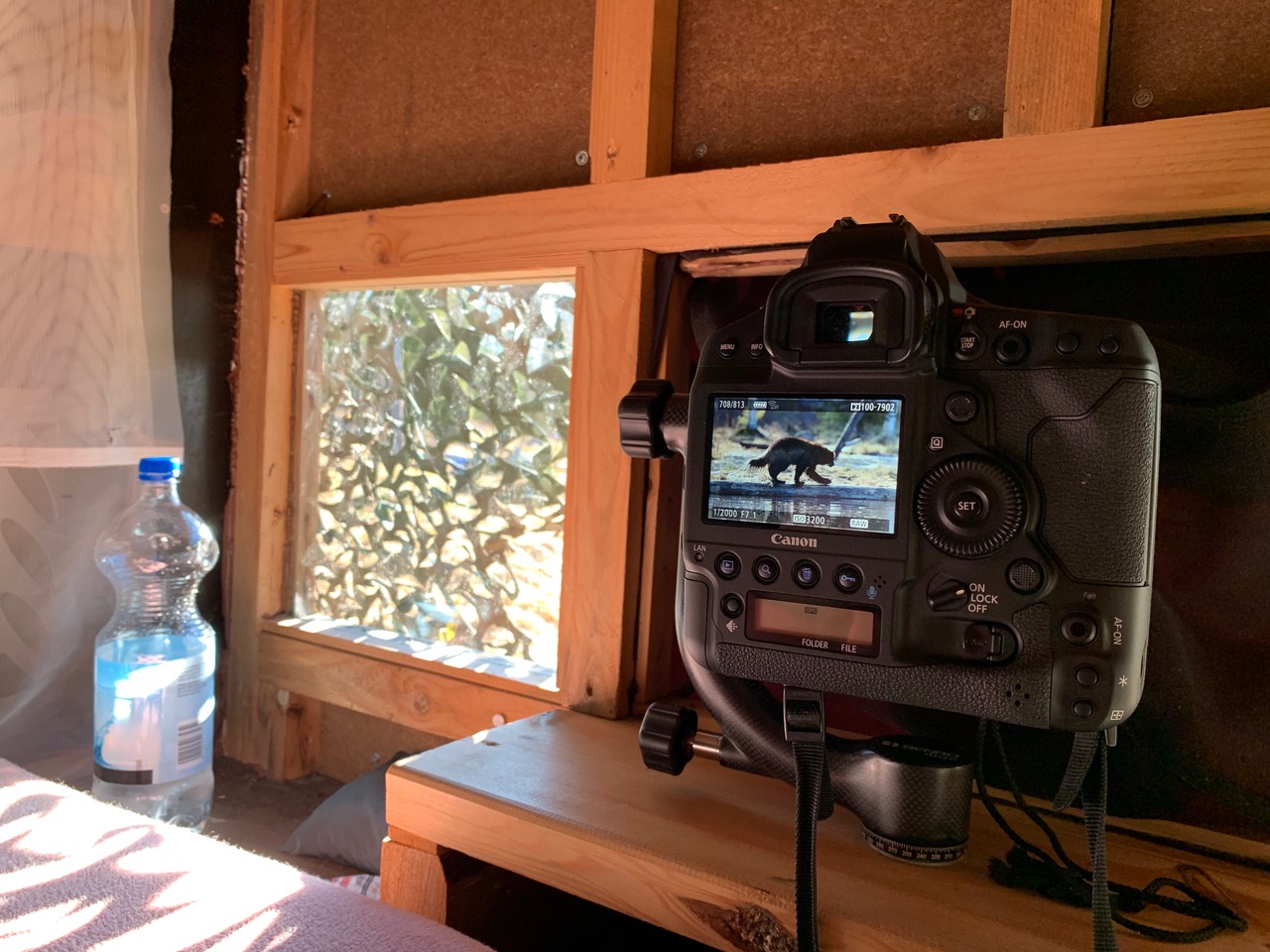
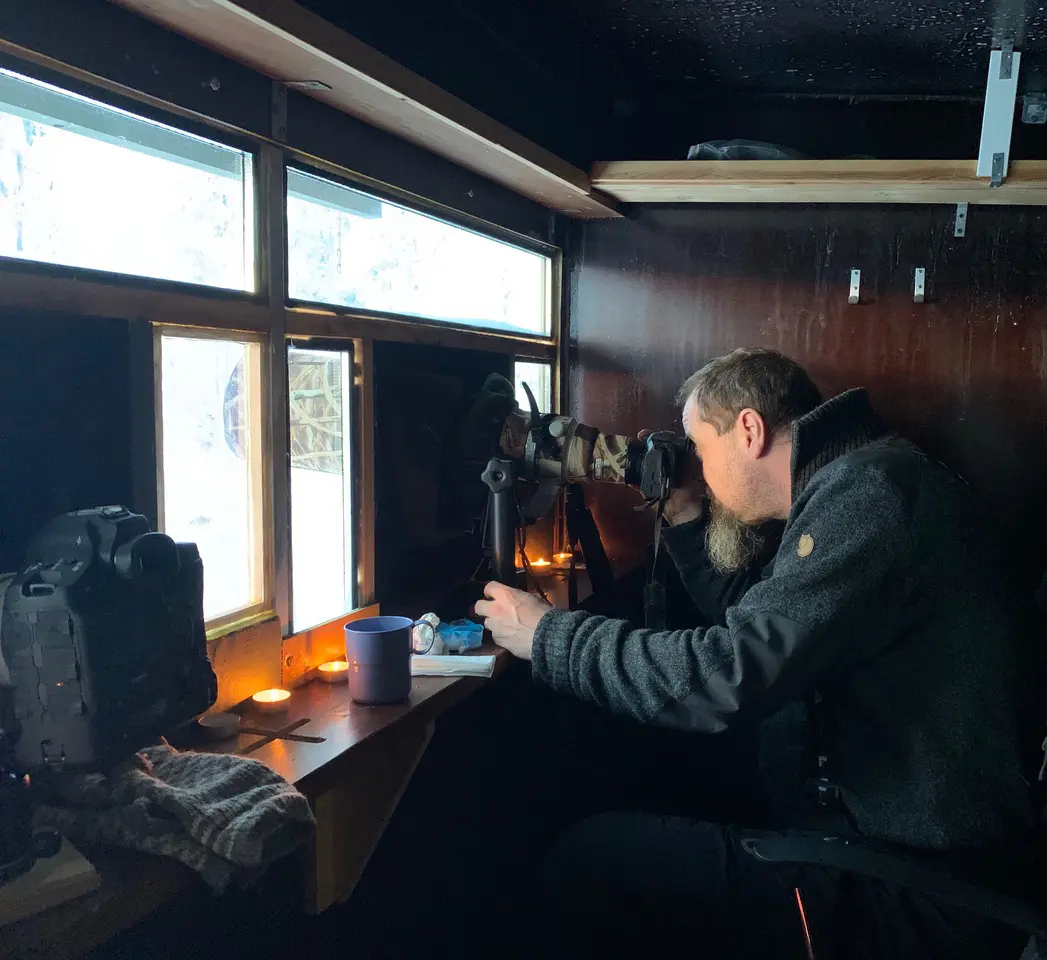
Canon EOS 1D X III in the forest and wolverine photography in Lieksa
Shooting in fast situations
The 1DX Mk III is a great camera, the most usable Canon system I've ever used. The full-frame 20Mpix sensor has excellent dynamics and its performance in low light is really good. I often use high ISO values (6400-12800). When shooting with the optical viewfinder, the 1DX Mk III shoots 16 frames per second. In this context, it should be mentioned that the 1DX Mk III's unfilled memory buffer, as well as the ability to record to two CFExpress cards, are clear advantages compared to the R5's 12 frames per second with a mechanical shutter. In addition, the R5's continuous shooting speed drops below ten frames per second when the battery level drops low enough.
The R5 also only offers one CFExpress card slot, I have never used the slower SD card slot. Due to the larger image files, when holding the shutter button down for a long time on the R5, the buffer will eventually fill up even with a fast CFExpress memory card. This means that you cannot take pictures for a while before the camera has emptied the buffer onto the memory card. This never happens when shooting with the 1DX Mk III.
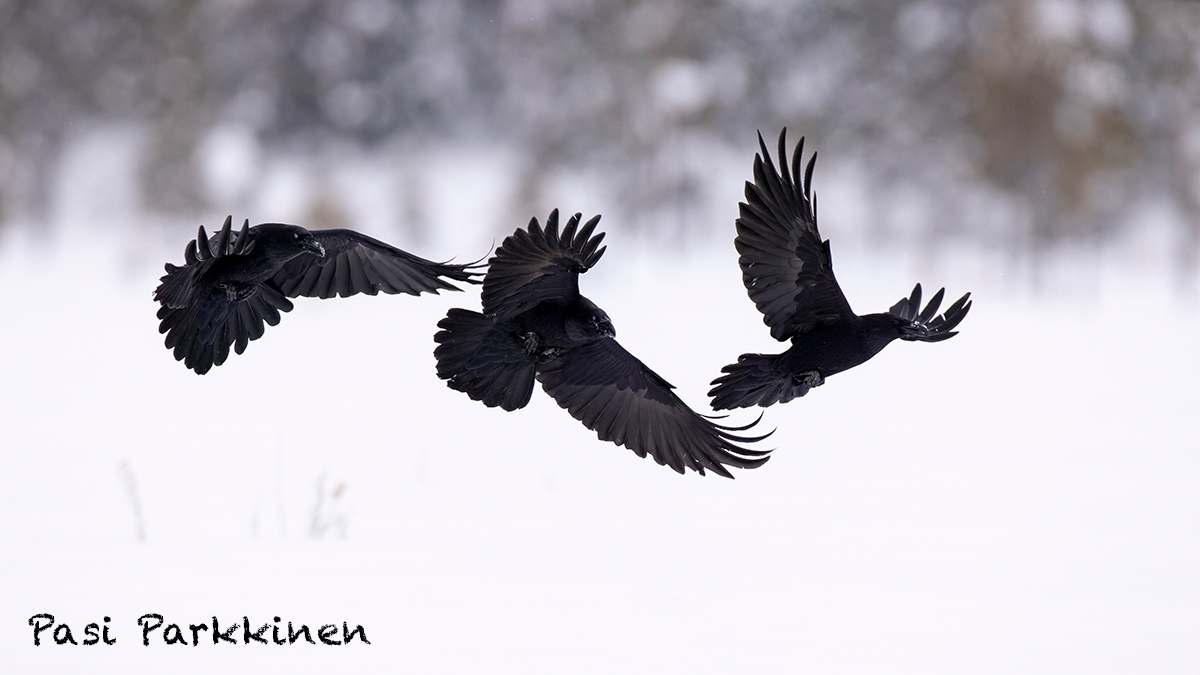
Canon EOS R5 ISO 2000
While the R5's electronic viewfinder is excellent, the 1DX Mk III's optical viewfinder is clearly superior. When shooting longer bursts, i.e. when holding the shutter button down for several seconds, the R5's electronic viewfinder starts to twitch, making it difficult to track a fast-moving subject. However, when using the electronic shutter with the R5, you can reach 20 frames per second and with the viewfinder's "smooth" setting, you get a smoothly updating viewfinder image.
However, using an electronic shutter has its problems in fast situations. I have often encountered the “rolling shutter” phenomenon when photographing flying birds. There are illustrative demonstrations of the phenomenon on YouTube, for example, and it is worth familiarizing yourself with them before photographing with an electronic shutter.
The Canon EOS R5 is a really capable camera even for fast situations, but in a longer comparison, the 1DX Mk III takes the lead in terms of speed and usability. Its lag-free optical viewfinder and unlimited continuous shooting are a big advantage in situations that arise in my photography subjects. Of course, it must be added in the same breath that the R5 is a usable and excellent camera also for these situations, as long as the aforementioned limitations are taken into account.
I've been looking for more brightness in the R5's viewfinder. Even though I've set the electronic viewfinder to its brightest setting instead of the automatic setting, the image is significantly dimmer than the optical viewfinder.
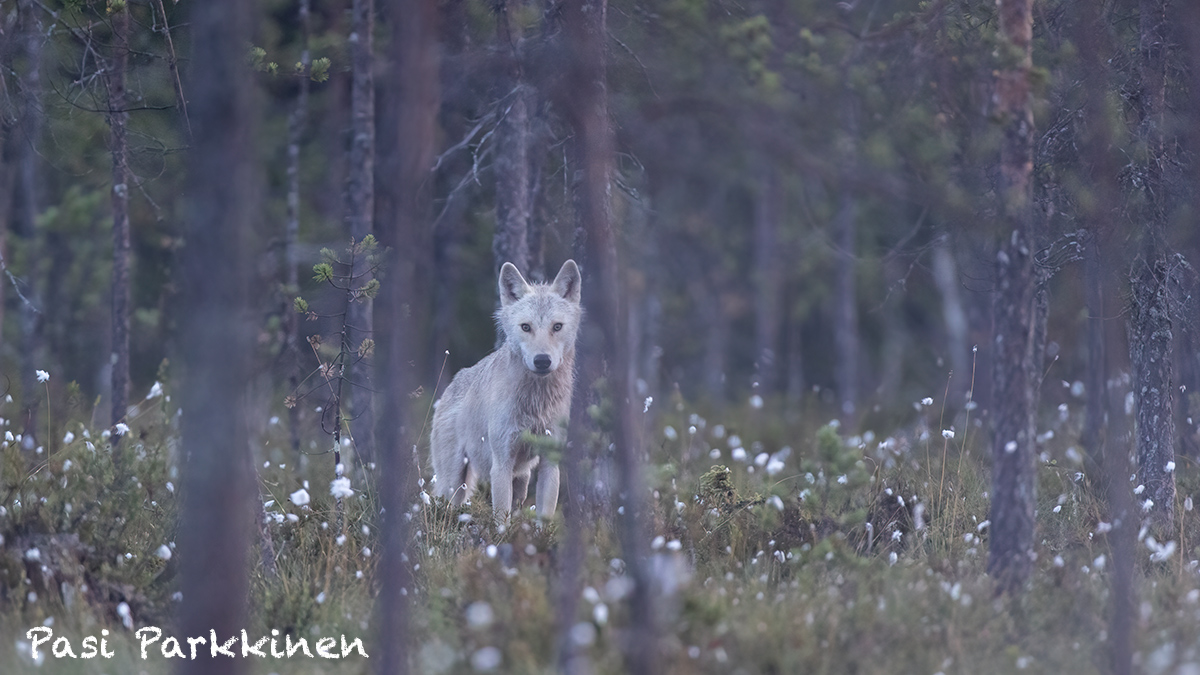
Wolf at dawn, Canon EOS 1D X Mark III ISO 12800
1DX Mk III 20 megapixels vs R5 45 megapixels
The difference in resolution between the sensors is huge. In general, increasing the number of pixels degrades the sensor's performance in low-light situations. As the physical size of a single pixel decreases, the amount of noise also increases. The 1DX Mk III has proven to be an excellent tool in low light. The noise produced by the sensor can be controlled very well in post-processing.
The R5's image quality was a positive surprise. Despite having more than twice the number of pixels, its image quality and dynamics at high ISO values are also excellent. The sensor starts to get noisy a little earlier than in the 1DX MK III, but in post-processing it is possible to control the noise so that the R5 can still produce top-quality files at ISO 6400-8000 sensitivities without any problems. In practice, at reasonable ISO values, the performance is very close to the 1DX MK III.
I haven't used ISO 12800 higher than this on either camera, except for testing. In terms of pixel count, the R5 beats the 1DX Mk III by a wide margin. In fast-paced situations, it can be difficult to crop the image to its final shape when using a long focal length. The R5's 45-megapixel sensor allows for slightly shorter focal lengths, as the image has more body space due to the high resolution.
With the lenses I've used (EF 600mm F4.0 IS III and EF 70-200mm F2.8 IS II), the pixel count has not proven to be significant, and there have been plenty of them on the 1DX Mk III as well. The R5's higher pixel count may be of most benefit to landscape photographers, or those who want to reproduce as many small details as possible. The R5's file therefore has more room for cropping.
However, I personally like to frame the images as "finished" as possible during the shooting, so that I don't have to make major adjustments to the composition in post-processing. Of course, these are largely a matter of taste and depend on the lens equipment used, the type of subjects I'm shooting, and the shooting situation.
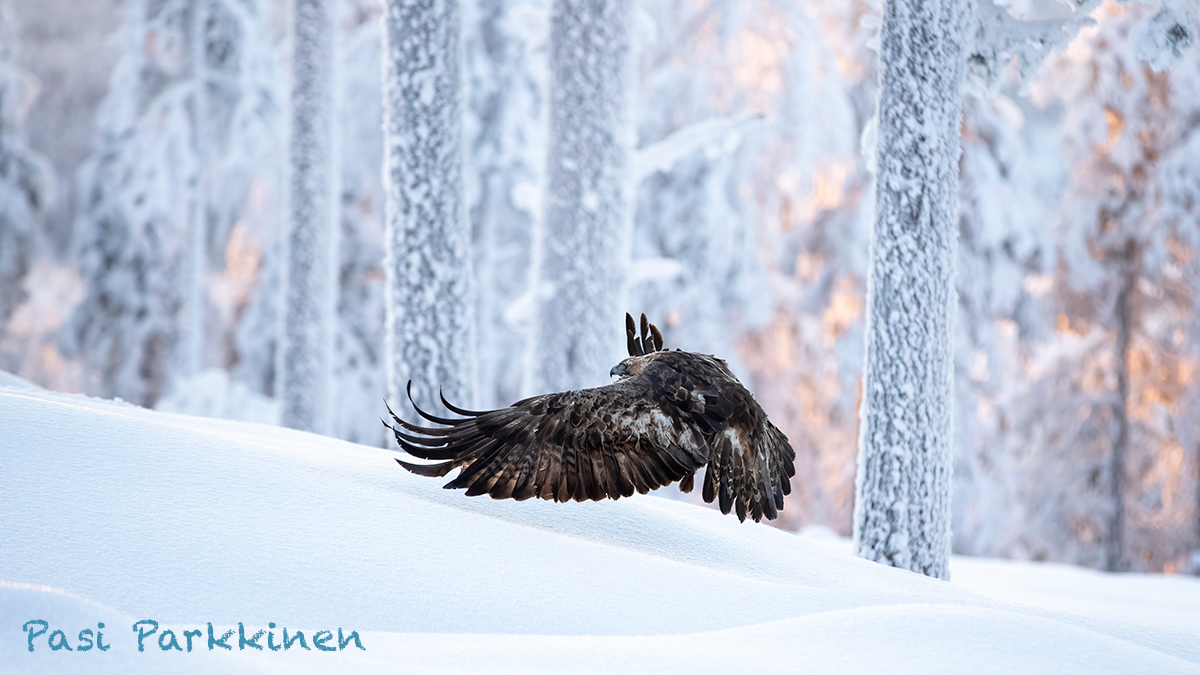
Golden Eagle, Canon EOS R5 ISO 3200
Continuous focus
The continuous autofocus (servo) on both bodies is fast and accurate. I use all focus points on the 1DX Mk III most of the time. The 1DX Mk III's focus finds its subject well and also stays there. This is especially emphasized in situations where the subject is moving against the background and obstacles come in the way while tracking - even then the camera stays on the subject really well.
In the R5, Canon introduced animal eye focus for the first time. The settings you can choose are people or animals. Both work excellently and help produce exceptionally sharp images. However, I have not found the 1DX Mk III's focus to be any worse here. For example, when photographing a flying bird, it is enough to focus on the bird you are tracking, finding the eye is not necessary.
I have usually set the lens to a focus that keeps the entire subject in focus at the current shooting distance. What is more important when tracking moving subjects is that when you start tracking the subject, the focus finds the desired subject as quickly as possible and then maintains focus on the subject.
In the initial situation, I have found the R5 to get lost in the background much more often than the 1DX Mk III. Once the subject is found for tracking, both bodies keep the subject in focus nicely. However, it must be said that when you simultaneously hold the shutter button down for several seconds, the 1DX Mk III's flicker-free and jerk-free optical viewfinder image is in a class of its own.
Continuous focus tracking and sensitivity settings can be adjusted on both cameras, allowing you to fine-tune the focus system of both cameras to suit your needs.
Mirrorless cameras have the advantage of adjusting the focusing system. In mirrorless systems, such as the 1DX Mk III, each lens must be registered with the camera and their focus must be “micro-adjusted”. This is necessary because the separate sensor that controls autofocus is located in the camera’s prism, and the focusing performed with it may not necessarily produce a completely accurate image on the image sensor. This is emphasized when using fast telephoto lenses with a short depth of field.
There is no need to micro-adjust the focus on the mirrorless R5, as there is no separate focus sensor. The same applies when shooting with the 1DX Mk III without a mirror.
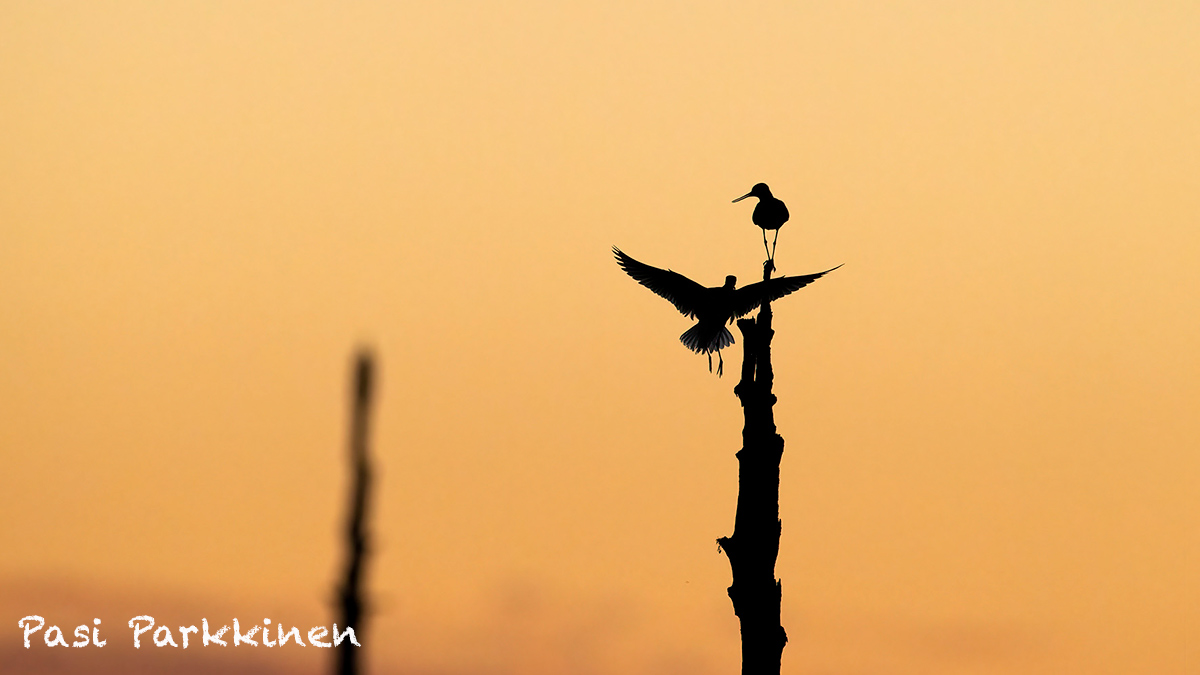
White spots, Canon EOS 1D X Mark III ISO 6400
Battery life
In terms of battery life, mirrorless cameras are far ahead of mirrorless cameras. The battery on the 1DX Mk III lasts for a full day of shooting - even two, while on the R5 I have had to change the battery at worst two or three times during the day. With the optional battery grip and the two batteries it can hold, the R5 may be able to last a full day.
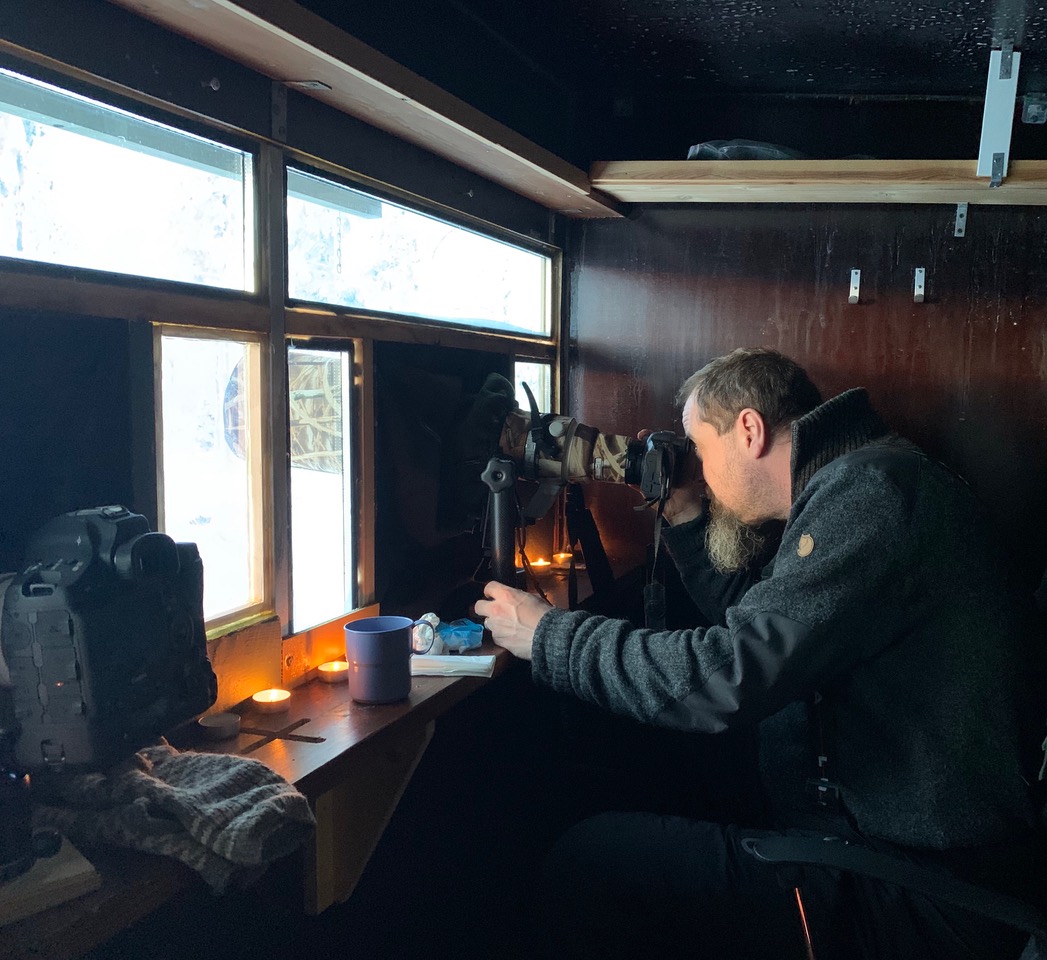
Pasi Parkkinen, Mikkeli