Sony A7R V -runko





Aktiiviset kampanjat



Pakettidiili
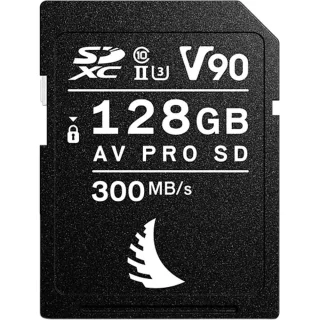
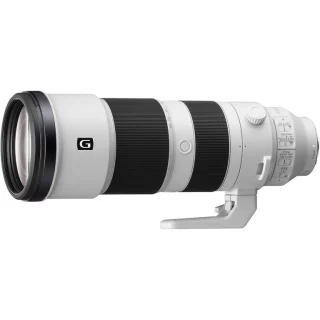
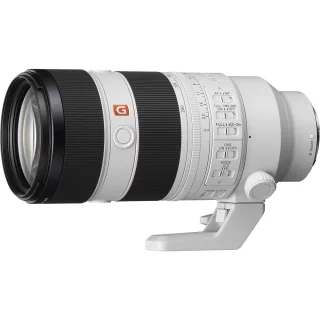
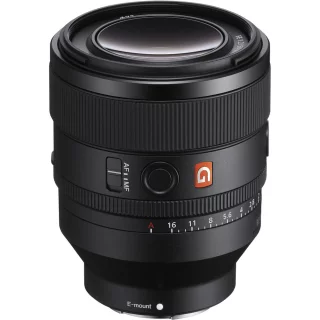

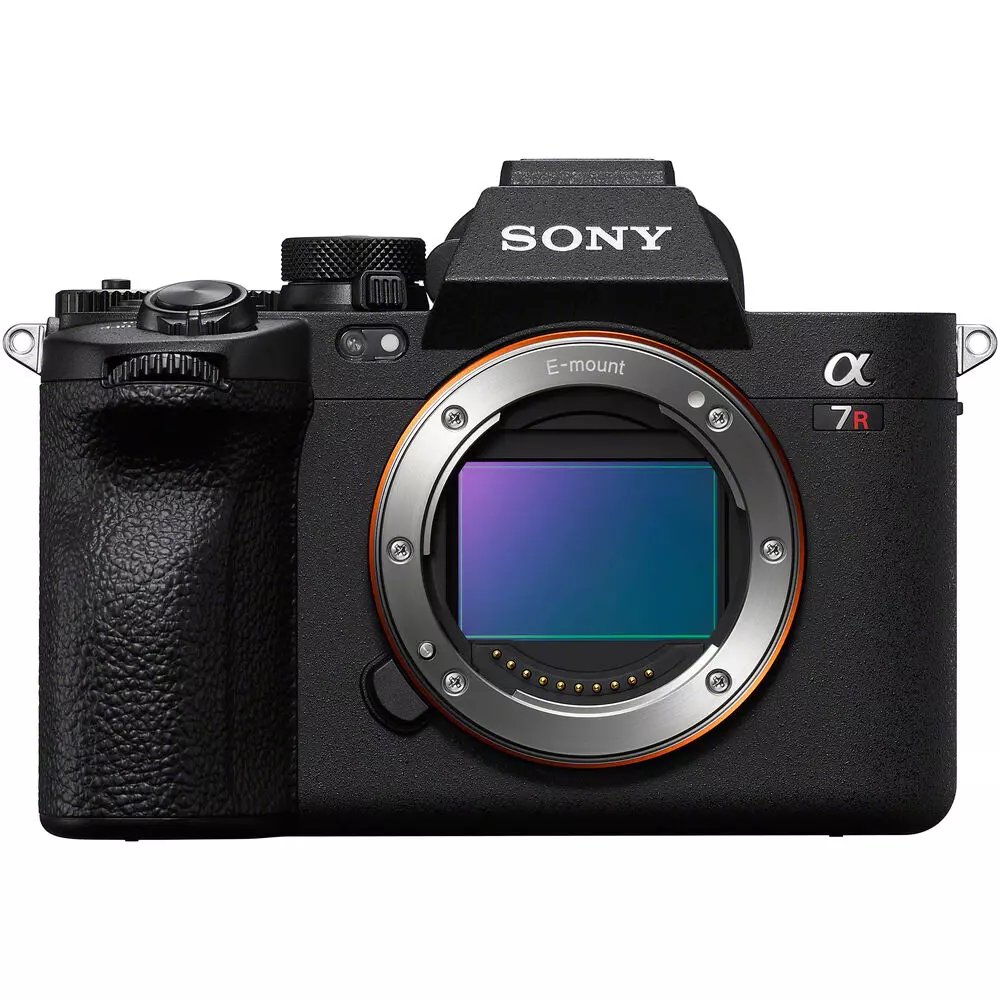
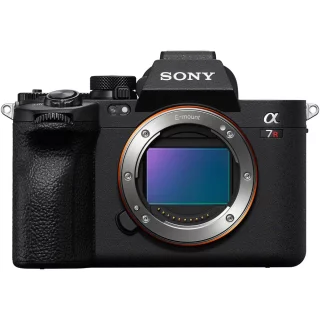
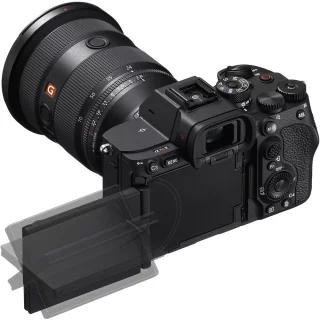
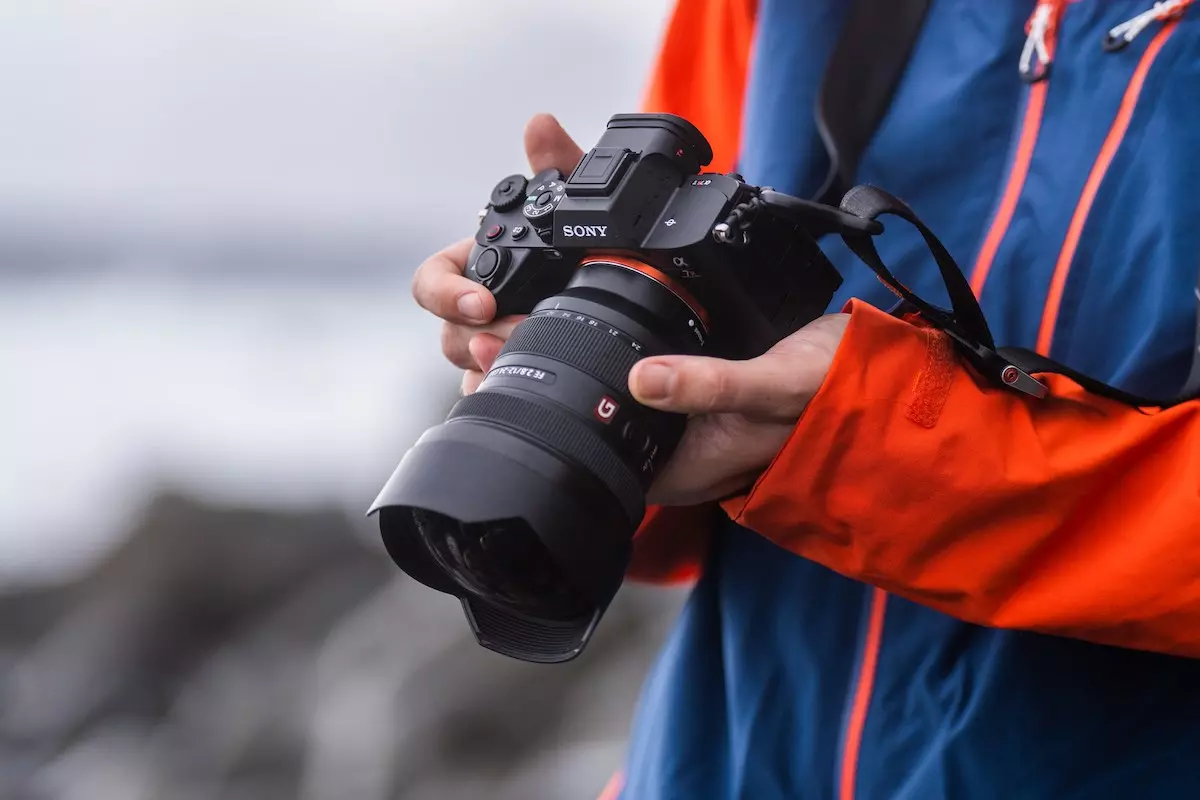
Sony Alpha a7r Mark V system camera body
The latest version of Sony's resolution horror is here! Originally the Sony A7R was a tool for landscape photographers, but now the latest version of the fifth generation has the most advanced and fastest autofocus of any Sony model. Video recording is possible in 8K resolution, and the image stabilization is more effective than in other Sony models. This new product will probably be found in the camera bags of a wide variety of professionals and demanding enthusiasts in the future.
Like Sony, the camera has been packed with the best features of previous models like the A7 IV and A1, while also introducing brand new ones. This time, the biggest improvements have been made to autofocus, image stabilization, and video recording. So this A7R V is not just a version update, but a clearly new level of camera.
- 61 megapixels, 10fps burst shooting
- AI-taught ultra-fast autofocus - Sony's best AF
- Human motion predictive focus - improves tracking efficiency
- Focus recognizes people, animals, vehicles and even insects
- Sony's most powerful image stabilization, 8 stops of power
- 9.44 million dot high-resolution viewfinder
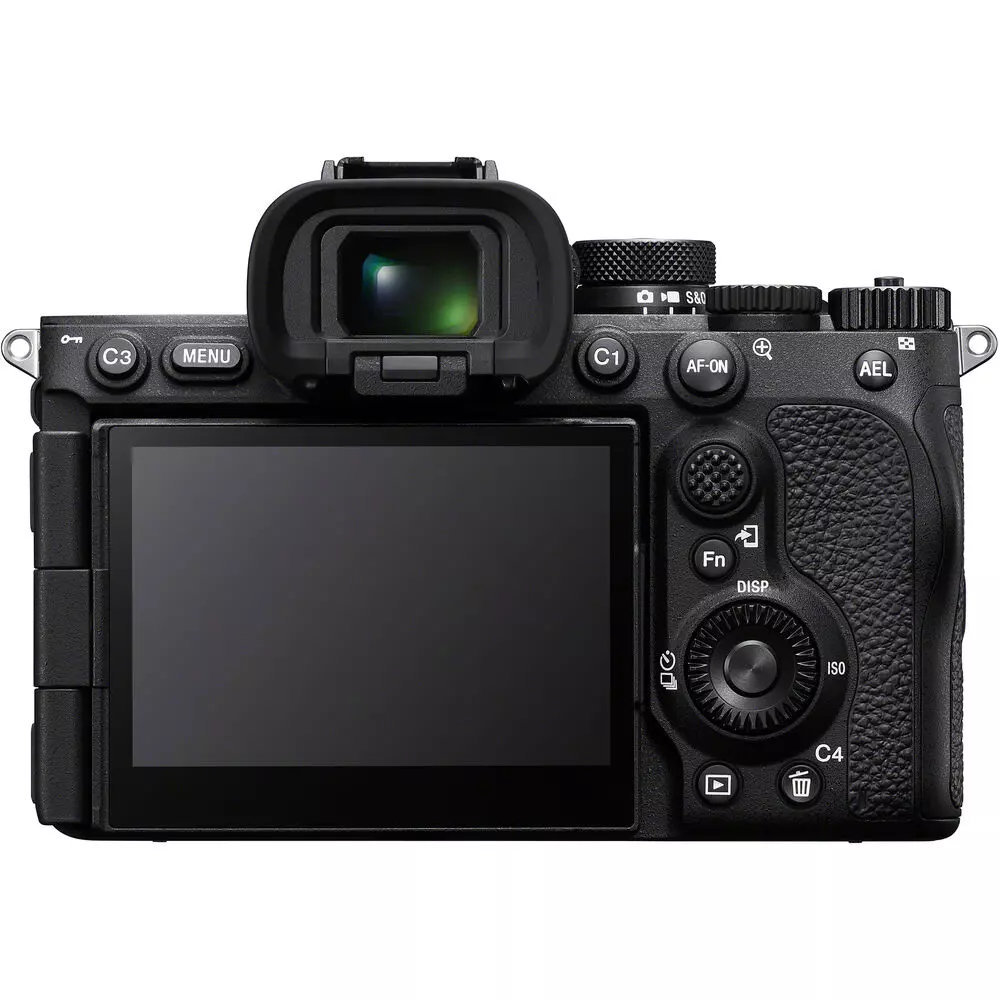
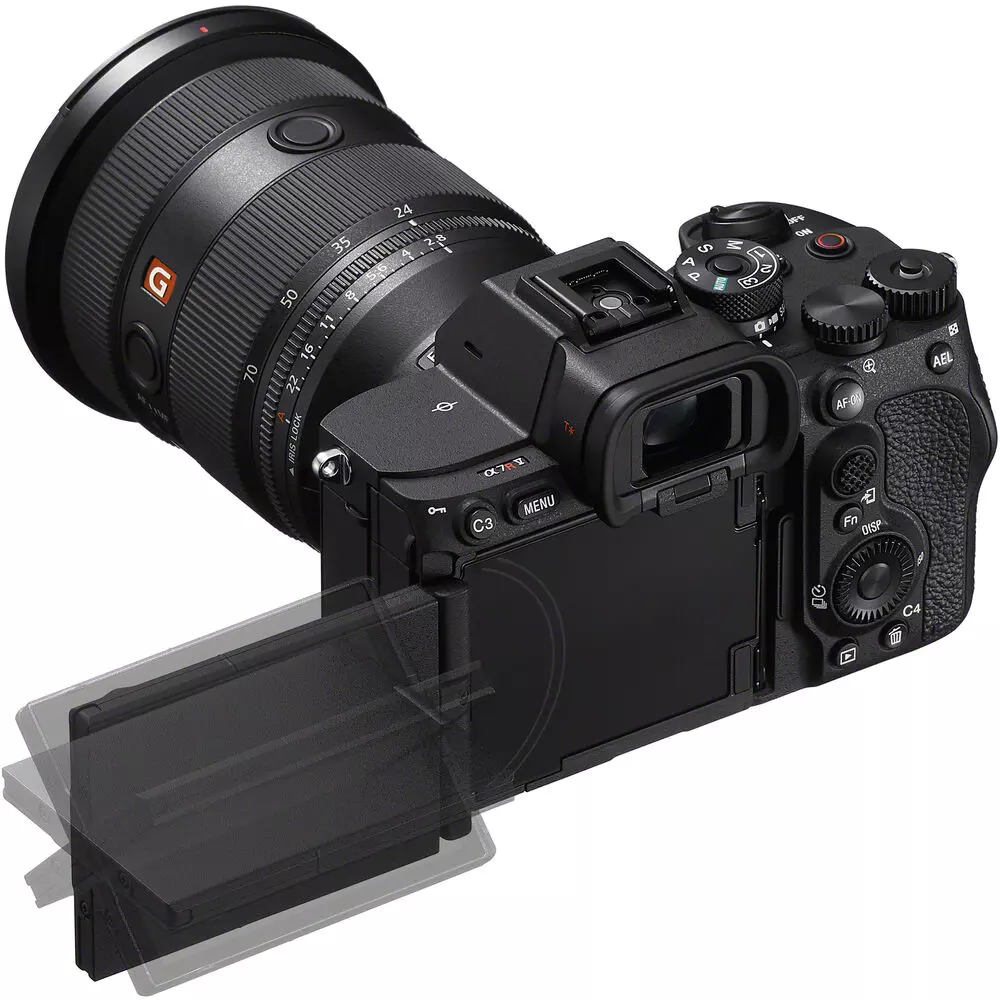
- New highly practical 4-axis swivel and tilt monitor
- Focus bracketing - a macro photographer's favorite feature
- 8K 25P and 4K 60P videos without 30min time limit
- The A1's top-of-the-line Bionz XR processor means lots of new video features
- 240.8MP high-resolution recording in Pixel Shift mode, including flash shooting
All-new autofocus
High resolution and continuous shooting also place very different demands on autofocus. The image must track even a fast-moving subject accurately, or 61-megapixel files will mercilessly reveal errors.
- Ai Processing unit - separate processor for autofocus
- Identify and track with precision: birds, animals, vehicles and now insects and airplanes
- Same focusing capabilities for stills and video without limitations
- 693 phase-detection AF points spread over a wide area
- Focus works well even for small objects or objects with their back to the camera thanks to detection
- 60% better eye recognition, 40% improvement in animal recognition
New high-end cameras have many machine-learning features that recognize characters, animals, or vehicles, which help focus, and especially continuous focus, work quickly.
Now the Sony A7R V is bringing something completely new to the market. In addition to simply recognizing body parts , the system can recognize and predict the movements of the person in the image using Pose estimation technology, so the focus system is ready to focus quickly, as if anticipating where the focus should be.
This enhances the reliability and speed of focusing, especially in demanding situations, such as when the subject is in a dense forest, when shooting against backlight, or when other subjects are moving in the frame.
And what this new focus system can track with focus:
- Animals (you can choose birds or animals or both together)
- Insects (butterflies, dragonflies, etc.!)
- Cars/Trains
- Airplanes
And the animals are no longer cats or dogs, meaning the same focusing features work well on very exotic wild animals or more domesticated subjects like squirrels and rodents.
The same AI Processing Unit is also used to adjust white balance, and the camera also has a separate sensor for light and infrared, which captures colors as realistically as possible even in difficult conditions. This is a great feature, especially for video shooting, as adjustments are not as easy to make afterwards as they are with raw images.
Image stabilization also plays an important role in ensuring that each pixel produces the best possible data, and Sony has implemented its best image stabilization for this purpose, and now the power is equivalent to 8 aperture stops.
Improved Pixel Shift Multi Shooting
Image stabilization is also used in Pixel Shift multi shooting mode, where the camera takes multiple shots by moving the sensor slightly between shots. This data is used to create a whopping 240 megapixel image file. The feature works best with still subjects, such as landscape shots and studio shots, or when reproducing artwork, for example, when a tripod is required.
Now the software takes into account small movements, such as leaves swaying in the wind or even moving cars, and creates a sharper image with more detail, without ghosting and motion blur.
Unlike most manufacturers, with Sony cameras the image is created using the Imaging Edge Desktop computer software instead of the camera, but this guarantees processing power.
Videography and the A7R MK V - Now also for hybrid photographers
- 8K 25P and 4K 60P video recording (with 1.2x crop)
- Oversampled 4K video recording at 24P and 30P settings with APS-C crop
- 10bit at all recording settings
- The latest video shooting aids: Focus breathing compensation and AF assist
- 4K or FullHD 60P streaming via USB connection
- Very good thermal management - no strict time limits even when shooting 8K video, as long as the battery has enough power
- EyeAF features also work in 8K shooting
- S-Cinetone color scheme
- 10bit S-Log2, 3 and HLG recording to memory card
- so-called 4K 16bit RAW video for external recorder
- Digital audio connection and full-size HDMI
- 3.5mm microphone and headphone jack
The Sony A7R V features the same processor as Sony's flagship A1, but the megapixel count and slower sensor impose some limitations on the video settings available. For example, 8K video recording and 4K 60P are recorded at 1.2x crop.
On the other hand, 4K 30P is recorded in very good quality in APS-C crop mode, where the video image is oversampled from 6.2K video material. In other words, the camera is capable of very fine image quality and there are settings, but there may be some limitation in the image modes with frame rate or cropping, which requires familiarization before putting it into production use.
So we've come a long way from a camera designed solely for landscape photography, this body is great for hybrid photographers who want content in both stills and video.
The biggest difference in quality compared to the A7S III and A1 models is the more visible rolling shutter phenomenon, this is due to the different technology of the image sensor. Despite the megapixels, the read speed is at the same level or slightly better than on the A7 IV body, so for many videographers this will not be a problem!
It features 10bit S-log2 and 3 recording and HLG HDR video recording. The S-Cinetone color technology is borrowed from Sony cinema cameras, meaning the material is compatible with Sony production cameras and Sony FX6 and A1 for editing in terms of color.
In addition, the more powerful Active mode with image stabilization is suitable for Run & Gun shooting. This slightly limits the image but offers really stable video when shooting handheld (Active mode does not work with the 8K setting). This stabilization is implemented really well, the gyro digital stabilization data is stored in the metadata of the video file, meaning that digital stabilization can only be done afterwards during the editing phase if desired. This means that it is worth saving the stabilization data and using it as needed without any loss of quality.
Usability
- Folding and tilting touchscreen with 2 million dots resolution
- 9.44 million-dot OLED electronic viewfinder
- Two CFExpress Type A / UHS-II SDXC combination memory card slots
- A storage format that preserves the quality of raw images but compresses their size
- The shutter remains as a sensor cover when the camera is closed - reducing dust
- New software interface
- Ultra-fast 2x2 MIMO Wifi for remote shooting and image transfer
- Estimated shutter durability 500,000 releases
- Custom settings for still images and video
- PC-Sync flash sync and full-size HDMI connection
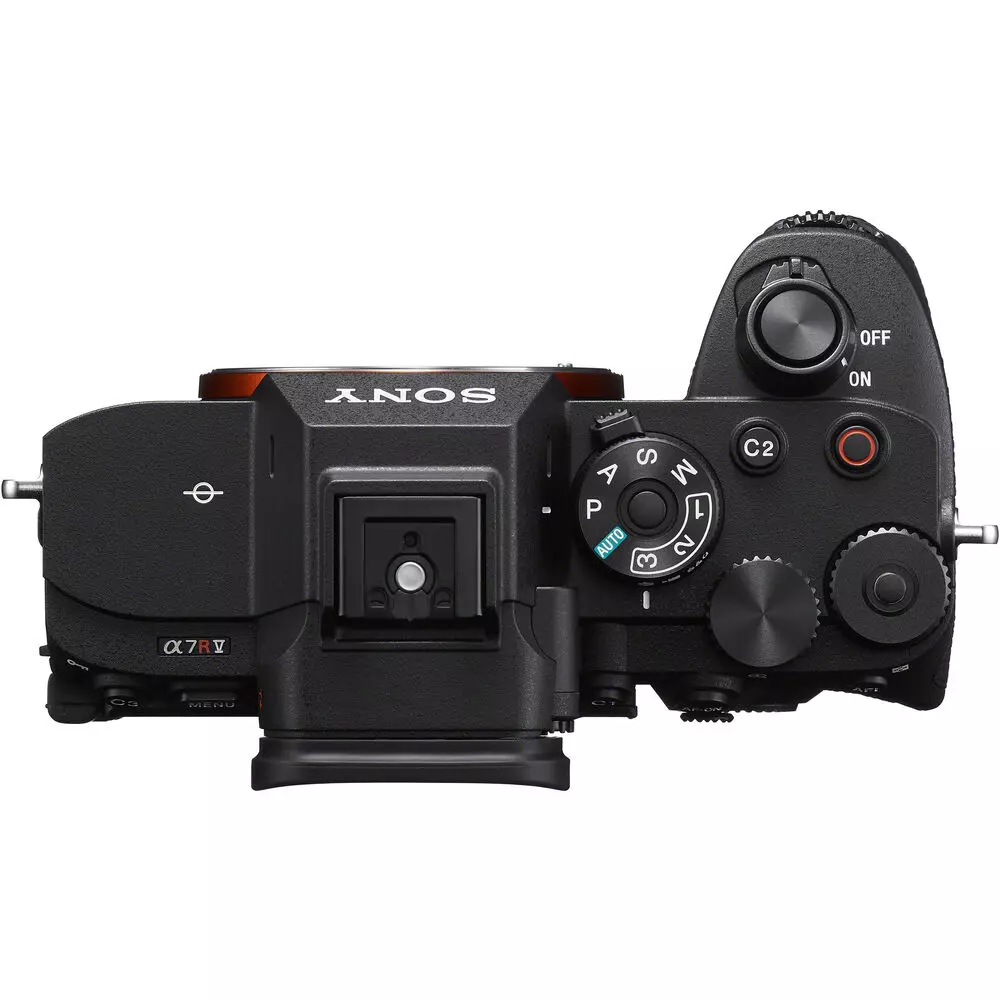
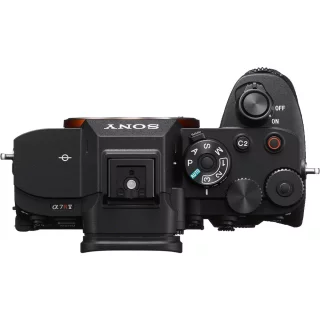
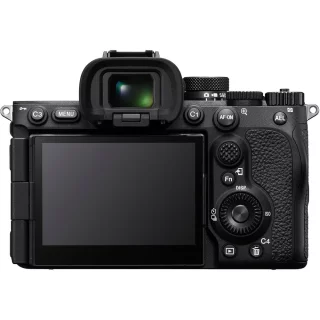
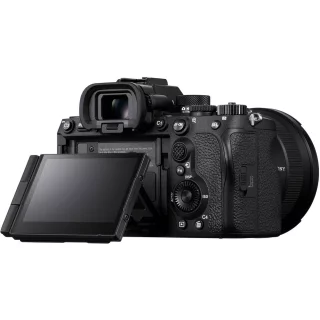
Physically and in terms of controls, the A7R V's body is close to the A7 IV, meaning the basics are in place. In practice, this includes all the improvements that Sony has announced since the previous A7R IV A. The biggest external innovation is the touchscreen, which has a separate tilting screen in addition to the traditional rotating screen.
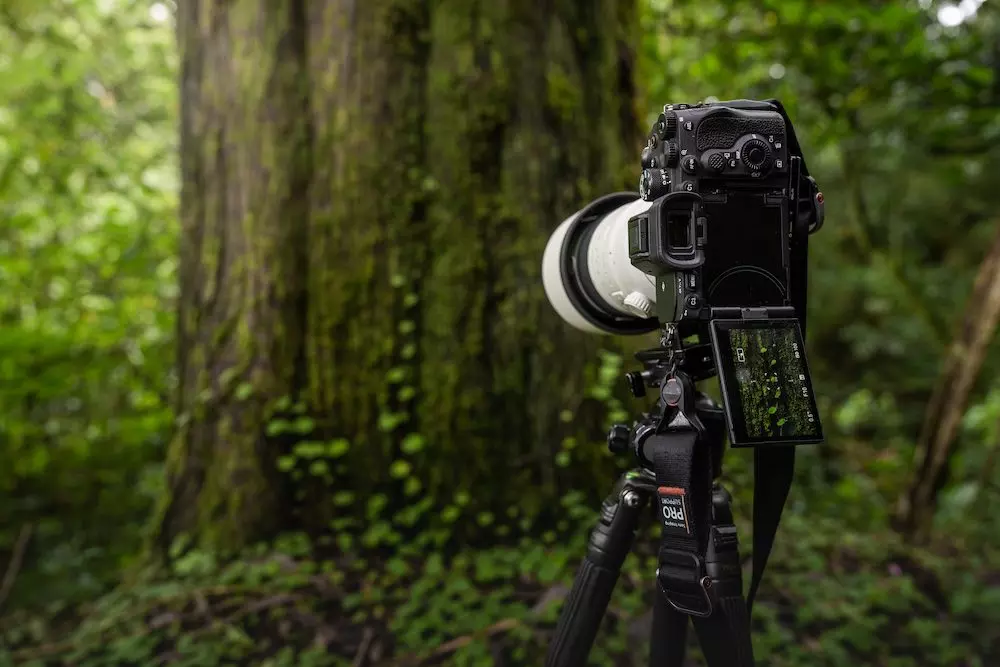
Panasonic tried the same thing with the S1H video model, but Sony has refined this idea very well. The mechanism is smaller and also tilts downwards and moves properly out of the camera, improving ventilation. This is difficult to explain in text, but many will be surprised after trying it out how much you can get excited about the camera's display mechanism.
The electronic viewfinder, like the A1, is at a new level compared to its competitors: the resolution is a whopping 9.44 million dots. The viewfinder image is updated 120 times per second. The viewfinder is equipped with 0.9x magnification and the viewing distance is 25mm. The Zoom out setting, useful for some eyeglass users, reduces the viewing angle and the distance becomes 33mm.
The familiar NP-FZ100 battery is used and with a full charge the number of shots is approximately 530 shots shot through the rear screen (440 with the viewfinder).. But this is a strict CIPA estimate and the number of shots that can be achieved in reality is much higher. In video shooting, up to 2.5 hours of shooting time with 4K video have been achieved in tests, so the battery life and thermal management are very good. Charging is possible with a USB-C cable even while the camera is in use.
Weather-proof construction, a shutter to protect the sensor when changing lenses, and an estimated shutter life of over 500,000 shots mean this is a professional device.
Specifications:
- Compatibility: Sony FE mount
- 61.1 megapixel Full-Frame Exmor BSI CMOS sensor (resolution 9504x6336 pixels)
- ISO 100-32000, expandable to 50-102400)
- Built-in 5-axis image stabilization, 8 stops of power
- 693 phase detection autofocus points
- Shutter speeds: 1/8000 - 30s
- Flash sync 1/250
- Continuous shooting: 10fps with mechanical shutter, 7fps with electronic shutter
- 8K 25P video recording (200-400Mbps) with 1.25 crop
- 4K 60P video (10bit 4:2:2)
- No 30 min limit for 8K recording
- So-called 16bit RAW 4K video recording to an external recorder
- Two CFExpress Type A and UHS-II SDXC combo memory card slots
- Viewfinder: 9.44 million dot high-resolution viewfinder, max. 240 FPS refresh rate, 0.9x magnification
- Display: 8.1 cm (3.2') vari-angle LCD, 2.09M touch screen
- Microphone connection: 3.5mm + digital connection via hot shoe
- 3.5mm headphone jack
- USB Type-C (USB 3.2 gen 2), HDMI, PC sync
- Wi-Fi MIMO Wi-Fi 5, Bluetooth
- Size: 131.3 x 96.9 x 82.4mm
- Weight: 723g
The sales package includes:
Sony Alpha a7R Mark IV body, Sony NP-FZ100 battery, Sony BC-QZ1 charger, Sony ALC-B1EM body cap, shoulder strap, cable strain relief, USB C cable


Arvostelujen yhteenveto
sirpa v.
Joona T.
Ville =.
Tarkennus, värit, valikot .. kaikki parantuneet tarpeeksi että kannatti ostaa uudempi malli.
Kysy tuotteesta

ma-pe 9-17 ja la 10-14
INFO