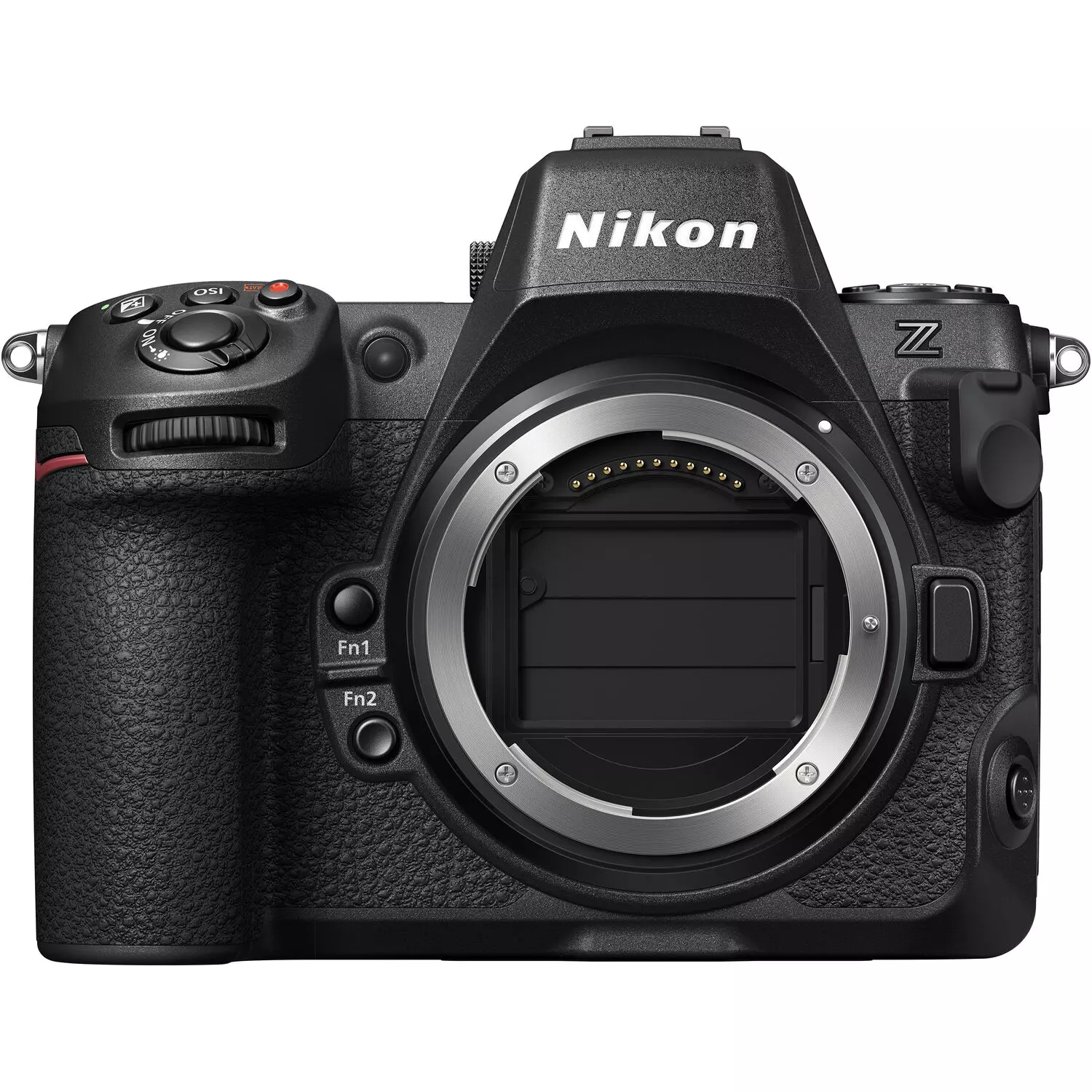
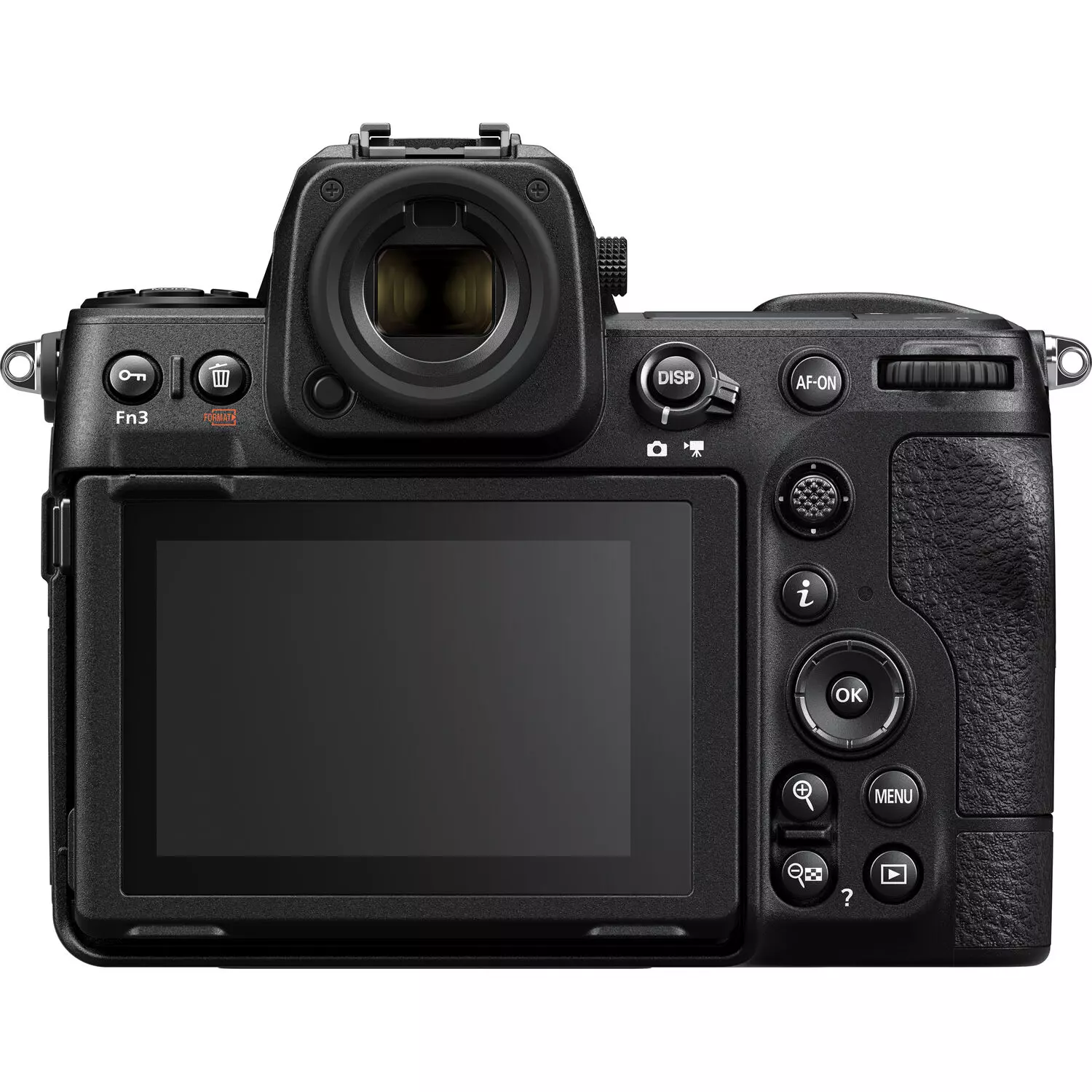
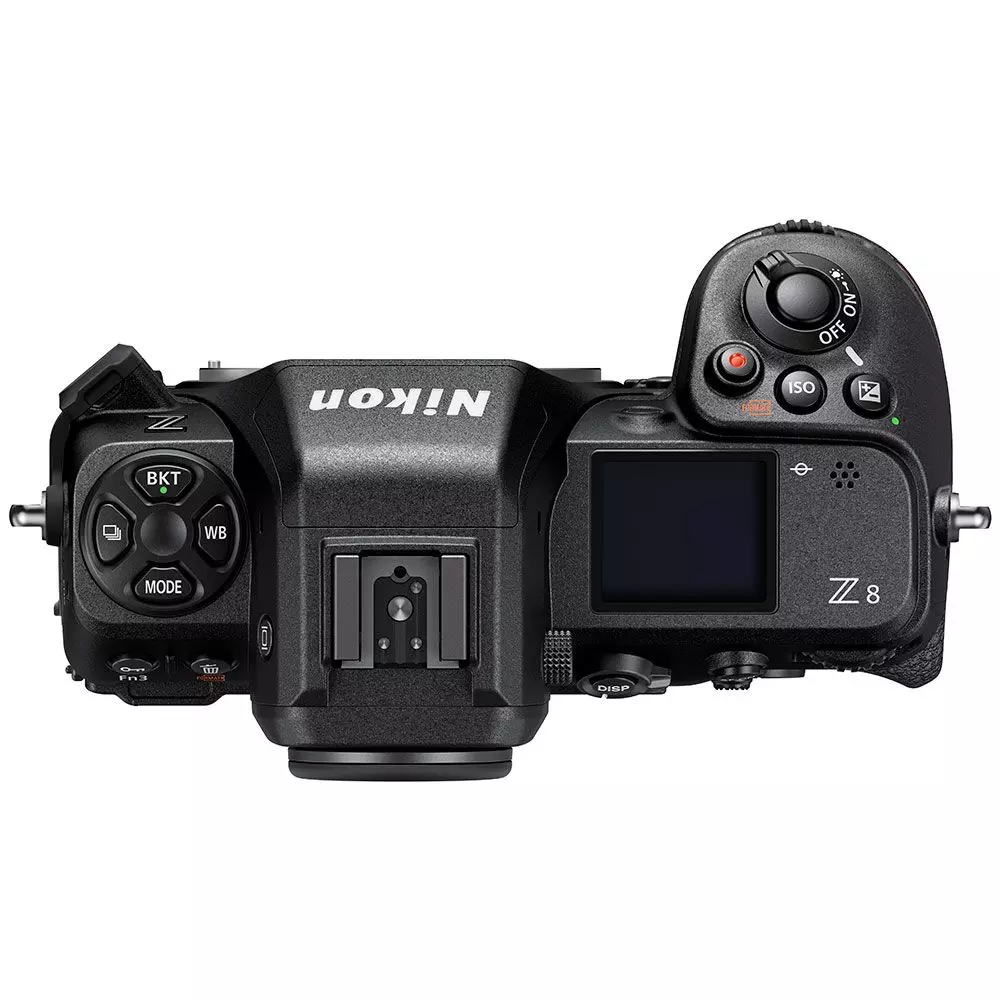
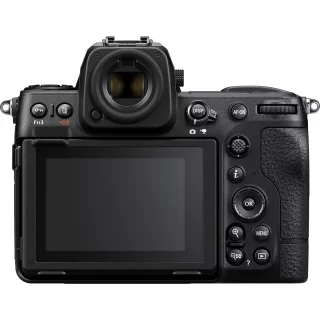
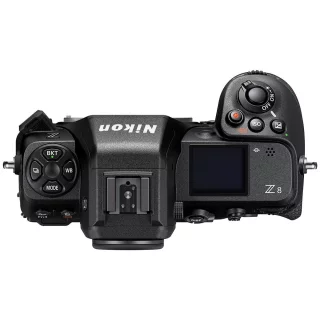
Nikon Z8 body




Pakettidiili

Nikon Z8 DSLR camera body
The Nikon Z8 is essentially a smaller Nikon Z9. Amazingly, Nikon has packed the same sensor and technology, meaning the same image quality and video capabilities, into a compact and 30% lighter body.
The Nikon Z8 is still technically top-notch a few years after its release, and like its sister model, the Z9, Nikon deserves praise for its comprehensive software updates.
Now in June 2025, the software version has been updated to version 3.
The heart of the camera is a 45.7 megapixel image sensor, which is so fast that the camera does not have a traditional shutter at all! Exposure is achieved without distortion with the electronic shutter, even when photographing fast-moving subjects such as flying birds or ball games. This means the shutter is fast, silent and does not contain any mechanical parts.
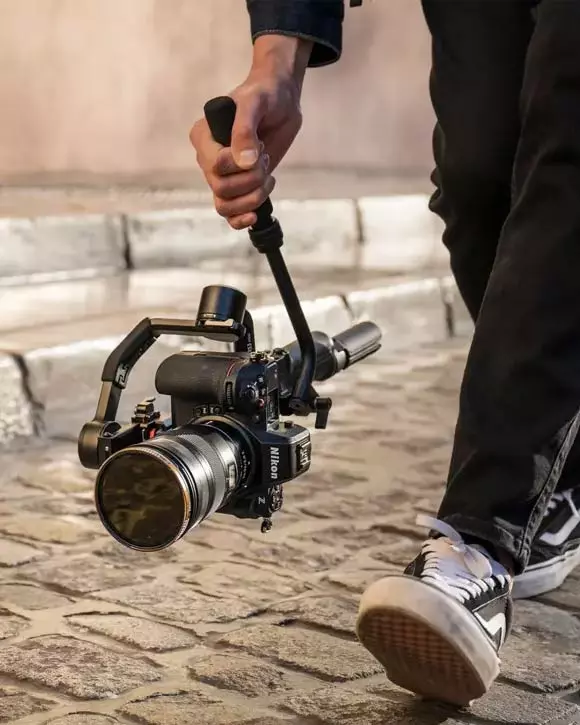
For video shooting, this is suitable for demanding production use: 8K Raw recording directly to memory card and 4K 120P slow-motion videos. All this in a lightweight body that works well for handheld shooting or with a gimbal stabilizer.
- 45.7MP Stacked CMOS full-frame sensor
- 5-stop in-body image stabilization
- 493 PDAF focus points, 3D-tracking AF with human, animal, bird and vehicle detection
- The image remains in the viewfinder even during exposure
- continuous shooting RAW 20fps, buffer memory 1000 images and full focus and light metering during shooting
- 8K 30P Raw video recording directly to memory card
- 4K 120P and FullHD 240P slow motion videos
- Pre Burst pre-recording for capturing fast-moving subjects
- 1 CFExpress and 1 SDXC UHS-II memory card slots, Wifi, Bluetooth
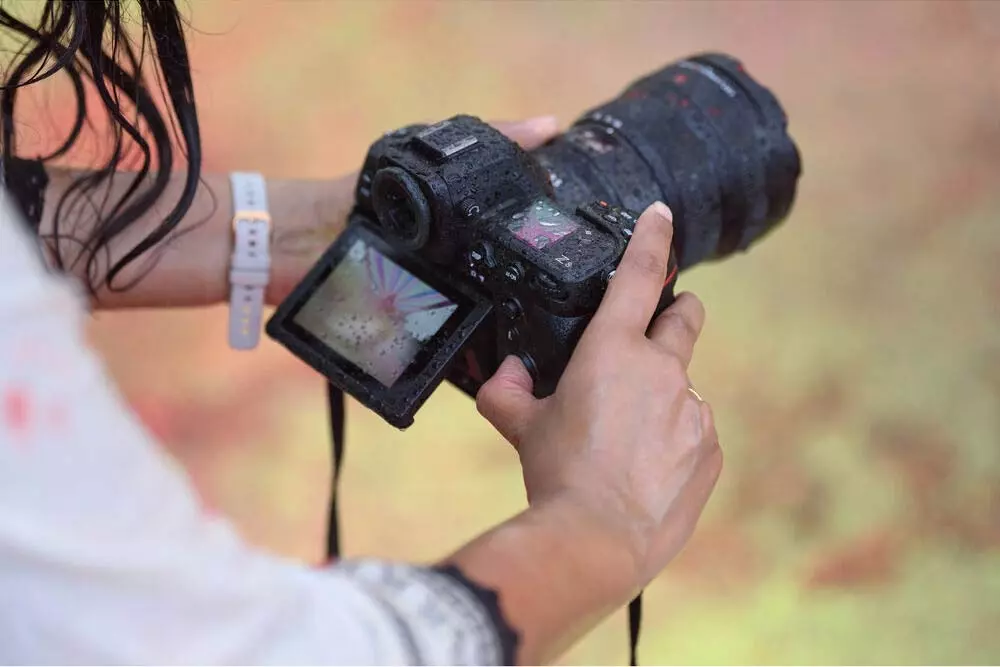
- Professional-grade weather protection
- Compatible with older Nikon lenses with adapter
Nikon Z8 or Nikon Z9?
The Nikon Z8 offers the same image quality and video capabilities as the Z9 in a compact body, but there are also differences in features and usability. If you would use the battery grip a lot, you should get the Z9, which also has a larger integrated battery. At the same time, the grip provides additional support when using super telephoto lenses, for example.
For extreme burst shooting, the Z9 is good thanks to its dual fast card slots, especially if you want to copy the same footage to both cards. In addition, the integrated grip and larger body work more balanced with super telephoto lenses.
The Z9 also includes a GPS receiver and voice memos. Additionally, due to more robust thermal management in video recording, the recording time of the Z9 is about 125 minutes and the Z8 about 90 minutes. That's the difference!
New sensor technology - no traditional shutter
The Nikon Z8 features a so-called stacked sensor. This sensor type is also used in top-of-the-line cameras from other manufacturers, such as the Sony A1 and Canon EOS R3. Nikon takes the technology further and the camera has no mechanical shutter at all.
The sensor's read speed is so good that even fast movements do not cause distortion and the fastest possible shutter speed is certainly sufficient at 1/32000 seconds. The camera is also completely silent when shooting. In addition, with this camera you don't have to think about the number of shutter releases because there are no mechanical parts to wear out. Flash synchronization is possible at a speed of 1/200.
A fast sensor and processor also determine many other features, from autofocus to video recording:
Fast autofocus
The Nikon Z8 features extremely fast and reliable autofocus, which also works great for video. There are 493 phase-detection AF points. The autofocus updates 120 times per second, meaning the camera reacts and detects movement quickly.
The Nikon Z8 includes the 3D Tracking feature familiar from previous pro models. This acclaimed technology means better tracking of movement perpendicular to the camera. Traditionally, mirrorless cameras have been quite fast at focusing on a subject, but movement, especially in the depth direction, has been difficult. So this promises to be good for those who shoot sports, dog activities, and birds of prey flying perpendicularly in a hiding place.
Like other top models from other brands, the Nikon Z8 includes subject-aware focus modes, meaning that focus for people, animals, vehicles, and birds will lock onto the subject based on the content of the image. In addition, this top model (unlike the Z6 III, for example) has a focus mode specifically for bird photography.
Advanced focus modes combined with programmable buttons on the body will reward the skilled photographer. Even the best AI-taught focus does not work in all situations, so by programming, for example, 3D tracking, wide-area focus and single focus point selection to different buttons, you are well prepared for different situations and can change settings while keeping your subject in the viewfinder - without having to fiddle with menus.
Burst shooting: Burst shooting at 20 frames per second with raw images, 30FPS with JPG recording and 60FPS with JPG recording and 1.5X cropping. Exposure and intermediate focus work in all these modes without restrictions. The raw image cache can hold up to 1000 copies, so when it happens, you can definitely take enough pictures and without worrying about restrictions.
Pre Capture: When you press the shutter button halfway, a burst of images is recorded for up to a second in advance, meaning 30, 60 or 120 images are saved! This feature allows you to capture very fast events, such as the exact moment a bird catches a fish or a sports performance in the perfect position. The image format is JPEG and the speed depends on the amount of cropping.
Auto Capture: This is an interesting feature! Auto Capture, announced in the fourth major software update, allows you to program the camera to take a picture according to rules. For example, if a subject comes to a certain point or at a certain distance, the camera will automatically take a picture. When shooting a sporting event, you can leave another camera to automatically take some of the pictures, or, for example, when shooting an animal, the camera's patience will not run out. Auto Capture works for up to several hours, depending on the shooting settings and the number of pictures taken.
Internal image stabilization: The stabilization works according to the subject of the active focus point, meaning the stabilization can change its behavior if the subject is at the edge of the frame compared to if it is in the center of the frame. Synchro VR, or stabilization, works together with lens stabilization and in video also e-VR digital stabilization as an addition.
Nikon Z8 in video shooting - the hybrid photographer's choice
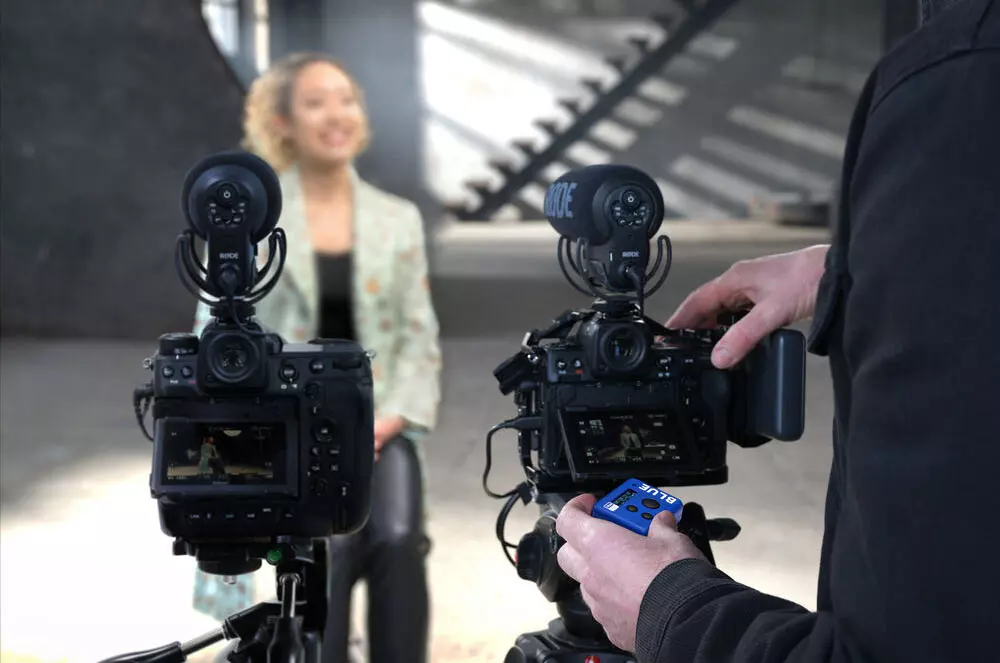
The Nikon Z8 is practically the same camera for video shooting as the Z9, so it is suitable for heavy production use and for photographers who combine photography and video. In Nikon's SLR cameras, video was a kind of mandatory addition, but now video production is an important focus and in terms of technology, it has enough performance like still photography. It is no wonder that Nikon acquired the film camera company RED!
- 8.3K 30P RAW 12bit video recording directly to the card, without cropping
- 4K 60P video oversampled from 8K footage, 4K 120P slow-motion videos
- 4.1K 60P ProRes RAW
- In addition to raw shooting, share a selection of codecs
- Waveform view for precise exposure adjustment
- Better audio: also line-level input, 24bit recording
- Full-size HDMI Type A connector
- Good thermal management without active cooling, up to an hour and a half of shooting time in 8K recording
The Nikon Z8 records RAW video and wide-gamut Log video directly to the memory card internally. At the same time, the other codec selection is also really comprehensive. 8K video and other features are not just a demonstration of the largest possible numbers, but the device is truly a device suitable for professional video productions. Battery life, thermal management and most importantly image quality are first class.
The partially stacked structure of the sensor means fast data readout, meaning that the rolling shutter effect that occurs when the camera moves is very well minimized. The sensor is faster than the R3 or Sony A1 bodies.
Small but not frail body
In addition to autofocus and image quality, the third important feature for professional use is the camera's usability and durability.
- Nikon's professional-grade weather protection
- 3.96 million-dot OLED electronic viewfinder
- Cell protection and dust reduction curtain
- Frame made of aluminum and carbon fiber
- Universal EN-EL15C battery, battery charging also in the camera
- Two USB-C connections, separate ports for charging and data transfer!
- Two memory card slots, 1xx CFExpress and 1x SDXH UHS-II
- 3.2' rotating touchscreen, so-called four-axis, i.e. tilting, folding and rotating again
- Full-size HDMI Type A connector
According to the technical specifications, the viewfinder has fewer pixels than the top models of competitors. However, we recommend testing it with your own eyes . The optics and image quality of Nikon's viewfinder are very good, and when shooting, especially with fast shutter speeds, the viewfinder is truly blackout-free, meaning it shows the image the entire time during exposure without jerking. The lag is also very small. Many people think that this viewfinder surpasses the solutions of competitors in the same price range, despite the lower resolution.
The stated number of shots per charge is 330 according to CIPA estimates, but this figure is exceeded many times over in everyday use.
Specifications:
- Sensor: full-frame Partially Stacked CMOS, 45.7 megapixels
- Bayonet: Nikon Z, (Nikon F compatibility with adapter)
- Focus points: 493
- Sensitivity: ISO 64 - 25600 (expanded to ISO 32 - 102400)
- Shutter speeds: up to 1/32000 with electronic shutter
- Flash sync: 1/200 s
- Burst shooting: 20fps raw, 30fps JPEG, 11MP cropped images at 120FPS, all modes with full exposure metering and focus, buffer memory for approximately 1000 raw images
- Video recording: 8K RAW and 4.1K Proress Raw internally to memory card, 4K oversampled from 8K footage, 4K 120P slow-motion videos
- Viewfinder: OLED, resolution 3.69M dots, magnification 0.8x
- Display: 3.2'cm 4-axis tilting touchscreen, 2.1M dots
- LCD screen on top of the camera
- 1pc XQD or CFExpress, 1pc SDXC UHS-II
- Microphone connection: 3.5mm
- Headphone jack: 3.5mm
- Connections: HDMI Type A, 2x USB C, Nikon DC2, PC sync
- wireless: Wi-Fi 2.5 / 5GHz WiFi 5, Bluetooth 5.0
- Size: 144 x 118.5 x 83mm
- Weight: approximately 910g with battery and memory card, 820g body only
Sales package includes: Nikon Z8 body, Nikon EN-EL15c Lithium-Ion battery, Nikon MH-25a charger, Nikon UC-E24 USB cable, HDMI/USB Cable strain relief, body cap, BS-1 hot shoe cover, strap

Arvostelujen yhteenveto
Juhani V.
Henri M.
Olli-Heikki H.
Kysy tuotteesta

ma-pe 9-17 ja la 10-14
INFO