Sigma 500mm F5.6 DG DN OS Sports (L Mount) -objektiivi

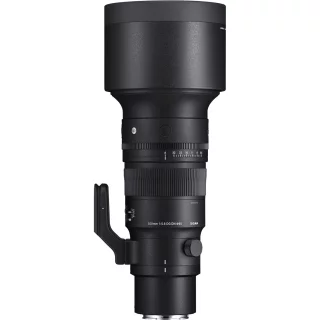



Sigma 500mm F5.6 DG DN OS Sports (L Mount) super telephoto lens
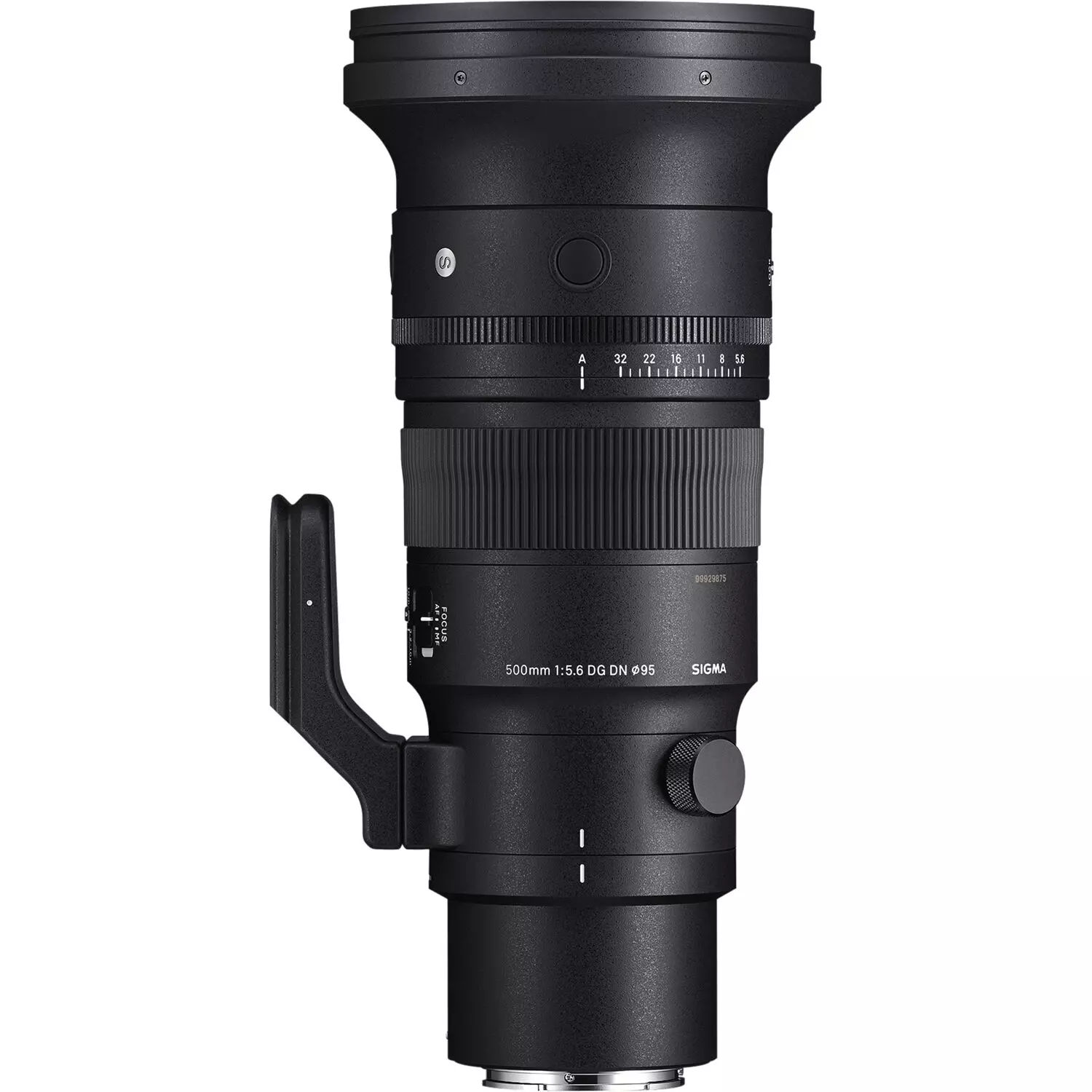
The size of this lens is surprising! The numbers show that it is a super telephoto lens, about the size of a liter milk can and weighing 1.3kg, but when you hold it in your hand with the camera, you realize how small the combination is.
Sigma's 500mm F4 lens designed for DSLR cameras was of course brighter by an aperture, but it was considerably larger and weighed almost two kilos more. With modern cameras, the aperture is well managed and at the same time the lens offers more effective stabilization and autofocus.
- A brand new ultra-compact lens for mirrorless cameras
- Weight 1.365kg, almost 2kg lighter than Sigma's old 500mm F4
- HLA focus motor i.e. fast autofocus
- 5-stop image stabilization and the latest OS2 stabilization software
- Adjustment ring for the opening
- Detachable Arca-Swiss compatible tripod collar
- Weatherproof construction
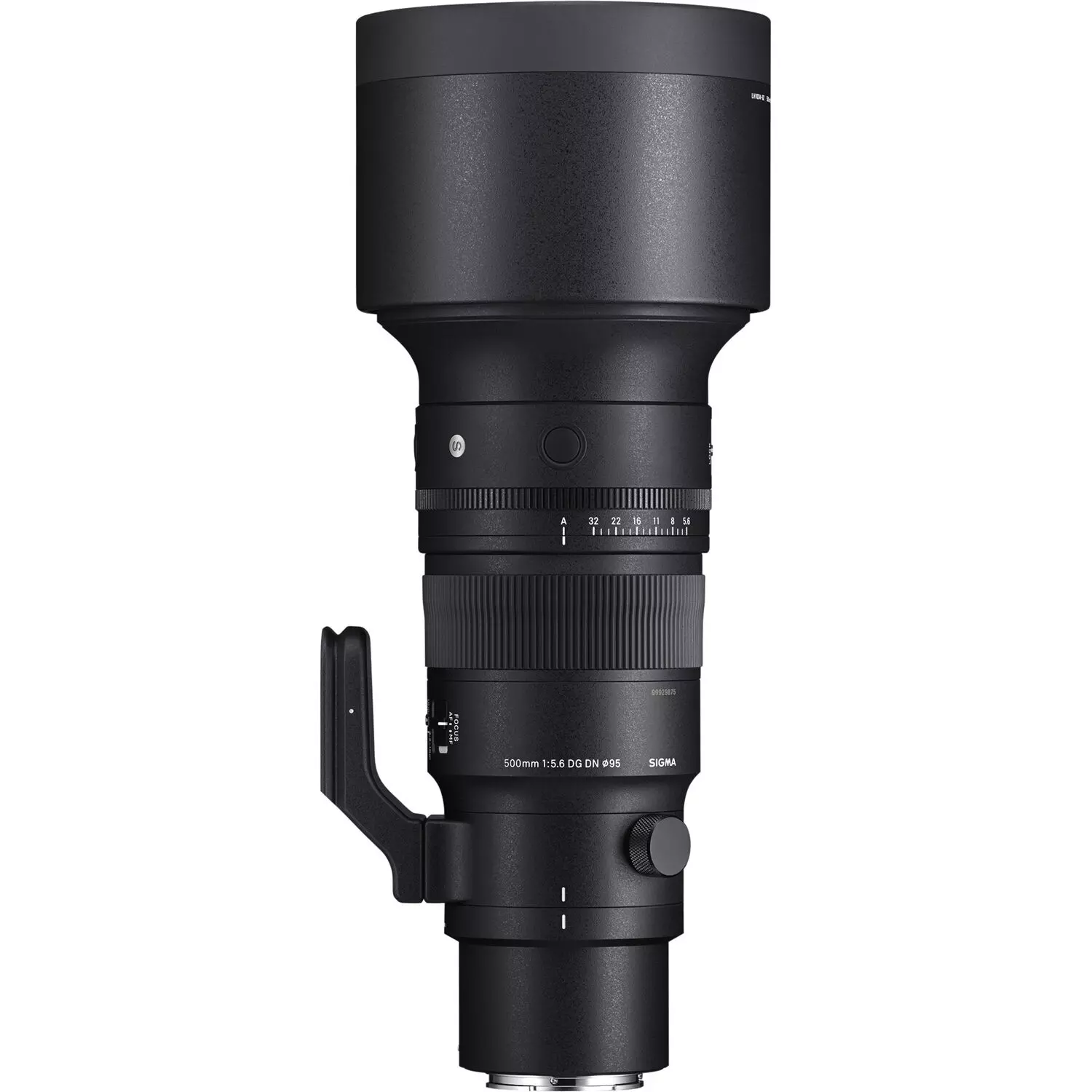
- Carbon fiber reinforced lens hood, so yes, weight saving has been considered!
- Made in Japan
High image quality in a mini size
The small size was achieved with early special lenses, but there are no Diffractive optics or DO lenses like Canon, so the blurry areas behind the subjects are more traditionally blurry, and this is a good thing because most subjects are like this.
The long focal length allows you to photograph wildlife or even small birds from a distance and in detail. The subject is sharp and the backgrounds, if desired, at full aperture, bring the subject out nicely. Thanks to its small size and weight, the lens works great for handheld photography, meaning that tracking moving subjects is easy.
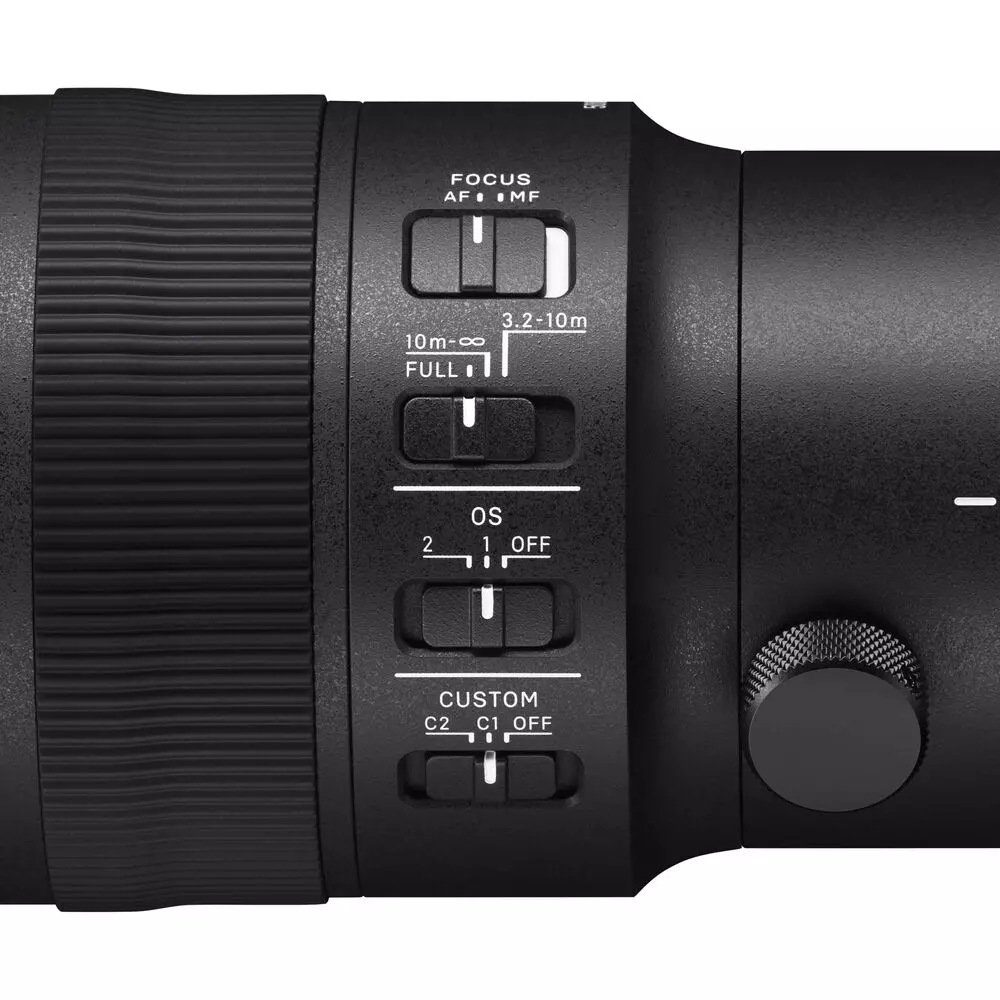
Handheld photography is also aided by an optical image stabilizer, which has a power of five aperture values. The stabilizer is Sigma's latest version containing OS2 software and has two modes, Mode 1 for normal photography and Mode 2 when following subjects such as athletes or vehicles by panning, i.e. following in a certain direction. Sigma's stabilizer can take into account the tracking regardless of which direction the movement is proceeding, i.e. also diagonally and also works in vertical photography.
Focusing is handled by the HLA High Response Linear Actuator focus motor. This means that the lens has Sigma's latest technology. This type of lens is often used to photograph fast-moving subjects, whether it's an athlete, a bird or an airplane, so speed is beneficial. The lens supports all of the autofocus features of Panasonic bodies, i.e. Eye AF and newer features work.
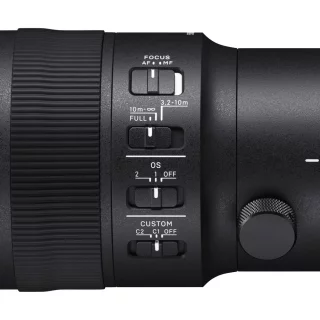
The Sigma 500mm F5.6 is conventional in terms of usability, meaning that stabilizer adjustments and focus limitation can be made directly with buttons. In addition, there are three programmable AF-L buttons on the front of the lens for activating the focus feature, for example. The lens has an aperture control ring, this control ring also has an automatic setting and lock.
Weather protection is good, like Sigma's Sports series.
Specifications:
- Compatibility: L Mount bayonet
- Focal length: 500mm
- Aperture: F5.6 (minimum F32)
- Image stabilizer
- Lens construction: 20 elements in 14 groups, 11 rounded diaphragm blades
- Closest focusing distance: 320cm
- Filter thread: 95mm
- Size: 107.6 x 236.6mm
- Weight: 1.4kg
The sales package includes:
- Sigma 500mm f/5.6 DG DN OS Sports Lens (L Mount) lens
- protective case
- LH1034-02 Lens Hood
- Sigma LCF-95 III 95mm Lens Cap
- Sigma LCR II Rear Lens Cap for Sony E
- Sigma TS-151 Tripod Socket
- Lens Strap
Made in Aizu, Japan

Arvostelujen yhteenveto
Kysy tuotteesta

ma-pe 9-17 ja la 10-14
INFO