OM System OM-1 Mark II -frame




Aktiiviset kampanjat

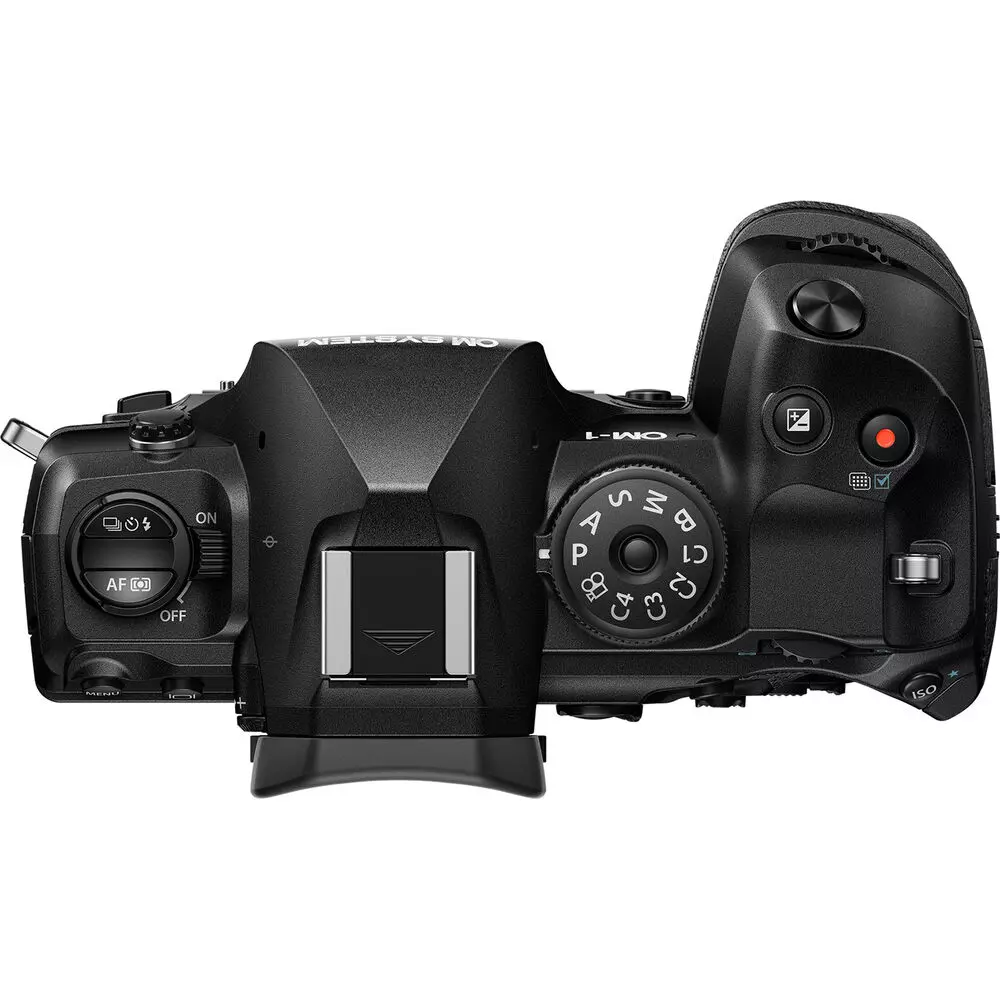
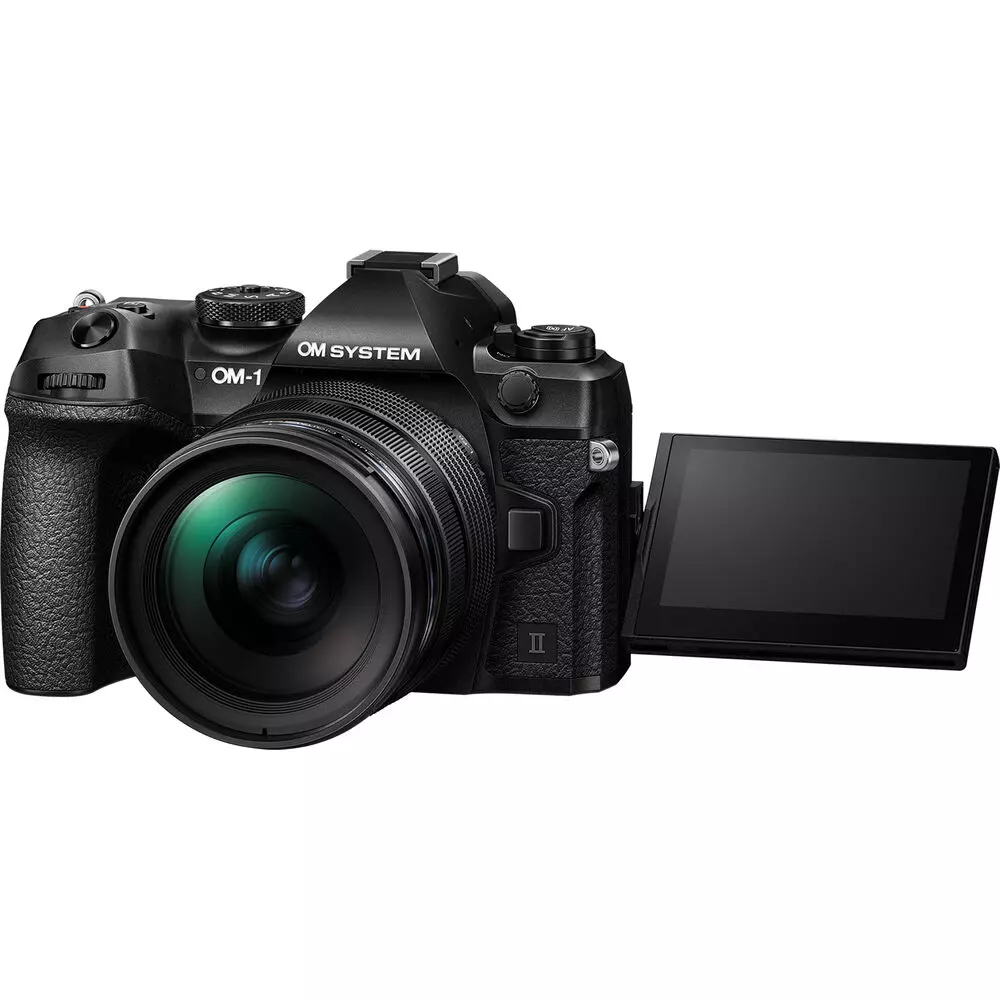
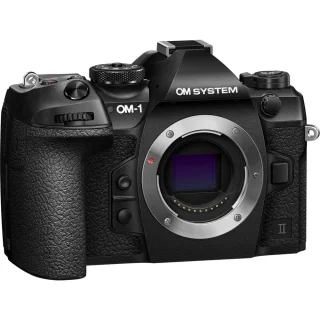
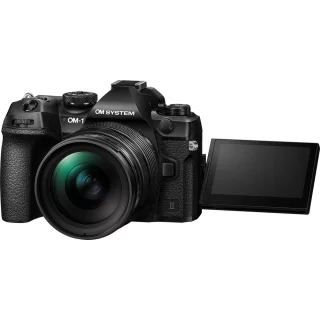
OM System OM-1 Mark II DSLR camera body
The OM-1 was the first camera released under the OM System, formerly known as Olympus. The OM-1 was a huge success in both testing and sales. How has OM System set out to improve this camera?
There are completely new features such as Gradual ND, a software-implemented half-tone filter, technical improvements to autofocus and image stabilization, and even a change in the material of the adjustment rollers to a more grippy rubber compound. So, both major technical innovations and minor usability improvements have been made here - listening to photographers.
- 20MP so-called Quad pixel sensor, maximum ISO 25600
- IP53 weather protection: splash, dust and frost resistant construction
- 1053 cross-type AF points
- AI-taught autofocus with multi-object detection
- AF speed improved in all modes, subject selection via joystick or touchscreen
- Electronic OLED viewfinder with 5.76 million dot resolution
- Live ND and Live GND ND filter simulation modes
- 50MP High Res images shot handheld in 14bit raw - more tonal information
- Double cache in burst mode - 256 frames at 50FPS shooting
- Pro Capture predictive shooting mode - now also at slower shooting speeds
- Blackout free - viewfinder image always visible even with slower bursts
- 50FPS continuous shooting with continuous focus, 120 frames per second with single focus
- Up to 8.5 f-stop effective sensor-shift image stabilization - 20% more effective
- 4K 60P video recording, 8 or 10bit recording, vertical videos and FullHD 240FPS slow-motion videos
- Two memory card slots
Outdoor photographer's camera
The OM System OM-1 II continues the success recipe of the previous version, meaning it is a camera that is perfectly suited for fast-paced nature photography, where the combined weight of the body and lens, i.e. the entire shooting set, is often lighter than its competitors. The OM-1 is suitable for mobile photographers who want great image quality with easily portable equipment.
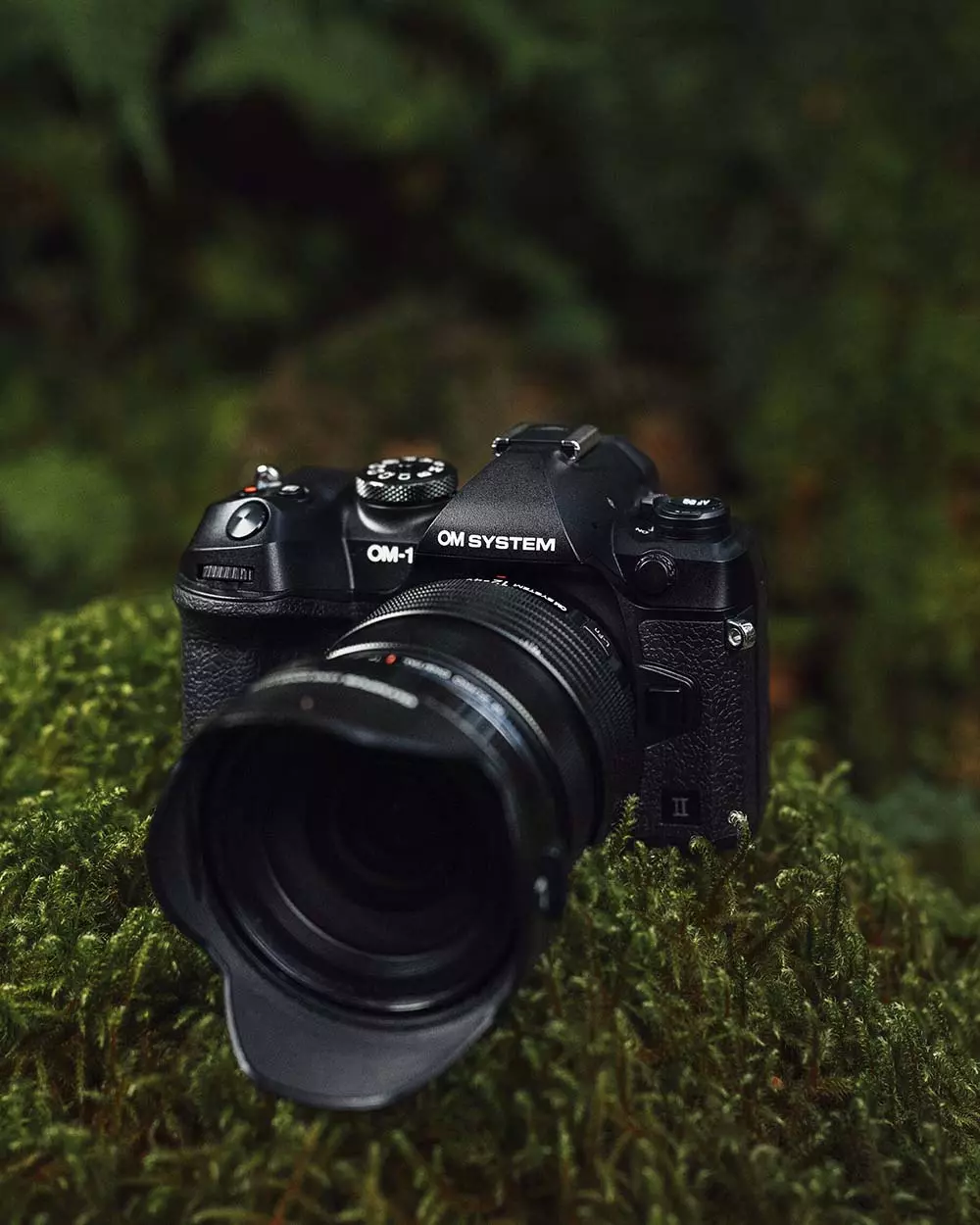
Nature is often at its best when the light comes from a lower, softer angle and there may be an atmospheric element in the air, such as snowfall or fog. The OM-1 Mark II camera is promised a robust IP53 standard weather protection, meaning it can withstand water pressure, or in Finnish, rain. You must use a lens that is weather-protected to the same level (for example, the 12-40mm Pro II).
Ultra-fast stacked sensor and autofocus
The camera's 20-megapixel image sensor uses the same so-called Stacked structure as the top models Canon EOS R3 and Sony A1. This enables very fast continuous shooting and good video capabilities. With continuous focus, continuous shooting is 50 frames per second and with single focus, 120 frames per second.
The OM-1 Mark II naturally includes the iPro Capture shooting mode. In this mode, continuous shooting with continuous focus is possible at 50 frames per second (a favorite feature of nature and sports photographers!) This means that the camera takes pictures continuously even when the shutter is pressed halfway and automatically saves, for example, 50 frames before and 50 frames after pressing the shutter. This allows you to time the attack of a bird of prey or a sports performance just right! Now Pro capture also works at slower settings, meaning that if the movement is not happening at a fraction of a second speed, the number of frames remains better controlled.
The autofocus is AI-trained, meaning it recognizes subjects and starts tracking quickly. Supported subject types include birds, trains, cars, airplanes, helicopters, and a wide variety of animals. And now, the OM-1 Mark II also features human face detection, which speeds up focus locking and tracking.
In addition, when there are multiple subjects in the image, it is now possible to select the first subject using the joystick or touchscreen. For example, if there are several animals or people in the image, you can focus on the right individual by tapping the frame. OM System promises that autofocus has been significantly faster in all focus modes available.
The most powerful image stabilization on the market
The OM-I Mark II features the most powerful image stabilization on the market, now with an f-stop of 8.5. This allows for handheld shooting in low light conditions and handheld shooting with long telephoto lenses.
In addition, the stabilizer is used in High Res shooting mode, where the camera takes several images by moving the image sensor slightly between shots and from this amount of data, a 50 megapixel image is compiled when shooting handheld and an 80 megapixel image file when shooting from a tripod. The feature is especially amazing when shooting handheld, this combines the speed of the sensor and continuous shooting, but by activating the feature, the OM-1 records detailed landscapes. The image is now also a 14bit raw image, so it is suitable for even the most demanding photographer.
Gradual Live ND - sliding ND filters directly on the camera
OM System has been a pioneer in in-camera features, or so-called computational photography. This means that things that would normally require a computer and special software or image processing can be done directly in the camera.
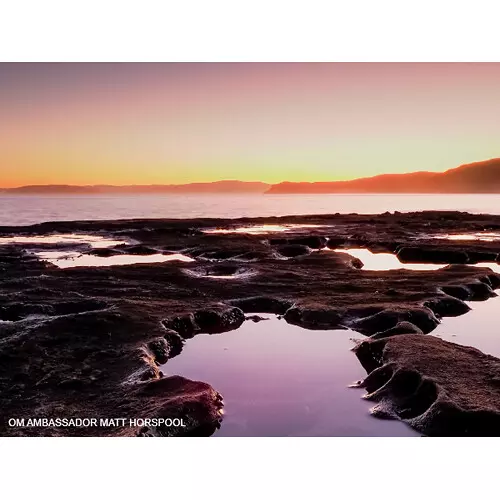
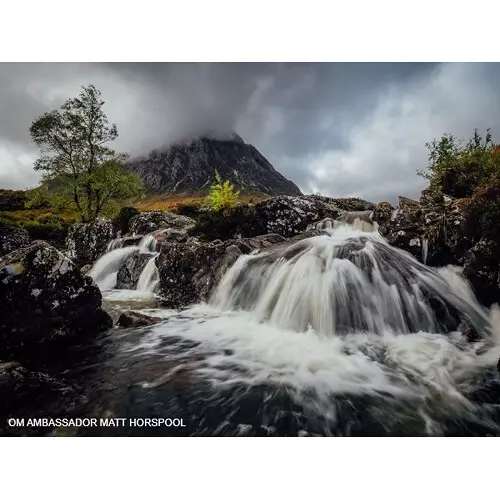
The previous model had Live ND, i.e. a ND filter simulation, but this goes to a new level in the Mark II model! Now you can also simulate a half-ND filter in the camera with the Gradual Live ND feature, so if you want to darken only the sky, you can do it just like with the sliding ND filters intended for landscape photography. Now this happens directly in the camera, controlled by the touchscreen, so there is no need for bulky and expensive plate filters anymore.

Gradual Live ND enabled
The technique works with all lenses, I choose the filter efficiency, the slope of the slide and the filtering point and direction and the image file is ready! The maximum filter efficiency is ND128, which means that this effect cannot be done as effectively and well in post-processing. For example, the details and color of a very bright sky and a darker landscape can now be balanced really quickly - without having to carry a bulky filter battery.
In demanding landscape photography, the use of filters has been the so-called secret weapon of many professionals, and it's great that you can try this out and use it directly in the camera.
There are also other computational features included:
- Macro image stacking, now possible with 15 images
- Focus bracketing (up to 999 shots)
- Live composite is great for night photography, so you can see how the image is exposed second by second
- Starry Sky AF - autofocus for starry photography
Om System OM-1 Mark II for video shooting
- 4K 60P video recording
- FullHD 120P slow motion videos
- OMLog 400 wide gamut shooting and HLD HDR video shooting
- 10bit recording
- Vertical video for social media
- Works conveniently as a webcam with a USB cable
The OM-1 Mark II is now better designed for hybrid photographers, meaning if you need high-quality video in addition to stills for content production, you only need one camera body. 4K video is now possible at 60P. Thermal management is in order, meaning you can shoot for the entire battery life, i.e. about 90 minutes, or with an external power source.
Raw video can be recorded to the Atomos Ninja V recorder. In addition to 12-bit raw video, 8-bit and 10-bit color depth can be recorded directly to the memory card. Hybrid Log Gamma support and OM-Log setting are also included.
By lowering the resolution to FullHD, 240FPS slow-motion videos are also possible. The camera naturally has a microphone and headphone jack for recording and monitoring audio.
Professional-level usability
The camera is mechanically professional. The shutter has been tested to last up to 400,000 shots. Mirrorless system cameras often have a shorter battery life, and this model uses a completely new BLX-1 battery type. It has 20% more power and promises about 520 shots on a single charge. But the testing cycle is merciless and many people notice that with so-called proper use, a much larger number of shots can be achieved. The battery can be charged directly in the camera via the USB-C connector, so you can charge it with your phone's car charger or power banks.
The OM System OM-1 Mark also includes some very small but usability-enhancing improvements, which show that the manufacturer is really listening to photographers' feedback. The thumb and index finger adjustment rollers are now rubber-coated for better grip, meaning they work accurately even when shooting with wet or freezing gloves.
The menu button can be programmed to replace the delete button, so you don't have to take your hand off the support position when using telephoto lenses.
Weather protection is the previously mentioned IP53 level, which is a real rarity!
Specifications:
- Compatibility: Micro Four Thirds (M43) lenses
- In-sensor image stabilization, maximum power 8.5 f-stops
- Image sensor 20MP Stacked BSI Live MOS MFT, Quad Pixel
- Sensitivity: ISO 200 - 102400
- Focus points: 1053 phase detection points
- Shutter speeds: 60 - 1/8000 s (with electronic shutter 1/32000 s)
- Flash sync: 1/250 s
- Continuous shooting: 50 fps (with autofocus), 120FPS without intermediate focus / with mechanical shutter 10 fps
- video recording: 4K 4096 x 2160 4K 60P, FullHD 240FPS, 8 and 10bit recording, H.265 and H.264 compression
- 4K Raw video recording to an external recorder
- Electronic OLED viewfinder, resolution 5.76M dots
- 7.6cm articulated touchscreen, 1.62M dots resolution
- 2x SDXC UHS-II memory card slots
- 3.5mm microphone jack and headphone jack
- Micro HDMI, USB Type-C (USB PD charging)
- Wi-Fi, Bluetooth
- Size: 134.8 x 91.6 x 72.7mm
- Weight: 599g (with battery and memory card)
Sales package includes: OM System OM-1 Mark II body, CB-USB13 USB cable, CC-1 Cable clip, CP-2 Cable protector, shoulder strap, BLX-1 Li-ion battery, F-7AC power cord, FL-LM3 mini flash
Note! The sales package does not include a separate battery charger.

Arvostelujen yhteenveto
Remek S.
On kuitenkin hyvä varautua siihen, että asetuksia ja nappeja on paljon, joten opettelukäyrä on aluksi jyrkkä. Mutta kun asetukset saa kohdalleen, jälki on upeaa. Suosittelen vaativalle harrastajalle!
Juha K.
Kysy tuotteesta

ma-pe 9-17 ja la 10-14
INFO