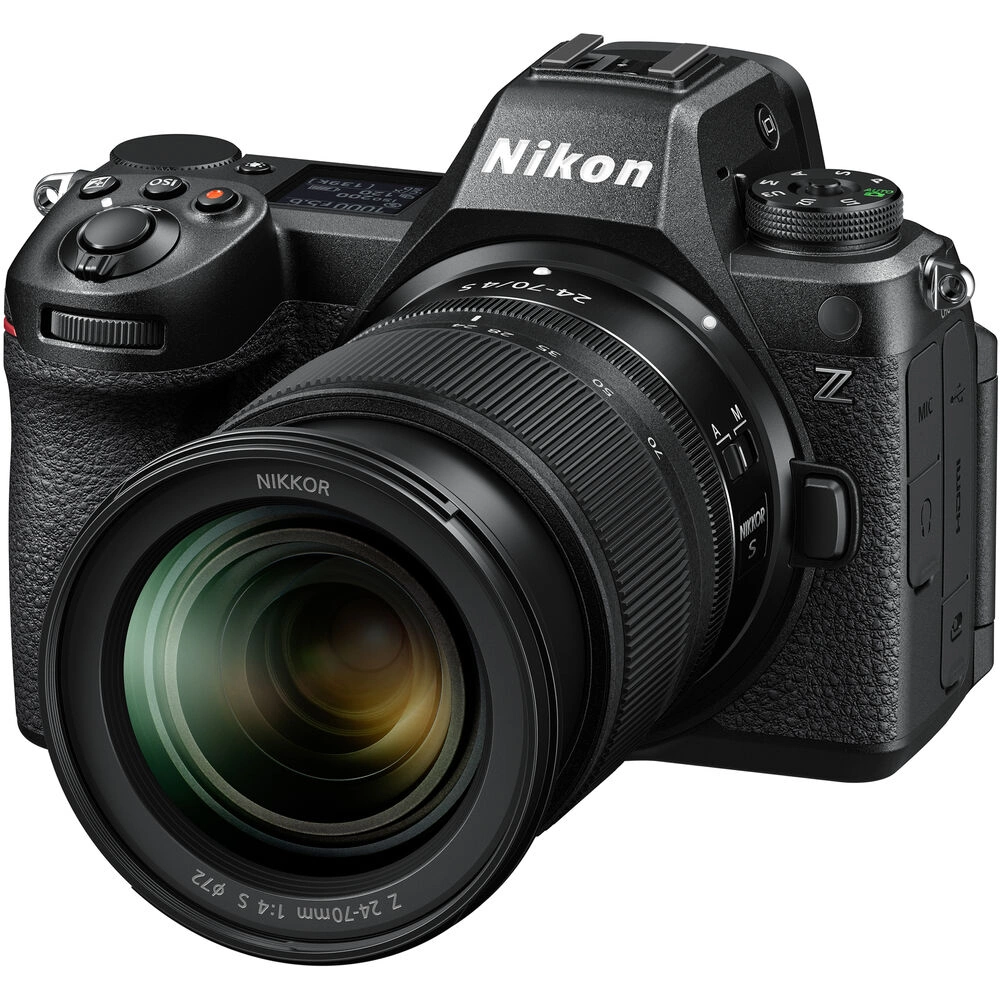
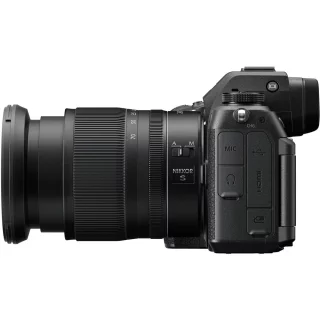
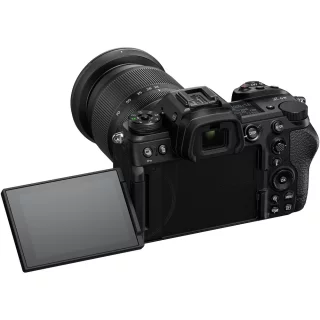
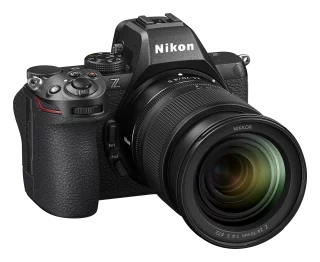
Nikon Z6 III + Z 24-70mm F4 S kit




Aktiiviset kampanjat

Pakettidiili

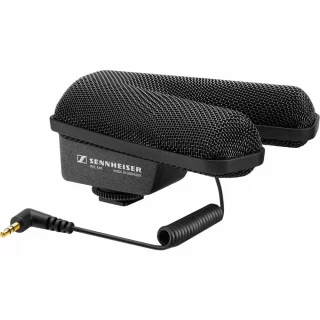
Varmasti yhteensopivat tarvikkeet
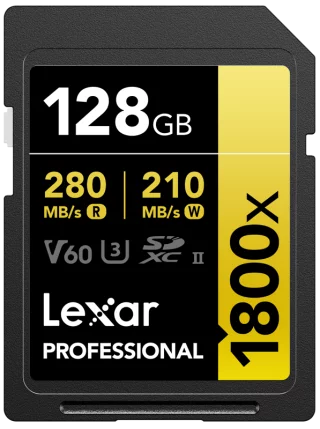
Lexar Pro 128GB SDXC (1800x, 210Mb/s) UHS-II (U3 / V60 / C10) memory card
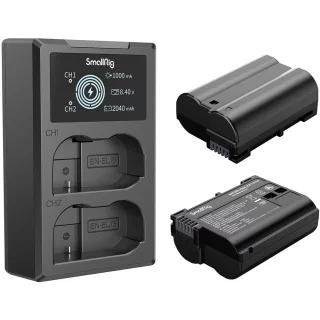
Smallrig 3820 Charger Kit - dual charger and batteries (Nikon EN-EL15)
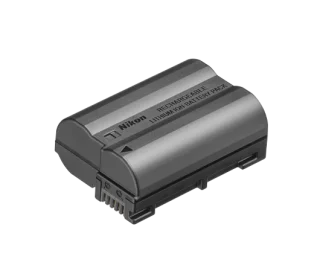
Nikon EN-EL15C battery

Hoya Fusion Antistatic Next Protector filter 72mm

Hoya Fusion Antistatic Next CIR-PL 72mm Pyropolarization Tiode
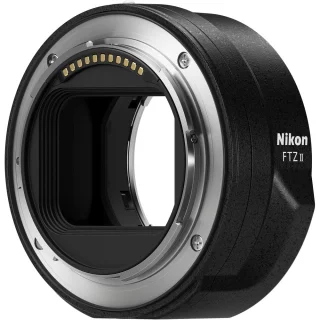
Nikon FTZ II Mount Adapter - bayonet adapter
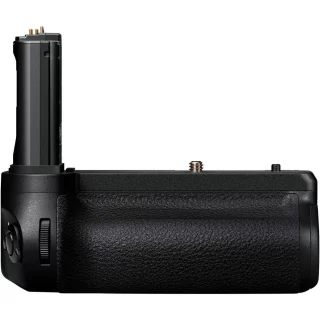
Nikon MB-N14 - Akkukahva (Nikon Z6III, Z6II, Z7II)
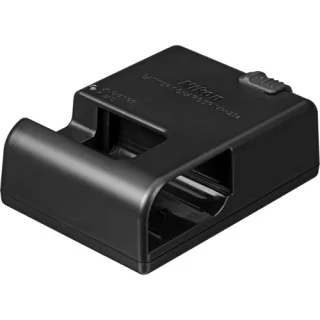
Nikon MH-25a acquisition
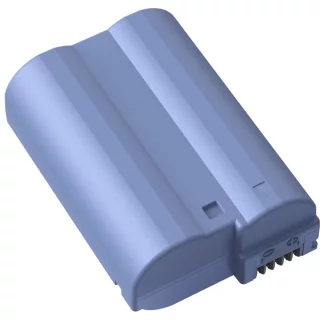
Smallrig 4332B Camera Battery USB-C Rechargable EN-EL15c
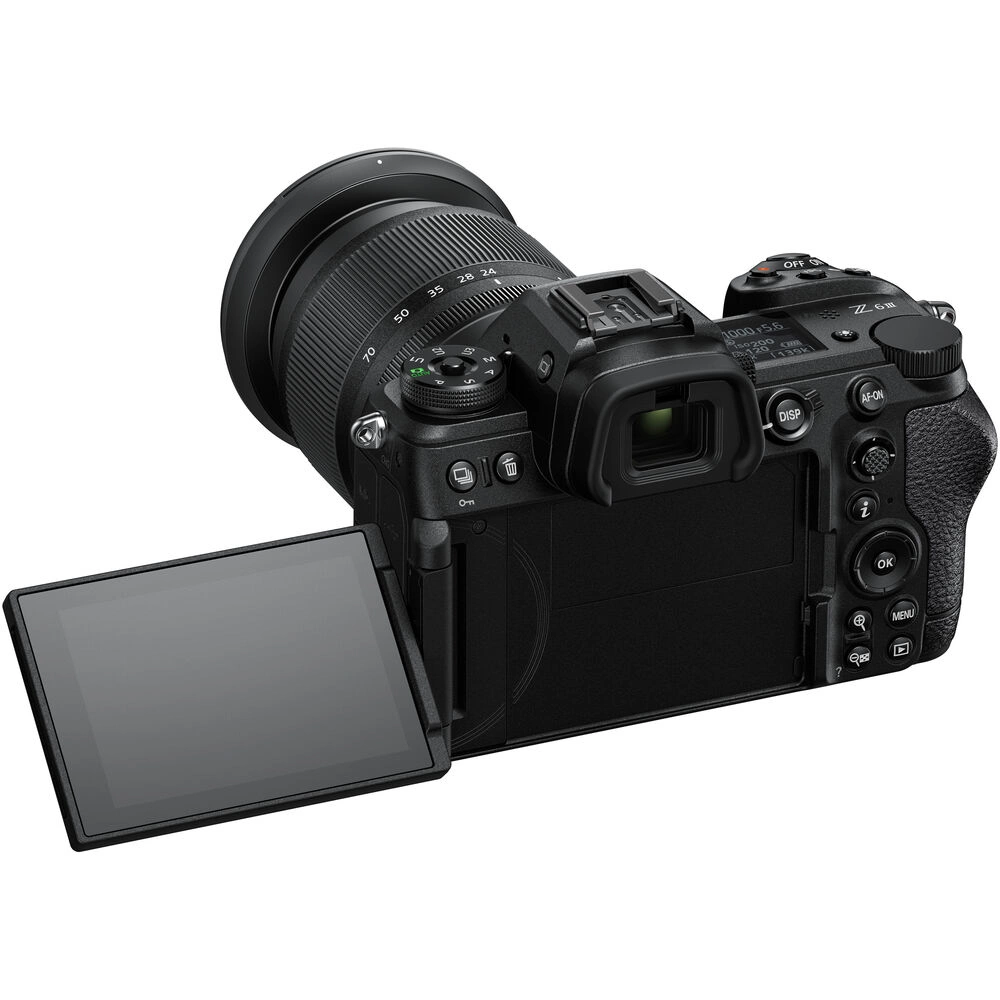
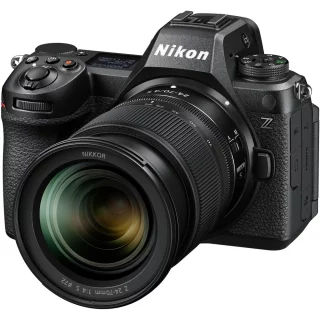
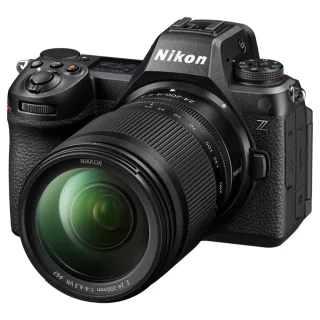
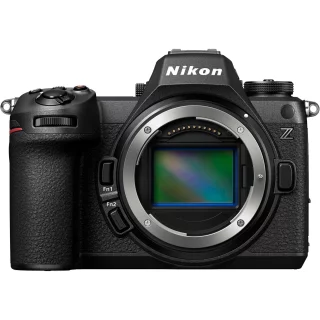
Nikon Z6 III + Z 24-70mm F4 S kit
This package includes the Nikon Z Nikkor 24-70mm F4 S lens.
The latest version of the popular Nikon Z6 III comes surprisingly close to the Nikon Z9 and Z8 cameras. The technology borrowed from the top models enables faster autofocus, more effective image stabilization, 6K RAW video recording, faster burst shooting with PreBurst pre-recording. In addition, the electronic viewfinder is more accurate and has better colors, and all this in the same compact size, where usability is guaranteed to be Nikon-level!
The Nikon Z6 III will be popular - it's worth pre-ordering. Also ask for a trade-in offer!
- 24.5MP full-frame sensor, Partially Stacked CMOS
- Sensitivity ISO 100-51200 (expandable to 50-204800)
- 8-stop effective in-body image stabilization
- 493 PDAF focus points, 3D-tracking autofocus with subject detection
- High-resolution 5.76 million-dot viewfinder, the brightest and widest color rendition on the market
- The image remains in the viewfinder even during exposure
- Continuous shooting RAW 14fps with mechanical and 20fps with electronic shutter and 60FPS JPEG images
- 6K 60P video recording and 6K 30P Prores Raw to memory card
- 4K 120P and FullHD 240P slow motion videos
- Charging the battery directly in the camera via the USB-C connection
- Pre Burst pre-recording for capturing fast-moving subjects
- Easily downloadable color settings to the camera, ready-to-use image with desired tones
- Pixel Shift High res high resolution recording
- Compatible with older Nikon lenses with adapter
New cell technology and processor: faster and better results
The sensor technology of a camera determines a lot of the camera's features, from burst shooting and image quality, to everything from video recording to viewfinder speed. The Nikon Z6 III features a completely new type of sensor that is not currently available in any camera from Nikon or other brands.
The sensor is so-called partially stacked, stacked sensors are used in the most expensive top-end bodies of brands such as the Nikon Z9, Sony A1 and Canon EOS R3. Now this technology has been partially implemented, meaning you get most of the benefits and speed but the price remains at the level of hobbyist devices.
And what all this sensor and the ten times faster Expeed 7 processor enable:
Faster autofocus: Nikon promises that the autofocus is at least 20% faster than the previous model, in addition to Nikon's more advanced 3D track tracking and improved subject detection (pets, vehicles, people, a total of 9 different modes). According to the manufacturer, the performance is comparable to the Z8 and Z9 bodies. Note. The Z6 III includes animal detection, which includes birds, but the Z8 and Z9 bodies lack an AF mode focused solely on birds as an update.
But otherwise, the focus is just the right thing to survive in very tough competition with other brands.
Focusing now also works in very low light -10EV lighting (measured with an F1.2 aperture), meaning that focus speed is improved especially in extreme conditions and if you are not using the brightest fixed super telephoto lenses, but, for example, telephoto zooms combined with teleconverters.
All autofocus adjustments and calculations are performed 120 times per second, meaning the camera reacts quickly when shooting in burst mode and when shooting fast action.
Burst shooting: Mechanical shutter continuous shooting at 20fps with raw images, 60FPS with JPG recording and 120FPS with JPG recording and 1.5X cropping. Exposure and intermediate focus work in all these modes and.
Pre Burst: When you press the shutter button halfway, a series of images are recorded for up to 3 seconds in advance, meaning hundreds of images are already recorded when the picture is taken! This feature makes it possible to record very fast events, just the right moment when a bird catches a fish or a sports performance in the perfect position. The image storage format is JPEG.
Internal image stabilization: Up to 8 f-stops, a feature familiar from more powerful Nikons that the stabilization works according to the subject of the active focus point, i.e. the stabilization can change its action if the subject is at the edge of the image compared to if it is in the center of the image. Synchro VR, i.e. the stabilization works together with the lens stabilization and in video also e-VR digital stabilization as an addition.
Pixel Shift high-resolution shooting mode: The Nikon Z 6III takes 4-32 images and between exposures the sensor is moved a few pixels to a different position using the stabilizer, and the amount of data from the images is used to create a 96-megapixel image file. In addition to the resolution, the images have more accurate color information, less noise and ghosting. This shooting mode is suitable for shooting still subjects when you want the highest possible image quality.
Video description: the changes are extensive, so more about these in a separate chapter.
Nikon Z6 III - also the best choice for videographers
In its price range, Nikon is in a class of its own, based on initial information, and may cause users of other brands to switch if video recording is a large part of their work. Nikon has clearly made video recording a priority, which was also evident when they bought the film camera manufacturer RED.
- 6K 60P raw video recording directly to the card, without cropping
- 6K 30P Proress RAW and 5.4K 30P Proress 422 HQ recording, 5.4K 30P H.265 8 and 10bit
- 4K 120P slow-motion videos with APS-C crop and FullHD 240P with 5% crop, i.e. almost full sensor
- Fast sensor readout time - even less than 10MS, meaning less rolling shutter distortion
- Better audio: also line-level input, 24bit recording
- Full-size HDMI Type A connector
- Good thermal management without active cooling, at least over two hours of recording time even with external power
Nikon's information reveals the maximum resolutions of the different combinations, but most of them are able to shoot at 6K or 5.4K resolution and directly internally to a CFExpress memory card. When you add in the 60P frame rate and the creation of an image file without cropping, you see that this is a wild device for this price range.
The partially stacked structure of the sensor means fast sensor data readout, which is clearly the best in this price range. All video modes benefit from this, and even the 4K mode, which is upsampled from 6K video, is just as fast.
The only more limited recording mode is 4K 120P slow-motion recording with an APS-C crop, but in this case the readout time is even faster due to the smaller area, meaning the slow-motion video freezes the motion very artificially without jitter or distortion, even in fast-moving subjects.
In addition to raw resolution, good sound is important in video, and the Nikon Z6 Mark III includes a new preamplifier and a 3.5mm connector that allows you to also take line-level audio from, for example, a mixing console or a separate recorder.
Nikon professional-level body usability
The Nikon Z6 III is a few millimeters larger and 50 grams heavier than the previous version, making it surprisingly much smaller than the Z8 considering its features. Nikon Z7 and Z6 users will feel at home from the first touch, so this is a guaranteed Nikon
- Nikon's so-called Premium weather protection, i.e. the same level as the Nikon Z8
- 5.76 million-dot OLED electronic viewfinder
- The brightest viewfinder on the market (4000 nits vs 3000 on the Z9), brightness adjusts to ambient brightness
- Wide DCI-P3 color gamut in the viewfinder
- Additional power supply and battery charging via USB-C cable
- Two memory card slots: CFExpress and SDXC UHS-II
- Portrait modes, picture settings loading, and new cloud service
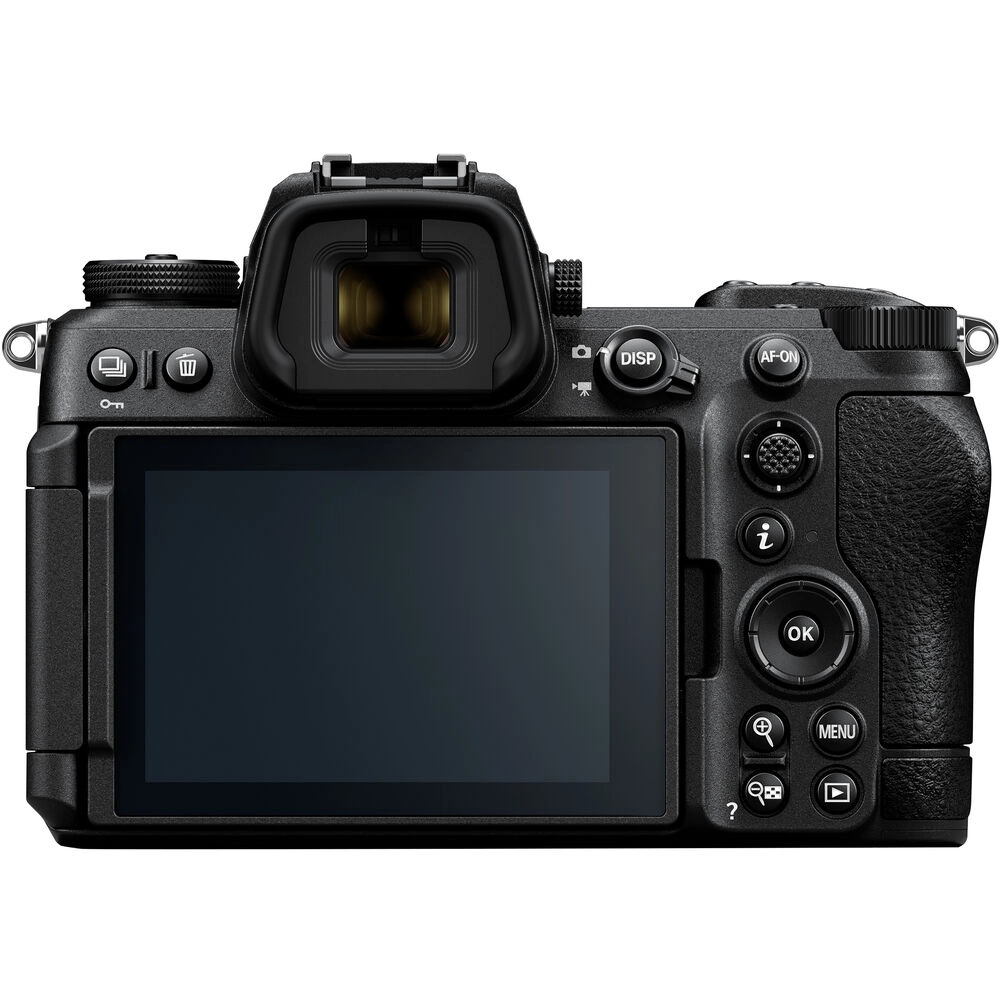
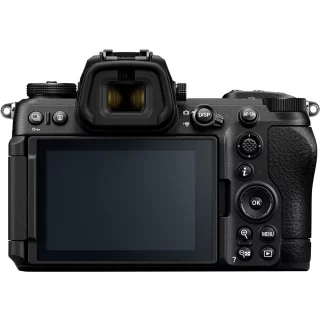
- 3.2' swivel touchscreen
And when you put the camera to your eye, the electronic viewfinder opens up a new world: the viewfinder is the brightest on the market and includes the wider DCI-P3 color gamut, which became known to consumers with the iPad Pro display.
Brightness and a wide tonal range mean a closer-to-real image. The magnification is 0.8 and the viewfinder covers 100% of the image area. In addition, the faster sensor means less lag and therefore faster response when taking photos.
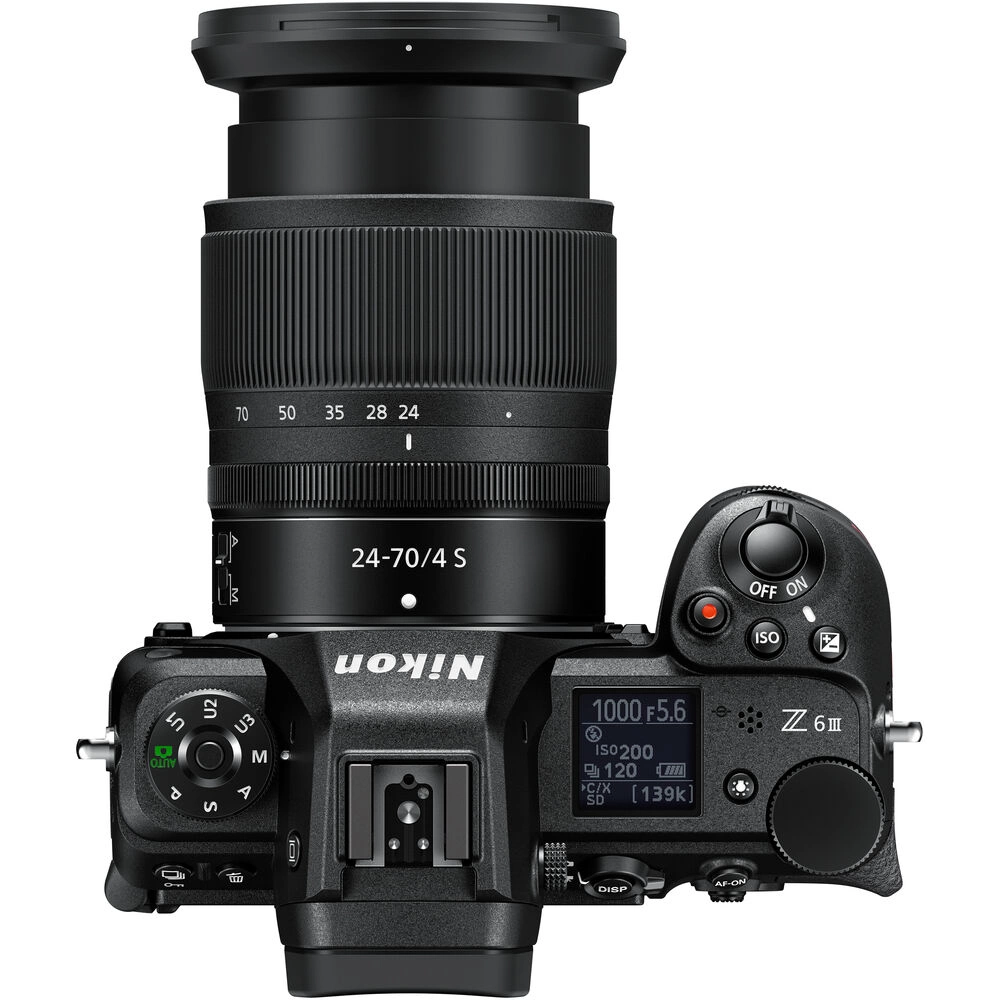
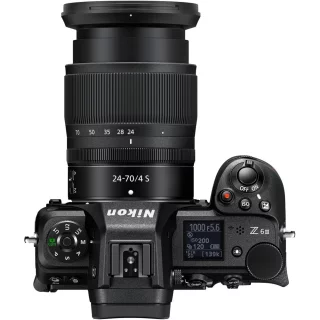
There are a few changes and additions to the buttons, but the main ones, like the grip, are pretty much the same. In addition, the screen is now a swivel model, which offers more adjustment options, and there is an LCD screen on top of the camera for quickly checking settings.
Nikon has also ventured into the world of LUTs and film simulations. The camera also has a special portrait mode that processes skin texture in a certain way, Rich tone portrait processes tones and sharpening to be more usable, and there is a traditional skin softening mode. In addition, there are a few different color modes such as black and white settings.
The cloud service is still in its early stages, but the plan is that in addition to transferring images, you can also download various tone settings from other photographers directly to the camera. These may seem like unnecessary gimmicks on a camera of this level, but in some situations they are helpful and even a professional can get a so-called ready-to-use image faster.
The battery is the same EN-EL15C as in the previous model. According to CIPA standards, it takes 380-410 photos on a single charge, depending on whether you shoot with the screen or viewfinder. In practice, however, the number of shots is much higher than that. Video recording is promised to last over an hour and a half.
The weather protection is comparable to Nikon's better series, i.e. the Z8.
Specifications:- Sensor: full-frame Partially Stacked CMOS, 24.5 megapixels
- Bayonet: Nikon Z, (Nikon F compatibility with adapter)
- Processor: EXPEED 7
- Focus points: 493
- Sensitivity: ISO 100 - 64000 (expanded to ISO 50 - 204800)
- Shutter speeds: up to 1/16000 with electronic shutter
- Flash sync: 1/200 s
- Burst: 14 fps, 60fps with electronic shutter, 120 fps JPG (max 1000 images)
- Video recording: 6K 5760 x 3849 RAW and Proress Raw internally to memory card
- Viewfinder: OLED, resolution 5.76M dots, magnification 0.8x
- Display: 3.2'cm tilting touchscreen, 2.1M dots
- LCD screen on top of the camera
- Memory card slot 1: for XQD or CFExpress cards
- Memory card slot 2: for SD UHS-II cards
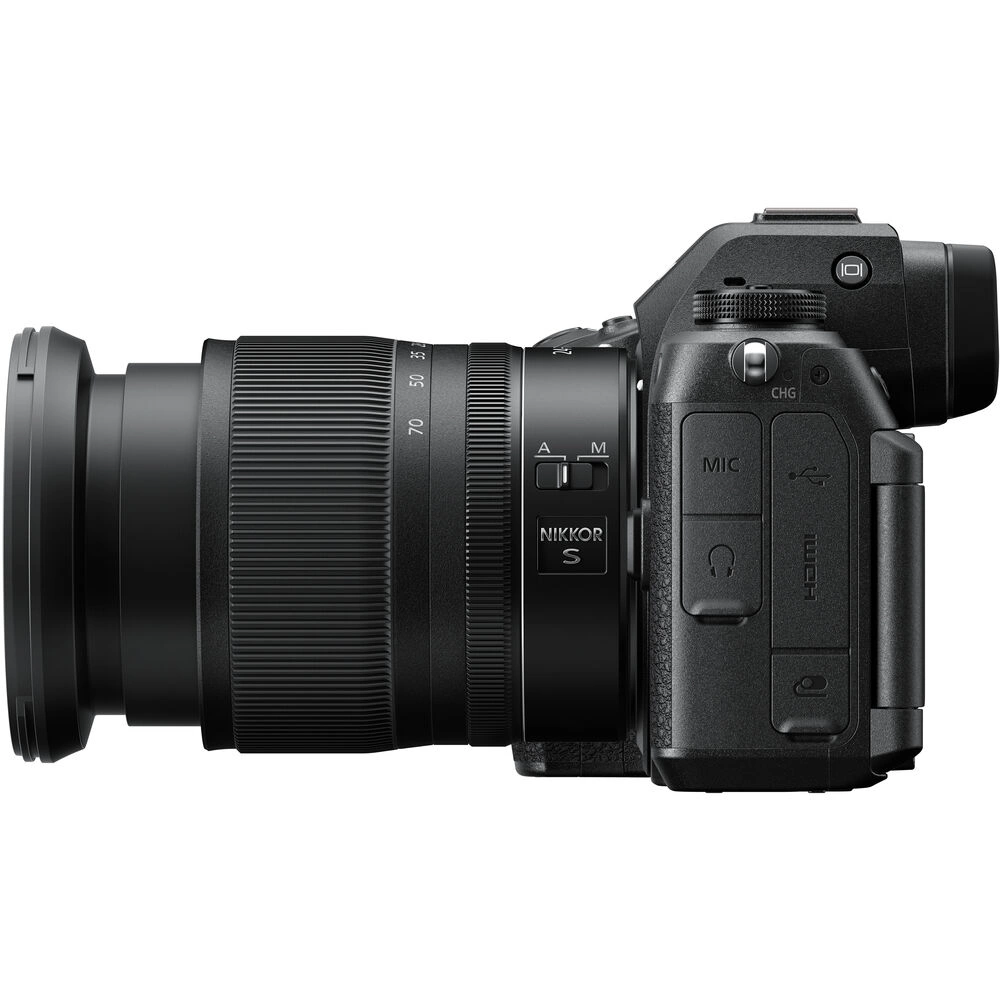
- Microphone connection: 3.5mm
- Headphone jack: 3.5mm
- Connections: HDMI Type A, USB C, Nikon DC2
- wireless: Wi-Fi 2.5 / 5GHz WiFi 5, Bluetooth 5.0
- GPS
- Size: 139 x 102 x 74mm
- Weight: about 760g
The sales package includes: Nikon Z 6III (body), Nikon Z Nikkor 24-70mm F4 S, Nikon EN-EL15C battery, UC-E25 USB cable, HDMI/USB cable strain relief, BS-1 hot shoe cover, AN-DC26 strap, BF-N1 body cap, DK-29 viewfinder cap.
The sales package does not include a charger.



Osta myös
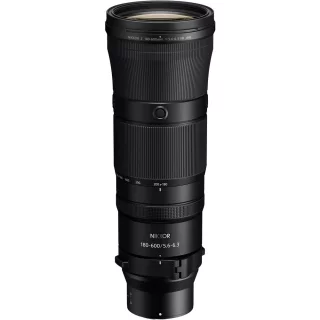
Nikon Nikkor Z 180-600mm f/5.6-6.3 VR lens
Nikon Z5 II + Nikkor Z 24-200mm F4-6.3 VR Kit
Arvostelujen yhteenveto
Kysy tuotteesta

ma-pe 9-17 ja la 10-14