Canon EOS C400 cinema camera




Aktiiviset kampanjat

Canon EOS C400 cinema camera
Also ask us for a leasing offer.
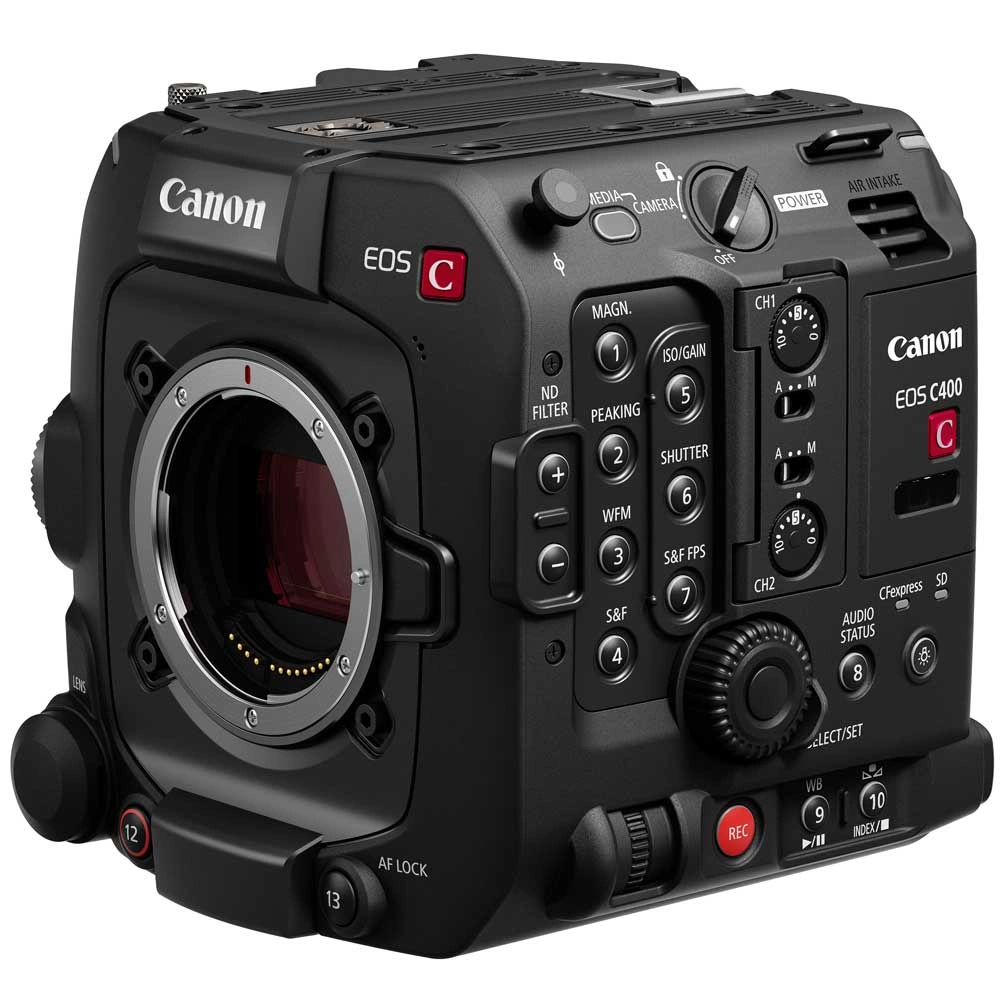
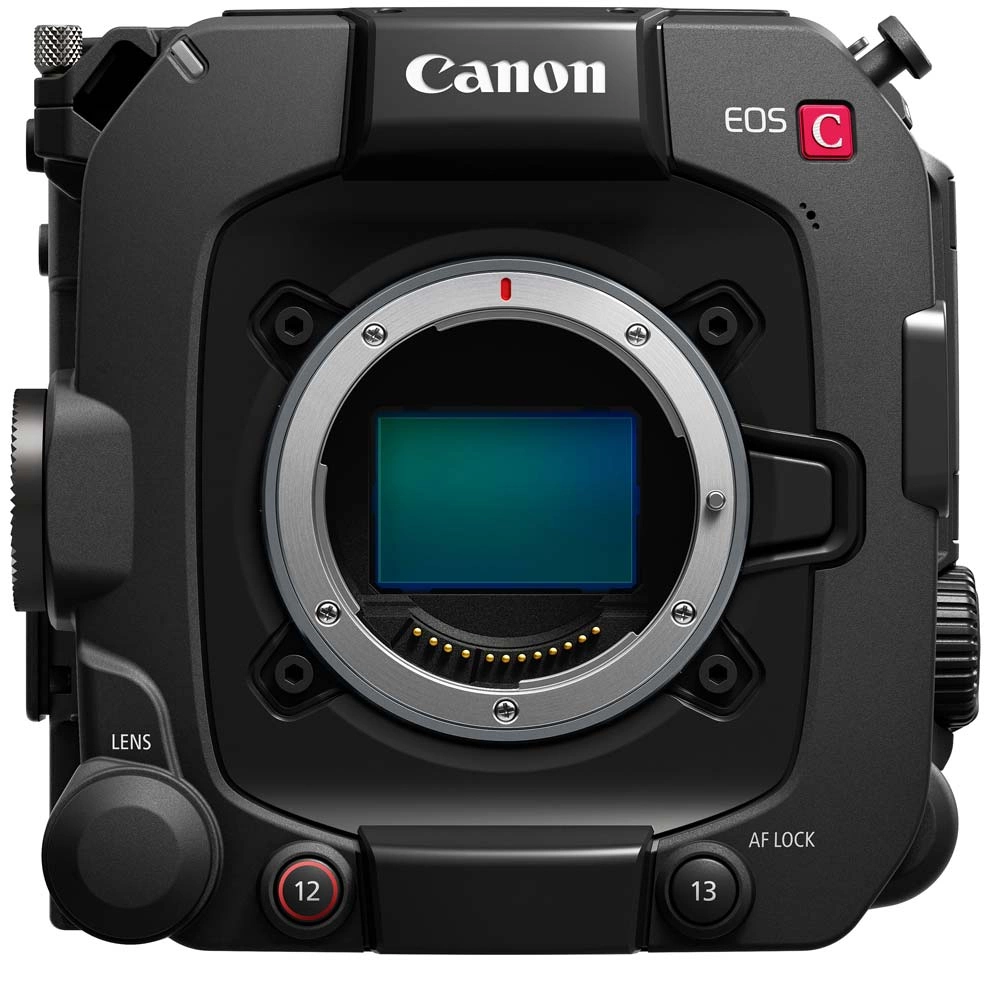
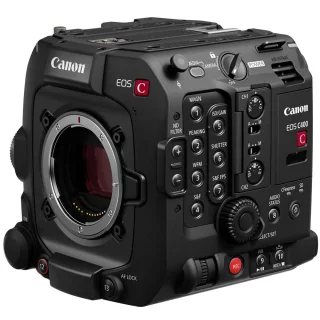
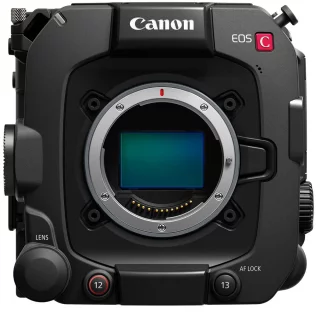
The Canon C400 is a cinema camera suitable for demanding professional use. This new model shows the future direction of the manufacturer's Cinema EOS cameras: an RF bayonet, a stacked full-frame sensor, fast autofocus and, to top it all off, a compact but familiar modular design from cinema cameras with excellent connections.
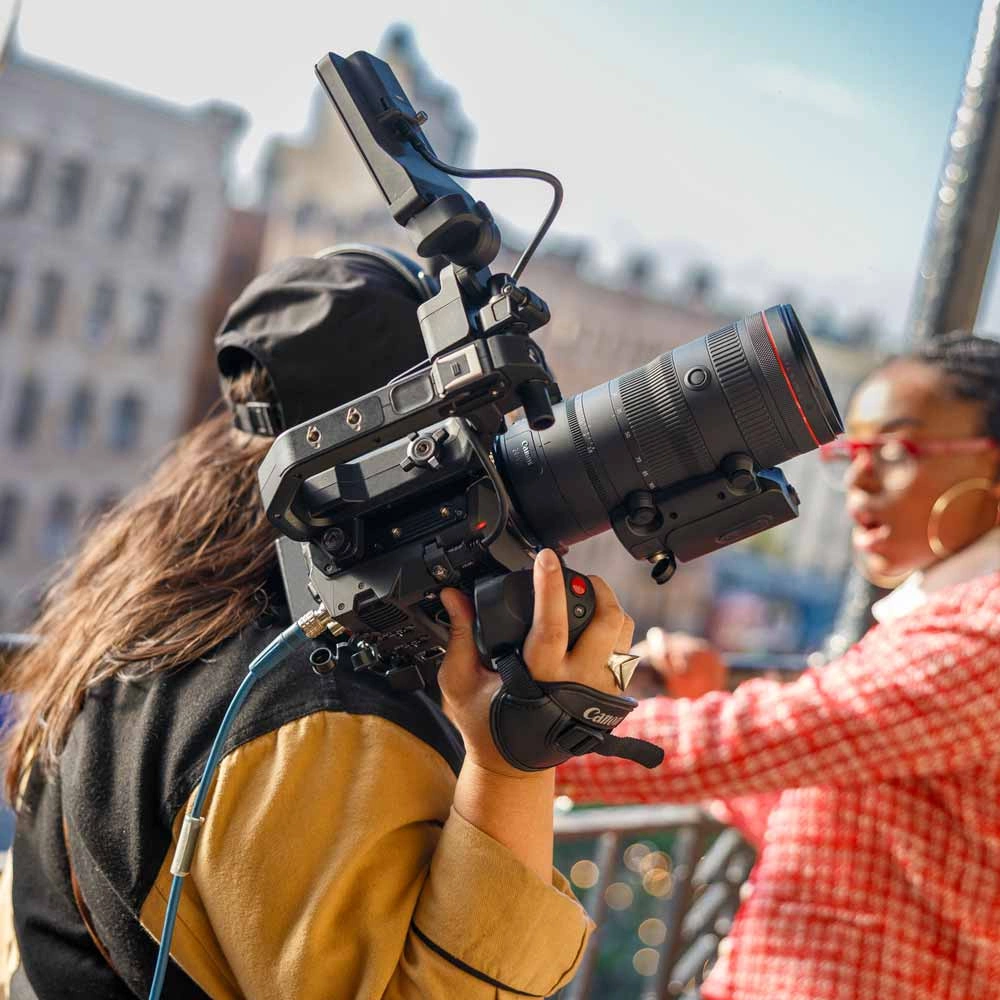
The C300 Mark III is more attractive due to its lower price, but its features surpass even the top-of-the-line C500 II with new technologies, meaning that in addition to large film productions, this will certainly be of interest to smaller production companies. In terms of features and size, this is suitable for news use, event recordings, virtual productions, and for use with a large drone.
- Full-size Stacked BSI sensor with Triple Base ISO technology
- RF bayonet (PL mount and EF compatibility with adapter)
- 6K 60P 12bit recording, 4K 120P, as well as UHD 4K 120 and 2K 180 slow-motion videos
- Can save in different resolutions and formats to different platforms
- Cinema Raw Light and XF-AVC as well as the lighter XF-AVC S and XF-HEVC S MP4 codecs
- Support for HDR workflow
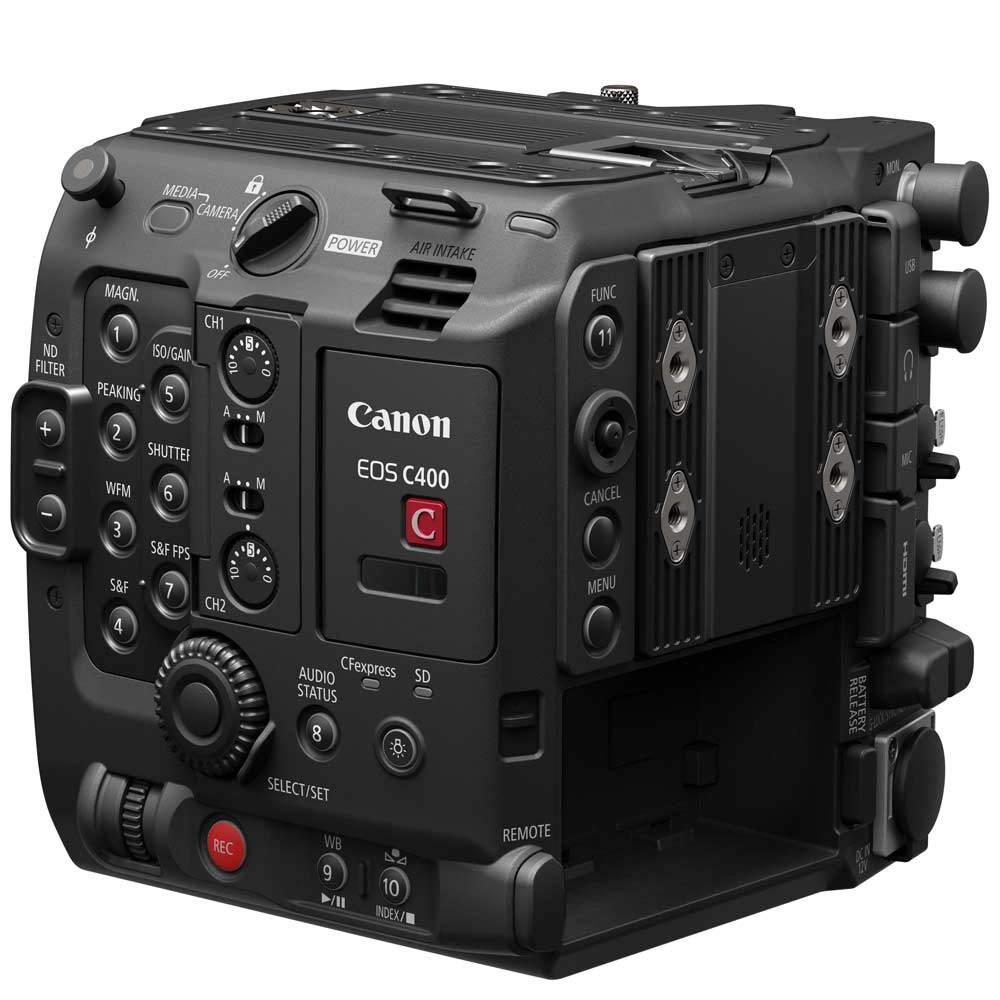
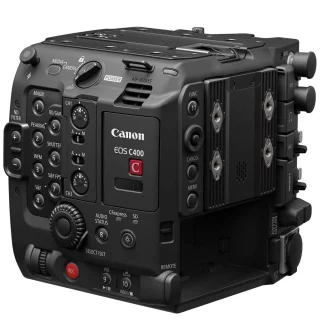
- Modular design, handles and display removable
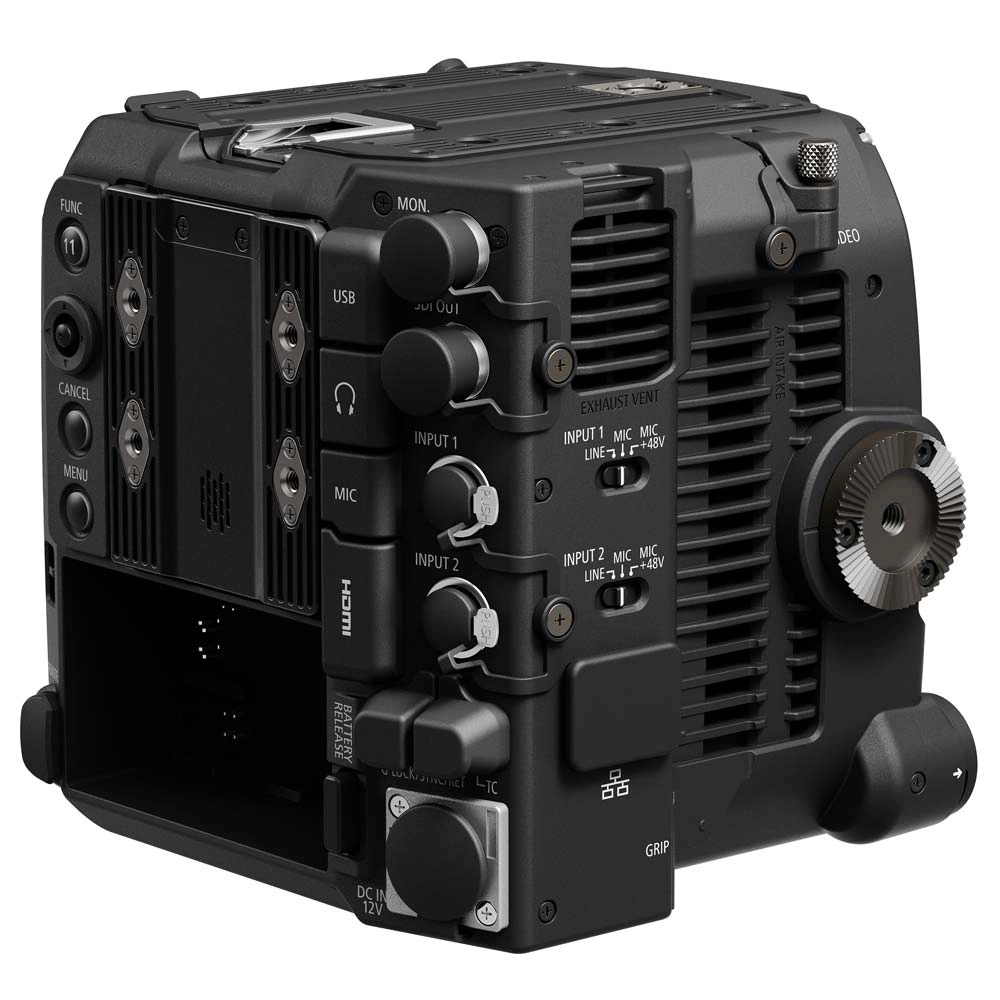
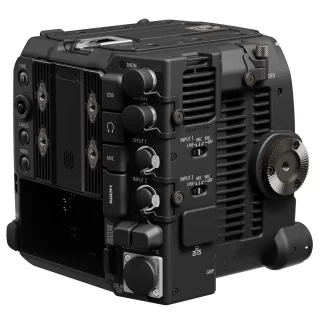
- Protason connections
- Active cooling
- 5-axis Digital Image Stabilization in video
- Built-in ND filters
- Dual Pixel AF II fast autofocus with face detection
- 3.5' touchscreen
- 1x CFExpress and 1x SDXC memory card slots
6K full-size Stacked BSI CMOS sensor technology
Canon has had great technology in its Cinema EOS series cameras and this EOS C400 continues the same line. It is a 6K resolution capable Canon's own sensor. This is the latest Stacked, or so-called stacked sensor technology. A similar sensor is used in top-of-the-line models such as the EOS R3 (and competitors Nikon Z9 and Sony A1) and this results in a very fast sensor readout time, i.e. smaller rolling shutter and low noise combined with good sensitivity.
The sensor has three basic sensitivities: 800, 3200 and 12800. This means that you get the most out of the noise in the shadows and you also get tonal and color information in the brightest areas. The dynamic range is wide and this is also suitable for HDR workflows.
Like all Canon's top models, this one also has Dual Pixel AF II phase-detection focus pixels, meaning that focus works across the entire sensor area, is fast and recognizes objects. In other words, cinema cameras have come close to photo cameras: the system recognizes the body, head, face and eyes, as well as the most common pets. When using a more traditional manual focus cinema lens, the camera shows whether the focus is in front of or behind the subject.
The camera doesn't have image stabilization, but the five-axis EIS electronic stabilization works much better than its reputation. The camera recognizes the focal length of new Canon lenses directly, but with cinema and vintage lenses the focal length is marked via the menus. The stabilization limits the image resolution somewhat.
The Canon EOS C400 includes mechanical ND filters. Since the mount is mirrorless RF, it is possible to use different lens types with adapters. In addition, Canon has an optional PL mount adapter that allows you to transfer Cooke/i metadata for post-processing or virtual sets.
Easy-to-use movie camera & comprehensive connectivity
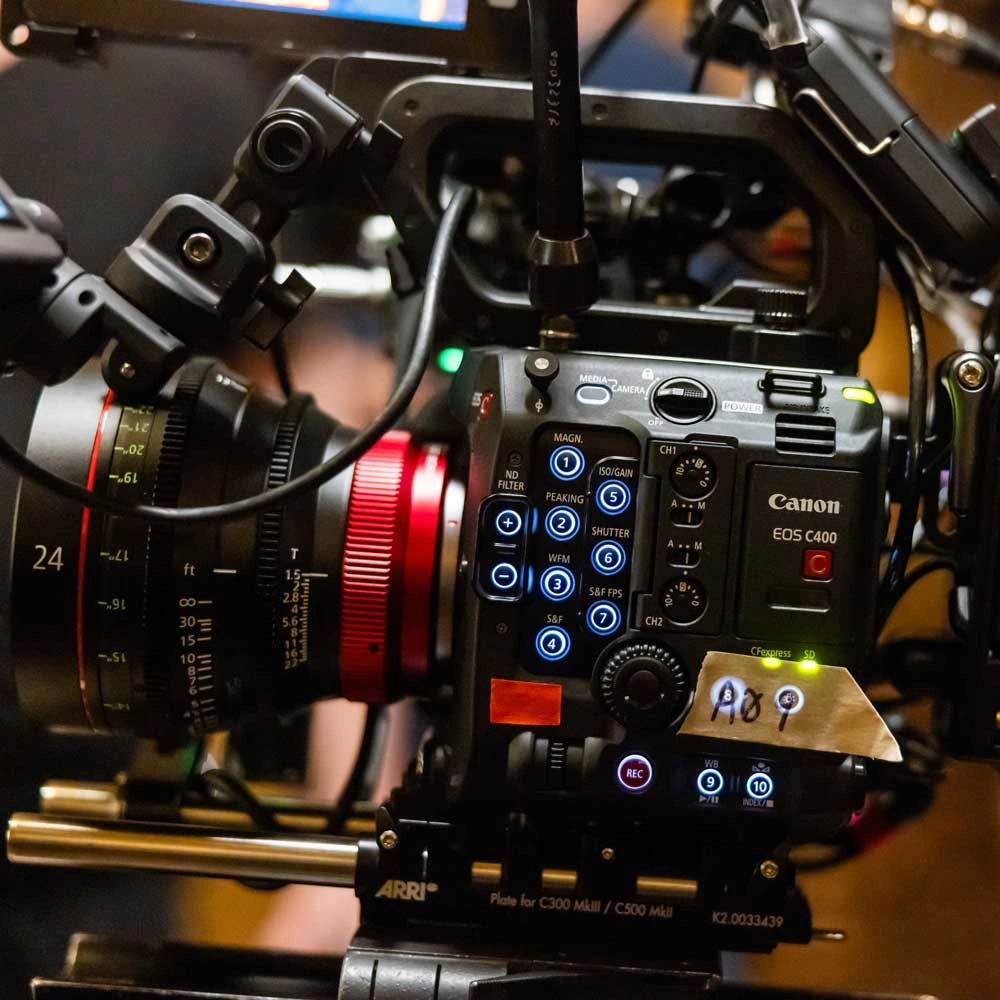
Like a production camera, the C400 has excellent connectivity without the need for separate connection panels. Audio is recorded via an internal mic, a 3.5mm input, and two mini XLR inputs, which also have phantom power. Audio is recorded at 24bit 48KHz quality and the controls are very versatile.
The Canon C400 also includes 12G-SDI and 3G-SDI connections, and the image signal can also be returned to the camera for monitoring, for example when recording live events. There are also a wide range of other features for broadcast use, from preventing flickering of LED light walls to various data transfer protocols such as Canon's own XC, which allows control of the camera and compatible optics. In addition, in the future, cameras can be bundled and controlled together directly with a phone app.
Streaming is possible directly from the camera via an Ethernet connection or a Wifi network.
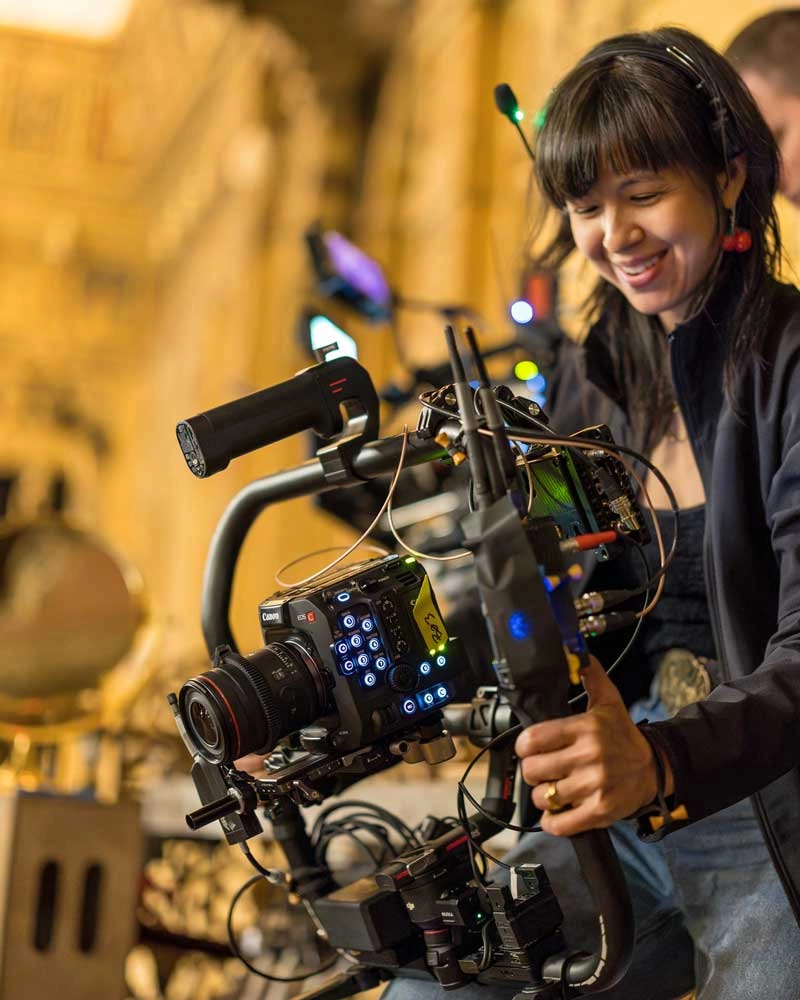
For a film camera, the camera is quite light and thanks to the modular structure, the body can be attached to a larger drone, for example. If needed, the camera can be equipped with a screen, handles and connection panels sold as accessories. The handle's data transfer works via a USB-C connection, so you can easily control it further away from the body with a cable.
The storage media are inexpensive and common CFExpress and SDXC. Depending on the recording codec, the material can be recorded on two cards at the same time or recorded with different settings, for example a proxy for quick viewing and a higher quality file on the second card.
The EOS C400 uses the new BP-30N and 60N battery types. The camera is downward compatible if you don't need a motorized lens or power for XLR mics, for example, from the accessory shoe.
The frame is designed for heavy-duty professional use.
Specifications:
- Compatibility: Canon RF lenses (PL-mount and EF mount support with adapter)
- Sensor: Stacked BSI CMOS fullframe
- Sensitivity: Base ISO 800 / 3200 / 12800, adjustments 100-102400
- Built-in 2, 4, 6 and in extended mode 10 stop ND filters
- Image stabilization: digital
- Support for anamorphic lenses: x2.0, x1.8 and x1.3
- Cinema RAW Light 12bit and XF-AVC, XF-AVC S and XF-HEVC S recording
- Extensive codec controls and options
- Dual Pixel CMOS AF II + EOS iTR AF X autofocus
- Subject-detection AF (face, head and eyes, as well as cats and dogs)
- 1 CFExpress 2.0 Type B and 1 SDXC memory card slot
- Video connections: 3G-SDI, 12G-SDI BNC and HDMI Type A outputs
- 1x USB C Data terminal, 1x USB-C hand grip connection, 1x DIN1.0 / 2.3
- Audio Connections: 4-Channel 24-Bit 48 kHz LPCM Audio, 2 x Mini XLR Mic/Line (+48 V Phantom Power), 1x3.5mm input and 1x3.5mm headphone jack
- Timecode In/out connector, 2.5 mm Sub-Mini (LANC) Control
- Multi shoe accessory connector
- RJ45 1000Base-T connection
- IP streaming via Ethernet & Wifi
- 3.5' touchscreen, resolution 2.76 million dots
- Battery type: Canon BP-A, battery life with the included BP-A60N battery approximately 155-170 minutes
- Size: 142 x 135 x 135 mm
- Weight: 1.54kg (without handle, grip and monitor 1.75kg)
- Canon EOS C400 Cinema Camera Body
- LCD Monitor
- LCD Attachment Unit
- MC-5U Monitor Cable
- Handle Unit
- Camera Grip
- BP-A60N Battery Pack
- CA-CP300 B Compact Power Adapter
- CG-A20 Battery Charger
- Microphone Holder with mounting screws
- Allen key for fastening parts
Arvostelujen yhteenveto
Kysy tuotteesta

ma-pe 9-17 ja la 10-14
INFO