Canon EOS 1D X Mark III Body + Leasing Offer





Tilaa saapumisilmoitus sähköpostiisi, niin saat heti tiedon kun tuotetta on jälleen saatavilla.


Varmasti yhteensopivat tarvikkeet

Canon Rubber Eye Cup Eg

Sandisk Extreme Pro 512GB CFexpress 1700/1400 MB/s memory card

Sandisk Extreme Pro 256GB CFexpress Type B memory card

Sandisk Extreme Pro 64GB CFexpress (Write: 800mb/s, Read: 1500mb/s) memory card
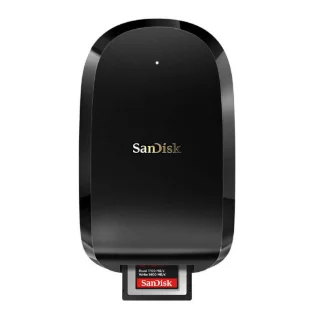
SanDisk Extreme PRO CFexpress Card reader
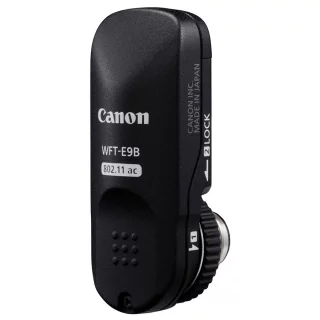
Canon WFT-E9B Wireless Transmitter
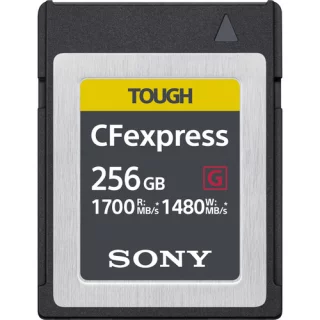
Sony 256GB CFexpress Type B Tough Memory Card

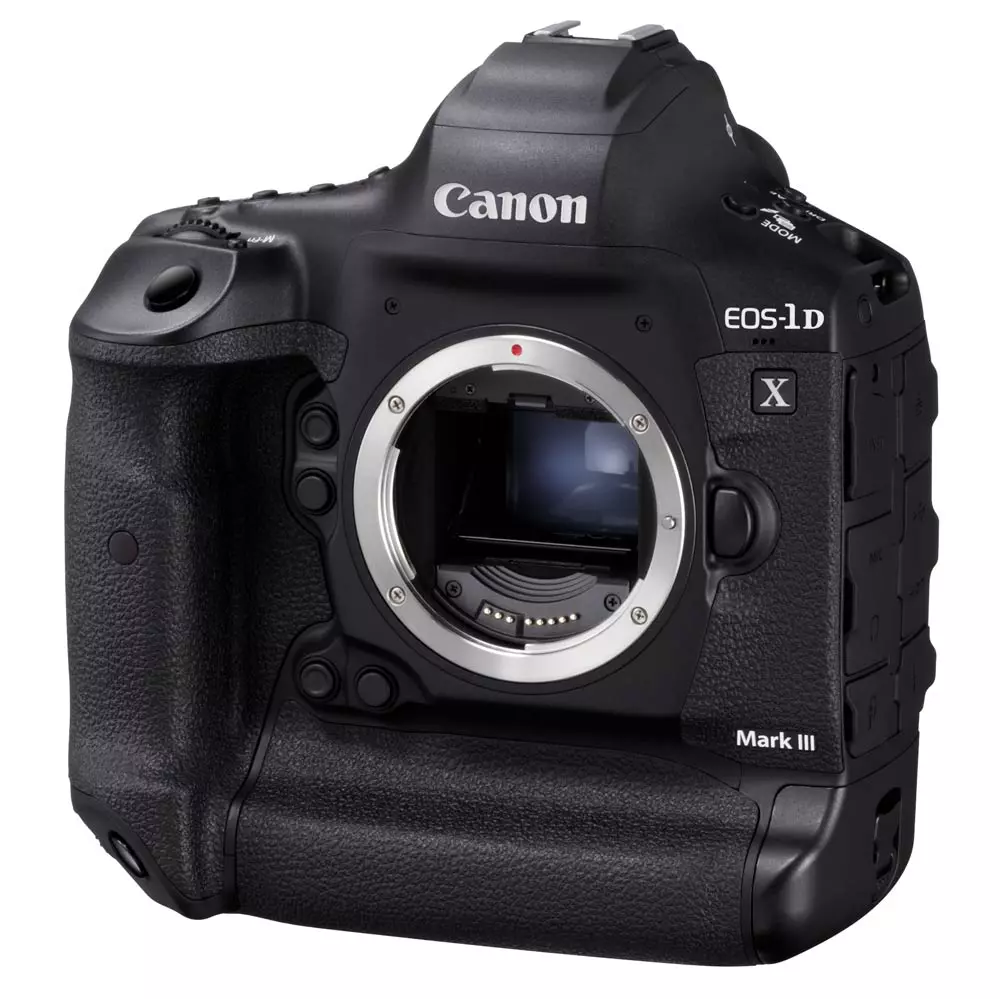
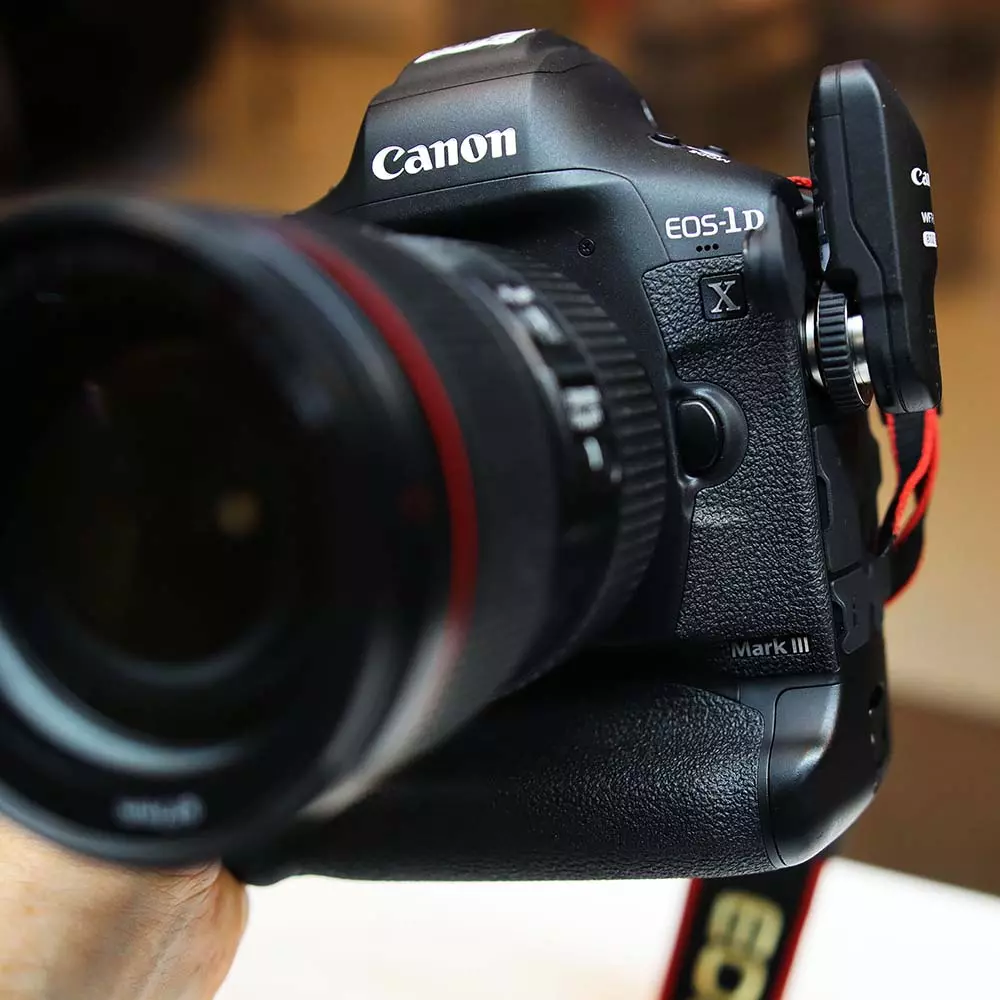
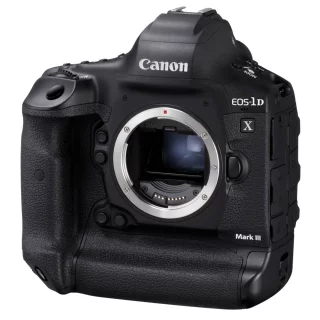
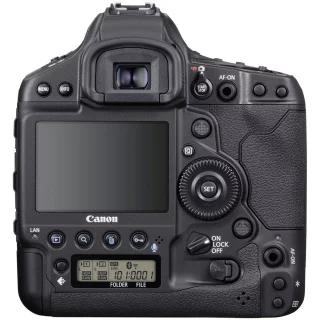
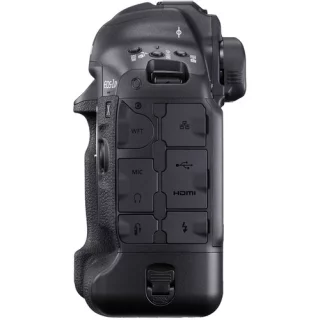
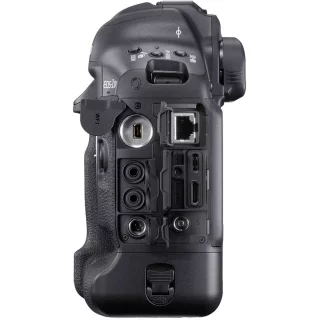
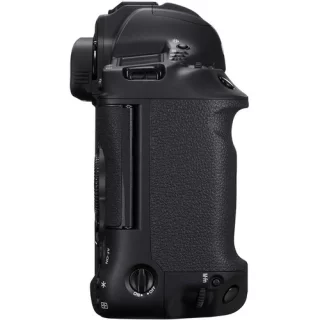
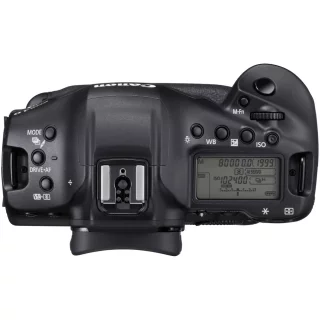
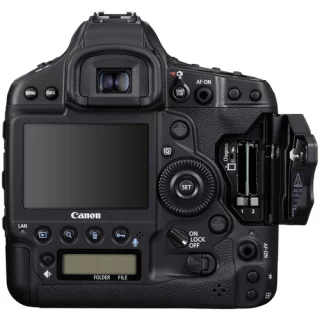
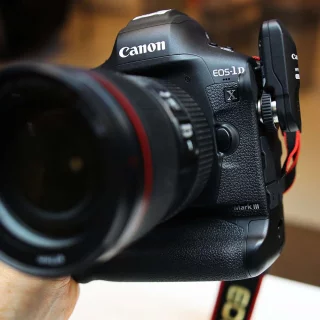
Canon EOS 1D X Mark III body
For business use 600e Leasing offer:
Ask us for a leasing offer. We will immediately apply a 600e discount to the leasing price! You can also combine a trade-in offer with this financing option.Example lease including insurance for the camera
Amount to be financed €6450 VAT 0%
- 24 months: 308.31e VAT 0%/month
- 36 months: 205.76e VAT 0%
There are over 100 improvements to the camera! In this video, we'll walk you through the most important improvements.
-
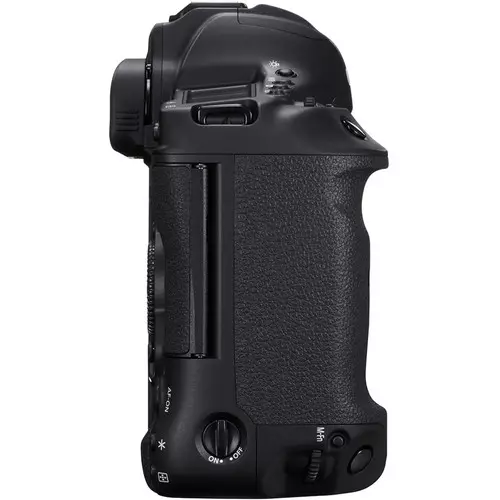
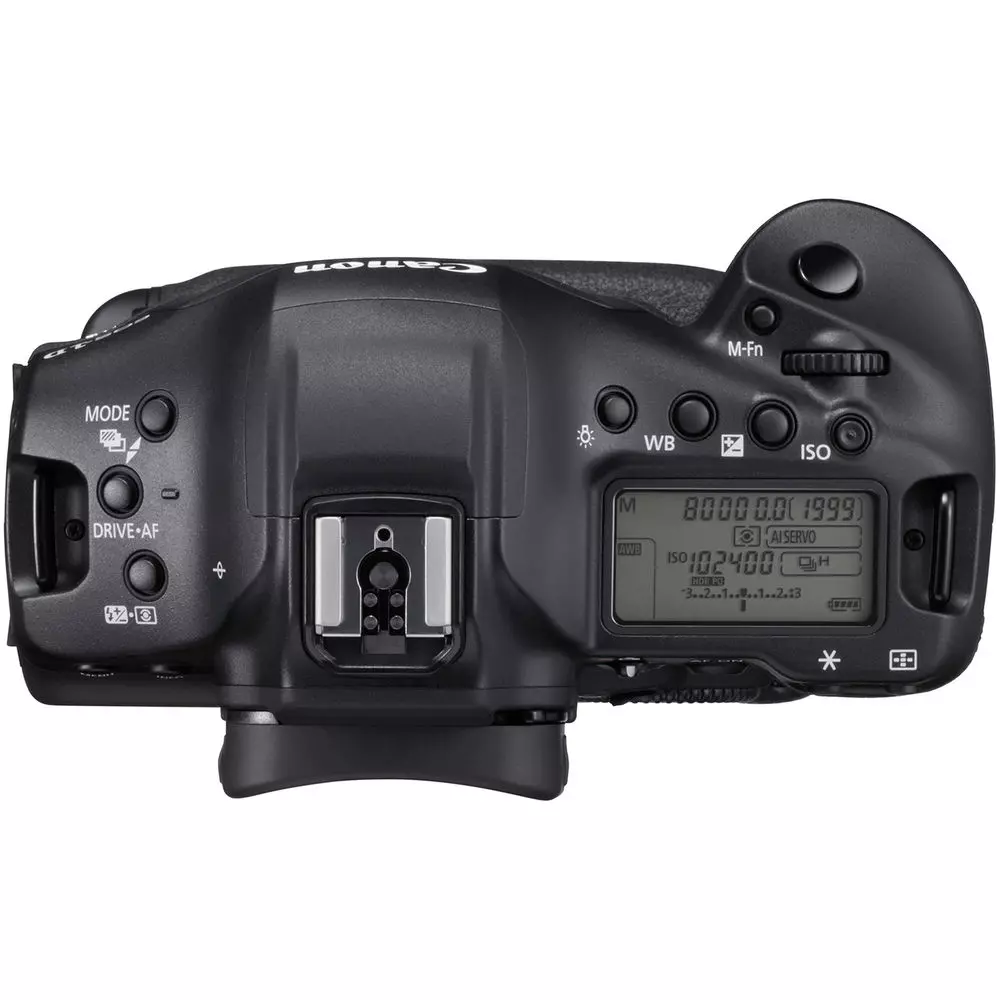
The Canon EOS 1D X Mark III is the manufacturer's best camera model for sports and nature photography. Externally, the camera is very similar, the battery type and ergonomics are the same, and the durability is guaranteed to be professional-level. Otherwise, the camera has been completely redesigned: the sensor and DIGIC processor are new. The focusing system has been redesigned and videographers have also been listened to and Canon Log and raw video recording are available!
The reforms in summary:
- 12bit 5.5K RAW video and 4K 60P video from the entire sensor area
- New 20.1 megapixel sensor, High Detail anti-aliasing filter, sharper image without moire
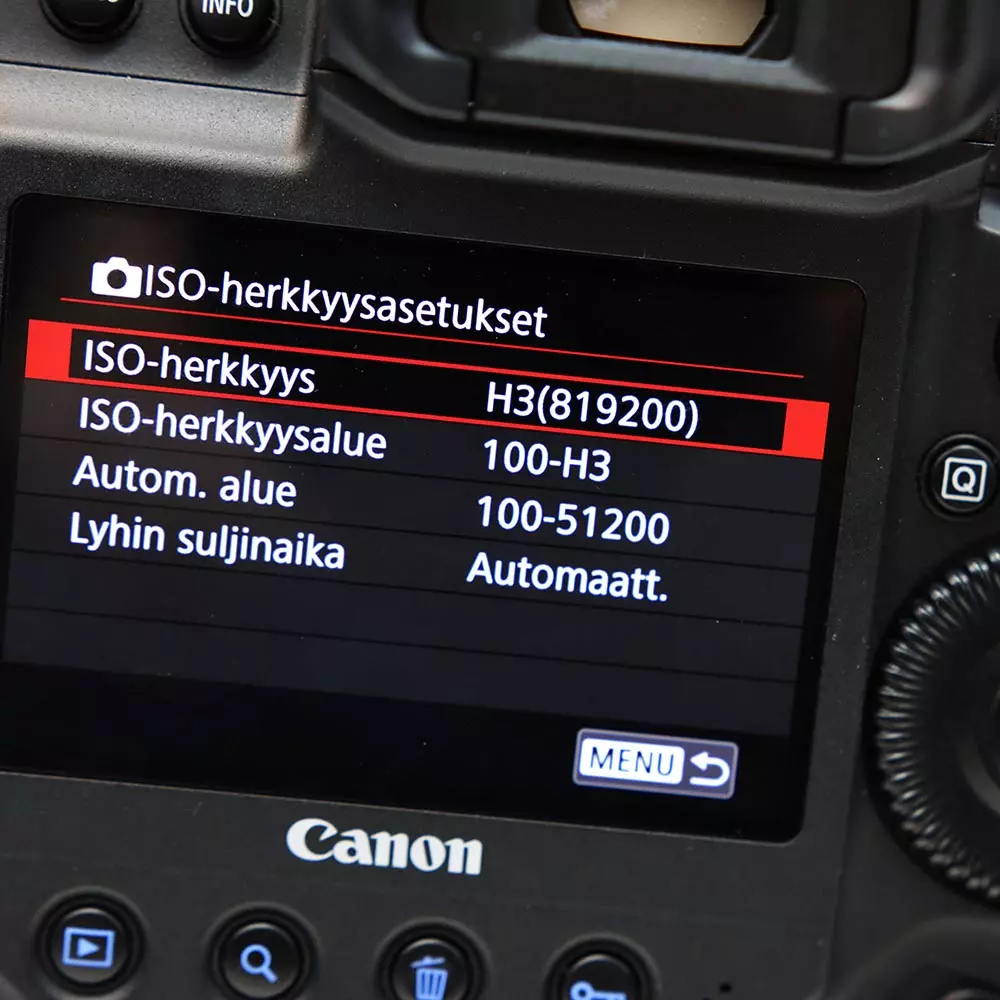
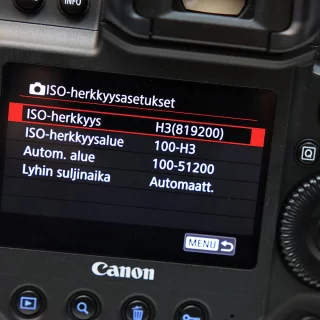
- Digic X processor, ISO sensitivity 100-10240 (expandable up to 50-819200)
- 3x more AF points: 191 cross-type AF points, face detection AF
- Continuous shooting: 16 fps with optical viewfinder, 20 fps via monitor. Also with mechanical shutter.
- buffer of over 1000 images (RAW+JPG)
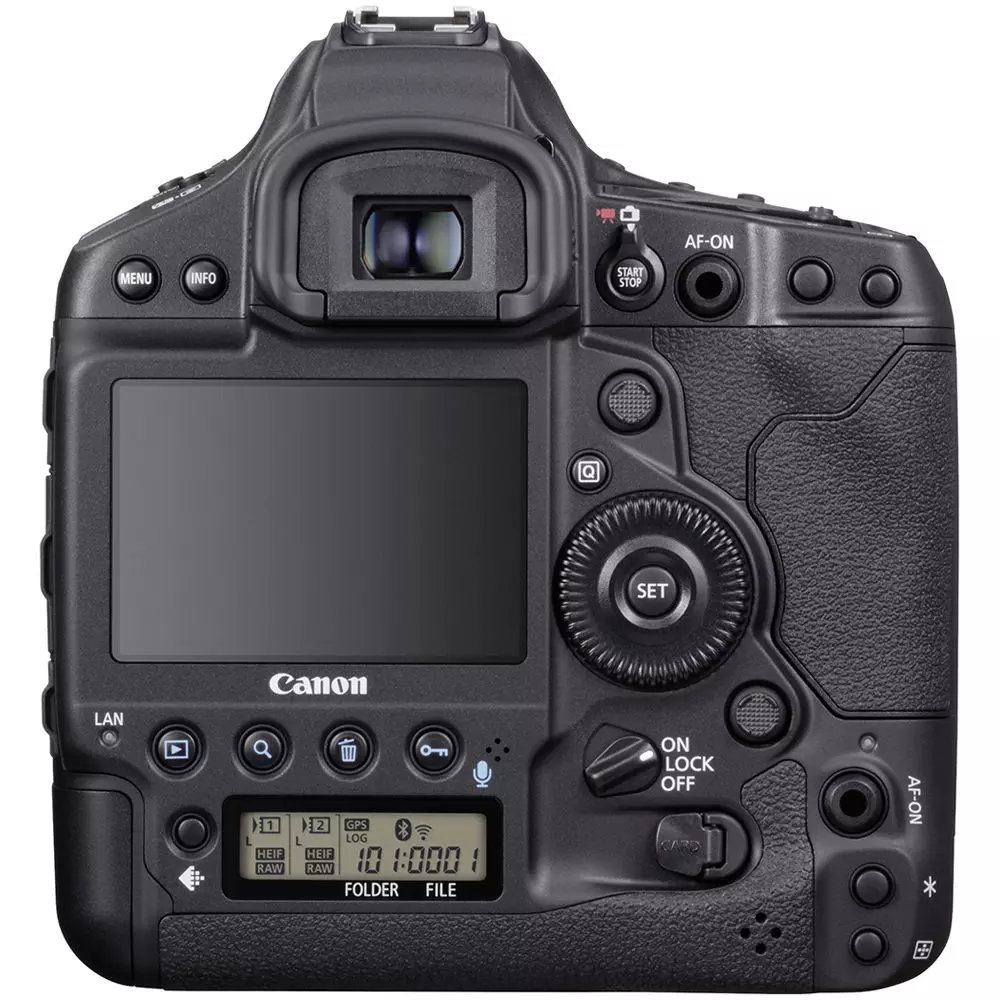
- New super convenient touch pin for AF point selection
- Larger dynamic range in the sensitivity range of 3200-12000
The Canon EOS 1D X III is the manufacturer's fastest camera. In professional use, the shutter must be released without delay and the camera must be ready for the entire gig. In addition to the new Digic X processor, the Digic 8 has been left aside, which only takes care of autofocus and light metering. So basically, the Canon EOS R's processing power is used only for the optical viewfinder.
- Better image quality at high ISO
- 10-bit HEIF file format (a bit like an intermediate format between Raw images and JPG images)
- Continuous shooting 16 frames per second via optical viewfinder, 20FPS in Live view (mechanical or electronic shutter). Autofocus and exposure metering in use
In addition to the processor, the Canon EOS 1D X III features a completely new image sensor. There are 20.1 million megapixels and they are used to their full potential: the sensor is topped with a new type of Low Pass anti-aliasing filter that preserves details better. The idea is that details are not softened but images do not have moire errors (for example, in details of buildings or textiles). Canon says that the resolution is equivalent to a 24-megapixel sensor with a traditional low pass filter.
The dynamics have improved especially between ISO 3200-12000, which is precisely the sensitivity range often used in nature photography ( i.e. when the light is at its best, morning or dusk, etc.) . According to Canon's white paper, the sensitivity would be an aperture better than the previous second model, which is already a big achievement. The camera's maximum sensitivity in extended mode is a whopping ISO 819200.
Autofocus
While the camera's Dual Pixel AF and video capabilities have improved, Canon hasn't forgotten about the traditional photographer who uses an optical viewfinder. There are now more than three times as many focus points, at 191, 155 of which are cross-type. Canon mentions that the focus algorithms are new and that machine learning allows for better pattern recognition of subjects' heads and faces.
And with the increased number of focus points, for example, autofocus tracking works smoother, because the empty area between the points is smaller. This is implemented with a completely new type of semiconductor sensor, previously the focus of cameras has been optimized for different apertures with optical structures (with F2.8, F4 and F5.6 on the first series and with the EOS 7D II body for lenses that are dimmer than this). The resolution has been worse then than now, so focusing through the optical viewfinder works significantly better in tracking the subject and covers a wide area more accurately in the horizontal direction.
For the first time, a premium professional camera features Case settings, i.e. ready-made autofocus settings that can be quickly deployed for different situations and sports.
When shooting through the screen, Dual Pixel AF is used, which has been found to work very well. Thanks to the new processor, autofocus processes 380x more information. Autofocus covers 90% of the image area (100% horizontally) and includes face detection and subsequent eye detection.
Continuous shooting speed is 16 fps through the optical viewfinder and 20 fps in Live View mode through the monitor. You can choose between a mechanical or electronic shutter for continuous shooting.
Canon EOS 1DX III as a film camera
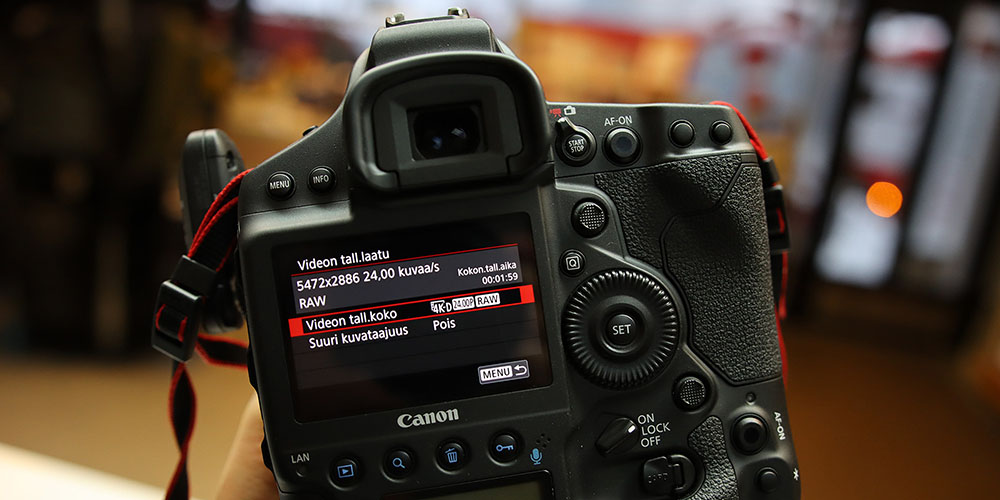
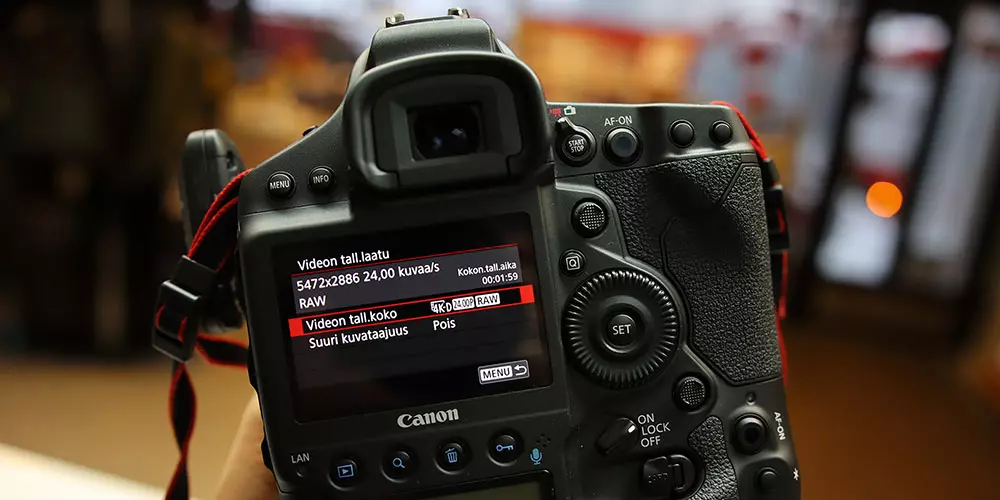
- 5.5K 60P 12-bit RAW video recording directly to memory card
- 4K 60P video recording from the entire sensor area (composed of 5.5K images)
- 10bit Canon Log recording format
- Recording 5.5K and 4K video simultaneously to different memory cards
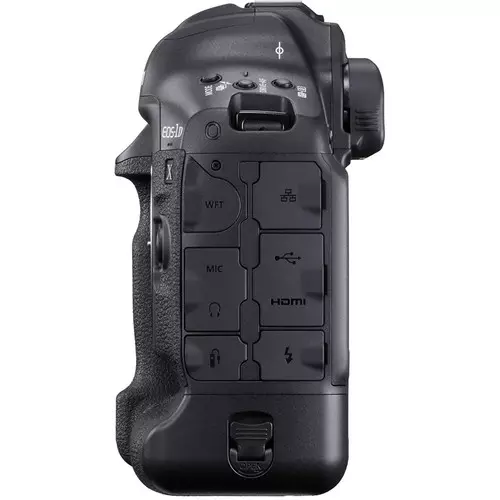
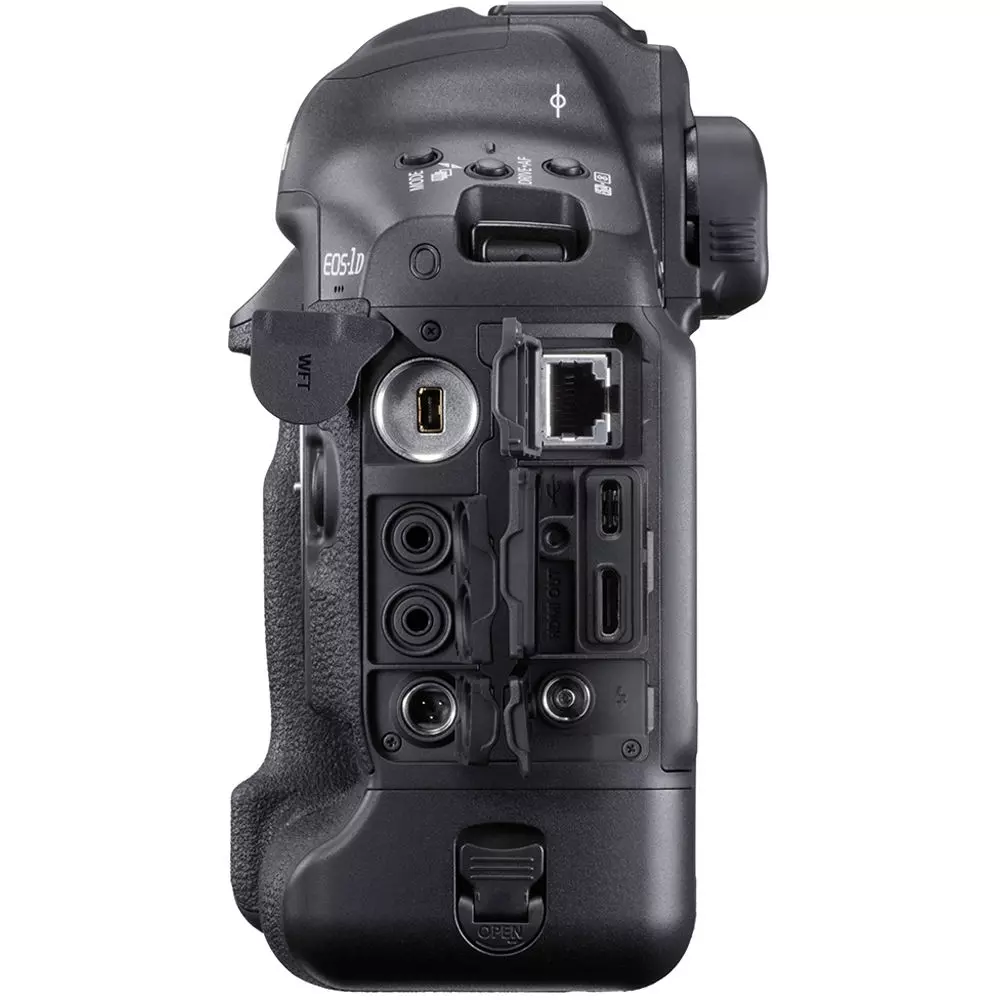
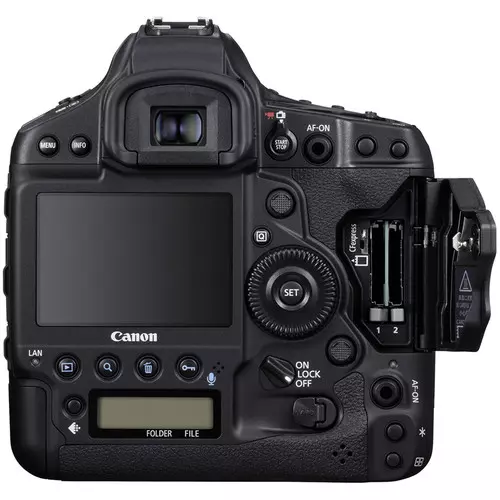
Video can be recorded at 5.5K 60P resolution in 12bit raw format directly to the memory card! The bitrate is then a whopping 2600Mbps, meaning a 64GB card will fill up after three minutes. There is a warning text next to the memory card slot to illustrate these huge amounts of data: Be Carefull Hot. This means the memory card may get a little warm in use. When recording RAW video, a smaller 4K proxy video can be saved to another memory card, and editing and previewing files is conveniently done using this smaller file. Video can also be recorded via HDMI to an external recorder.
DCI 4K 60P video recording is possible without cropping. The video file is made using oversampling technology, meaning that a 5.5K image is created into a 4K video. This improves image sharpness and reduces noise. Canon itself compares the image quality to Canon cinema cameras, the recording codec is different from the Cinema series cameras, but combining the videos to make them look the same is very easy.
Frame and usability:
- Fast focus point selection via touch pin with your thumb
- Illuminated buttons
- Same LP-E19 battery but up to 2x more shots per charge compared to the 1D X II camera
- Buffer of over 1000 images!
- 2 x CFexpress memory card slots, a fast and durable new memory card type
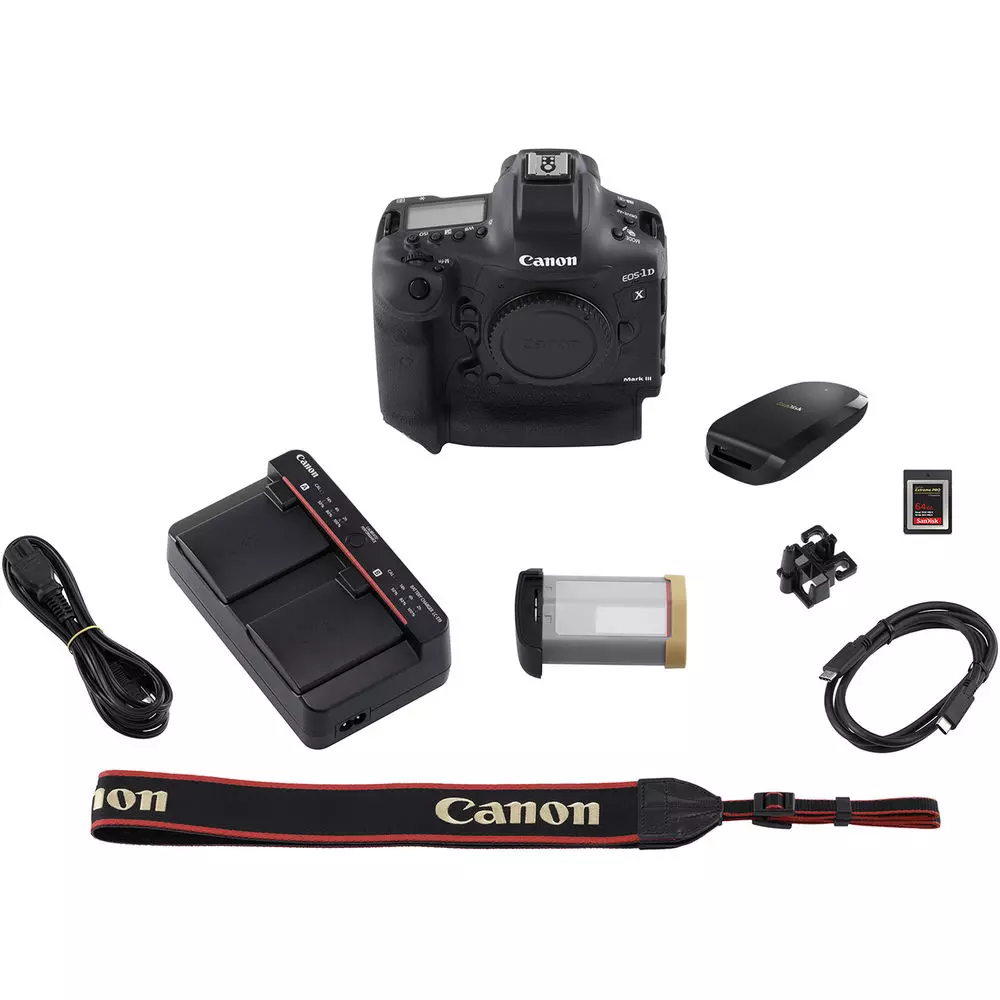
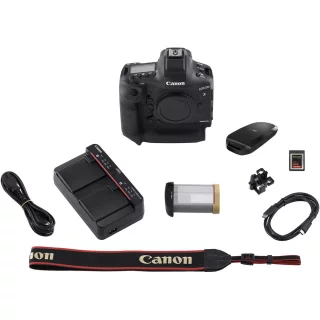
The sales package includes:
- Canon EOS-1D X Mark III DSLR Body
- Canon LP-E19 Battery Pack (2750mAh) battery
- Canon LC-E19 Battery Charger charger
- Canon RF-3 body cap, L7 Wide Strap, EG viewfinder cap and USB-C cable IFC100U
Osta myös

Lexar CFexpress Type A 320GB Pro Gold (VPG400) memory card

Canon EOS R6 Mark II + SmallRig LP-E6NH USB-C + Lexar SDXC UHS-II 128GB 250MB/s
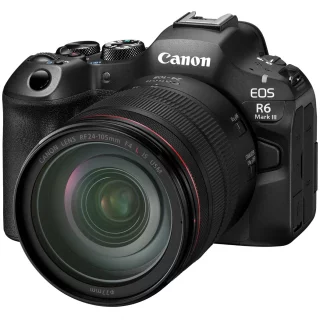
Canon EOS R6 Mark III + RF 24-105mm F4 L IS USM Kit
Arvostelujen yhteenveto
Kysy tuotteesta

ma-pe 9-17 ja la 10-14