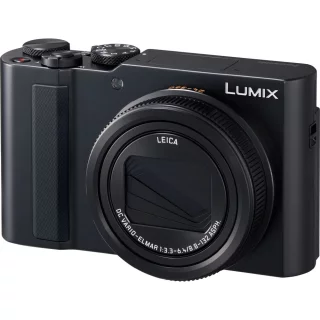
Panasonic Lumix L10 (silver) digital camera

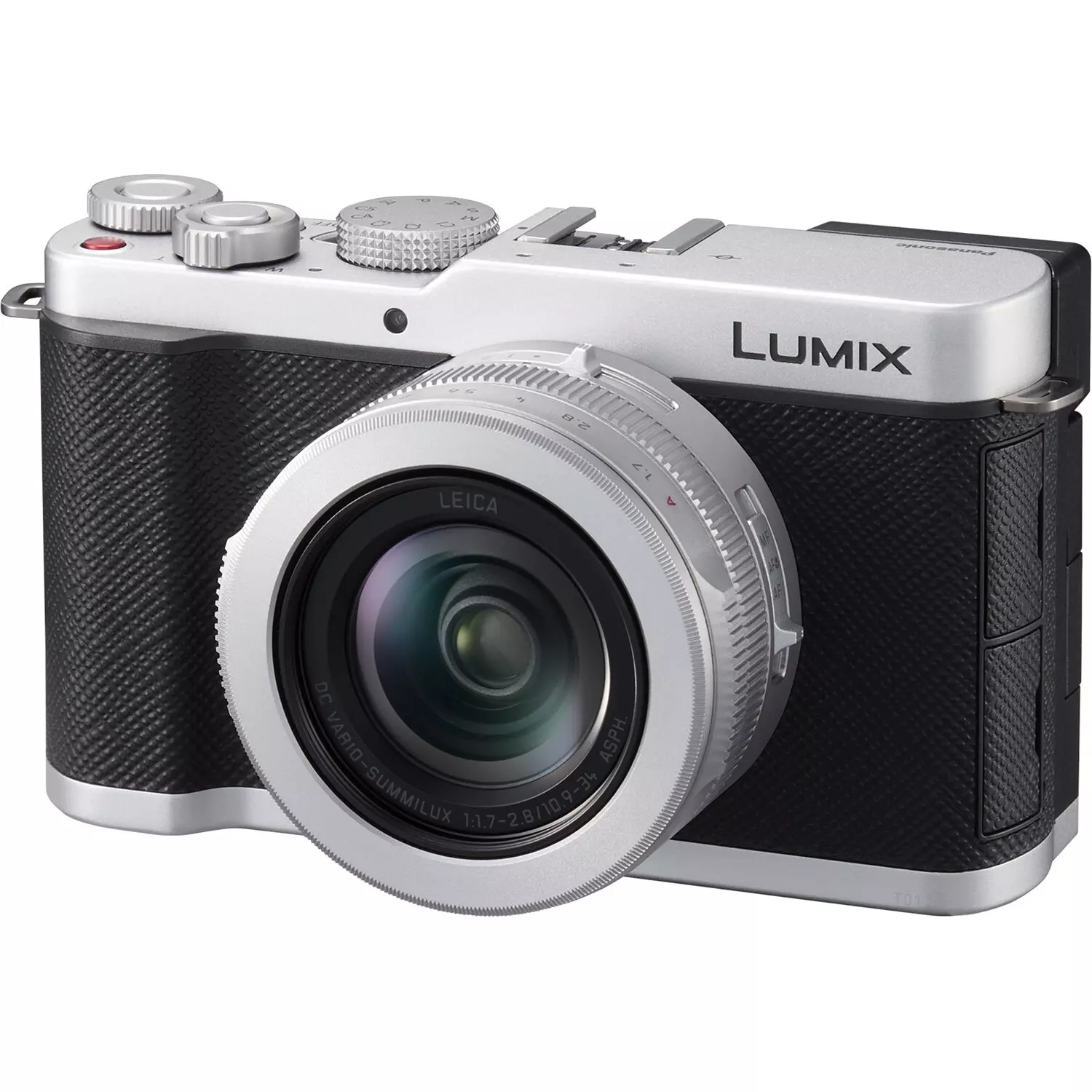
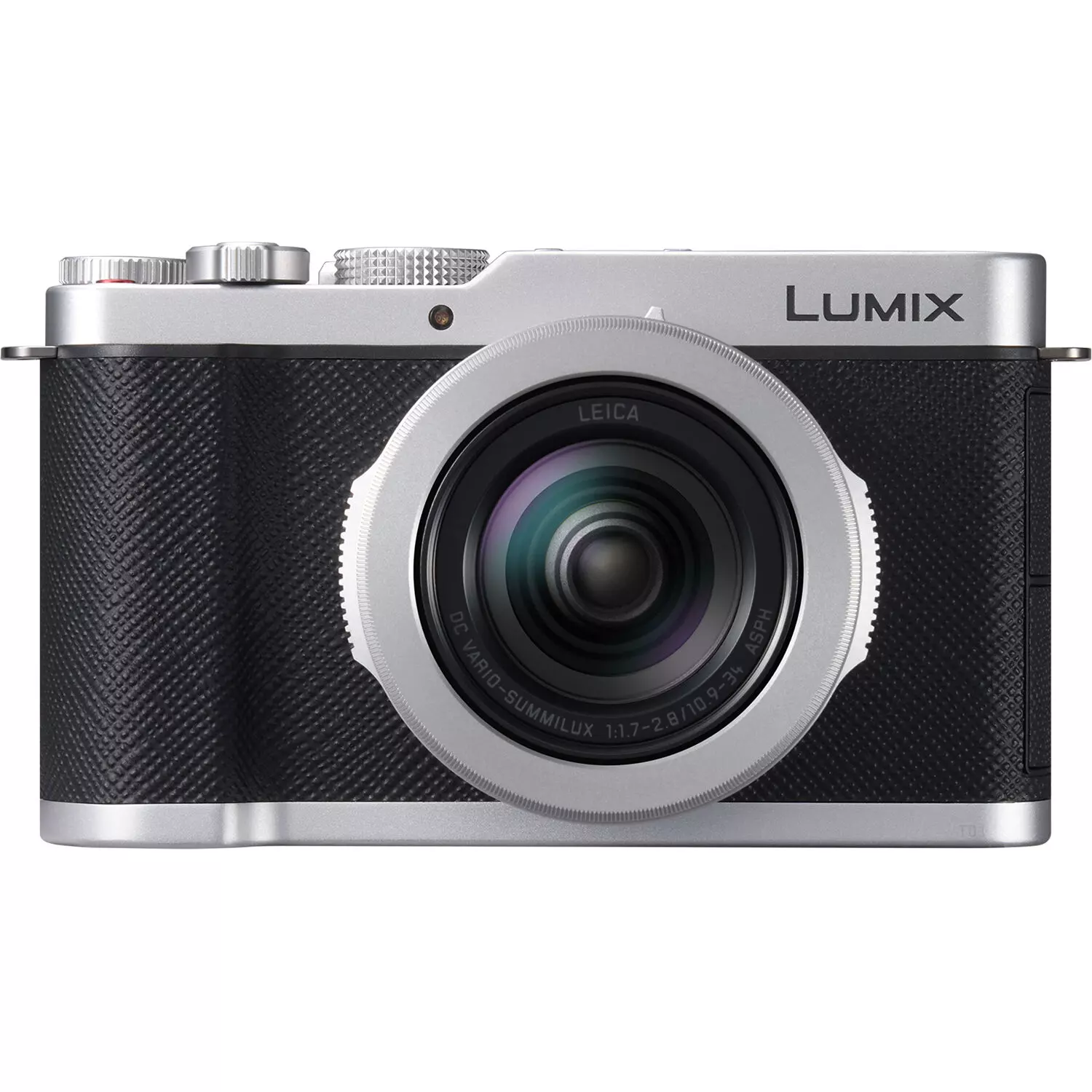
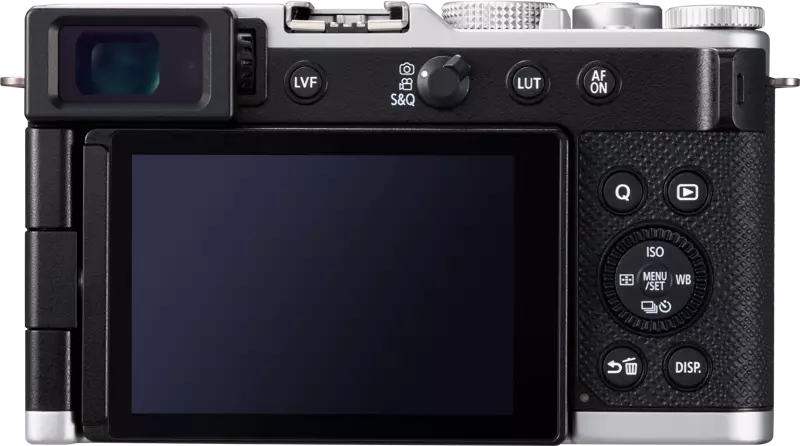
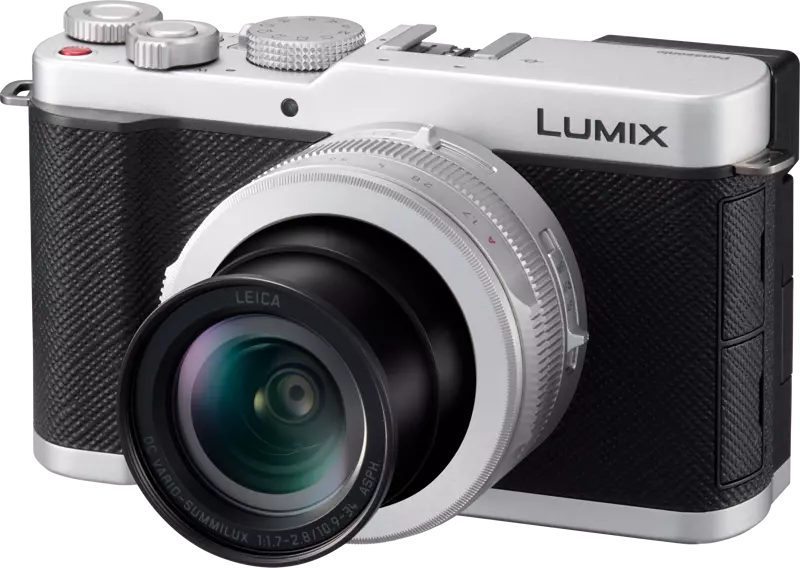

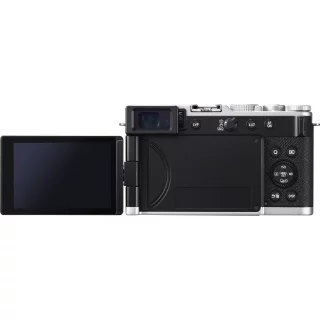
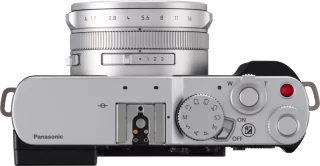
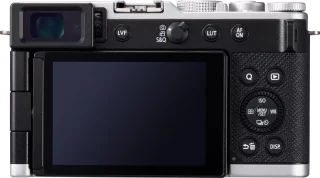
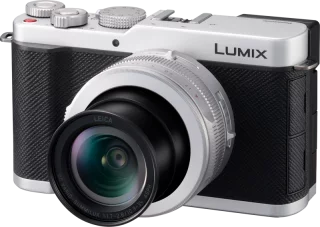

The Panasonic Lumix L10 is a premium compact camera that combines a professional-grade Micro Four Thirds sensor, bright Leica zoom optics and real-time LUT color in a compact package. Color: Silver.


Compatible accessories
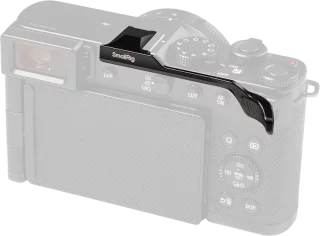
SmallRig 5702 Thumb Grip Panasonic LUMIX L10 Black
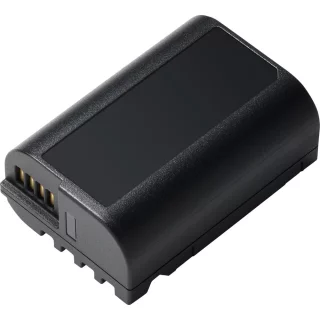
Panasonic DMW-BLK22 (Panasonic GH6/S5) battery
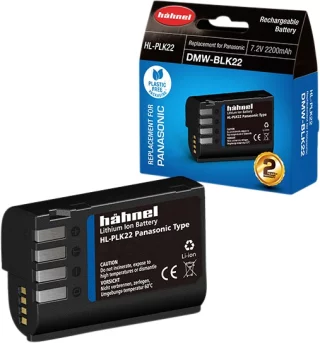
Hahnel HL-PLK22 (Panasonic DMW-BLK22) battery


NiSi AIR Protector 43mm protective filter
Panasonic Lumix L10 Digital Camera - Silver
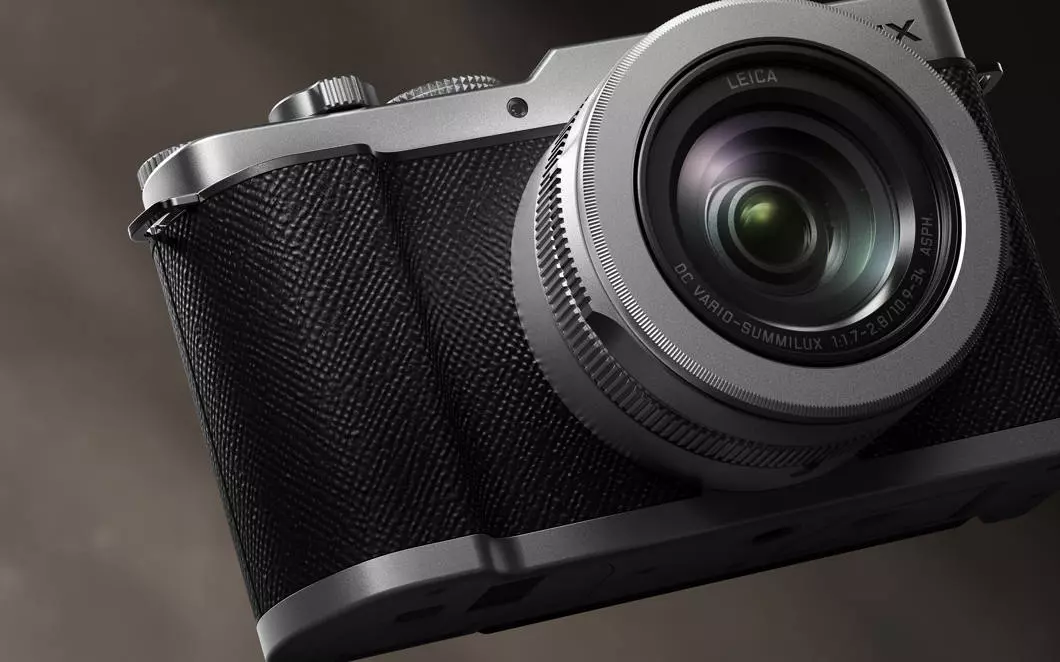
The Panasonic L10 is one of the best surprises of 2026. Bright optics equivalent to a Leica 24-75mm, a large image sensor that collects a lot of light, a large battery, modern fast autofocus and a precise electronic viewfinder. In terms of technology, this has been equipped with the image sensor of the Panasonic GH7 camera, the processor and battery of Panasonic S-system cameras, so now the manufacturer's latest expertise has really been shrunk into a small and very stylish package!
- Bright Leica Vario-Summilux F1.7-2.8 with 24-75mm cine equivalent focal length
- Same image sensor as the Panasonic GH7 camera
- Multi aspect sensor: 25.2MP sensor is cropped to a 20.4MP image with different aspect ratios
- 5.6K 60P video recording and 120P slow-motion video
- Panasonic's latest AI focus technologies with phase detection
- 11fps continuous shooting with mechanical shutter and 30fps with electronic shutter, also burst capture pre-recording
- Large 2200mAH system camera battery
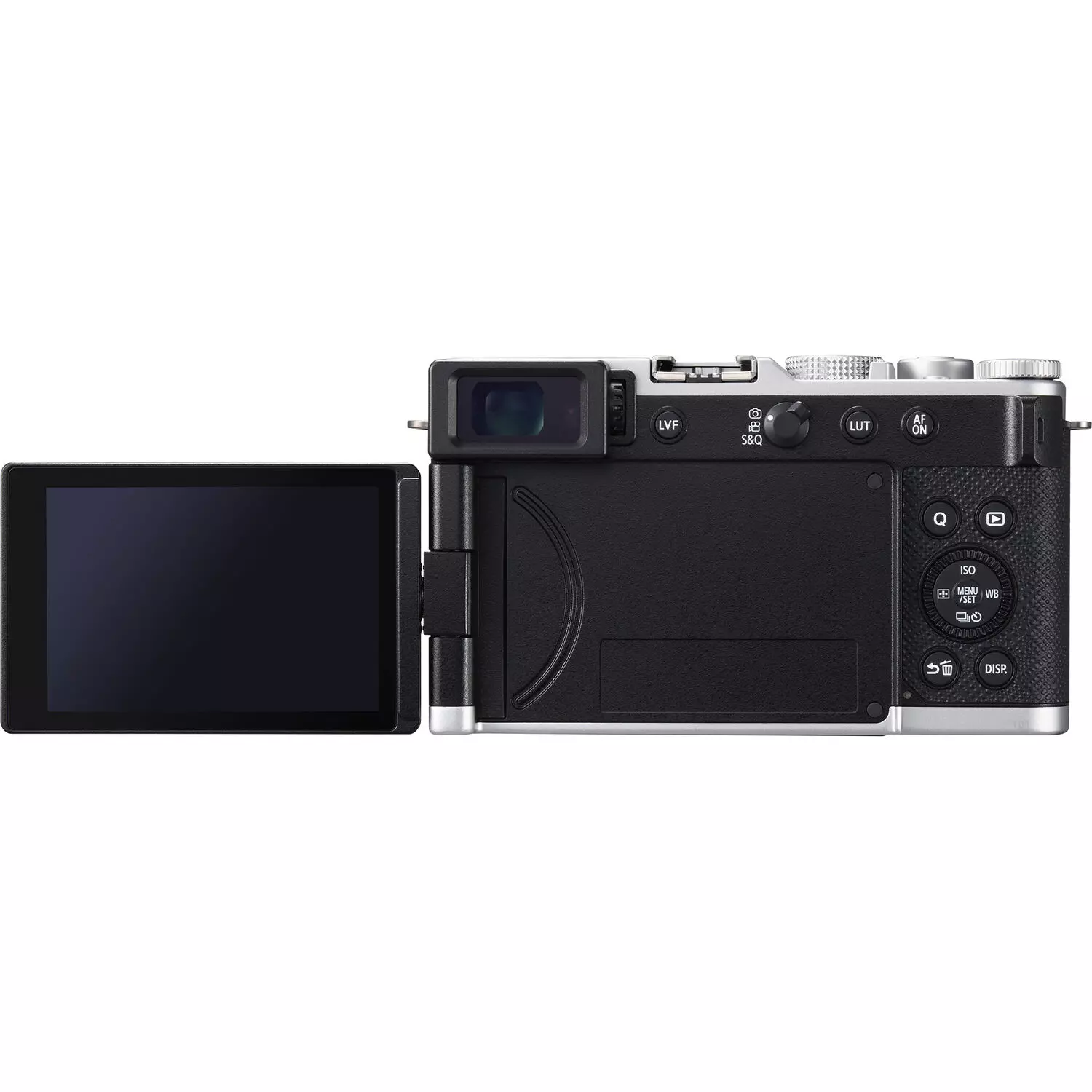
- OLED electronic viewfinder and tilting touchscreen
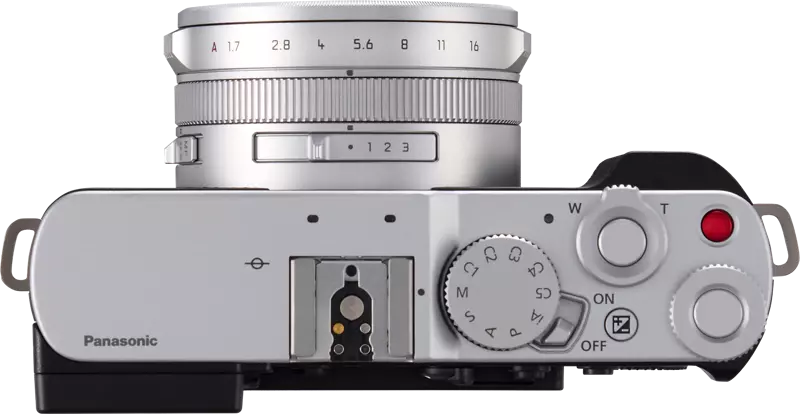
- Hot shoe (flash sync up to 1/2000)
- Lumix Lab compatible, Real Time Lut color adjustments
This camera has a new name and has been completely redesigned in many respects, but it includes the lens from the acclaimed Panasonic LX100 camera (according to Panasonic, only minor updates have been made to this), which was naturally also used in the Panasonic and Leica collaboration model D-Lux 8. With minor improvements, this camera would probably have been called the Panasonic Lumix LX100 III.
What makes it interesting is that the Leica D-Lux 8 is based on the previous LX100 II model, which was released back in 2018. This Panasonic L10 takes a big leap forward and is now clearly a pioneer in terms of technology , and the appearance is also really refined in the new version, so this model will certainly be a more pleasant choice if you don't want a product branded with the Leica name.
New processor and image sensor
Inside the camera is a Four Thirds-sized image sensor familiar from the Panasonic GH7 professional camera, which offers an image area approximately 1.6 times larger than that of quality cameras such as the Sony RX100 VII and Canon G7X Mark III.
The camera originally uses a clever solution developed by Panasonic, where the image sensor is slightly larger than needed for a 3:2 aspect ratio, for example, and this area is used to the maximum so that the same number of megapixels is available at different aspect ratios (1:1, 3:2, 4:3, 16:9).
The Multi-Aspect sensor allows you to change the aspect ratio without reducing the angle of view and resolution - This optimizes the quality of the lens and the drawing circle with different settings, and on the other hand, for example, when shooting square images, you get a wider area than by simply cropping the image file! The Panasonic L10 model has a sensor of 25.2 megapixels and with different cropping, the pixel count of the images is 20.4MP.
The aspect ratio can be conveniently changed using a switch on the side of the lens without having to navigate through the camera's menus. This switch can also be programmed for other purposes.
The camera has a completely silent leaf shutter, a maximum shutter speed of 1/2000 and a fully functional flash connection, meaning flash sync is possible at all shutter speeds. The fastest speed of the electronic shutter is 1/32000.
The sensor supports phase detection autofocus and includes AI-taught features, meaning it can detect people, vehicles, and pets in the frame, just like the latest competitors. The technology is very robust for a camera of this size, and based on initial tests, it works well.
Video recording
The camera inherits a lot of Panasonic's video expertise, including 5.6K video, extensive codec settings such as V-Log wide-gamut recording, better bitstreams than paperbacks, and even waveform exposure assist. This model also has a microphone jack, which was missing from the LX100 versions (but there is no headphone jack).
So this is great for video recording, but it's not a real mini cinema camera, for this purpose we recommend the Panasonic S9 model, for example. The biggest difference is the IBIS image stabilization, which in Panasonic cameras is excellent for video recording, the stabilizer in the L10's lens is best suited for photography. In addition, heat management is always more difficult in a small body. The focus is also slightly better optimized for photography than for tracking a moving object, for example.
But from a tripod or taking into account the weaknesses, what not! This gives an impressive result and the material works well with S-series videos.
Uncomplicated usability & powerful color settings
The Panasonic Lumix L10 falls into a category of EDC, or everyday carry, cameras. The size is suitable for daily travel use, but the image quality is so good that professionals would consider it a second camera and amateurs a primary device.
In addition, although there are extensive automatic programs, this is still a photographer's camera, meaning that aperture can be adjusted directly from the lens, exposure compensation and exposure programs can be selected directly from the camera's controls and will not cause frustration for those who mostly shoot with system cameras.
In addition to aperture control, the lens has a focus ring for manual focus, which has a surprisingly good feel, autofocus and macro mode switching, and the previously discussed aspect ratio selection. The buttons and adjustment wheels are also highly customizable, this is clearly a camera for active photographers. A nice detail, for example, is the separately activated retention of focal length, if you turn the camera off and on again, the lens will return to the focal length you just used.
Unlike the TZ200 camera update, this camera naturally has an electronic OLED viewfinder with improved resolution. The touchscreen is a tilting model.
Comprehensive color adjustments - Leica preset profiles and genuine LUT files
Panasonic is a bit better than its competitors with its film simulations. LUT files familiar from professional video cameras are used and these also work when taking photos.
This means that with the press of a single button, the camera adjusts the color tones of video and photos to the desired level, and previews are possible in real time. Usually, LUT files are loaded into cameras via a memory card, but now they can be designed, previewed and transferred directly to the camera using a phone.
You can adjust the color settings yourself using the phone's Lumix Lab program. In addition, the camera has popular settings designed in collaboration with Leica for both color and black and white photography (for example, L.Classic Gold and L.Monochrome). All of this is possible because it uses the same processor as Panasonic's system cameras, meaning the same color models and image processing can be used.
And once the content has been captured, you can immediately share the material ready to use using the Lumix Lab app.
Panasonic Lumix L10 vs. other large-sensor premium compacts
A few competitors have had small cameras like this with a large sensor, such as the Fuji X100VI, Sony RX1 Mark III and Ricoh GR IV. But these have fixed focal lengths and zoom is available on cameras like the Sony RX100 VII and Canon G7 X III, which have a significantly smaller sensor. The Canon was also released in 2019, so it's a very different era in terms of image quality.
The previously mentioned Leica D-Lux 8 is sleeker and smaller, but as previously stated, is actually based on this camera's predecessor. A close match might be the full-frame Panasonic S9 and the choice between the two very much depends on what you're shooting, for video the S9 is a better choice in many ways but the L10 is superior in many ways for stills thanks to its hot shoe, mechanical shutter and viewfinder.
We at Kameralieikke predict that this Panasonic L10 will become a popular model for these very reasons, it stands on its own merits and on the other hand, there is no similar device on the market. Now there is!
Specifications
- Sensor: 25.2MP BSI CMOS Micro Four Thirds sensor, (final image size 20.4 megapixels)
- 1:1, 3:2, 4:3, 16:9 aspect ratios with the same number of pixels per sensor
- Optics: Leica DC Vario-Summilux 10.9-34mm (24-75 mm film equivalent)
- Aperture: f/1.7-2.8
- Closest focusing distance: 3cm
- Image stabilization: Power OIS optical stabilization in the lens
- Sensitivity: ISO 200 - 25600
- Shutter speeds: 60 - 1/2000 s (with electronic shutter 1/32000)
- Burst shooting: 10 fps and with electronic shutter 30 fps RAW / JPG (for 45 frames)
- Video recording: 5.6K 60P & DCI 4K 120P (maximum bitrate 600Mbps)
- Real-time LUT, Magic LUT, LUMIX Lab compatibility
- Viewfinder: electronic OLED viewfinder 2.36M dots
- Display: 7.5 cm vari-angle touchscreen, 1.84M dots
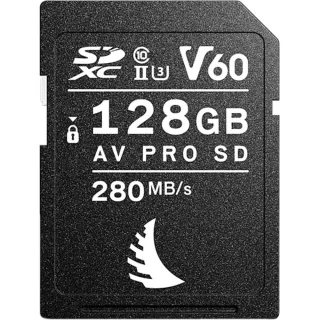
- Memory card slot: SDXC UHS-II compatible
- Microphone connection: 3.5mm TRS
- Headphone jack: no
- Connections: USB-C data transfer and charging and UVC streaming
- Hot shoe
- No HDMI connection
- WiFi 5 and Bluetooth 5.0
- Battery: DWM-BLK22, approx. 410 shots on a single charge
- Dimensions: 127.1 x 73.9 x 66.9 mm
- Weight: 425g (508g with battery and memory card)
Contents of the sales package:
- Panasonic LUMIX L10 Digital Camera (Silver) digital camera
- Panasonic DMW-BLK22 Lithium-Ion Battery (7.2V, 2200mAh) battery
- Lens cover
- Hot Shoe Cover
- Belt
A charger is not included.
Featured
Smallrig 3032 Nato Rail for Ronin S/SC -kisko
Panasonic Lumix TZ300 (silver) digital camera
Summary of reviews
Ask about product

Mon-Fri 9-17 and Sat 10-14
INFO