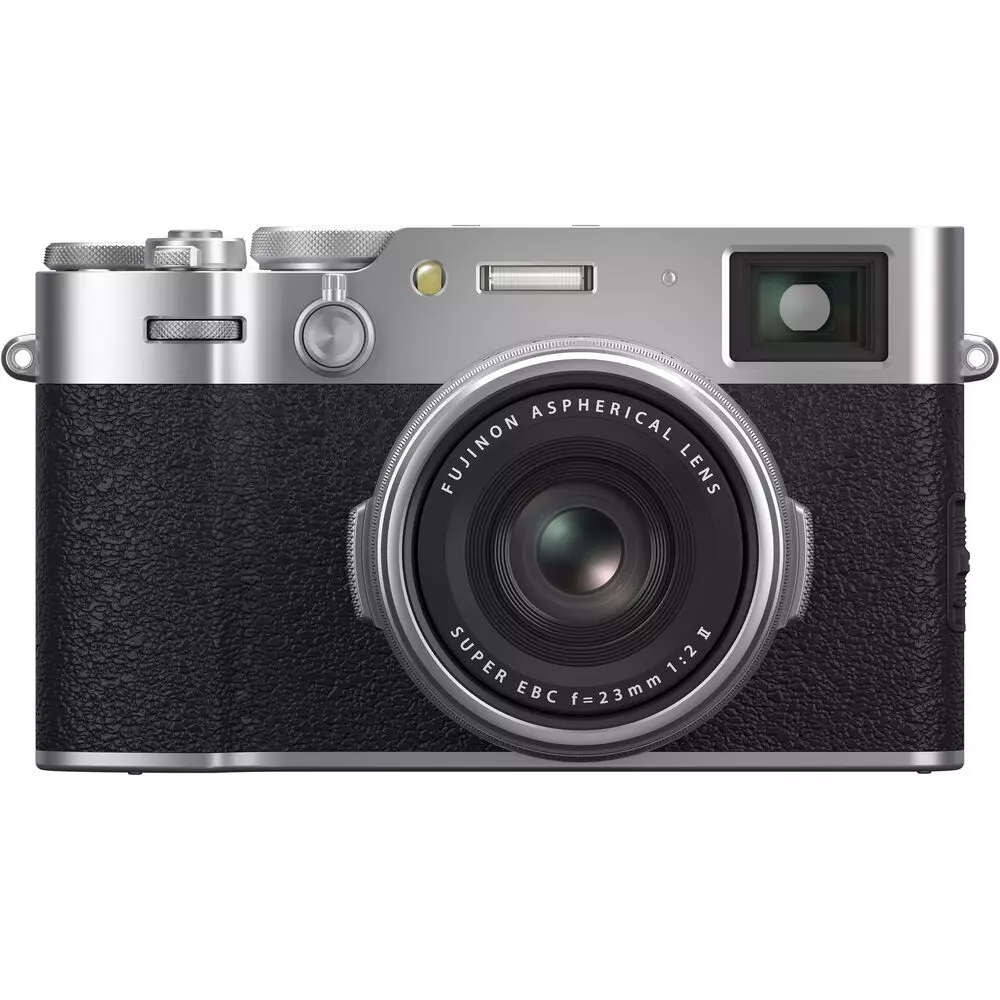
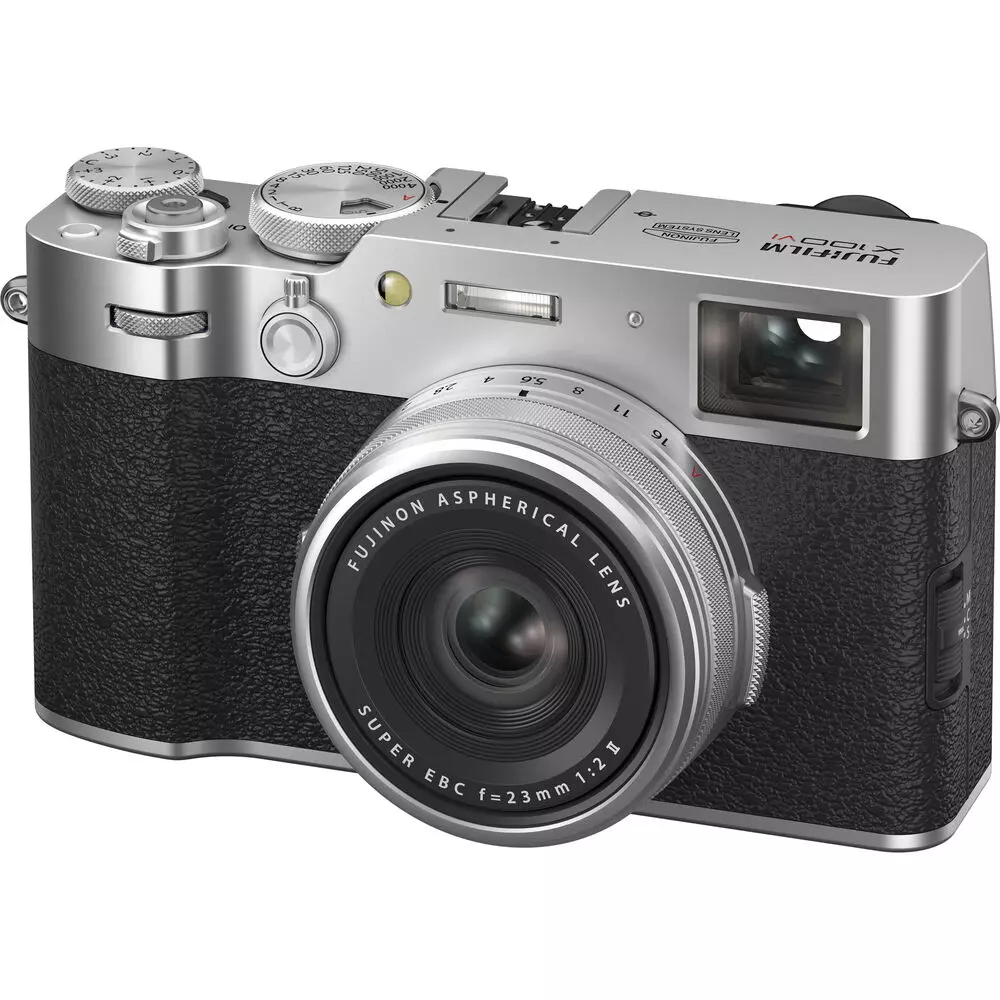
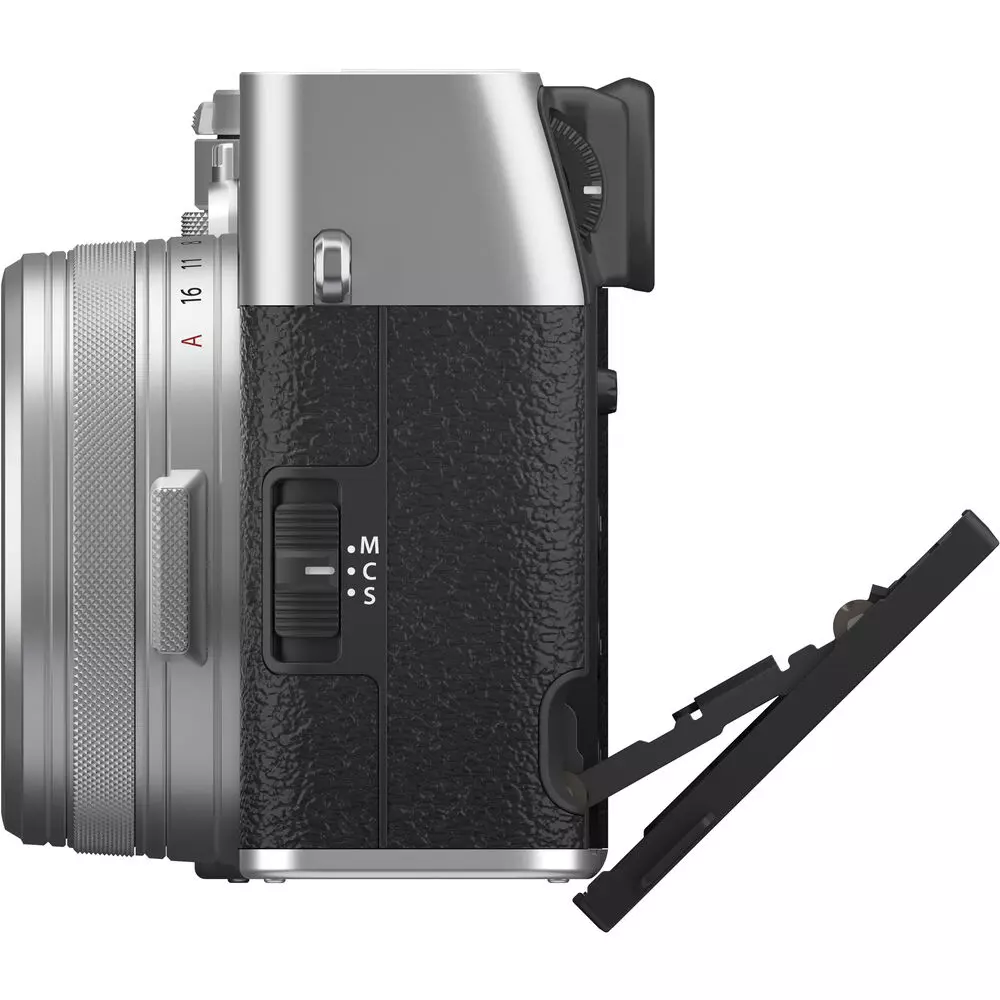
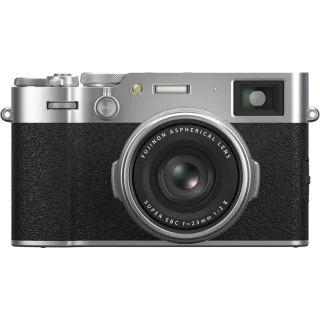
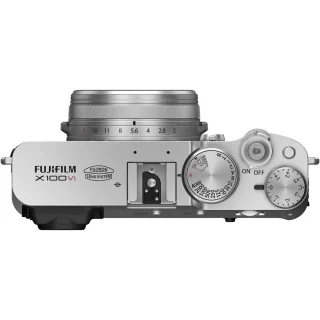
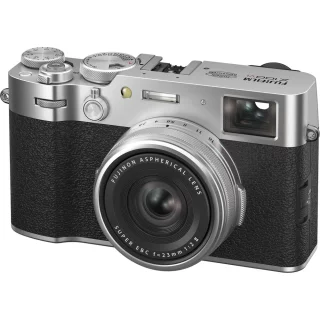
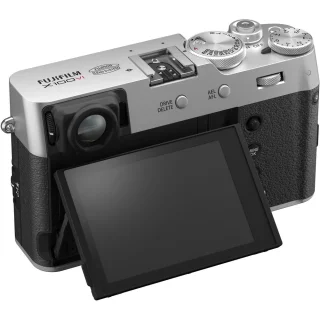
FujiFilm X100VI (silver) digital camera



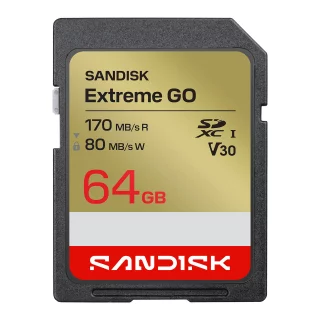
Pakettidiili


Varmasti yhteensopivat tarvikkeet
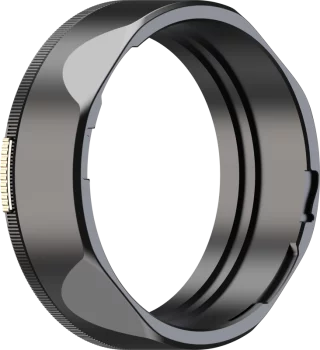
PolarPro Mini MagLock Hood

PolarPro Mini MagLock Black Mist 1/4

PolarPro Mini MagLock Black Mist 1/8


PolarPro Mini MagLock ShortStache Mist/PL 1/2
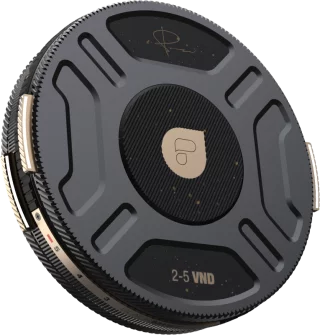
PolarPro Mini MagLock VND 2-5 Stop Filter
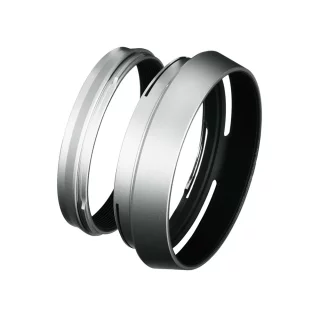
FujiFilm LH-X100 lens hood and filter adapter (silver)

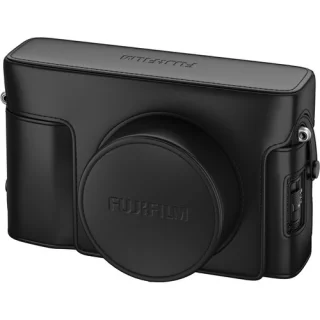
Fujifilm LC-X100F Premium Leather Camera Case - Black
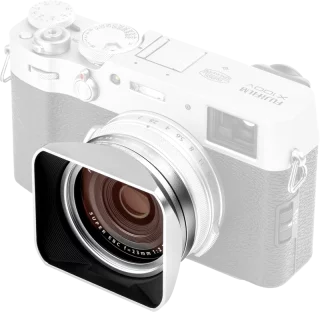

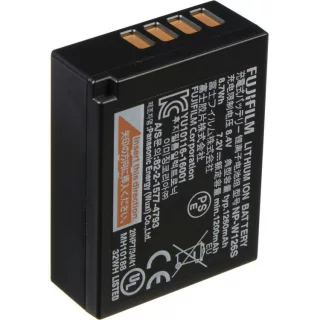
FujiFilm NP-W126S spare battery

Zeiss T* UV Filter 49mm
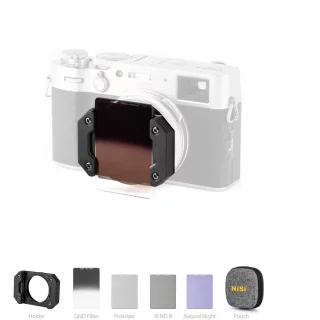
NiSi Professional Kit for Fujifilm X100 series camera
FujiFilm LC-X100V Leather Case (X100V and X100VI)
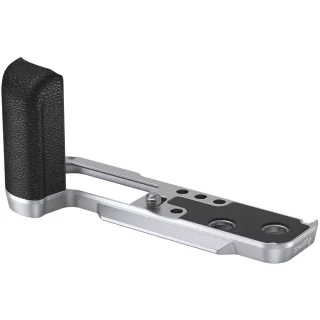
SmallRig 4555 L-Shape Grip for FUJIFILM X100VI / X100V silver
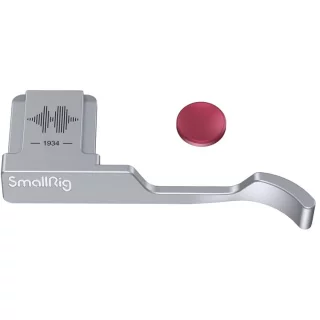
SmallRig 4566 Thumb Grip for Fujifilm X100VI/X100V silver
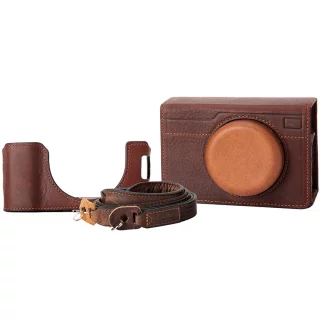
SmallRig 4558 Leather Case Kit for Fujifilm X100VI

SmallRig 4699 Leather Half Case Kit for Fujifilm X100VI Brown
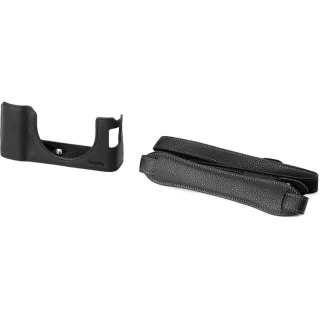
SmallRig 4700 Leather Half Case Kit for Fujifilm X100VI black
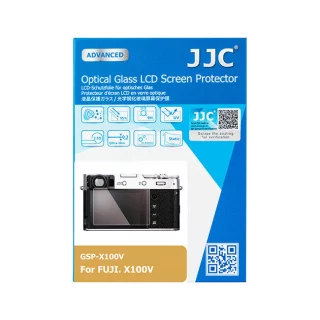
JJC GSP-X100V screen protector for Fujifilm X-T4, X100V, X100VI
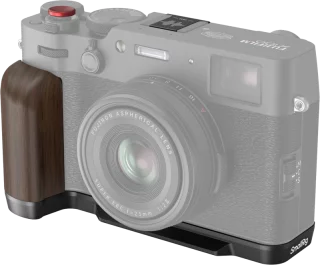
SmallRig 4805 Wooden L-Shape Grip for FUJIFILM X100VI/X100V
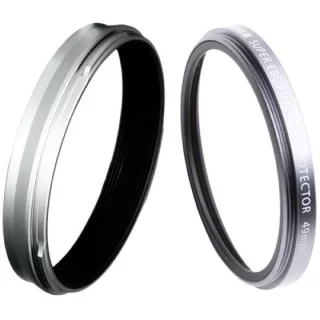
FujiFilm Weather-Resistant Kit X100V / X100VI (hopea)
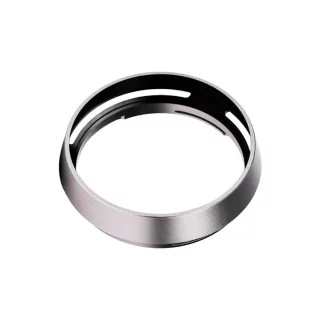
Haida X100 Silver Lens Hood - Silver
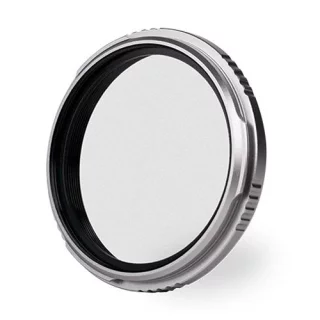
Haida NanoPro X100 Mist Black 1/4 Filter Diffusion Filter - Silver
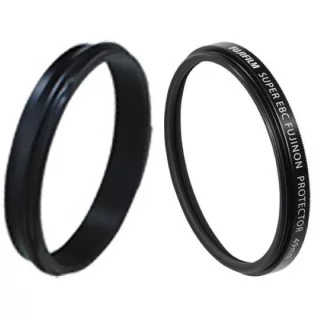
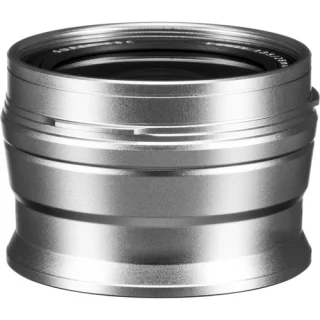
FujiFilm WCL-X100 II Wide (silver) wide-angle lens
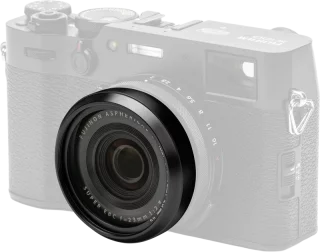
NiSi Filter NC UV II Fujifilm X100 Series 49mm black
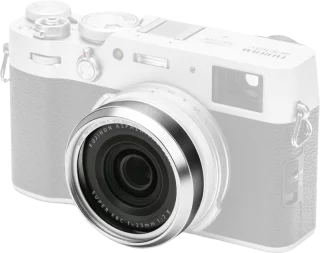
NiSi Filter NC UV II Fujifilm X100 Series 49mm
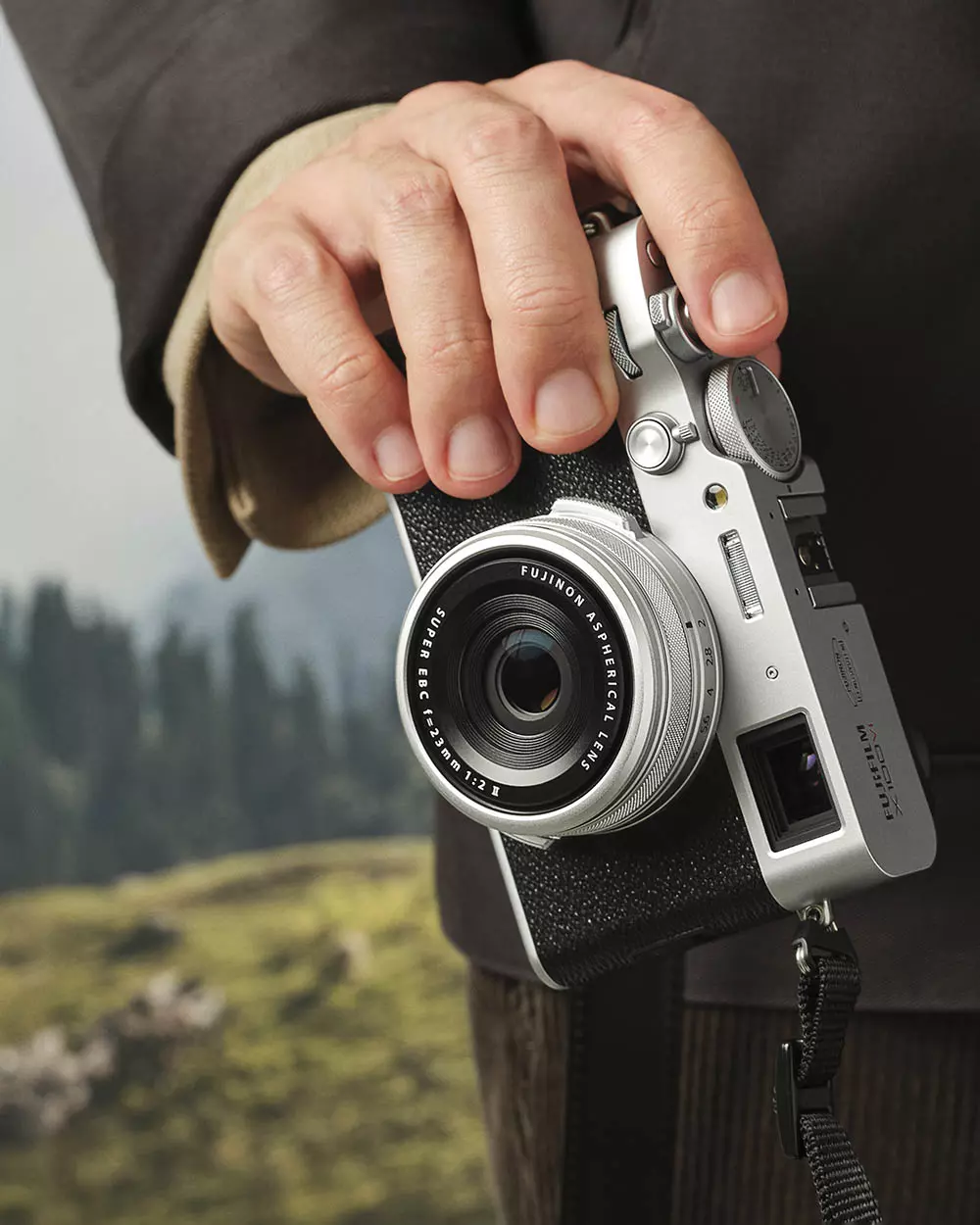
FujiFilm X100VI (silver) digital camera
The Fuji X100V was the most popular camera in the series for a reason, with an improved lens and weather protection. However, Fuji had a clear plan to make a good thing even better!
It has the same 35mm equivalent optics, weather protection, optical and electronic viewfinder, but the 40 megapixel sensor inside the camera is borrowed from the X-T5 body. As a result of long product development, Fuji has achieved image stabilization of up to 6 stops ! The camera is only 2mm thicker and the other dimensions are the same. The autofocus is also new and borrows the software from the GFX 100 II top camera, and the video features are surprisingly excellent.
This is suitable as a primary camera for a demanding hobbyist who takes a lot of photos, or as a mood camera for a professional.
- 40-megapixel sensor familiar from the X-T5 model
- Internal IBIS image stabilization, 6 stops of power
- Faster AF: featuring face detection autofocus and GFX 100 II algorithms
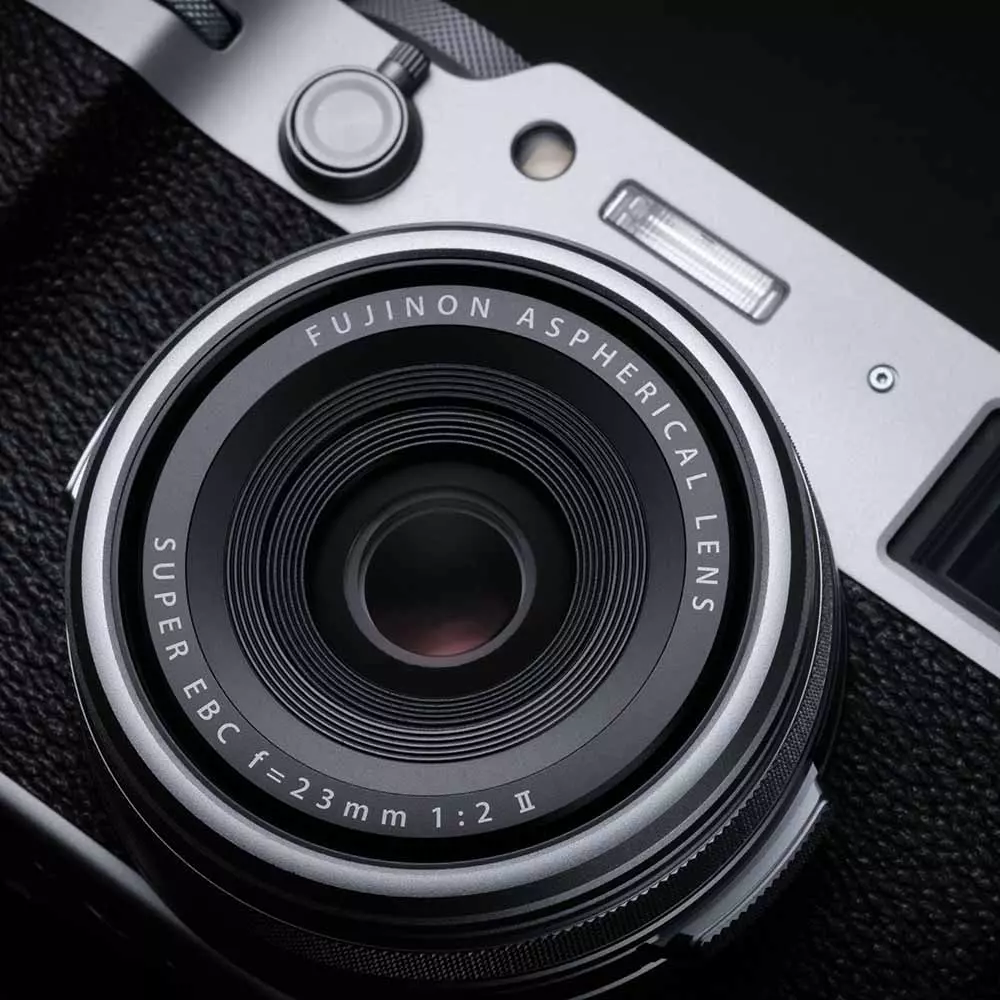
- Same 23mm F2 optics (35mm film equivalent) from the X100V model, meaning good edge definition and image quality in close-ups
- Built-in switchable 4-stop ND filter
- Compatible with WCL wide-angle adapter and TCL extension
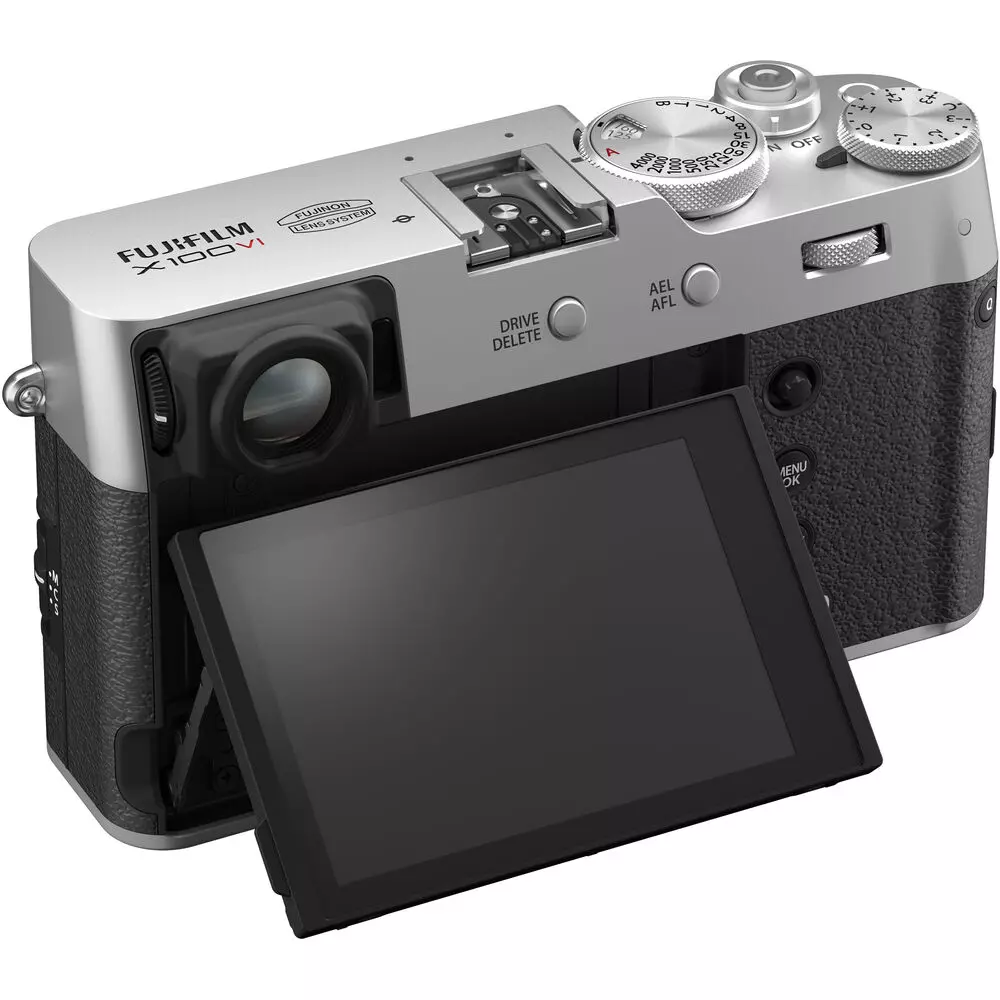
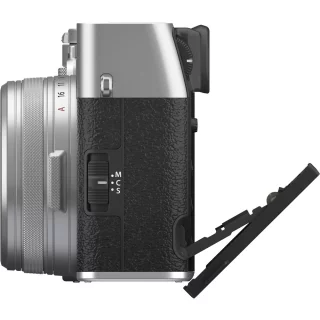
- The rear display is now tiltable and supports touch, now tilting further than the previous model
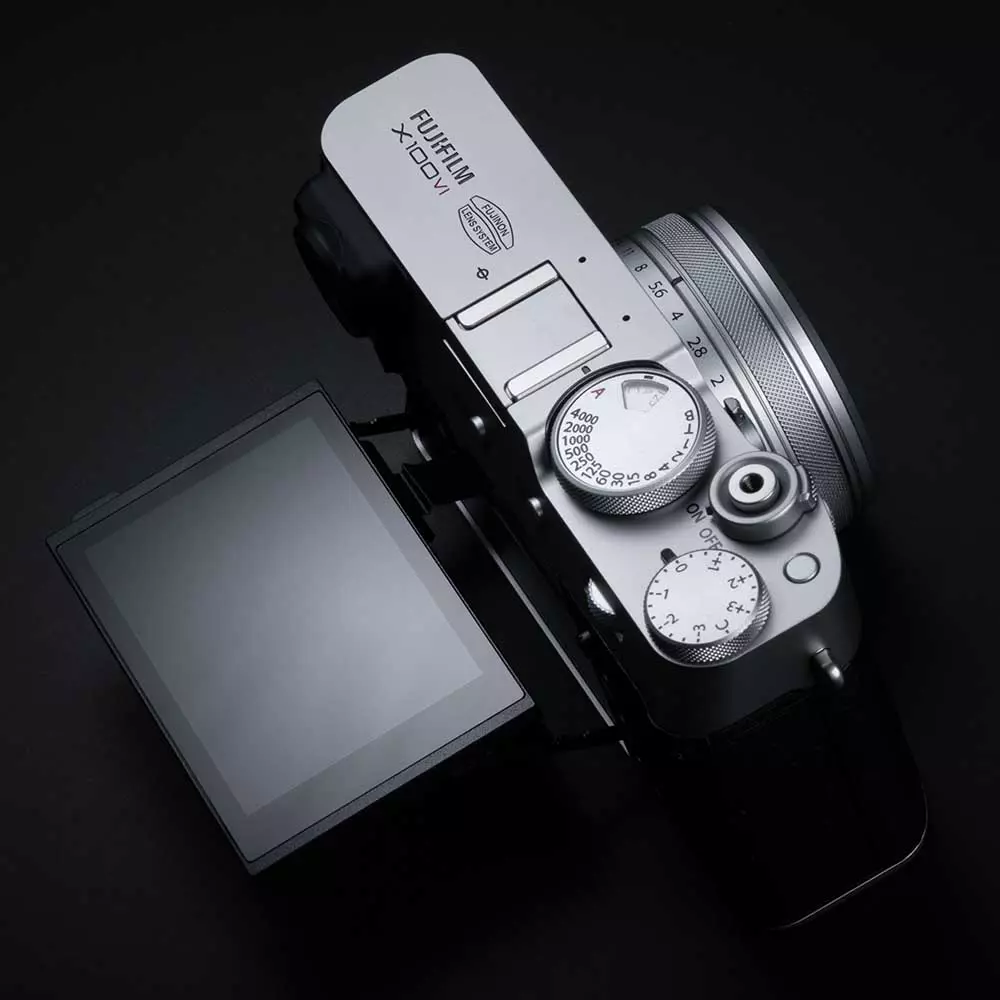
- Unique hybrid viewfinder: optical viewfinder, EVF or a combination of both, switchable with a trigger
- Retro camera with great video specs: 6.2K 30P and 4K 30P video, 10bit 4:2:2 recording directly to card
- The camera is weatherproof! Protection requires the use of a filter.
- 20 different and highly acclaimed film simulations
- Better battery life, up to 100 more photos (450pcs)
- Despite the improvements, the frame is only 2mm thicker!
Latest technology and timeless design
The FujiFilm X100VI's innovations go deeper than the surface, the exterior design is familiar from the previous version, i.e. very clear-cut and timeless. The buttons and controls have just the right response and you can feel the mechanical quality in your fingers. The camera's sensor is the same technology as the X-T5 model, i.e. still top-notch. This 40MP image sensor is the highest resolution available in the APS-C sensor size - from any manufacturer!
In addition to the sensor, the processor is also new, and in addition to the computing power, the algorithms have also been updated. The Fuji X100VI's algorithms have been trained on millions of different subject variations and are partly the same as those in the top model GFX 100 II.
And this is reflected in the camera's improved ability to recognize objects such as vehicles (cars, various airplanes, motorcycles, bicycles, trains), animals (birds, dogs, horses) and of course people (even with masks and glasses). In addition to face detection, the camera has eye-detection focus.
Focusing is easy to talk about when talking about artificial intelligence and processors in technical terms. But in practice, the X100VI includes fast and modern focusing, and this is really useful when you want to react quickly to events when shooting, whether it's street photography in the hustle and bustle of a big city or looking for just the right smile and composition at a family party.
Image stabilization has been placed around the sensor. This is a great achievement because the size of the camera has been kept very close to the previous one, the width and length are the same, the thickness has increased by half a millimeter at the back and 1.5mm at the front, for a total of 2mm. So the same bags will work for this and the X100V model if you are upgrading.
Image stabilization is 6 stops when using the rear monitor and electronic viewfinder, and 5.5 stops when using the optical viewfinder. The stabilization uses technology familiar from the GFX 100 II medium format camera, which analyzes image data directly from the sensor, resulting in a half-stop increase in power compared to simply moving the sensor with the optical viewfinder.
Optical and electronic viewfinder?
The camera's most popular feature is probably the hybrid viewfinder, which allows you to switch between a traditional optical viewfinder and a precise electronic viewfinder at the touch of a button, depending on your needs. The optical viewfinder shows the entire frame, and thanks to the display technology, exposure times and cropping are visible in the image. The cropping is also parallax-corrected, so it shows exactly what the final image will look like, even in close-ups.
The electronic one has a resolution of 3.6 million pixels. The viewfinder is unique and is not found on other cameras besides Fuji.
A surprisingly powerful device for video recording
Video is recorded at up to 6.2K 30P or 4K 60P. It features a wide tonal range, F-log, beautiful tones, and Eterna color settings that create a smooth file suitable for video shooting. In addition, for editing, the video file color depth is 10bit 4:2:2 even when saving to a memory card.
The built-in 4-stop ND filter also helps surprisingly well in video shooting to achieve the right exposure times. The Fuji X100VI includes a microphone connection and via the USB-C connector you can also use an adapter to get a headphone output for monitoring sound. Fuji has not skimped on or artificially limited the video features, and depending on the possibilities of the focal length, you can take very fine-quality emotional video from a trip for B-roll use, for example.
The best camera is the one you always have with you.
The FujiFilm X100V is a compact camera considering its features. The camera fits easily into the pocket of a larger winter jacket or a small bag.
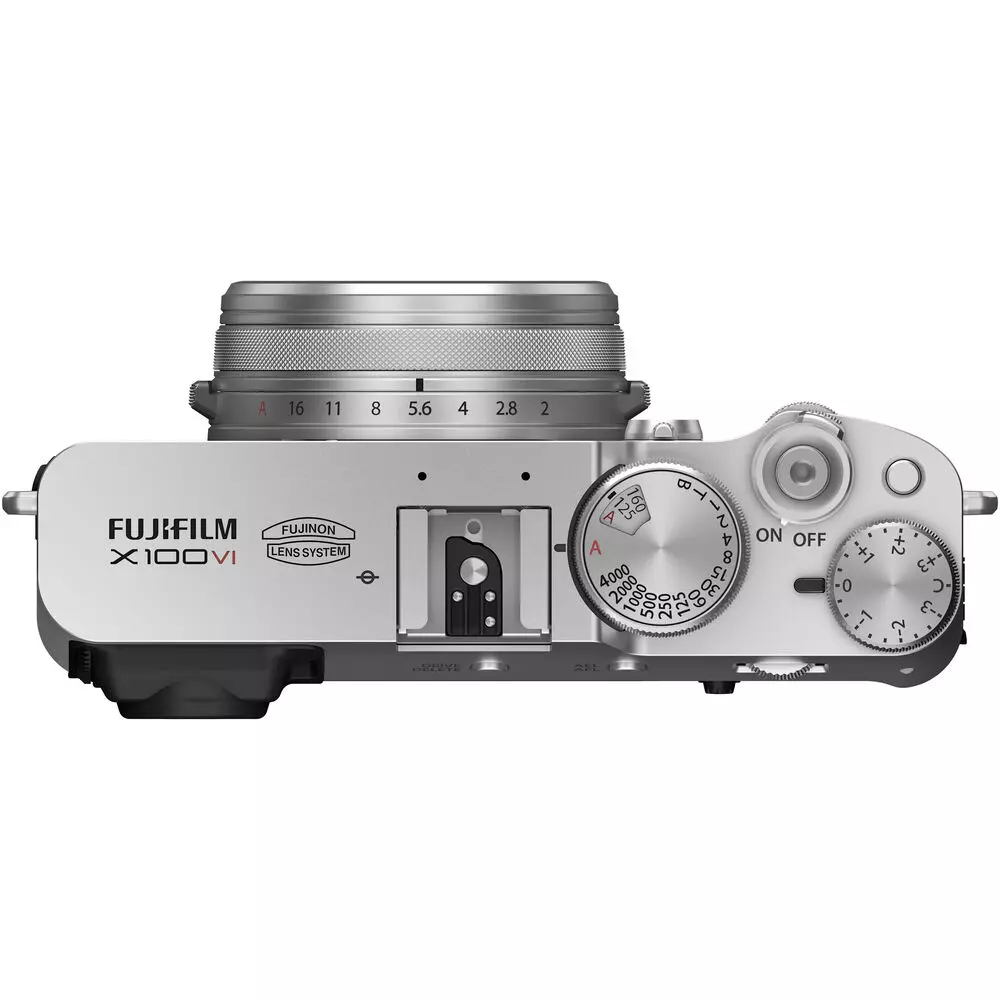
The camera's 23mm F2 lens is bright but very small, and if you look at the marking on the top of the camera where the camera sensor is located, you will notice that the lens is a bit like an iceberg, only part of it is visible and almost half is located inside the camera near the sensor and the back wall.
The lens has a cine equivalent of about 35mm, which is a mild and versatile wide angle. When shooting indoors and outdoors, you can capture the surroundings in your photos, but on the other hand, you can also capture people without much distortion. The lens was updated to the X100V model and is sharp even at the edges and when shooting close up. The closest focus is only 10cm, which means you can get very close to your subject.
And the new 40 megapixel sensor means completely new possibilities for cropping the image! The X100VI is compatible with a wide-angle adapter and a telephoto extension, but with its large number of pixels, you can directly crop the image to the equivalent of a 50mm lens, for example, and the image resolution is still excellent. This means you get more versatile footage without having to screw in additional parts.
The strength of FujiFilm cameras is their excellent film simulations. Fuji has decades of experience with different films and how colors behave, and this expertise is also used in the digital side. The camera basically has presets, the X100VI has 20 different settings, and there are also comprehensive adjustments for customization, including grain simulation.
The idea is to create eye-pleasing and high-quality images directly in the camera, so if you want a nice picture to use straight away, Fuji is a great choice. Images can be transferred directly to your phone wirelessly using Fuji's new XApp software, and the camera can also be controlled and released remotely.
The Fuji X100VI is weather and dust protected when used with an adapter and protective filter! The filter adapter can be Fuji models or third-party ones, and the filter can also be 49mm filters from other manufacturers.
This last paragraph explains the secret of the X100 series' popularity: a handy size that hasn't come at the expense of usability, great image quality without any gimmicks, weather protection and mechanical durability that won't let you down on the road. The X100 is a favorite camera of many, and for good reason.
Specifications:
- Sensor: X-Trans CMOS 5 HR, APS-C size CMOS
- Sensitivity: ISO 125-12800 (expanded to 80-51200)
- Internal image stabilization, power through the screen and electronic viewfinder 6 stops and optical 5.5 stops
- Up to 1/180000 shutter speed with electronic shutter
- Character detection autofocus (vehicles, birds, people) and updated AF algorithms
- Touch AF tracking activation of the next focus from the touch screen
- Lens: 23mm (cinema equivalent 35mm)
- Light intensity: F2 (min. F16)
- 8 elements in 6 groups, 2 aspherical elements
- Built-in switchable four-hole ND filter
- Closest focusing distance: 10cm
- 20 film simulations, new Reala ACE
- Grain effect grain simulation and Color Chrome effect midtone adjustment
- 6.2K 30P and 4K 60P video recording, 10 bit 4:2:2 video directly to memory card
- Microphone jack 2.5mm (+ headphone jack via USB-C adapter)
- WiFi + Bluetooth
- Battery type: NP-W126S, 450 shots on one battery CIPA
- Size: 128 x 74.8 x 55.3mm
- Weight: 521g
Osta myös
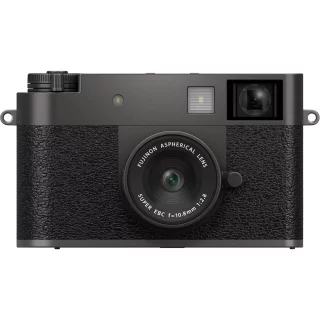
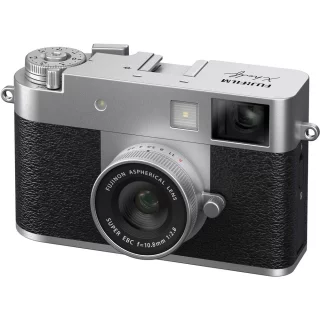
Fujifilm X half (charcoal silver) -digital camera
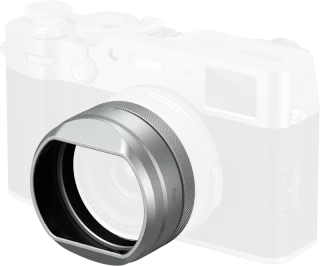
SmallRig 5849 Lens Hood FUJIFILM X100VI / X100V (Silver) -vastavalosuoja
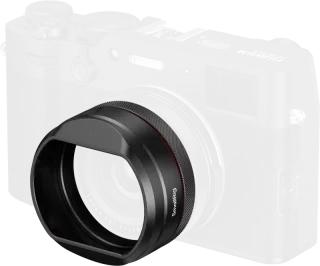
SmallRig 5848 Lens Hood FUJIFILM X100VI / X100V (Black)
FujiFilm WCL-X100 II Wide (silver) wide-angle lens
SmallRig 4566 Thumb Grip for Fujifilm X100VI/X100V silver
Arvostelujen yhteenveto
YIJIAN L.

stig b.
Kysy tuotteesta

ma-pe 9-17 ja la 10-14