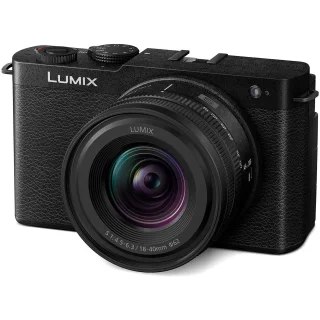
Panasonic Lumix L10 (black) digital camera

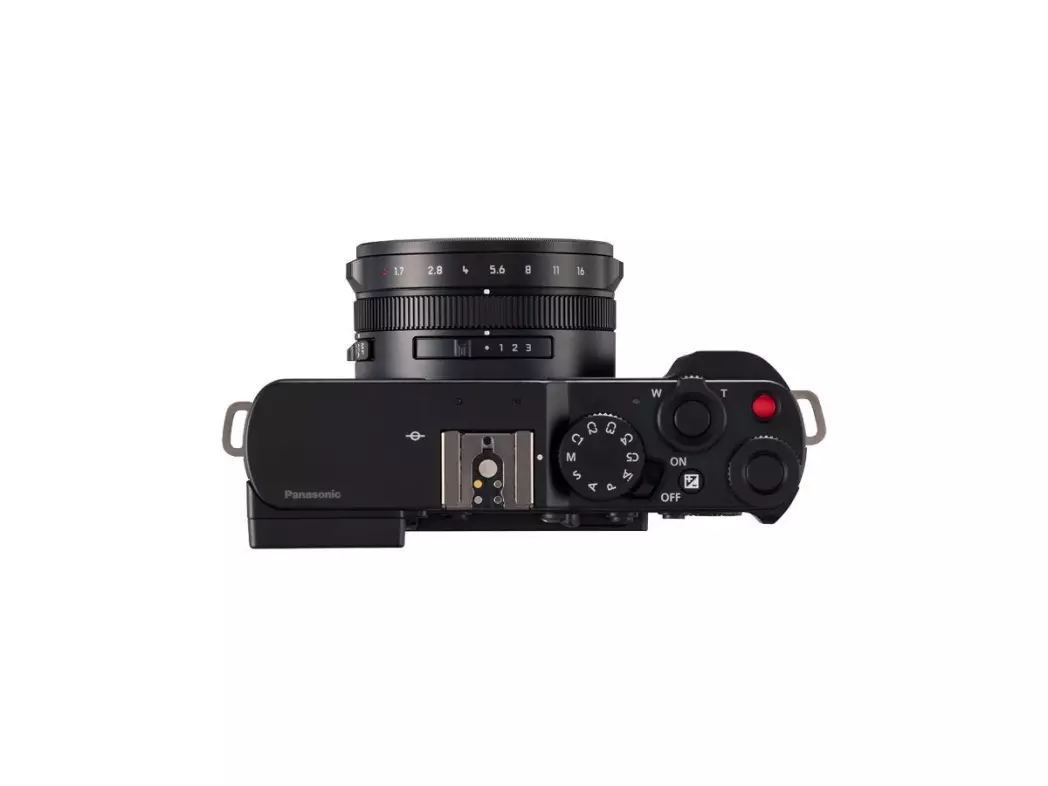
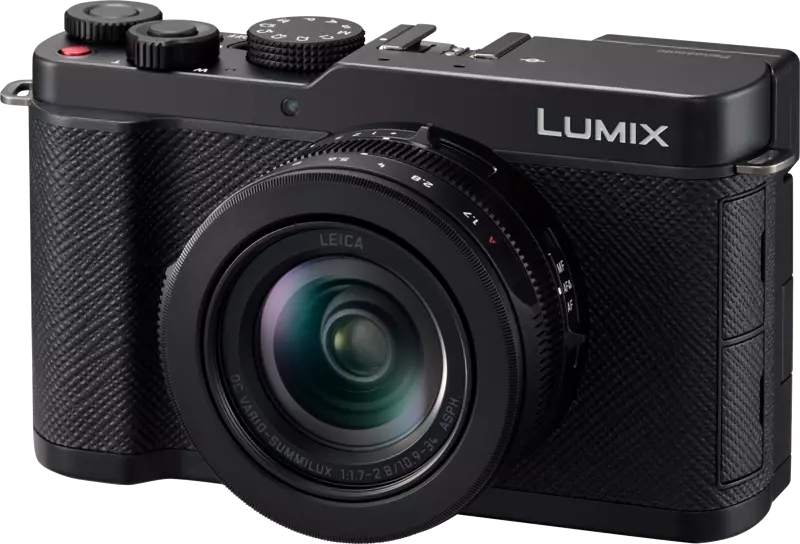
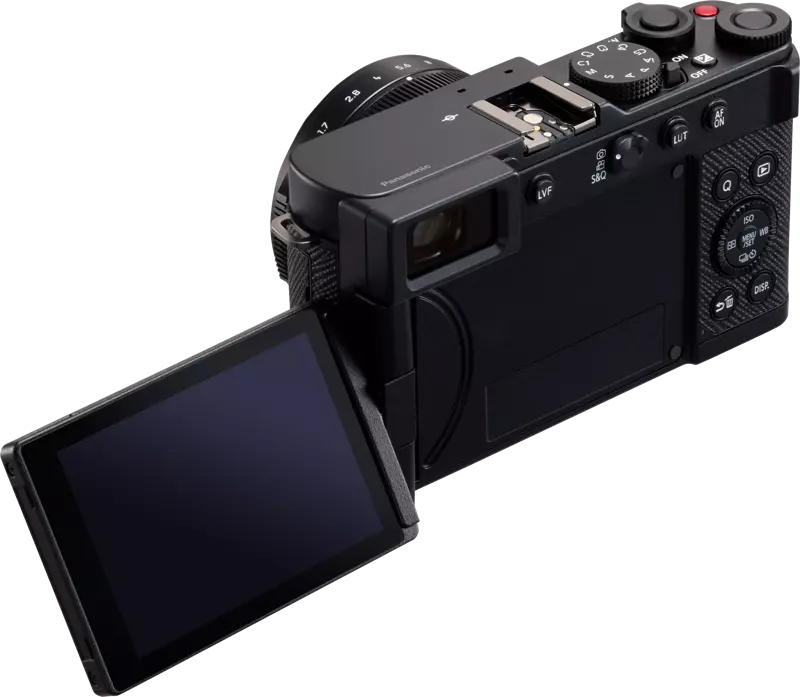
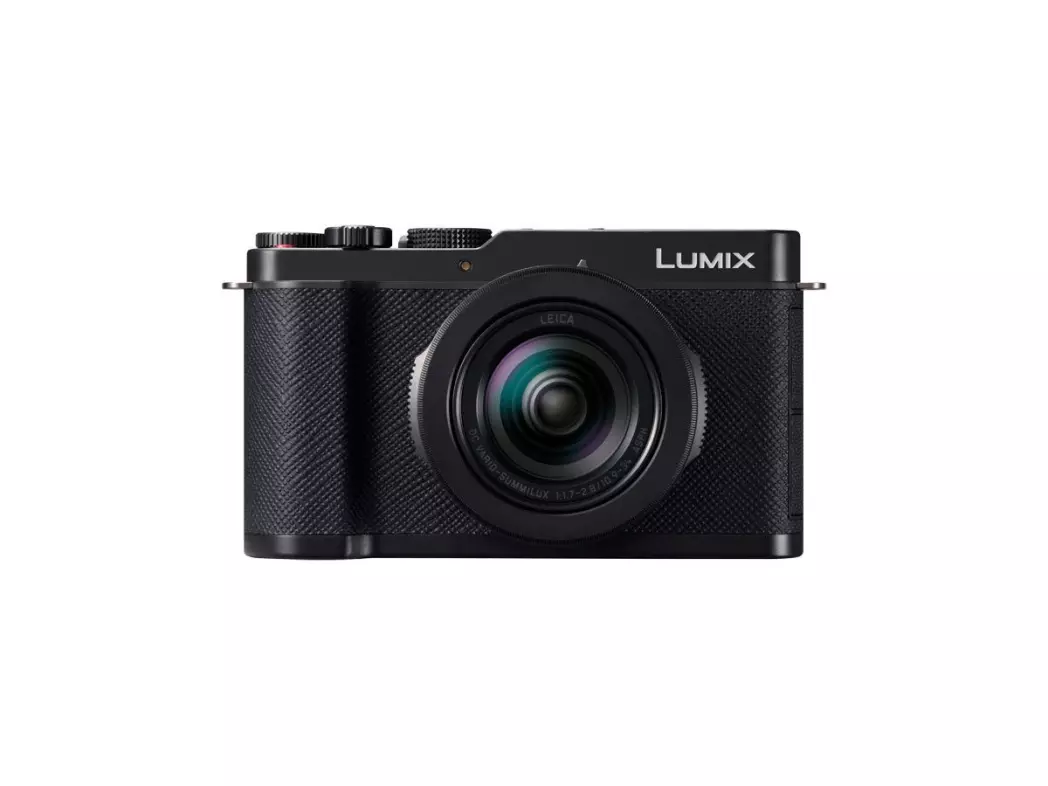
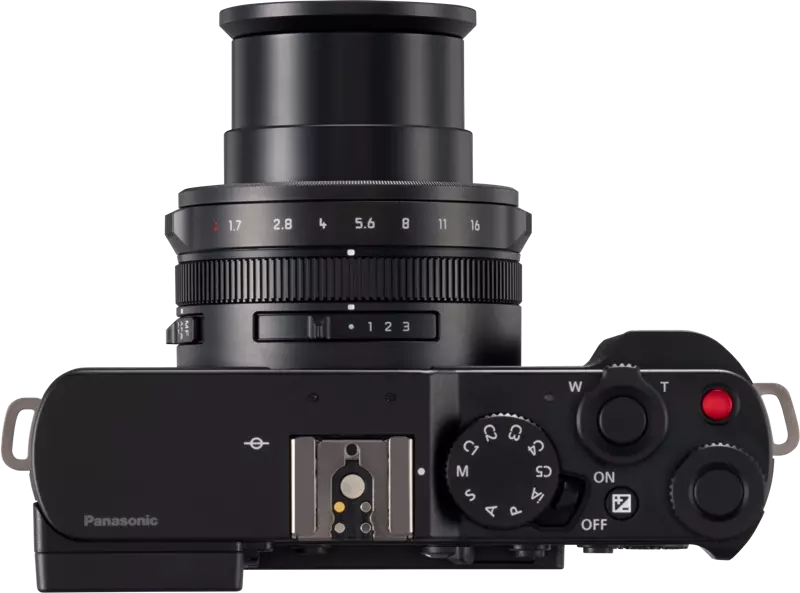
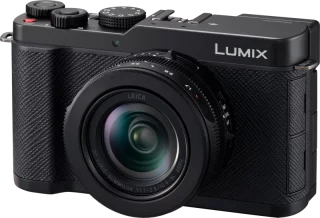
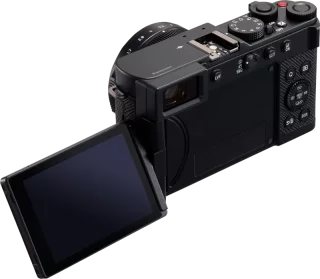
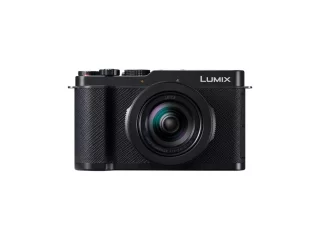
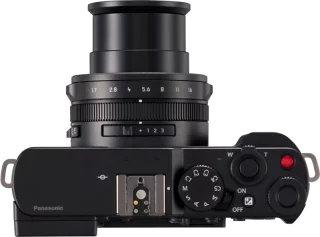
The Panasonic Lumix L10 is a premium compact camera that combines a professional-grade Micro Four Thirds sensor, bright Leica zoom optics and real-time LUT colors in a compact package. Color black.

Subscribe to availability notification, and you’ll receive an email as soon as the product is available again.

Compatible accessories
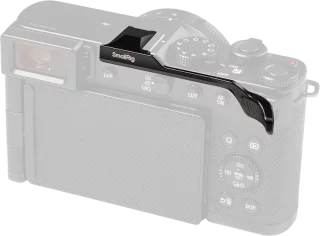
SmallRig 5702 Thumb Grip Panasonic LUMIX L10 Black
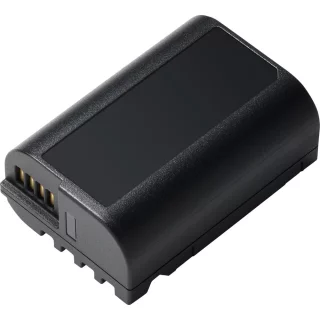
Panasonic DMW-BLK22 (Panasonic GH6/S5) battery
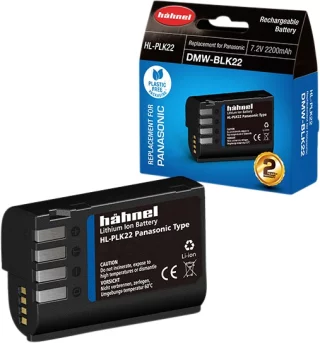
Hahnel HL-PLK22 (Panasonic DMW-BLK22) battery

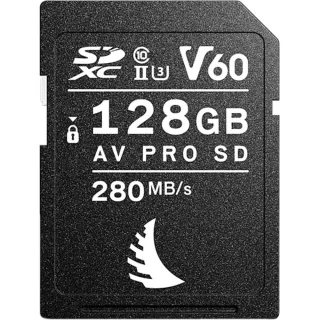
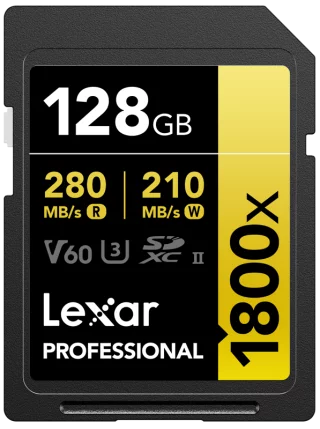
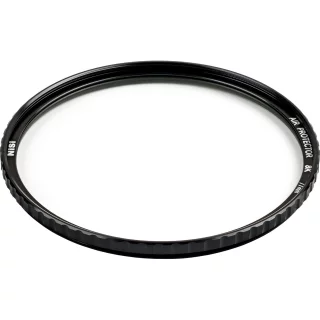
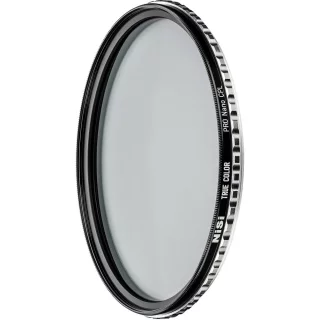
NiSi AIR Protector 43mm protective filter
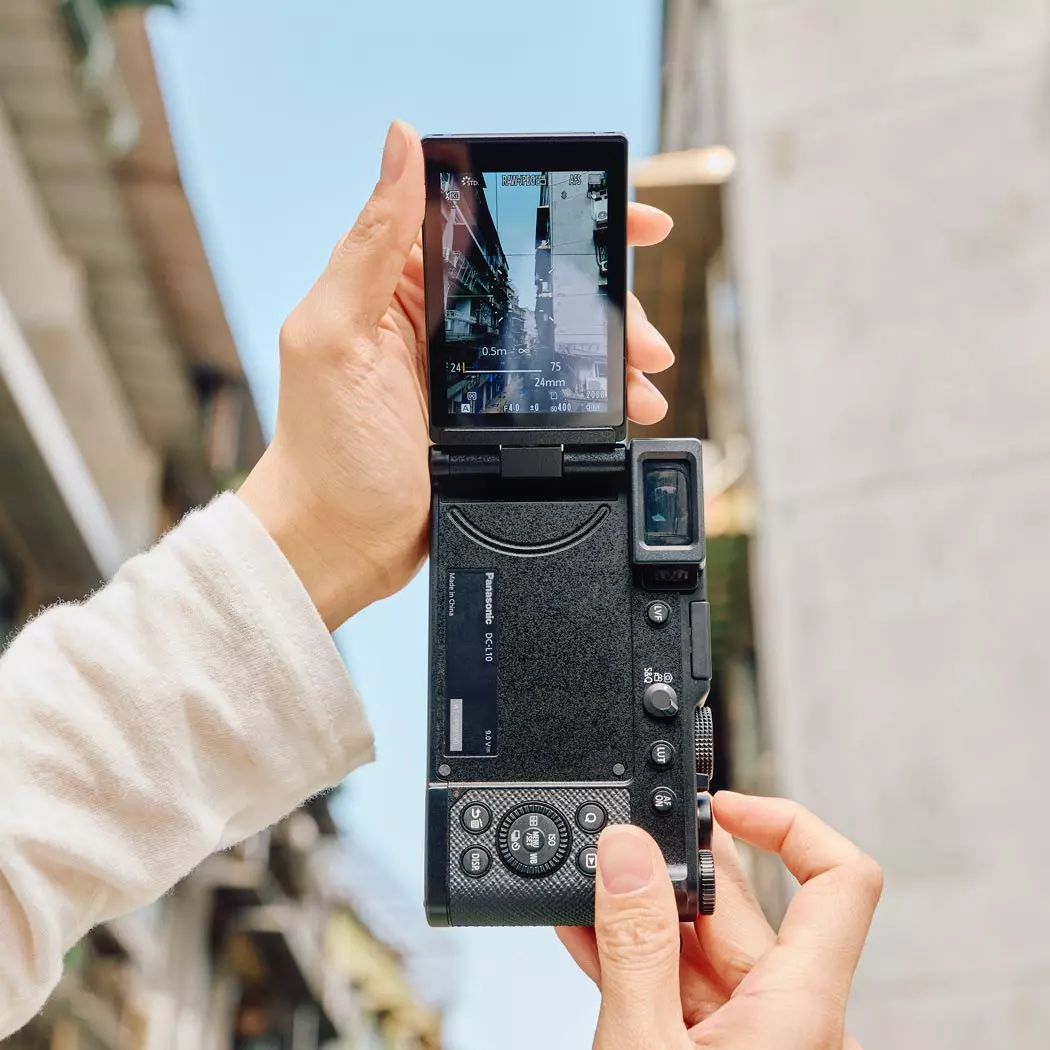
Panasonic Lumix L10 Digital Camera - Black
The Panasonic L10 packs the technology of the manufacturer's most robust professional cameras into a pocket-sized and stylish body. Combining the large image sensor familiar from the Panasonic GH7, the S-series processor and a bright Leica lens, the result is an exceptionally versatile "Everyday Carry" camera. It is compact enough for everyday use, but with image quality so convincing that it can easily serve as a second camera for a professional.
- Bright Leica optics: Vario-Summilux f/1.7-2.8 (24-75mm film equivalent)
- Top sensor: 25.2MP Micro Four Thirds sensor from the GH7 camera
- Ingenious Multi-Aspect: The sensor crops the optimal 20.4MP image at different aspect ratios without any significant change in resolution or angle of view
- Modern Focus: Phase Detection AI Autofocus (people, animals, vehicles)
- Comprehensive color adjustments: Real Time LUT and Lumix Lab app for color adjustment and sharing directly from the camera
- The right photographer's tool : Electronic viewfinder, physical control rings and full hot shoe
A modern heir to a classic
The L10 is a completely redesigned model in many respects, but it borrows its lenses from the popular LX100 series (as well as the Leica D-Lux 8 camera). While the external style carries traditions, the L10 takes a huge leap forward in terms of technology: with a new processor, sensor and phase detection autofocus, this camera leaves the Leica D-Lux 8 model, which was based on 2018 technology, behind in terms of technology.
Large sensor and intelligent crop control
The Four Thirds sensor inside the camera is about 1.6 times larger than typical 1-inch premium point-and-shoots (like the Sony RX100 VII and Canon G7X Mark III). The larger sensor gathers more light and gives better control over depth of field.
The camera uses Panasonic's original Multi-Aspect sensor technology. The sensor is physically 25.2 megapixels, but it is designed to be slightly larger than the lens's focal length. This allows you to change the aspect ratio (e.g. 3:2, 16:9, 1:1) directly from the lens switch so that the camera makes optimal use of the edges of the sensor. You get accurate 20.4MP resolution at every aspect ratio without the traditional cumbersome digital cropping.
Panasonic Lumix L10 in video shooting
Featuring high-quality 5.6K 60P video recording, 120P slow-motion, V-Log profile, 3.5mm microphone jack, and high bitrates, this device delivers impressive results, and the footage seamlessly integrates with Panasonic SLR cameras.
However, it's good to be aware of the camera's limitations: it's not exactly a "mini cinema camera". The L10 doesn't have Panasonic's legendary IBIS image stabilization (stabilization is handled by the lens' optical stabilizer), and the thermal management of the small body imposes its own limitations during long shots. If you're looking for a camera solely for heavy video production on the move, we recommend the Panasonic S9, for example. The L10 is primarily a full-fledged photographer's tool that records excellent video when needed.
Prepare the image directly from the camera: Real Time LUT
Panasonic responds to competitors' film simulations with professional-grade LUT (Look-Up Table) files. You can load your desired color profiles directly into the camera's memory using the Lumix Lab app on your smartphone. With the press of a button, the camera adjusts the color tones of photos and videos to your desired level, and you can see the final result in real time on the screen or viewfinder. In addition, the camera comes with profiles designed in collaboration with Leica, such as L.Classic Gold and L.Monochrome. Once the image is taken, it can be shared directly on your phone without post-processing.
Uncompromising usability and competitors
The L10 is designed for the active photographer. Aperture adjustment, focus ring and aspect ratio selection can be done directly from the lens. The camera features a silent leaf shutter, a tilting touchscreen and an OLED electronic viewfinder. And because it also has a working hot shoe and mechanical shutter, it can handle situations that many competitors cannot.
There are large sensor cameras on the market, such as the Fuji X100VI and Ricoh GR IV, but they have a limiting fixed focal length. On the other hand, the zoom-equipped Sony RX100 VII and Canon G7X III lose to the L10 in terms of sensor size and older technology. The Panasonic L10 fits this gap perfectly: it combines the image quality of a large sensor and a bright 24-75mm zoom in a way that is currently difficult to find a direct equivalent.
Specifications:
- Sensor: 25.2MP BSI CMOS Micro Four Thirds sensor (final image size 20.4MP)
- 1:1, 3:2, 4:3, 16:9 aspect ratios with the same number of pixels per sensor
- Optics: Leica DC Vario-Summilux 10.9-34mm (24-75mm film equivalent)
- Aperture: f/1.7-2.8
- Closest focusing distance: 3cm
- Image stabilization: Power OIS optical stabilization in the lens
- Sensitivity: ISO 200 - 25600
- Shutter speeds: 60 - 1/2000s (with electronic shutter 1/32000s)
- Continuous shooting: 11 fps and 30 fps with electronic shutter RAW/JPG (for 45 frames)
- Video recording: 5.6K 60P & DCI 4K 120P (maximum bitrate 600Mbps)
- Real-time LUT, Magic LUT, LUMIX Lab compatibility
- Viewfinder: electronic OLED viewfinder 2.36M dots
- Display: 7.5cm vari-angle touchscreen, 1.84M dots
- Memory card slot: SDXC UHS-II compatible
- Microphone connection: 3.5mm TRS
- Headphone jack: no
- Connections: USB-C data transfer and charging and UVC streaming
- Hot shoe
- No HDMI connection
- Wi-Fi 5 and Bluetooth 5.0
- Battery: DWM-BLK22, approx. 410 shots on a single charge
- Dimensions: 127.1 x 73.9 x 66.9mm
- Weight: 425g (508g with battery and memory card)
Contents of the sales package:
- Panasonic LUMIX L10 Digital Camera (Black) digital camera
- Panasonic DMW-BLK22 Lithium-Ion Battery (7.2V, 2200mAh) battery
- Lens cover
- Hot Shoe Cover
- Belt
A charger is not included.


Featured

Panasonic Lumix TZ300 (silver) digital camera
Summary of reviews
Ask about product

Mon-Fri 9-17 and Sat 10-14
INFO