Celestron Astromaster Accessory Kit for telescope

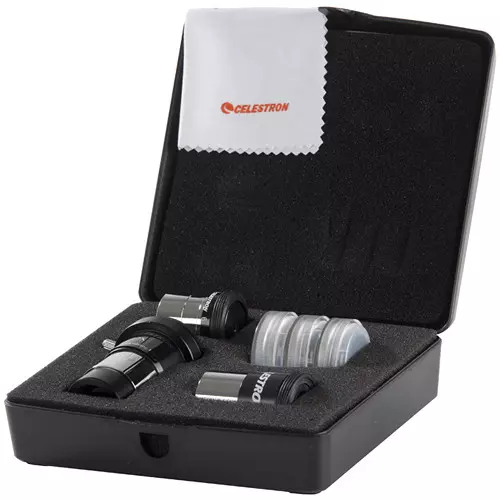
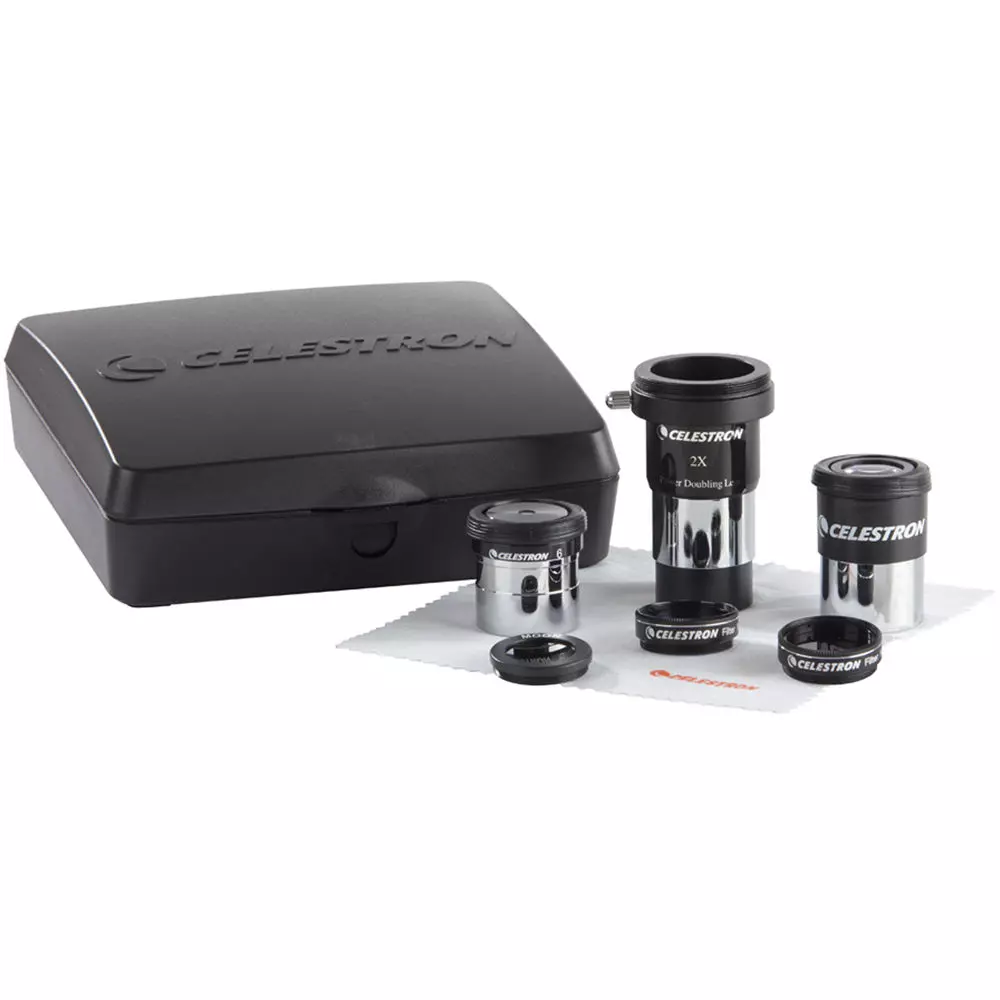
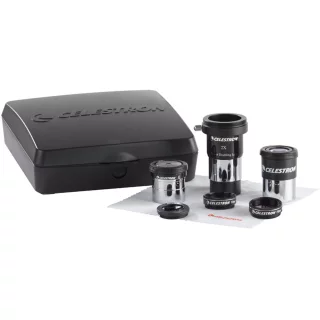
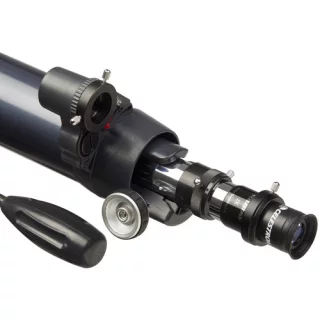
Celestron 8-piece filter and eyepiece kit for Celestron AstroMaster series telescopes and other 1.25" mount devices. Includes 2 barlow lenses, two eyepieces and filters.

Delivery stock (In stock 2 pcs)
Shipping cost

30-Day Free Return
Compatible accessories
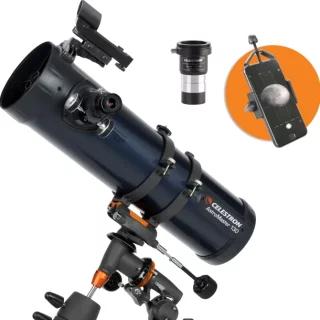
Celestron Astromaster 130EQ astronomical telescope
Shipping 4 - 6 business days
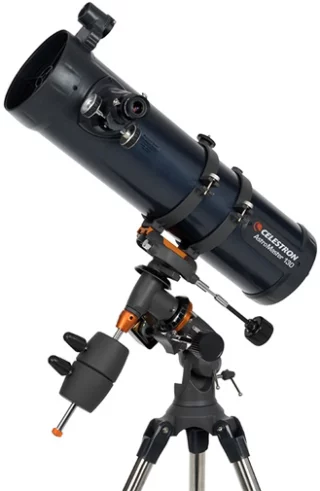
Celestron Astromaster 130EQ MotorDrive astronomical telescope
Shipping 4 - 6 business days
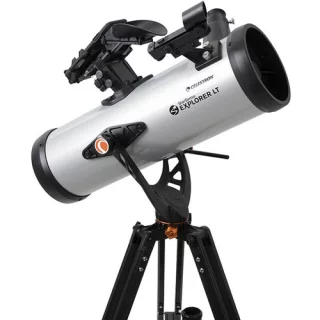
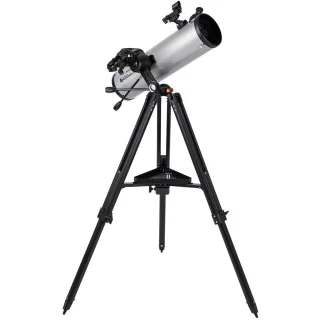
Celestron StarSense Explorer DX 130AZ star telescope
Delivery stock
Celestron Astromaster Accessory Kit for telescope
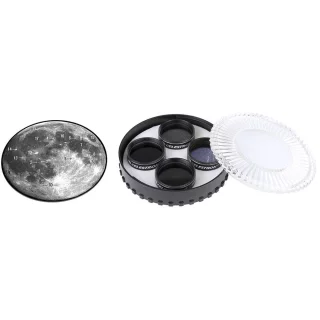
A comprehensive accessory kit for the telescope user. The accessories come in a protective hard carrying case.
There is also a Celestron Observers kit. The biggest difference between these sets is the 17mm Plossi eyepiece that comes with the Observers kit.
The bag contains the following products:
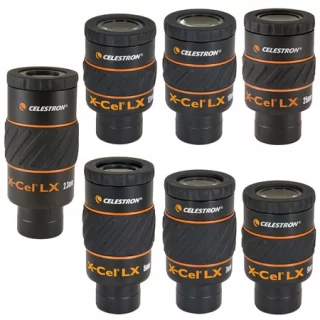
- 15 mm Kellner eyepiece - 1.25'
- 6 mm Plossl eyepiece - 1.25'
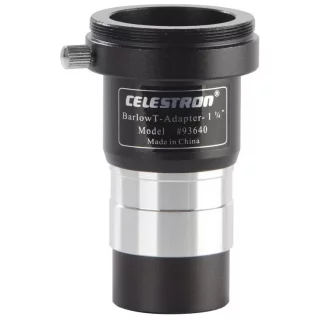
- 2x Barlow lens with thread - 1.25'
- #80A Blue filter - 1.25'
- #25 Red filter - 1.25'
- Moon filter - 1.25'
- Microfiber cloth
Eyepieces
The 15mm and 6mm eyepieces can be used with all 1.25 inch focusing telescopes. The 15mm Kellner eyepiece provides a comfortable mid-range magnification for most telescopes, while the 6mm Plossl eyepiece offers a higher magnification that, under the right conditions, allows you to see the Moon and planets with excellent clarity. The eyepiece lens surfaces are multi-coated for good image quality.
2x Barlow lens
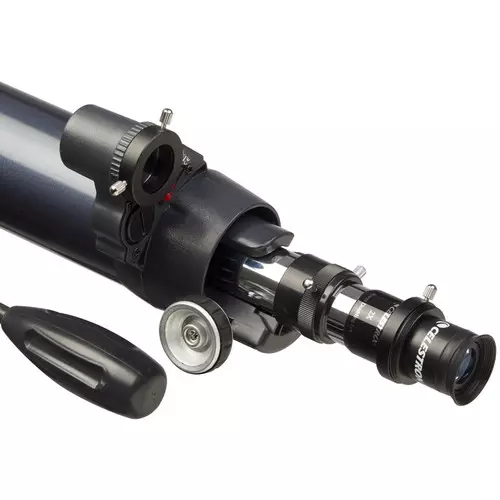
Add a Barlow lens between the eyepiece and the telescope to double the magnification of any 1.25' eyepiece. This means that the 15mm Kellner eyepiece included in this package doubles in power, making it equivalent to a 7.5mm eyepiece, and a 6mm eyepiece will give you the same magnification as a 3mm eyepiece.
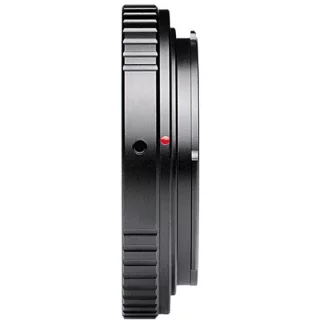
Any other 1.25 eyepiece works on the same principle, so there are many possibilities. However, remember that high magnification does not always produce a sharp and clear image, especially in bad weather. Test and experiment to find the best settings for you and your telescope. The Barlow lens has threads that can also be attached to a SLR camera. You will need a camera-specific T2 adapter.
Filters
Colored filters can be used to highlight the surface features of a planet or its cloud formations. Both planetary filters, as well as the lunar filter, can be used with any 1.25 inch eyepiece with the correct filter thread, making them very versatile. Screw the filter onto your chosen eyepiece and slide it into the viewfinder.
#80A is a blue-toned filter that enhances contrast in places like Jupiter's cloud belts and Saturn's polar ice caps. It can also be used to improve contrast when viewing the Moon, provided that color distortion is not a problem.
#25 is a deep red filter and a good choice when you want to focus on the polar ice caps of Mars. The filter also works when viewing Jupiter. The red #25 filter filters quite a bit of light as it enters the telescope's optics, so it works best for bright objects in large aperture telescopes.
A lunar filter is often the first accessory an amateur astronomer buys, and for good reason! It helps to limit the light reflected by the Moon and make details more visible. It is also a good idea to view Venus with a lunar filter - it helps to see the phases of the planet better.
Other accessories:
Microfiber Cloth & Case: Keep the microfiber cloth in the AstroMaster Accessory Kit case so it is always available. The microfiber cloth will not leave marks or scratches on the eyepieces like paper can, and it can be reused. Be sure to blow or brush off any dust from the optics before wiping with the microfiber cloth.
The black plastic case is durable and padded on the inside. This way, the delicate contents of the case are exposed to as little damage as possible. Store your accessories in their own place when you're not using them, and they'll stay as good as new for a long time.
Featured
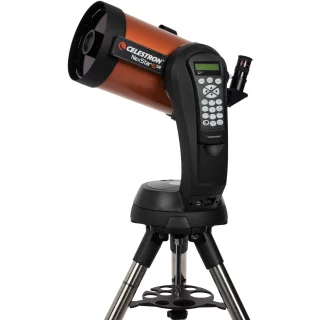
Celestron Astromaster 130EQ astronomical telescope
Shipping 4 - 6 business days
Check out this option as well
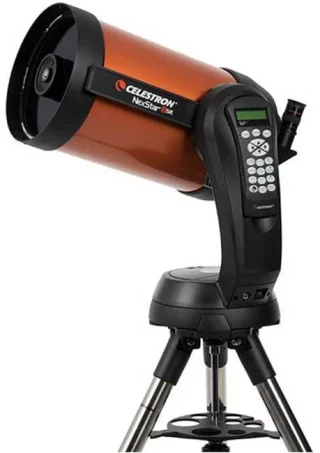
Celestron Astromaster 130EQ MotorDrive astronomical telescope
Shipping 4 - 6 business days
Check out this option as well
Discount
Celestron StarSense Explorer 150mm Tabletop Dobsonian star telescope
Shipping 4 - 6 business days
Often watched together
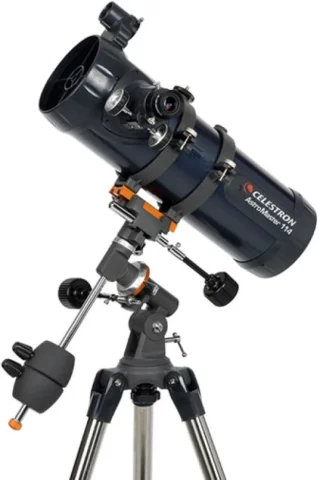
Celestron Astromaster 114EQ telescope with tracking motor
Delivery stock
Check out this option as well
Summary of reviews
04.03.2025
Eino S.
Hiukan parempi kuin putken mukana tulevat okulaarit, filtterit toimii hyvin. Astekulma on vain liian kapea eli sopii kohteen etsimiseen ja vaihtaa paremmat sen jälkeen kaukoputkeen
Read more
15.10.2024
Antti S.
Nämä okuläärit tarjosivat minulle hyvät näkymät Saturnuksesta ja Jupiterista. Rasia jossa okuläärit ovat on käytetävyydeltään kehno.
Read more
19.06.2022
Risto J.
Siisti kevyt paketti ja osat omilla paikoillaan
Read more
Ask about product

Open during store hours
Mon-Fri 9-17 and Sat 10-14
Mon-Fri 9-17 and Sat 10-14
We respond to customer service messages within 24 hours
Porrassalmenkatu 21 50100 Mikkeli
INFO


Change cookies