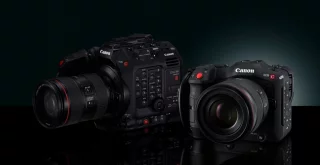
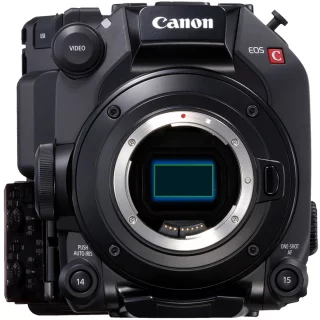
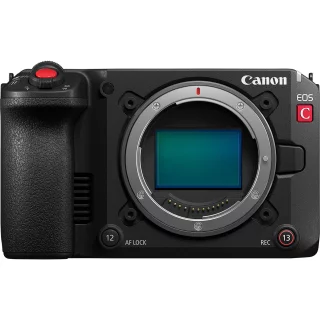
Canon EOS C70 Camcorder






Varmasti yhteensopivat tarvikkeet
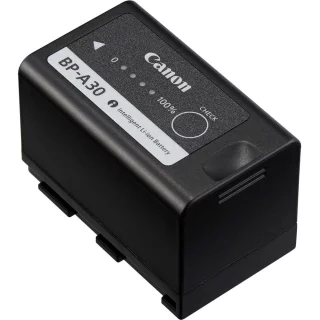
Canon BP-A30 battery
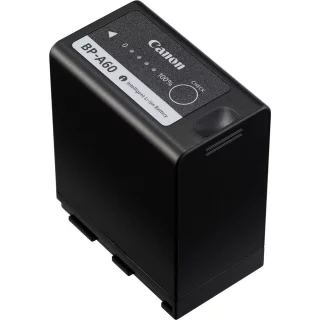
Canon BP-A60 battery
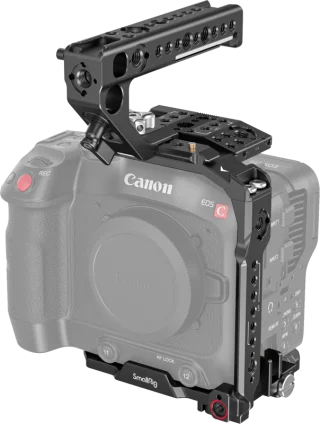
SmallRig 3899 Handheld Kit for Canon EOS C70
Canon EOS C70 film camera
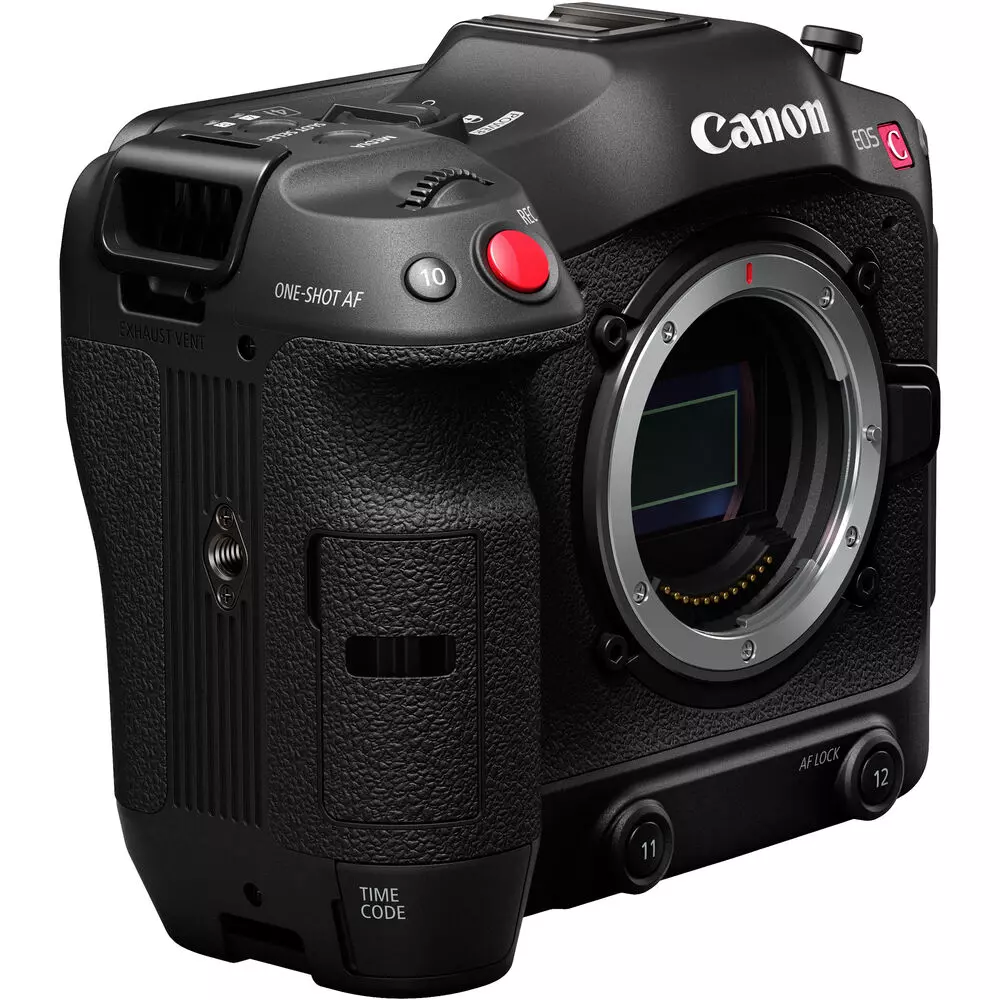
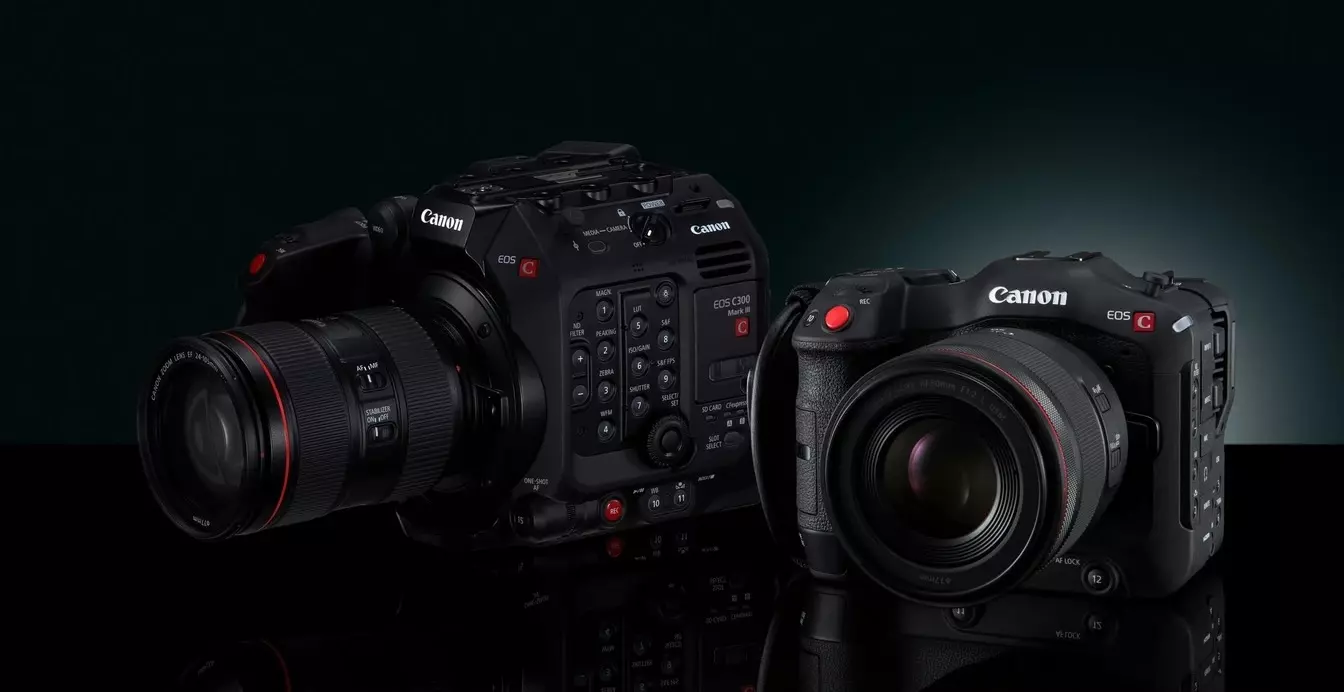
The Canon EOS C70 is like a mini Canon C300 Mark III, meaning it has production-grade reliability and features for demanding use in a small package! The cameras share the same sensor, image quality, battery type, advanced audio recording, and built-in ND filters. And yes, it's Netflix-approved!
- Super35 size sensor with Dual Gain Output technology
- Up to 16 aperture dynamic range
- DCI 4K 60P and UHD 4K 120P, 2K 180P slow motion videos
- Canon RF mount for lenses
- Active cooling with fan for professional thermal management, unlimited storage
- Digital image stabilization in video, no IBIS stabilizer
- Built-in ND filters and Auto ISO and gain
- Dual Pixel AF for fast autofocus with face and eye detection
- Wide range of codecs and 10bit internal recording,
- Cinema Raw Light internally to memory card
- Tiltable touchscreen, touch to adjust settings and control focus
- 2x SDXC UHS-II memory card slots: recording on both or hot swappable recording!
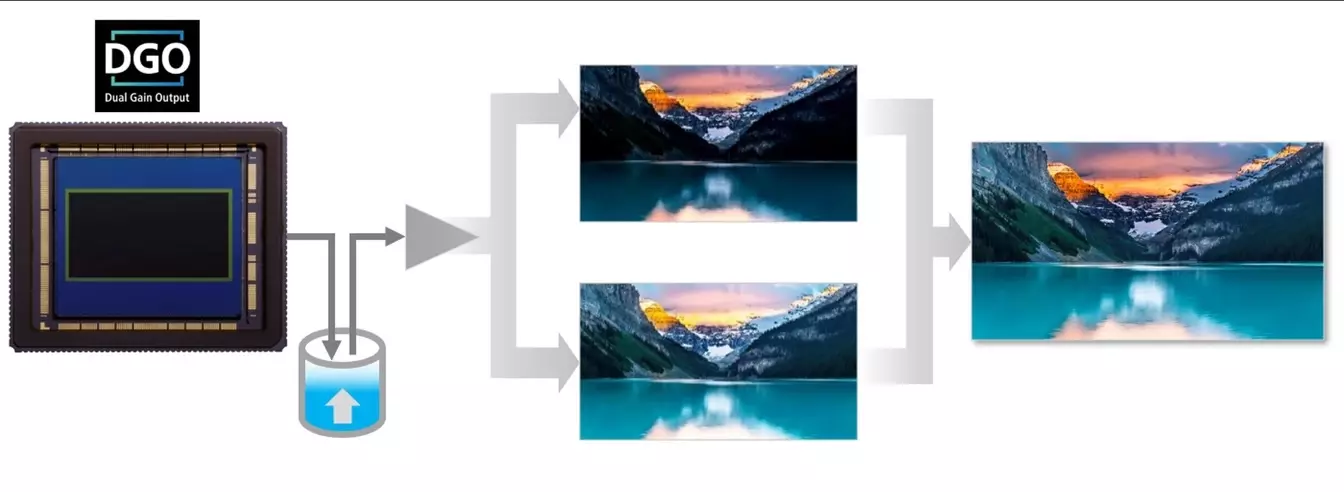
DGO cell technology

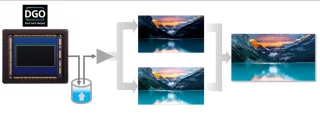
The Canon EOS C70 body sensor is Super35 size (i.e. pretty close to APS-C) and features Dual Gain Output technology. It is this DGO sensor technology that is the secret behind the incredible image quality. The C70 records up to 16+ stops of dynamic range, which is more than even the C500 Mark II film camera with a full-frame sensor, and will still be the absolute top-of-the-line in 2024.
The DGO sensor reads each pixel in the image at two different gain levels (high–low) and combines them into a single image. This means that the shadows are extracted without noise and the highlights are also given tonal and color information.
In the final image, the gain levels of the different pixels are combined, so details are sharp and dark areas are clear. The technology should not be confused with the Dual Iso implementations of some manufacturers, as this Dual gain works at all ISO values.
This wide recorded tonal range also naturally works well in HDR workflows. The EOS C70 supports Hybrid Log Gamma and PQ technologies. In addition, Canon Log 2 and Canon Log 3 wide tonal range recording are available. In addition, with the EOS Standard and EOS Neutral color profiles, you can finish an image similar to that of Canon's mirrorless systems if you combine these cameras in the same production.
Canon is known for its great color gamut and now offers warm and natural skin tones straight out of the can. It has built-in Cinema EOS color tables and you can also load 3D LUT files into the camera for preview and to streamline production.
Fast Dual Pixel AF autofocus
The new DGO sensor technology is fortunately compatible with Dual Pixel CMOS AF autofocus. This technology is familiar and very well proven from Canon's SLR cameras. In addition, the C70 supports the EOS iTR AF X word monster and is the first Cinema EOS camera to also include head detection, meaning focus is fast and the next focus responds quickly to movements, even when the face is away from the camera.
The Canon EOS C70 also includes Dual Pixel Focus Guide, meaning that when focusing manually or with manual focus lenses, the camera shows information whether the focus is in front of or behind the subject.
The camera doesn't have an in-camera stabilizer, but EIS electronic stabilization works surprisingly well in new cameras. The camera combines information from the RF bayonet about the lens and software stabilization effectively removes movement from the image. In 2K mode, the stabilization works by cropping the 4K image, working even more effectively.
Canon EOS C70 vs C300 Mark III
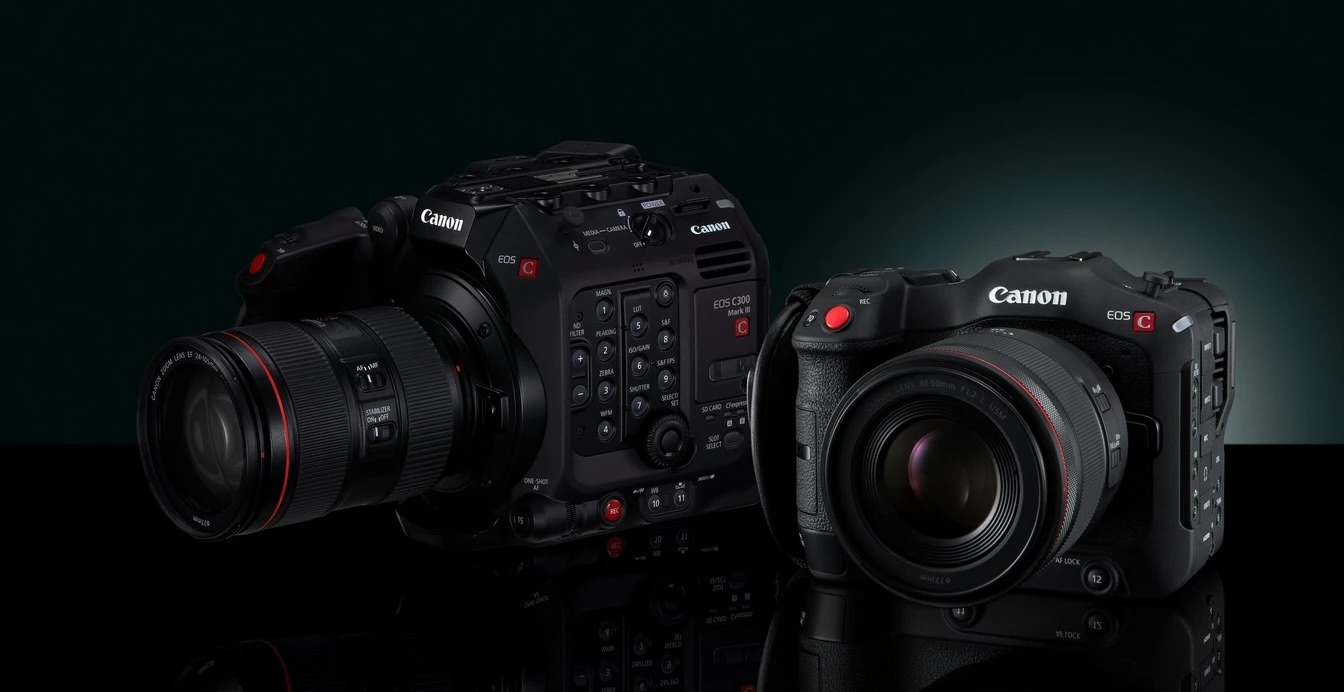
The same sensor and image quality mentioned earlier can make it difficult to choose between the C70 and C300 Mark. Here are a few differences. Although the image quality is the same in the C70 and C300 Mark cameras thanks to the sensor and technology, there are also differences in the cameras. Here are the most important ones!
C300 Mark III
- Modular larger structure, possibility of using EVF viewfinder
- EF or PL bayonet
- 2x CFExpress card slots
- Cinema RAW Light raw video recording
- XF-AVC 4:2:2 recording at 810Mbps bitrate
- No MP4 recording
- 2 full-size XLR connectors (and 2 more with extra handle)
- 12G-SDI connection
- Dual Pixel AF focusing, without C70-style deep learning face tracking
C70
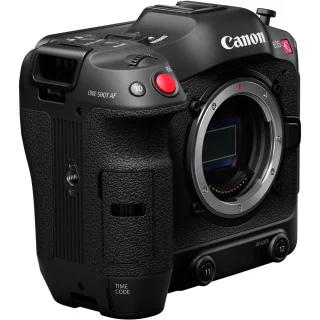
- Compact SLR-style body
- RF mount (and EF lenses with adapter)
- 2x SDXC UHS-II card slots
- Slightly cropped Cinema Raw Light (4K 30P ST, 60P LT and HQ Super16 with cropping), 550Mbps bitrate
- XF-AVC 4:2:2 recording with a max bitrate of 410 Mbps
- MP4, H.264 or H.265 recording, also 4:2:0 with 8bit color
- Mini XLR connectors, also 3.5mm and internal microphone (total of 4 channels)
- NO SDI connection
- Dual Pixel AF with advanced face detection
Easy-to-use film camera & good connections
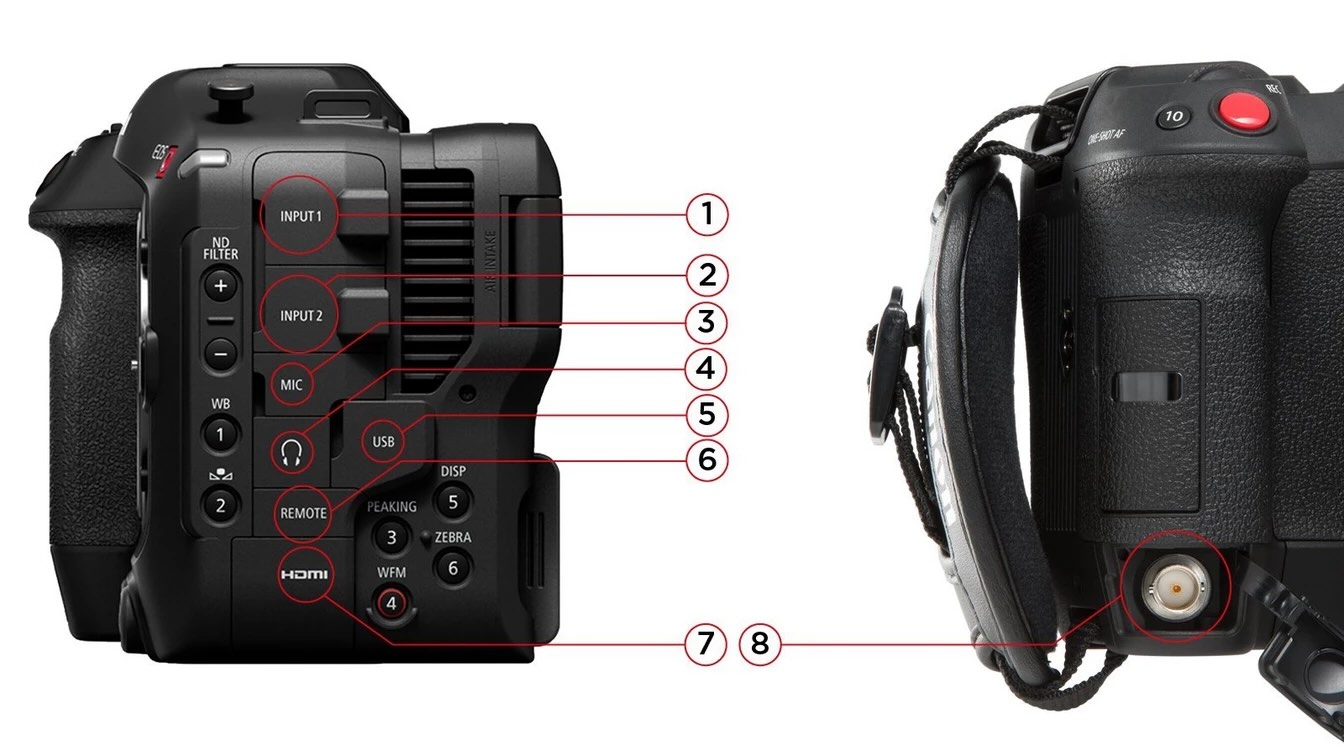
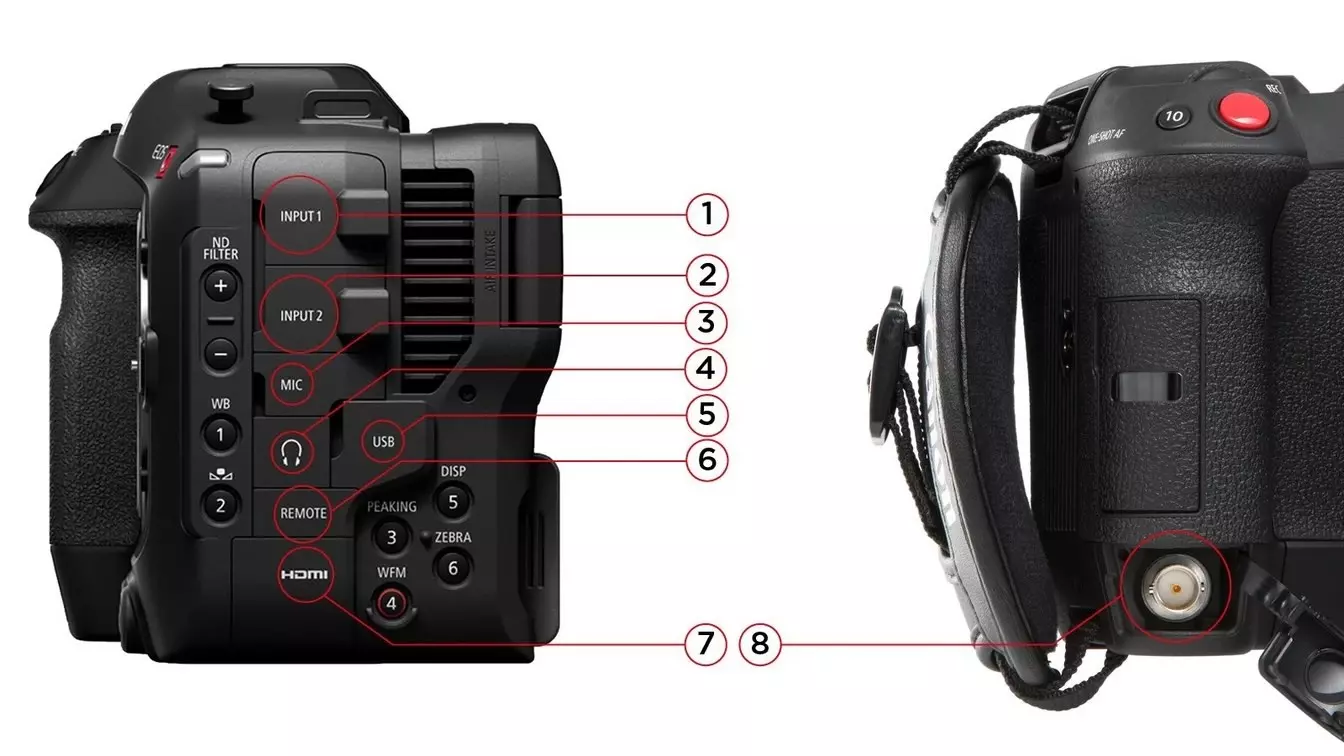
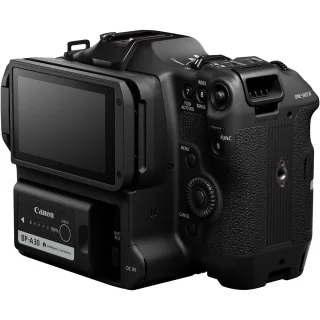
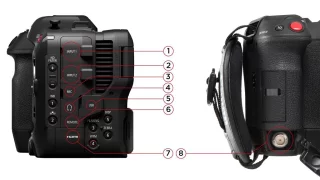
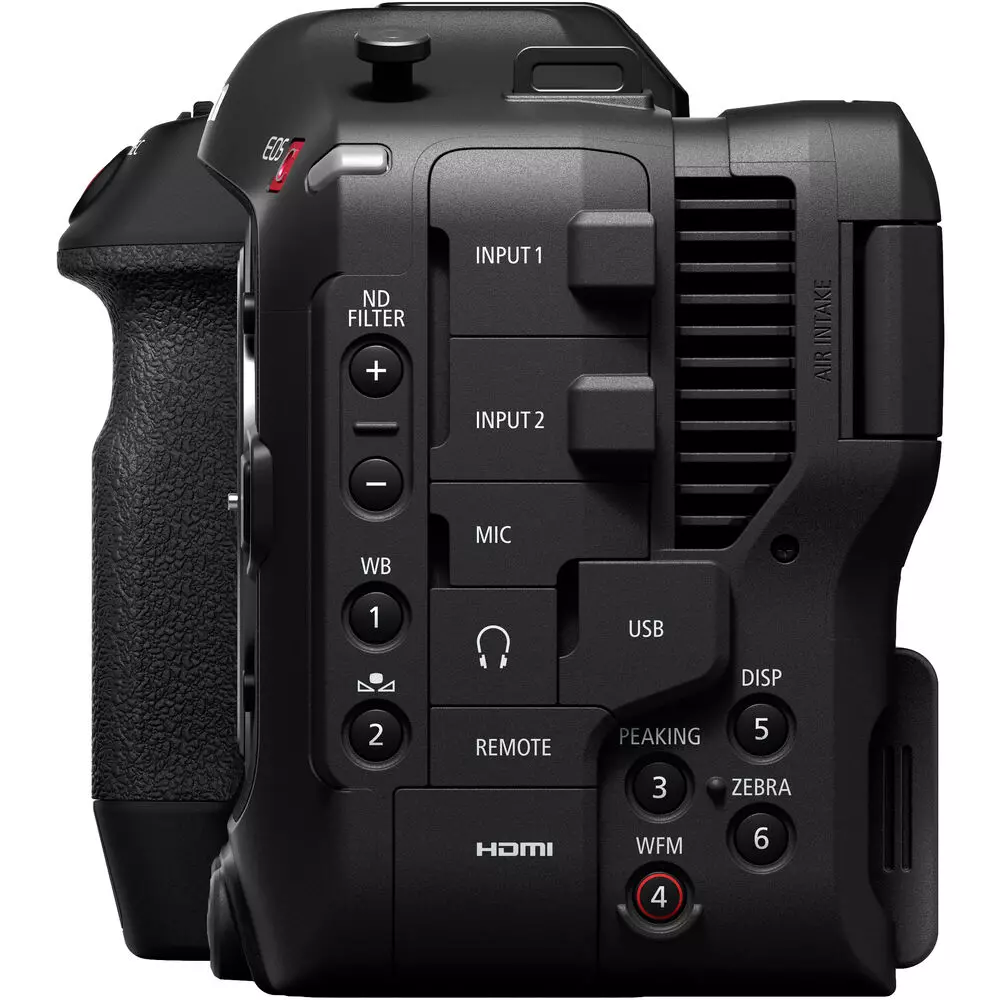
Comprehensive connections: 1 and 2. Mini-XLR, 3. Microphone jack, 4. Headphone jack, 5. USB-C, 6. Remote release jack, 7. HDMI Type-A jack, 8. BNC timecode. The image also shows the ND filter adjustments and several customizable buttons.
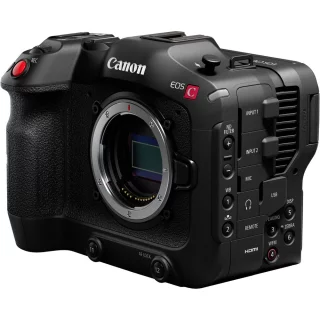
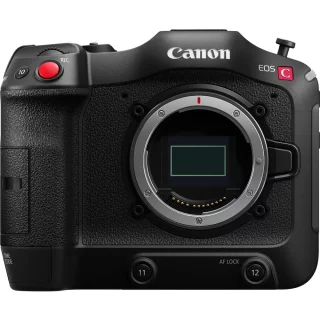
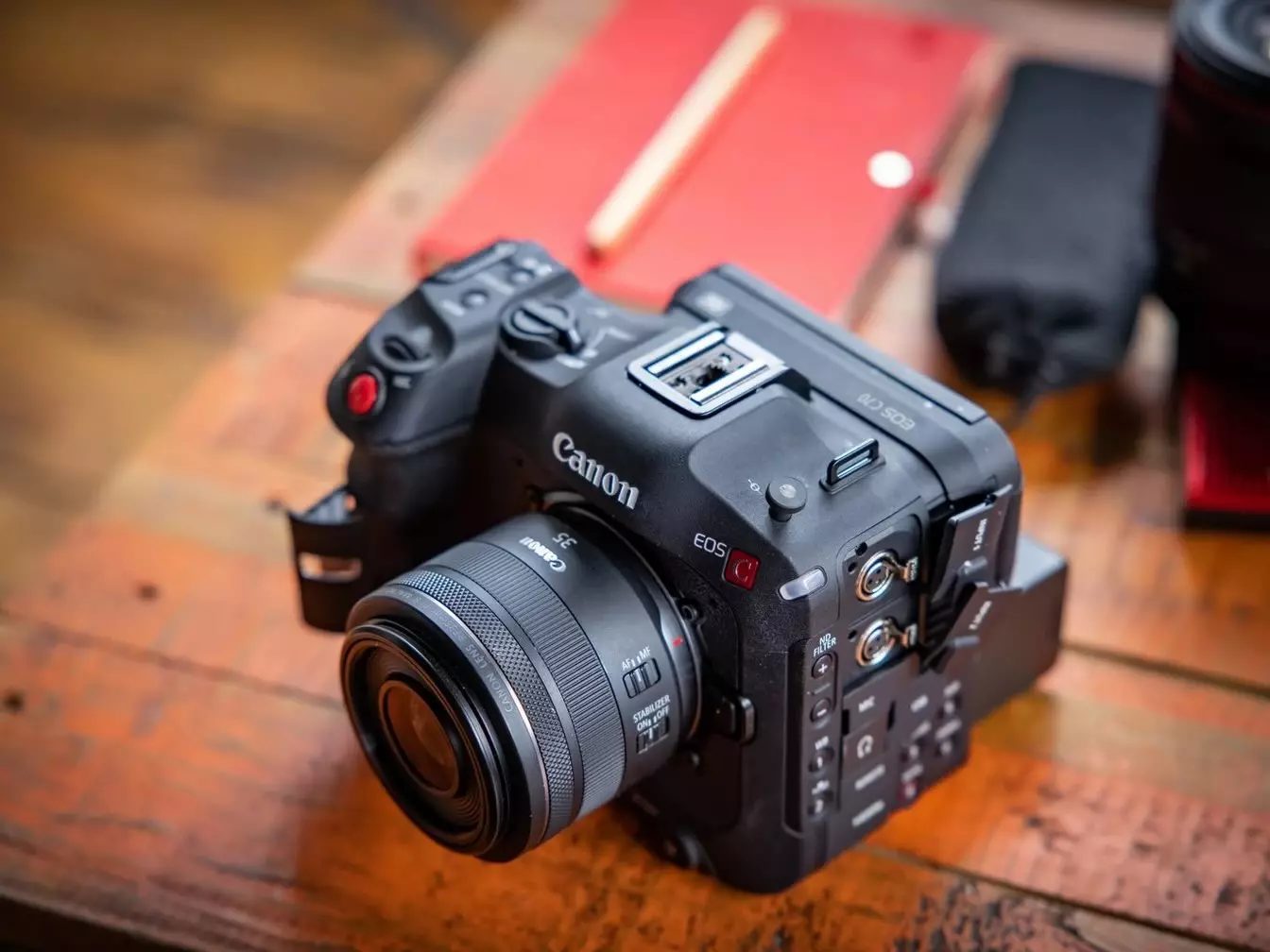
Compared to basic cameras, the EOS C70 is large, but compared to Canon's Cinema cameras, it is very small. The usability of the camera is well-honed and thought out to the last detail, starting with the abundant mounting points and their location. There are many programmable buttons and they are cleverly placed around the body.
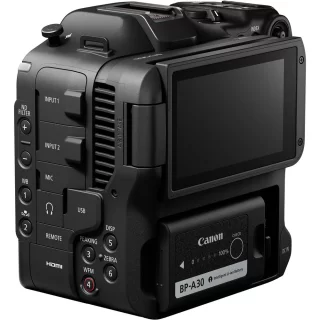
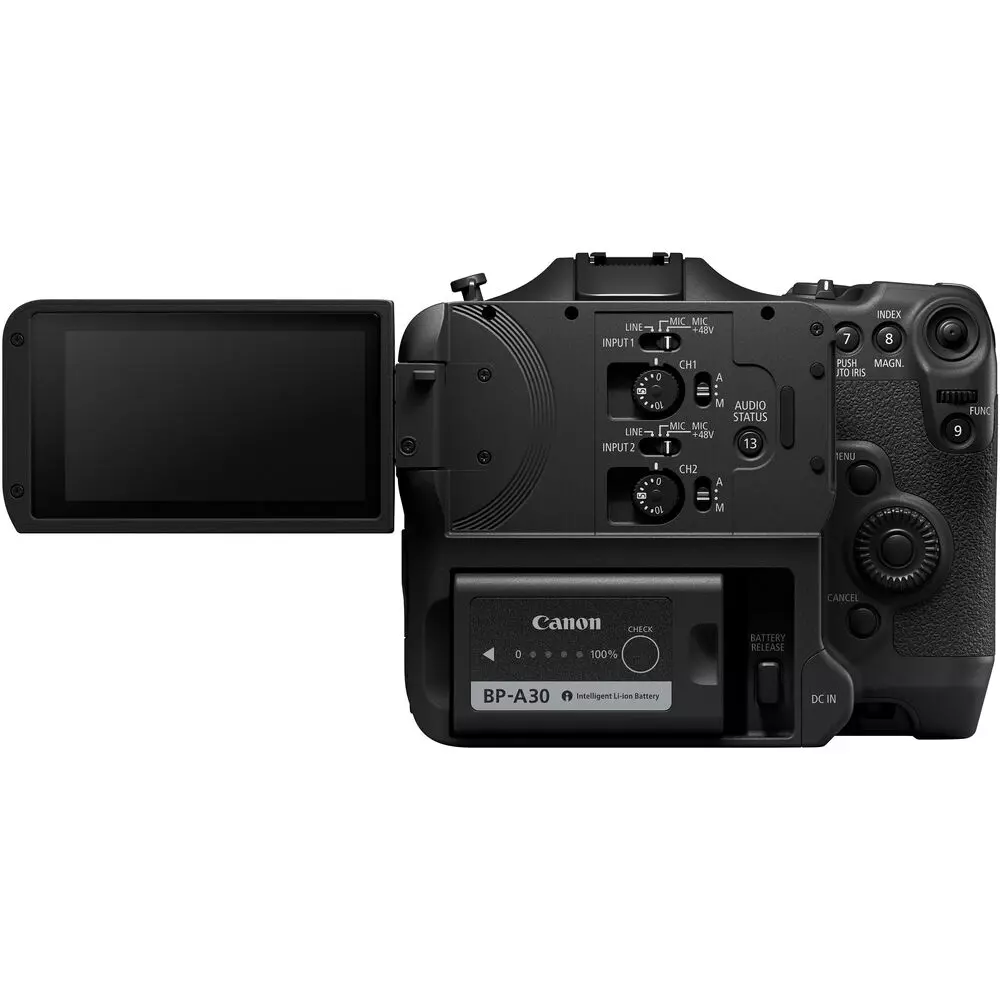
The audio controls are located on the back of the camera behind the rotating touchscreen. And the Canon EOS C70 includes a full-fledged audio system, with four 24bit channels and two Mini XLR inputs with Phantom power.
The index finger and thumb adjustment rollers and the Joystick controller are borrowed from system cameras. But the shape of the camera itself is clearly larger than the basic camera, and one reason for this is the active cooling and the clearly larger battery type.
The Canon EOS C70 is also great for mobile shooting, with Auto ISO and Gain available for the first time. This, combined with a built-in ND filter of 2-10 aperture values, allows for almost seamless transitions between different shooting situations, for example in documentary projects.
The storage media is two SDXC memory cards, meaning you can record material to two cards at the same time or switch between cards to create unattended recording. In addition, you can record to one of the two cards with different settings, for example, a proxy for quick viewing and a higher quality file to the other card.
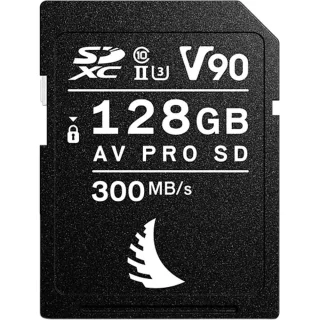
V90 speed class is needed especially for slow-motion videos, but most of the codecs in use also work with V60 speed class cards, meaning the storage media is very cost-effective.
The weather protection is in order and the frame is designed for heavy-duty professional use.
Specifications:
- Compatibility: Canon RF lenses
- Netflix approved
- Sensor: Super 35 (APS-C) CMOS, 9.6 megapixels
- Built-in 2, 4, 6 and 10 stop ND filters
- Dual Gain Output: Over 16 stops of dynamic range
- Image stabilization: digital only
- 3.5' touchscreen, 2.76M dots
- Two SD UHS-II memory card slots
- Audio Recording: 4-Channel 24-Bit 48 kHz LPCM Audio, 2 x Mini XLR Mic/Line (+48 V Phantom Power) Inputs
- HDMI connection
- Timecode In/out connection, USB-C Control/Video Input/Output, 2.5 mm Sub-Mini (LANC) Control
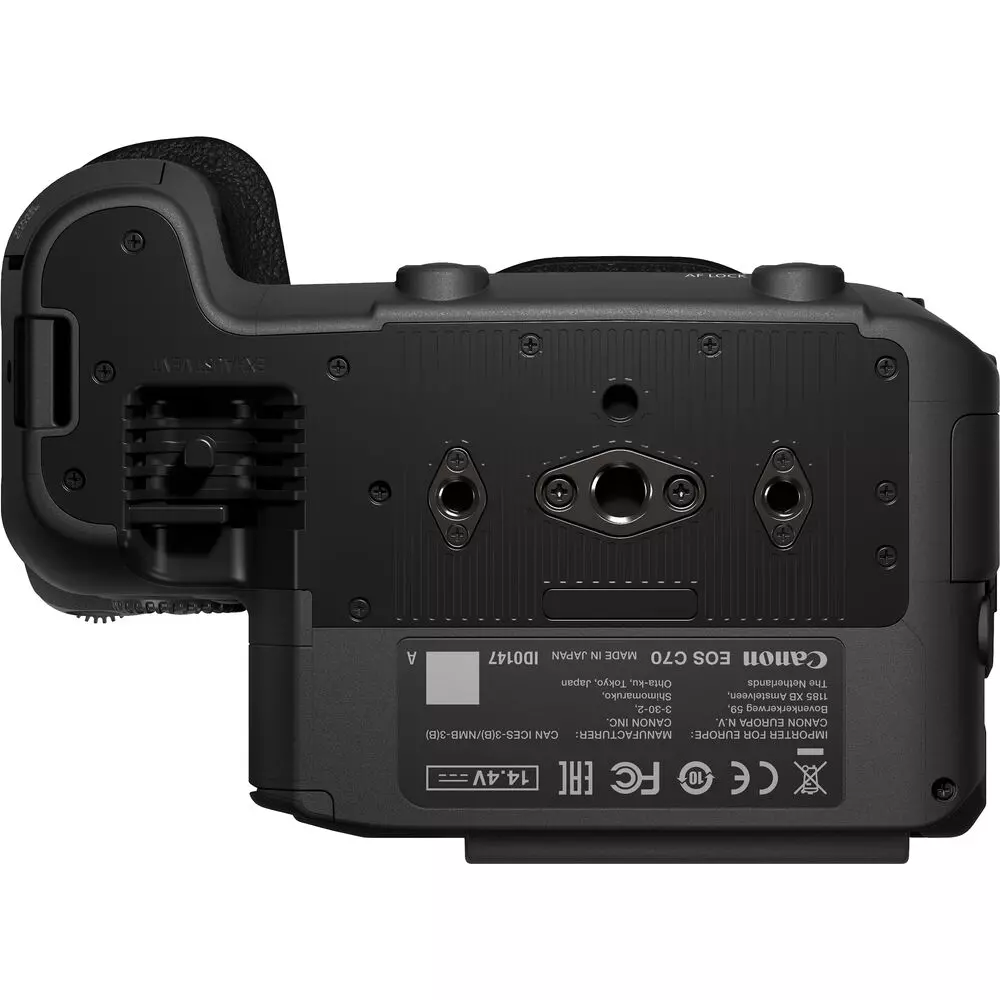
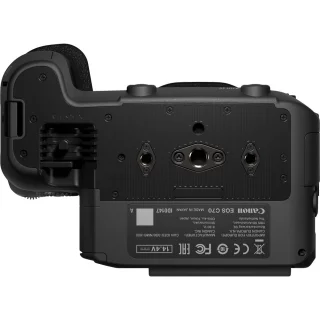
- Multiple tripod mounts, 2x 1/4' and 3/8' at the bottom and 1/4' on the side
- Size: 130.2 x 160 x 115.9mm
- Weight: 1.34kg (without battery 1.17kg)
- Canon EOS C70 body
- Handle
- Microphone holder
- Microphone holder adapter
- Battery BP-A30
- Battery charger CG-A20
- AC adapter CA-CP200L
- Shoulder strap
- Body cover
- Measuring hook

Osta myös
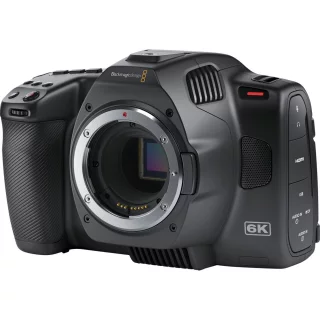
Blackmagic Pocket Cinema Camera 6K G2 video camera
Arvostelujen yhteenveto
Kysy tuotteesta

ma-pe 9-17 ja la 10-14