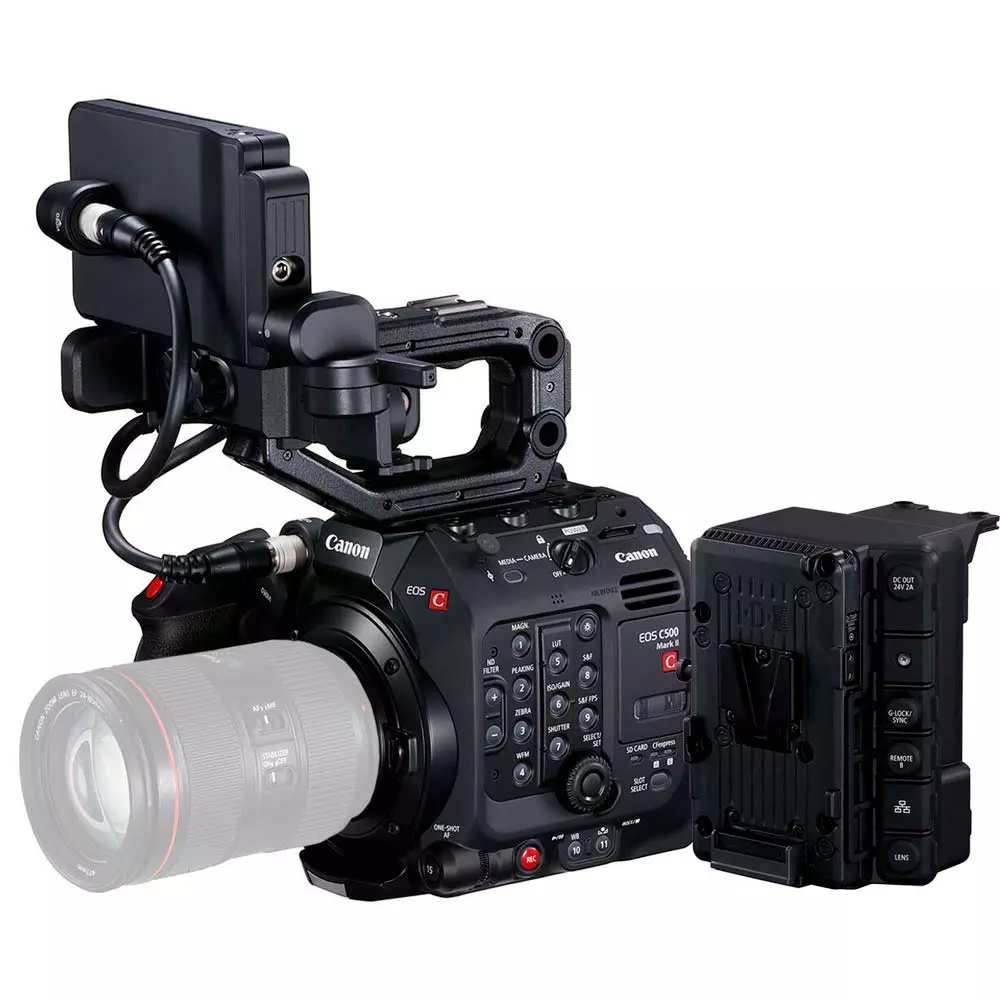
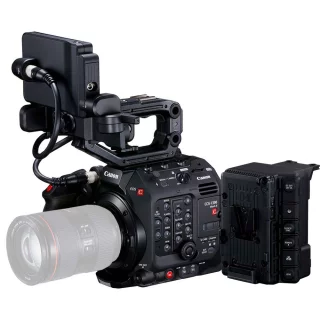
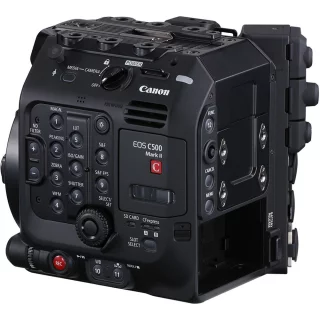
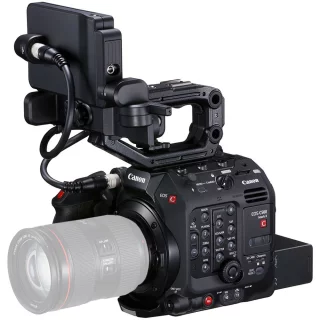
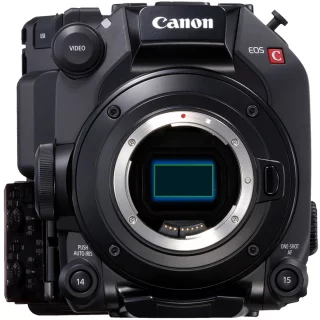
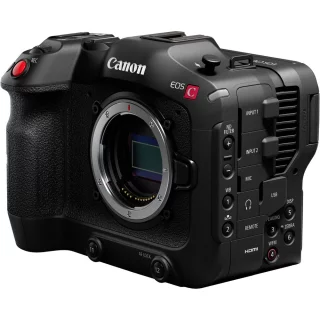
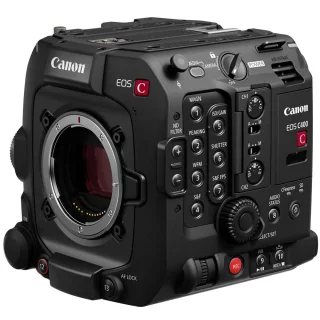
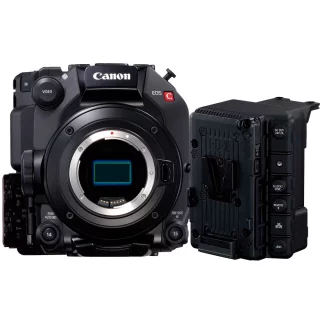
Canon EOS C500 Mark II Film Camera + EU-V2 Expansion Unit




Varmasti yhteensopivat tarvikkeet
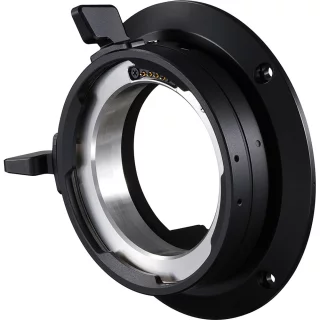
Canon PM-V1 PL Mount Kit
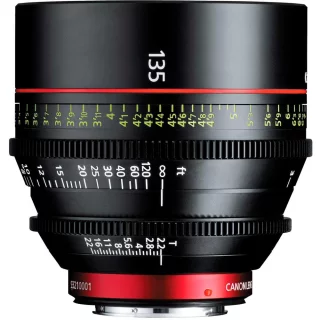
Canon CN-E 135mm T2.2 LF Cinema Prime
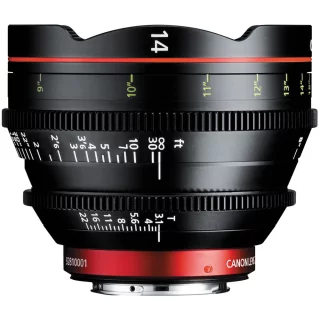
Canon CN-E 14mm T3.1 LF Cinema Prime - lens
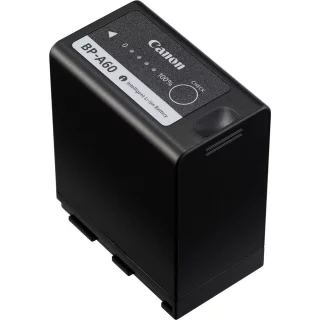
Canon BP-A60 battery
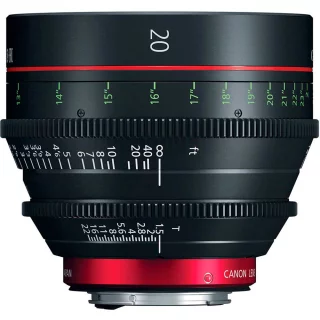
Canon CN-E 20mm T1.5 LF Cinema Prime lens
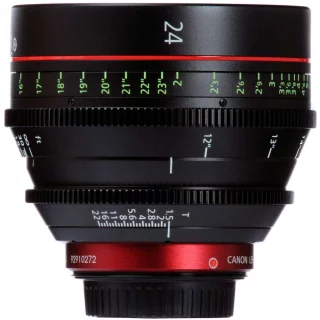
Canon CN-E 24mm T1.5 LF Cinema Prime -objectives
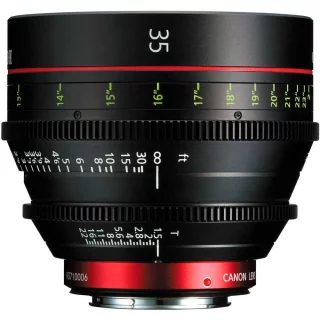
Canon CN-E 35mm T1.5 LF Cinema Prime -objektiivi
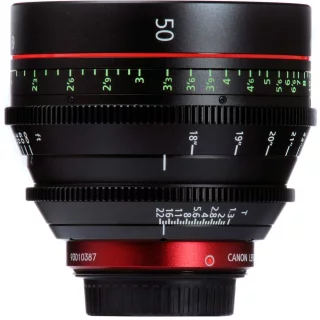
Canon CN-E 50mm T1.3 LF Cinema Prime Lens
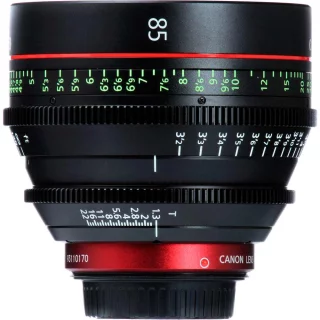
Canon CN-E 85mm T1.3 LF Cinema Prime Lens
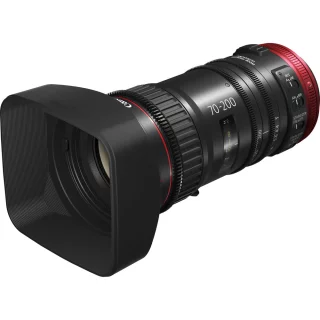
Canon Cine Compact Zoom CN-E 70-200mm T4.4 L IS KAS S
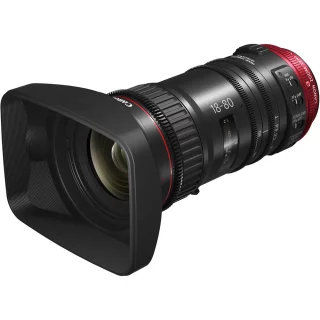
Canon Cine Compact Zoom CN-E 18-80mm T4.4L IS KAS S lens
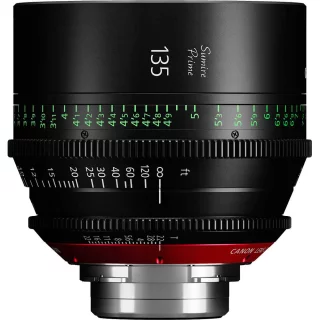
Canon Sumire CN-E 135mm T2.2 FP X (PL Mount)
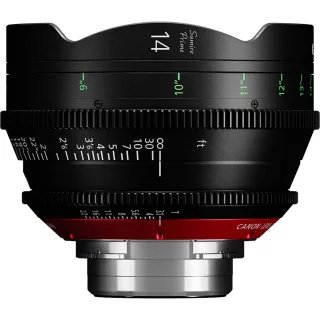
Canon Sumire CN-E 14mm T3.1 FP X (PL Mount)
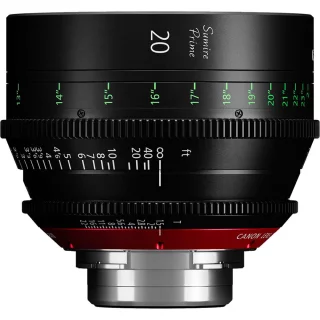
Canon Sumire CN-E 20mm T1.5 FP X (PL Mount) lens
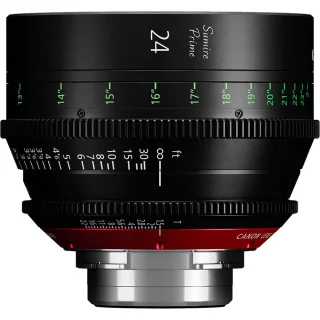
Canon Sumire CN-E 24mm T1.5 FP X (PL Mount)
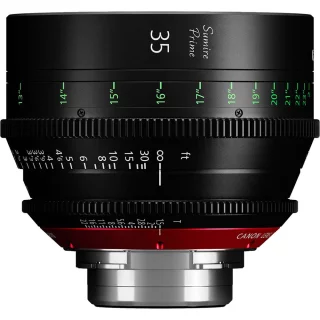
Canon Sumire CN-E 35mm T1.5 FP X (PL Mount)
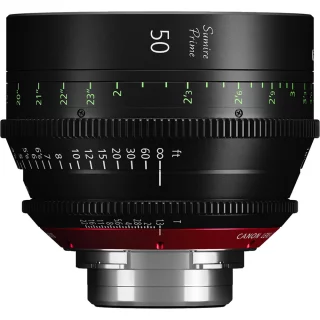
Canon Sumire CN-E 50mm T1.3 FP X (PL Mount) lens
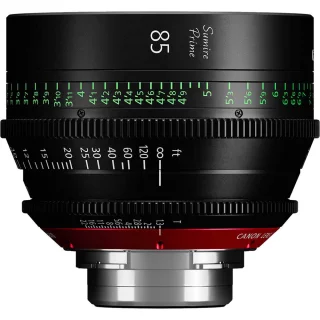
Canon Sumire CN-E 85mm T1.3 FP X (PL Mount) lens
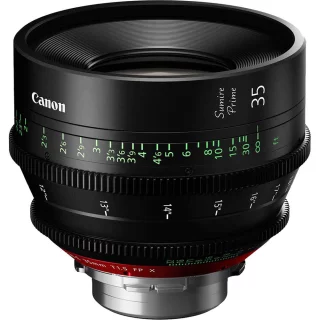
Canon Sumire CN-E FP X (PL Mount)
Canon EOS C500 Mark II Film Camera + EU-V2 Expansion Unit
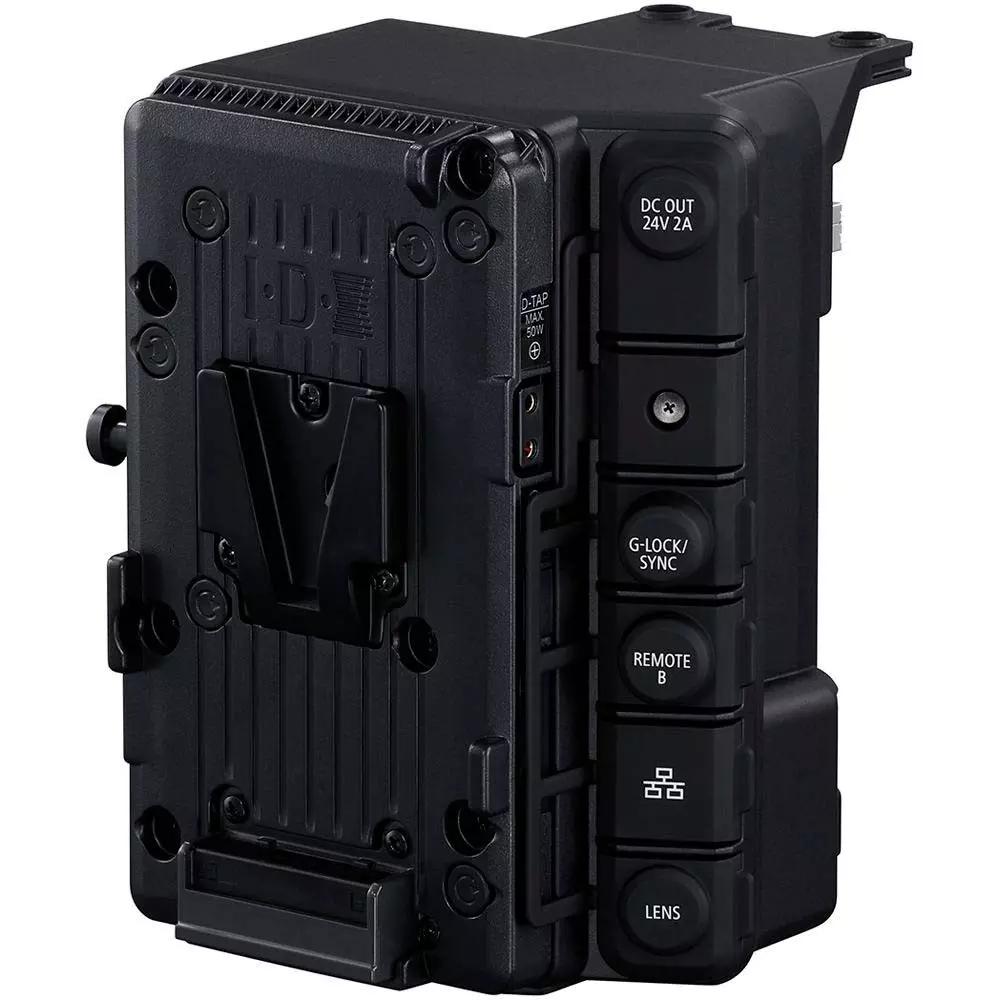
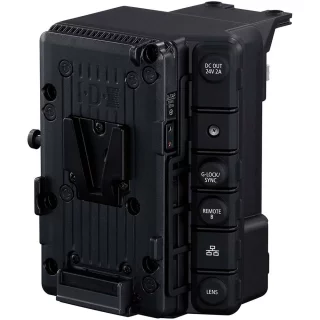
Includes Canon EU-V2 Expansion Unit
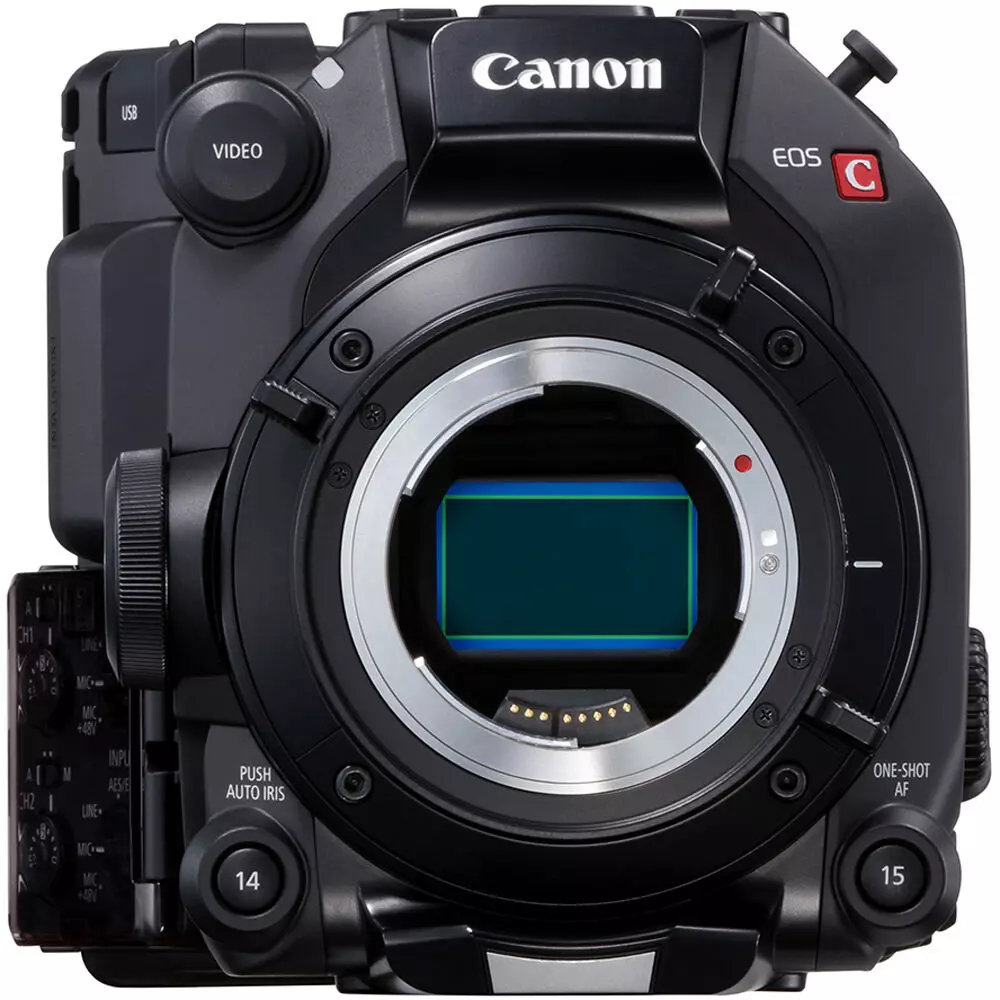
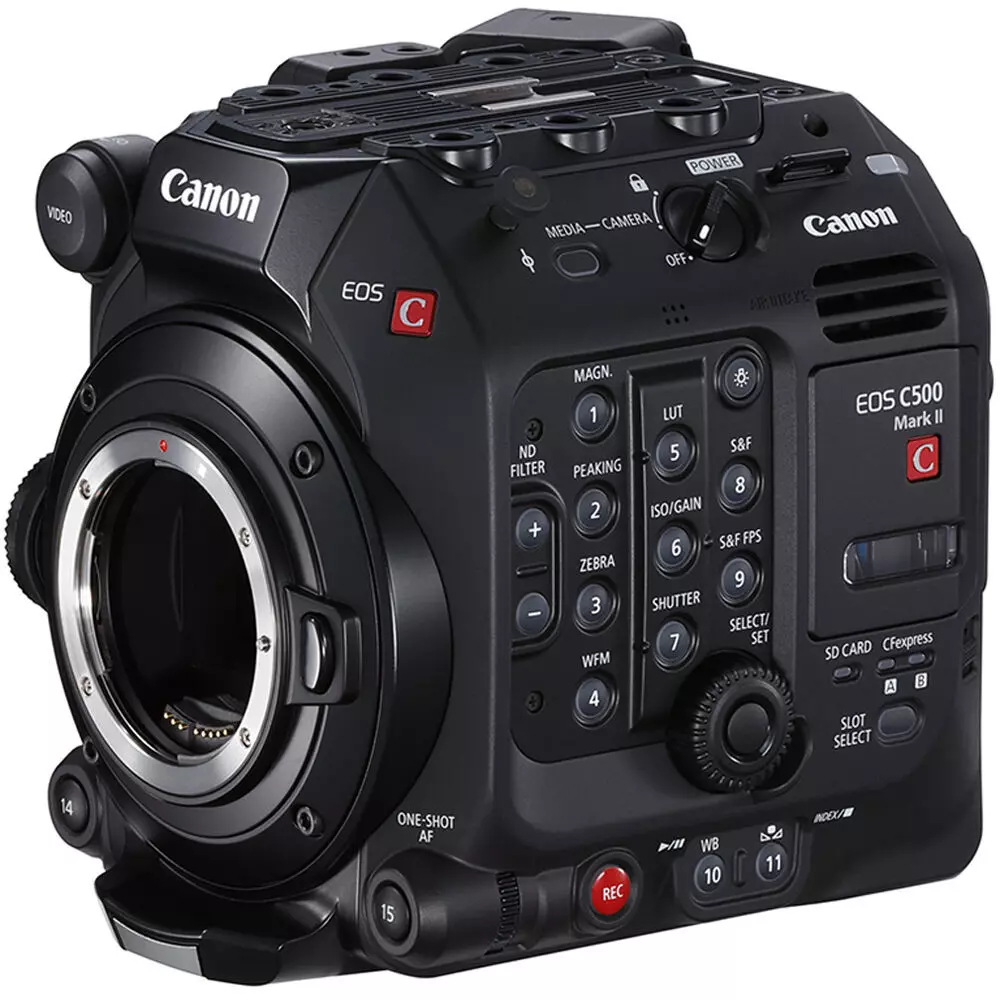
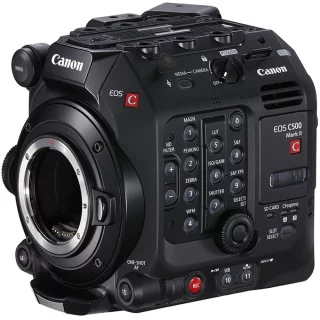
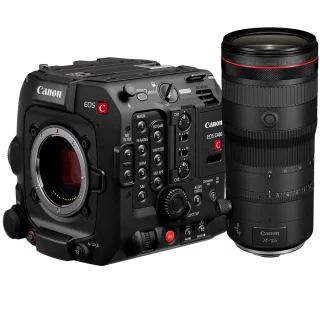
The Canon C500 Mark II is a professional film camera. The camera has a full-frame image sensor and can record video at up to 5.9K resolution. The mount is EF, meaning a large number of lenses can be used, and the user can also change this to a PL mount to use film lenses. The full-frame sensor gives previously only the photographic world the ability to control depth of field and a dynamic range of up to 15 stops.
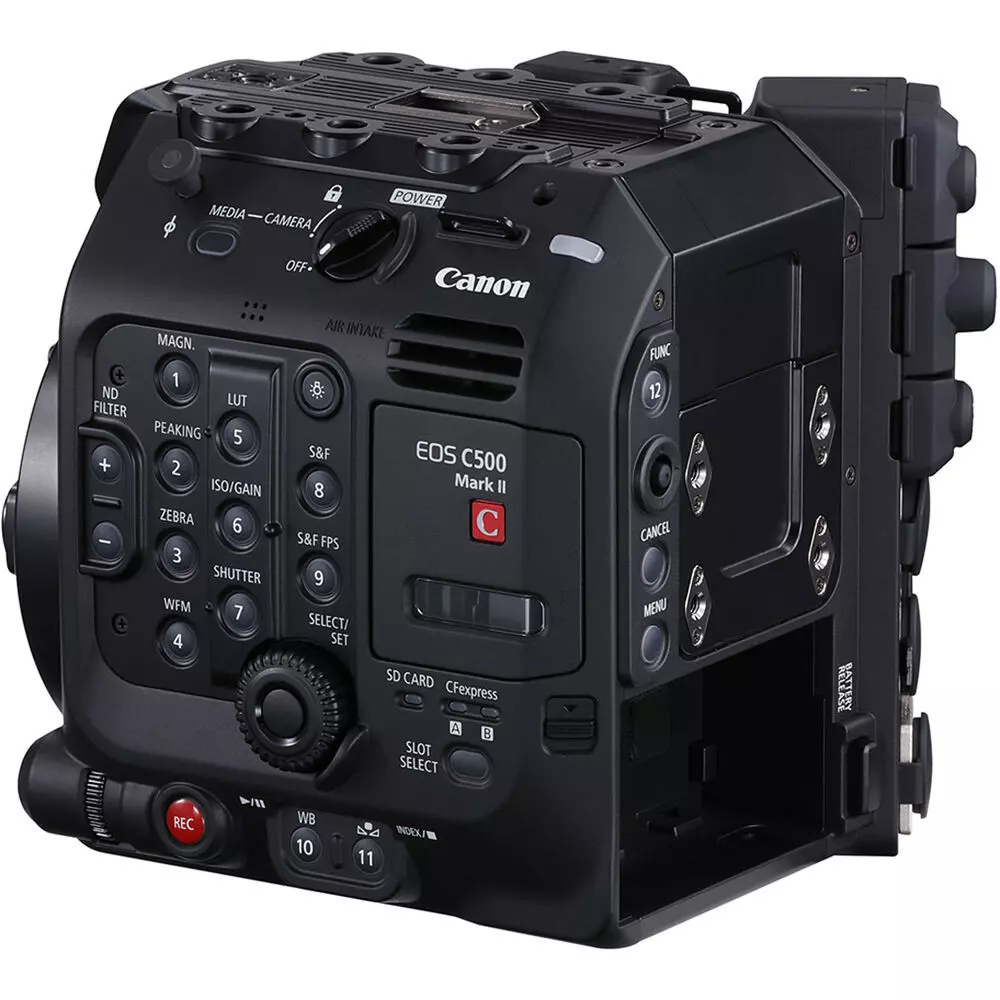
The body is modular, meaning the weight is only 1.7kg, but if needed, the camera can be equipped with a 4.3' touchscreen and a wide range of extra connections, for example for multi-camera productions.
- Full-size sensor
- Up to 15 aperture dynamic range
- 5.9K 60P Cinema RAW Light recording
- DCI 4K 60P and UHD 4K 60P, 2K 120P slow motion videos
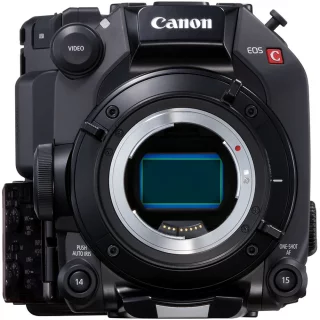
- Canon EF mount for lenses (also interchangeable with PL bayonet)
- Modular design, handles and display removable
- Digital image stabilization in video
- Built-in ND filters
- Dual Pixel AF for fast autofocus
- Cinema Raw Light and XF-AVC
- Large 4.3' touchscreen
- 2 CFExpress memory card slots: record to both or a different file size to the second card
The Canon EOS C500 II oversamples a 4K image from 5.9K data, meaning the final image file is more detailed and contains less noise. The smaller Dual Gain Output sensors in the Canon C300 III and C70 models offer slightly better dynamics, but this big brother model makes up for the lack of raw resolution. And of course, there is a range of lenses available with shallow depth of field without excessive cropping.
However, the dynamic range is over 15 stops, which is more than enough for HDR productions.
Canon is also known for its good color range and now offers warm and natural skin tones straight out of the can. It has built-in Cinema EOS color tables and you can also load 3D LUT files into the camera for preview and to streamline production.
Fast Dual Pixel AF autofocus
Fortunately, the new DGO sensor technology is compatible with Dual Pixel CMOS AF autofocus. This technology is familiar and very well-proven from Canon's SLR cameras. Continuous focusing also works in 120P slow-motion videos.
The Canon C500 Mark II also includes Dual Pixel Focus Guide, meaning that when focusing manually or with manual focus lenses, the camera shows information whether the focus is in front of or behind the subject.
If necessary, reliable focus control can also be achieved directly from the 4.3' touchscreen. Focus speed and sensitivity can be adjusted according to your wishes.
The camera does not have an image stabilizer, but the EIS electronic stabilization works surprisingly well in new cameras. The camera recognizes the focal length of EF lenses directly, but with cinema and vintage lenses the focal length is marked via the menus. The stabilization limits the image to about 11% of the area. The electronic stabilization is the first of its kind in Cinema EOS cameras and works great, for example, the wobbling problems caused by the image stabilizer familiar from system cameras are gone.
Lightweight film camera & comprehensive connectivity
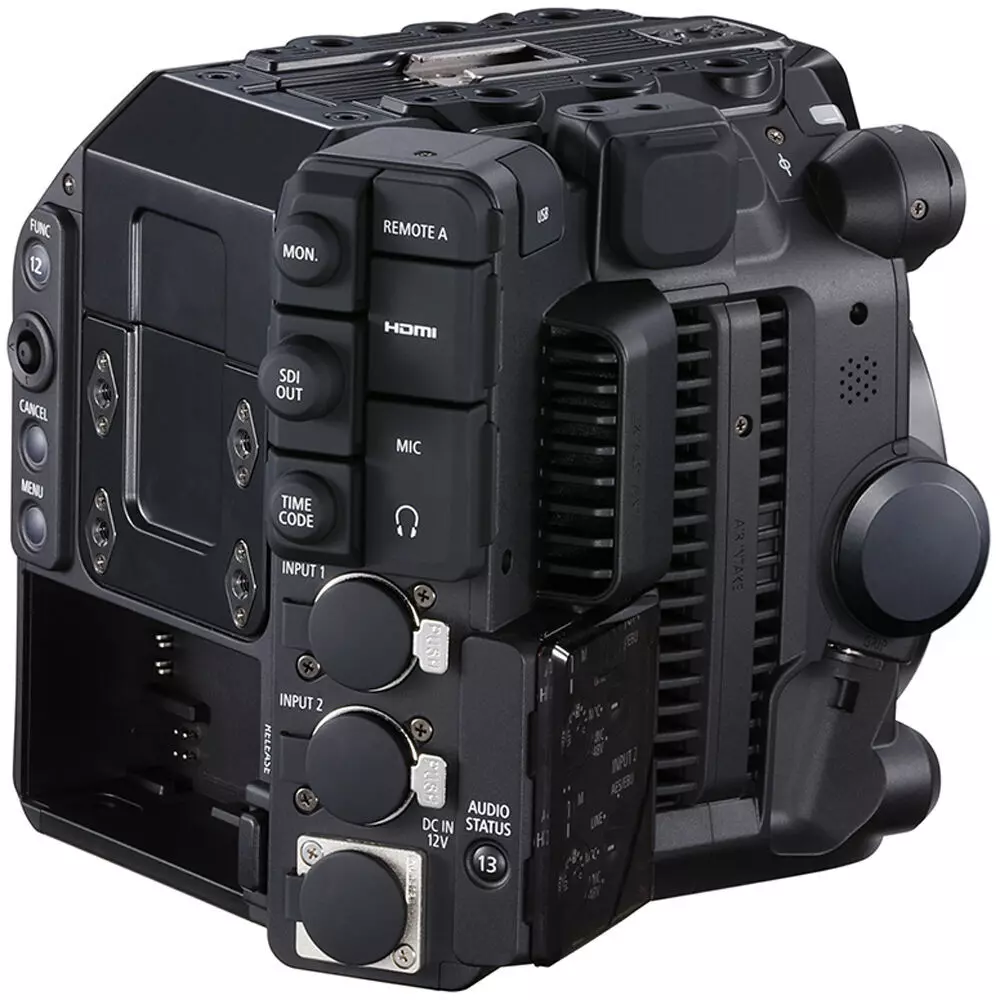
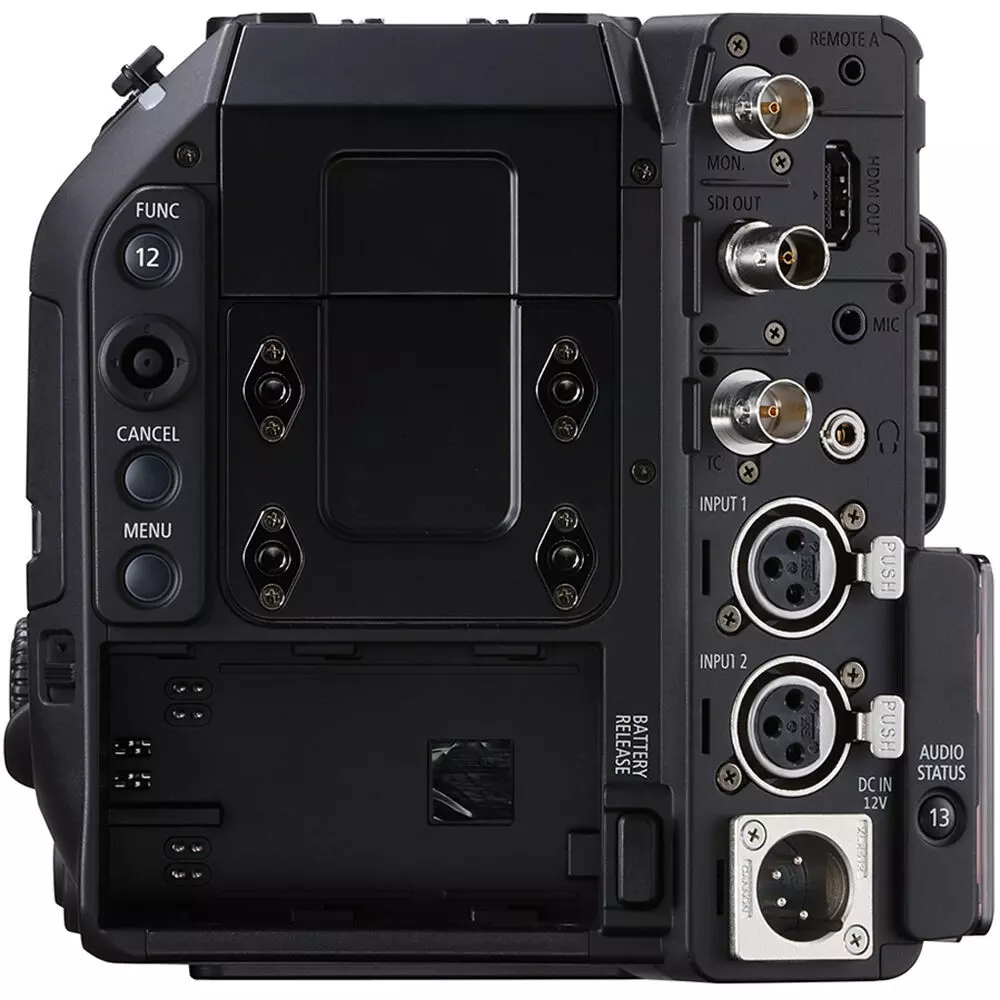
Like a production camera, the C300 Mark III has excellent connectivity, with audio recorded via an internal mic, a 3.5mm input, and two full-size XLR inputs, all with phantom power. Audio is recorded at 24bit 48KHz quality, and the controls are very versatile.
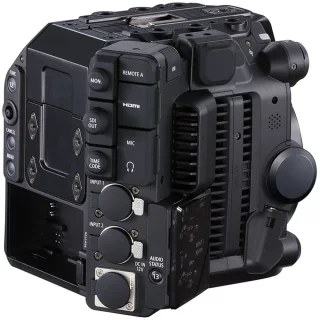
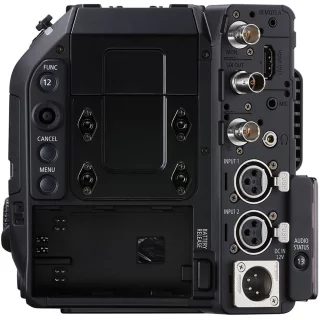
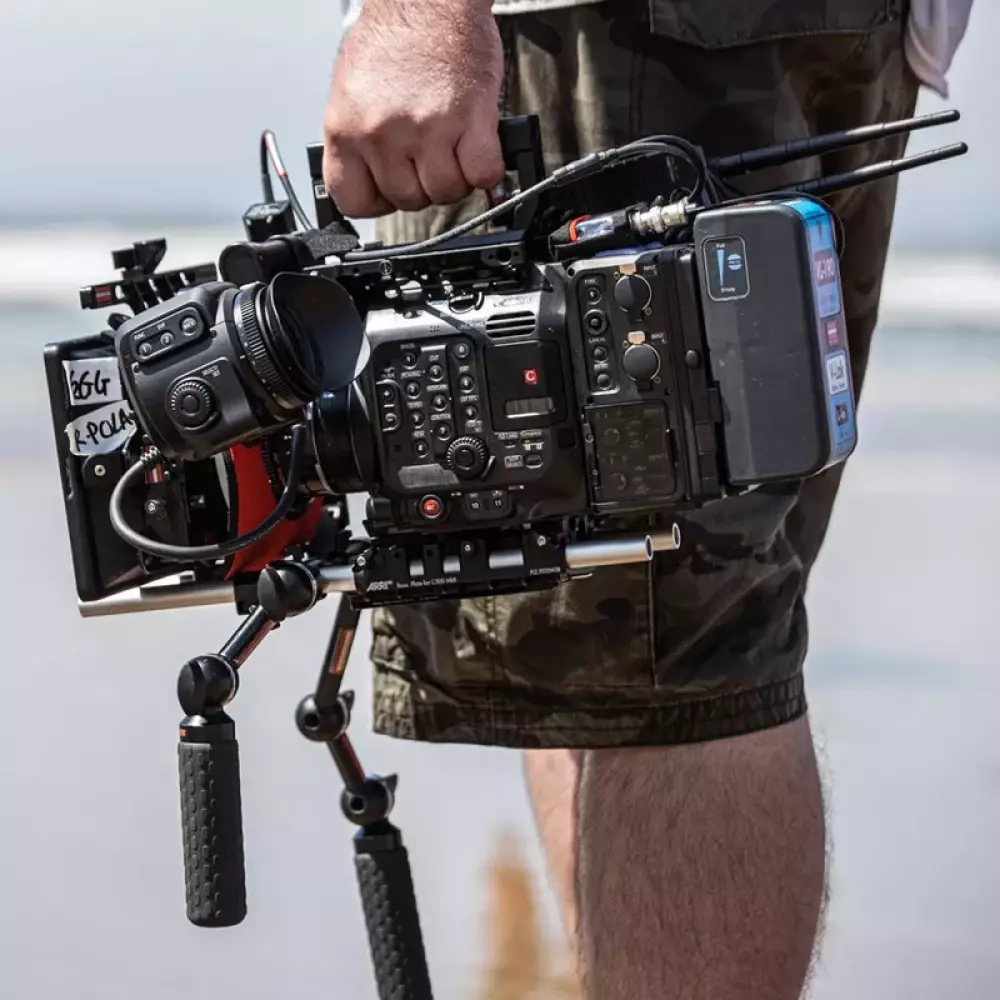
The Canon EOS C500 Mark II also includes a 12G-SDI connection. Expansion units are available as accessories, such as the EU-V2, which provides additional XLR connectors and a connection for V-lock batteries, or the EU-V3, which is suitable for multi-camera productions and includes recording and return signal connections.
For a film camera, the camera is quite light and thanks to its modular design, the body can be attached to vehicles or stabilizers, for example. At its lightest, it weighs just under 1.8 kilograms.
The storage media is two CFExpress memory cards, meaning that the material can be saved to two cards at the same time or can be saved with different settings, for example a proxy that ends up being viewed quickly and a higher quality file on the second card.
The Canon C500 II has an interchangeable bayonet mount, meaning you can use EF and PL-mount lenses, meaning you can use a huge number of very different EF lenses with the camera, such as Canon super telephoto lenses, but on the other hand, depending on the project, you can rent, for example, a PL-mount cinema lens set.
The frame is designed for heavy-duty professional use.
Specifications:
- Compatibility: Canon EF lenses (also interchangeable with PL-mount)
- Sensor: full-frame CMOS, 20.8 megapixels
- 5.9K recording
- Sensitivity: ISO 160-25600 (extented mode 100-102400)
- Built-in 2, 4, 6, 8 and 10 stop ND filters
- 15-stop dynamic range
- Image stabilization: digital
- Cinema RAW Light 10 and 12bit and XF-AVC 8bit and 10bit recording
- Canon Log 2, Canon Log 3, HDR-HLG, HDR PQ wide gamut shooting modes
- Two CFExpress Type B memory card slots
- Monitor: 4.3' 2.76MP detachable touchscreen
- Video connections: 12G-SDI, BNC and HDMI output
- Audio Connections: 4-Channel 24-Bit 48 kHz LPCM Audio, 2 x XLR Mic/Line (+48 V Phantom Power), 1x3.5mm input and 1x3.5mm headphone jack
- Timecode In/out connector, 2.5 mm Sub-Mini (LANC) Control
- 4.3' touchscreen, resolution 2.76 million dots
- Battery type: Canon BP-A
- Size: 153 x 148 x 168 mm
- Weight: 2.44kg (without handle, grip and monitor 1.75kg)
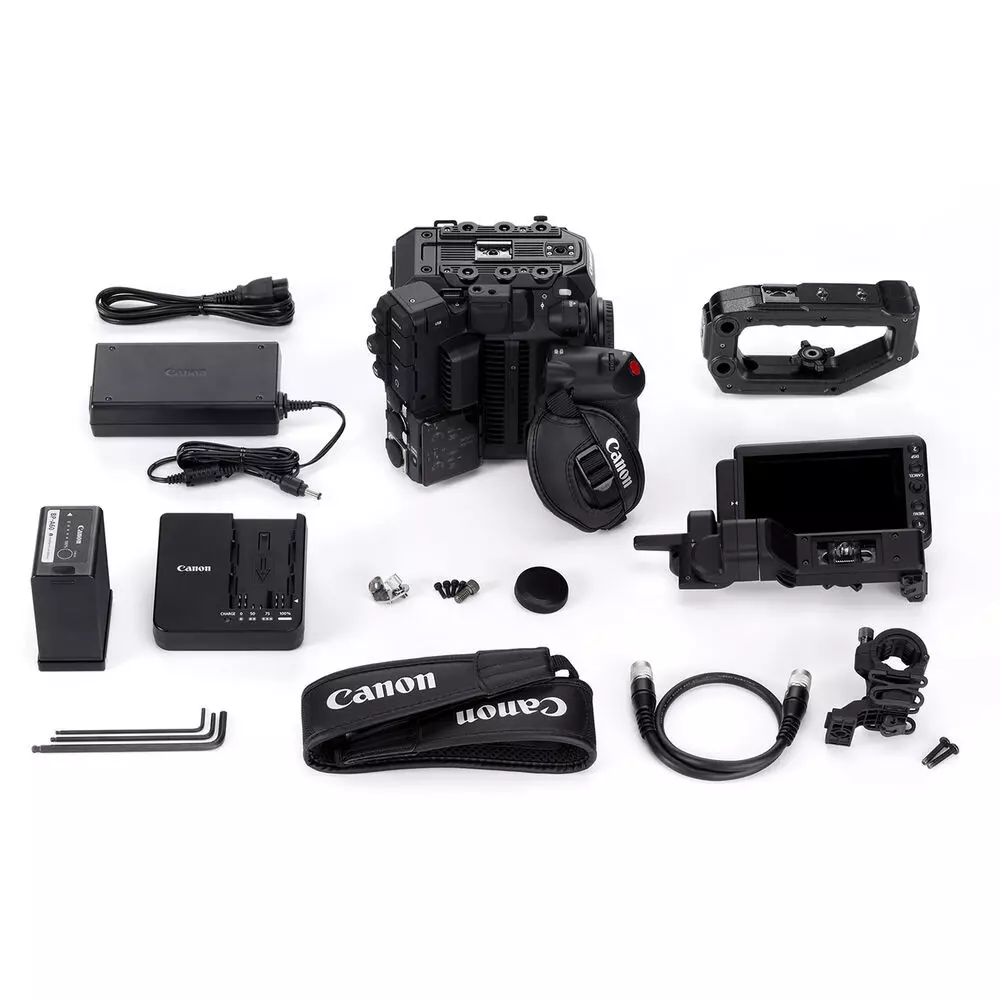
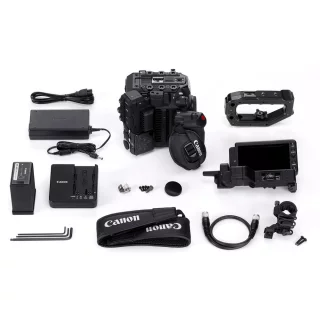
- Canon EOS C500 Mark II
- LCD monitor LM-V2
- LCD monitor mount LA-V2
- Device cable UN-5
- Camera Grip GR-V1
- Handle
- Microphone holder
- Battery BP-A60
- Battery charger CG-A20
- AC adapter CA-CP200B
- Power cord
- Shoulder strap SS-1200
- Expansion system clamp
- Thumb rest
- Body cover
- Allen keys and bolts
Osta myös
Canon EOS C300 Mark III video camera + EU-V2 Expansion Unit
Arvostelujen yhteenveto
Kysy tuotteesta

ma-pe 9-17 ja la 10-14