Sony RX10 Mark V - digicamera

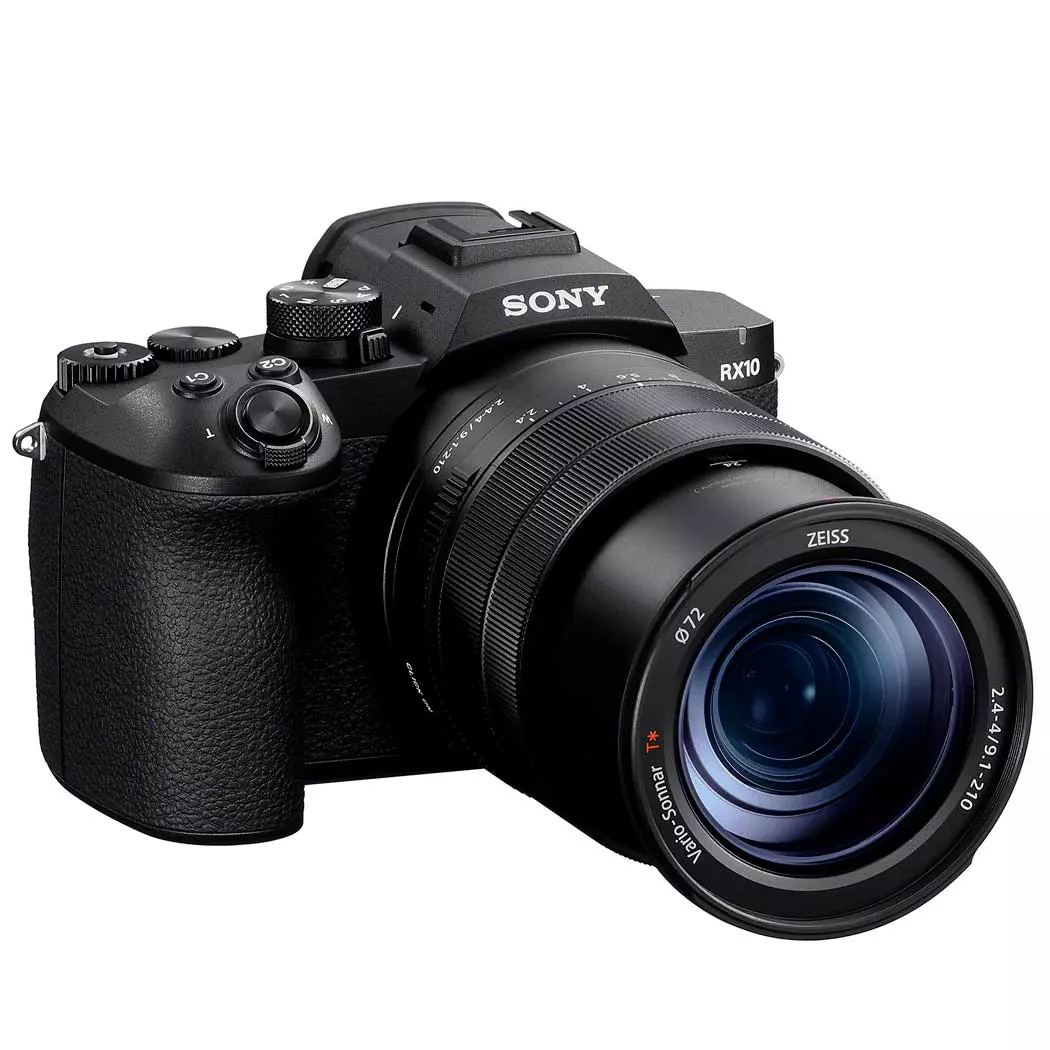
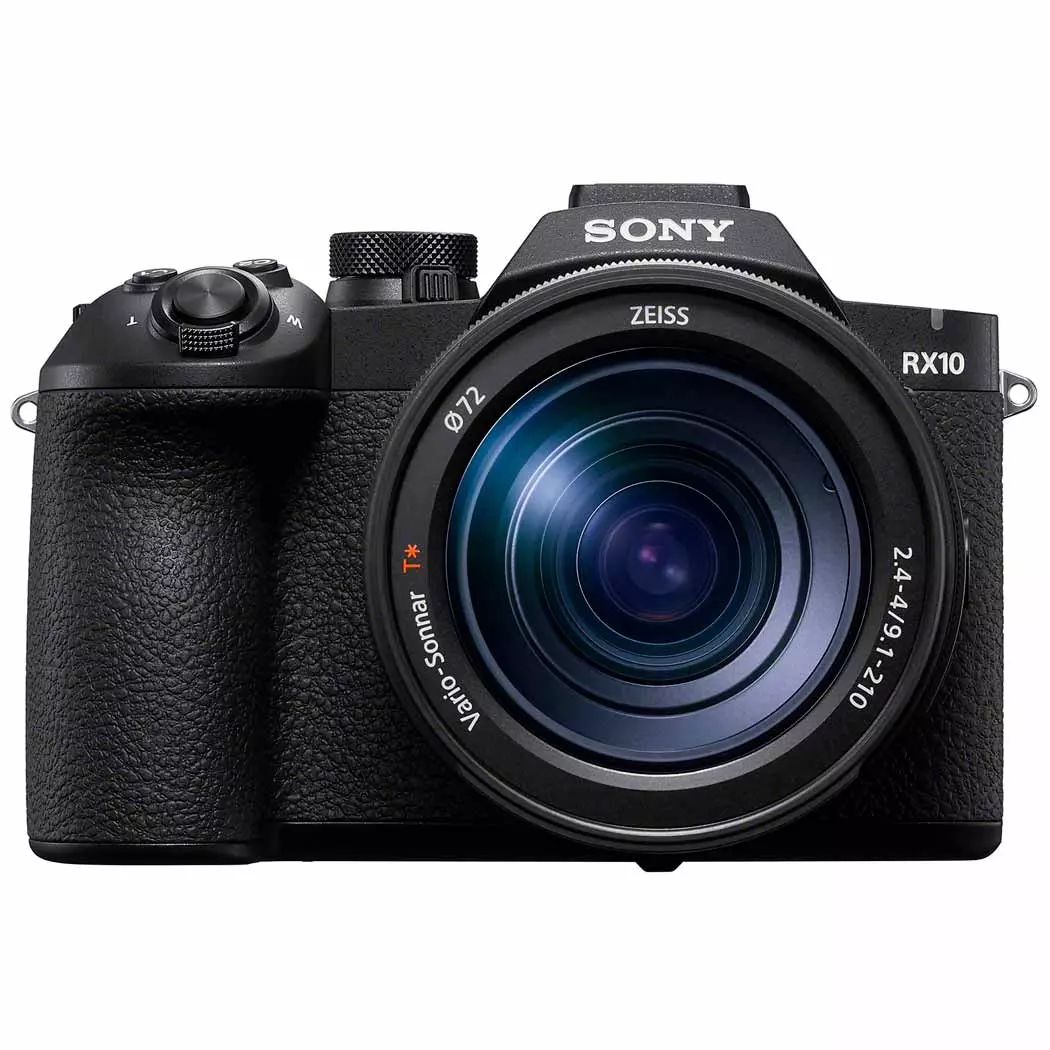

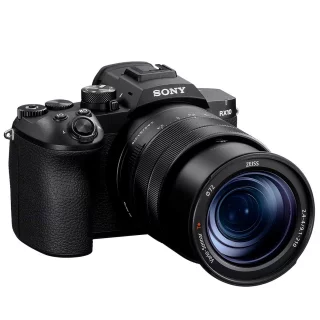
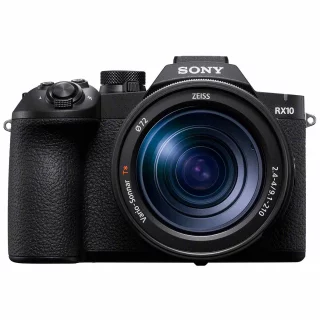

The long-awaited new product! The Sony RX10 Mark V offers bright 24-600mm Zeiss optics, new AI focus, up to 30 fps burst shooting, and a whole new level of battery life.



Varmasti yhteensopivat tarvikkeet


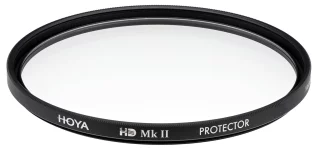
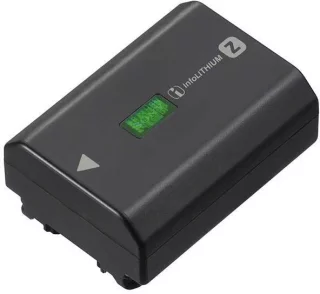
Sony NP-FZ100 original battery
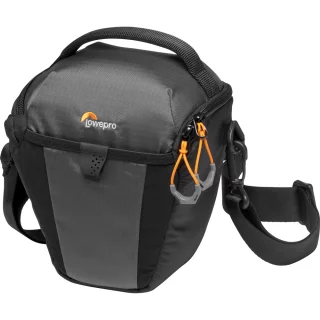
Lowepro Toploader Photo Active TLZ 45 AW camera bag
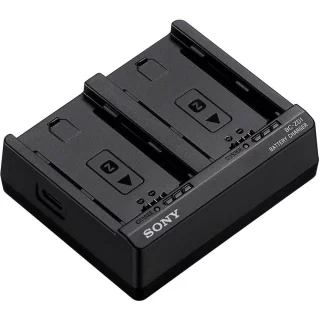
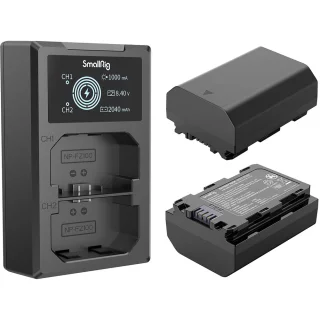
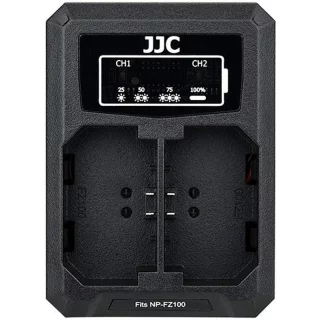
Sony BC-ZD1 -tuplalaturi (NP-FZ100)
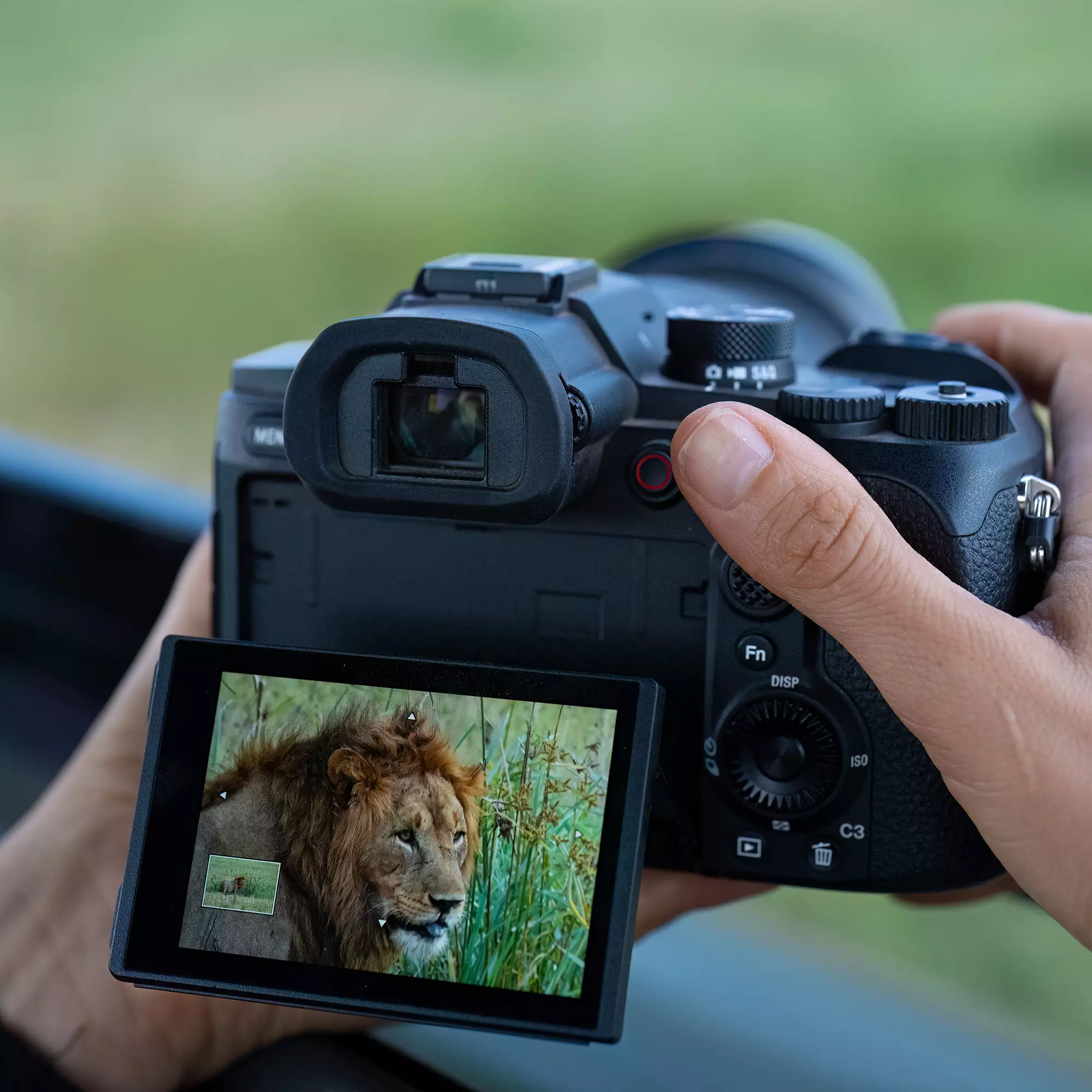
Sony RX10 Mark V digital camera
This is what you've been waiting for! The Sony RX10 Mark IV has been the choice of many wildlife photographers for almost a decade. Now Sony has released a new fifth version of the camera.
Popular product – it's worth pre-ordering! According to Sony, deliveries will begin in mid-July, but delivery quantities will be small at first.
The recipe for success hasn't been changed: it comes with a fast 24–600 mm cine-equivalent lens and the sensor size is the same. But otherwise the camera has been thoughtfully revamped: tuned image quality, significantly faster autofocus and faster burst shooting, as well as decent video capabilities.
In addition, usability, which is especially important for active users, has now been brought up to date. In addition to ergonomic improvements, the viewfinder is more precise, there is a joystick and new buttons, and best of all, the battery life has almost doubled.
- The same acclaimed and bright 24-600mm F2.4-4 cine equivalent lens
- 20.1 megapixel 1" stacked sensor
- Faster focus and subject recognition thanks to a dedicated AI processor
- 30 fps burst shooting and Speed ??Boost, meaning you get extra burst speed while shooting
- 4K 60P video recording without cropping and 4K 120P slow motion
- New NP-FZ100 battery type, up to 630 shots on a single charge
- Creative Look color settings and LUT files for video shooting
Familiar top optics and tuned image quality
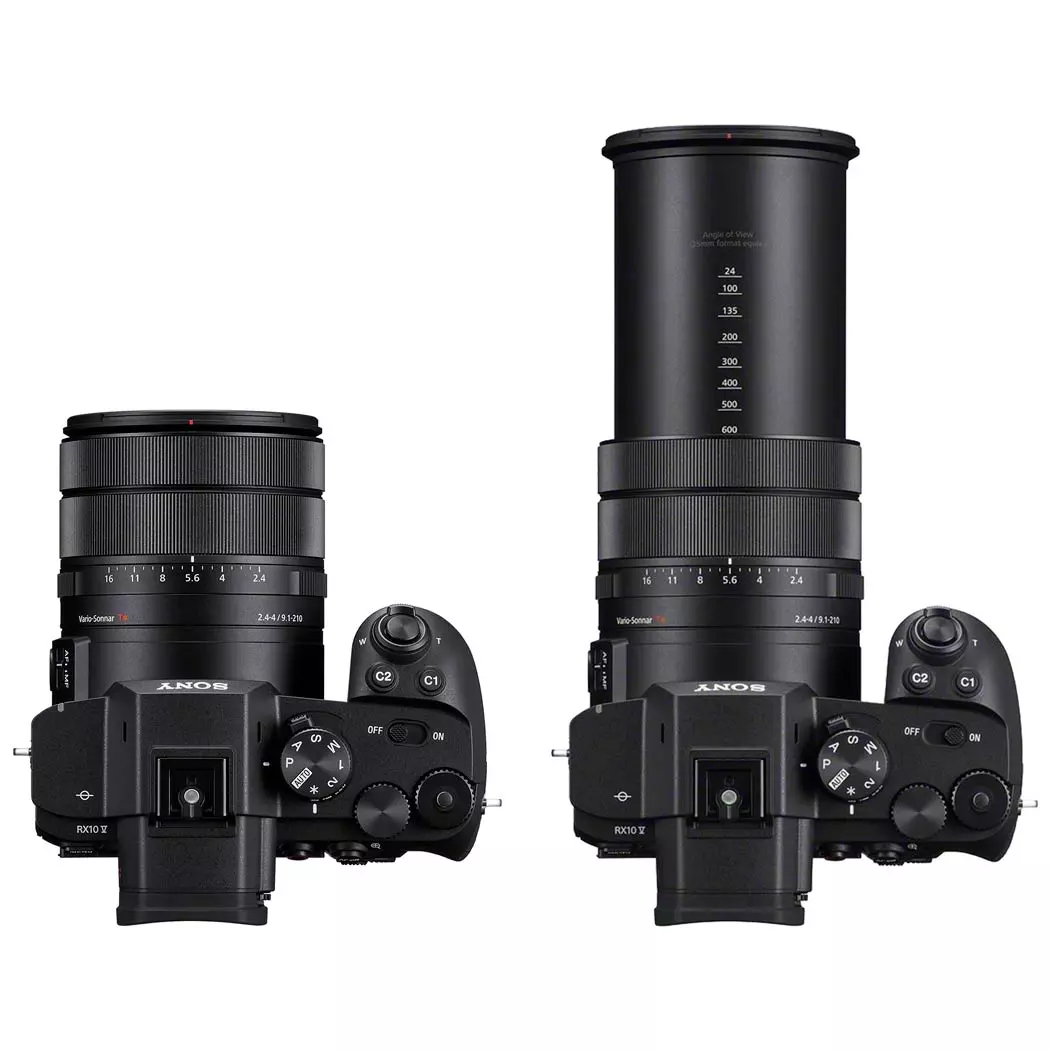
What sets the camera apart from its competitors is the 24-600mm F2.4-4 lens, made in collaboration with the legendary Zeiss optics company, and this has been retained in the new camera as is.
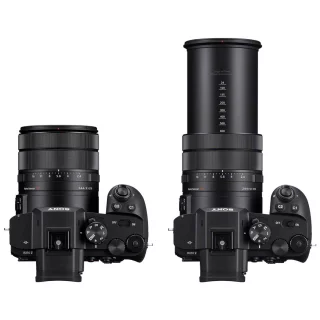
The camera covers a very wide, landscape-friendly wide-angle focal length, as well as a 600mm super-telephoto telephoto end. This 600mm lens is great for shooting even small subjects, such as small birds, from a longer distance.
The Sony RX10 uses a so-called inch-sized image sensor. The sensor is smaller than in SLR cameras, but clearly larger than in a traditional compact camera. The size of the sensor enables the construction of very bright optics with such a large zoom range, and on the other hand, the sensor is so large that the camera can achieve very high sensitivities up to ISO 12800. This makes the camera easy to carry, but the image quality in low light and fast situations is well ahead of regular superzooms.
According to Sony, thanks to the new processor , better color reproduction is now recorded from the same sensor. The tone world is more natural and, on the other hand, offers a better starting point for image processing. In addition, there is a more effective DRO (dynamic range optimization) , which allows you to get a polished-looking finished image without image processing when shooting in very bright daylight and backlight. The Creative Looks function is like the camera's built-in presets, meaning you get exactly the tone world you want directly in the JPG images.
Ultra-fast autofocus and continuous shooting
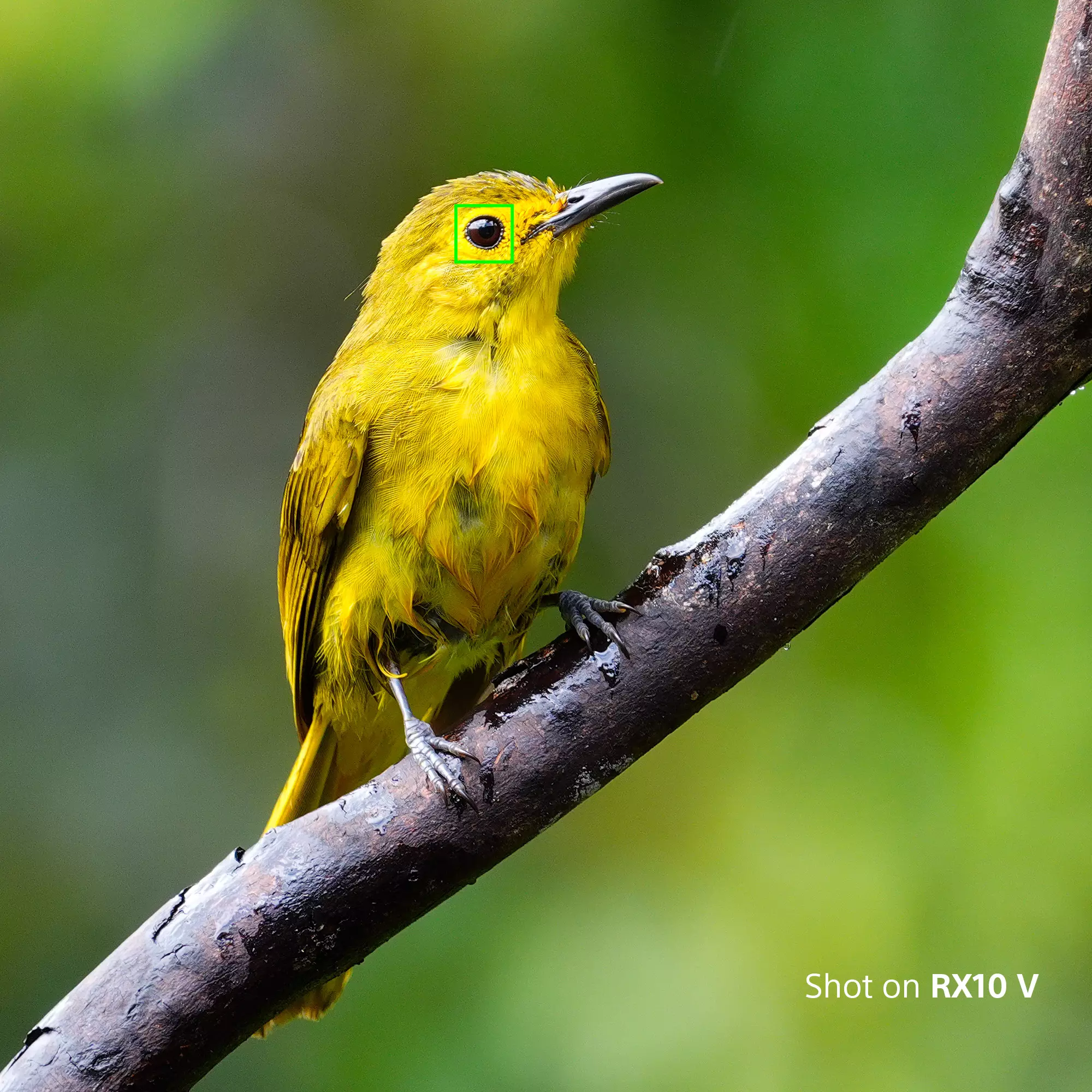
The autofocus system uses Sony's latest system, which includes a separate machine-learning AI processor (the same as in the Sony a7 V system camera, for example). In addition to the eye detection of the previous model, the camera can recognize the position of the body and head of wild animals, and this speeds up fine-tuning the focus on, for example, the eyes, giving you a head start on the perfect result.
In addition to recognizing body parts, the system can recognize and predict the movements of the person in the image using Pose estimation technology, meaning the system is ready to focus quickly as if it knows where the focus should be. Thanks to the Auto mode, you don't necessarily have to select the focus mode in advance, meaning you can switch between shooting animals and insects without scrolling through menus. The focus also recognizes cars, trains and planes in the image area.
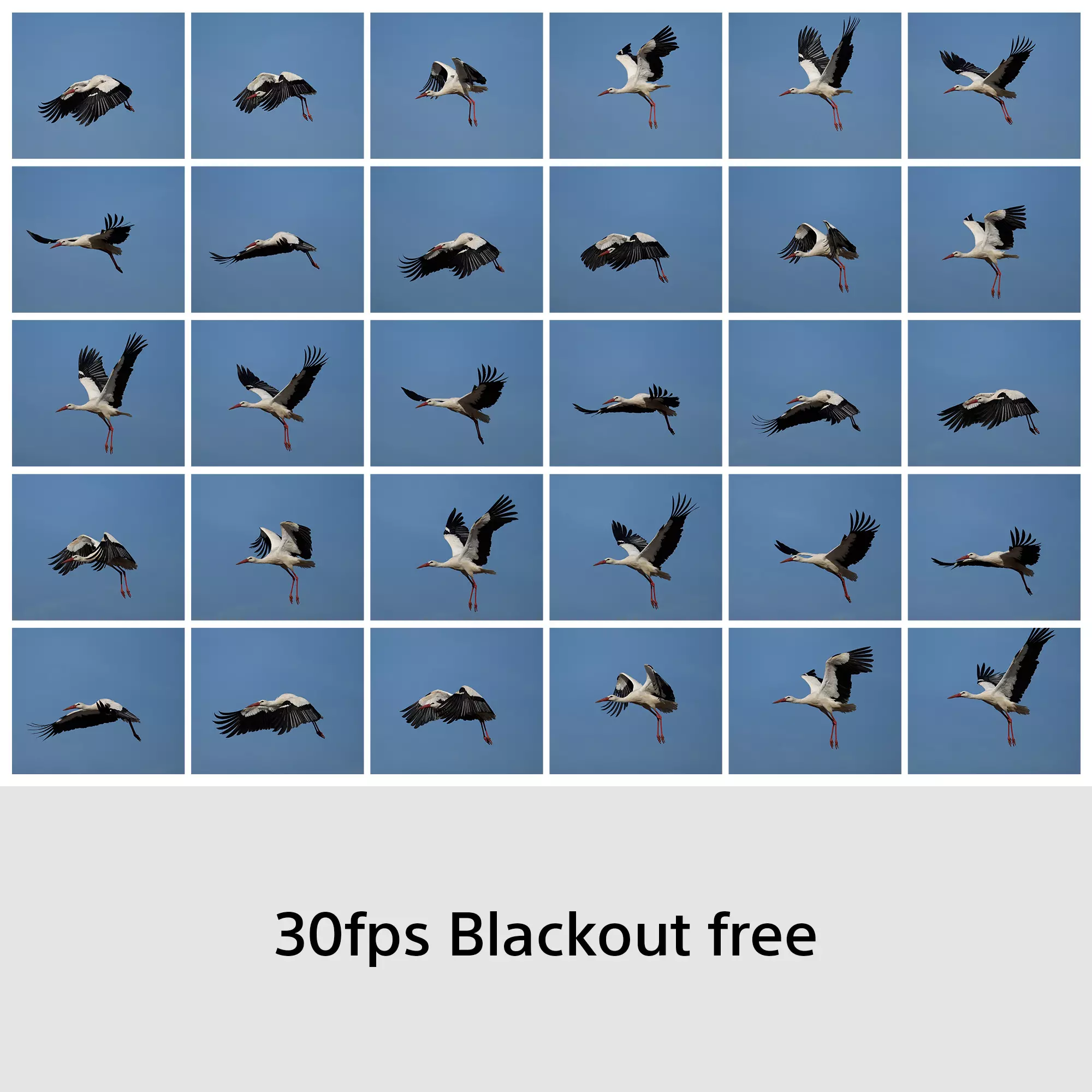
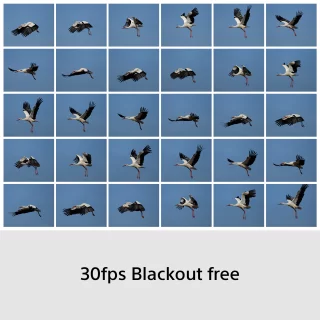
Continuous shooting is a very important feature for most users of this camera. Now the speed has increased, and a maximum of 30 frames per second are recorded without the viewfinder darkening. The camera calculates exposure and focus 60 times per second, meaning every frame is as good as possible.
Actually, the only drawback of the camera is the lack of pre-capture, and Kameralikke does not know if this feature will be available as a software update, for example. But in practice, this can be replaced with the new Speed ??Boost function.
You can shoot bursts at a preset speed of 5/10/15, and at the crucial moment, press the button all the way down to instantly switch to the full 30fps speed. This keeps the number of shots reasonable, but ensures that the most important moments are captured.
Video shooting with the Sony RX10 Mark V camera
- 4K 60P without cropping and 4K 120P with slight cropping
- Active Mode image stabilization
- LUT files for preview
- Live streaming in 4K 30p quality directly from the camera
- Micro HDMI connection
- Portrait mode, i.e. additional information also rotates to portrait position
- Shot Marks – marking the best clips and frames
- Tally light
The long zoom and fast autofocus make the camera attractive for video shooting as well. Many nature and sports photographers may want top-notch video in addition to stills. As you can see from the feature list, the Sony RX10 Mark V is also a good device for hybrid use.
The biggest change, besides the focus, is 4K 60P video recording without cropping and 4K 120P video recording with a small crop. In addition to the lens image stabilization, there is a more effective Active Mode digital stabilization, which works best when shooting handheld and while moving.
The camera has features familiar from more powerful models, such as S-Cinetone and S-Log3 for recording a wide tonal range. The camera also supports LUT files in preview. Audio recording is possible via the hot shoe digital connection in top-class 48kHz/24bit quality, up to four channels.
Usability
Usability is often overshadowed by the numbers when comparing technical products. But the RX10, or "räksä", is like a trusty backpack or rucksack for many active enthusiasts. In other words, the changes for the better are noticeable, and they are also greatly appreciated over the years.
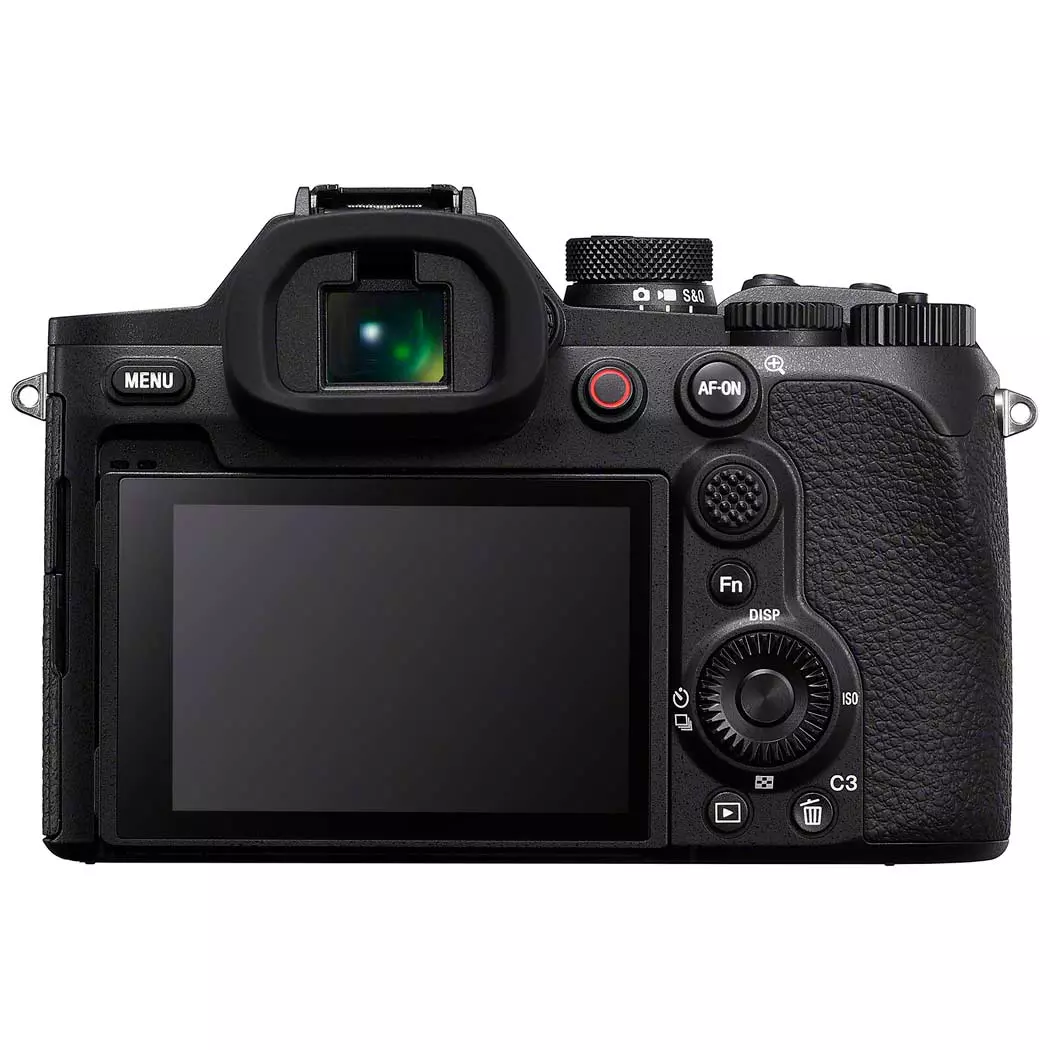
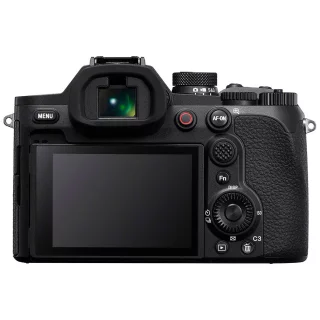
Sony has revamped the RX10 V's body. The design has been slightly improved and now resembles Sony's SLR cameras more. For example, there is a very handy joystick for controlling focus. The program dial is new, and it gives you access to customized, stored shooting settings (for example, you can create your own modes for bird photography, low-light photography, or black and white photography).
The memory card slot is now faster and supports SDXC UHS-II cards. And one of the most praised innovations is the new NP-FZ100 battery type, which means the camera has a significantly more powerful battery without the camera's size or weight changing much. The number of shots per battery is almost double compared to the previous one.
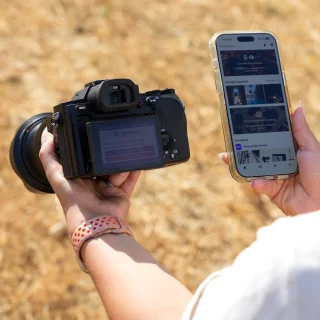
Wi-Fi speed has been brought up to date with 5 GHz support, and the USB-C connection is a fast USB 3.2 Gen 2 type and supports direct PD charging.
Sony RX10 IV vs RX10 V comparison
While the lens and sensor size have remained the same, underneath the surface the Sony RX10 V has undergone a massive generational change compared to the older Mark IV model. Here are the biggest differences between the models.
- Autofocus and subject recognition: The Mark IV recognized eyes. The new Mark V utilizes a separate AI chip that recognizes the positions of the bodies and heads of people and animals, in addition to birds, insects, cars, trains, and airplanes.
- Speed ??and Speed ??Boost: The burst shooting speed has been increased from 24 to 30 frames per second. The new Speed ??Boost function allows you to keep the basic burst shooting slower, but momentarily increase the speed to maximum at the crucial moment. On the other hand, the camera lacks the pre-capture pre-recording found in the RX10 IV.
- Professional-grade video recording: Where its predecessor recorded 4K 30P video, the new one records 4K 60P video without cropping or slow motion at 4K 120P quality. In addition, LUT support and S-Cinetone color profiles are included.
- Modern connectivity: The RX10 V supports 4K live streaming directly over USB or Wi-Fi. Wireless networking has also been upgraded to 5GHz, and USB-C enables fast PD charging.
- Completely redesigned ergonomics and battery: The new NP-FZ100 battery increases battery life from the previous 400 shots to up to 630 shots. The body now features a dedicated joystick controller for moving the focus point, an AF-ON button and an improved grip. In addition, the viewfinder is larger (0.5") and more precise (3.68 M dots).
Specifications:
- Sensor: 1" (13.2 x 8.8 mm) Exmor RS CMOS, stacked, 20.1 megapixels
- Focal length: Zeiss 25x optical zoom, 24–600mm cine equivalent
- Aperture: f/2.4-4
- Closest focusing distance: 3 cm at wide angle and 72 cm at full zoom
- Image stabilization: Optical (also Active Mode in video)
- Filter thread: 72mm
- ISO: 100-12800
- Shutter speeds: Electronic shutter 1/16000 – 30 s + Bulb
- Continuous shooting: Max. 30 frames per second
- Storage formats: JPG, HEIF and RAW
- Video recording: 4K 60p (without cropping), 4K 120p (with cropping), S&Q slow-motion videos
- Streaming: 4K 30p (via USB, Wi-Fi or LAN adapter, RTMP, RTMPS and SRT support)
- Connections: USB-C (3.2 Gen 2), Micro HDMI, headphone and microphone jack (3.5 mm stereo plug)
- Memory card slot: 1 pc SDXC UHS-II
- Wireless: Wi-Fi (5 GHz / 2.4 GHz) and NFC
- Viewfinder: Electronic 0.5" OLED, 3.68M dots, 120 fps / 60 fps refresh rate
- Display: 3.0" vari-angle touchscreen (3:2), resolution 1.62M dots
- Flash: No built-in flash
- Battery type: Sony NP-FZ100
- Size: 136.4 x 94.5 x 151.3mm
- Weight: approx. 1,111 g
- Battery life: 630 shots from the screen or 570 shots shot through the viewfinder (CIPA)
Sales package includes: Sony RX10 Mark V digital camera, battery (NP-FZ100).

Osta myös
Arvostelujen yhteenveto
Kysy tuotteesta

ma-pe 9-17 ja la 10-14