Sony A7 V camera

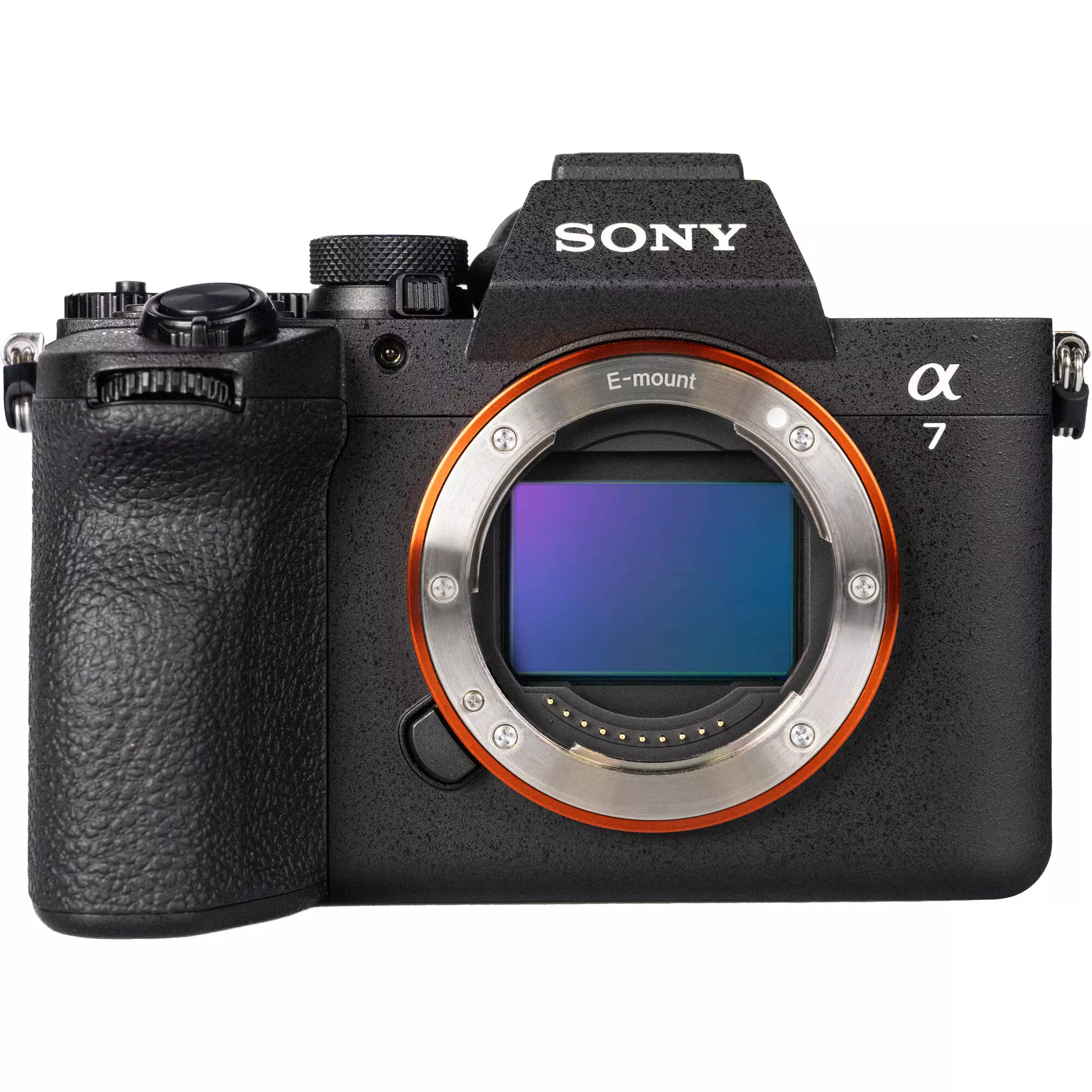
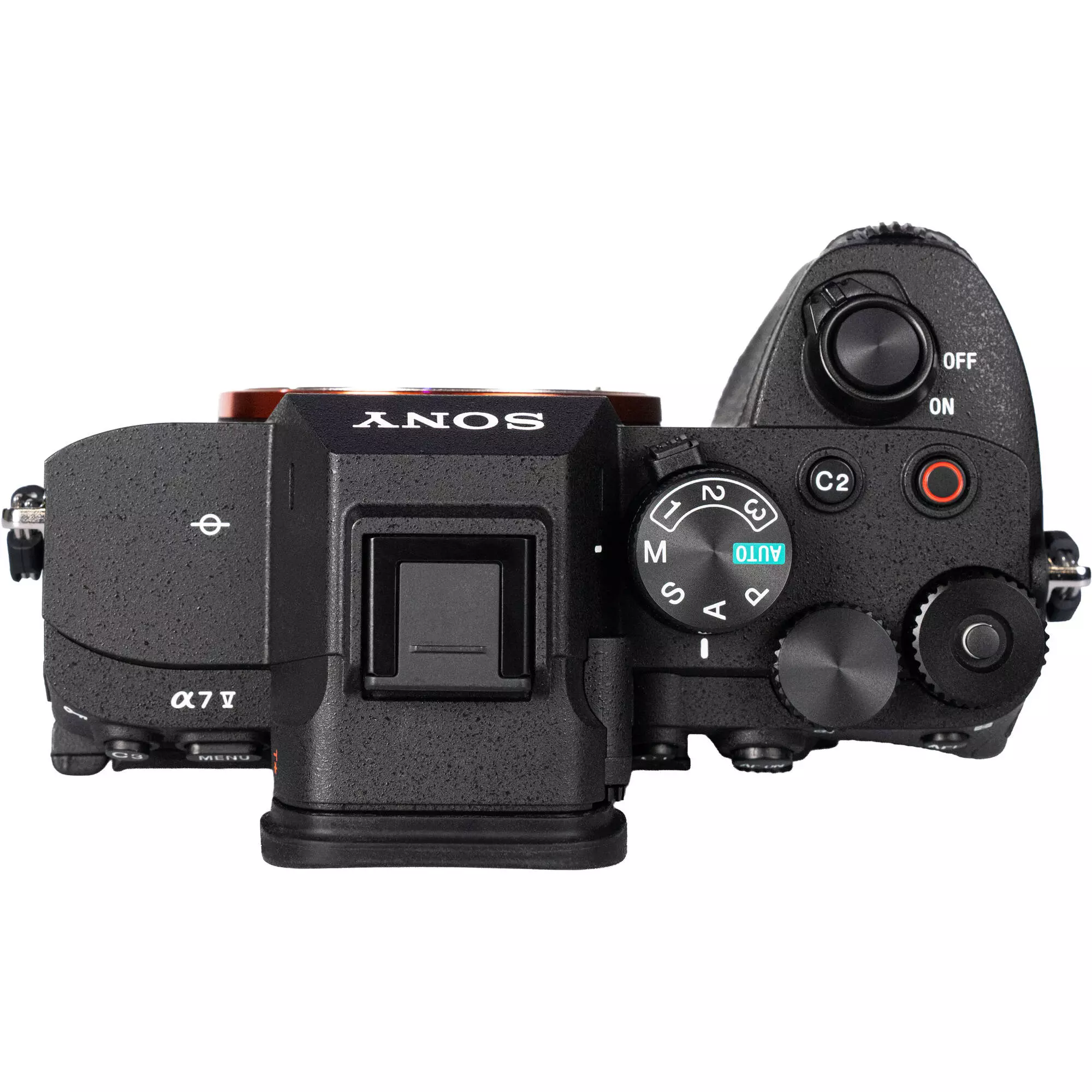
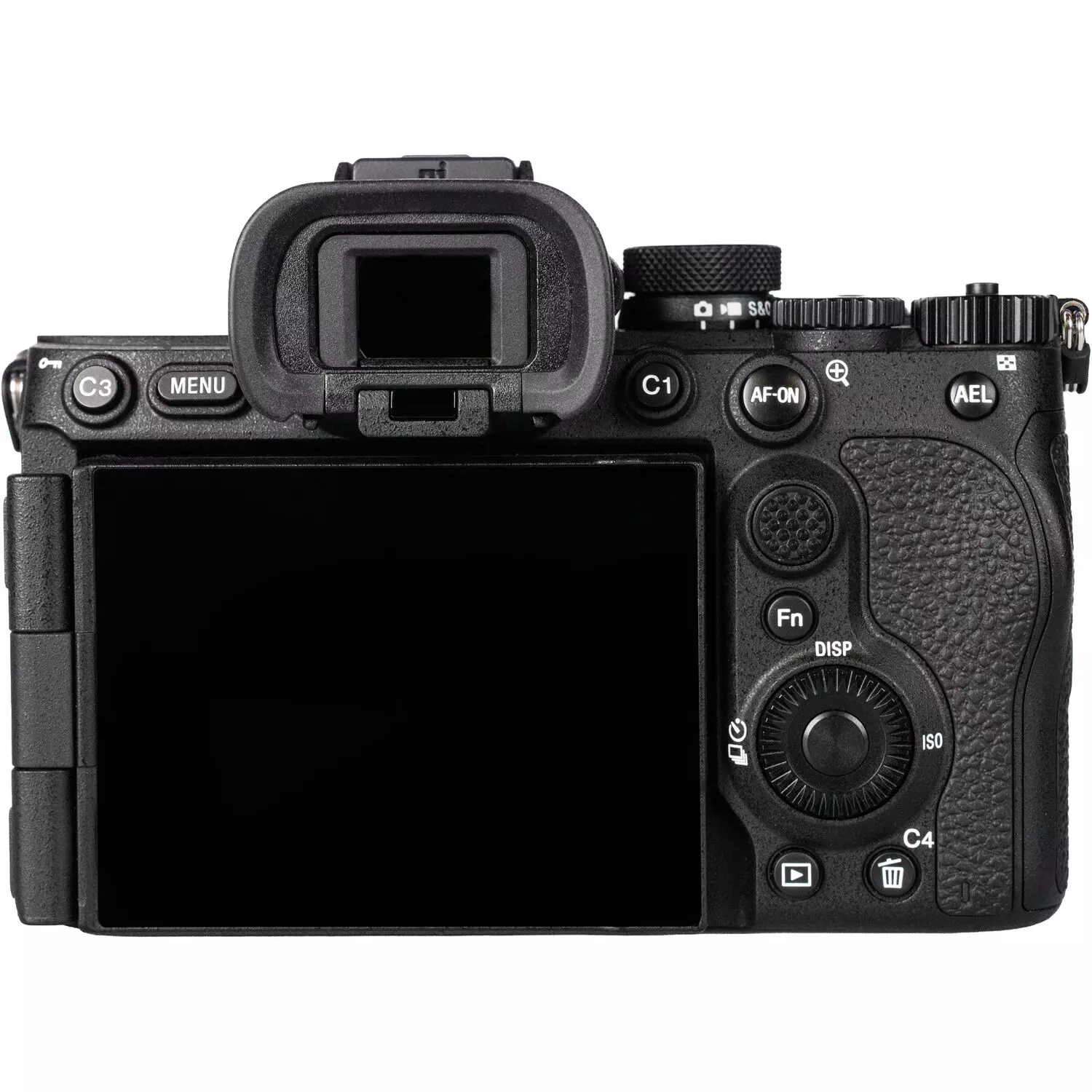
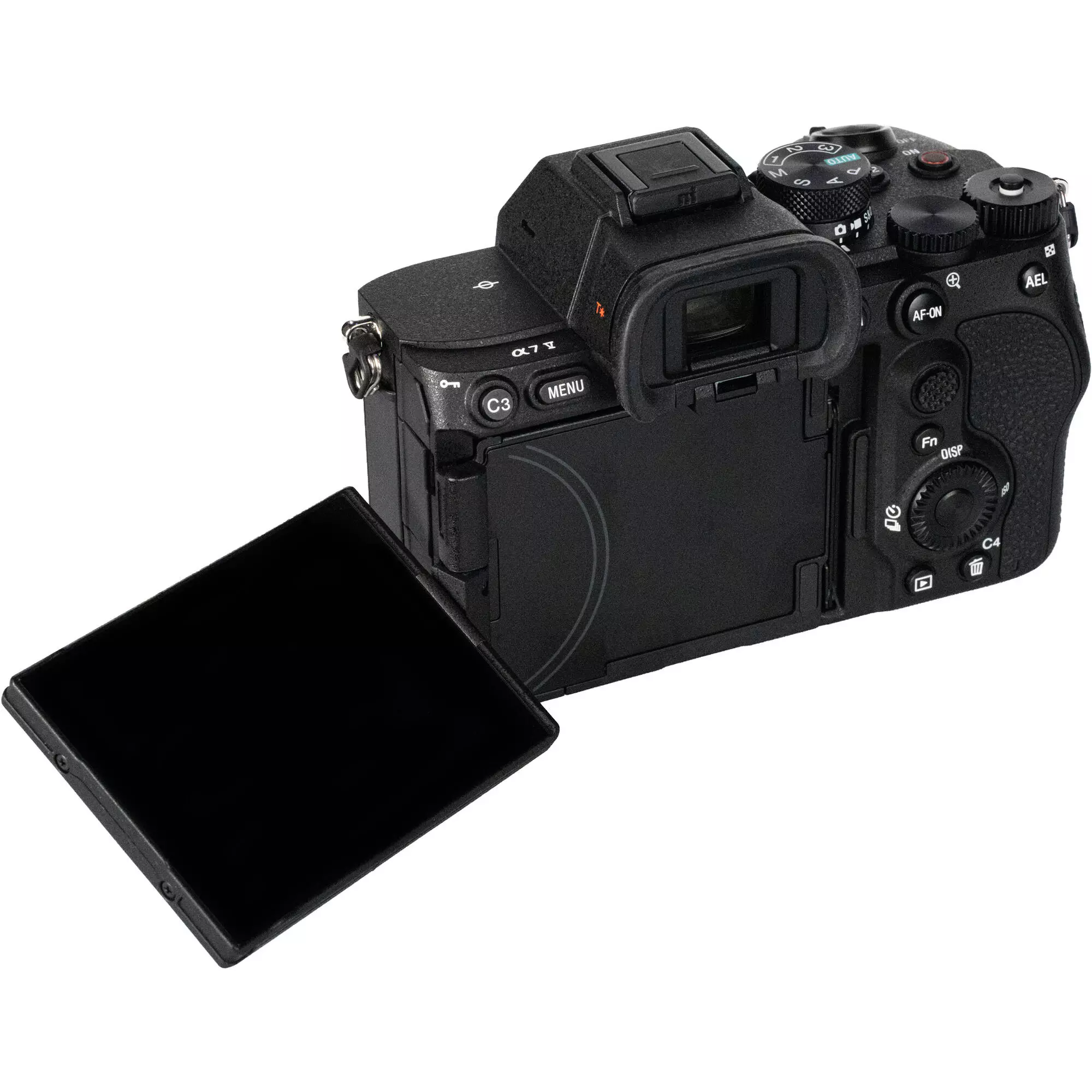
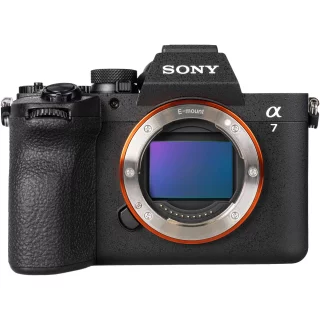
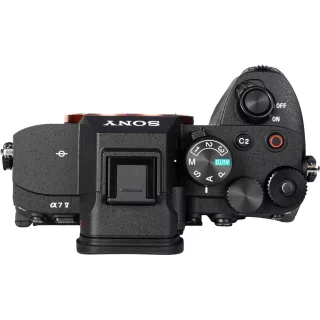
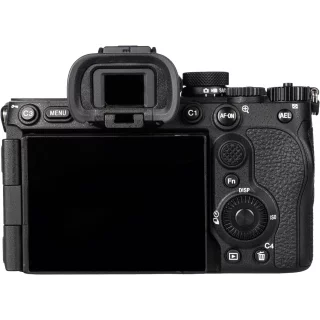
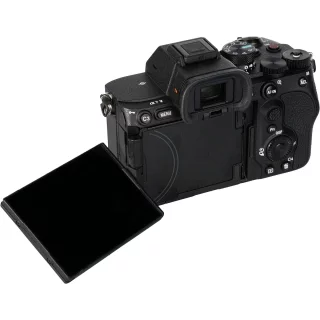
This is what you've been waiting for! The Sony A7 V is here: Faster AF, 30FPS burst shooting at full quality, 4K 60P without cropping, and a long list of other improvements.



Aktiiviset kampanjat


Pakettidiili
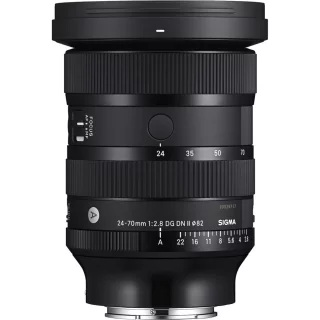
Varmasti yhteensopivat tarvikkeet
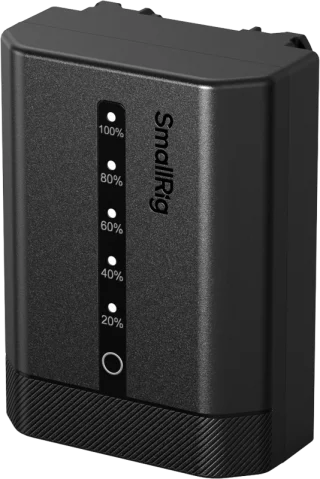
SmallRig 5297 USB-C Camera Battery with Power Display Sony NP-FZ100
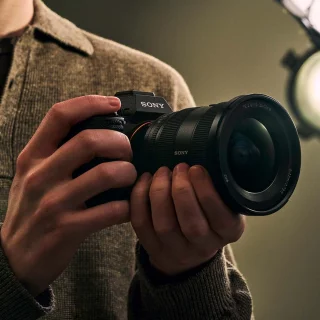
Sony käyttökoulutus 16.9.2026
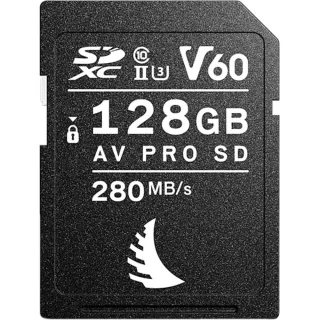
Angelbird AV Pro MK2 128GB SDXC (280MB/s) UHS-II (U3 / V60) memory card
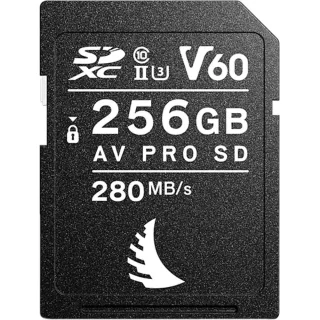
Angelbird AV Pro MK2 256GB SDXC (280MB/s) UHS-II (U3 / V60) memory card
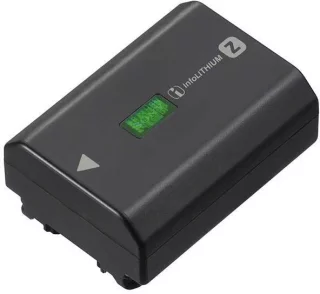
Sony NP-FZ100 original battery

SmallRig 4074 Camera Battery NP-FZ100
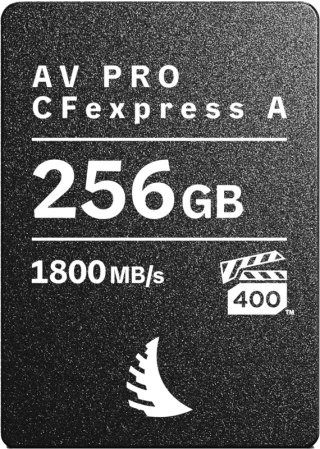
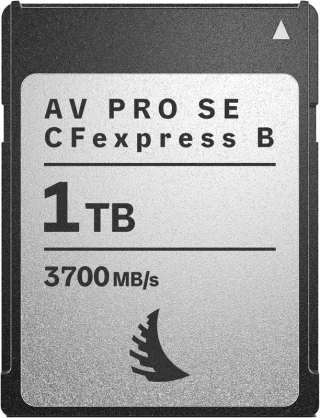
Angelbird AV Pro SE CFExpress Type B 1TB (R3700/W2300) memory card
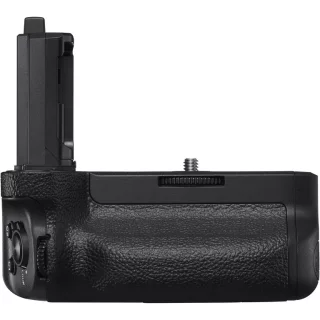
Sony VG-C4EM Vertical Grip - battery grip
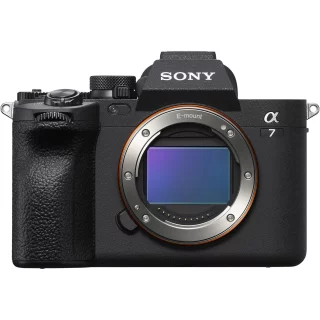
Sony Alpha A7 V body
The Sony A7 V is the latest system camera in the manufacturer's most popular model series. Like Sony, the camera features major technical innovations such as the image sensor and processor. These technical building blocks are then used to create features and performance that help photographers, such as better video recording, more effective image stabilization, faster burst shooting and autofocus.
The Sony A7 V is a balanced and highly capable tool that can produce impressive images and demanding video productions, making it a true hybrid device.
- All-new partially stacked 33MP sensor
- Blackout free, i.e. like the A1 and A9 models, the image is also visible during exposure
- Up to 16 stops of dynamic range , 204800 maximum sensitivity
- New Bionz XR2 processor with integrated AI processor
- Continuous shooting at 30 frames per second, full 14bit quality
- Pre-Capture pre-recording in burst mode
- Sony's latest autofocus
- Real time Recognition AF (recognizes animals, people, birds, insects and vehicles)
- AI AWB better automatic white balance
- Video recording: 4K 60P without cropping (oversampled from 7K image) and 120P Super35 with cropping
- Streaming in 4K 30P quality directly from the camera, faster Wifi and network connection
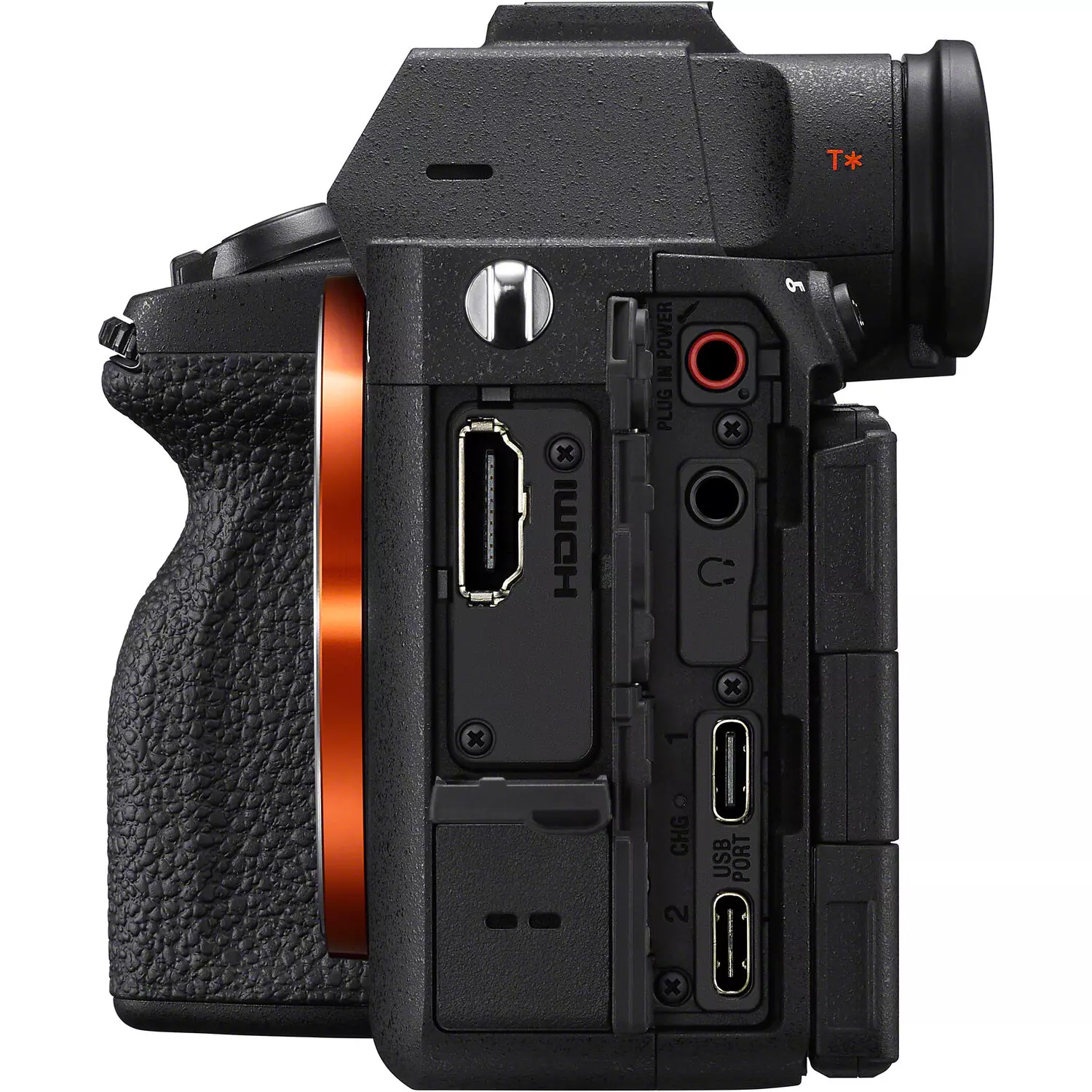
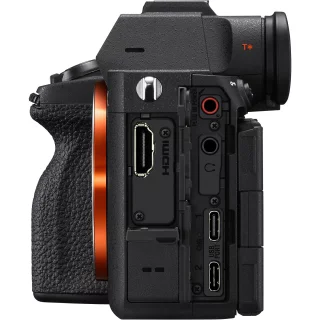
- Full-size HDMI connector, two USB-C connectors
- 1pc SDXC UHS-II / CFExpress Type A + 1pc SDXC UHS-II memory card slots
- Composite RAW NR / HDR image merging
- 7.5 f-stop effective image stabilization + Active Mode for video recording
- New 4 axis flip display
- Better battery life and thermal management
New senson technology and processor
The sensor technology in a camera determines a lot of the camera's features, from burst shooting and image quality, to everything from video recording to viewfinder speed. The Sony A7 V features an interesting new sensor.
The camera's Exmor RS sensor is so-called partially stacked, stacked sensors are used in the most expensive top-end bodies of brands such as the Nikon Z9, Sony A1 II and Canon EOS R1. Now this technology has been partially implemented, meaning you get most of the benefits and read speed, but the price remains at the level of even hobbyist devices.
Similar new technology is used in the Nikon Z6 III and Panasonic S1 II bodies, but Sony has a significantly higher 33-megapixel resolution and faster burst shooting. Sony also promises a whopping 16 stops of dynamic range for the sensor , which is one stop better than the previous model.
What all this cell technology and the new processor enable:
Continuous shooting: With the mechanical shutter, continuous shooting is 10 frames per second, but with the electronic shutter, the speed is 30 frames per second, which is the same as the Sony A1 II model! In addition, the RAW files captured are full-quality 14bit versions. The Sony A7 V performs exposure and focus calculations 60 times per second, which is sufficient for these speeds (vs. the A1 II model's 120 times).
In addition, thanks to the sensor technology, the viewfinder image does not darken or flicker during exposure , so you can follow subjects and react to rapid changes, the images are just saved to the memory card quickly and silently. Note: Sony restricts third-party lenses such as Sigma lenses For 15FPS, a Sony lens is required for full speed.
Pre-Capture : When you press the shutter button halfway, a burst of images is recorded for one second in advance, meaning that 30 images are already recorded at the moment the picture is taken! This feature makes it possible to record very fast events, such as the climax of a sporting performance or the most spectacular pose of a wild animal.
Focus and exposure metering also work during this Pre-capture recording. Recording can also be started with the AF Assign button.
Pre-capture is adjustable for 0.3-1 second, so choosing a shorter time will keep the number of frames more reasonable. The Speed ??Boost function has also been borrowed from the A9 III model. For example, you can shoot at a speed of 10fps and by pressing the turbo button the camera takes pictures at a maximum speed of 30fps. This way, you can change the speed of the burst shooting depending on the situation, keeping the number of frames and buffer usage under control.
The same feature is activated on the A9 III camera with the C5 button, but this is not available on the A7 V, so you can program another button instead.
Autofocus: The Sony A7 V's autofocus features look very similar to those of the A1 II. There are new features enabled by the AI ??processor such as pattern recognition, meaning you don't have to select a subject in advance (i.e. whether it's a bird or a dog), and the camera also takes into account the direction and speed of the subject's movement in continuous focusing. We're looking forward to seeing how fast the new AF is tuned.
- 759 phase-detection AF points
- Sony's latest algorithms and AI Processor built-in
- XS and XL and Custom focus points - size and position of focus areas adjustable
- AI trained pattern recognition: human, animal, bird, insect, car/train and airplane
- Focus and exposure are calculated 60 times per second
Image stabilization: The Sony A7 V features much more powerful image stabilization, now rated at 7.5 stops based on CIPA standards and 6.5 stops at the edges of the image (compared to 5.5 stops on the previous model). This helps with all lenses, but especially with long telephoto lenses and when shooting video.
The Sony 7 V also includes a Composite RAW function, meaning you can reduce noise instead of resolution. The image takes a series of images that are then combined with Sony's Imaging Edge software to create a very low-noise version or an HDR image with the widest possible dynamic range.
Sony A7 V as in video shooting:
- 4K 60P without cropping
- 4K 120P video recording with APS-C crop and FHD 240P slow-motion videos
- USB-C streaming directly through your computer's USB port
- Flexible ISO, S-Cinetone
- All-I / 4:2:2 10 bit recording
- Better internal microphone with noise cancellation
- S-Log 3 recording
- Support for LUT files
- AI processor features like Auto Framing and fast autofocus
- Dynamic Active image stabilization
- Digital audio connection and full-size HDMI
There is no 7K recording, RAW video or Open Gate shooting that many people want, but 4K is of excellent quality and is also oversampled at 60P from the entire 7K data amount of the sensor.
In addition, thermal management in particular is clearly better, meaning the device is more reliable in real video work. So instead of a numbers game, the basic features have been improved.
The Sony A7 V features a powerful 7.5-stop image stabilization and, in addition, video recording is now assisted by an even more powerful Dynamic Active mode. This provides truly stable video when shooting handheld.
The Sony A7 V can stream to streaming services without separate encoders or capture devices. Simply connect the USB-C cable to your computer and the video and image will be transferred directly to the software of your choice. The image quality options are FullHD at a maximum speed of 60P or 4K 30P which is mainly suitable for static objects. The video file can also be saved to a memory card while using the webcam.
Usability
- Two memory card slots, one SD and one SD/CFExpress Type A combo slot
- Better thermal management and lower power consumption
- 3.69 million-dot electronic viewfinder and 2.095 million-dot touchscreen
- Touchscreen with acclaimed 4-axis multiangle design
- New clearer Raw file settings, smaller compressed raw images
- two USB-C connections: separate ports for data transfer and power supply
- Faster and more reliable wireless data transfer
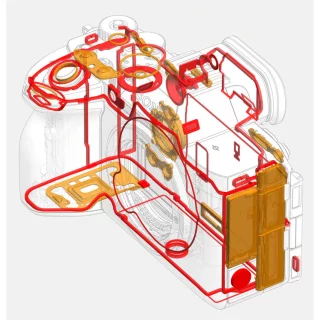
The new Bionz XR2 processor therefore consumes less power and this is also reflected in the heat output, at normal room temperature there is no difference, but in the summer heat the new Sony A7 V is capable of much more reliable recording in 4K video without overheating. In addition to the energy-efficient processor, the camera has two internal cooling fins like the Sony A1 II model.
If you want to capture as long a recording as possible, you can also adjust the settings to make the screen dimmer, but the camera will now wake up from power saving mode much faster.
The camera's touchscreen is now a rotating 4-axis vari-angle model and the camera's viewfinder and rear display interface are moved to the right side in portrait mode, meaning the information is quickly and clearly readable.
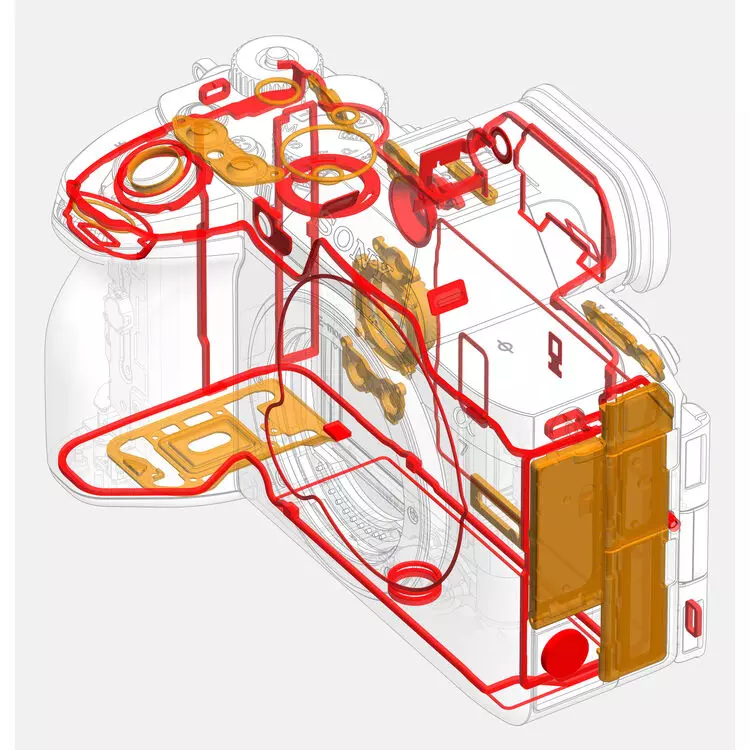
The body is not the same as the A1 II and A9 III models, but here too, fine-tuning has been made based on camera feedback, meaning the handle is better shaped and more stable in the hand. The HDMI connection is full-size, i.e. Type A, which is a treat for all videographers.
The Sony A7 V includes two USB-C ports. Port 1 is a fast USB 3.2 Gen 2 10Gbps data transfer port and the second port is more suitable for power supply. Both ports work with USB PD power supplies and a power supply of at least 18W is recommended with the camera. The wireless connections are also set to the Pro level, meaning the Wifi modem has two antennas and supports 6Ghz in addition to 2.5Ghz and 5Ghz. In terms of speed and reliability, it is at the level of the Sony A1 II.
Specifications:
- Compatibility: Sony FE mount
- 33 megapixel full-frame Exmor RS CMOS sensor, semi-stacked
- Sensitivity ISO 100-51200 (expanded to 50-204800), up to 16 stops of dynamic range
- 7.5-stop effective internal image stabilization
- 794 phase-detection AF points
- HDMI A connection
- 2x USB-C ports, separate connectors for data transfer and power supply
- Accessory connector on the hot shoe
- 3.5mm jack for microphone and headphones
- 4-channel 24bit recording via digital interface
- Wi-Fi 6 and Bluetooth 6 connectivity
- Continuous shooting at 10fps with mechanical shutter (also RAW up to 100,000 images) and 30FPS with electronic shutter (95 RAW or 185 JPG images)
- 1/250 flash sync
- 4K 60P video recording, max. H.265/XAVC HS / SI All-I 4:2:2 10-bit, bit rate 50-600Mbps
- 4K 120P with Super35 crop and FullHD 240P slow motion videos
- Flip-out touchscreen
- Electronic viewfinder: 3.69m dots, 120fps, 0.78x magnification
- Memory cards: 1x UHS-II SDXC and 1x UHS-II SDXC / CFExpress Type A combo slot
- NP-FZ100 battery (approx. 630 shots through the viewfinder or 750 on the screen or up to 210 minutes of 4K video recording
- Size: 130.3 x 96.4 x 82.4mm
- Weight: 695g (without memory card and battery 610g)

Osta myös
Arvostelujen yhteenveto
Tiina S.
Kysy tuotteesta

ma-pe 9-17 ja la 10-14