Sony A7 IV + FE 28-70mm II kit




Aktiiviset kampanjat




Pakettidiili
Varmasti yhteensopivat tarvikkeet
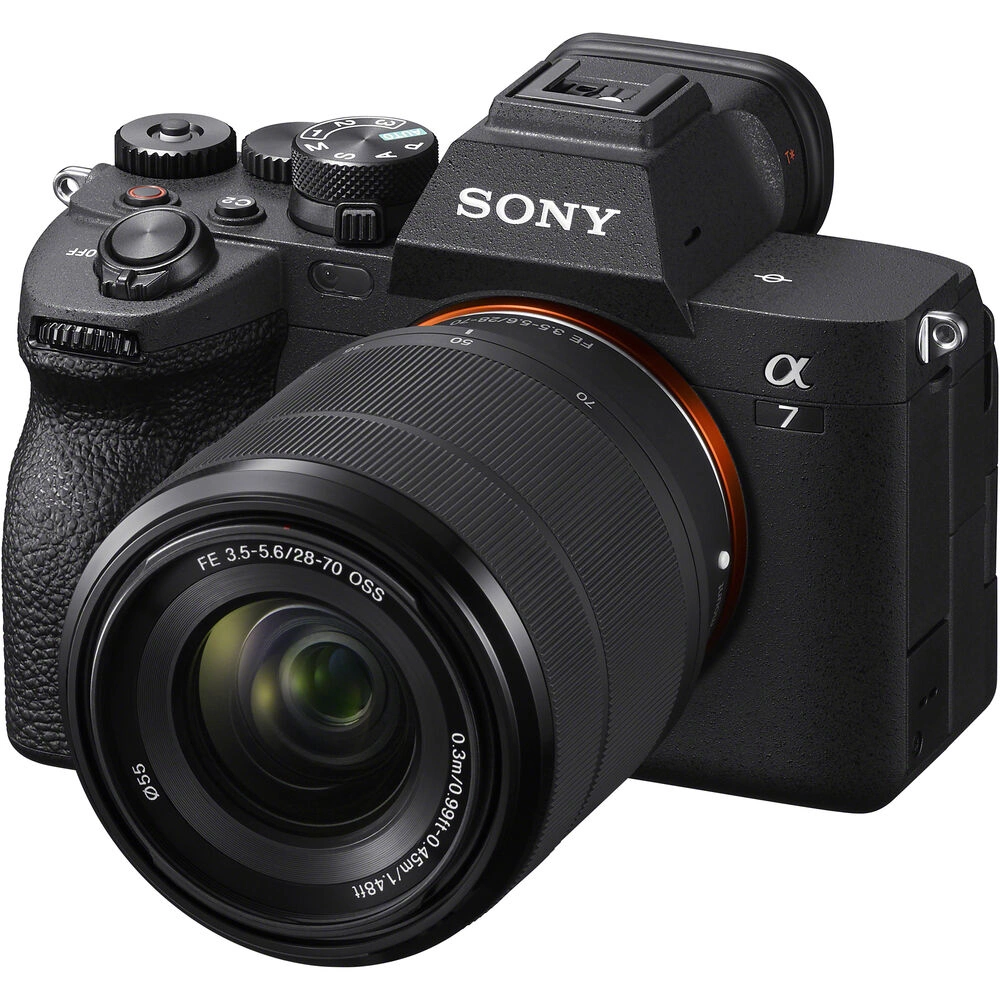
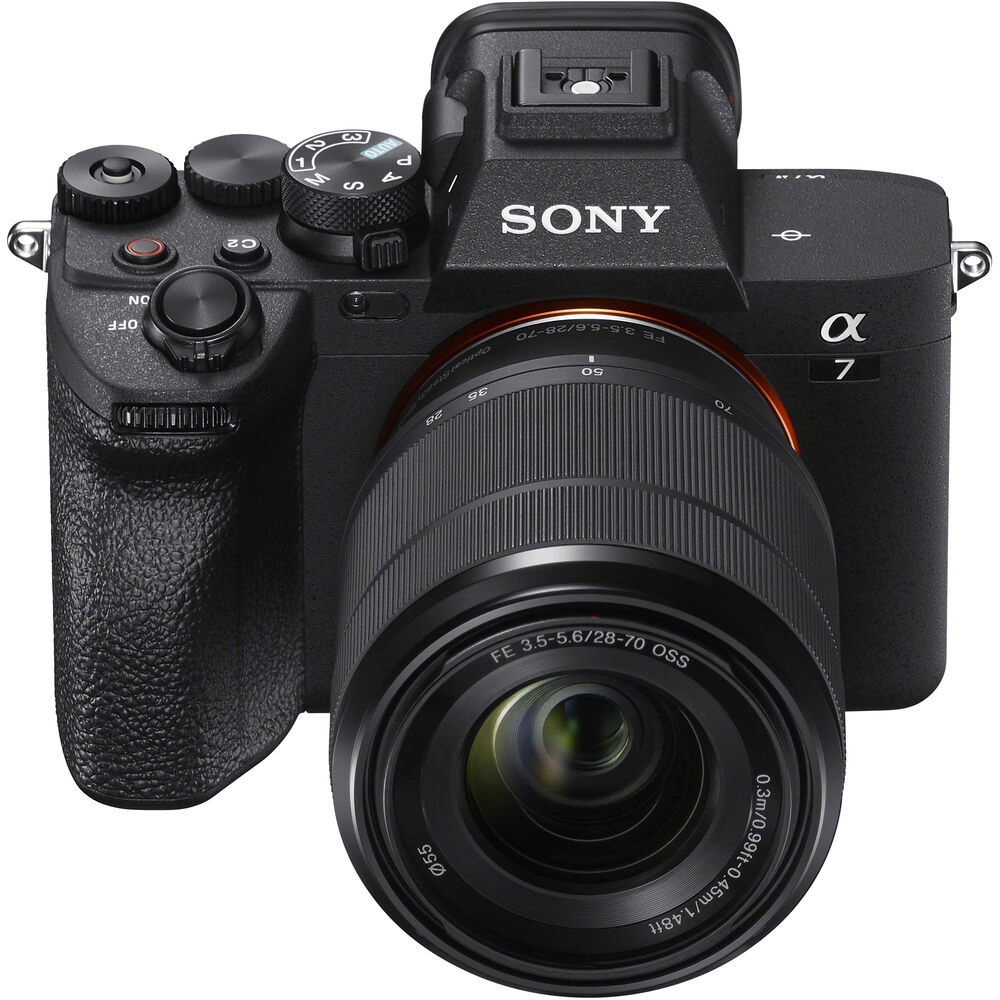
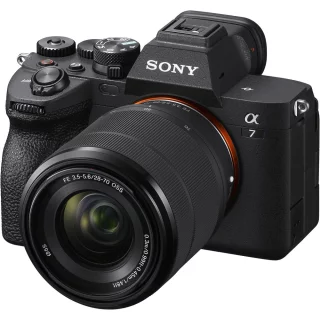
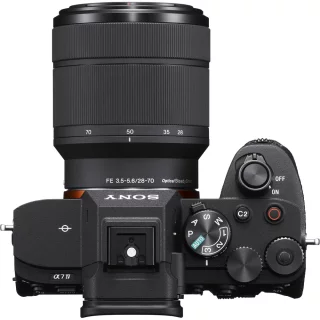
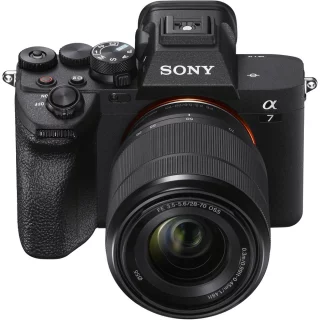
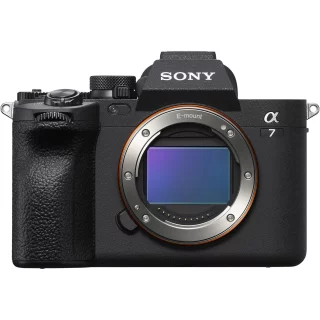
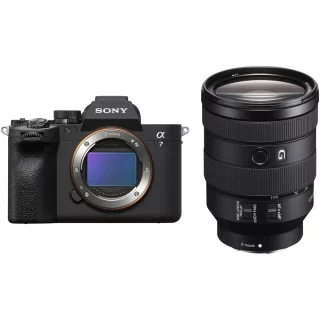
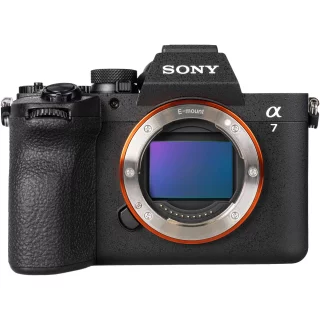
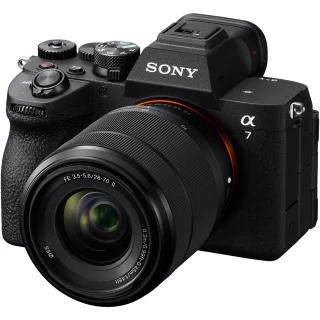
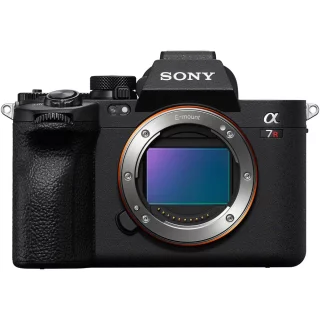
Sony Alpha A7 IV + FE 28-70mm f/3.5-5.6 OSS II Kit
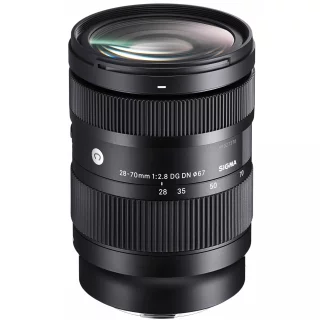
The package includes a Sony FE 28-70mm f/3.5-5.6 OSS II lens.
It's here! The Sony A7 III was the manufacturer's most popular single camera model since its release in 2018. We've been asked for several years when the updated A7IV would be released and now that day has come. The camera has been completely redesigned and has clearly improved in every area , the focus is much faster, the sensor has better dynamics, the resolution has increased and the usability of the body has been redesigned.
Sony has a habit of taking features from its flagship models and this new camera shares a lot with the flagship Sony A1 and A7S III. In some early tests, the Sony A7 Mark IV has been nicknamed “ Baby A1 ”.
- New 33 megapixel sensor
- 15-stop dynamic range, 51200 maximum sensitivity
- Continuous shooting 10 frames per second
- Ultra-fast autofocus, more reliable subject tracking
- Updated AF to detect animals such as dogs and birds
- 4K video recording, oversampled from 7K images
- 4K 60P video with Super35 crop
- Streaming in FullHD 60P quality directly from the camera
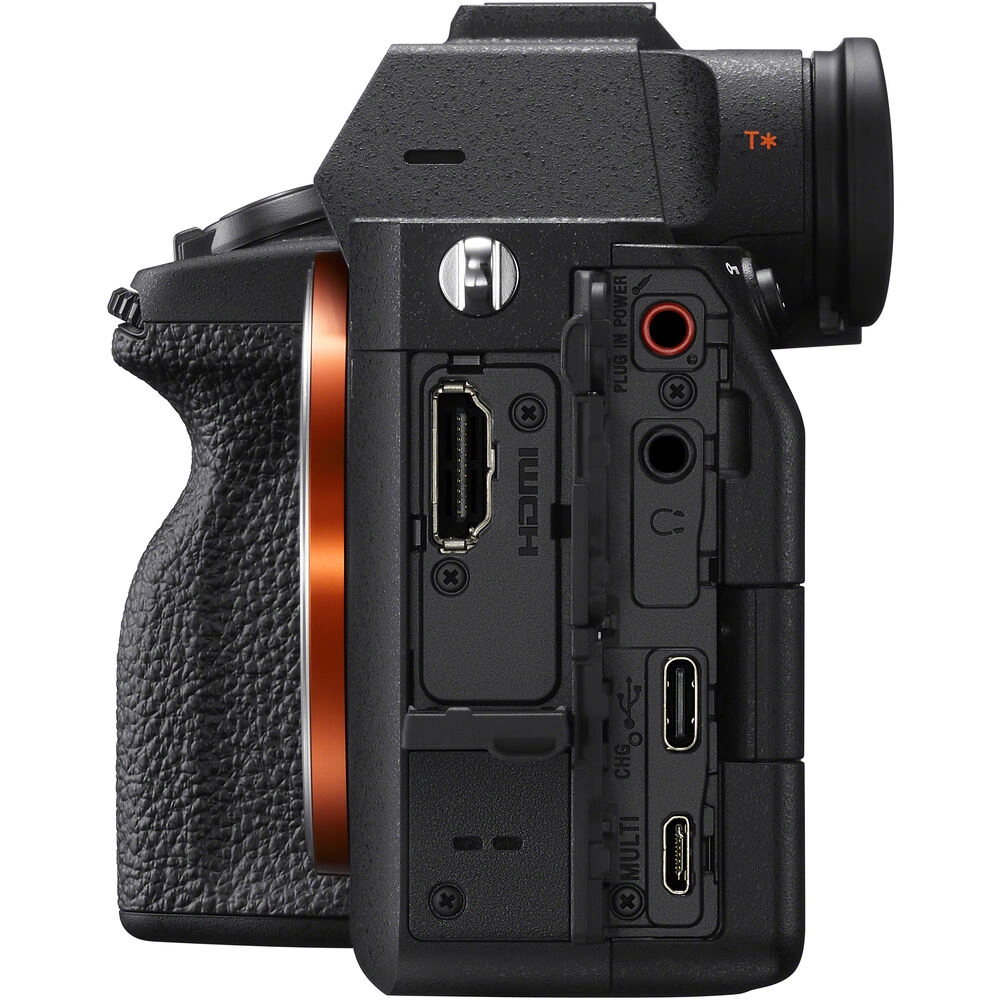
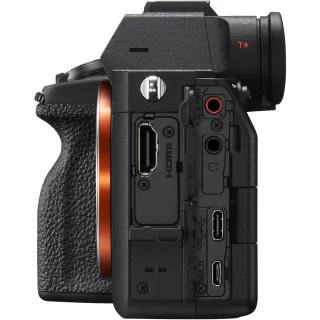
- Full-size HDMI connector
- Same thermal management and body as the A7S III camera
- 1x SD and 1x SD/CFExpress Type A card slots
- 5.5 f-stop effective image stabilization + Active Mode for video recording
- 3.69 million-dot electronic viewfinder, 120FPS refresh rate
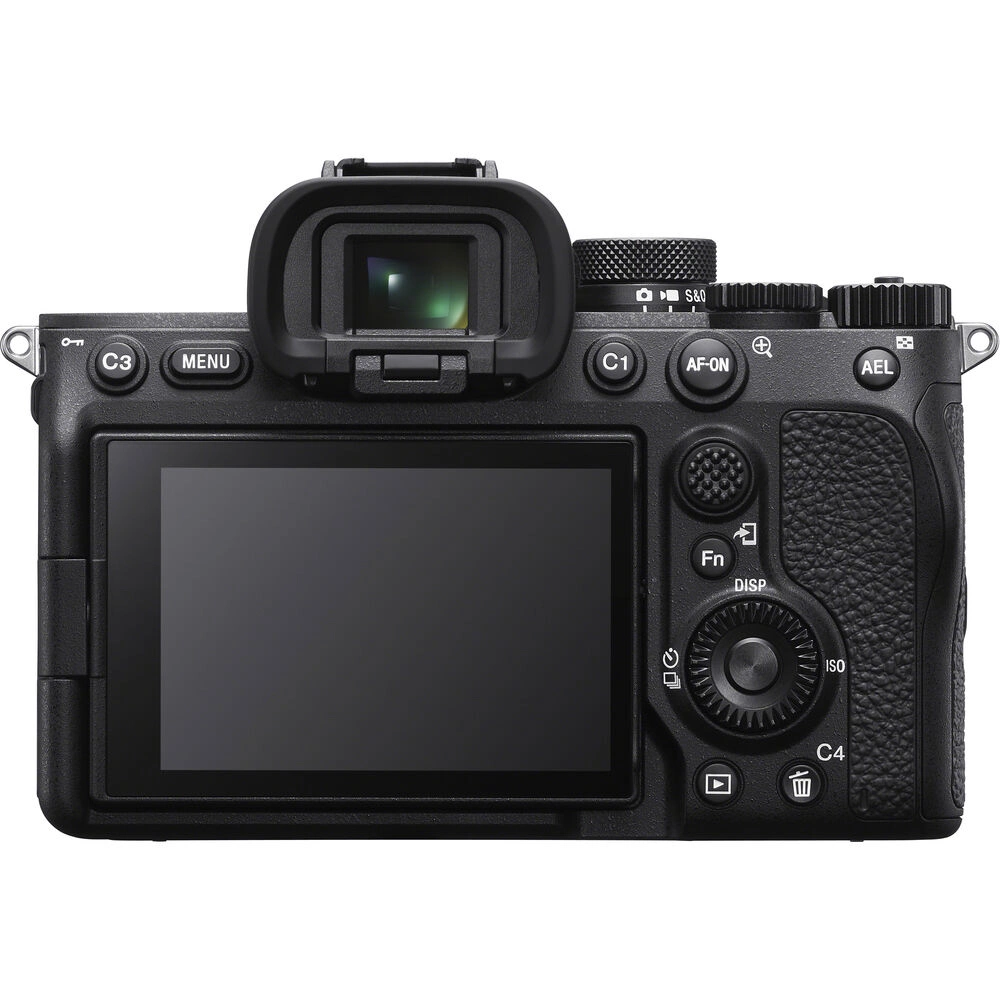
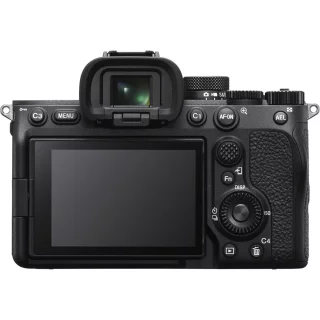
- Forward-facing flip screen
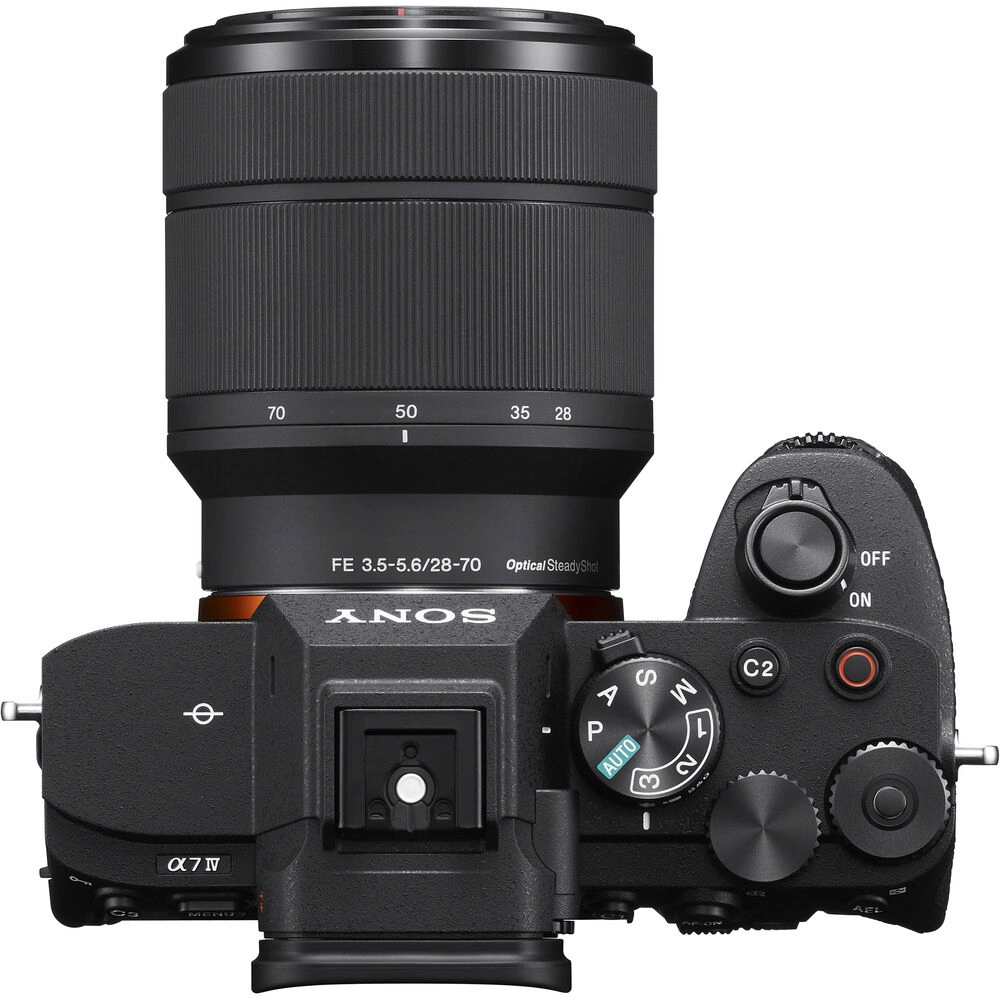
- Photo, video and S&Q shooting selection directly from the switch
- New touchscreen menu system familiar from the Sony A7S III
New sensor and autofocus
Sony's new 33 megapixel sensor is now in use for the first time. This is a great combination of resolution and sensitivity. The dynamic range is the same as in the Sony A7R IV camera, up to 15 stops.
The autofocus uses Sony's latest algorithms, meaning real-time continuous focus can detect not only people, cats and dogs, but also birds! This advanced focus mode also works during video recording.
The continuous shooting speed is a maximum of 10 frames per second, as in the previous model, but thanks to the more advanced autofocus, a much larger proportion of these are in perfect focus and more usable frames are created. Thanks to the faster processor and larger cache, images can be stored almost endlessly, i.e. over 800!
Combined with the higher 33MP resolution and faster AF, the Sony A7 IV will probably be popular with wildlife photographers as well.
The magic words of videography:
- 4K 30P video recording (oversampling from 7K material!), without cropping
- 4K 60P video recording (from 4.8K material), Super35 or approximately APS-C cropping
- Unlimited duration for video recording
- USB-C streaming directly through your computer's USB port
- S-Cinetone color scheme
- 10-bit 4:2:2 HLG wide gamut
- S-Log 3 recording
- EyeAF features also work in 4K shooting - fast!
- Focus Breathing Correction
- S-Cinetone color scheme
- Digital audio connection and full-size HDMI
The Sony A7 III was a very popular hybrid camera, meaning many users shot both regular stills and video with one and the same device. For hybrid photographers, it's important that there are no compromises in photos or video, but that the features are actually sufficient for professional use.
High-quality 4K video is created using oversampling technology from an even larger amount of data, meaning that a 7K image is converted to 4K material, so the resolution is even better and noise is better controlled even when increasing sensitivity. According to initial tests, the 4K image is the sharpest of Sony's cameras if you don't include the 8K video of the flagship A1! This means that the resolution even surpasses the A7S III model and the A1's 4K modes.
This Sony A7 Mark IV lacks some of the features of Sony's top cameras, such as 8K video or raw video recording, and the so-called rolling shutter, which is quite noticeable, but as you can see from the feature list, this body can go a long way.
There's also a completely new feature not found in any other camera: Focus breathing correction . Focus breathing refers to the change in image size when focusing, and this can be distracting when shooting video.
Even Sony's professional lenses like the FE 50 F1.2, despite their otherwise almost flawless image quality, suffer from this and the Sony A7 Mark IV can fix this! The camera does a small crop in real time to the video and practically removes the effect completely. The Sony A7 IV can do smooth focusing from one object to another and this can be controlled directly from the touchscreen, so now the image does not change and the end result looks professional.
As mentioned, 10bit S-log2 and 3 recording and HLG are now included. S-Cinetone color technology has been borrowed from Sony film cameras, meaning the material is compatible with Sony's production cameras in terms of color for editing. S-Log3 format records a whopping 15 stops of dynamic range. The camera uses 10bit recording (compare 8bit of the previous model), meaning if you enjoy editing and carefully adjust the color settings until the end, the A7 IV offers much better image quality.
The Sony A7 IV includes an effective 5.5 aperture image stabilizer and in addition, the more effective Active mode helps with video recording. This provides really stable video when shooting handheld. This stabilization is implemented really nicely, the gyro digital stabilization data is stored in the video file metadata, so digital stabilization can only be done afterwards during the editing phase if desired. So it is worth saving the stabilization data and using it as needed without loss of quality.
Streaming is now more common than ever and the Sony A7 IV can stream to streaming services without separate encoders or capture devices! Simply connect the USB-C cable to your computer and the video and image will be transferred directly to the software of your choice. The image quality options are FullHD at a maximum of 60P or 4K 15P which is mainly suitable for static objects. The video file can also be saved to a memory card while using the webcam.
Usability and new frame
- Sony A1-style forward-facing flip touchscreen
- Programmable exposure compensation dial
- Two memory card slots, one SD and one SD/CFExpress Type A combo slot
- Rec button in a smarter location above the frame
- Body borrowed from the Sony A7S III model: efficient cooling and more robust
- Sony's latest menu system with touch support
- Photo and video mode selection via separate switch
- The shutter becomes a sensor protector when the power is turned off, less dust
- USB-C additional power even during shooting
- 610 images on a single charge
The improvements in the Sony A7 M4 are not limited to the sensor and electronics. The weather-resistant body is borrowed from the A7S Mark III. This model had significantly better thermal management than before , meaning 4K video recording and burst shooting are handled reliably. In tests, 4K video was recorded for over 2 hours without any heating issues - that is, until the tester got tired.
The camera's touchscreen is now a flip-up model and the HDMI connection is a full-size, or Type A, model. This is a treat for all videographers, the flip screen allows you to put the camera in different positions and is better suited for vlogging. The full-size HDMI connection is much more reliable when using an external recorder, for example.
A completely new feature is the programmability of the exposure compensation button, which can also be used to adjust other camera control functions, and the button can also be locked, so the settings cannot be changed, for example, in a camera bag.
The selection of photo mode, video recording and S&Q slow motion videos is now done with a dedicated switch. This means you can quickly switch to each mode and there is no need to adjust the automatic exposure separately in the menus!
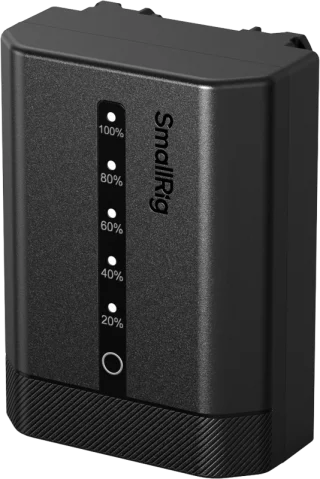
The battery used is the proven NP-FZ100, which is used in Sony's entire line of better cameras. According to CIPA measurements, 610 photos can be taken with a full battery, which is a clear improvement from the 400 photos of the third version. But as always, this measurement method is quite unforgiving, so in normal use, even higher numbers of photos can be taken.
The camera's menus are the latest version from Sony, the same as those on the A1 and A7S III. The menu structure is clearer and you can also adjust settings directly with your finger thanks to the touchscreen.
Specifications:
- Compatibility: Sony FE mount
- 33 megapixel full-frame sensor, Bionz XR processor
- Sensitivity ISO 100-51200 (expanded to 50-204800), up to 15 stops of dynamic range
- 5.5-stop effective internal image stabilization
- Eye AF for people and animals, also in video mode
- 794 phase-detection AF points and 425 contrast-detection points
- 5Ghz Wi-Fi + Bluetooth LE
- HDMI A, USB-C 10Gbps, accessory port on hot shoe
- 3.5mm jack for microphone and headphones
- Burst shooting at 10fps for up to 830 Raw+JPG images and unlimited JPG
- 1/250 flash sync
- 4K 30P video recording, max. H.265/XAVC HS / SI 4:2:2 10-bit, bit rate 50-600Mbps
- 4K 60P with Super35 crop
- Flip-out touchscreen
- Electronic viewfinder: 3.69m dots, 120fps, 0.78x magnification
- Memory cards: 1x UHS-II SDXC and 1x UHS-II SDXC / CFExpress Type A combo slot
- NP-FZ100 battery, approximately 610 shots or just over 2 hours of 4K video recording
- Size: 131.3.9 x 96.4 x 79.8 mm
- Weight: 658g

Osta myös
Arvostelujen yhteenveto
Kysy tuotteesta

ma-pe 9-17 ja la 10-14