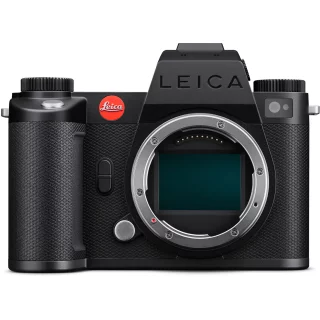
Leica SL3 Reporter body

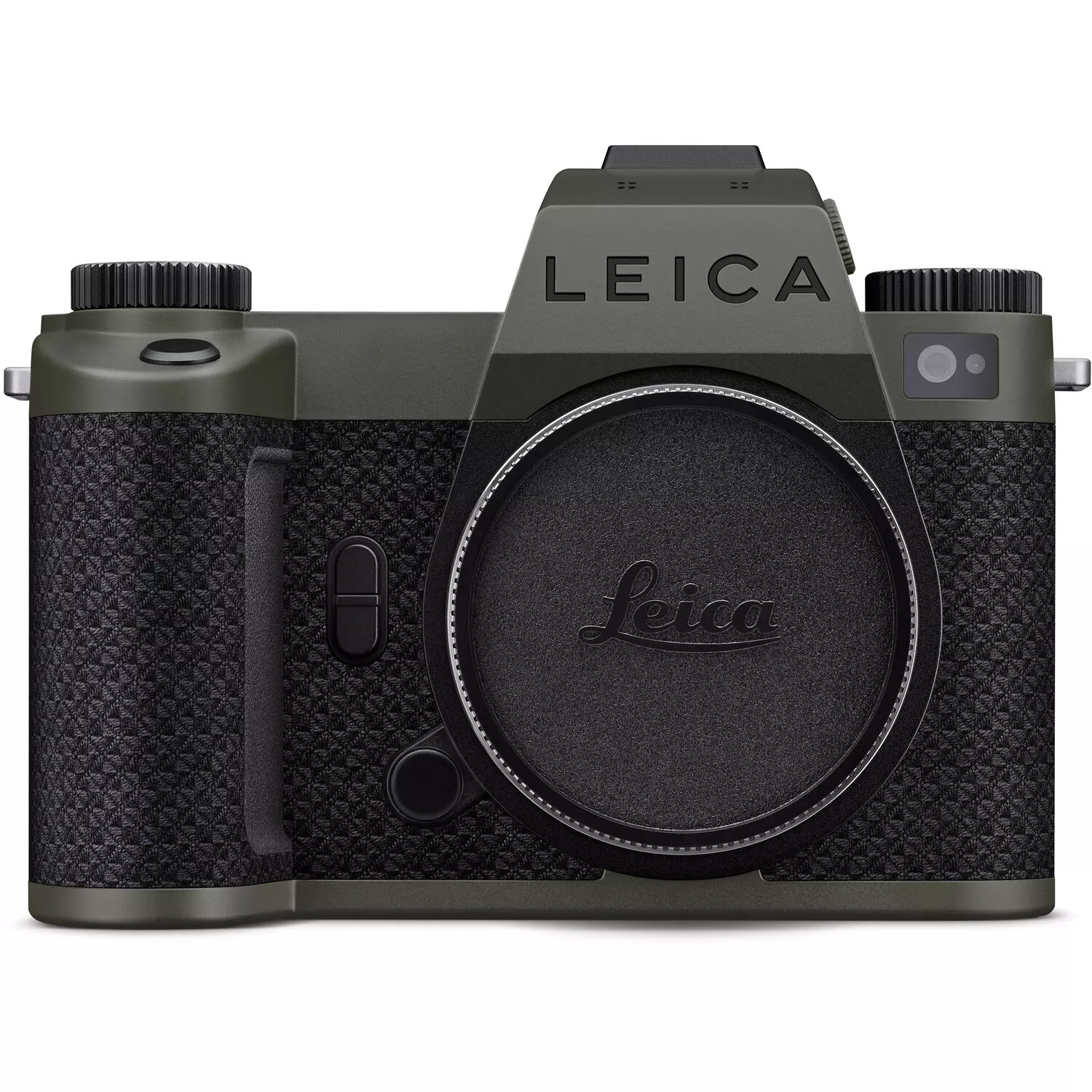
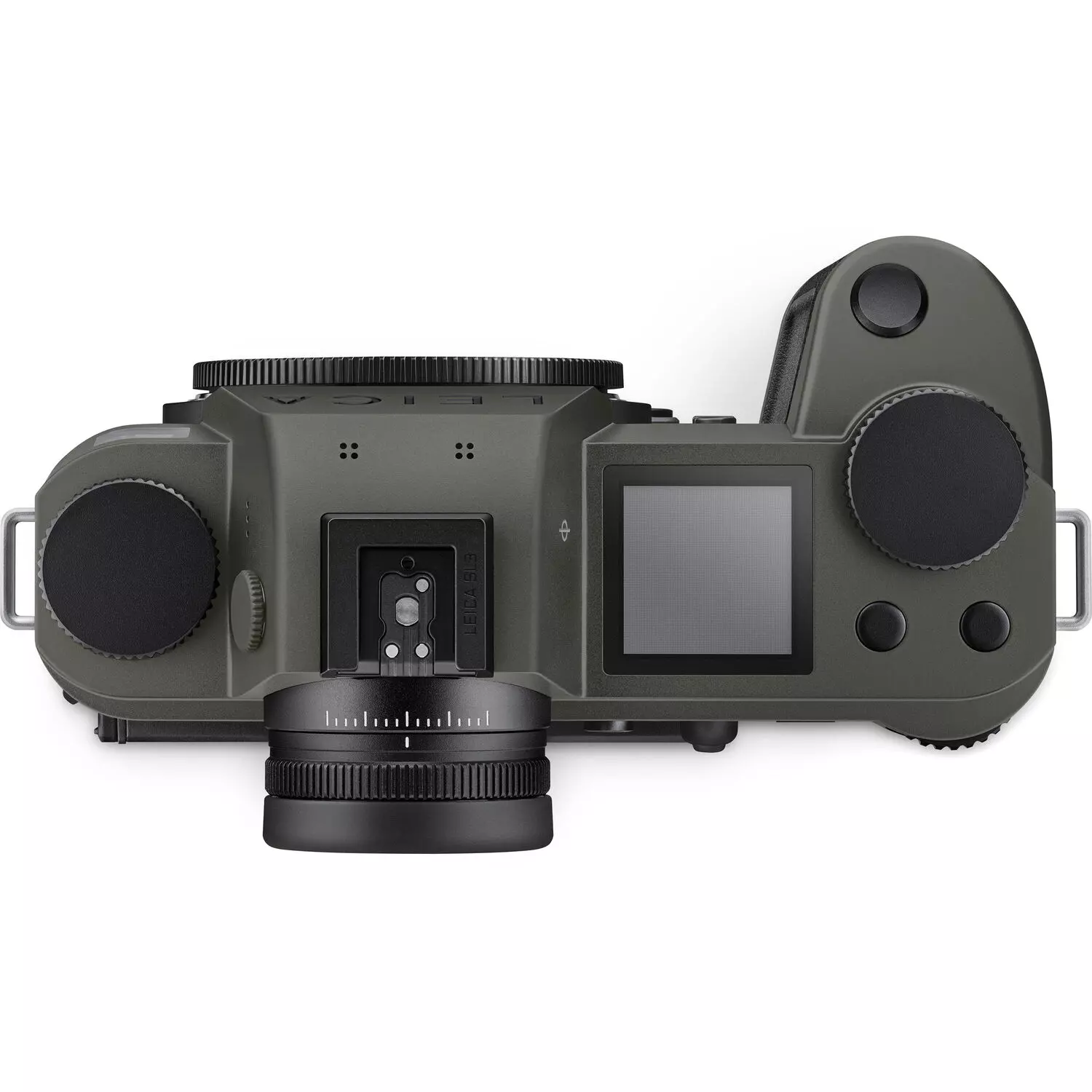
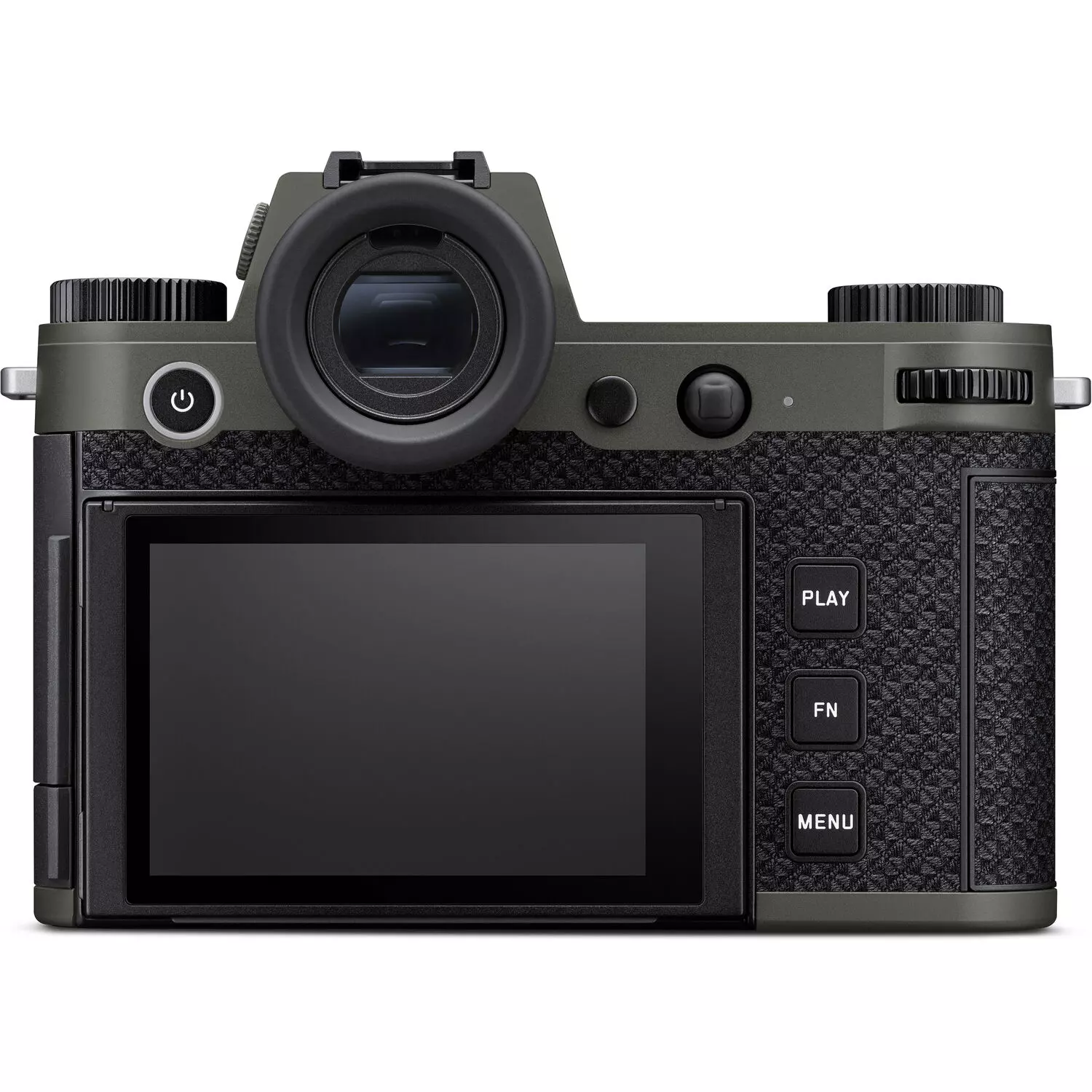
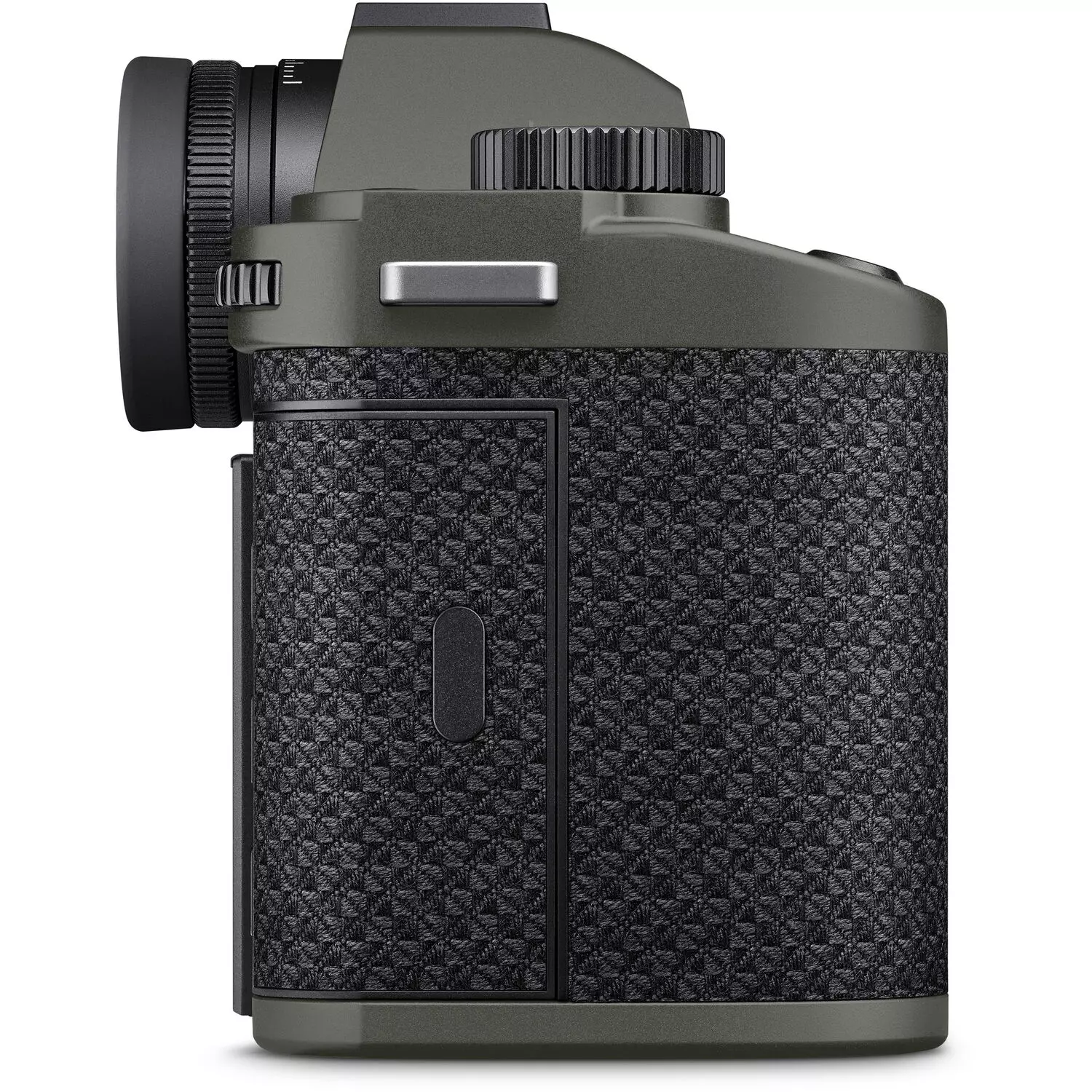
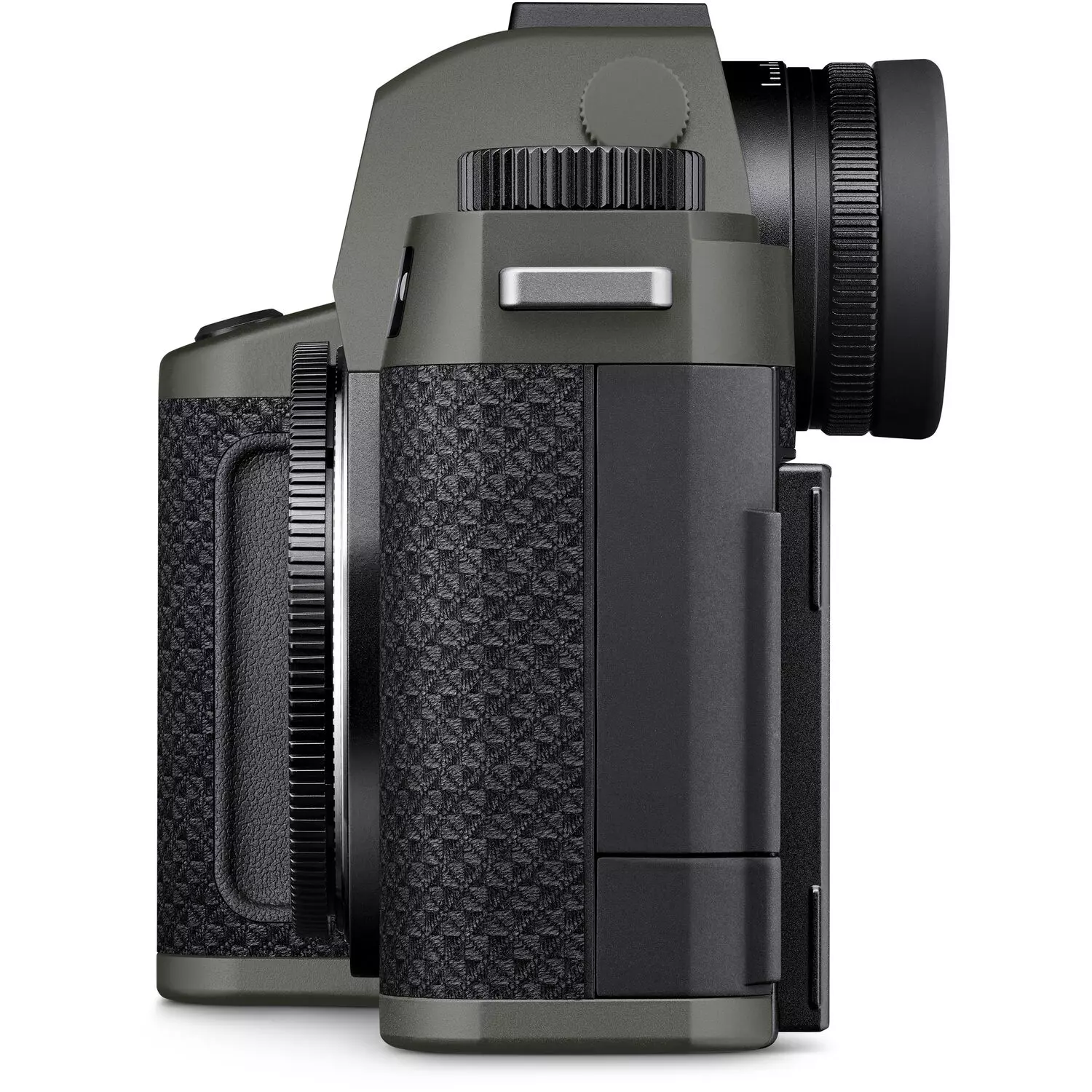
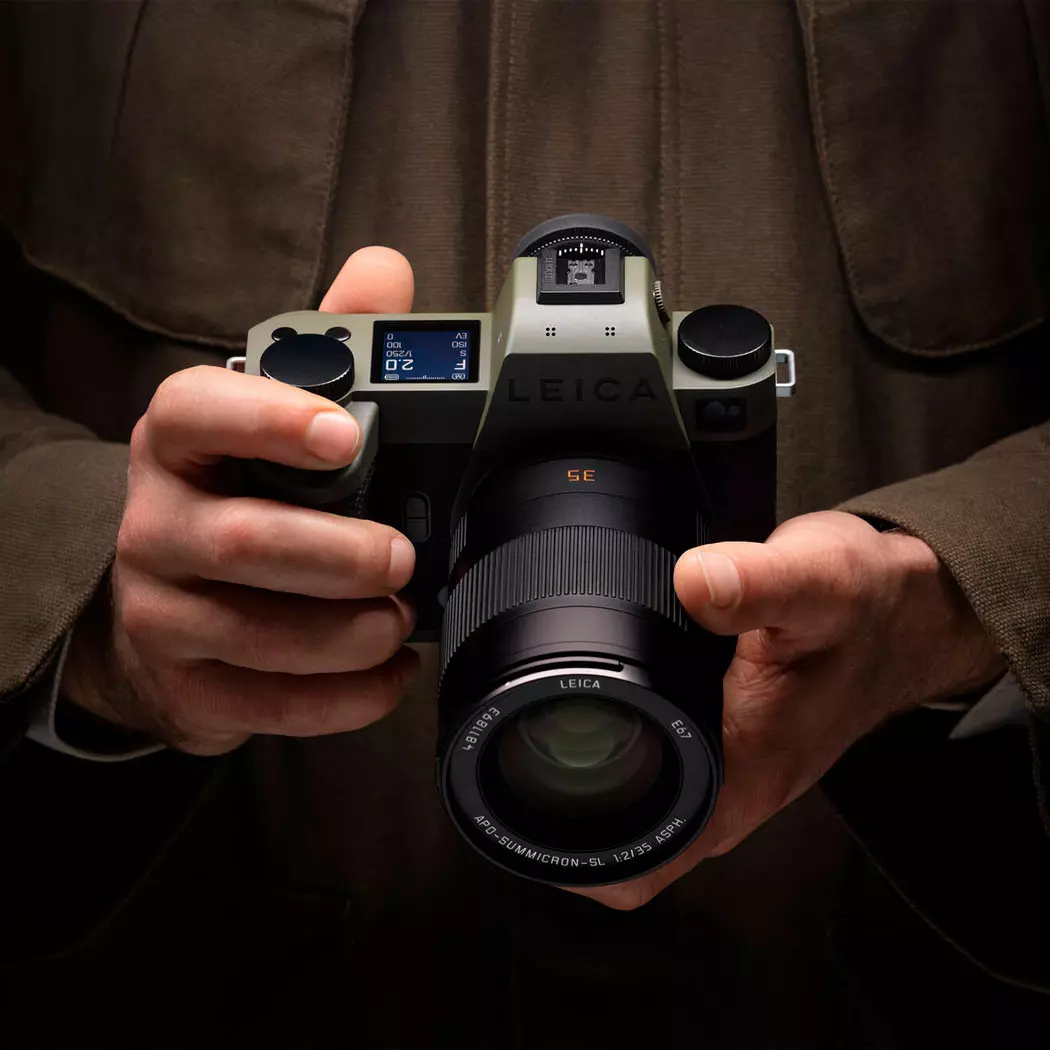
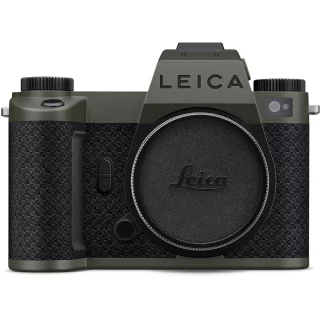
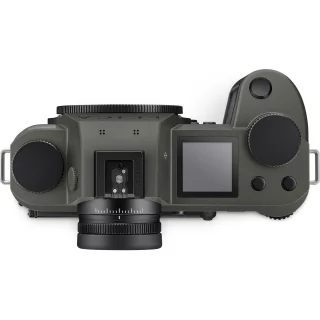
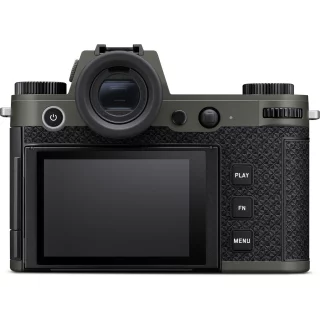
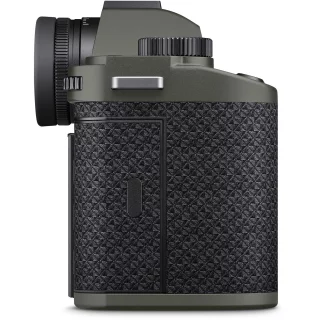
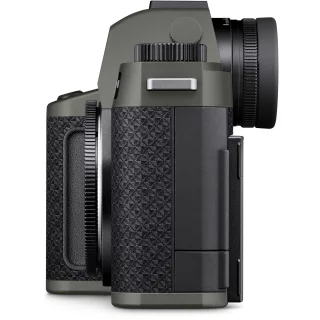
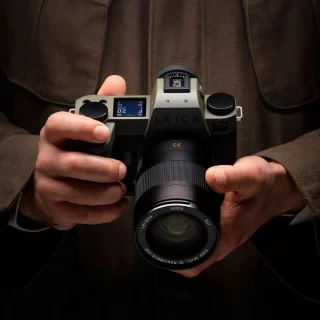
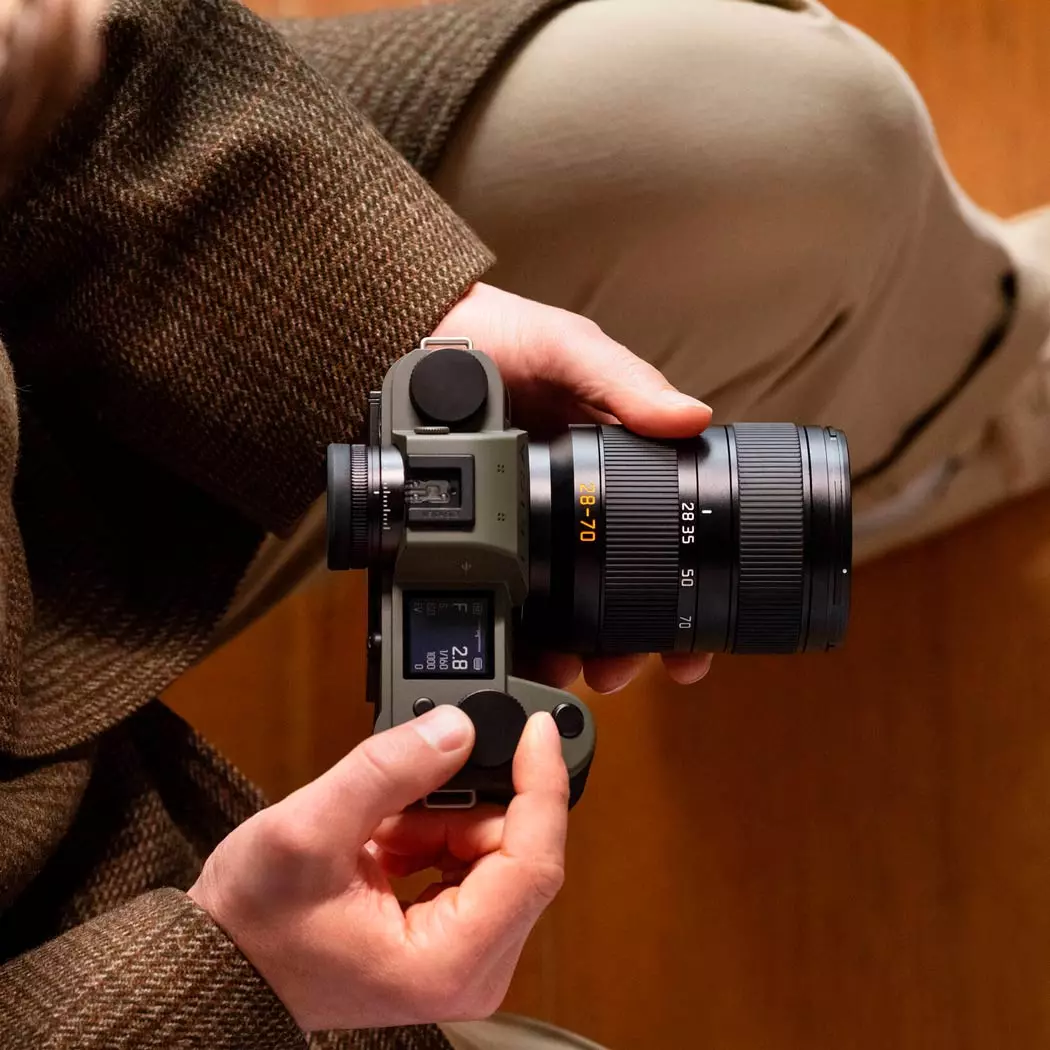
The Leica SL3 Reporter special edition combines a modern and high-performance SLR camera with Leica's traditional strengths such as design and mechanical quality. The SL3 is L-Mount compatible.


Active campaigns

Compatible accessories
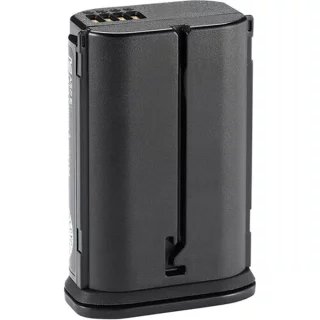
Leica BP-SCL6 battery
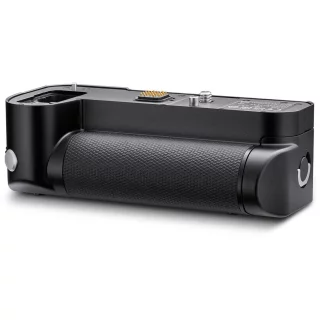
Leica HG-SCL7 Battery Camera
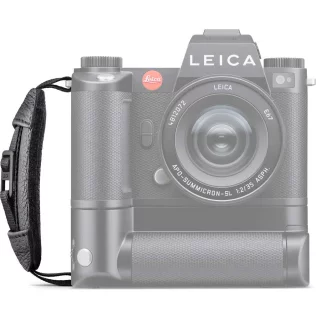
Leica SL3 Wrist Strap For HG-SCL7
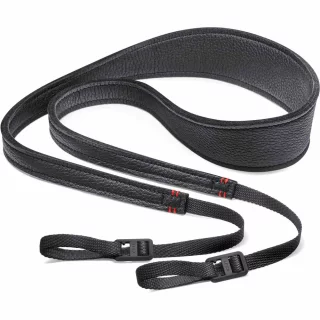
Leica Carrying Strap SL S-System camera strap
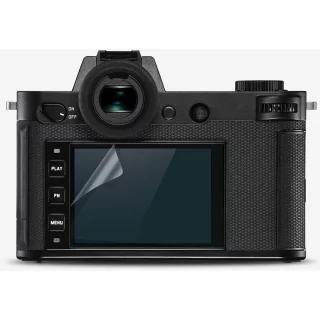
Leica SL3 Reporter body
Now get an extra €400 trade-in bonus! For example, if your camera’s trade-in value is €1500, you will receive a total credit of €1900!
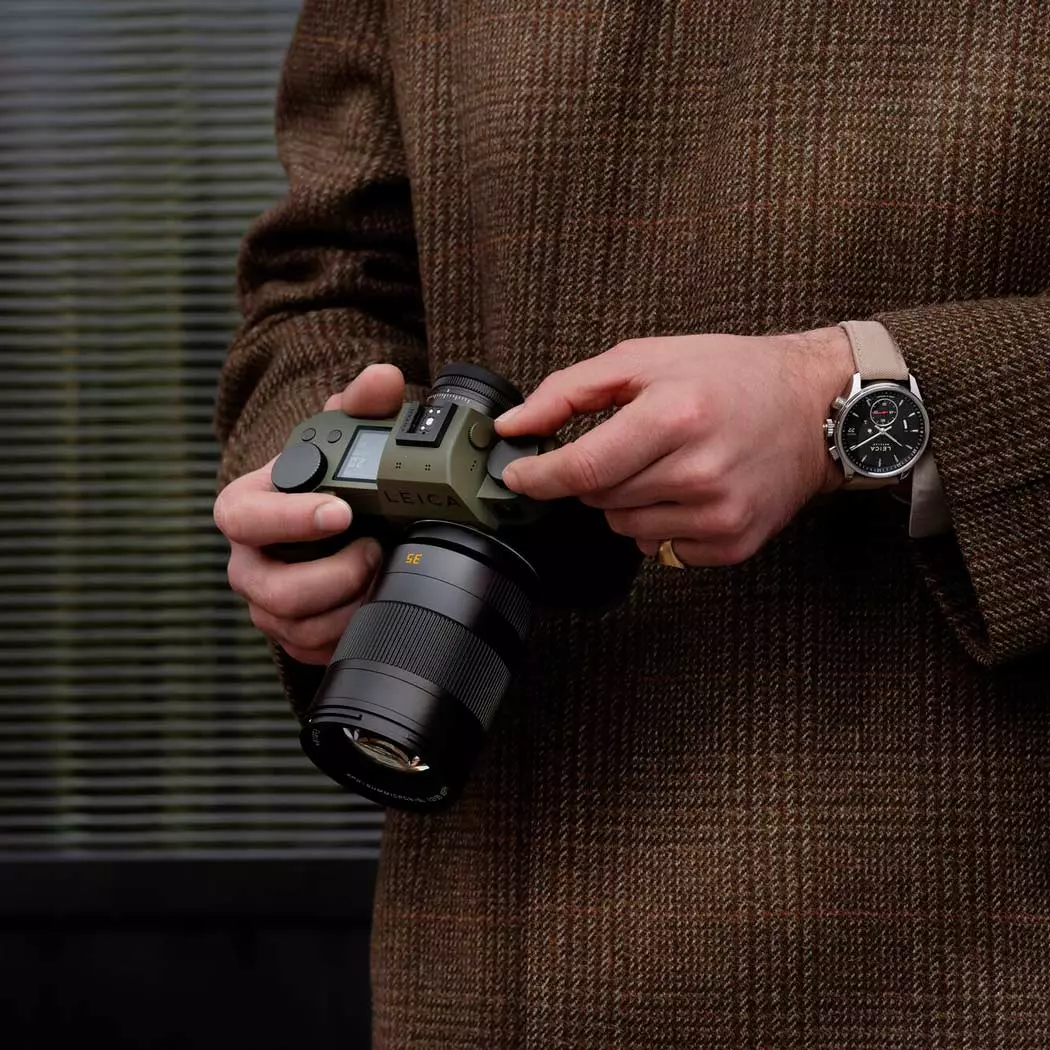
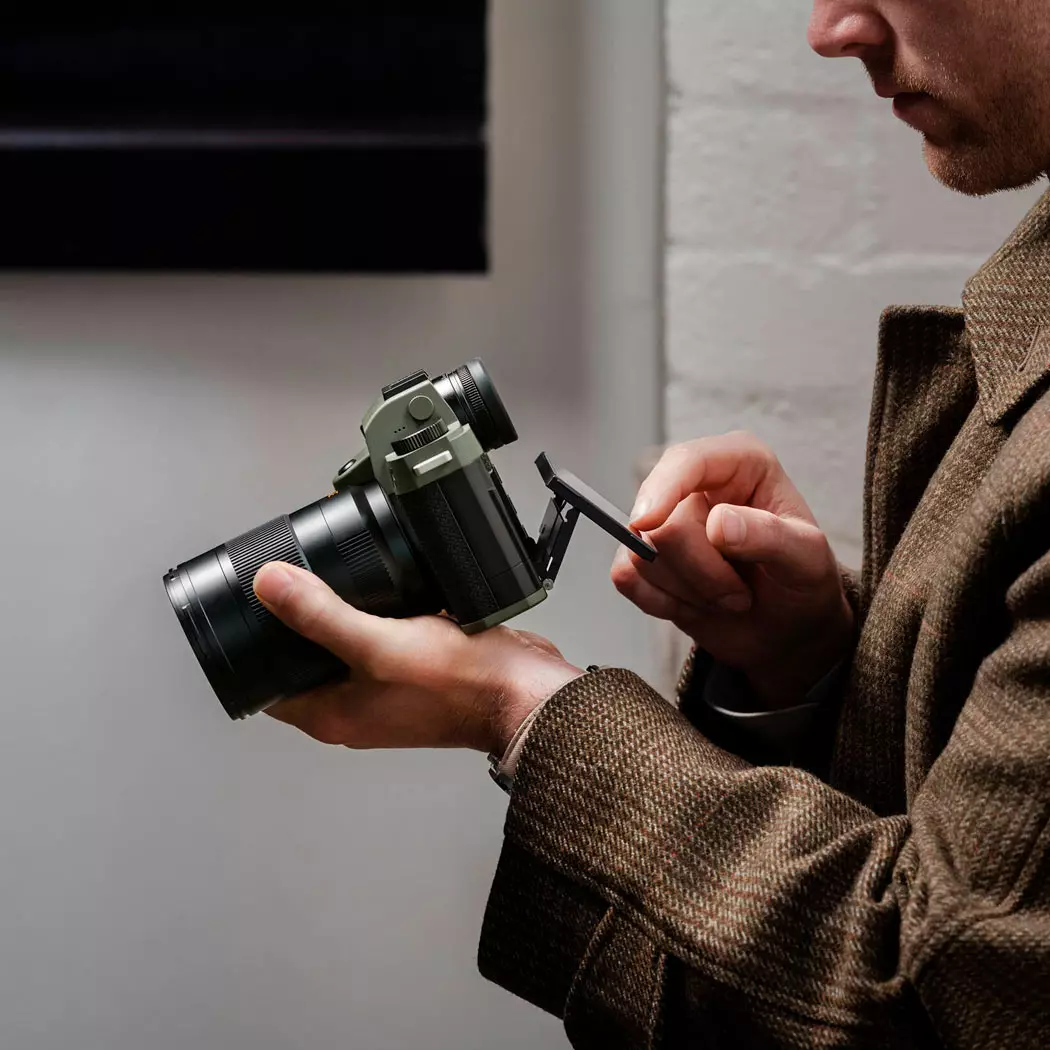
The Reporter special model has been made to look understated and stylish by omitting the red logos on the front and top of the camera. The black-green color is stylish and exudes the atmosphere of old journalism. The Report Edition's Aramid Fiber synthetic coating is very durable and gives a comfortable grip. The special feature of the coating is that over time it acquires a unique patina that tells of the camera's shooting trips and gives the camera character.
Leica's full-sensor mirrorless camera series is updated with the familiar sensor from the Q3 and a completely new autofocus system. The Leica SL3 combines a modern and high-performance system camera with Leica's traditional strengths such as design and mechanical quality.
The SL3 is L-Mount compatible, meaning it can be used with a wide range of Leica, Sigma and Panasonic lenses. Made in Germany.
- 60MP full-frame sensor with three different settings (18/36/60MP)
- New user interface and tuned frame ergonomics
- New and fast phase-detection and contrast-detection autofocus
- Also includes object and eye recognition (works on humans and animals)
- 5-axis in-cell image stabilization
- Metal frame and IP54 weather protection
- 5.76 million dot viewfinder
- 15fps burst (4fps with continuous focus)
- 8K 30P & UHD 4K 60P video recording without time limits
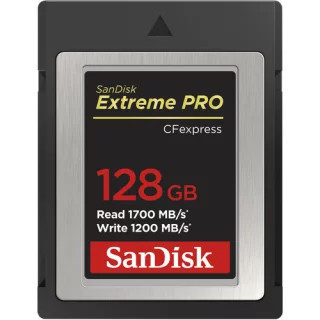
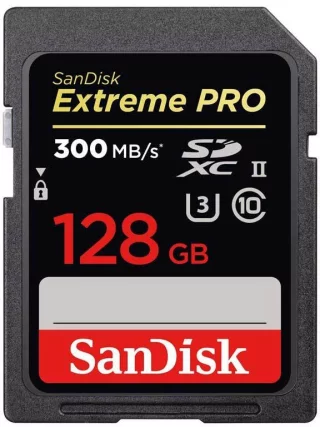
- CFexpress Type B and SDXC UHS-II memory card slots
- Highly acclaimed Leica Fotos mobile software
- Super-fast image transfer to smart devices (BT 5.0 and 5GHz MIMO 2x2 Wi-FI, meaning full-size raw images are quickly available
New technology: image sensor
The SL3 features a state-of-the-art back-illuminated 60-megapixel sensor, which can be used to capture images at three different settings. It also uses the Maesto IV processor, which is familiar from the Leica Q3 camera, enabling, for example, the aforementioned maximum sensitivity.
- 60 megapixels: dynamic range 14 apertures, best resolution
- 36 megapixels: dynamic range 15 stops, best combination of resolution and noise
- 18 megapixels: dynamic range 15 stops, lowest noise
This setting can be made separately for DNG raw images and JPG images.
The sensor is the same BSI style as in the M11 camera, in this sensor type the light is collected closer to the surface and it works better on Leica M wide angles where the lens comes very close to the sensor and the light does not come directly from the front like in retrofocus type lenses.
So what on earth does this mean? The Leica SL3 is clearly the best camera option if you have Leica M-mount lenses but also want autofocus lenses. The viewfinder is missing, but the electronic viewfinder and focus aids make shooting smooth. You can connect Leica's golden era wide-angles or exotic Voigtländers with an adapter, but in addition to these, you can also use modern autofocus lenses. We look forward to testing it ourselves!
Completely redesigned autofocus
In addition to the sensor, the autofocus has also been revamped. The SL3 includes phase-detection autofocus, which helps in fast situations, for example when using continuous focus, and contrast-based autofocus to provide ultimate accuracy, i.e. it is a modern hybrid autofocus.
In addition, the focus is assisted by automatic focusing based on pattern recognition and technology that recognizes and tracks bodies, faces and eyes. And eye and object recognition also works on animals. A higher resolution always requires accurate autofocus as a companion because the image reveals even small failures of the technology.
It is no secret that the Leica sensors are powered by industry pioneer Sony and the AF technology is somewhat reminiscent of partner company Panasonic. However, this is a proprietary device with very deep customizations and choices regarding the nature of the image, meaning that Leica color lovers are in for a treat. The processor is the same Maestro IV as in the Leica Q3 camera, meaning that it is expected to produce a pretty image. According to initial comments, the image is as grainy at maximum sensitivities as the SL2-S version, and this is quite good because it now uses 60 megapixels instead of the previous 24.
Leica SL3 in video shooting
In addition, the processor enables significantly more advanced video recording capabilities. Even 8K video recording and 4K 60P recording can be done internally directly to the memory card. 8K videos are recorded in H.265 format, but Apple's ProRes is also used for other resolutions.
Due to the large number of pixels, lower resolutions are probably implemented using so-called line skipping technology, meaning that part of the image data is omitted, but for example the Sony A7R V has shown that this can be done well, meaning it is a great hybrid device if you want to combine photography with video projects.
Usability
Image quality, autofocus and other bells and whistles are fine, but an important part of a camera's quality is its usability. How quickly you can react to changing situations, how the camera feels in your hand. And some cameras just find their way into your camera bag and on shooting trips more often than other, slightly more boring options.
But the Leica SL3 is not just a choice of feel, even though the exterior looks stylish. The SL2 and SL2-S had already made many professional photographers switch to Leica from other manufacturers' top models. In other words, the camera's menus were clear but versatile enough for a professional, as were the button locations, grip, and other physical usability of the body. And now this work has been taken much further!
- Power button, light indicates battery level every time you press it
- The large scroll wheel and menu buttons that were on the left side have been moved to the right side of the screen.
- Most of the buttons do not have function names because these can be adjusted yourself.
- Standby mode, meaning the camera starts up much faster from this mode (waking up can also be done by moving the screen, for example)
- Larger and clearer display on the top of the chassis
- Slightly smaller body than previous models but deeper handle side
- Fast image transfer via Wifi and cable directly to smart devices and very good phone software
- Foldable touchscreen, also includes gesture control such as finger swipe
- Tethering to Capture One Pro, for example, works very quickly
- New menus, cleverly thought out amount and priority of information
- The user interface rotates with the camera in portrait mode
- Live view mode can be customized as desired
- Full-size HDMI connection
- Quick menu and keys are easily customizable, press and hold to select a new function
- And yes, the menu icons and even the font have been redesigned
So a lot of small and slightly bigger innovations. But we think that this will become a favorite camera and trusted tool for many photographers. Leica always has a slightly better quality impression than other manufacturers and this is a cheaper dive into the world of premium than a German car or a valuable watch. But it is also a really good camera, which is suitable for almost anything in terms of features if you don't need very fast continuous shooting.
The SL3 is smaller and lighter than its predecessor, while still maintaining Leica's solid feel and balance. The weather protection is exceptionally detailed in the camera world and complies with the IP54 standard.
Made in Germany.
Specifications:
- Compatibility: L-mount
- Sensor: Full-frame 60 megapixel CMOS BSI sensor
- New Maestro IV processor
- ISO sensitivity: 100-100000
- Continuous shooting at 15fps with electronic shutter
- Flash sync: 1/200, PC-sync connection and hot shoe
- 5-axis in-body image stabilization
- Video: 8K 8192 x 4320 30P H.265 4:2:0 10bit , 4K 4096 x 2160 H.264 60P. 8K video only in H.265 format and other resolutions also as Apple ProRes files
- Viewfinder: 5.76 million pixels, magnification 0.76x
- Connections: 3.5mm headphone jack, 3.5mm Mic, USB-C 3.1, full-size HDMI Type-A
- Bluetooth 5.0 and 5GHz MIMO WiFi 5
- 3.2-inch foldable touchscreen, 2.3 million dots resolution
- 2 memory card slots: CFexpress Type B and SDXC (UHS-II)
- New SLC6 battery type but compatible with the old type, may have an impact on video features and of course battery life
- IP54 level weather protection
- Size: 141.1 x 108.5 x 84.6 mm
- Weight: 769g (without battery)
The sales package includes:
- Leica SL3 Reporter body
- Battery (BP-SCL6)
- USB-C cable
- Belt
- Quick guide
Featured
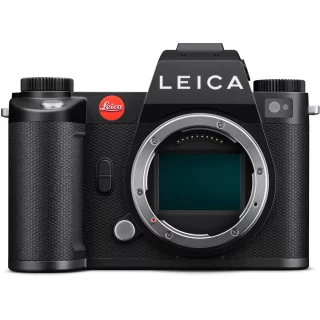
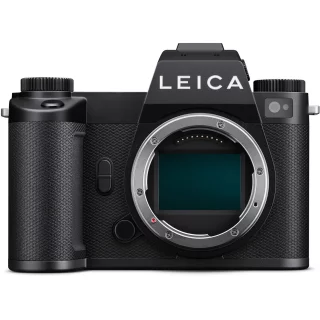
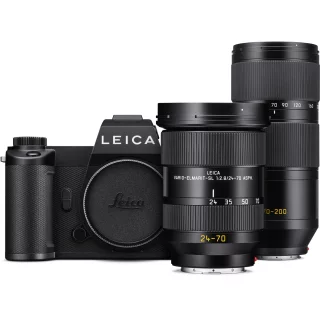
Leica SL3-P + SL 24-70mm f/2.8 + SL 70-200mm f/2.8 kit
Summary of reviews
Ask about product

Mon-Fri 9-17 and Sat 10-14
INFO