Leica M11-D - Musta


Tilaa saapumisilmoitus sähköpostiisi, niin saat heti tiedon kun tuotetta on jälleen saatavilla.

Varmasti yhteensopivat tarvikkeet
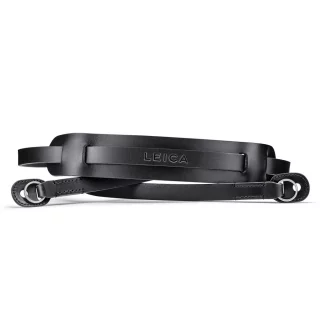
Leica Carrying Strap with Shoulderpad camera strap - Black
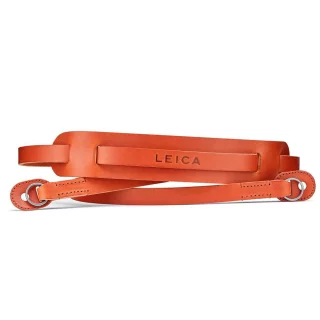
Leica Carrying Strap with Shoulderpad - Cognac brown
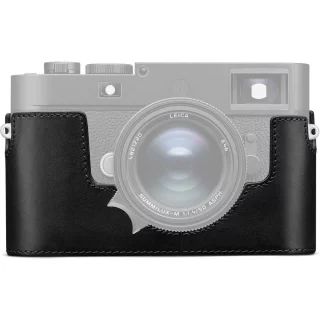
Leica Half Case M11-D Leather Case - Must
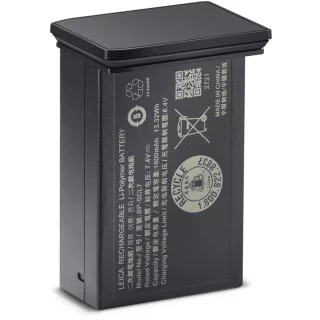
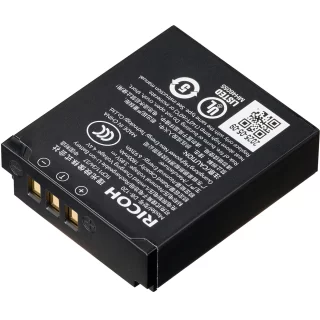
Leica Battery BP-SCL7 Musta (Leica M11) battery
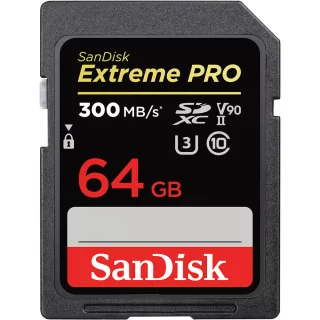
SanDisk Extreme Pro 64GB SDXC (300Mb/s) UHS-II memory card
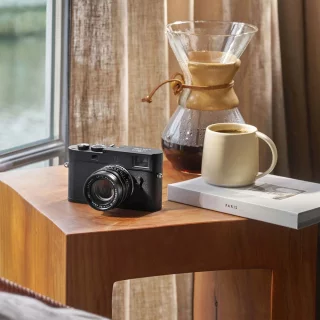
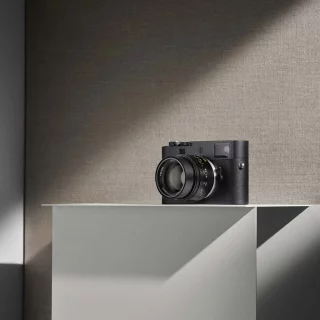
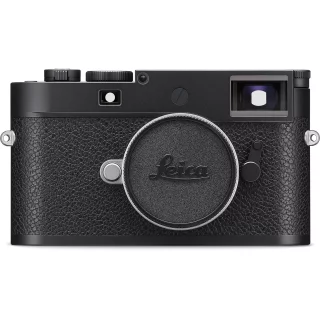
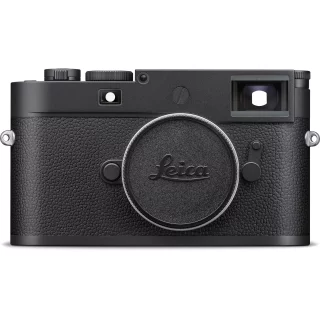
Leica M11-D - Black
According to the importer, we have the only copy of this camera that has ever come to Finland in stock!
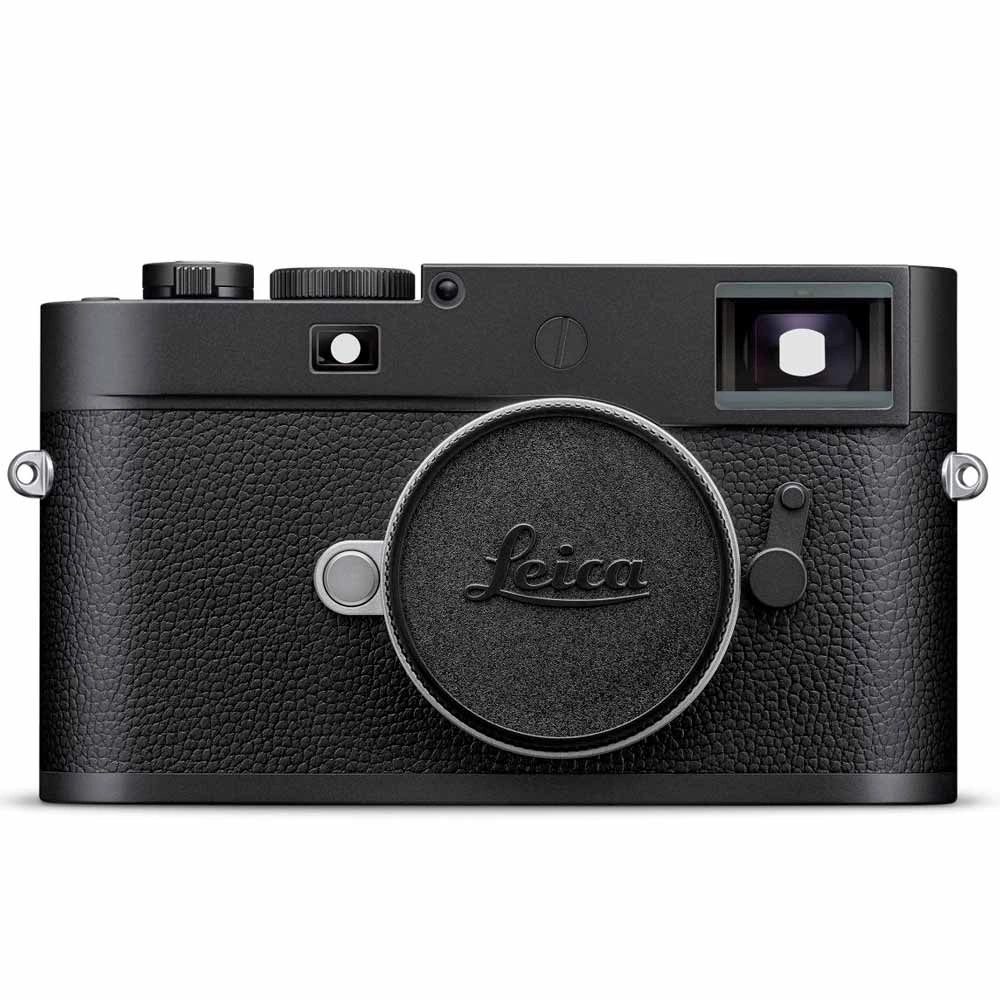
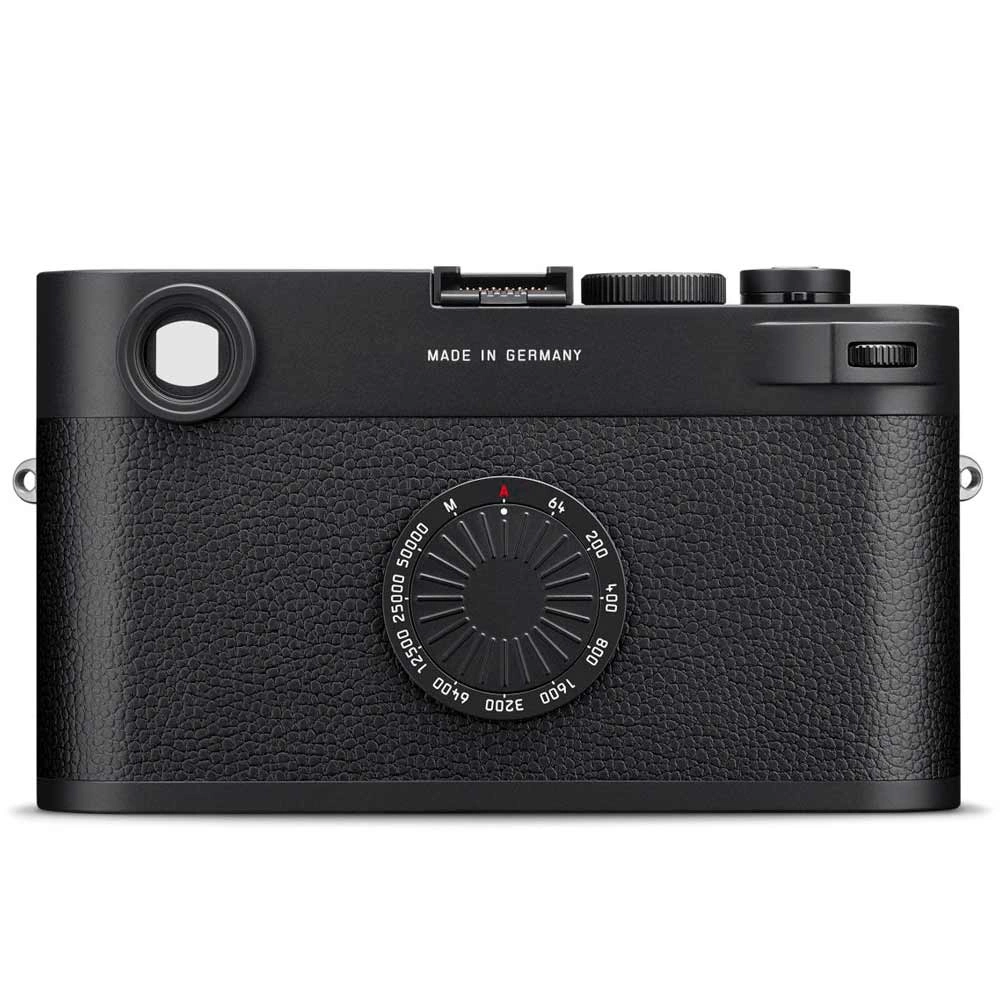
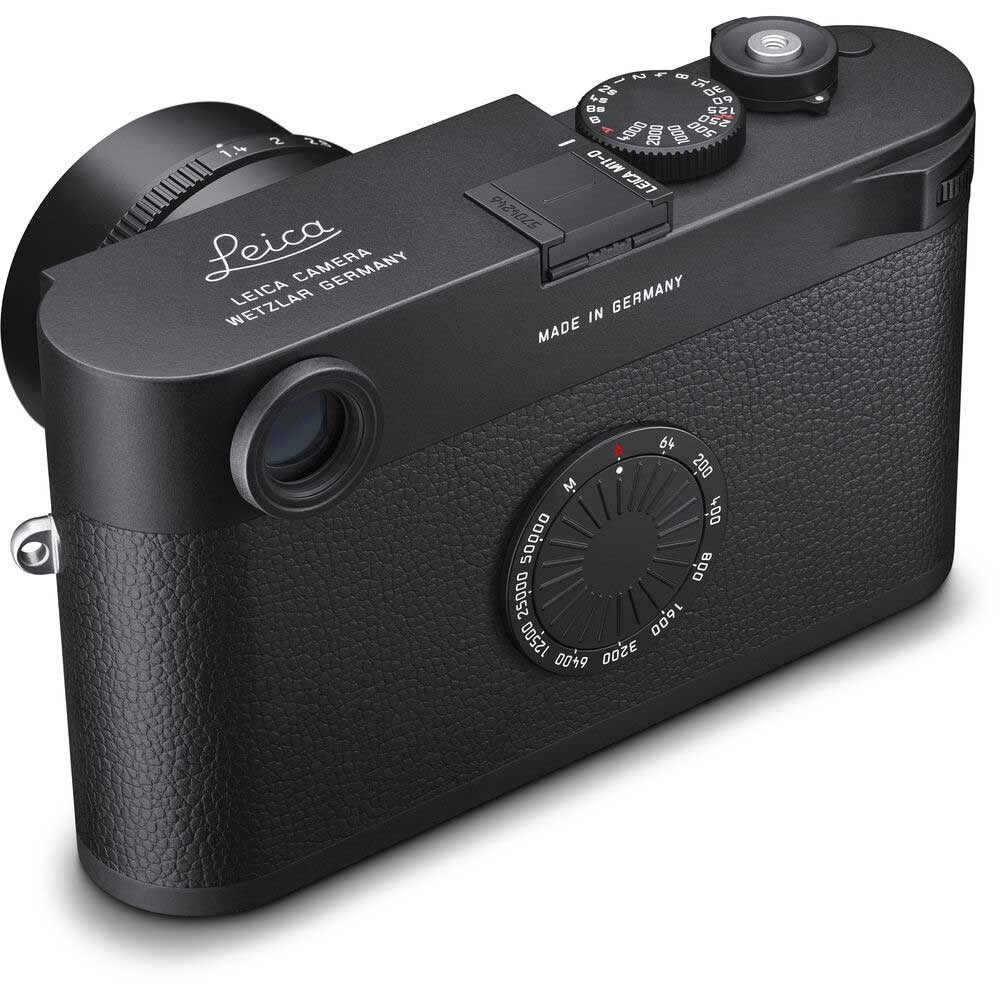
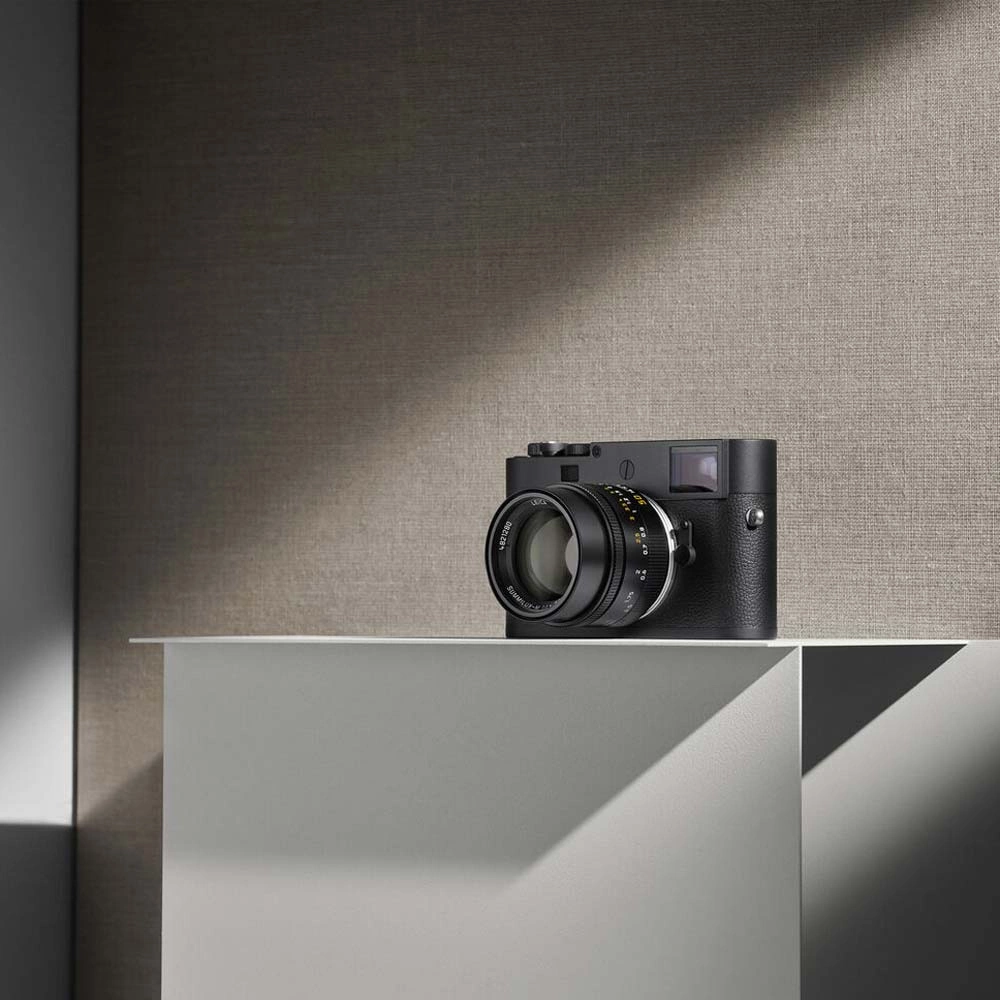
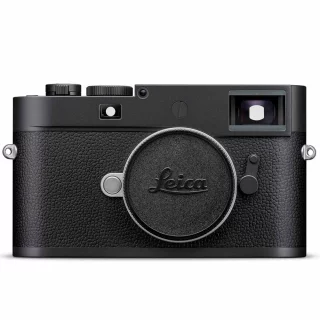
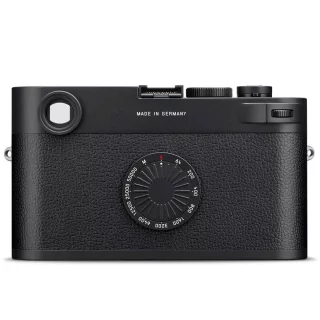
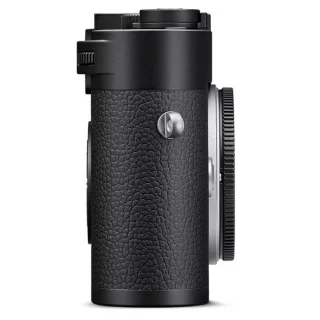
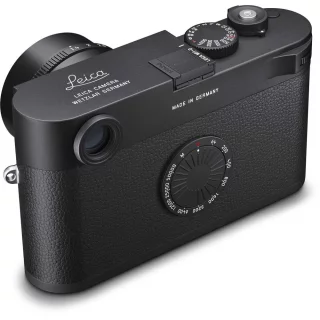
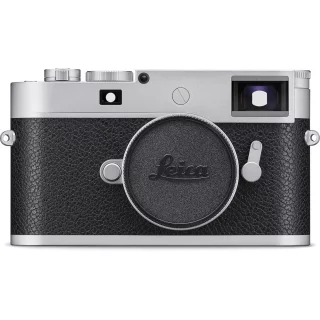
Leica's latest M-series camera, practically the only difference from the previously released M11-P camera is the lack of a rear screen. The screen has been replaced by an ISO dial and the buttons are gone. Removing the screen brings the shooting experience closer to the traditional film shooting feel. In terms of appearance, the M11-D follows the M11-P line, i.e. a more subdued black appearance suitable for professional and photojournalism styles without the red logo.
Leica Content Credentials and Content authenticity are a technology for verifying the authenticity of images. Basically, the camera encrypts information in the image file at the time of recording, and the image viewer, for example with Adobe Photoshop, can verify that the image has not been altered.
In addition to Adobe, the system also includes The New York Times, for example , and free source code software. In addition to being uneditable, the system can sign images and provide proof of origin.
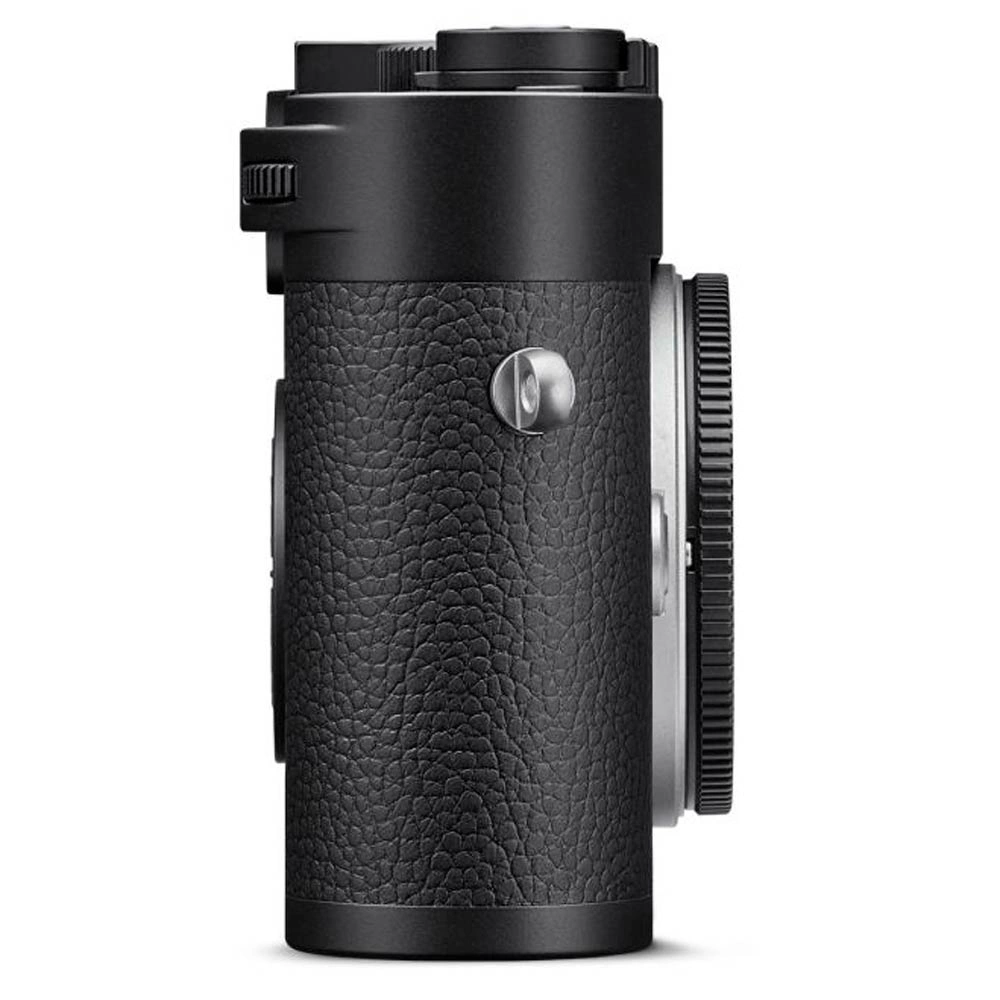
Like the M11-P, this model uses aluminum for the frame and is therefore significantly lighter than previous frames made of brass.
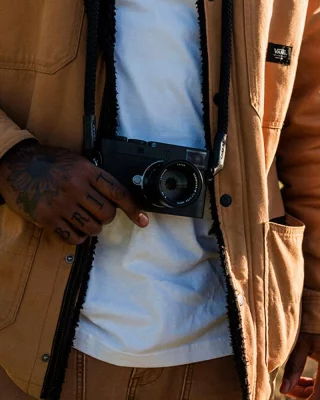
The Leica M11-D respects tradition and those who have photographed with previous models (whether from the film era or newer digital bodies) will immediately feel at home, but Leitz has modernized the camera and user experience in subtle ways.
Contains a state-of-the-art back-illuminated 60 megapixel sensor and this amount of data can be used to record images in three different settings.
- 60 megapixels: dynamic range 14 stops, best resolution
- 36 megapixels: dynamic range 15 stops, best combination of resolution and noise
- 18 megapixels: dynamic range 15 stops, lowest noise
This setting can be made separately for DNG raw images and JPG images. In addition, the glass surfaces on top of the sensor that filter UV and IR wavelengths have been redesigned to get the best possible image quality from the sensor resolution and Leica M lenses.
The new sensor has a minimum sensitivity of ISO 64 and the camera also has an electronic shutter (this works as an alternative to the mechanical one or as a hybrid), so you don't need ND filters when using fast lenses. So if you have a Noctilux or fast Voitgländer in your camera bag, you can use the shortest depth of field without any problems, even in bright daylight.
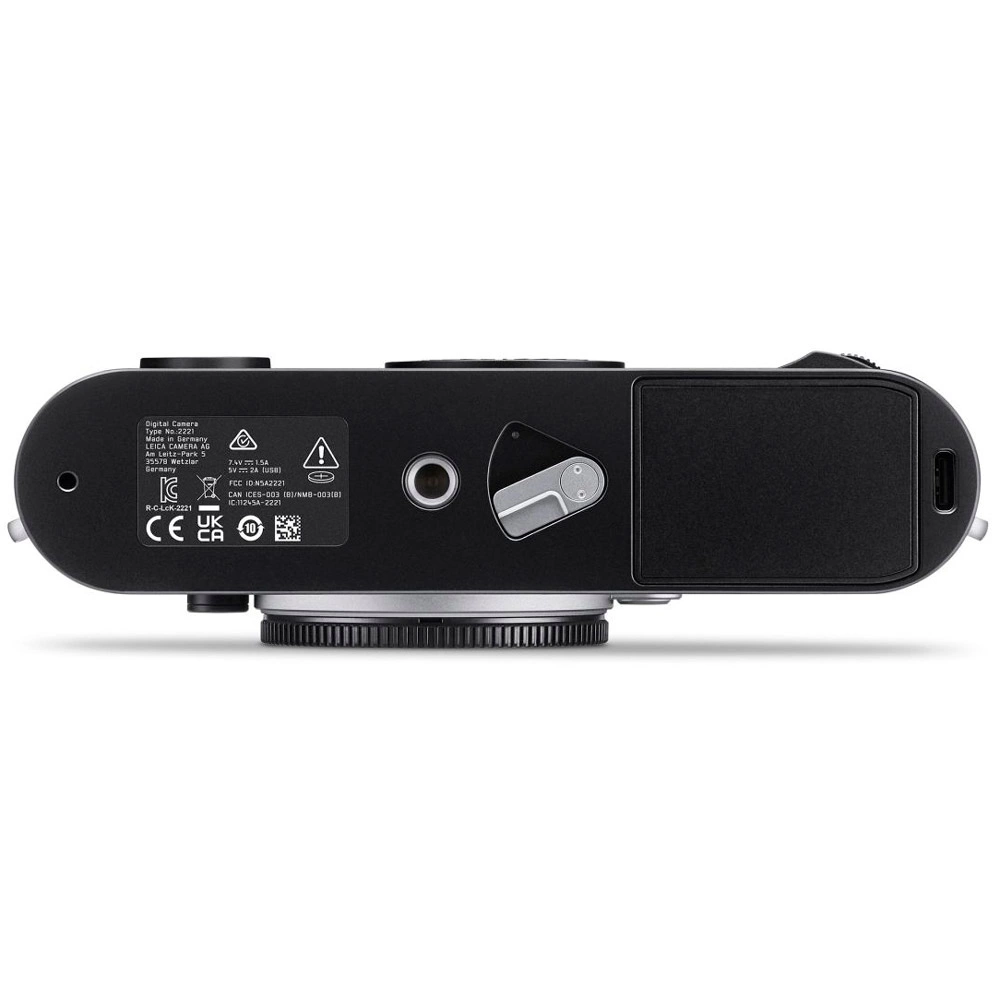
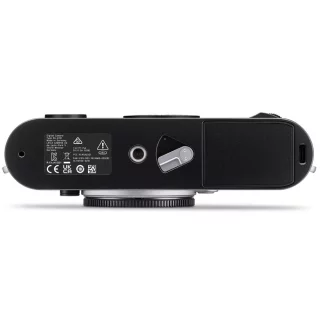
Instead of just center-weighted, light metering can be done from a wider area when shooting through the viewfinder. Light metering is done via the image sensor. The completely removable bottom cover used since the film era is now history and the memory card and battery can be replaced more quickly, in the style of the Leica Q2.
Leica pays attention to detail and instead of a flimsy battery door, the battery itself acts as the camera surface and memory card slot cover. This is a mechanically robust and stylish solution. The USB-C port is also located on the bottom of the camera.
Usability
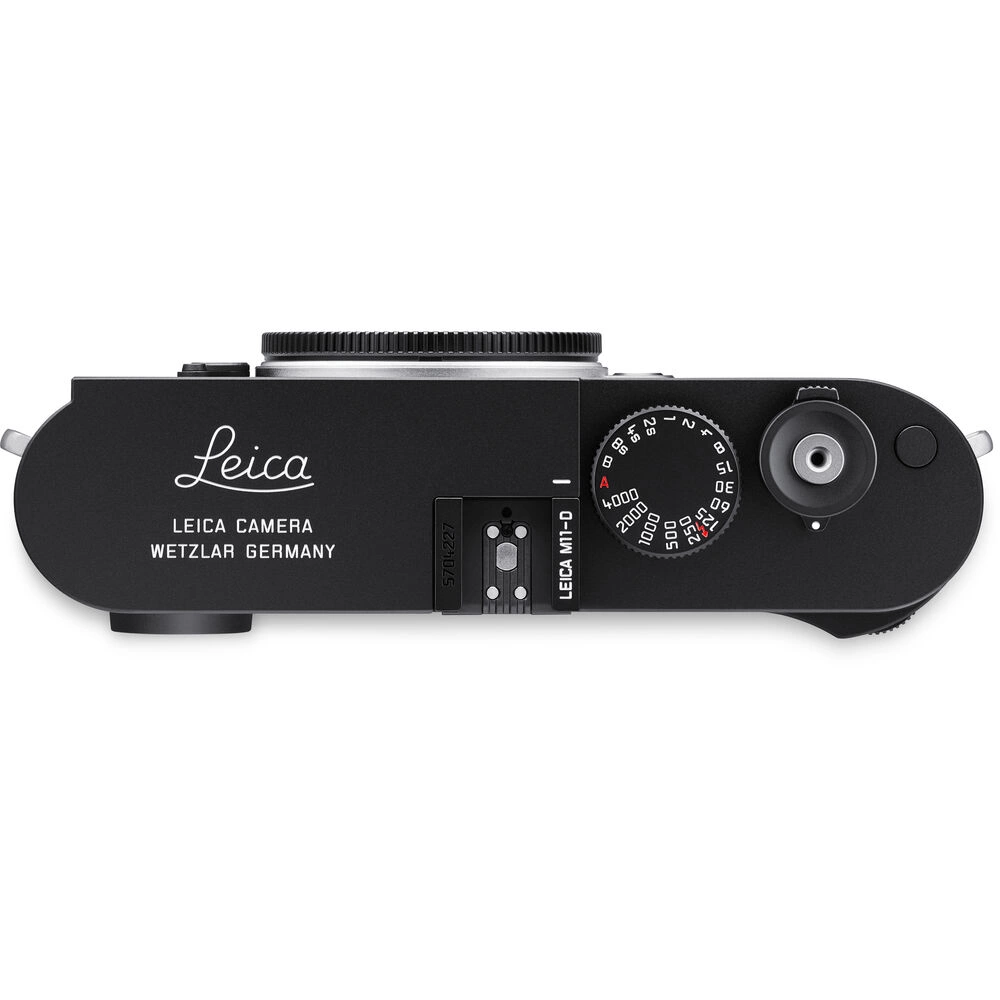
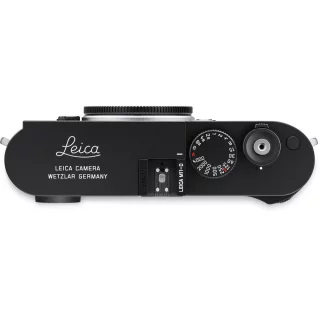
Fewer buttons! The understated design of the Leica M series is a far cry from products from other manufacturers and the design has evolved over the decades to be exactly the same. Now that the rear display is gone, the buttons surrounding it have also been removed. So on the back there is only a control wheel for adjusting the ISO value and a thumb wheel. On top there is the Fn button for information displayed in the viewfinder and of course the shutter release.
The viewfinder itself is similar to the one in the M10 models, with the same magnification and quality.
The previously mentioned USB-C port is now quite versatile. It allows you to charge the battery using, for example, a phone charger or a power bank. The camera can also be used via a power source.
In addition, the USB connection is Apple MFi certified, meaning you can connect the Leica M11 directly to an iPad or iPhone and transfer images directly to smart devices. Image transfer is also possible wirelessly, and as part of a future software update, the camera will be able to update its firmware wirelessly with a smart device.
The Leica M11 is a combination of decades of tradition and very modern solutions.
Specifications:
- Compatibility: Leica M-mount lenses
- Sensor: Full-frame CMOS, 60.3 megapixels
- Sensitivity: ISO 64-50000
- Leica Content Credentials and Content authenticity image authenticity certification and signing
- Shutter speed: mechanical shutter 1/4000, electronic 1/160000
- Exposure metering: center-weighted, multi-zone, spot
- Exposure modes: aperture-priority auto, manual
- Burst: 4.5 fps for 15 frames at full resolution
- Interval shooting and self-timer 2s and 12s
- Focus: manual focus using the viewfinder
- Viewfinder: Standard viewfinder, magnification 0.73x. Frame aids for 35mm/135mm, 28mm/90mm, 50mm/75mm focal lengths paired, automatically displayed depending on lens
- Flash sync: 1/180
- 1x SH UHS-II black card slot and 256GB internal memory
- USB Type-C connector
- Bluetooth & Wifi
- Battery type BP-SCL7 (approx. 700 shots on a single charge)
- Size: 139 x 80 x 38.5mm
- Weight: 455g (without battery)
Osta myös
Arvostelujen yhteenveto
Kysy tuotteesta

ma-pe 9-17 ja la 10-14