Leica M EV1 system camera

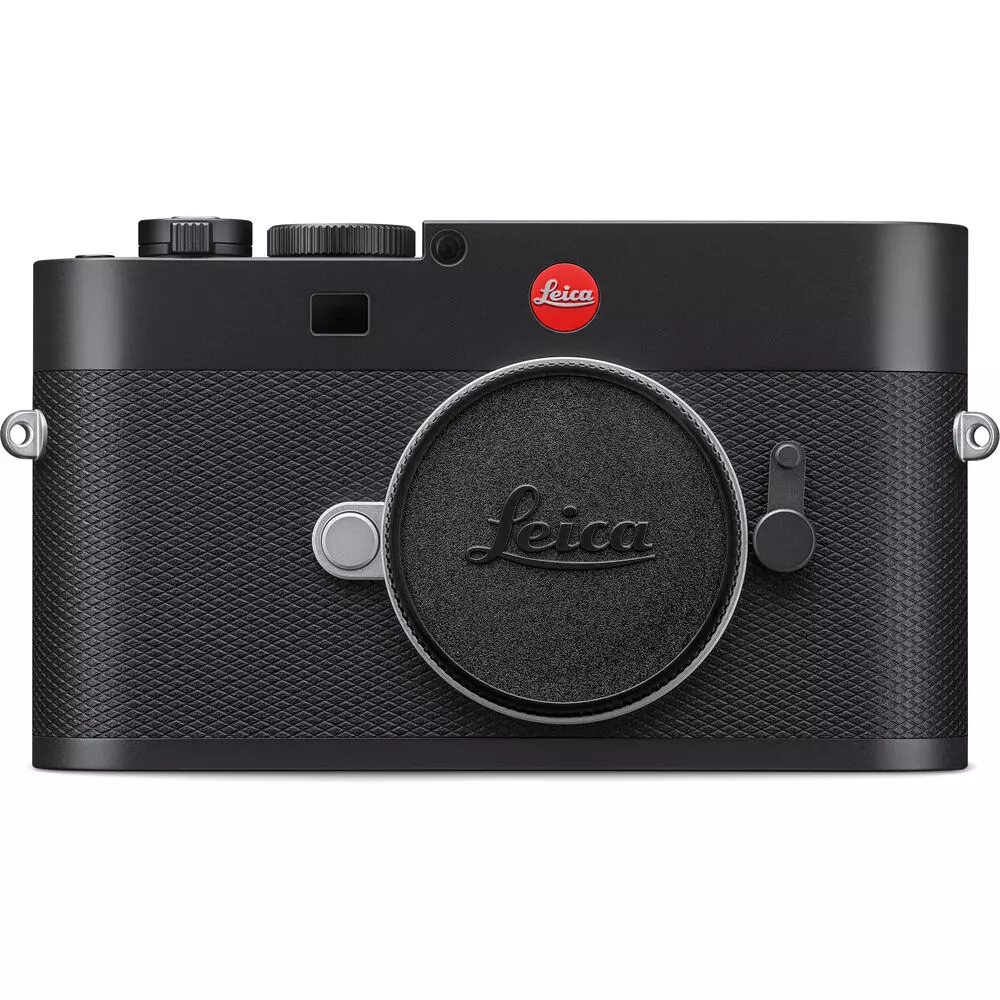
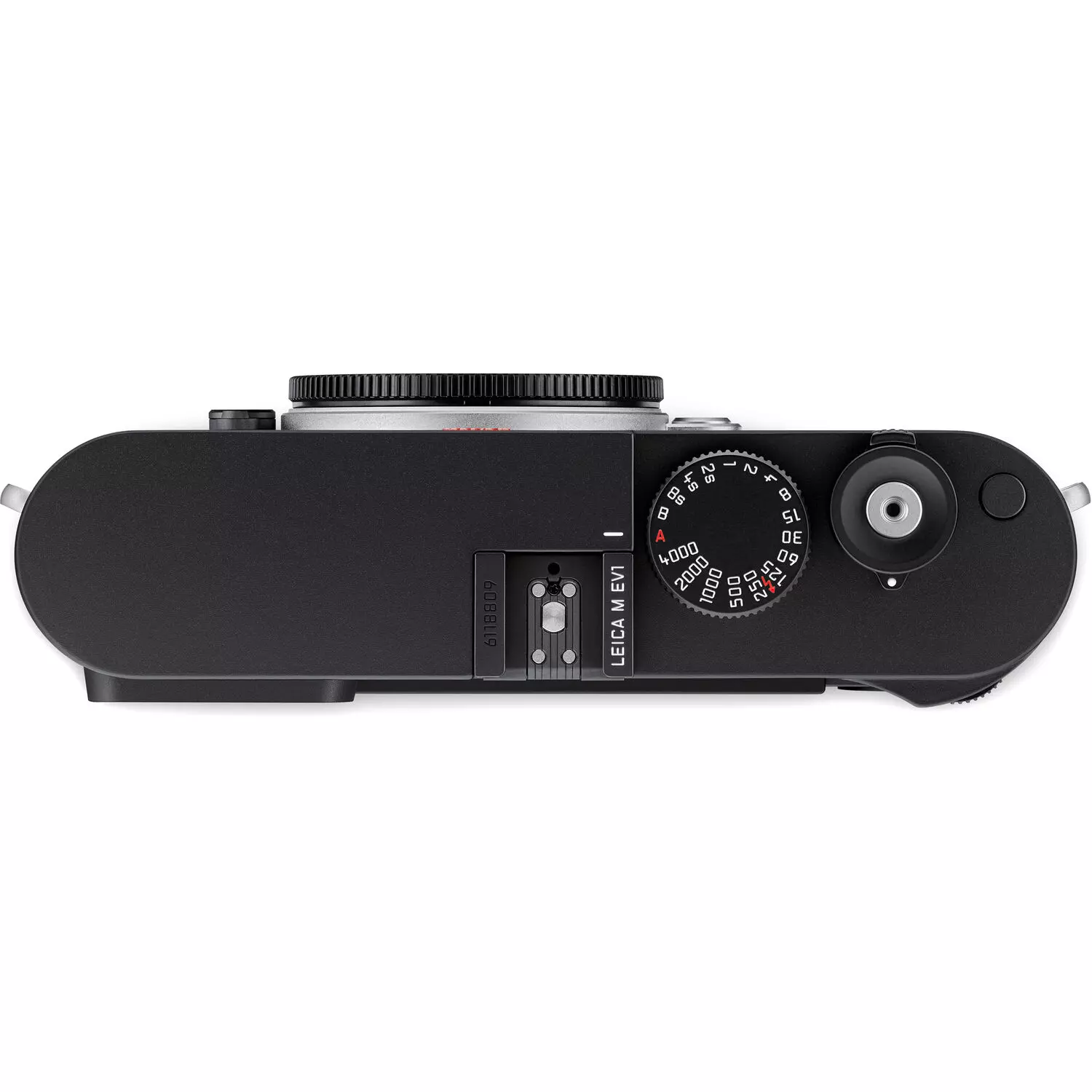
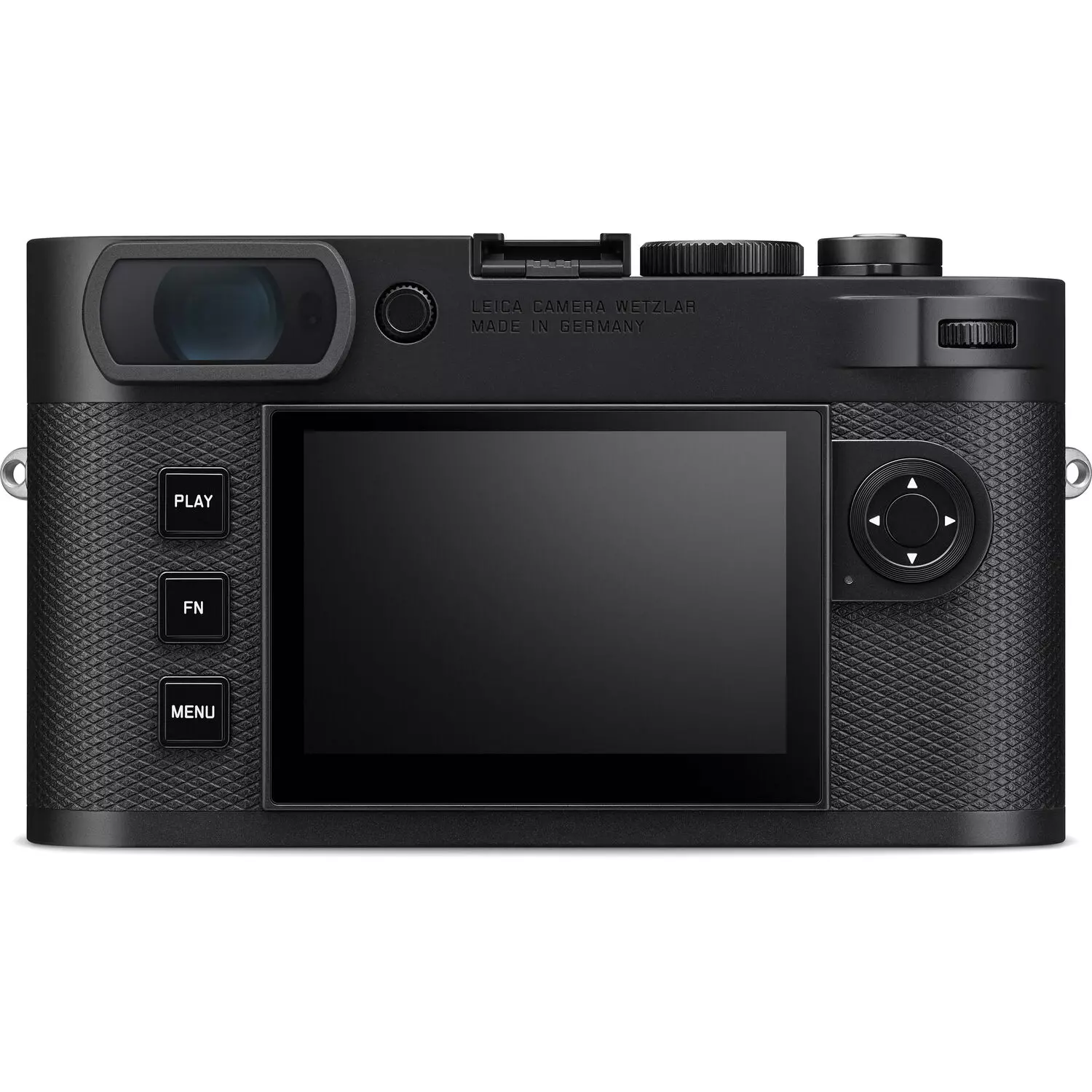
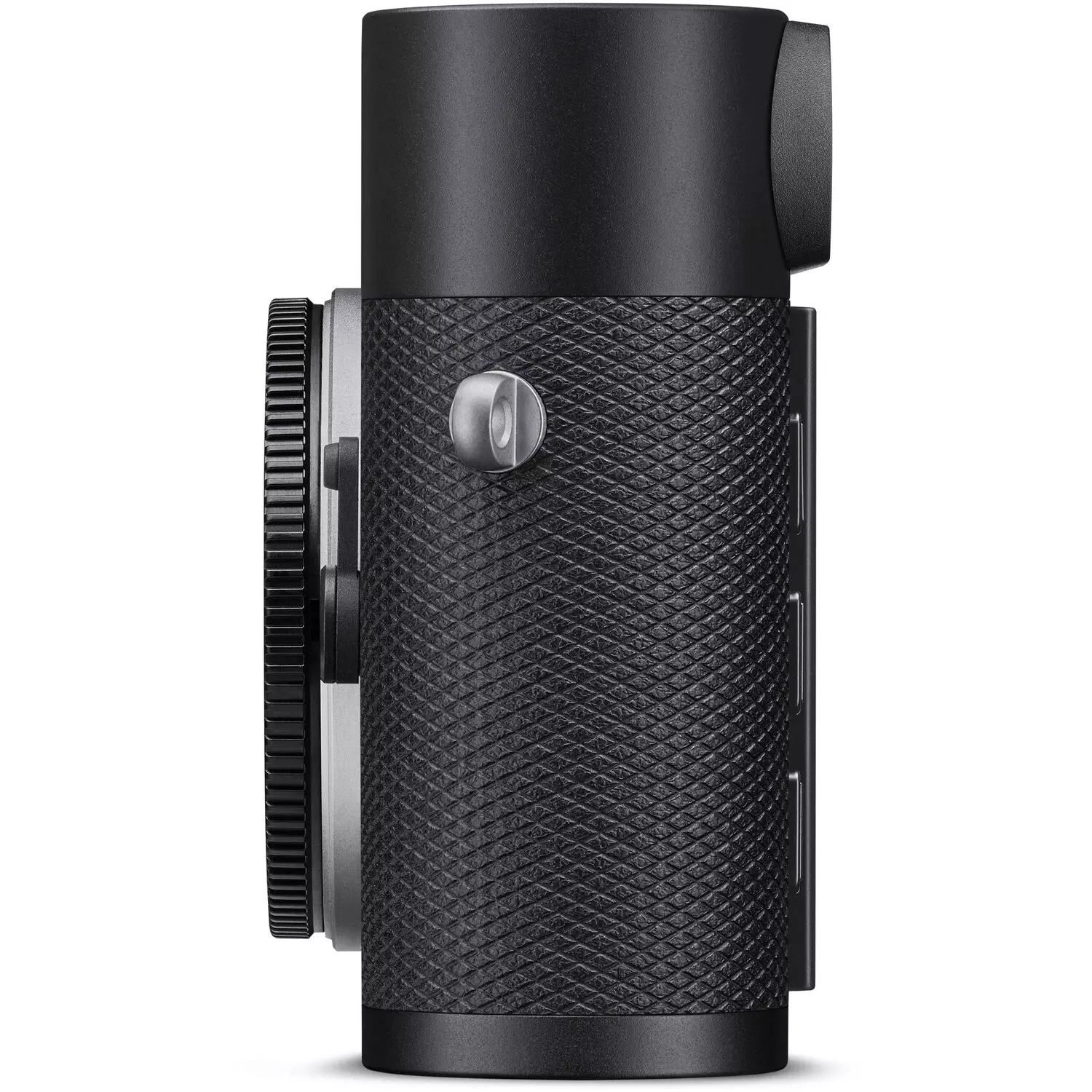
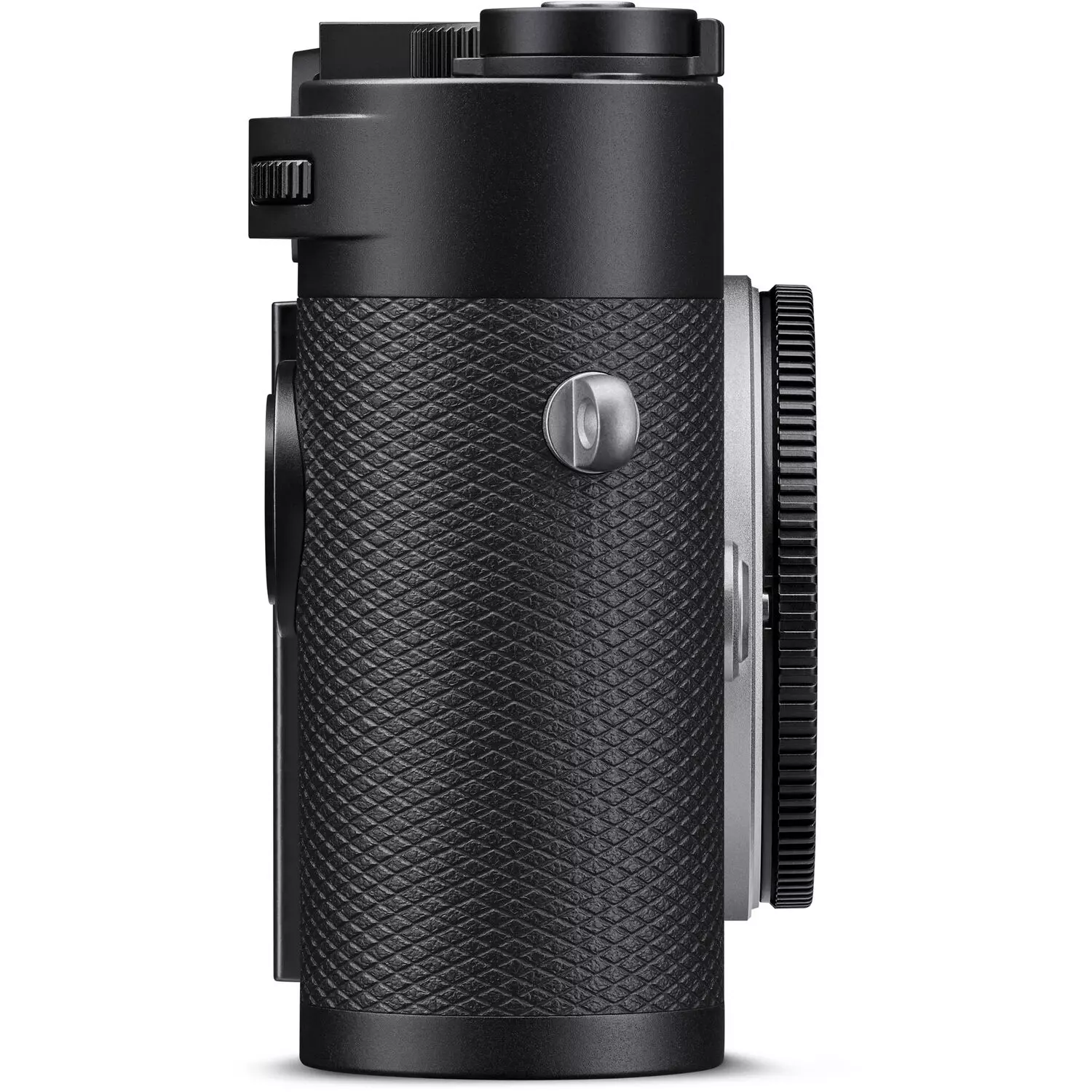
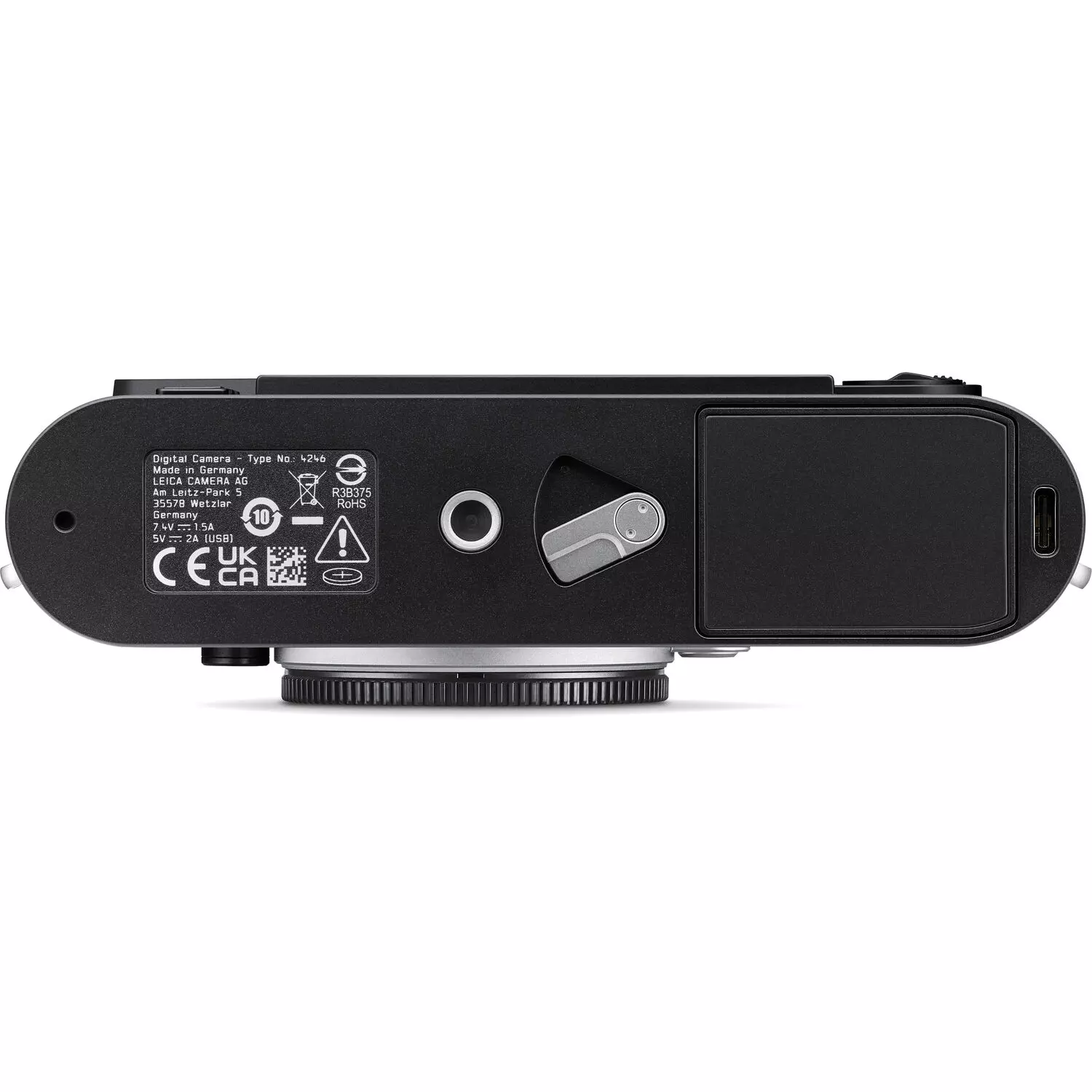
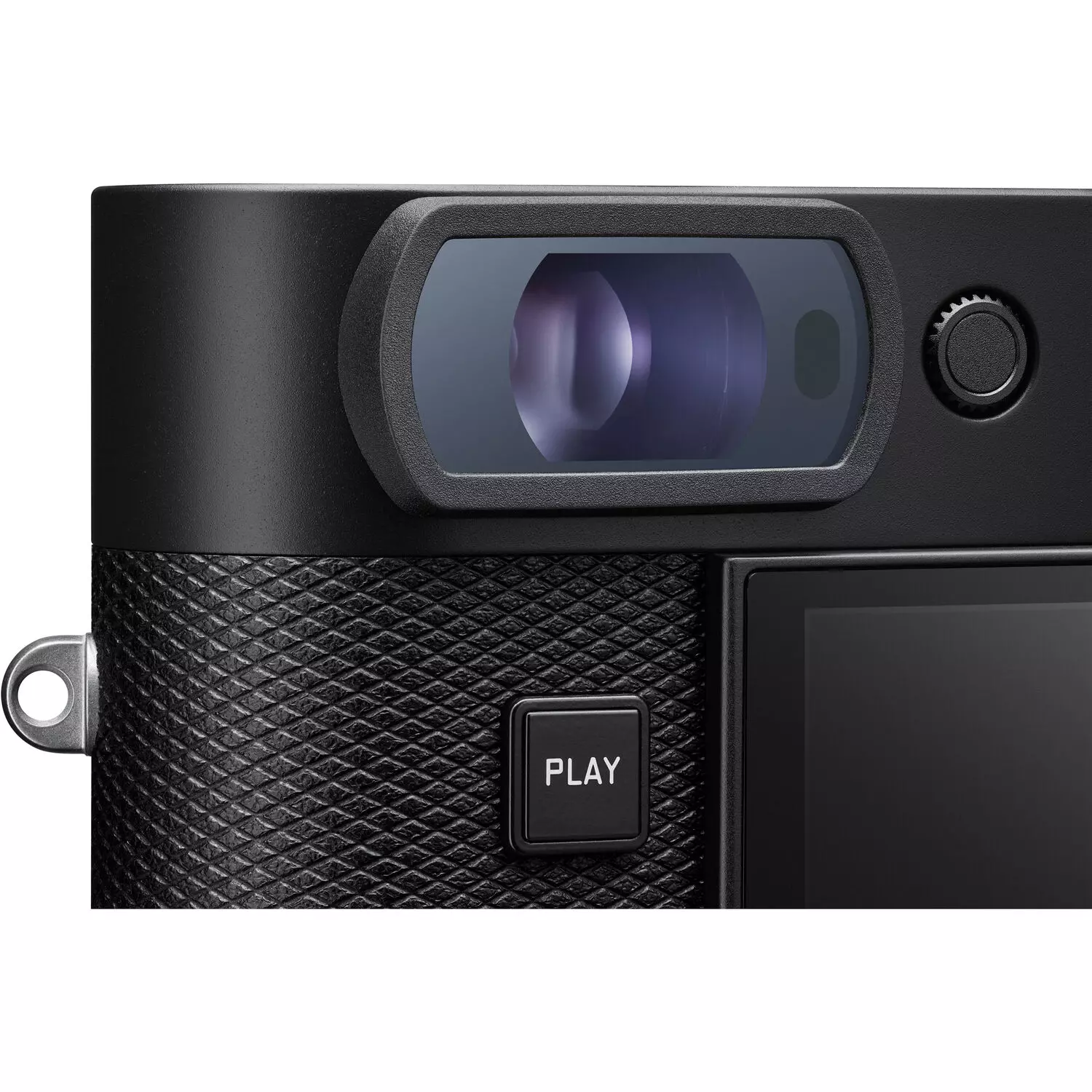
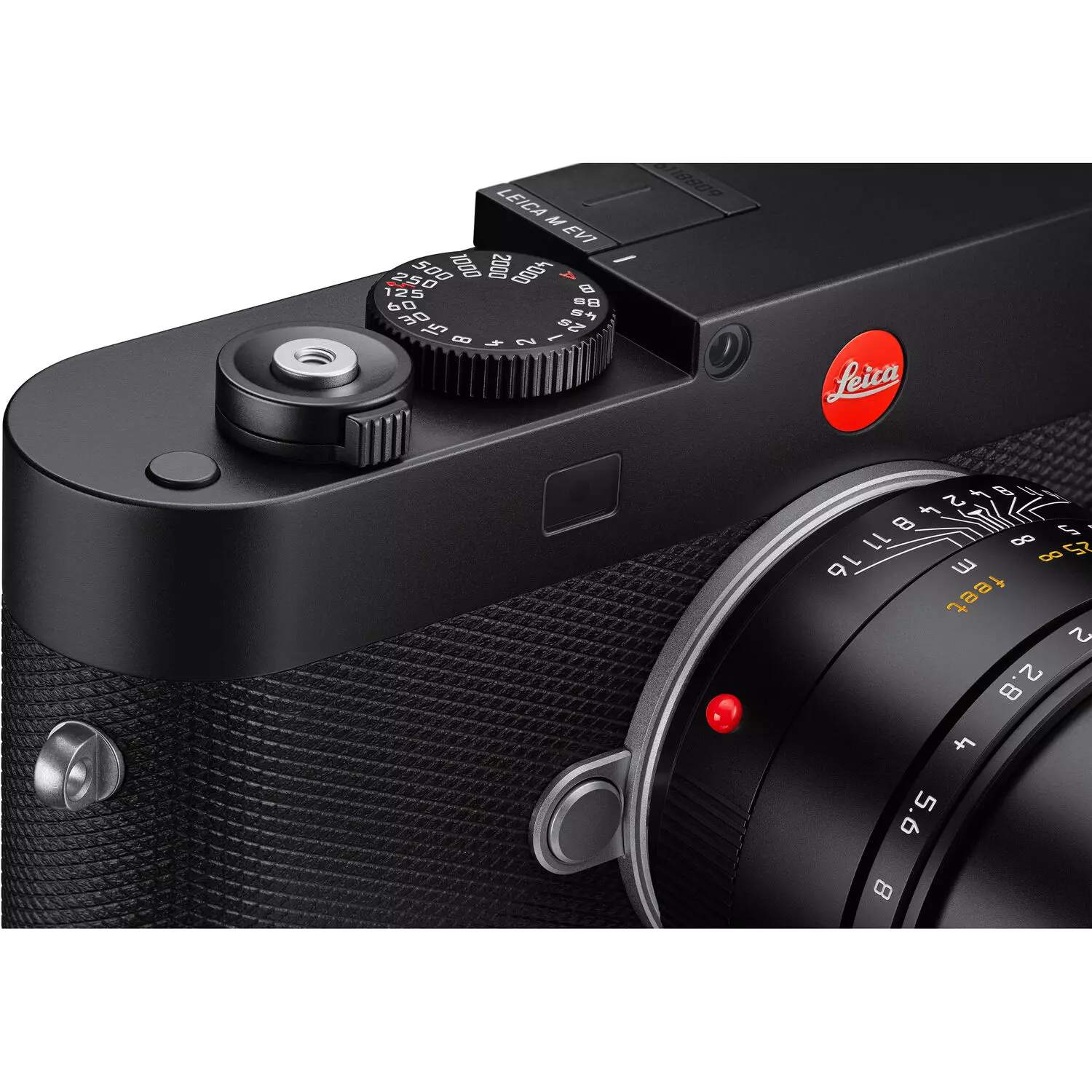
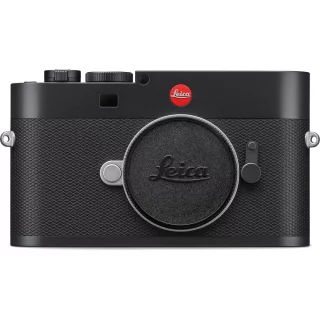
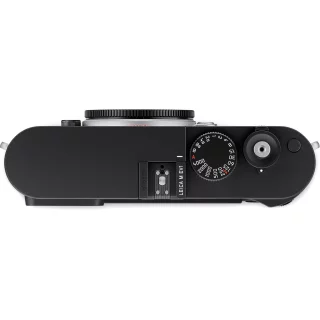
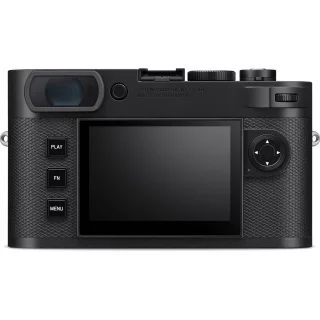
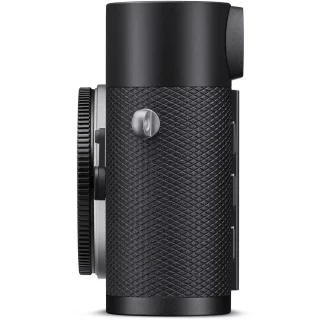
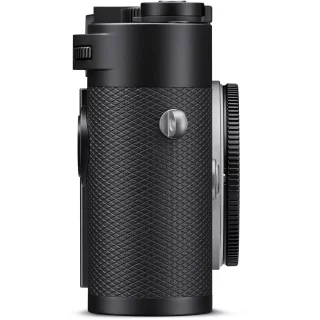
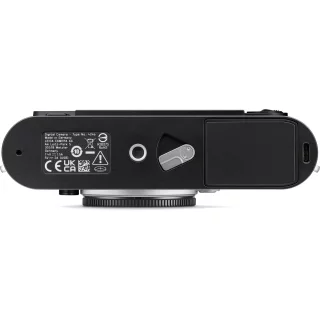
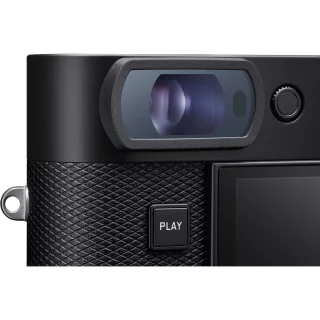
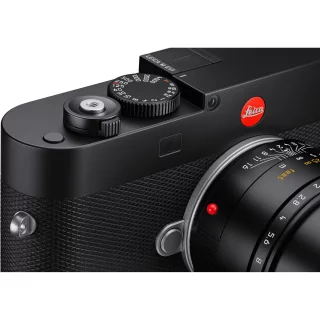
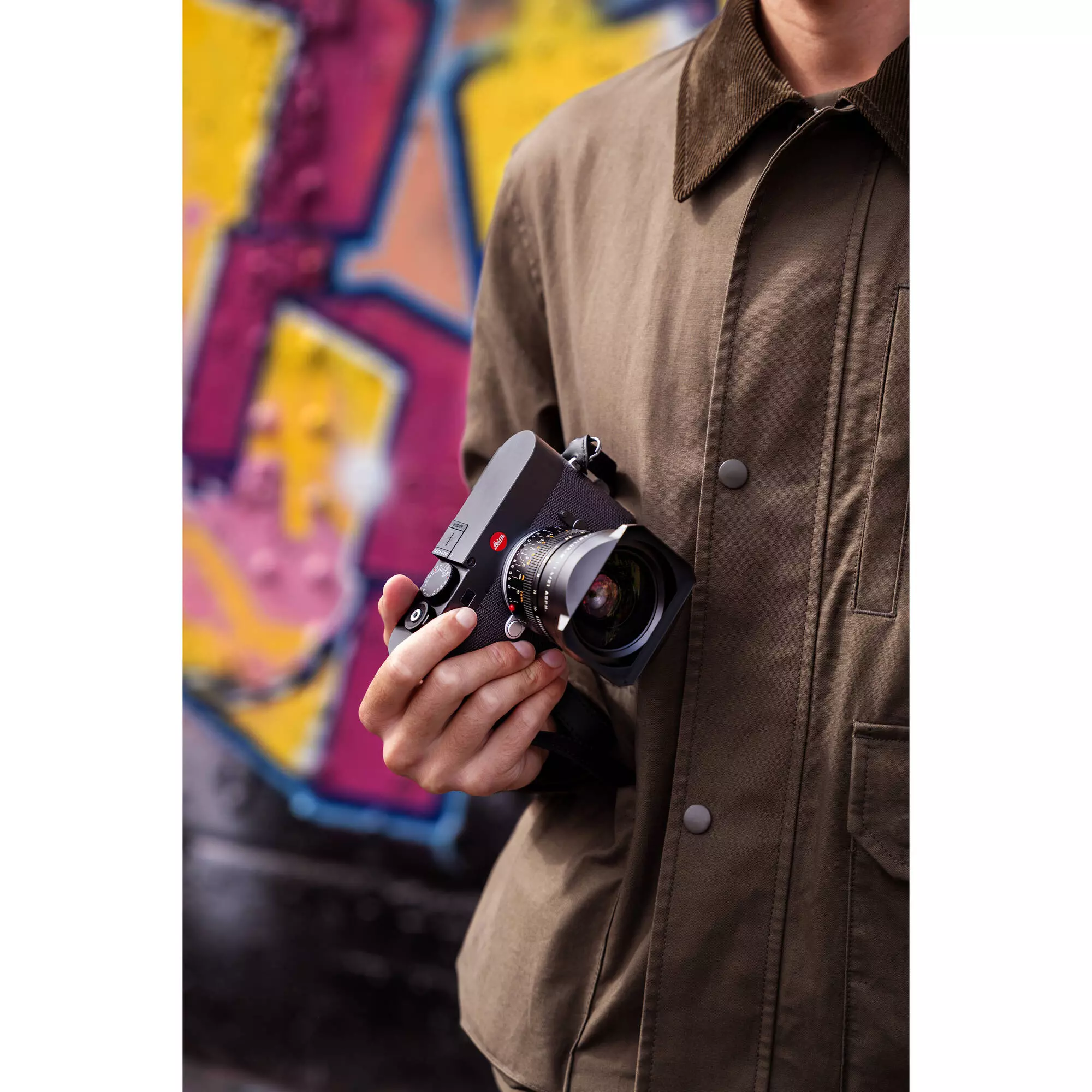
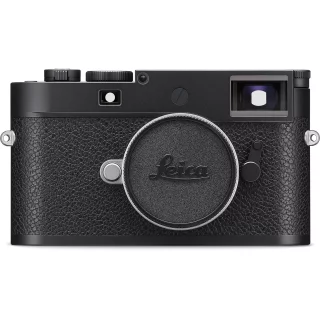
The Leica M EV1 combines the best aspects of the traditional Leica M series and the very popular Q series, i.e. interchangeable lenses and an electronic viewfinder.


Compatible accessories
Leica M EV1 system camera
Now get an extra €500 trade-in bonus! For example, if your camera’s trade-in value is €1500, you will receive a total credit of €2000!
The first camera of its kind! The Leica M EV1 combines the best aspects of the traditional Leica M series and the very popular Q series, namely interchangeable lenses and an electronic viewfinder. The electronic viewfinder enables completely new types of focus aids for precise work with Leica's fine lenses.
- Compatible with Leica M lenses
- Electronic 5.7MP viewfinder, diopter adjustment
- Manual focus but several focus aids (zoom, focus peaking)
- Full-frame sensor, 60 megapixels and Maestro III processor
- Leica Content Credentials image verification
- Diamond pattern coating on contact surfaces
- 64GB internal memory
- Made in Germany
Leica M EV1 - Goodbye to the viewfinder?
Leica's M cameras have remained very similar throughout their history. The letter M comes from the German word Messucher, meaning finder. The finder combines image framing with precise distance measurement and focusing.
Now the viewfinder has been replaced with a precise electronic viewfinder, which enables many things such as Focus Peaking to highlight contours or enlarging the image for very precise work. At the same time, the image resembles much more closely what is stored in the image file, meaning that in addition to precise framing, exposure can also be assessed through the viewfinder.
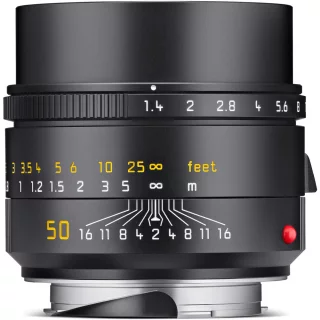
Leica also has several lenses with a focusing distance smaller than the minimum rangefinder distance. This means that close-ups can now be achieved with macros and the new Summilux 50mm offers a closest focusing distance of 0.5m. In addition, for example, the very bright Noctilux 75mm and Summilux 90mm have been at least challenging to focus critically correctly, now new aids have been introduced for working with these lenses.
When is the standard M11-P viewfinder better? A traditional viewfinder always shows a certain area of ??the image, regardless of the lens, i.e. an area corresponding to about 28mm focal length, for example 35mm and 50mm, and with longer lenses there is an extra area around the lines showing the frame of the image, meaning you can see more of what is recorded in the image. This makes it easier to compose and time the perfect moments as you can see when the subject enters the image area a little in advance.
On the other hand, this is also an obstacle, for example with wide angles, where a separate optical viewfinder is required, or with longer telephoto lenses, where the viewfinder image is quite small. Also, when using glasses, even with a 35mm lens, the edges are difficult to see with a regular viewfinder.
The Leica M EV1 is a long-awaited novelty also for anyone with less than optimal vision, the magnification aids and diopter adjustment help a lot. Traditionally, a separate diopter lens has had to be screwed into the Leica viewfinder, meaning that if you want to shoot without or with glasses, depending on the situation, you have had to make a laborious adjustment.
In terms of image quality, the Leica M EV1 is identical to the M11-P and Leica SL3 cameras. It features a proven back-illuminated 60 megapixel sensor with a dynamic range of 15 fps, meaning the resolution is sufficient for even the most demanding photographer and the files capture a wide tonal range from deep shadows to highlights.
Triple Resolution Technology is used, meaning that if there is no need for the full 60 megapixel resolution, the images can also be saved in 36 and 18 megapixel versions, which also have less image noise.
How does the Leica M EV1 differ from a traditional SLR camera? Compared to Leica's own cameras, the biggest difference is the new focus assist features, but when compared to digital systems from other manufacturers, the image quality is affected by the lenses used.
Leica's M-mount wide-angle lenses are often very compact and of excellent quality. However, the lenses are designed so that the optics come very close to the surface of the sensor (or originally the film) and especially at wide angles the light comes into the sensor area at a steep angle. Depending on the manufacturer, digital sensors have a rather thick glass coating in front of them and this softens the edge definition of the lenses, especially the aforementioned wide-angle ones.
Leica has known about this problem since its first digital cameras and the sensor has a microlens array they designed and part of the problem is also corrected within the camera software. And you can clearly see the difference in the test images, i.e. the Leica lenses are working. So the camera is not just a box with a certain resolution, but this has a bearing on the overall picture quality and the final image quality.
The sensor's lowest sensitivity is ISO 64 and the camera also has an electronic shutter (this works as an alternative to the mechanical one or as a hybrid), so you don't need ND filters when using fast lenses. So if you have a Noctilux or fast Voitgländer in your camera bag, you can use the shortest depth of field without any problems even in bright daylight.
Light metering is done via the image sensor, just like the M11 models, meaning exposures are accurate and wide-area metering is also available in addition to center-weighted.
Timeless design & classic usability
If you have used a Leica in the last hundred years, you will be able to shoot immediately. The Leica M EV1 is, externally and in terms of usability, exactly the same combination of the Q3's modern grip and the traditional M-Leica as it is technically. The design is strikingly simplified, but you can manage the settings and make decisions that affect the image quickly without browsing through menus. Focus and aperture are handled by the lens, shutter speeds and exposure compensation are handled by the camera using its own controls.
There are the new M11 series innovations, i.e. a button with instructions has been added to the top of the camera near the shutter button, and in addition, the thumbwheel now has to be pressed, so you can program these for example the sensitivity setting. And in Leica, the programming of these is very well implemented, by pressing the button for a long time, a list opens from which you can select the desired function for the button.
In addition, the viewfinder cropping frame control has been left in place, partly as a visual legacy, but its purpose has been harnessed to the needs of the digital age, meaning it can be used to switch between different viewfinder settings.
The camera's USB-C port allows you to charge the battery, for example with a phone charger or power bank. The camera can also be used via a power supply. In addition, the USB connection is Apple MFi certified, which means you can connect the Leica M1 EV1 directly to an iPad or iPhone and transfer the image directly to smart devices, meaning even full-size images are transferred quickly. Image transfer is also possible wirelessly and firmware software updates are also handled wirelessly with the smart device.
Realistic images and reports even in the AI ??era. Leica Content Credentials and Content authenticity is a brand new technology for proving the authenticity of images. In principle, the camera encrypts information in the image file at the time of recording, and the viewer of the image, for example with Adobe Photoshop, can verify that the image has not been altered.
In addition to Adobe, the system also includes The New York Times, for example , and free source code software. In addition to being non-modifiable, the system also allows for image signing and proof of origin.
Made in Germany.
Specifications:
- Compatibility: Leica M-mount lenses
- Sensor: Full-frame CMOS, 60.3 megapixels
- Sensitivity: ISO 64-50000
- Leica Content Credentials and Content authenticity image authenticity certification and signing
- Shutter speed: mechanical shutter 1/4000, electronic 1/160000
- Exposure metering: center-weighted, multi-zone, spot
- Exposure modes: aperture-priority auto, manual
- Burst shooting: 4.5 fps for 15 RAW or 100 JPG images at full resolution
- Interval shooting and self-timer 2s and 12s
- Focus: manual focus, multiple focus assist
- Viewfinder: electronic, resolution 5.76 million dots, magnification 0.76X
- Display: 2.95" touchscreen, resolution 2.33 million dots
- Flash sync: 1/180
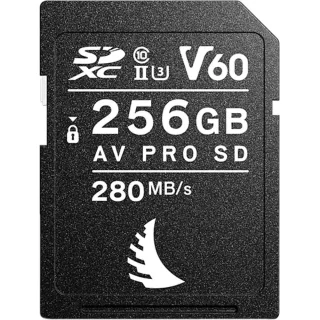
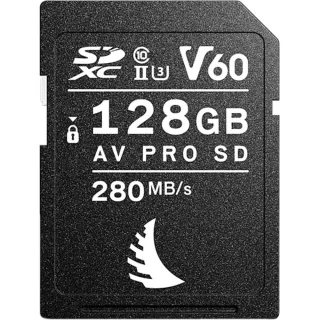
- 1x SH UHS-II black card slot and 64GB internal memory
- USB Type-C connector
- Bluetooth & Wifi
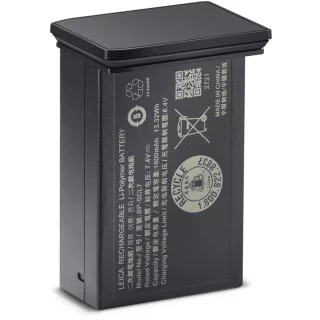
- Battery type BP-SCL7, approximately 244 shots per charge (CIPA standard)
- Size: 138.8 x 80.3 x 38.5mm
- Weight: 484g (with battery)
Sales package includes: Leica M EV1 body (Black paint), Leica BP-SCL7 black battery, body cap, Leica FOTOS cable, shoulder strap and accessory shoe cover
Featured
Summary of reviews
Ask about product

Mon-Fri 9-17 and Sat 10-14
INFO