Canon RF 70-200mm F2.8L IS USM Z -objektiivi - Musta



Aktiiviset kampanjat

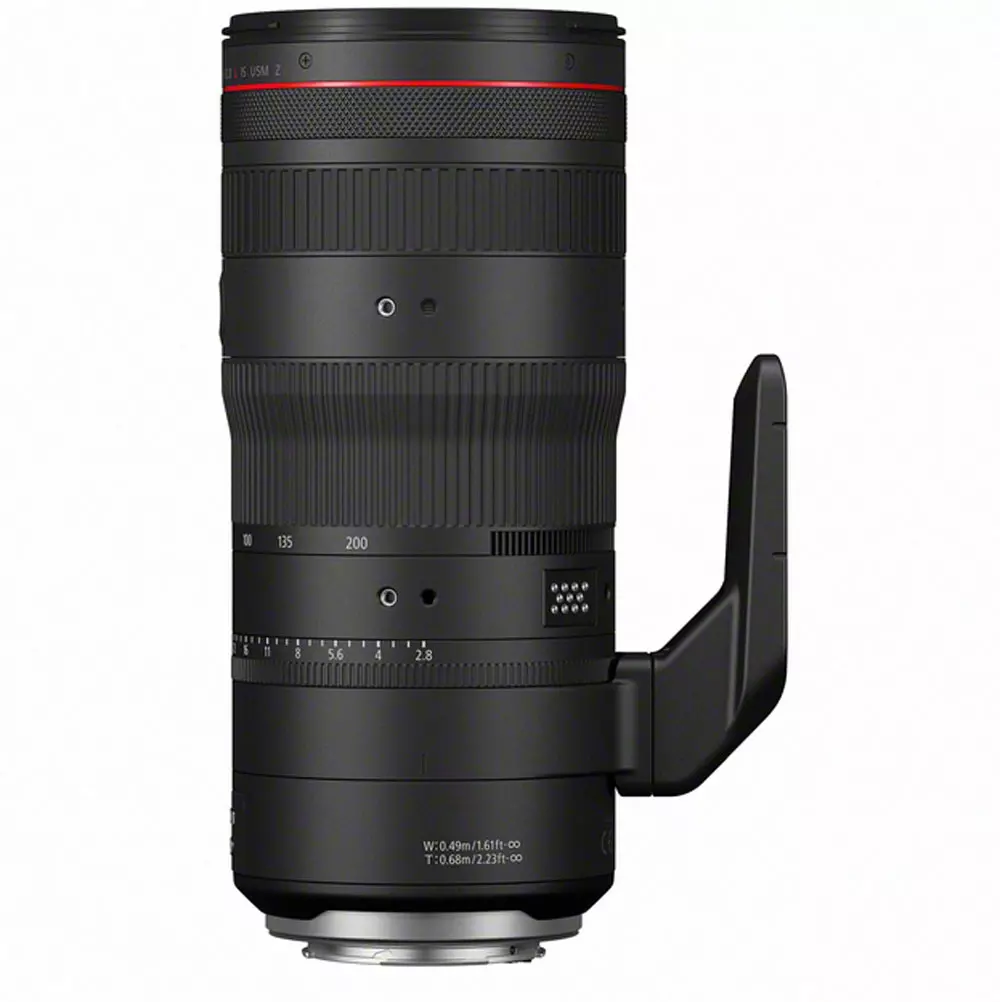
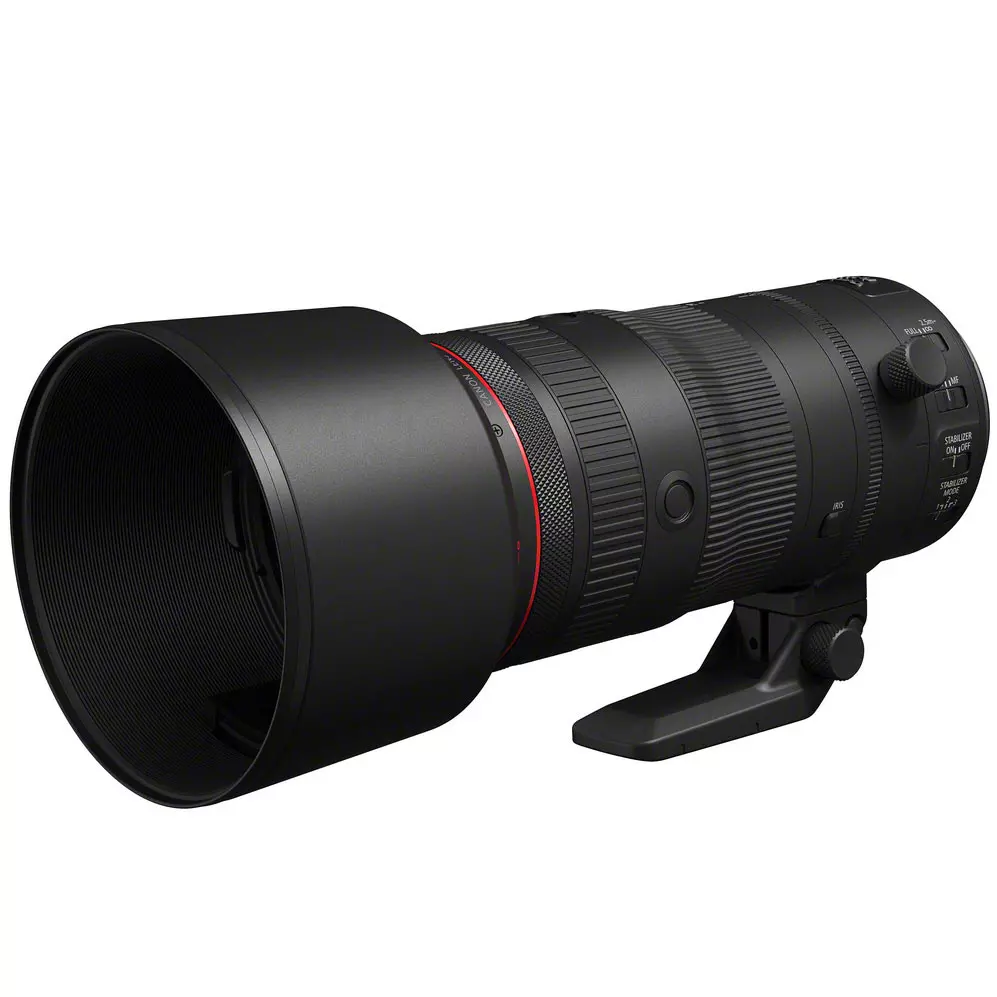
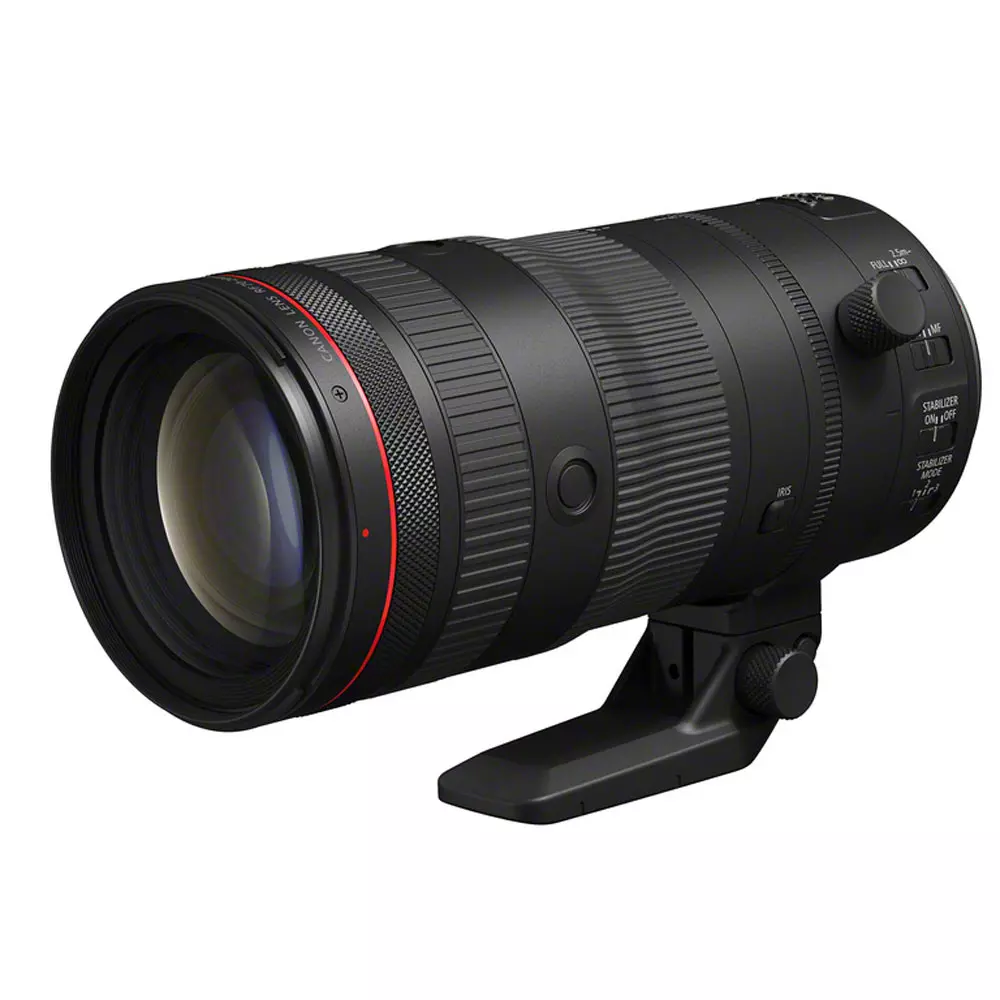
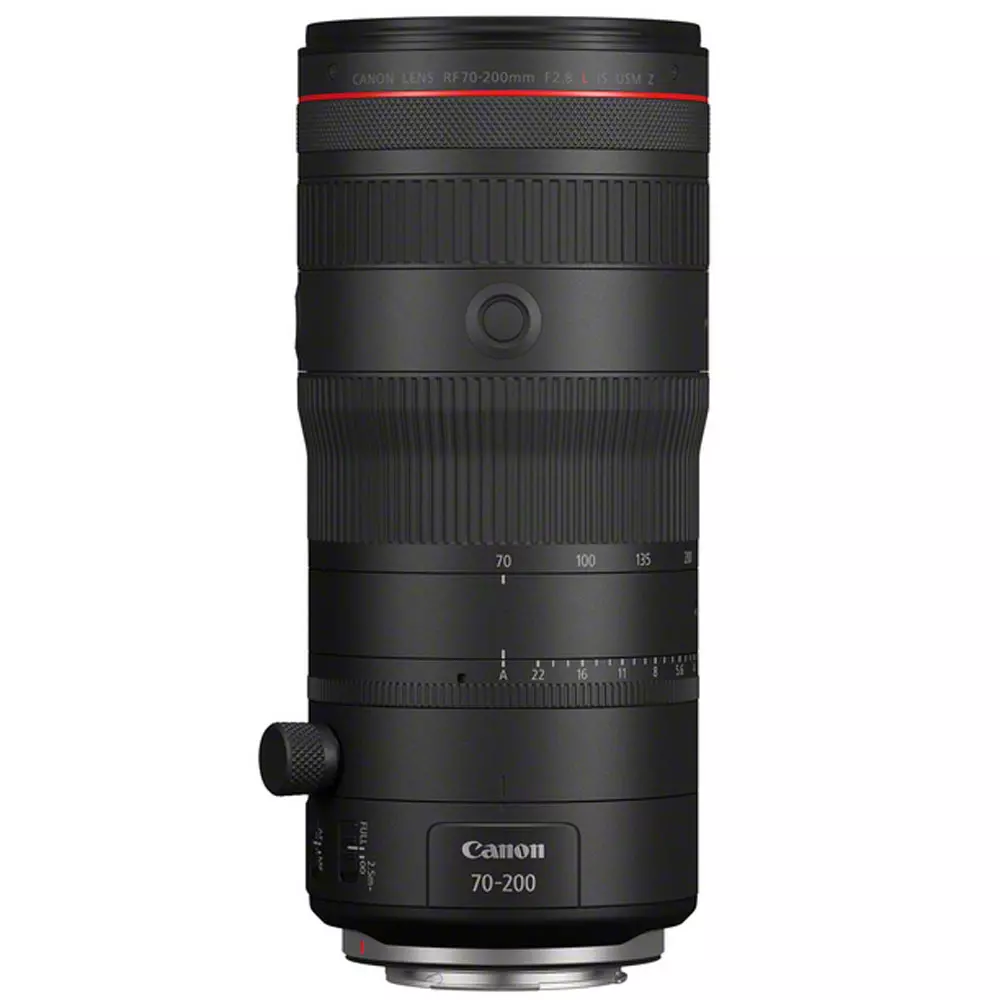
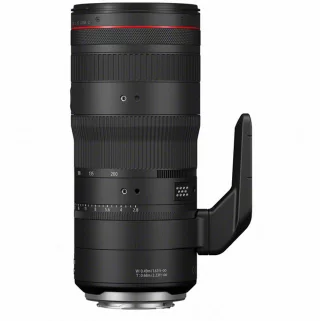
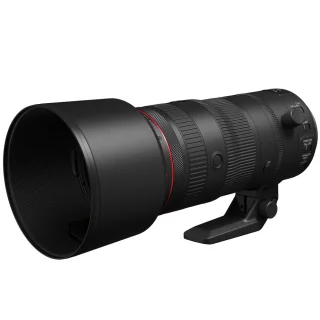
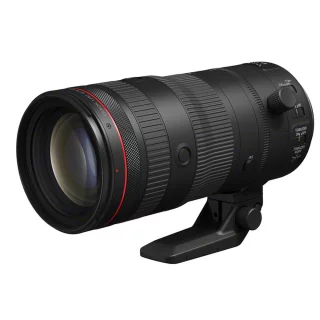
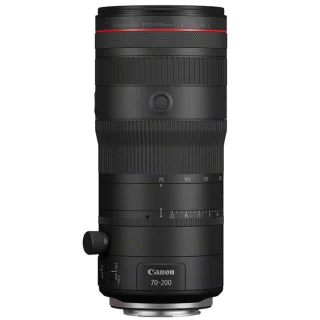
Canon RF 70-200mm F2.8L IS USM Z Lens - Black
The Canon RF 70-200mm F2.8 L IS USM Z is a telephoto zoom in the manufacturer's new Hybrid Line of lenses. This series, marked with the letter Z, is positioned between broadcast, cinema and stills lenses in terms of both features and price. This new lens combines the straightforward usability of broadcast lenses, the image quality of cinema lenses for video shooting, and the size and brightness of optics intended for stills.
Canon goes so far in the division that it is now also available in two colors: black and white. The white F2.8 telephoto zoom is a standard equipment for nature and sports photographers, and the versatile focal length also works for portrait photography. The black version is intended to be unobtrusive and non-reflective, for example in a studio environment and for film use.
The previous RF version is good but the design also sought a small size. Now this new RF 70-200mm F2.8 Z is about the same size as the previous top EF III version. The construction is also the same type, meaning zooming and focusing are handled internally, meaning the size of the lens does not change. And best of all, this works seamlessly with 1.4x and 2x teleconverters!
Combined with the RF 1.4X extender, this is equivalent to a 98-280mm F4 and with the 2X extender, a 140-400mm F5.6 lens.
- Completely new design, optically the best possible image quality
- Compatible with 1.4x and 2x teleconverters
- Two colors: white for nature photographers and black for videographers
- IS image stabilizer with 5.5 f-stop power, with body stabilizer 7-7.5 f-stop stabilization
- Length and center of gravity do not change when zooming
- Parfocal implementation and focus breathing minimized together with the frame
- aperture control ring, programmable control ring and programmable button in the style of super telephoto lenses
- 2 Nano USM focus motors
- Compatible with PZ-E2 Power Zoom attachment
According to Canon, the image quality is clearly better than the previous RF 70-200mm F2.8 model. The sharpness of the image from the center to the edges is better. In addition, there is less vignetting, which means that the image brightness does not change, especially when panning in video.
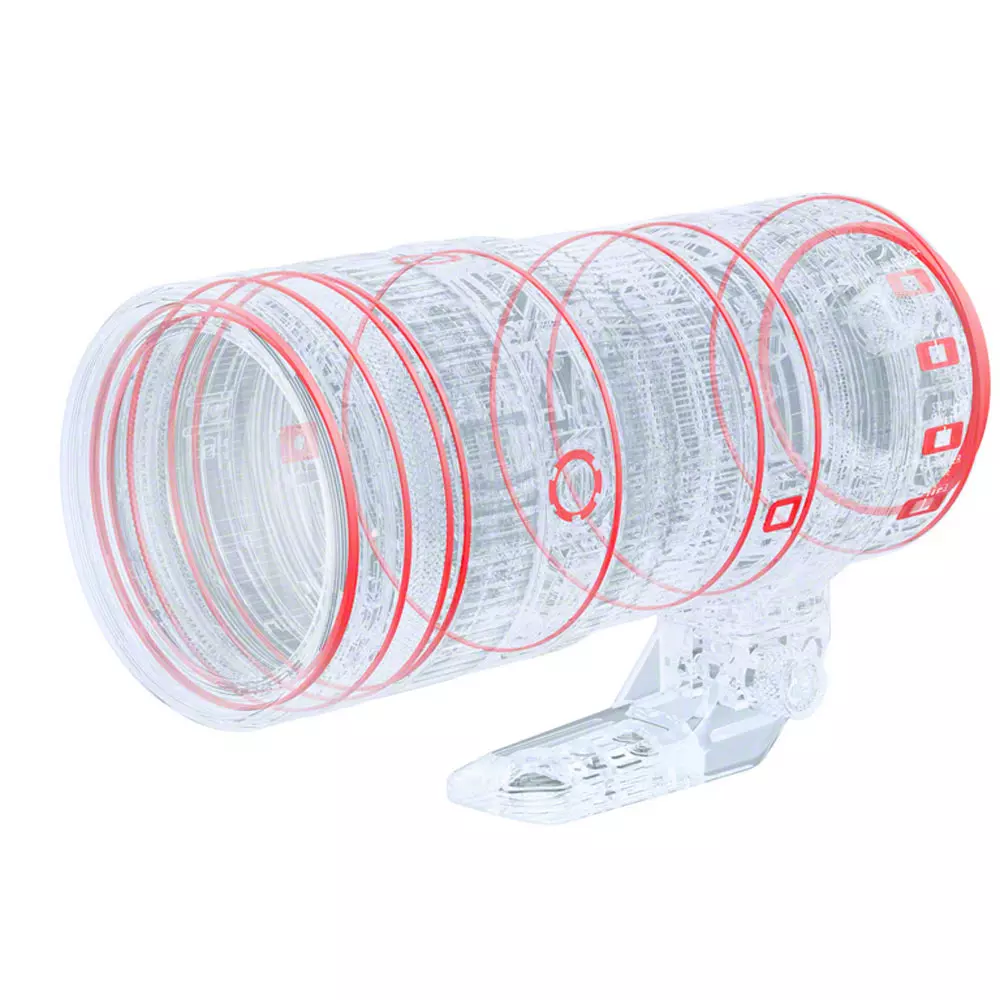
The zoom ring rotates 70 degrees, which means that changing the focal length is quick. In addition to the programmable adjustment ring, the lens also has a programmable Lens Function button, which allows you to, for example, digicrop, i.e. cropping for APS-C sensor size. Zoom and focus are handled internally, which means the lens is easier to weatherproof and the size does not change during use.
The Canon RF 70-200mm Z F2.8 L IS includes a 5.5-stop image stabilizer and IBIS body stabilizer, giving a combined effect of 7.5 stops in the center of the image and 7 stops at the edges.
There are 11 diaphragm blades and they are rounded, which means the bokeh remains nice even when dimming. And thanks to the odd number, the sunstar effect is impressive, meaning there are 22 blades when dimming.
Special features of a videographer
Canon has a lot of experience with lenses for film and production cameras, and the same sound has clearly been sought here. In addition to the sharpness and flawless image guaranteed by the special lenses, everything from the lens coatings to the undistorted color scheme of the final image is in order even by film standards.
The Canon 70-200mm F2.8 Z features two Nano USM focus motors, meaning that focusing is done by moving two focusing elements, so focusing works quickly and at the same time parfocality is achieved by reacting to changes in focal length. In other words, by focusing on the subject in the image, you can zoom manually or with the optional motor zoom and the focus will stay exactly in place!
Focus breathing has also been minimized both optically and in bodies like the R6 II with electronic assistance. This means that the size of the video image does not change disturbingly when the focus changes from one extreme to the other.
Aperture can be adjusted directly from the lens using its own adjustment ring. The adjustment ring can also be locked in the automatic position and aperture adjustment is done through the camera, just like with other lenses.
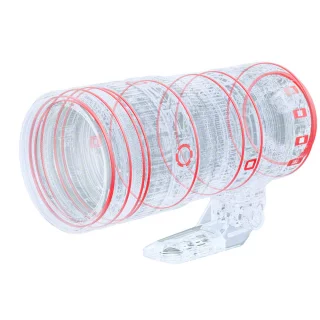
The Canon RF 70-200mm F2.8 Z is weather and dust protected.
Specifications:
- Compatibility: Canon RF mount (EOS R cameras)
- Focal length: 70-200mm
- Aperture: f/2.8 (min. f/22)
- Construction: 18 elements in 15 groups, 11 rounded diaphragm blades
- Dual Nano USM focus motors
- 2x Super UD, 2x GMo aspherical and 1 replica aspherical lens
- Closest focus: 49cm - 68cm depending on focal length (max. magnification ratio 0.3x)
- Image stabilizer with 5.5 f-stop power, with in-cell stabilizer 7.5 f-stop power
- Filter thread: 82mm
- Size: 88.5mm x 199mm
- Weight: 1110g
The sales package includes:
- Canon RF 70-200mm F2.8L IS USM Z Lens - Black
- ET-88C WII white lens hood
- Lens Case LZ1328 protective bag
- Lens Cap E-82 II lens cover
- Dust Cap RF rear plug

Arvostelujen yhteenveto
Kysy tuotteesta

ma-pe 9-17 ja la 10-14
TIETOA