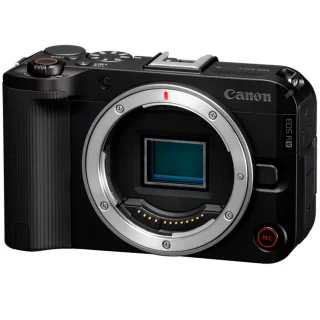
Canon EOS R6 V body

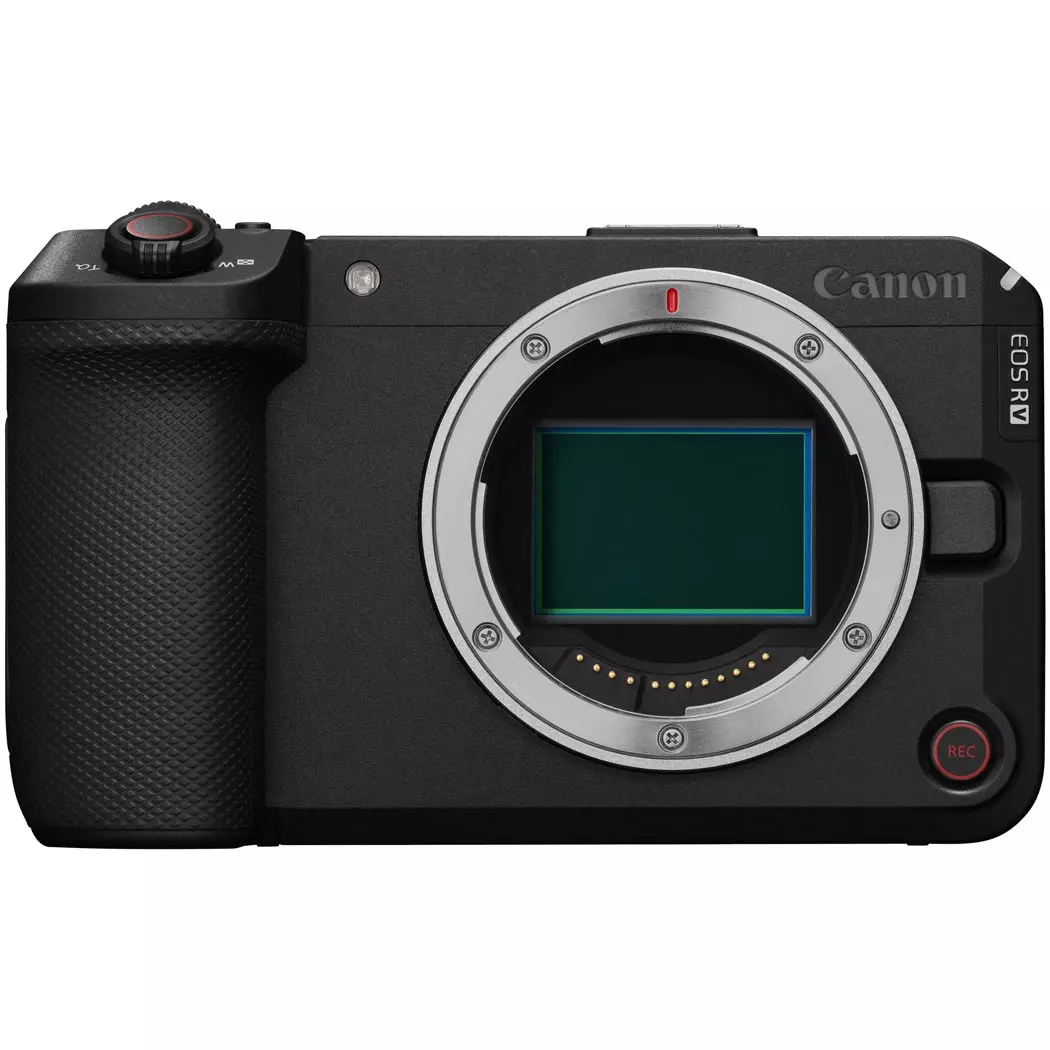
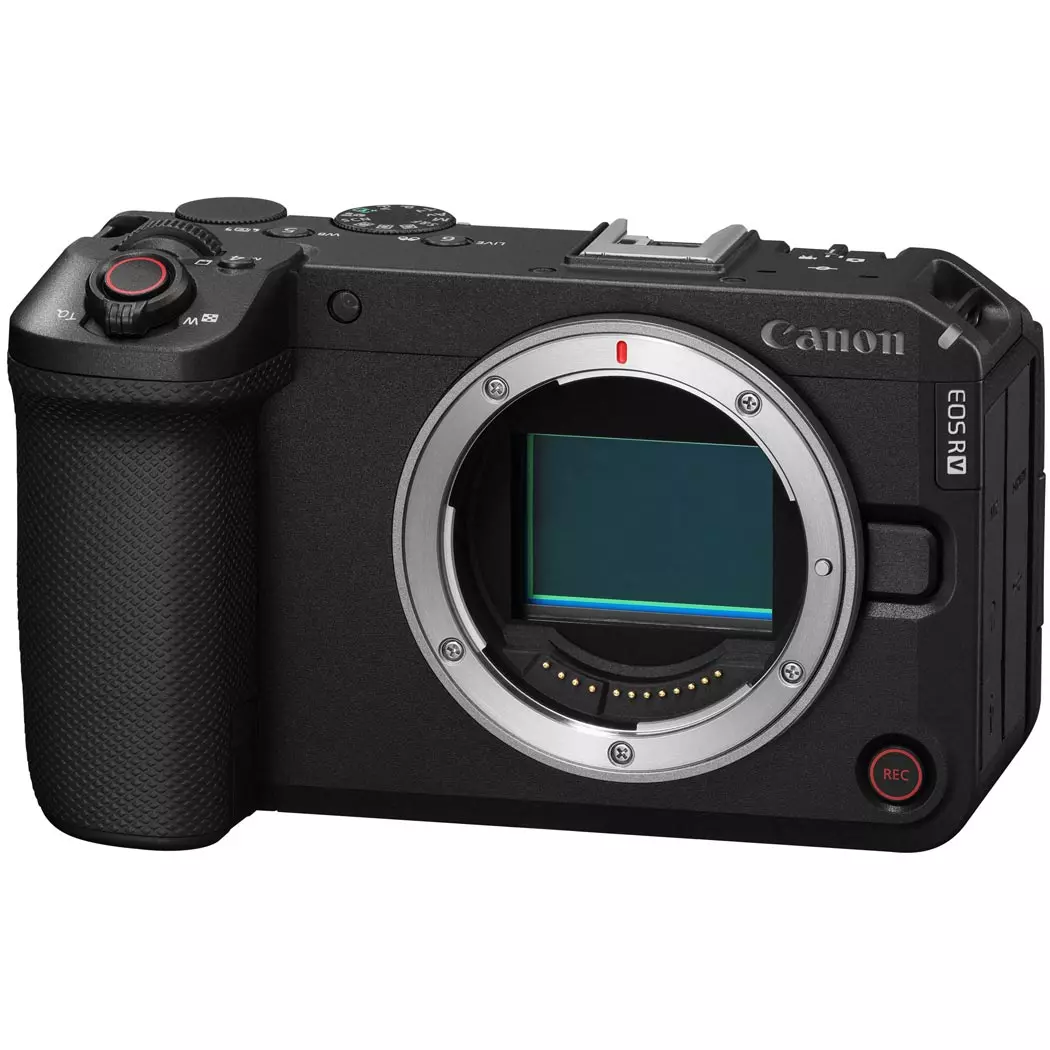
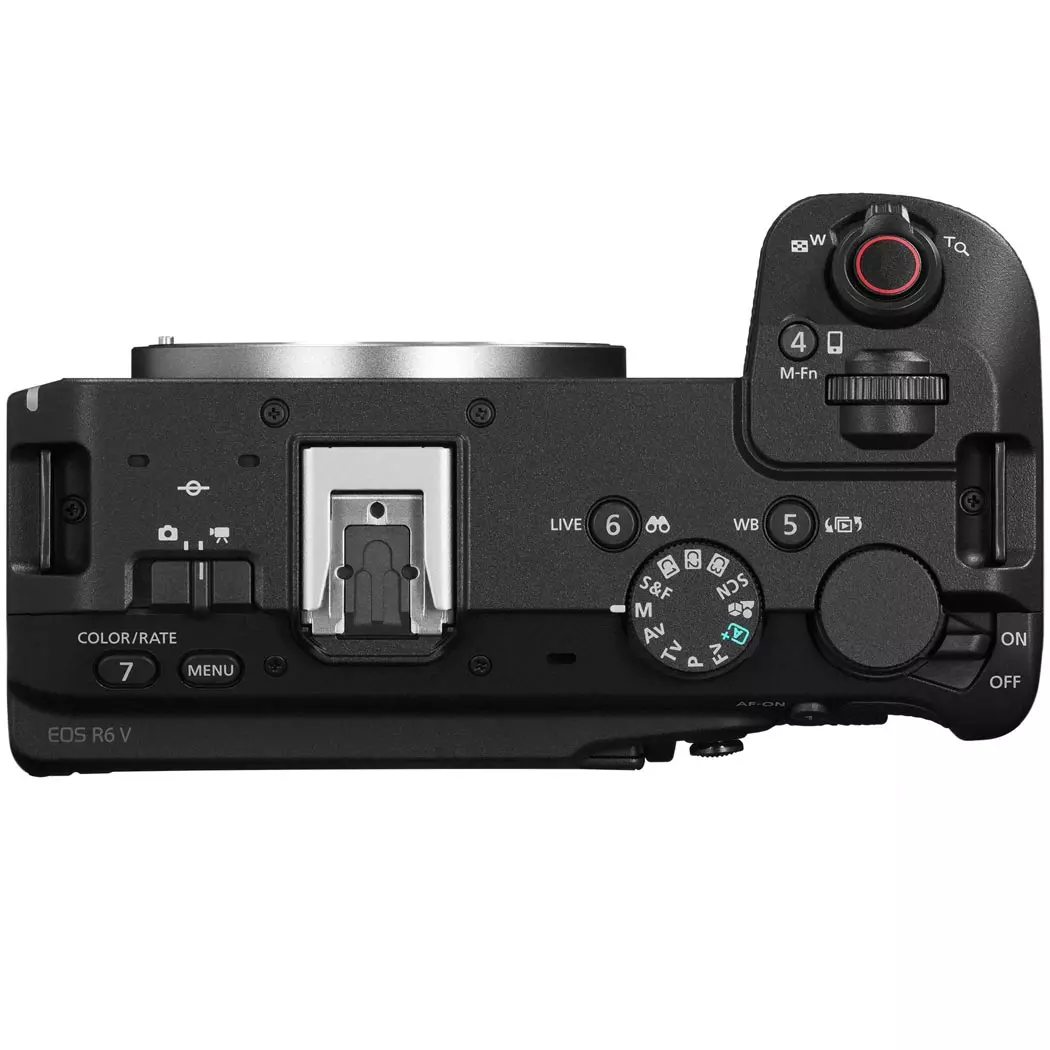
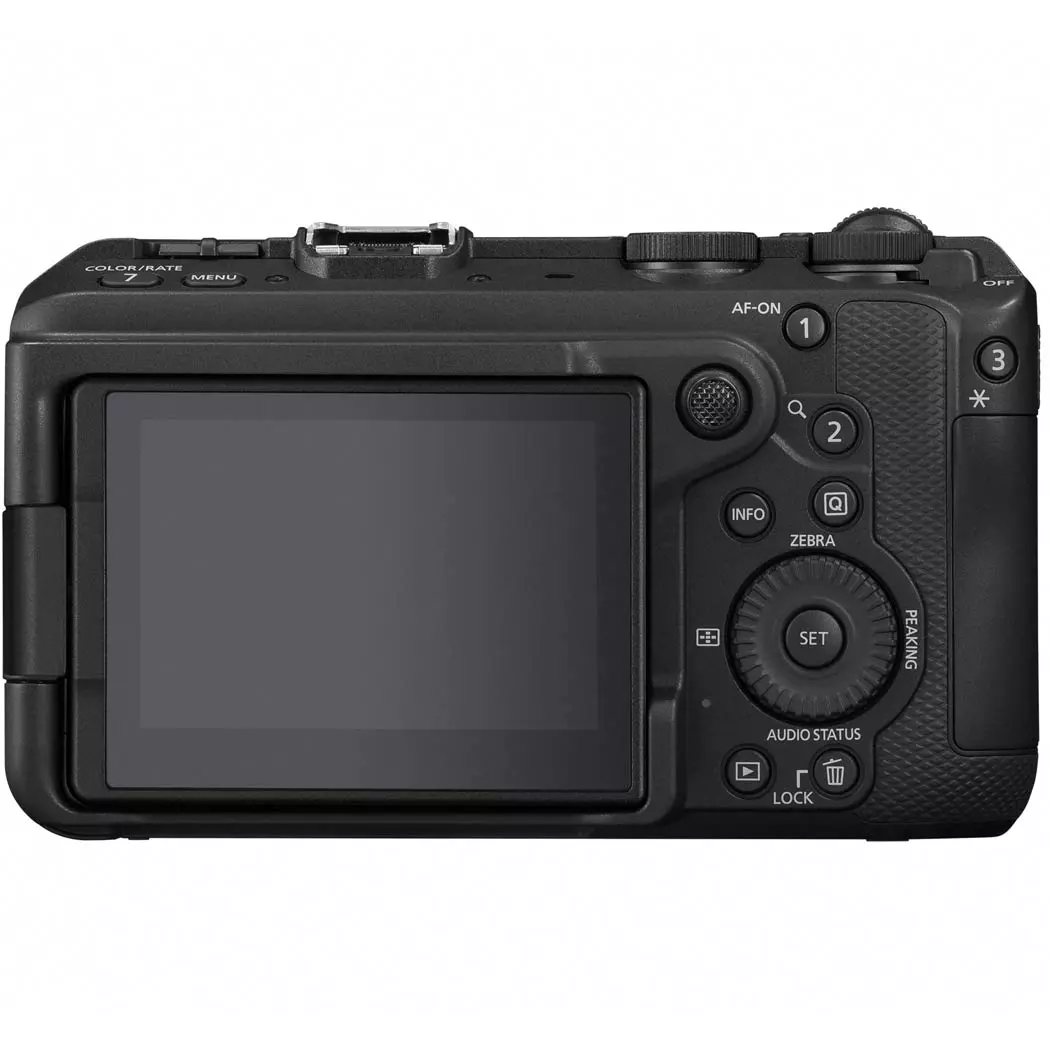
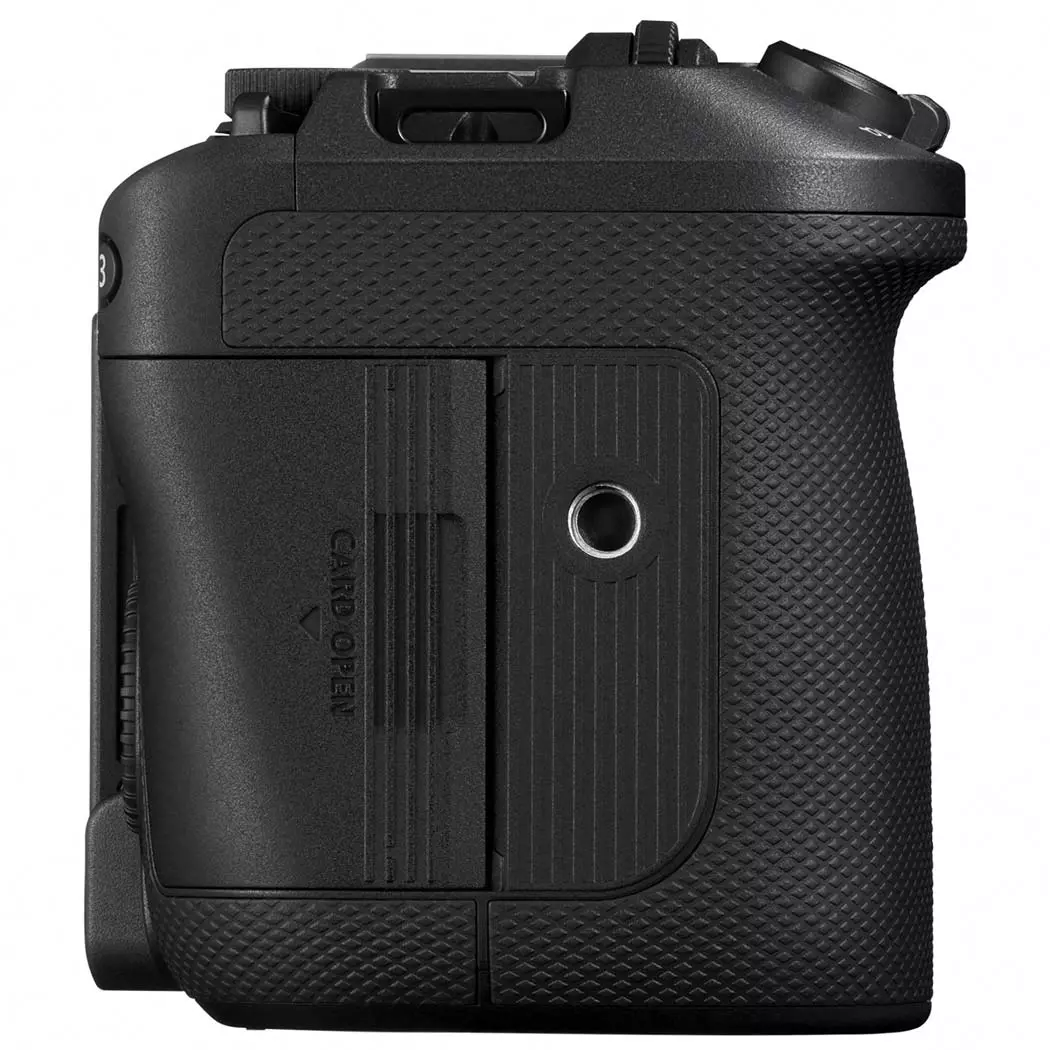
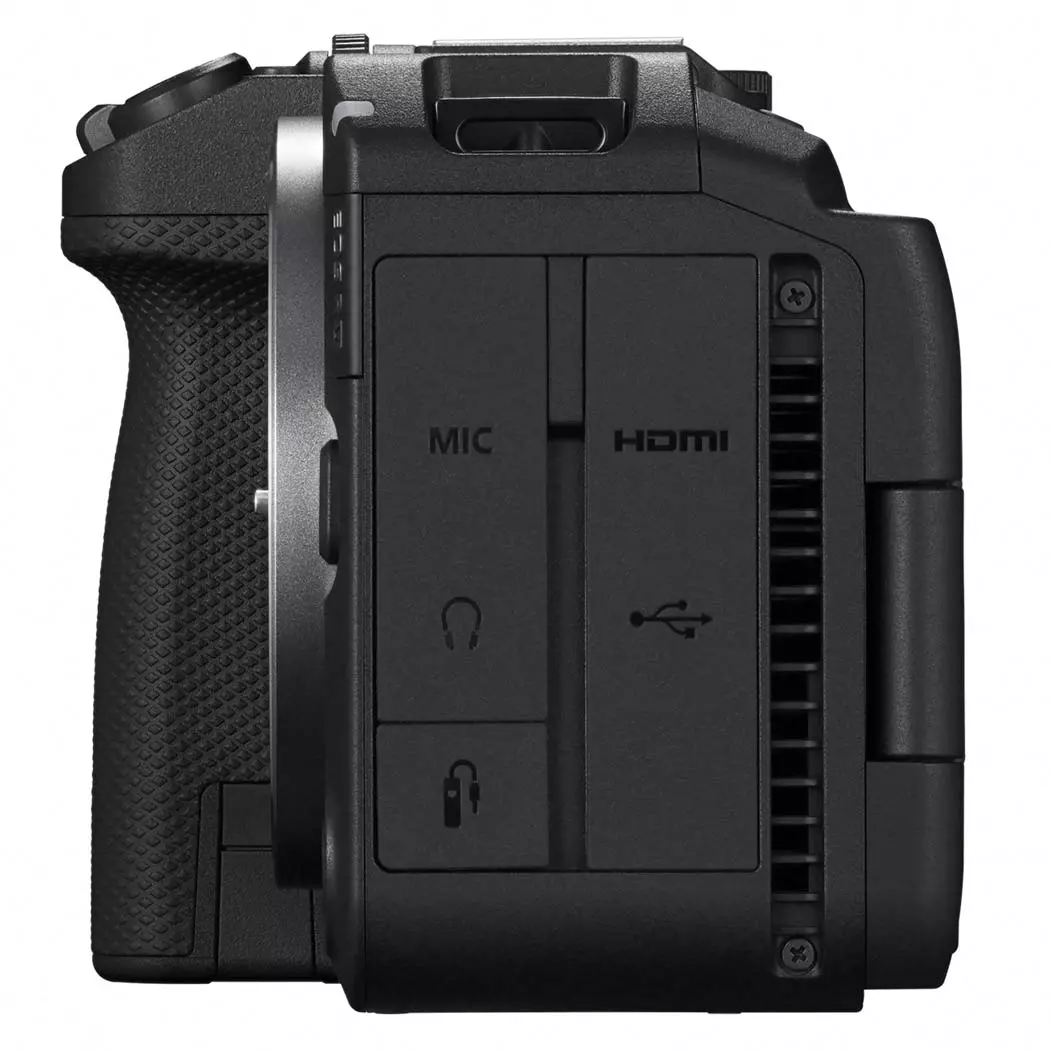
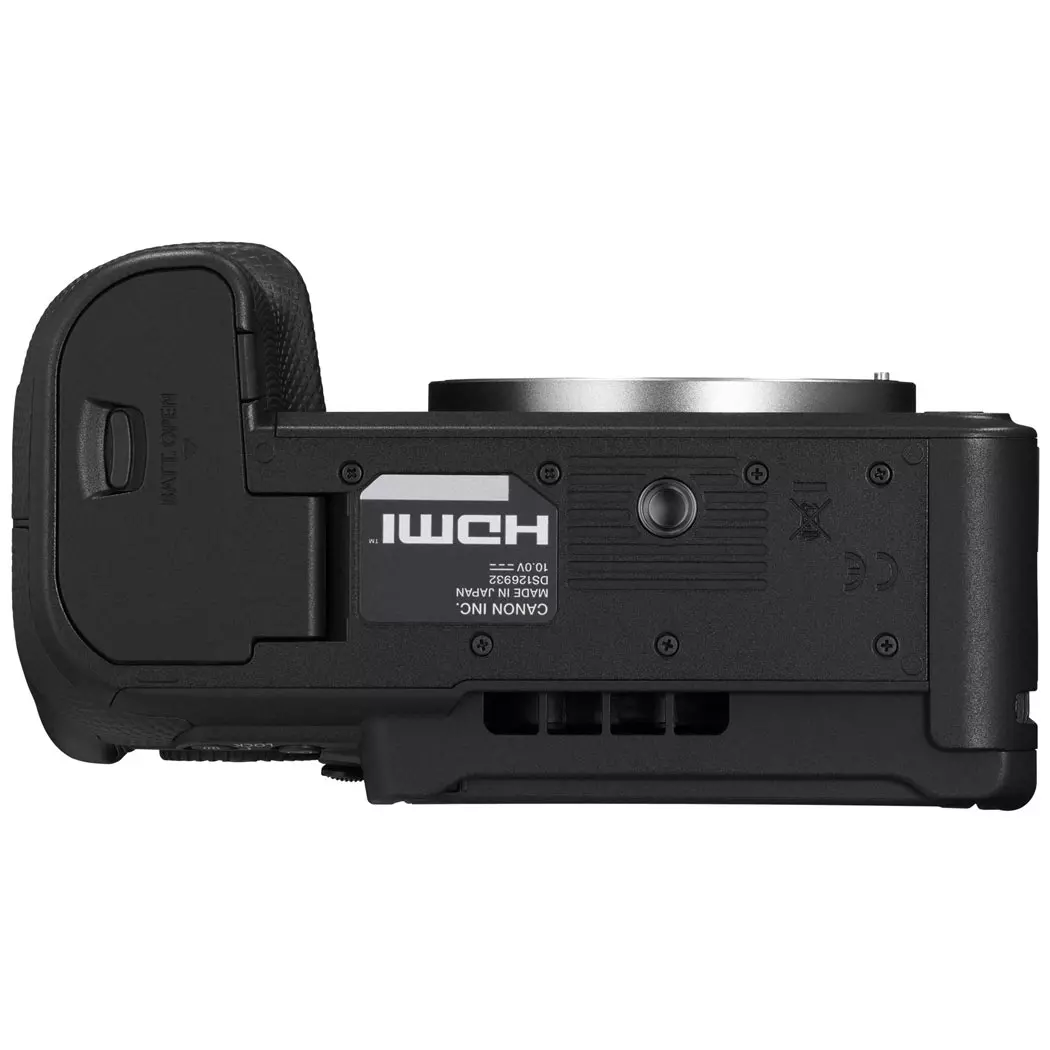
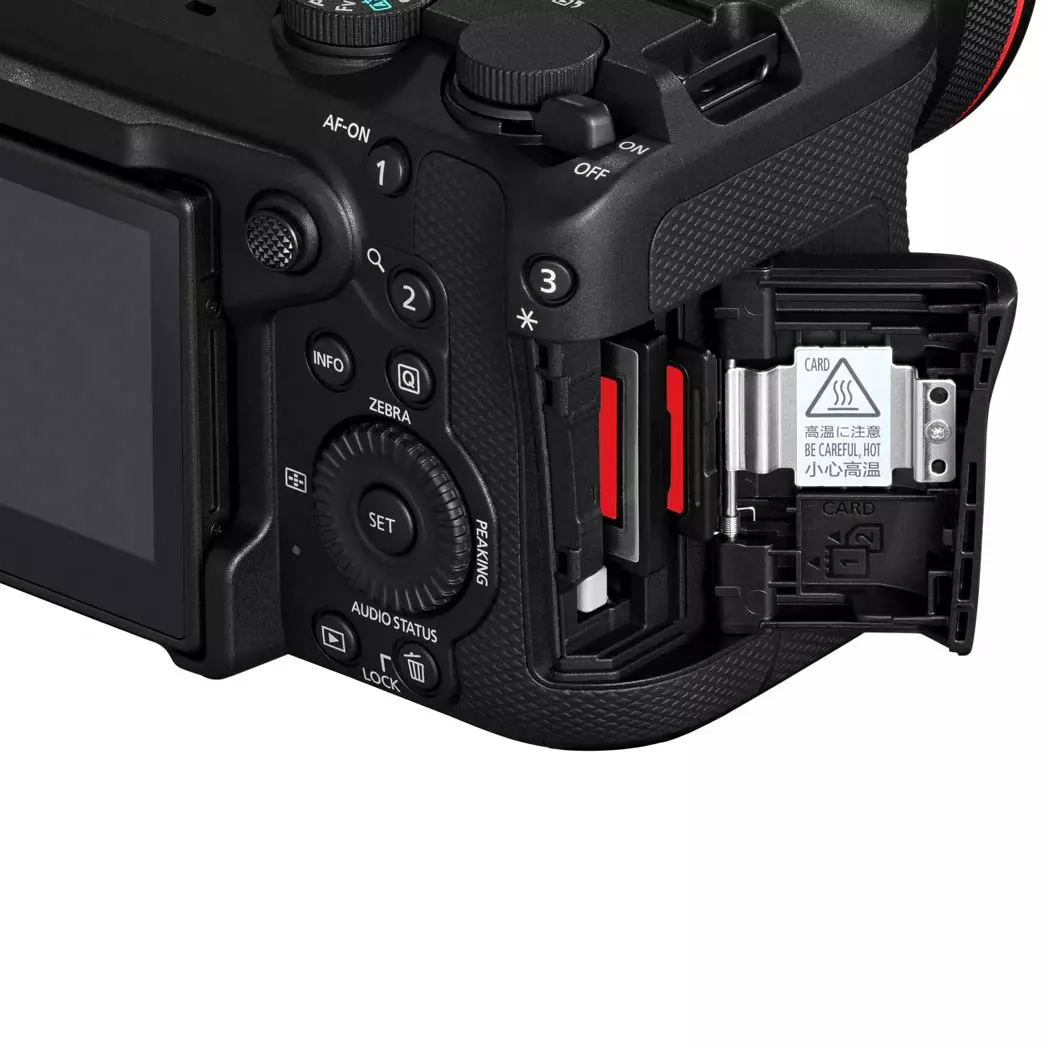
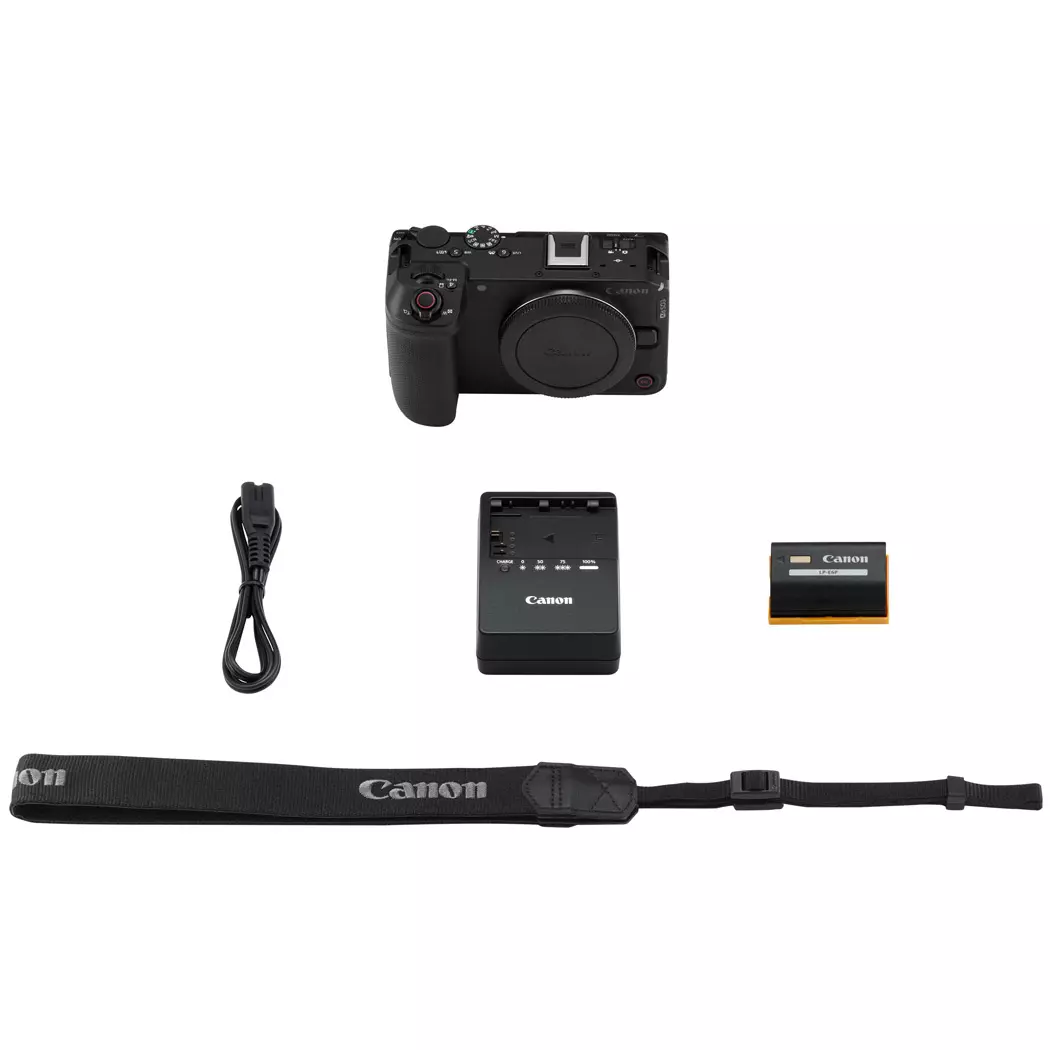
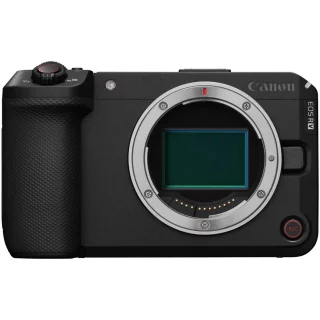
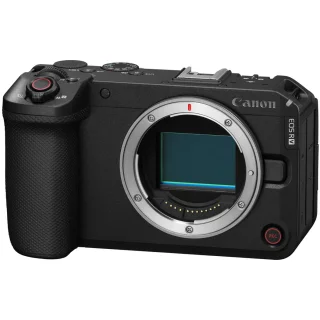
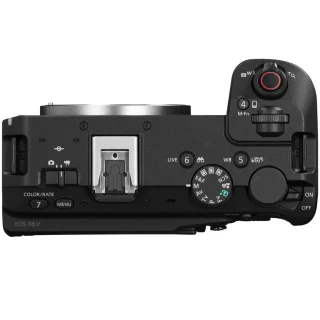
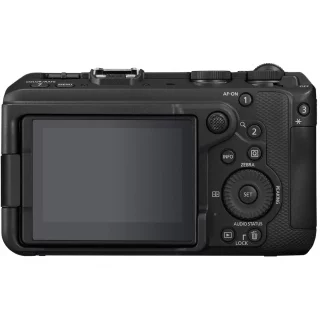
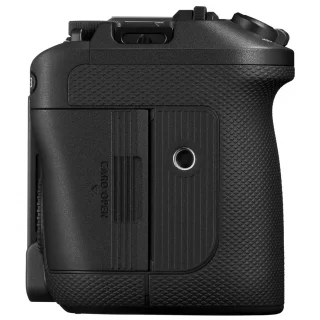
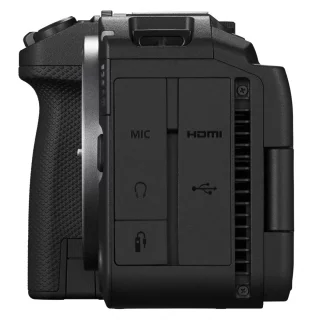
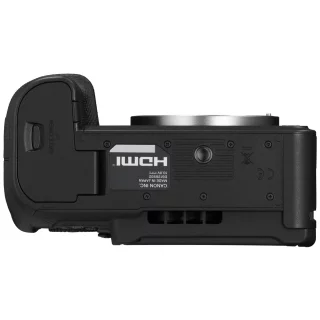
An exciting new feature! A very versatile video device for modern production. Featuring 7K Raw video recording, IBIS image stabilization, active cooling and very fast autofocus.



Varmasti yhteensopivat tarvikkeet
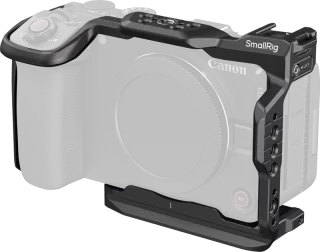
SmallRig 6372 HawkLock Quick Release Cage (Canon EOS R6 V)
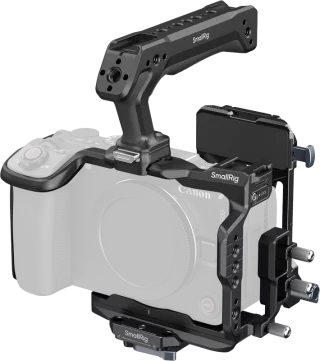
SmallRig 6381 HawkLock Quick Release Cage Kit with V-Mount Battery Plate Canon EOS R6 V
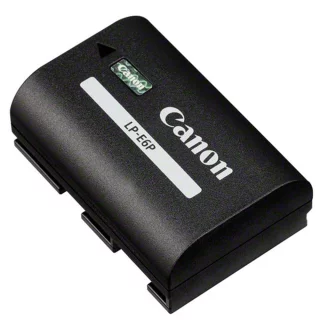
Canon LP-E6P battery
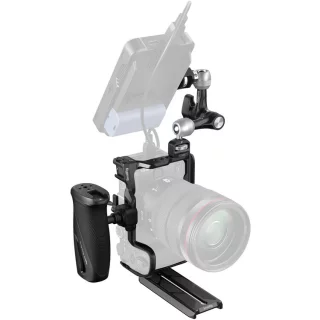
SmallRig 6382 HawkLock Quick Release Vertical Shooting Cage Kit for Canon EOS R6 V - Kamerakehikkosarja
Canon EOS R6 V system camera body
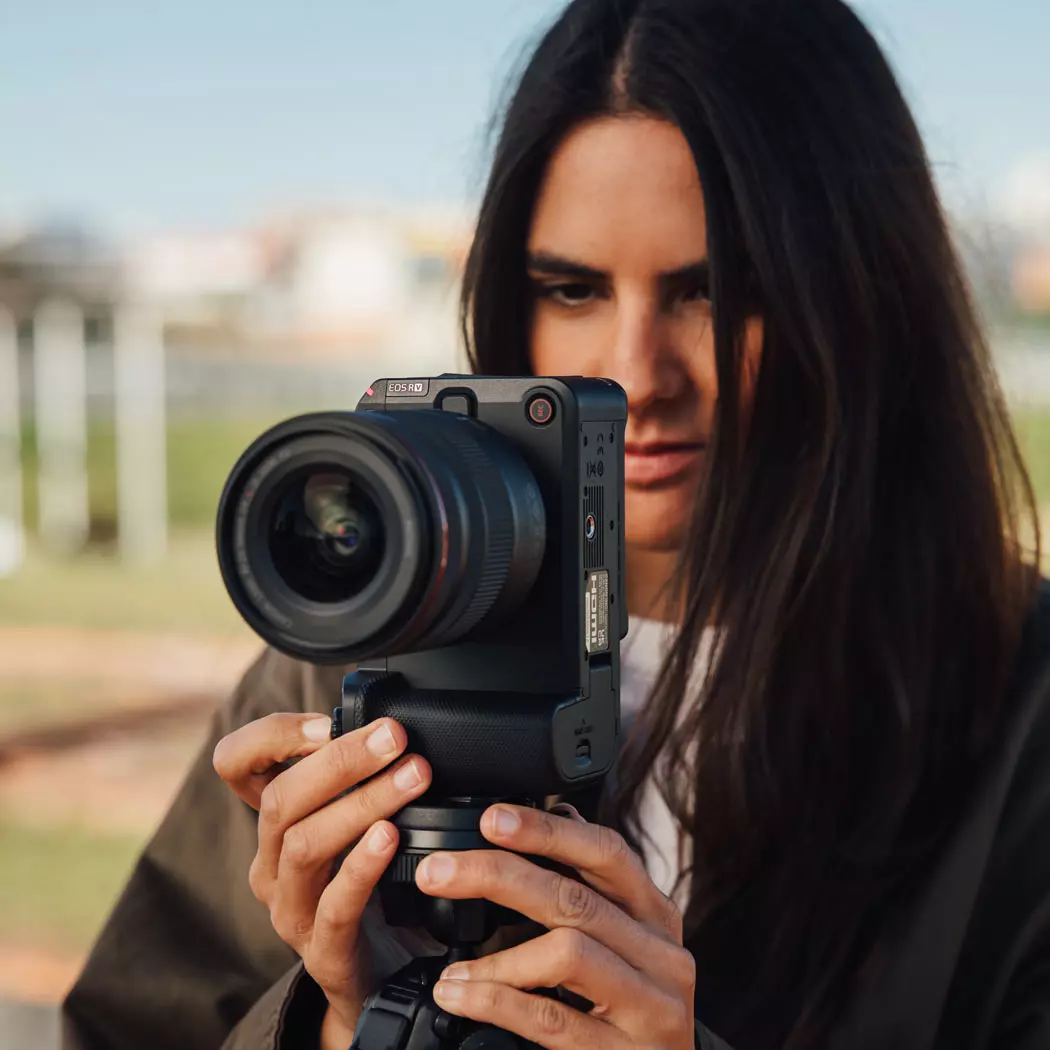
The name of Canon's new camera gives away a lot. It's a video-tuned version of the popular EOS R6 Mark III! However, it shares so much in common with the Canon EOS C50 film camera that this is basically a mini version of it, or alternatively, like the EOS R50 V on steroids. So this is a very capable video device that can also shoot stills.
Canon has had a clear target group for the device, this is a powerful device for social media videos and the usability has been honed for single-operator use, meaning you don't need a large team, but in terms of image quality, this is enough for large productions as the primary camera or as a secondary camera with Cinema EOS series members. The user interface is borrowed from the photography side, so it is easy to use, like Canon.
On the other hand, the features also go beyond the big brother model C50, i.e. the camera has an internal IBIS image stabilizer, which means that handheld use and spontaneous shooting are possible without additional vibrations. In other respects, the device is a Cinema series, which means that it comes with several mounting points, a full-size HDMI connector, active cooling, which means that even longer shooting is possible. The camera does not have a mechanical shutter, but the sensor has a fairly good read speed, so 32.5 megapixel Behind the Scenes images and hybrid productions are successful.
- Same 32.5 megapixel sensor as in the C50 and R6 III cameras
- Active cooling with a fan, i.e. the reliability of the professional series
- 7K 60P RAW video directly to memory card, 4K 120P
- Open Gate video, waveform exposure assist, tally lamp
- No electronic viewfinder or mechanical shutter
- 40 fps silent continuous shooting
- Burst shooting with pre-recording and video shooting with 5-second pre-recording
- Body Stabilizer: Up to 8.5 f-stop stabilization
- Dual Pixel AF II autofocus
- Focus that recognizes and follows animals, people, and, for example, flying birds
- Now also vehicle identification and tracking: cars, motorcycles, trains and airplanes
- UVC webcam streaming directly via USB cable
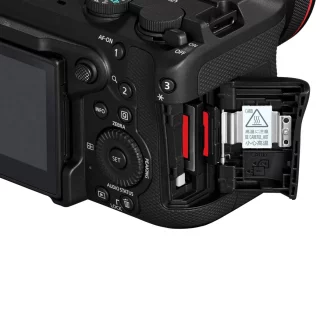
- 1x CFExpress and 1x UHS-II SDXC memory card slots
New 32.5 megapixel sensor and fast AF
The sensor and the technology around it are the same combination as in the Canon EOS C50 Cinema camera and this already says a lot about the camera's performance and image quality. It is not a so-called stacked sensor like in the EOS R1 and EOS R5 II bodies, but according to the technical data, there is still enough speed. Thanks to this speed, the camera works great even with small charges for photography.
Based on the C50 film camera, the image dynamics seem to be good. Sensitivity is adjustable in extended mode up to ISO 102400 and the resolution is sufficient for 7K video recording.
Unlike the Canon C50, the camera has IBIS, or image stabilization that moves the sensor, around the sensor. The stabilization effect is up to 7.5 f-stops. The effect also depends on the lens used, meaning the stabilization also works seamlessly with the lens' image stabilization and of course brings completely new handheld shooting possibilities for manual cinema lenses.
The Canon EOS R6 V features the manufacturer's latest autofocus technology. The camera features the familiar Dual Pixel AF II and Deep Learning, the latest algorithms that have been trained effectively with example images. The Canon EOS R6 V can recognize people, dogs, cats and birds, horses and vehicles such as cars, motorcycles and airplanes. Object recognition is used to help focus and track.
Focus and tracking are based on the entire figure, head, face and eyes, depending on how the subject is positioned in the image. Focus also recognizes faces that are off to the side.
Canon EOS R6 V - film camera technology
- 7K RAW 60P video recording (RAW Light, RAW Standard at 30P)
- Vertical stand thread and also vertical user interface
- Live button to start streaming immediately
- Video device, i.e. no electronic viewfinder or mechanical shutter
- Open Gate 3:2 video recording, also with RAW Light 30P setting
- Active cooling means no problem with overheating
- 4K 120P and FullHD 180P
- Dual-Base ISO 800 and 6400
- Focus Breathing compensation in the camera
- Support for LUT files in image preview
- False color and waveform, easy exposure adjustment
- Microphone and headphone jacks
- The sensor read speed in 7K open gate video is about 17.9ms, in 4K video 7.2 and in oversampled 4K video 14.3, so very good!
- Full-size HDMI connection
- CLog 2 and 3 and 4:2:2 10-bit recording
- UVC streaming via USB cable without separate devices
- Also starting video recording 5 seconds in advance!
- Tally light
- Frame.IO Camera to Cloud support
As mentioned, the Canon EOS R6 V contains the same technology as the Cinema-line Canon EOS C50, so the video quality should be okay! Thanks to the active cooling, the EOS R6 V can be the main video production device for many and is really great if you want to combine stills and video shooting with the same camera. And in larger projects, this works as a second camera because the color profiles are similar to the robust Cinema-Series cameras.
At its most powerful, the camera records 7K raw video directly to the memory card , with a maximum bitrate of 2600Mbps, which is the data rate possible for CFExpress cards. In the slightly lighter RAW Light setting, 60P is also possible.
Canon was a bit late to the Open Gate craze, but this camera naturally has the feature, which means that the video image is recorded from the entire sensor area, also in the vertical direction. This 3:2 aspect ratio material makes it easier to make your own versions for YouTube and Tiktok with vertical cropping, for example. The different cropping can also be seen during video recording. Open gate mode also helps when shooting with anamorphic lenses.
On the other hand, if the number one channel is Tiktok, then by turning the camera to a vertical position, the user interface also rotates, meaning the camera is well suited for modern content production and the camera also has mounting screws directly on the head, meaning it is partly a so-called cageless-type body.
With the increased resolution, the video is also created using oversampling technology, meaning that a larger 7K pixel count is used to create a 4K video file with more precision and less noise. The sensor speed is reflected in a smaller rolling shutter effect in fast movements.
On the other hand, the camera is also suitable for longer shooting sessions, if oversampling is turned off, the recording time of 4K 25P video is up to six hours! The recording time depends on the selected codec, the camera's maximum workload is RAW 60P shooting for about 23 minutes at room temperature.
It includes Focus breathing compensation, meaning that when you change the focus, the image size does not change disturbingly. In addition, a False color tool borrowed from film cameras has been added, which shows midtones and clipping highlights in a different color. This helps you adjust the exposure manually precisely. In addition, there is a waveform tool for image analysis.
To make workflow easier, the camera can now store smaller proxy files and metadata.
A big everyday feature is the control of Powerzoom lenses with a trigger, similar to that of video cameras. In addition, the zoom speed and responsiveness can be adjusted on the camera with these lenses, meaning more professional and smoother zooms can be achieved during shooting compared to the traditional mechanical option.
What about those quick situations? Pre-recording also works for video recording! Press Rec and up to five seconds of material is already recorded.
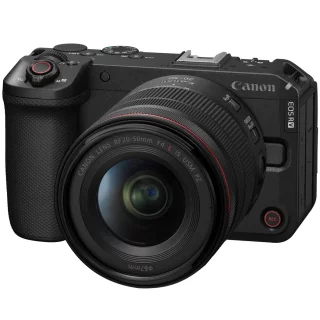
Which to choose: Canon EOS R6 V, Canon EOS R6 III or EOS C50
There are now several options that use the same technology, but there are also differences:
Canon EOS R6 V:
- Image stabilizer
- No mechanical shutter
- No electronic search
- Active cooling
- Additional rec button and zoom adjustment trigger
- Vertical mounting without frame
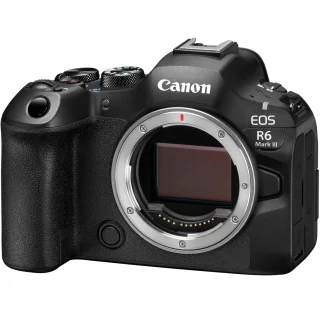
Canon EOS R6 Mark III:
- Image stabilizer
- Mechanical shutter
- Electronic viewfinder
- No active cooling
- No zoom trigger
- Compatible with flash lights
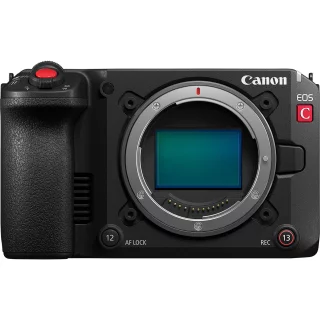
Canon EOS C50:
- No image stabilization
- No mechanical shutter
- No electronic search
- Active cooling
- Additional rec button and zoom adjustment trigger
- External volume control
- Timecode and XC protocol
So if you do a lot of photography or flash photography, the EOS R6 III is still the right choice, for more extensive video use the R6 V and C50 are more versatile and reliable. If a viewfinder is not mandatory, the C50 camera offers better connections and codec selection. We at Kameralieikke are happy to help you choose the right device!
Specifications:
- Compatibility: Canon RF lenses
- Sensor: 32.5 megapixels
- Sensitivity: 100-64000 (50-102400 extended)
- Digic X processor and Deep Learning AF - updated version
- 6097 focus pixels for stills and 4641 for video
Dual Pixel CMOS AF II detects and tracks dogs, cats, birds, horses, and other animals. Vehicle detection: cars, motorbikes, trains, and airplanes
Face and eye focus. Features also work in video recording
Registering people allows you to save 10 people that the focus will prioritize, for example a wedding couple!- Internal 5-axis image stabilization, maximum power 8.5 f-stops (7.5 f-stops at the edges of the image)
- 3" tilting touchscreen, so-called vertical mode for portrait shooting, resolution 1.6 million dots
- Silent continuous shooting with electronic shutter at 40 frames per second, 330 JPG or 150 RAW images
- Pre-Continuous Shooting: record 20 images continuously before taking a picture
- Weather and dust resistant to the same standard as the EOS 5D series
- Wifi 5GHz / 2.4GHz & Bluetooth 5.1
- 3.5mm microphone and headphone jack
- USB-C SuperSpeed ??Plus 3.2 Gen 2 connection
- HDMI Type A, E3 terminal for remote release, new Multi-Function hot shoe
- Weatherproof construction
- Memory card slots: 1 CFExpress Type B (maximum size 8TB) and 1 SDXC UHS-II
- Battery type: Canon LP-E6P
- Size: 141.8 x 83.3 x 79.7mm
- Weight: 598g (688g with battery and memory card)
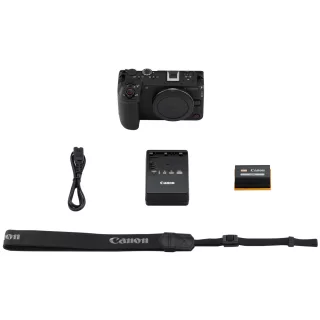
Sales package includes: Canon EOS R6 V body, strap ER-EOS R6, body cap RF-5, charger LC-E6E, LP-E6P battery
Osta myös

Arvostelujen yhteenveto
Kysy tuotteesta

ma-pe 9-17 ja la 10-14