Sony A1 II body




Pakettidiili

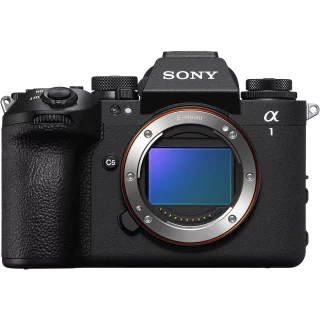
Sony Alpha A1 II body
Deliveries have begun, but the quantities arriving are, as usual, very small and we cannot give a more precise timetable for availability, or it will take months - unfortunately.
Send us a message about the exchange offer and, if necessary, also about the corporate leasing option!
How to improve on the first one? The Sony A1 is still the top of the market in terms of technology, but the autofocus is now partly handled by a completely separate AI-taught processor and these features cannot be added through software updates. The innovations are not limited to better focusing, but also the stabilizer is more effective, the image quality has been fine-tuned and even the entire external body has been changed!
- 50 megapixels x 30 frames per second x AI focus
- AI processor and Sony's most advanced autofocus
- 7 subject types (animals, birds, vehicles, etc.) and the camera automatically selects the correct subject type
- Pre-Capture recording of images even before the trigger is released
- Zero Blackout - the image is always visible in the viewfinder, even when shooting in series
- 9.44 million dot high-precision viewfinder, 120-240 FPS refresh rate
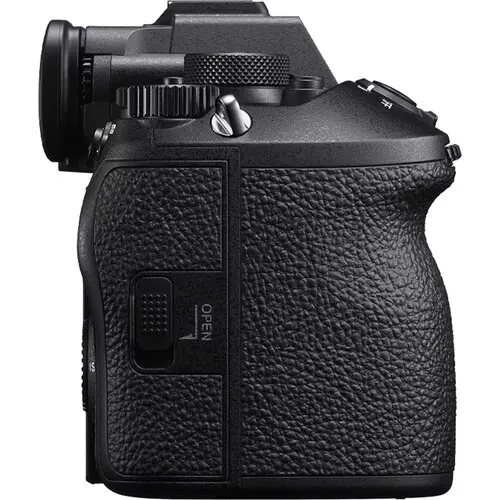
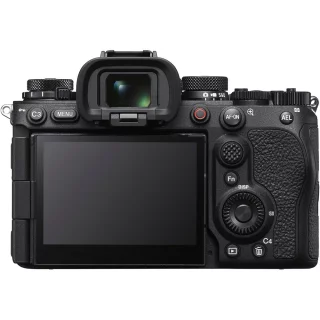
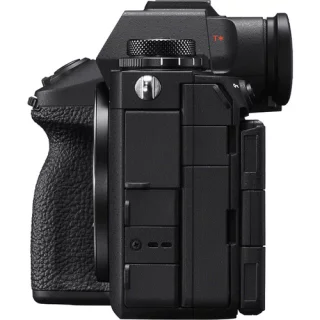
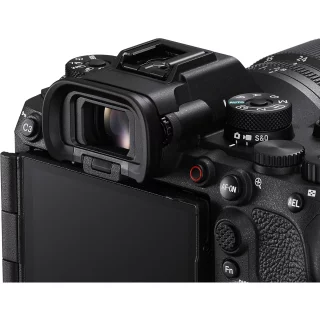
- Praised 4-axis touchscreen and body design from the A9 III model
- Up to 8.5 f-stop effective image stabilization + Active Mode for video recording
- 200MP high-resolution recording in Pixel Shift mode
- Compine RAW noise reduction by combining 4-32 raw images
- 8K 30P and 4K 60P video for up to 30 minutes!
- 4K 120P 5x slow motion videos
- 1/400 flash sync
50 megapixels and 30 frames per second with AI focus
Like the previous version, the Sony A1 II combines high resolution and speed. Now the package includes Sony's so-called AI focus separate processor, which handles focus tracking and pattern recognition. Sony's sensor technology and faster processor enable 50 megapixel photos, without cropping or tinkering with color depth, at up to 30FPS. The only thing to note is that the fastest bursts use the compressive RAW file format. At 20FPS, uncompressed and lossless compressed recording options are available.
The sensor offers great dynamics and the manufacturer promises a 15-stop tonal range. The sensor's sensitivity range is ISO 100-32000 at the basic setting and ISO 50-102400 at the extended setting. According to Sony, the noise level has improved at medium and high ISO sensitivities.
Stacked sensor technology enables great features: Like Sony's A1 and A9 models, the viewfinder image is also visible during shooting, meaning that tracking of subjects is possible continuously. The resolution is a whopping 9.44 million dots and the viewfinder image is updated 120 times per second (now also in high quality mode). In addition, an even faster 240FPS is available, which slightly lowers the viewfinder image resolution to 5.67M.
In addition, the viewfinder image is lag-free even in low light, for example when tracking a subject (i.e. if the shutter speed is less than 1/60, the camera still shows a 60FPS viewfinder image). This is a welcome feature if you have tried to pan a fast subject with other cameras.
The viewfinder has a 0.9x magnification and a viewing distance of 25mm. A Zoom out setting, useful for some eyeglass wearers, reduces the viewing angle to 33mm.
In addition to high-speed burst shooting, the Sony A1 II supports Pre-burst pre-shooting. This means that when you press the shutter button halfway, the camera will record images continuously, and when you take a picture, the camera will save the previous 30 images and continue the burst shooting. This feature makes it possible to capture very fast-paced situations at just the right moment.
Pre-capture is adjustable for 0.3-1 second, so choosing a shorter time will keep the number of frames more reasonable. The Speed Boost function has also been borrowed from the A9 III model. For example, you can shoot at a speed of 10fps and press the turbo button to take pictures at a maximum speed of 30fps. This way, depending on the situation, you can change the speed of the burst shooting, which keeps the number of frames and buffer usage under control. This button can be programmed, for example, to the C5 button on the front of the camera to be pressed with the middle finger or to the back of the camera.
Thanks to the sensor's fast readout speed, the electronic shutter, or silent shutter, works well on the A1 Mark II body. The entire sensor area is read in less than 1/200 of the time, meaning there is no distortion due to movement.
The Sony A1 II is a good option for difficult lighting conditions and shooting in artificial light (for example, events and indoor sports) thanks to the camera's Flicker Free feature. If the image has shown artificial light sources such as sports field lights or even household lamps, the images can easily show a very disturbing wave-like banding pattern, but now this problem is gone.
The feature is also combined with technology that automatically selects the exposure time based on the brightest moment. And shooting with the most difficult LED lights can also be achieved by fine-tuning the camera's exposure time when taking photos and recording videos.
Sony's first-class autofocus
High resolution and continuous shooting also place quite high demands on autofocus. The image must track even a fast-moving subject accurately, or 50 megapixel files will mercilessly reveal errors.
- 759 phase-detection AF points
- XS and XL and Custom focus points - size and position of focus areas adjustable
- Ai Processing unit - separate processor for autofocus
- Identify and track with precision: birds, animals, vehicles, insects and airplanes
- You no longer need to select the target type in advance
- Animal eye focus faster than before
- Focusing also works in -4EV (F2) light, i.e. in very low light
- Focus works well even for small objects or objects with their back to the camera thanks to detection
- Pose estimation - focus predicts the direction of movement and reacts quickly
- Focus bracketing, finally
- Same focusing capabilities for stills and video without limitations
The Sony A1 II performs autofocus and exposure calculations 120 times per second, regardless of the burst speed. This means that even at full speed, the camera checks focus and exposure many times before taking the next shot.
This ensures that the exposure and focus are as good as possible at all times during the exposure of the image. Thanks to the AI processor, the camera constantly receives additional information about the subject, which allows for better white balance and better automatic exposure.
So you don't have to select the subject type in advance, you can shoot different animal species, birds or people, and the focus works without having to go through the menu. Human Pose Estimation estimates where the eye will be based on the body's movement, meaning the systems are really advanced. According to Sony, eye focus, especially for animals and birds, now works faster than before.
Sony's best image stabilization
The image stabilization is 8.5 stops effective in the center of the image, which is Sony's most effective and about three stops better than the previous model. At the edges, the effect is about 7 stops.
Stabilization also makes better use of lens information and keeps the viewfinder image steadier. This makes it easier to shoot fast-moving subjects and achieve precise framing, for example.
The stabilizer is also used in the Pixels Shift multi shooting mode, which combines multiple images into one image with a resolution of up to 200 megapixels. Depending on the settings, the images also contain accurate color information for each pixel, meaning the limitations of Bayer filtering do not apply. The noise level is also reduced. These shooting modes are suitable for shooting static subjects when the best possible image quality is needed.
The Sony A1 II also includes a Composite RAW function, meaning you can reduce noise instead of resolution. The image takes 4-32 separate images, which are then combined into a very low-noise version using Sony's Imaging Edge software.
Video recording tool
Now comes a big list of features and numbers! In other words, in addition to being a first-class still camera, the Sony A1 is also suitable for demanding video productions.
- 8K 30P video recording (oversampling from 8.6K footage!)
- 8K video is recorded as a 10bit H.265 400Mbps file to the card, via HDMI in 8bit format
- 4K 120P video (10bit 4:2:2 All-I)
- FullHD 240P slow motion videos
- 4K video from the entire sensor area
- Super35 cropping 4K video oversampling from 5.8K material, also resulting in better read speed
- New features: Auto Framing, framing stabilizer, Focus breathing compensation
- Loading LUT files into the camera
- AI autofocus features also work in 8K recording
- S-Cinetone color scheme
- 10bit S-Log2, 3 and HLG recording to card
- 4.3K 16bit RAW video to external recorder
- Digital audio connection and full-size HDMI
As with Sony's more robust video and cinema models, thermal management has been taken into account in the design. Monster resolutions for video shooting are of no use if they cannot be used reliably and for a long enough time. Sony promises at least 30 minutes of recording for 8K 30P and 4k 60P video under normal conditions.
Sony's 8K video differs somewhat from Canon's implementation, the bitrate is a reasonable 400Mbps, so you don't need a CFExpress memory card for recording, the fast SDXC UHS-II V90 is also sufficient for 8K video.
There is also a difference with Canon in terms of 4K video, unlike the EOS R5 body, 4K material is not oversampled from the entire pixel count but uses so-called Pixel binning like the A7R IV body. But in the APS-C crop, the material is oversampled from 5.8K material.
On the other hand, since the bitrate of 8K video is reasonable, this file reduction is also possible when editing the video. 4K videos are recorded up to 60P without cropping the entire sensor area, the 120P setting brings a small 1.1 crop.
It includes 10bit S-log2 and 3 recording and HLG. The S-Cinetone color technology is borrowed from Sony cinema cameras, meaning the material is compatible with Sony production cameras in terms of color editing. The S-Log3 format records a whopping 15 stops of dynamic range.
Handheld and mobile video recording is now easier than ever. The more powerful IBIS in-camera stabilization combined with Sony's Dynamic Active mode digital stabilization smooths out video even when it's going really fast. This works at a max. 60P setting and 4K resolution and slightly crops the image but offers really stable video when shooting handheld.
This stabilization is really well implemented, the gyro digital stabilization data is stored in the metadata of the video file, meaning that digital stabilization can only be done afterwards during the editing phase if desired. This means that it is worth saving the stabilization data and using it as needed without any loss of quality.
Auto Framing is borrowed from vlogging models like the ZV-E1, meaning the camera can follow the subject by framing the desired area in the image. A surprisingly handy feature when shooting and performing alone in the video.
Professional-level reliability and usability
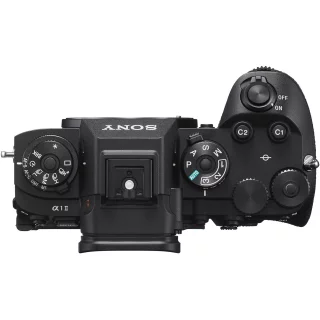
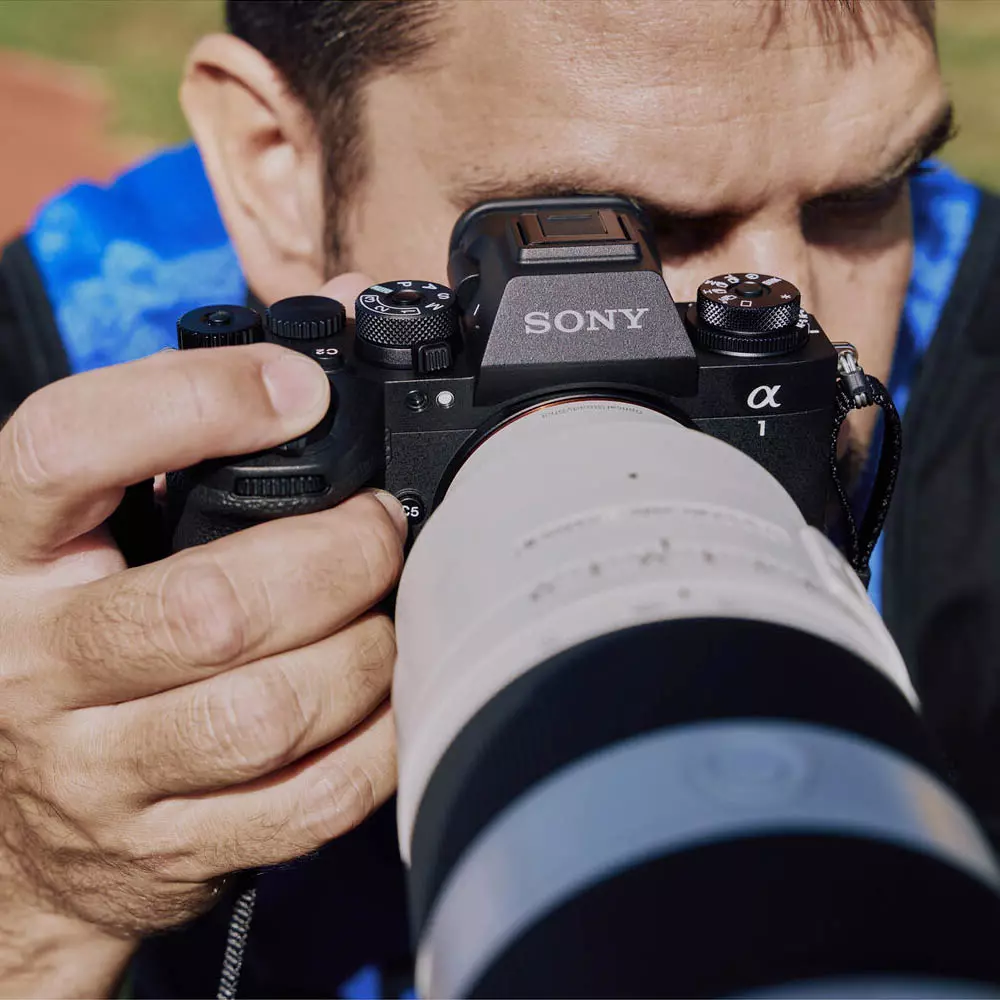
- Sony A9 III style body, i.e. praised ergonomics
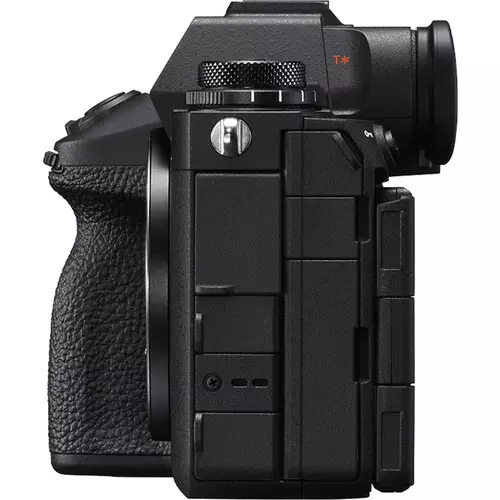
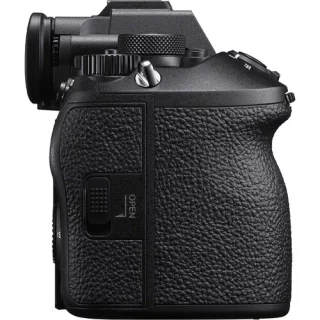
- Two CFExpress Type A and UHS-II SDXC memory card slots
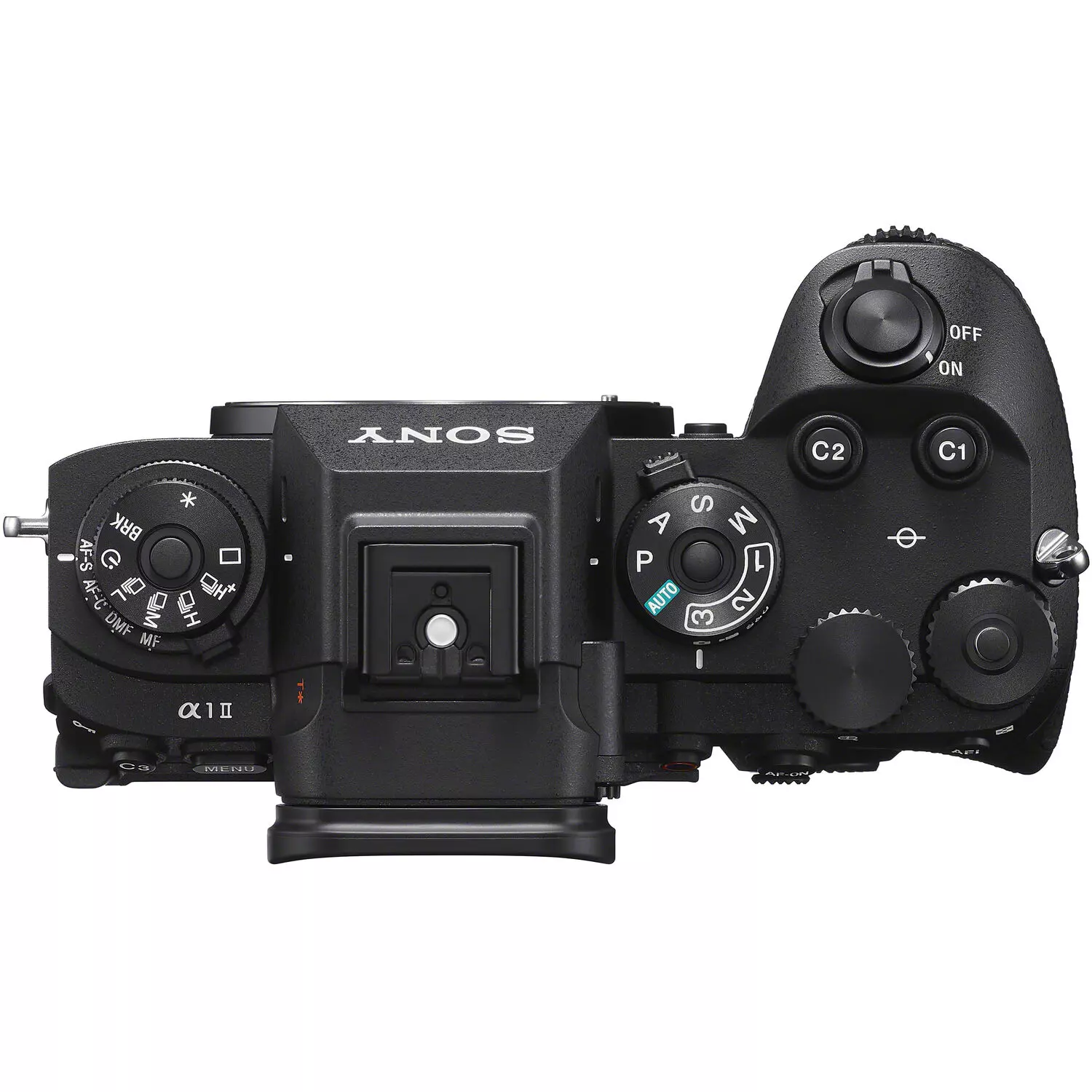
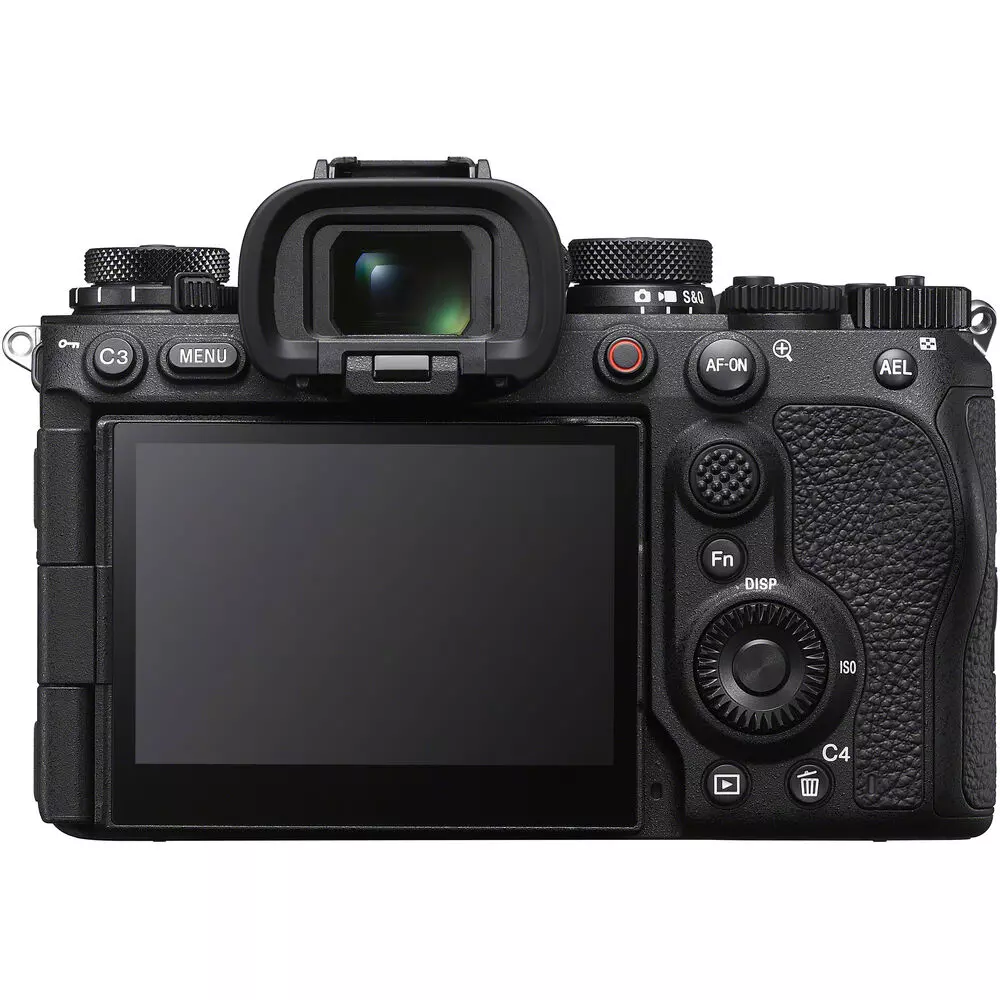
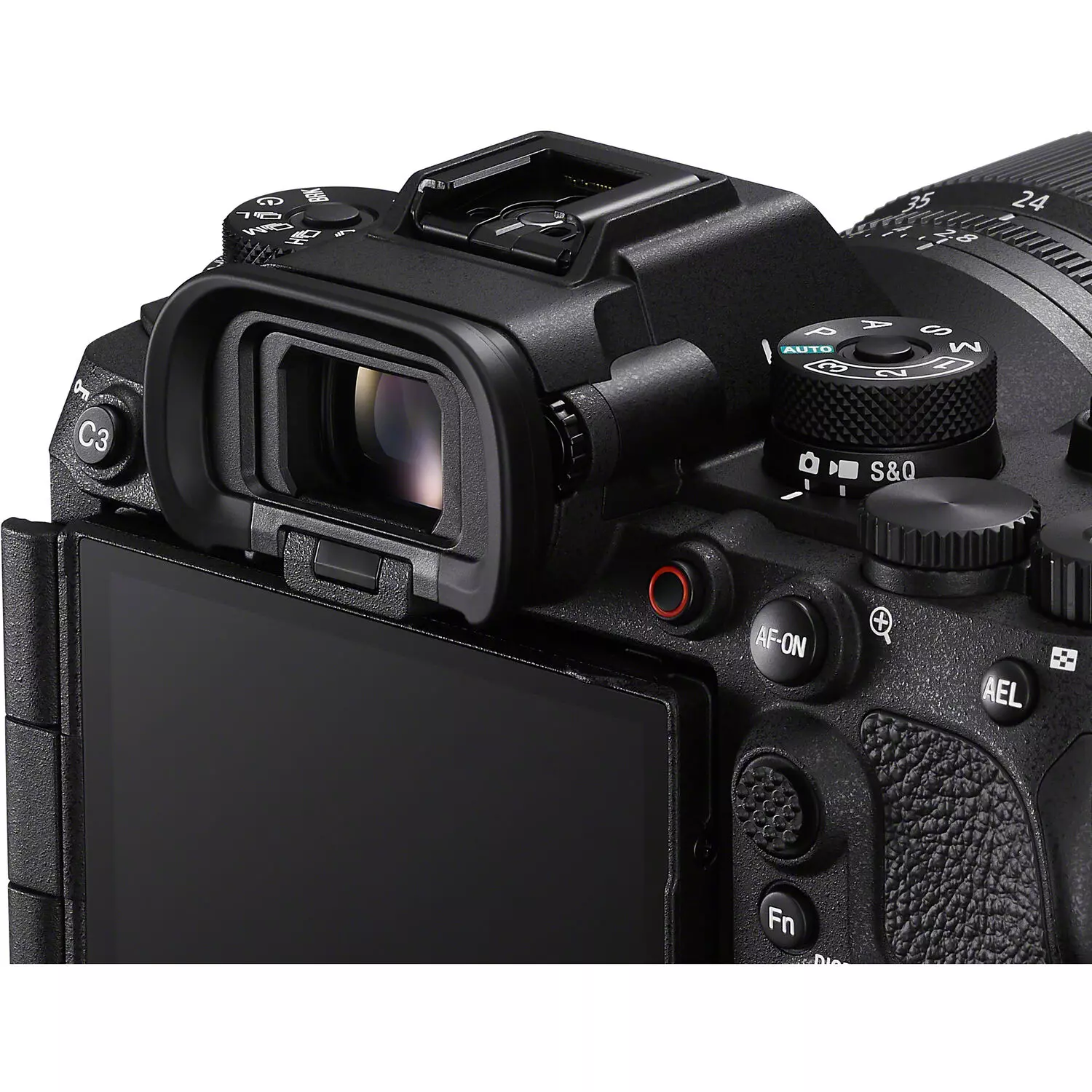
- A total of 17 customizable buttons and scroll wheels
- very good 4-axis 2,095K Wide-gamut touchscreen (i.e. very wide color gamut for color-accurate working)
- Microphone for voice notes
- Custom settings for still images and video
Sony is targeting professional photographers with this model, whether they are photojournalists in crisis zones, sports photographers in stadiums or nature photographers at the mercy of the weather. The camera must be durable and work in all conditions. Reliability is built by paying attention to even the smallest details.
Speaking of details, two eyecups are included! In addition to the basic model, there is a soft, more opaque version that moves your nose a little further from the screen and reduces the amount of light coming from the sides. Test it out and you'll know which one is better for your own use!
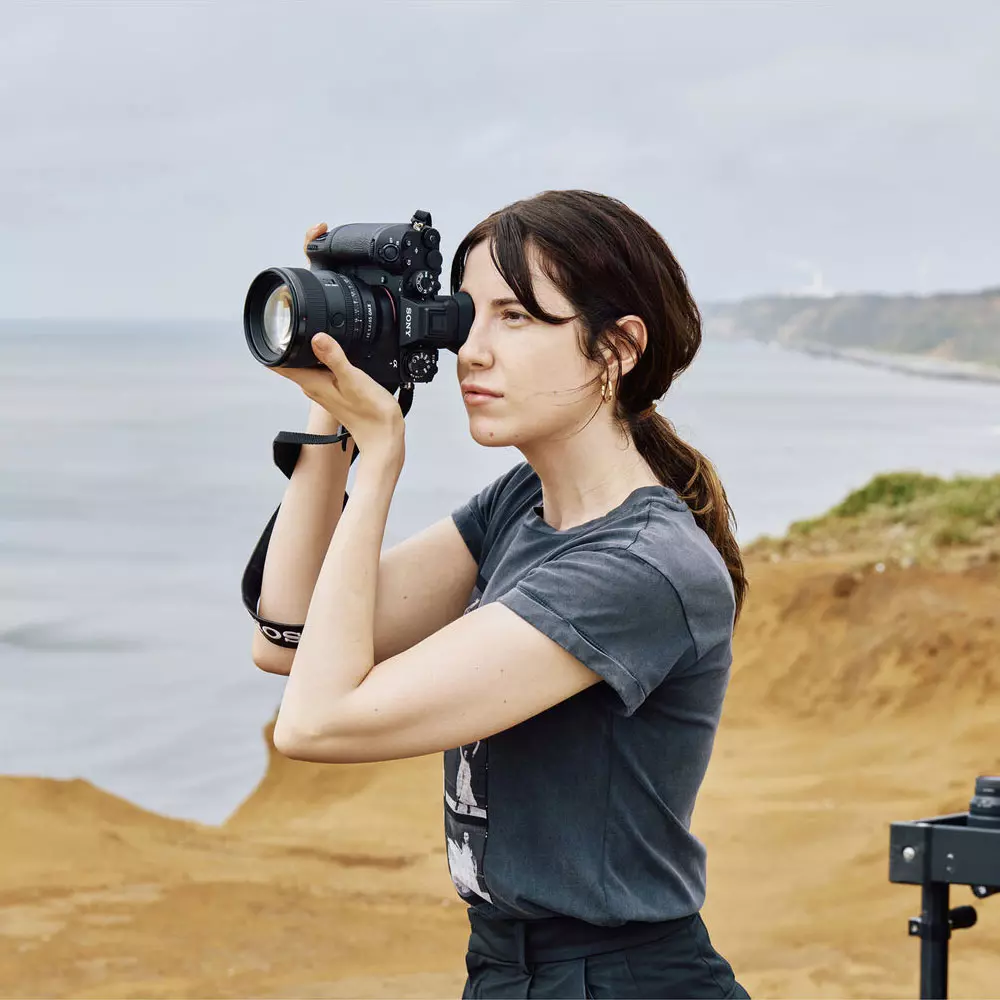
Sony Alpha series cameras have been made for ten years now and ergonomics have come a long way. With each model, usability has been refined, sometimes a little, sometimes more. The Sony A9 III was a bigger update and now the A1 III includes the same innovations. The goal has been to make a camera that stays in your hand and feels comfortable even during all-day shooting.
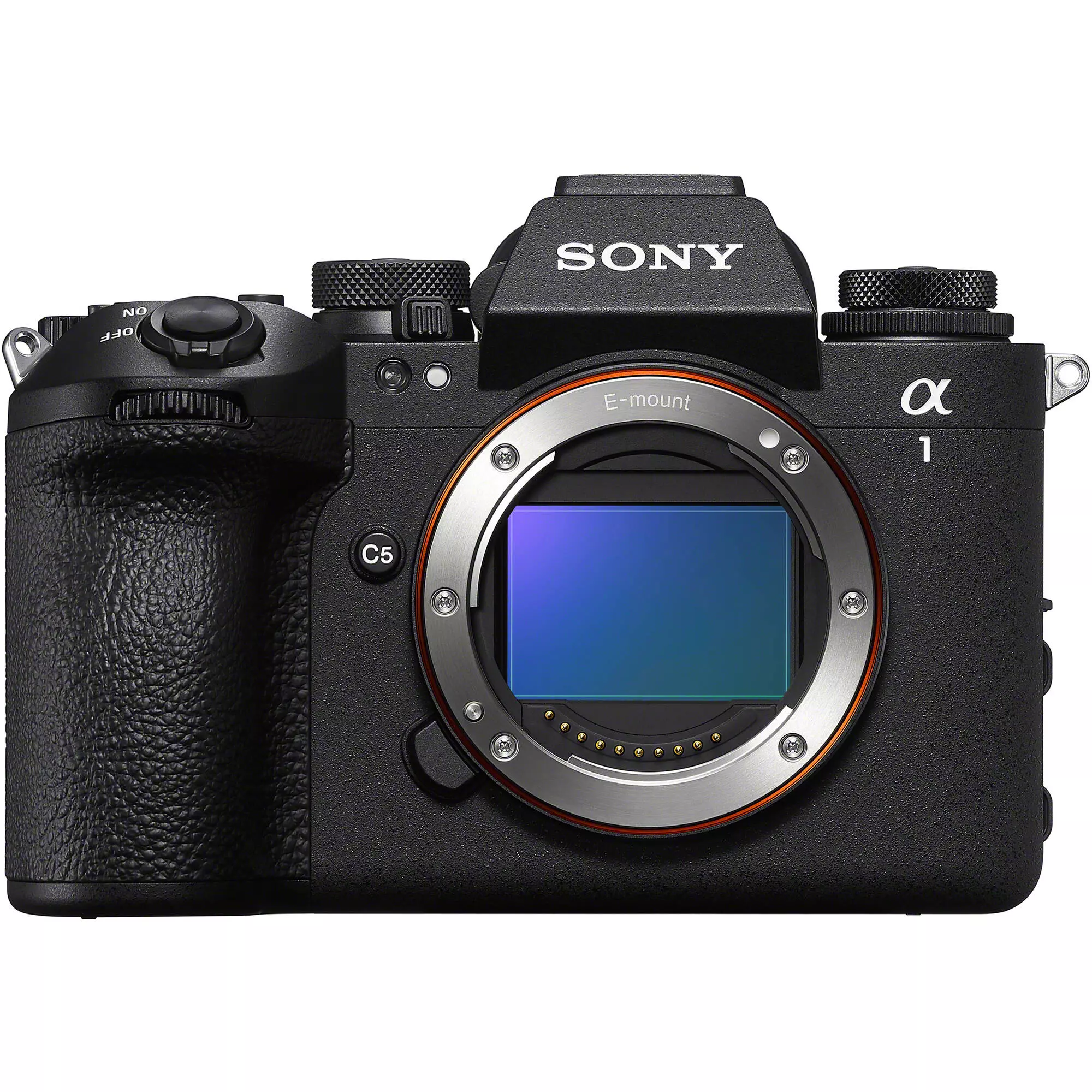
The shutter button is not so much on the top but a little more slanted towards the front, and the button is very responsive. In addition, there is a new programmable C5 button on the front of the camera next to the lens mount.
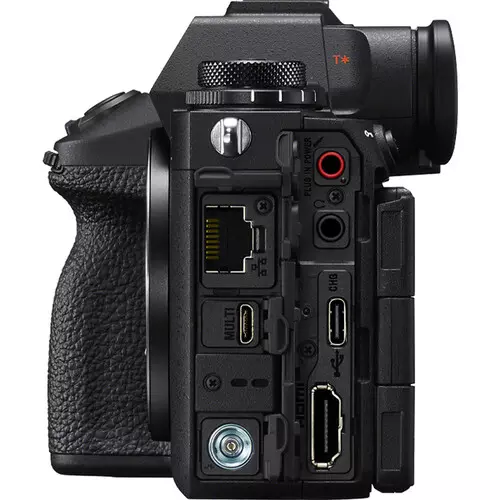
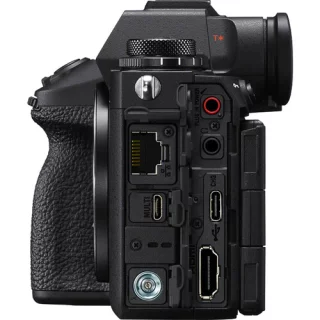
In addition to mechanical durability, image transfer and workflow must be in order. The Sony A1 includes two WiFi antennas to ensure signal and record speed. The body has a super-fast 2.5Gbps wired network connection, USB-C is a 10Gbps USB-C SuperSpeed connection. The HDMI connection is full-size. The camera can be powered via a USB-C cable, but charging the battery requires a separate charger (included in the sales package).
When the material needs to be immediately available online, it can be done with FTP server support, the new Light JPG compression format is used (in addition to 10bit HEIF) and minor processing such as cropping can be done directly in the camera. The Sony A1 supports compressed but lossless RAW recording! This lossless Raw is 20-40% smaller in file size than RAW containing all the data but should be exactly the same in image quality.
The familiar NP-FZ100 battery is used and the shooting capacity on a full charge is approximately 420 shots shot through the viewfinder. But this is a strict CIPA estimate and the actual shooting capacity is much higher.
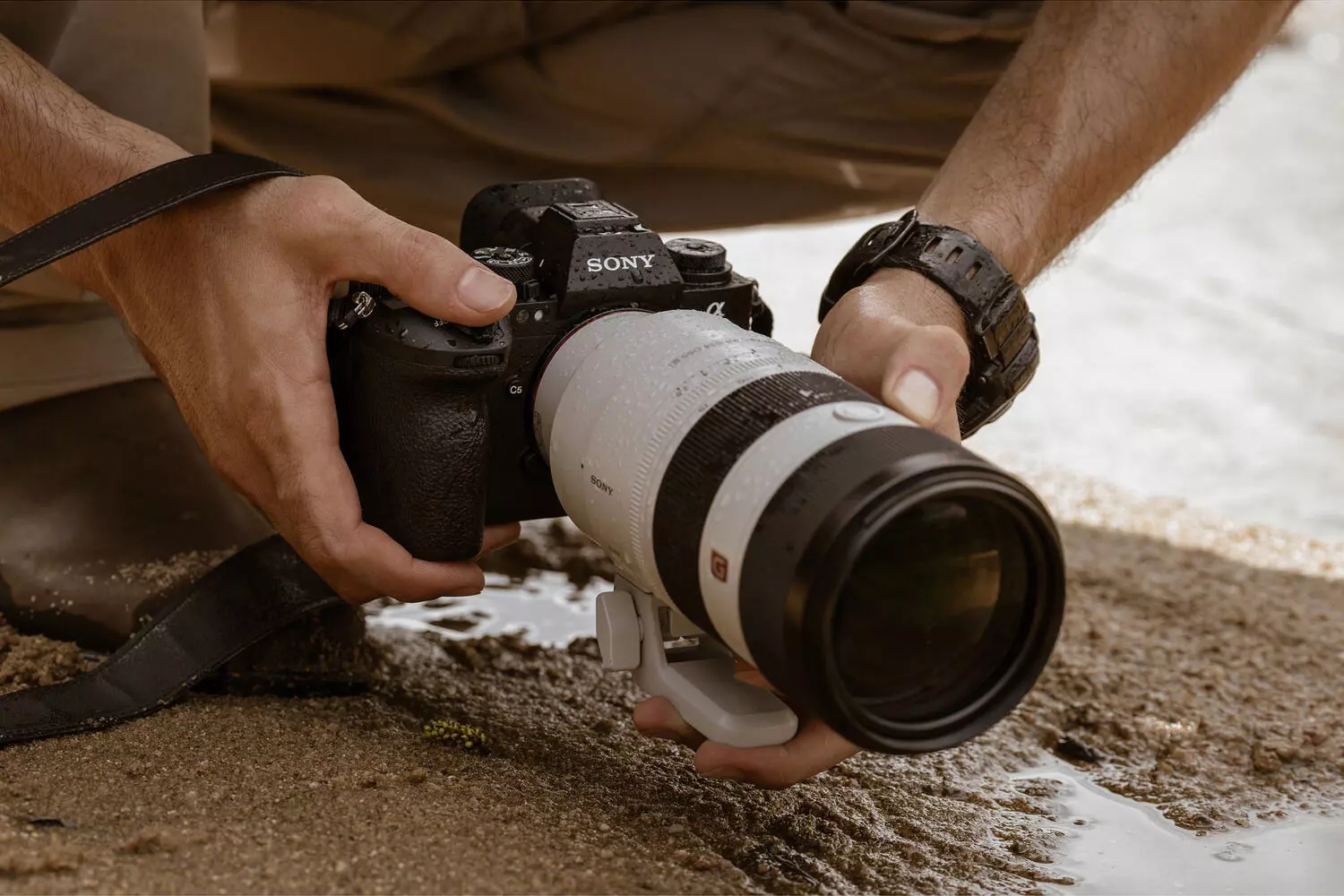
The frame is weatherproof.
Note: This product is not compatible with the separately purchased Sony 2-year extended warranty.
Specifications:
- Compatibility: Sony FE mount
- 50.1 megapixel CMOS sensor ISO 100-32000, expandable to 50-102400)
- Built-in 5-axis image stabilization, power 8.5 at maximum aperture
- 759 phase-detection AF points, 425 contrast-detection AF points
- Shutter speeds: mechanical 1/8000 - 30s, electronic max. 1/32000
- Flash sync is possible at shutter speeds of 1/400 (and 1/500 with APS-C crop setting) via the Multi hot shoe, the maximum via the X-Sync connection is 1/200
- Continuous shooting: 30, 20, 15 or 5 fps with electronic shutter, 10 fps with mechanical
- 8K 30P video recording (oversampling from 8.6K footage)
- 4K 120P video (10bit 4:2:2 All-I)
- S Cinetone and S-Log 3 recording
- 30min recording time for 8K recording, no time limit for 4K 25/30P recording
- Two CFExpress Type A / SDXC UHS-II memory card slots
- Viewfinder: 9.44 million dot high-precision viewfinder, max. 240 FPS refresh rate, 0.9x magnification
- Display: 4-axis tilting 3.2' LCD, 2.09M touch screen
- Microphone connection: 3.5mm + digital connection via hot shoe
- 3.5mm headphone jack
- USB Type-C (USB 3.2) HDMI Micro, 1000BASE-T LAN, Wi-Fi 5, Bluetooth 5.0
- Battery type: NP-FZ100
- Size: 136.1 x 96.9 x 82.9mm
- Weight: 743g
The sales package includes:
Sony Alpha a1 Mark II body, Sony NP-FZ100 battery, Sony BC-QZ1 dual charger, Sony ALC-B1EM body cap, shoulder strap, cable strain relief, FDA-EP19 and FDA-EP21 Deep eyepieces
Arvostelujen yhteenveto
Kysy tuotteesta

ma-pe 9-17 ja la 10-14
TIETOA