Sony RX1R III digital camera



Compatible accessories
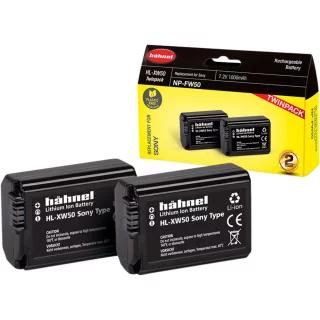
Hähnel HL-XW50 (Sony NP-FW50) 2pcs batteries
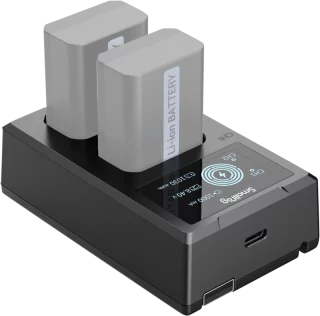
SmallRig 4081 Battery Charger -tuplalaturi (NP-FW50)
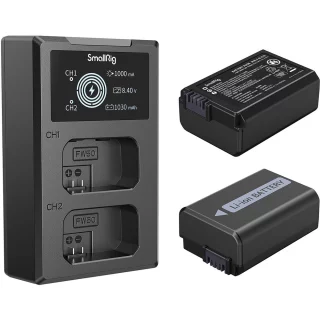
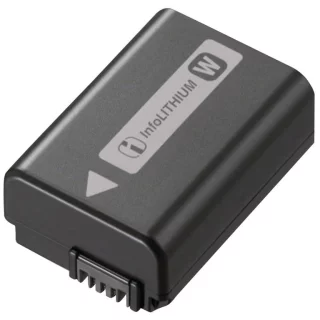
Sony NP-FW50 battery
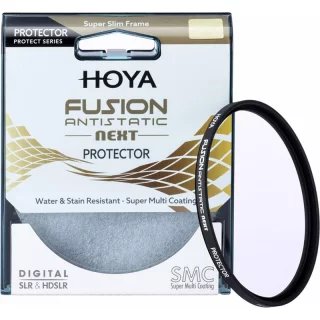
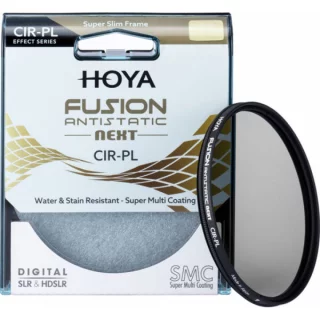

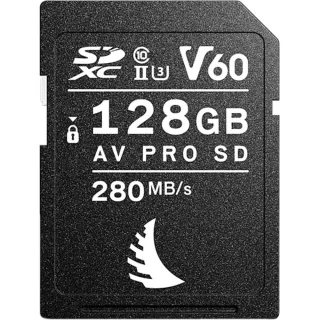
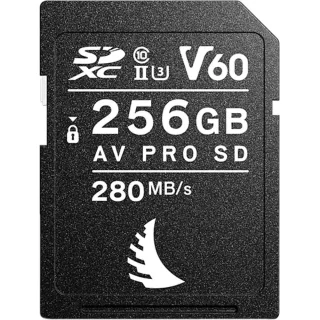
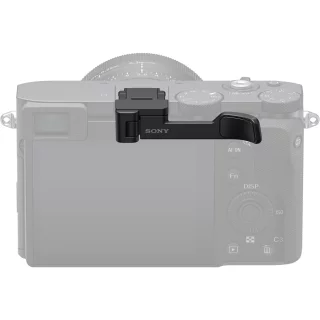
Sony TG-2 Thumb Grip
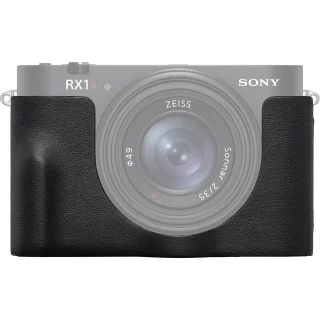
Sony LCS-RXL (RX1R III) protective case
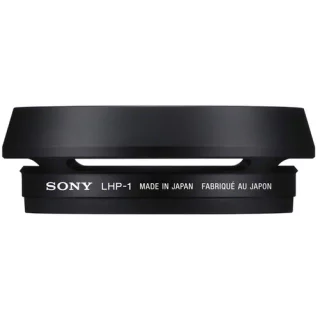
Sony LHP-1 Lens Hood (RX1)
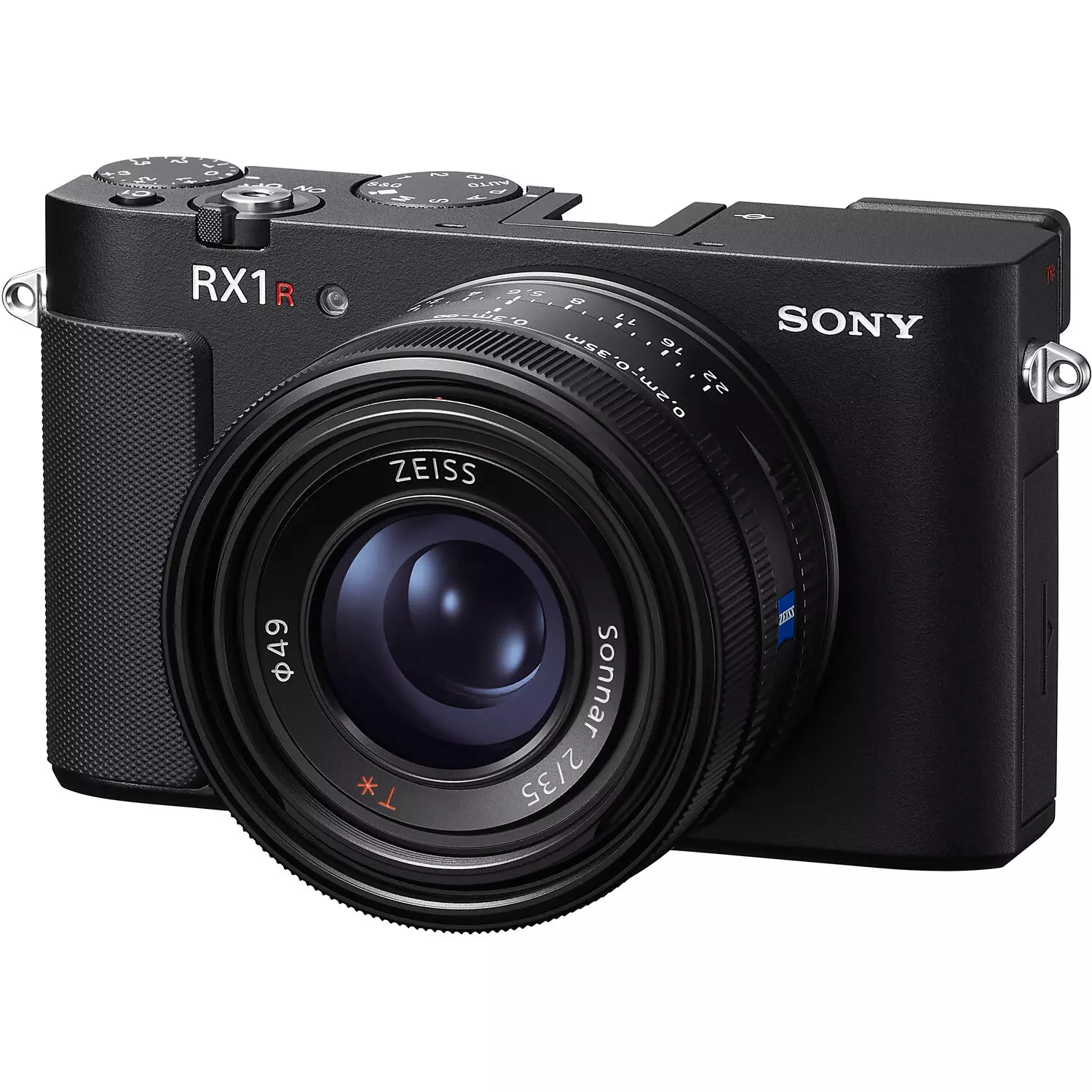
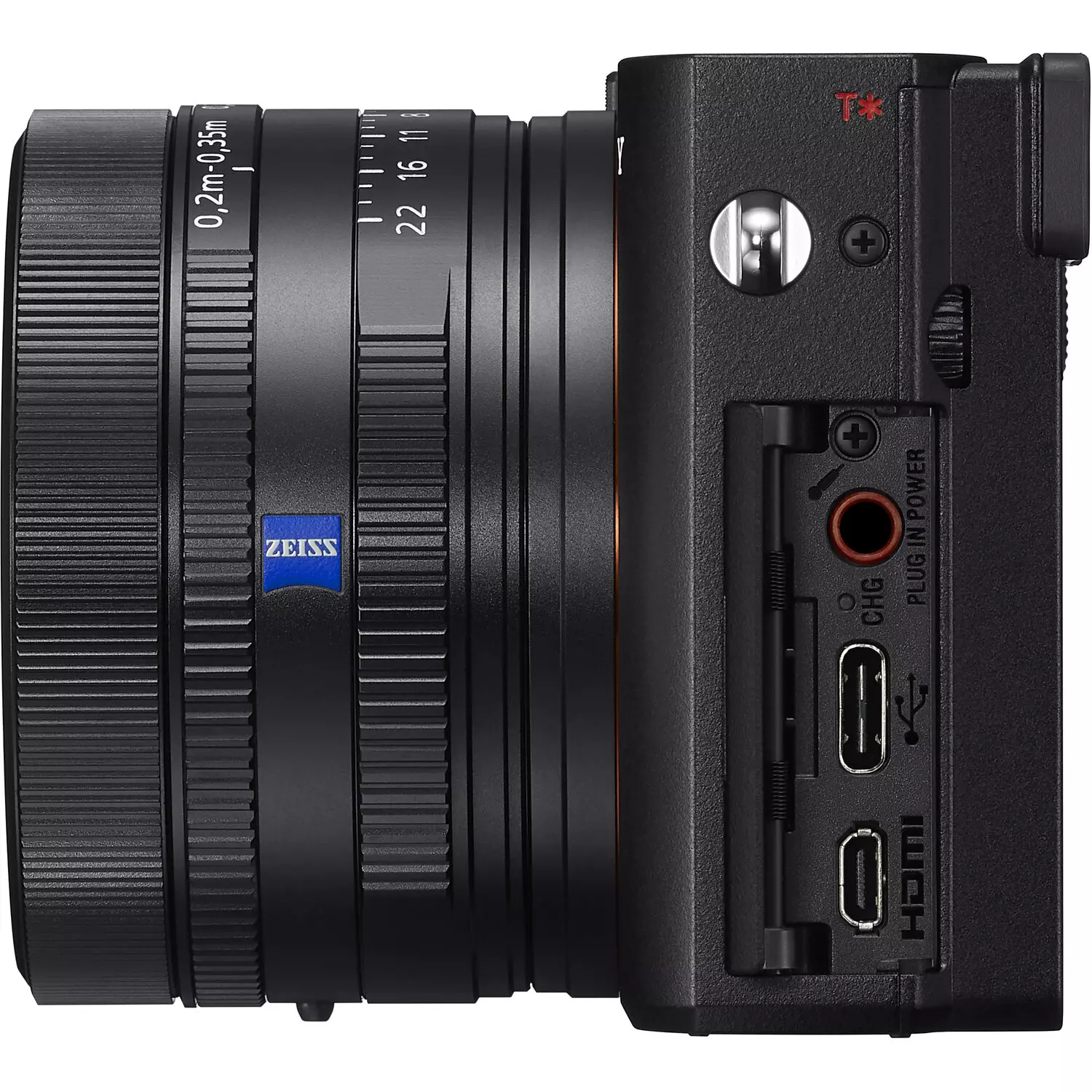
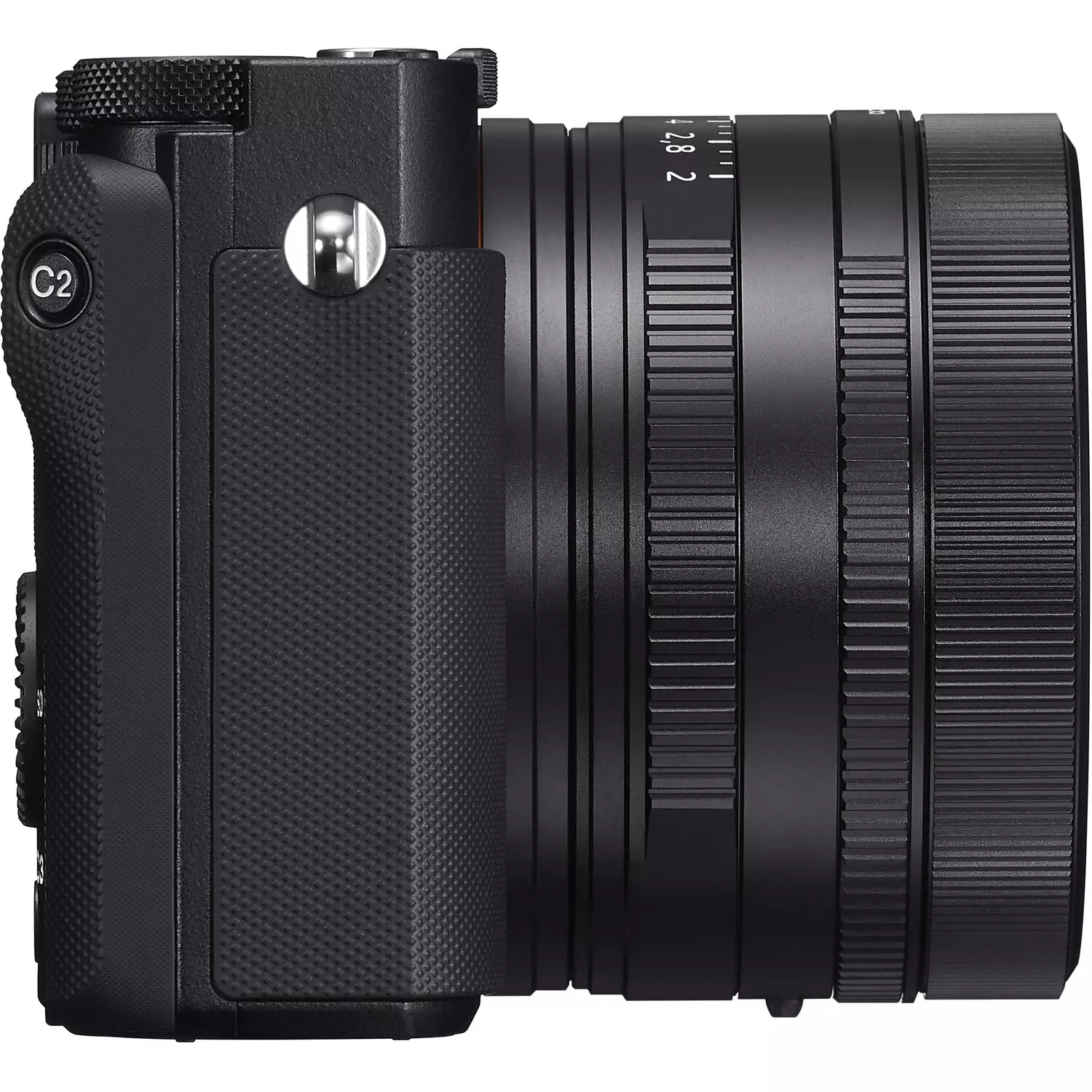
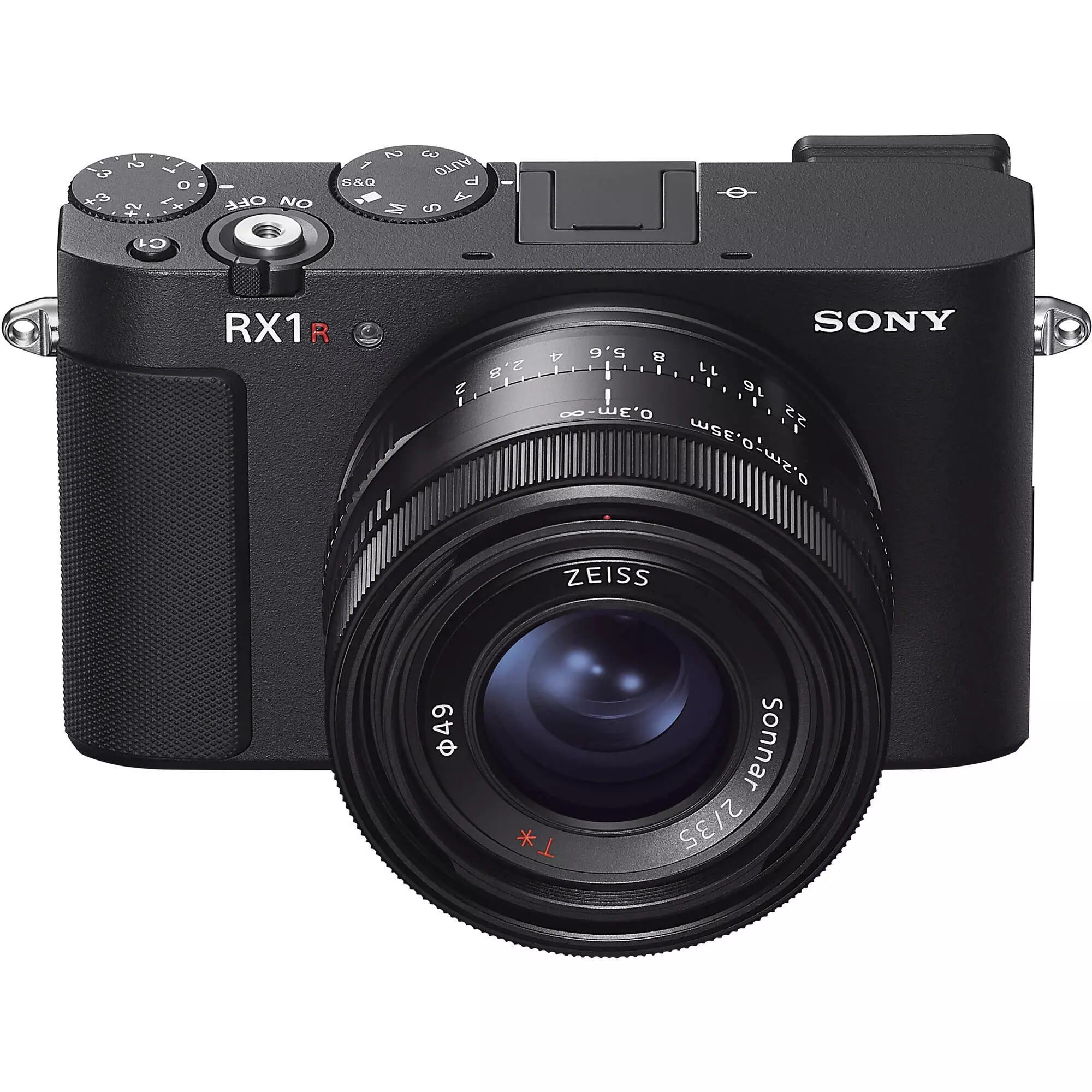
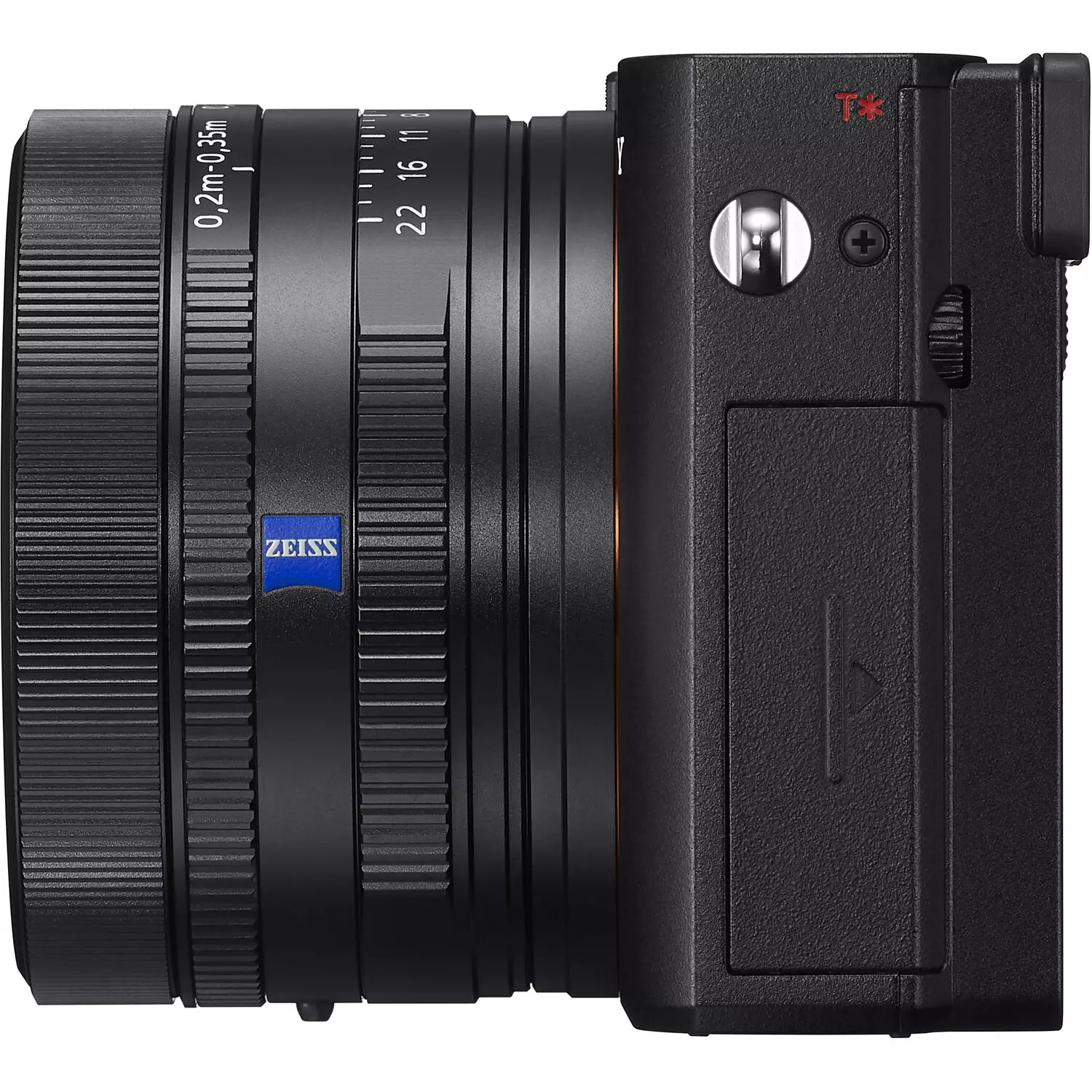
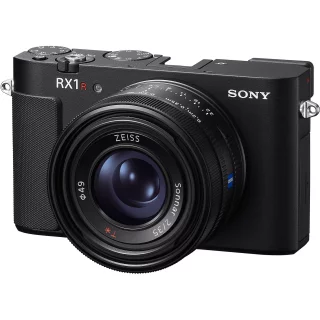
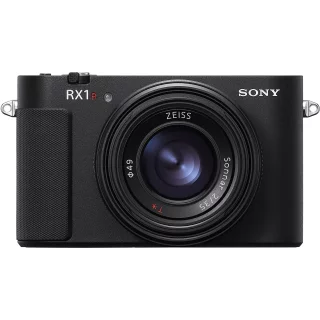
Sony DSC-RX1R III digital camera
The Sony RX1 III has been one of the manufacturer's most anticipated cameras. It's been ten years since the previous version was released, so few would have dared to expect Sony to update this cult classic, but here it is!
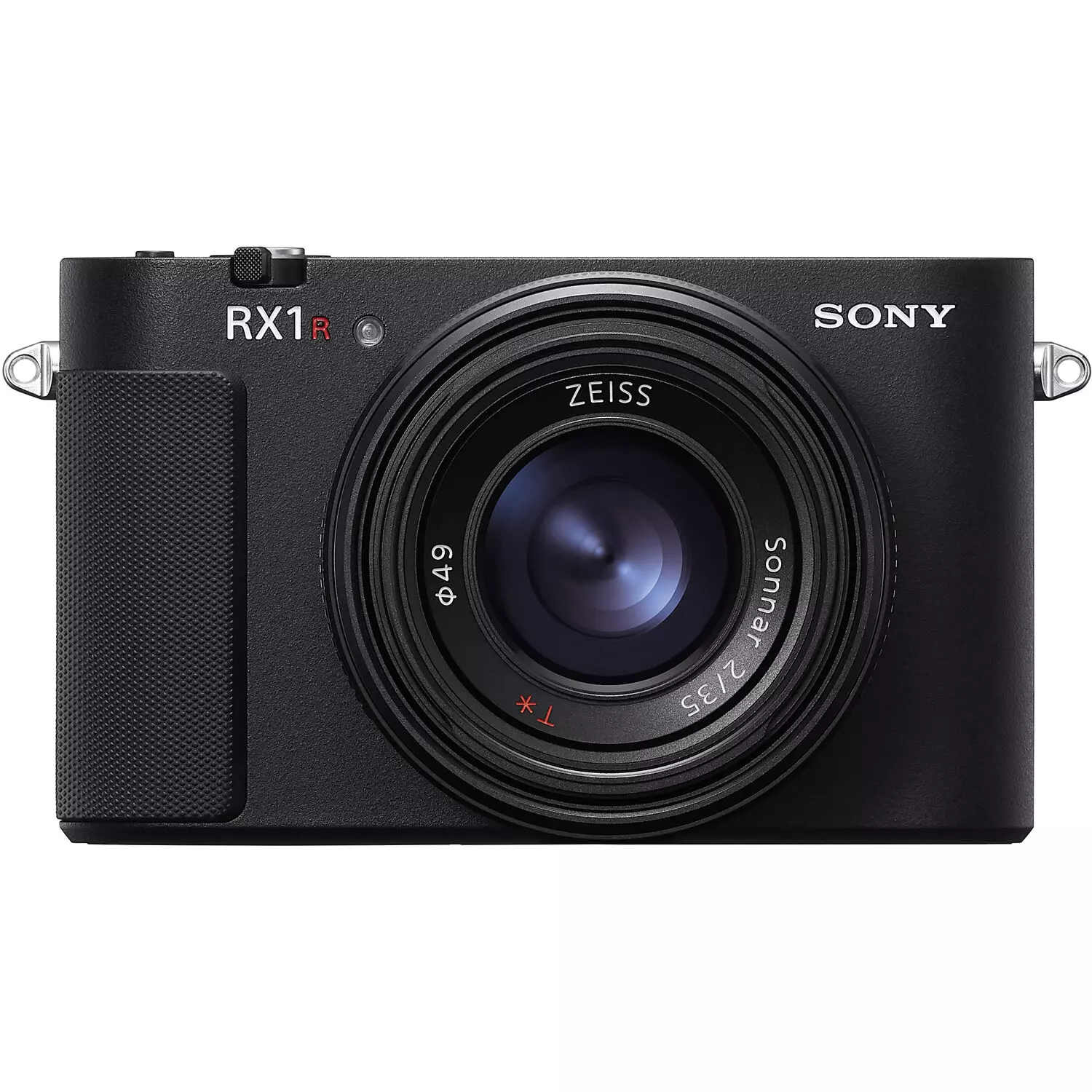
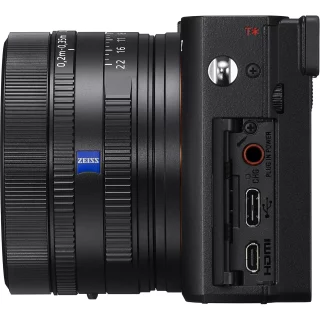
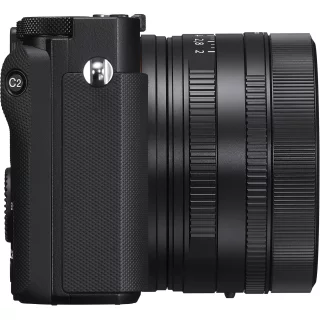
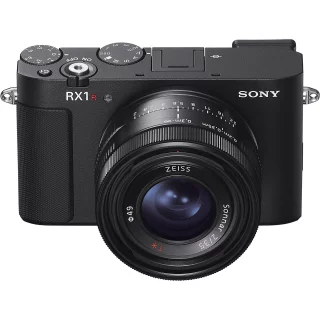
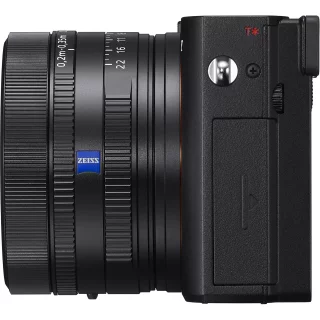
If you're not already familiar with the model, you can see at first glance what it's about, it comes with the same Zeiss Sonnar 35mm F2 lens, 61-megapixel full-frame sensor, and the latest Sony processors in the same incredibly compact size.
In a way, the Sony RX1 is like a lens with a camera built around it. The lens extends deep into the camera and the outer lens elements are very close to the image sensor, so this can only be built as a fixed-lens camera. There's no room for a shutter in between, so the RX1R III has a silent leaf shutter inside the lens.
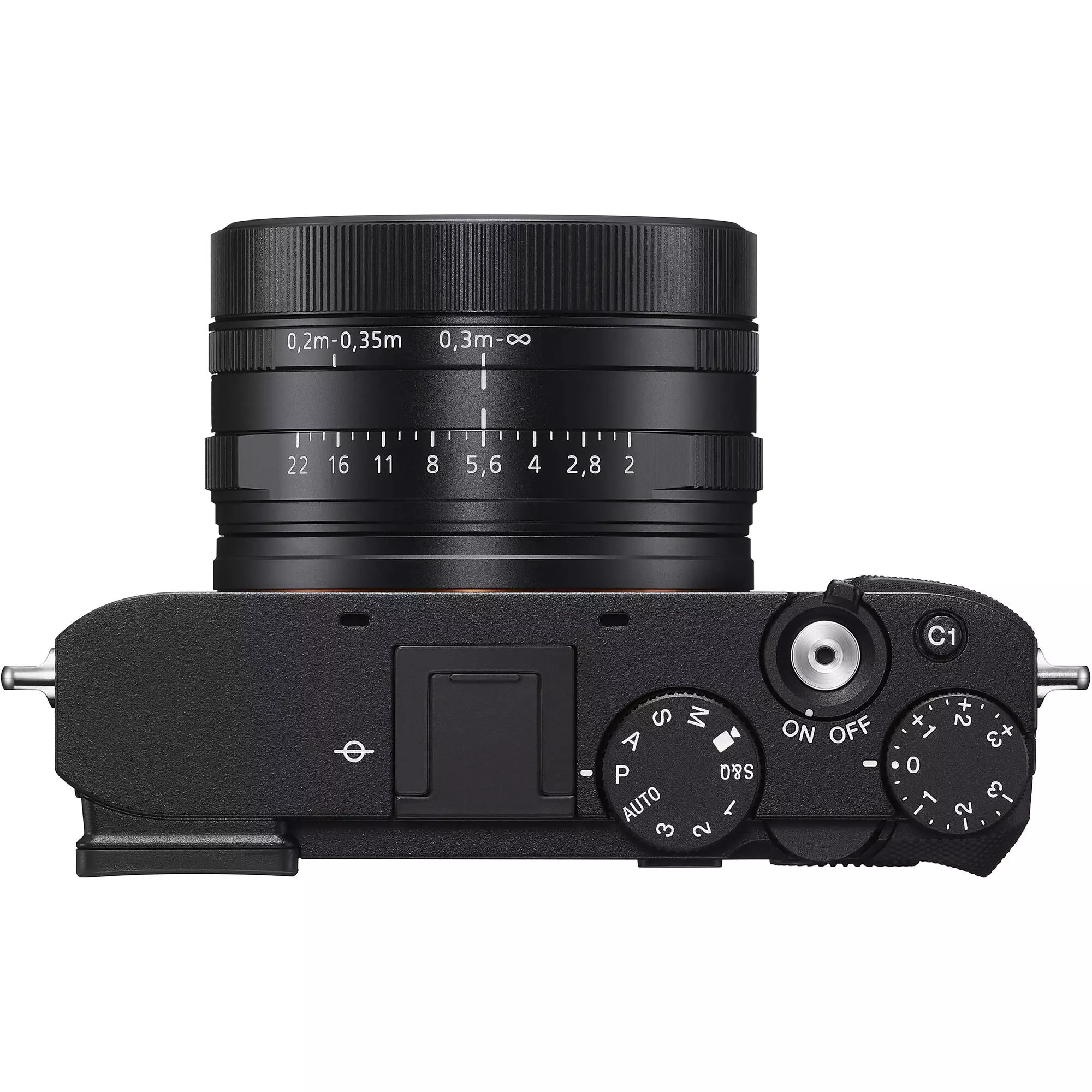
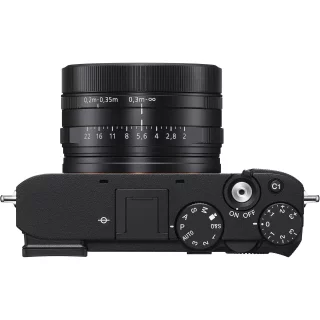
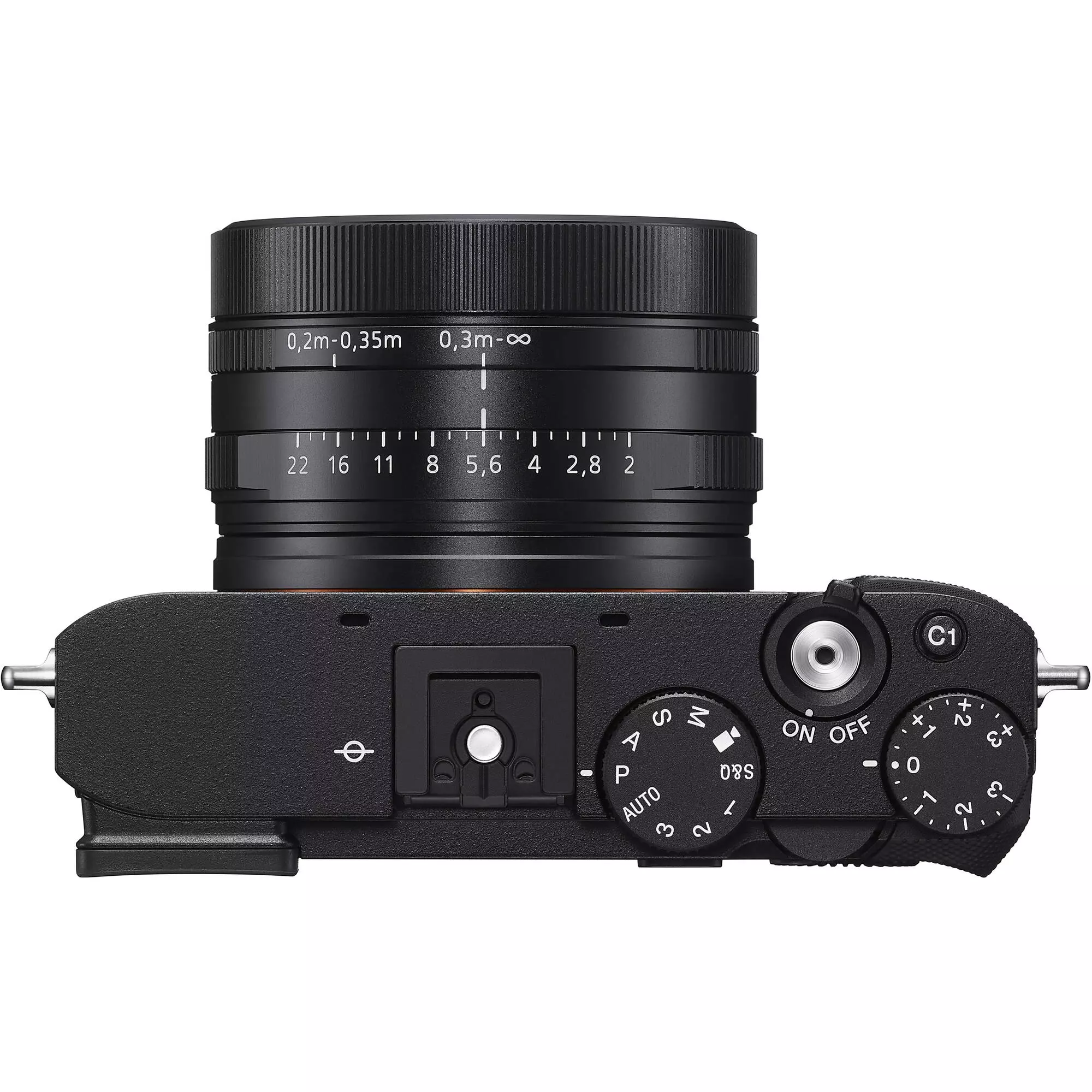
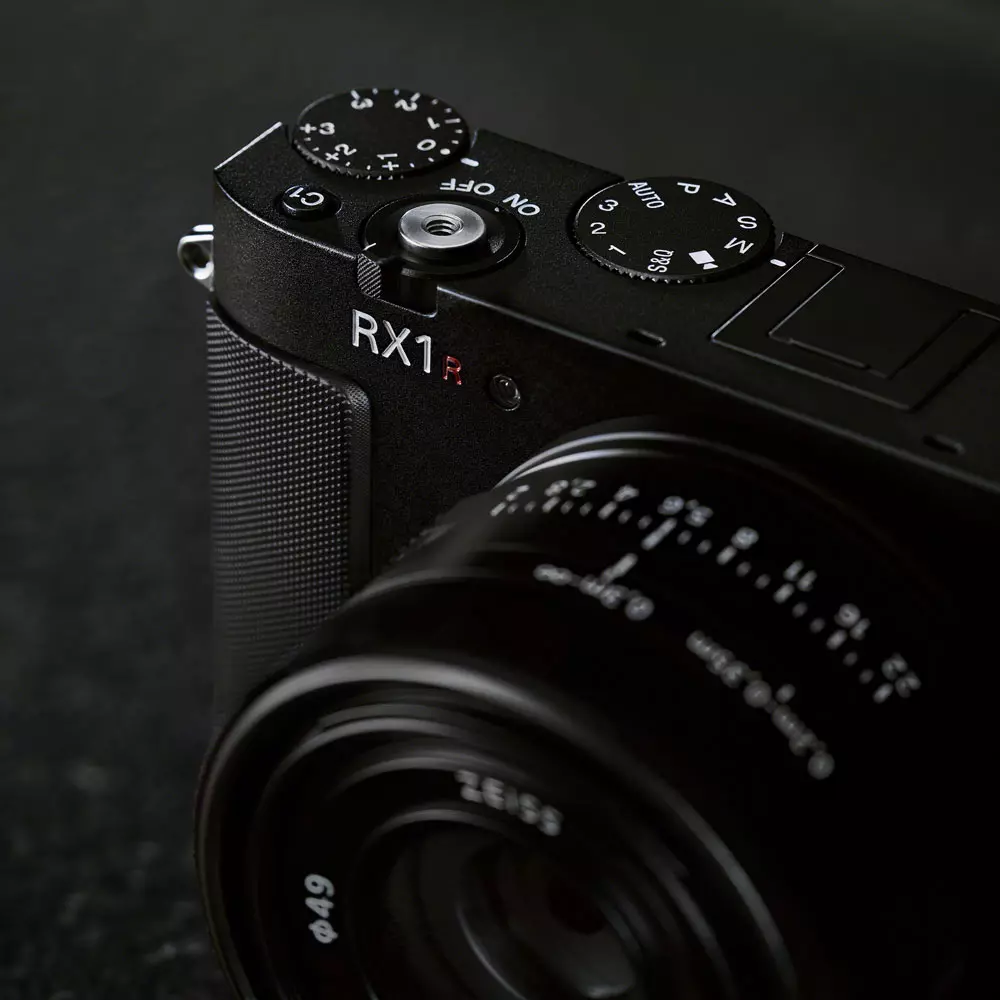
The design is very Sony like, practical and modern, meaning there's no attempt to court the retro audience here. The only nod to a bygone era is the threaded remote release mount on the shutter button.
In terms of image quality, this also works as a primary camera or a lightweight secondary camera for even high-end professionals.
- 61-megapixel full-frame Exmor R BSI sensor
- ZEISS Sonnar T* 35mm f/2 prime lens
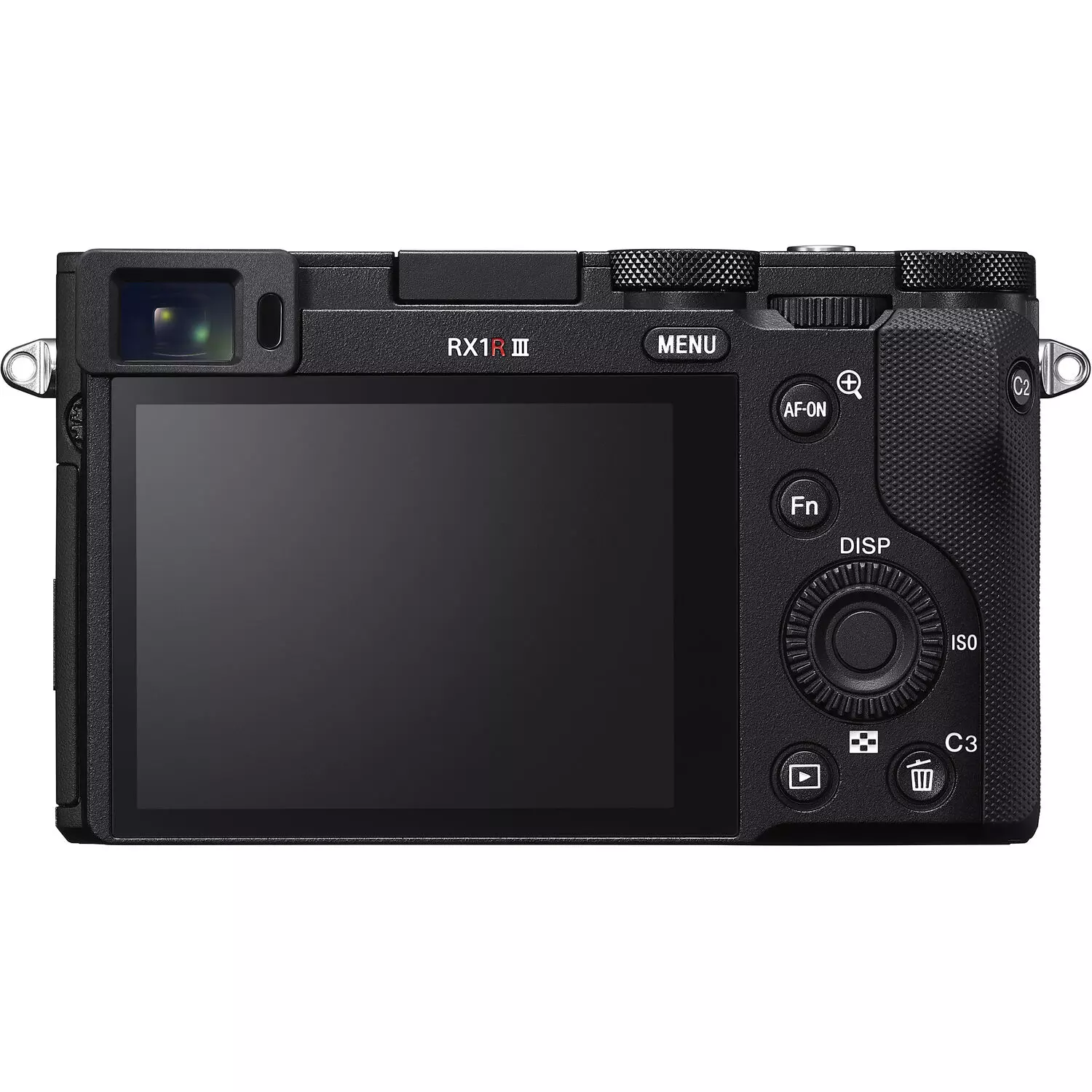
- 2.36M-dot electronic viewfinder and 3' touchscreen
- 50mm and 70mm crop modes
- Bionz XR & AI processor, the same combination as in the A7R C body
- AI-taught AF recognizes people, animals, vehicles and even insects and predicts the direction of movement
- Sony's latest color models promise good skin tone reproduction
- 693 phase-detection AF points
- Sonu Creative Look color presets and Creators app compatibility
- 4K 30P 10bit and FullHD 120P video recording
- Larger NP-FW50 battery type
The best image quality in an incredibly compact size
The Sony RX1R features the same 61-megapixel sensor as the A7R V, which means it's a sensor that offers the latest technology and excellent image quality. The dynamic range is very wide and the noise is low despite the small pixel count. This means that the manufacturer's smallest camera also has the best-performing sensor in the entire range for landscape photography, for example.
In addition to the new processor, there is a separate AI processor to help with autofocus, for example, so the combination is the same as in Sony's latest system cameras. The previous models were not rocket scientists in terms of focusing, and especially now, after a decade of development, the series is taking a huge leap. However, the lens can pose some challenges, so you can't directly compare it to a similar system camera and, for example, a G Master lens, we are eagerly awaiting the first tests!
- Ai Processing unit - separate processor for autofocus
- Identify and track with precision: birds, animals, vehicles and now insects and airplanes
- Same focusing capabilities for stills and video without limitations
- 693 phase-detection AF points spread over a wide area
- Pose estimation: AF recognizes and predicts the movements of the person in the image
The Sony RX1R III may not be the first choice for many people for wildlife photography or hockey rink photography, but fast focusing is also important for documentary photography, not to mention for example, for capturing your own everyday life and active family members. The new modern autofocus works transparently and logically. As a photographer, you can focus on what is most important, the content of the images.
The same AI Processing unit is also used to adjust white balance and the Sony RX1R Mark III includes a separate sensor for visible light and infrared, which records colors as realistically as possible even in difficult conditions. It also includes the latest color models, meaning skin tones and colors are striking and realistic, and also provide a good basis for image processing.
ZEISS Sonnar T* 35mm f/2 lens
As mentioned, the lenses are fixed and if you don't have a choice, fortunately the optics are also very good! The optics are designed by Zeiss, Sonnar refers to a structure dating back to the 1930s, it uses a T* coating to prevent reflections, the focal length is a very versatile 35mm and the maximum aperture is F2.
The optics are apparently identical to the previous versions and this is considered by many to be a very good thing. The image is a good combination of raw resolution and a great feel. The areas outside the depth of field of the image are drawn very beautifully and the lens has a macro mode that can be activated by turning the lens, with the closest focus being 20cm and the softness of the backgrounds is emphasized nicely.
Thanks to the high resolution of the sensor, cropping at specific focal lengths is possible quickly when shooting, with a choice of 50mm mode with 29 megapixels and a 70mm setting with 15 megapixels resolution.
The lens has a leaf shutter, meaning the camera is silent when taking pictures and flash sync is possible at all shutter speeds. The fastest shutter speed available depends on the aperture, at full aperture it is 1/2000 and from aperture 5.6 onwards it is 1/4000.
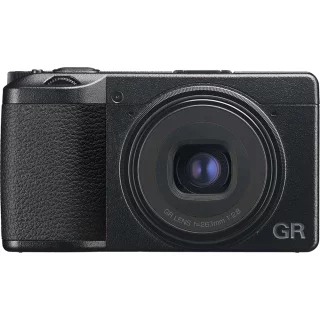
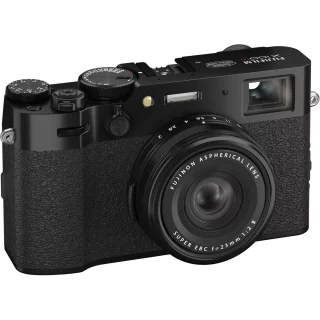
Leica Q3, Ricoh GR, Fuji X100VI or Sony RX1R III?
There are now many choices if you want a small size, fixed optics and uncompromising image quality. The criteria for selection can be the desired focal length, whether you need the image quality offered by a full-frame sensor and of course usability.
But there are also differences, this Sony is the only one without stabilization, the Ricoh does not include a viewfinder. Leica and Sony are the only full-frame cameras and the big question mark is whether Sony has any head start in autofocus.
We at the camera store will also take the new product into the store as a demo camera as soon as possible, because in addition to the specs, the most important factor in choosing can be the feel of the camera, how it feels in the hand and how it feels when you pick it up. Leica has traditionally been strong in this, but Sony's cult status and the still very well-preserved prices of used copies of previous versions show that there is also something special in Sony's RX1 series.
Video recording
Sony's video roots are also visible in this camera, meaning the camera can shoot 4K 30P video. It also includes S-Log3, S-Gamut3.Cine wide color gamut profiles, and many other features familiar from Vlog models.
So the device can record video, but that's not the main purpose of this model series. Even the red Rec button has been omitted.
Usability
- 2.36 million-dot electronic viewfinder, 0.7x magnification
- Durable magnesium body
- One UHS-II SDXC memory card slot
- A storage format that preserves the quality of raw images but compresses their size
- Accessibility features such as voice menus and menu magnification
- Aperture control directly from the lens
The most important thing has been mentioned several times, namely that the RX1 is surprisingly small for a full-frame camera, meaning it fits inside a larger jacket pocket or, in addition to other items, fits well as a travel camera in a smaller bag or backpack.
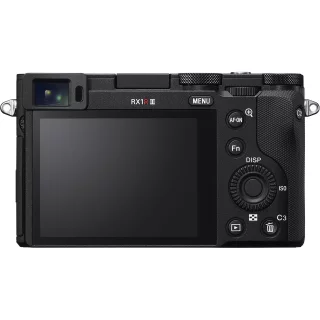
The appearance has changed slightly from previous versions, there is no joystick included, but the screen finally supports touch.
The electronic viewfinder is on the side of the camera and is always in use without a cumbersome pop-up mechanism. Adjusting settings and exposure compensation is done with the adjustment dials, and the aperture is changed directly from the lens adjustment dial. The user interface is not as versatile as on Sony's larger bodies, but you'll get used to it quickly.
The connections and data transfer have now been completely modernized and the camera supports Sony's Creators' App software. In addition to the traditional 3.5mm mic jack, the hot shoe also supports Sony's digital mics or even an XLR audio cable.
The familiar NP-FW50 battery is used and with a full charge, the number of shots is approximately 300 when shooting from the monitor and 270 when using the viewfinder.
Specifications:
- Fixed Zeiss Sonnar T* 35mm f/2 lens
- Optical construction: 8 elements in 7 groups, 9 diaphragm blades
- Filter thread: 49mm
- Closest focusing distance 30cm (20cm in macro mode)
- 61.1 megapixel Full-Frame Exmor BSI CMOS sensor (resolution 9504x6336 pixels)
- Photo storage in JPG, RAW 14bit and HEIF
- ISO 100-32000, expandable to 50-102400)
- 693 phase detection autofocus points
- Shutter speeds: 1/4000 - 30s with mechanical and 1/8000 with electronic
- Flash sync 1/4000
- Continuous shooting: 5 fps with mechanical shutter
- 4K 30P video (10bit 4:2:2)
- 1pc UHS-II SDXC memory card slot
- Viewfinder: 2.36 million dot viewfinder, 0.7x magnification, diopter adjustment -4 to +3
- Display: 3' LCD, 2,359M-dot touchscreen
- Microphone connection: 3.5mm + digital connection via hot shoe
- 3.5mm TRS headphone jack
- USB Type-C USB 3.2 gen 2 (data transfer and charging)
- Micro HDMI
- Wi-Fi 2.5 / 5GHz, Bluetooth 4.2
- NP-FW50 battery type
- Size: 113.3 x 67.9 x 87.5mm
- Weight: 498g (454g without battery and memory card)
The sales package includes:
- Sony RX1R III Digital Camera
- Sony NP-FW50 Lithium-Ion Rechargeable Battery (1020mAh) battery
- Lens Cap
- Accessory Shoe Cap
- Eyepiece Cup
- Shoulder Strap
Featured
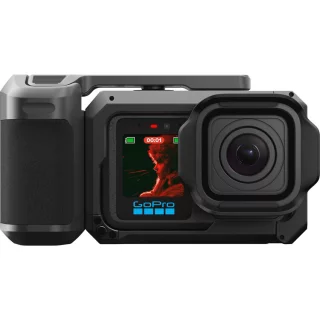
GoPro MISSION 1 PRO Grip Edition -action camera
Summary of reviews
Ask about product

Mon-Fri 9-17 and Sat 10-14
INFO