Sony FE 50-150mm F2 GM -objects



Varmasti yhteensopivat tarvikkeet
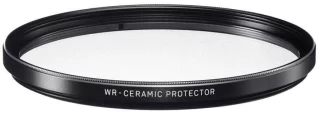
Sigma 95mm WR Ceramic Protector filter
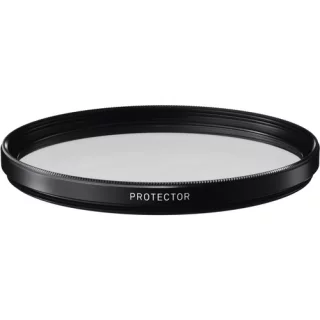
Sigma 95mm WR Protector Filter
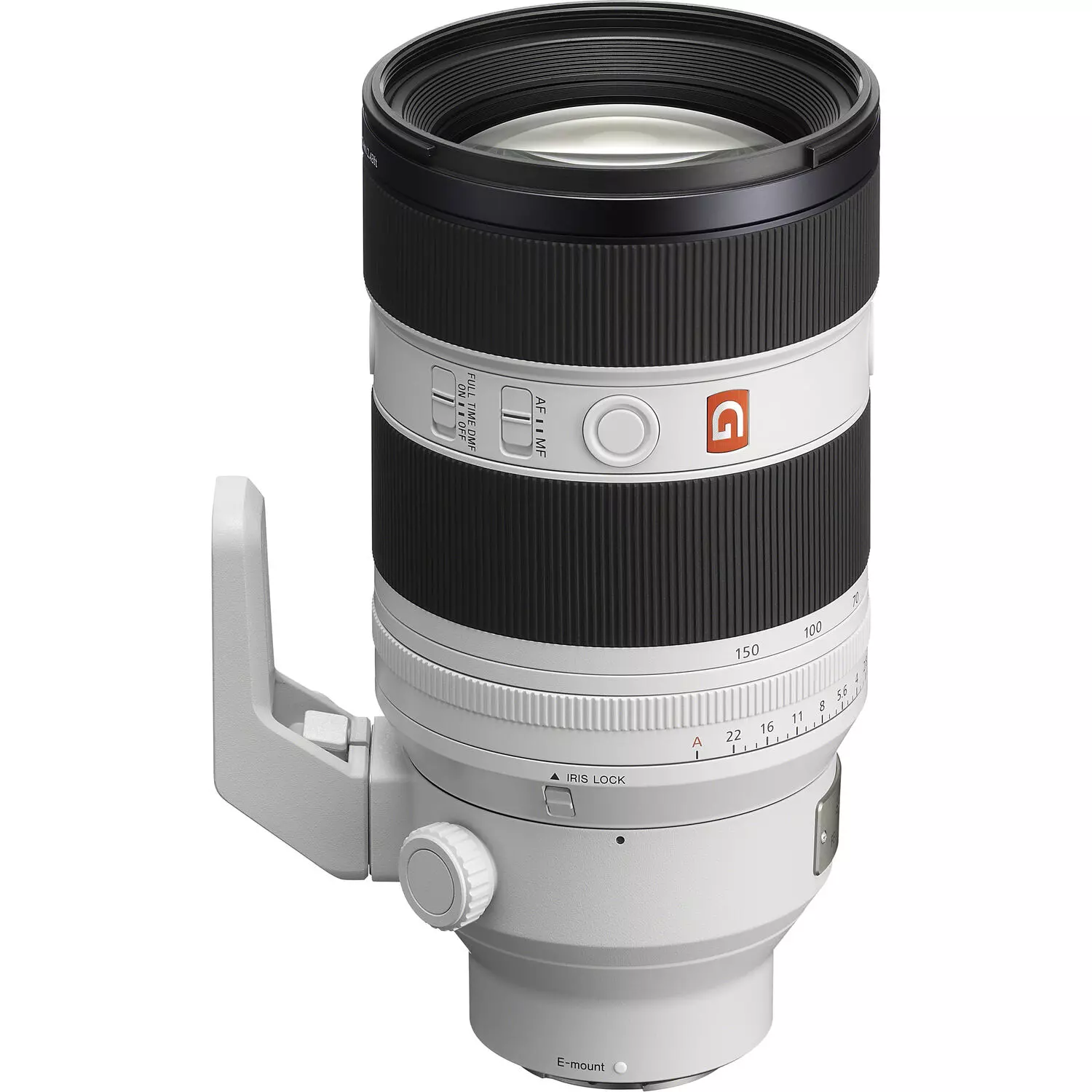
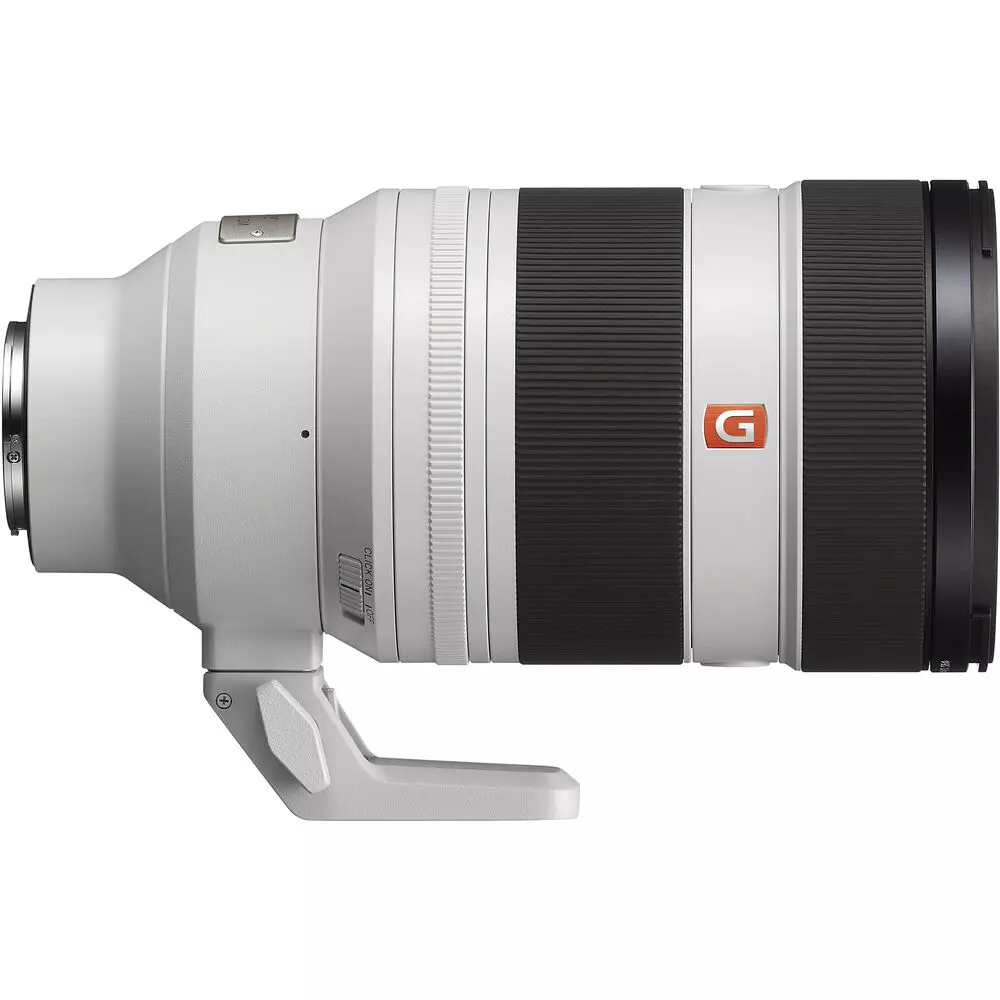
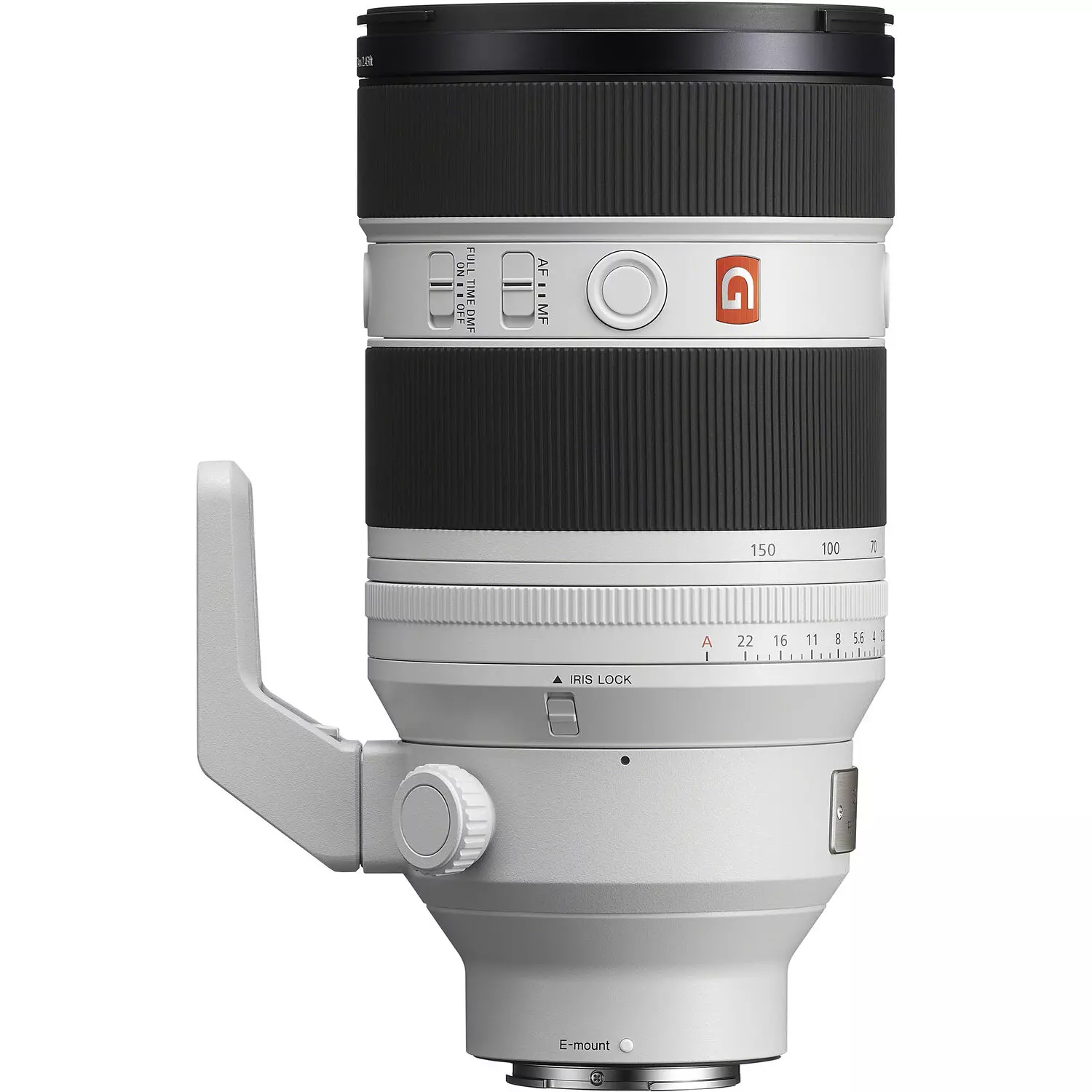
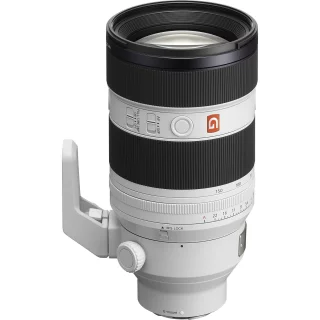
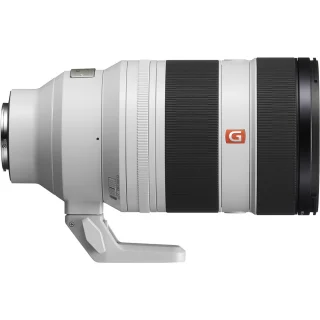
Sony FE 50-150mm F2 G Master lens
The Sony FE 50-150mm approaches prime lenses in terms of both brightness and image quality. It has a brightness of F2, which is one aperture larger than F2.8, which means that shutter speeds are half as fast and the depth of field is shallower.
At its best, this lens is for professional event photography, sports and nature photography that require bright light, and it offers a lot of possibilities for portrait photographers. The sharpness and brightness of a fixed lens without having to change lenses! This could be a completely new option for wedding photography.
The weight and size seem very reasonable when you add up how many fixed lenses one device can replace.
In addition to light output and raw resolution, the design has taken into account the image's so-called look, or bokeh, and how the sharp area of the image moves silky smoothly outside the depth of field.
- Sony's brightest telephoto zoom - a masterpiece of lens design
- Weight 1340g and length 20cm
- Internal focus and zoom, meaning the lens size does not change
- Linear focus, ideal for follow focus use
- Four XD focus motors for faster focusing and continuous AF even when zooming
- Shortest focusing distance 40-74cm
- Removable tripod mount and swivel tripod collar
- 11 rounded dimmer discs
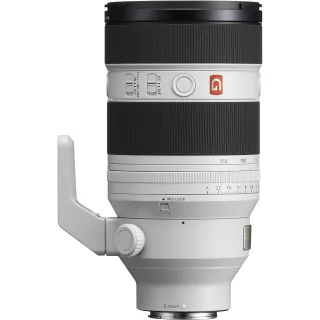
- Aperture control ring with disengageable clicks and lock
This 50-150mm focal length is used a lot in portrait photography and events such as weddings, where in addition to linear sharpness, the way the images look is important. And this aspect is now also in order, with up to 11 rounded diaphragm blades and bokeh, or the beauty of the outline outside the depth of field, has been one of the most important design goals. Soft backgrounds are also emphasized by the F2 aperture.
The latest coatings such as Nano AR Coating II are used and shooting is possible when the light is at its best, i.e. in the evening and morning - even against backlight.
The image quality of the Sony 50-150mm F2 lens is realized optically and does not use digital editing of the camera body as extensively as is the case today, for example to correct distortion. This further emphasizes how unique this optic is, the same design philosophy Sony also used in the previously announced 28-70mm F2 G Master.Sony 50-150mm F2 vs 70-200mm F2.8
The Sony 50-150mm is approximately the same length as the 70-200mm F2.8 GM II telephoto lens, but due to the 95mm filter thread and the number of lens elements, the lens is thicker and about 30% heavier (the previous 70-200mm is about the same weight!). This is a great achievement considering that there is an aperture increase in the aperture.
The biggest difference between the lenses is that teleconverters do not work with this 50-150mm lens, meaning you won't get the extra length for nature photography, for example. Another difference is the 70-200mm image stabilization, which this new lens doesn't have, although the in-body stabilization found on most Sony cameras helps here.
Samyang and Tamron make 35-150mm F2-F2.8 lenses with somewhat similar focal lengths. But for example, the Tamron's aperture is F2 only up to about 40mm, i.e. at the widest setting, so you can't really compare it to the Sony, where the aperture is the same throughout the entire focal range.
The autofocus is also clearly faster in this FE 50-150mm lens (and according to initial tests faster than in the 70-200mm GM II lens) and this supports the full burst shooting capabilities of Sony bodies, while the Tamron is limited to 15fps.
Autofocus: fast and silent
Sony uses the same XD focus motors as in its telephoto lenses, and there are four of them in one lens. This means fast focusing and no lag in response to subject movement. This is a great achievement for a lens with such large lens elements.
Sharp and precise focus is also very important due to the brightness. In images taken with a 150mm focal length and F2 aperture, the depth of field is razor sharp and this needs to be perfectly aligned.
The lens' focus keeps up with the A9 III's 120FPS burst shooting. In addition to burst shooting, this speed is useful when the subject or the photographer is moving and also when zooming - the subject is always sharp. In video shooting, tracking also works at 240 fps
The focusing distance is 40cm at the widest setting and 74cm at the largest zoom, meaning the lens focuses quite close.
Sony 50-150mm F/2 G Master in video shooting
In addition to still photography, the Sony 50-150mm F2 is great for video shooting. Focus breathing, or the small and annoying change in focal length when needed, is minimized so well that with this lens you don't necessarily even need to use the compensation found on Sony bodies.
Linear manual focus works well with follow focus systems, meaning that focus changes are easy to repeat from shot to shot. Zooming or focusing does not change the size of the lens, so these are handled internally. This also improves the lens' weather protection and structural durability.
The Sony 50-150mm is not parfocal, meaning the focus changes when zooming, but Sony's next focus and the lens's fast focusing help keep the subject sharp even when zooming in mid-shot.
In addition to the speed mentioned a few times, the new focus motors are very quiet, meaning there will be no extra noise on the soundtrack.
The lens has an aperture ring with aperture lock and the clicks between aperture values can be turned off. There are three Focus Hold buttons on different sides of the lens, so the button is also conveniently located when shooting vertically.
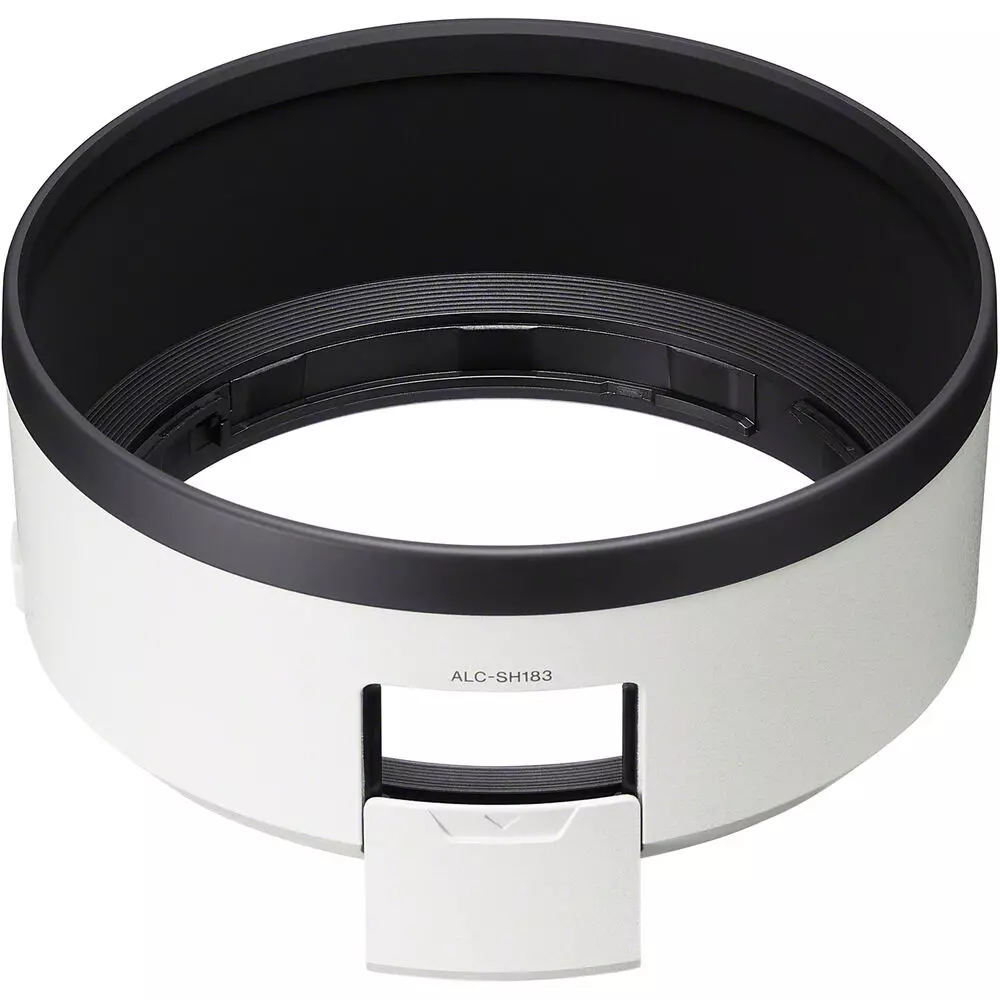
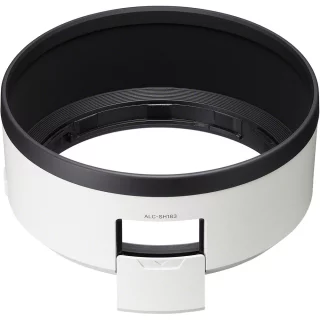
In addition to the lens hood, the lens comes with a zippered, padded protective case for the lens.
Weather-resistant construction and mechanically durable as in the G Master series. Outer lens surfaces coated with a dirt-repellent fluoride coating.
Specifications:
- Compatibility: Sony FE mount
- Focal length range: 50-150mm
- Aperture: f/2
- Minimum aperture: f/22
- Optical construction: 19 elements in 17 groups, 11 rounded diaphragm plates
- Closest focus distance: 40cm-74cm
- Magnification ratio: max. 0.2x
- Rotating stand collar and removable paw
- Filter thread: 95mm
- Dimensions: 102.8 x 200mm
- Weight: 1340g
The sales package includes:
- Sony FE 50-150mm f/2 GM Lens (Sony E) lens
- ALC-F95S 95mm Front Lens Cap
- Sony ALC-R1EM Rear Lens Cap
- Lens Hood
- Lens Case protective bag

Osta myös

Arvostelujen yhteenveto
Kysy tuotteesta

ma-pe 9-17 ja la 10-14