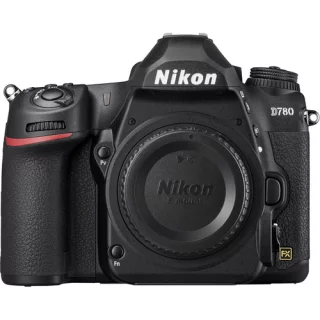
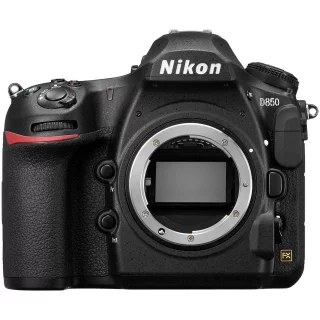
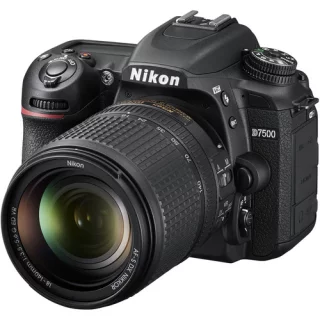
Nikon D780 body








Compatible accessories
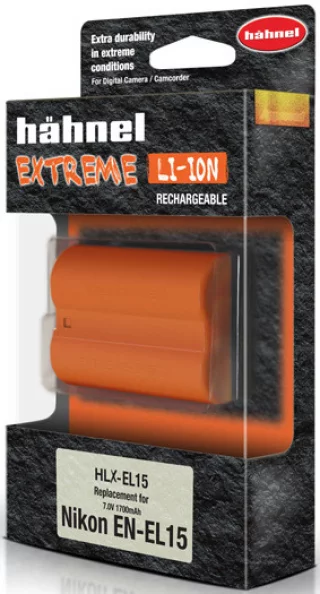
Hähnel Extreme HLX-EL15 battery (Nikon EN-EL15)
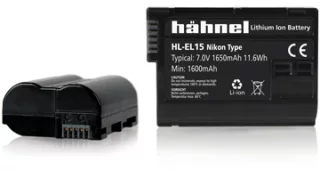
Hähnel HL-EL15 battery (Nikon EN-EL15)
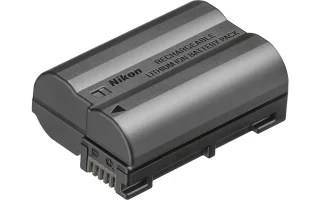
Nikon EN-EL15C battery
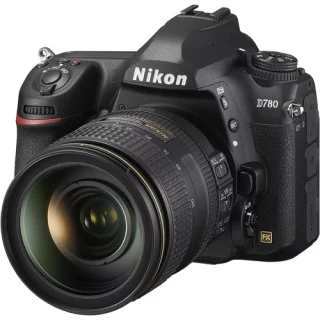
Nikon D780 body
The Nikon D780 completely overhauls the popular D750 body. It retains the same hand-held design, is durable, and is designed for the active photographer. The new body updates the sensor, autofocus, and video capabilities to the latest, borrowing technology from the top-of-the-line Nikon Z6 and D5.
- Faster phase-detection autofocus when shooting through the monitor - including eye focus
- 7 fps burst shooting, 12fps via rear monitor
- 4K UHD video file created from 6K pixels, without cropping
- Touchscreen, two memory card slots and charging via USB-C cable
- Up to 2260 photos on a single charge
- Top-notch ergonomics and weather-protected body
The Nikon D780 features a new 24.5 megapixel full-frame sensor. The previous D750 was a popular camera for its good low-light capabilities, and the new D780 does not disappoint. Thanks to the reasonable resolution, noise is kept well under control, and the maximum sensitivity is up to ISO 204800. You can take this camera with you on stargazing trips or to record a winter landscape in the light of a full moon. The camera produces 14-bit raw images, which are a good starting point for image processing.
This new image sensor includes the phase detection autofocus familiar from the Nikon Z7 and Z6 models. So if the situation requires shooting from the camera's 3.2' touchscreen, the autofocus works very quickly and reliably! When shooting through the screen, there are 273 focus points and they cover 90% of the image area. There are also advanced focus methods such as face detection and eye focus, which automatically tracks and focuses on the subject's eyes.
When shooting through a traditional viewfinder, there are 51 focus points, 15 of which are cross-type. The autofocus algorithms are borrowed from the top-of-the-line Nikon D5, and subject tracking is fast and reliable. Focusing also works well in low light conditions down to -4EV.
The speed continues in continuous shooting: the speed is 7 frames per second through the optical viewfinder and 12 frames per second when shooting through the rear screen . In this case, an electronic shutter is used, meaning shooting at this speed is also completely silent.
An extra boost for video shooting
The video image is recorded from the entire sensor area without cropping. It also uses oversampling technology to reduce noise and improve resolution. The camera internally records data at 6K resolution, which is used to create a high-quality 4K video file.
For video post-processing, the D780 offers the first wide-gamut N-Log recording in a Nikon DSLR. The camera also supports the Hybrid Log Gamma standard, which makes it easy to record and display HDR footage on compatible devices. For production use, the D780 supports 10-bit video recording via HDMI, for example to an Atomos external recorder.
Slow-motion videos can be shot at 120P, which achieves four times slow motion. There are also tools to make your work easier: focus peaking and zebra overexposure warning.
The Nikon D780 also includes other smart creative features such as an interval timer and a time-lapse video recording program . The Focus Stacking function, familiar from the Nikon D850 professional camera, stacks multiple images into a single file. This function automatically achieves a very deep depth of field for landscape and macro shots.
Active photographer's body
The tilting rear screen now also supports touch. There are two fast memory card slots, so you can split JPG and raw images onto different cards or make backups to two cards immediately during important gigs.
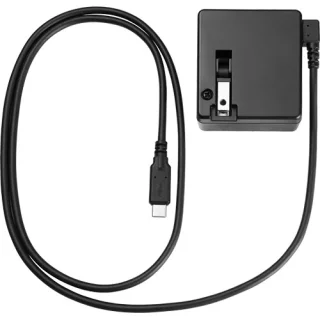
On long trips, you can charge the camera directly using the USB-C cable, for example from a power bank. You don't have to worry about the battery running out, as you can take up to 2260 photos on a single charge. The battery type used is also the very common EN-EL15B.
All this is bundled into a weather and dust-proof body that is built to be very durable. The Nikon D780 shows that a mirrorless camera can still be used in 2020.
Specifications:
- Compatibility: Nikon FX mount
- Sensor: full-frame 24.5MP BSI CMOS sensor
- Sensitivity: ISO 100-51200 (expanded to 50-204800)
- Focus points: 51, including 15 cross-type. 273 phase-detection focus points on the sensor
- Flash sync: 1/200s
- Continuous shooting: 7 fps via optical viewfinder, 12 fps in Live view mode
- Video recording: 4K UHD 3840 x 2160 30P / Bitrate 144Mbps. Video image is oversampled from 6K pixels
- N-Log and Hybrid Log Gamma wide gamut videos
- 10bit video recording via HDMI connection
- Two UHS-II memory card slots
- Viewfinder: pentaprism, 100% coverage, approx. 0.7 x magnification
- Display: 8.1cm tilting touchscreen
- 3.5mm microphone and headphone jack
- Battery charging also possible in the camera via USB-C connection
- Wi-Fi & Bluetooth
- Size: 144 x 116 x 76 mm
- Weight: 840g
Sales package includes: camera, body cap, EN-EL15b battery, battery charger, shoulder strap

Featured
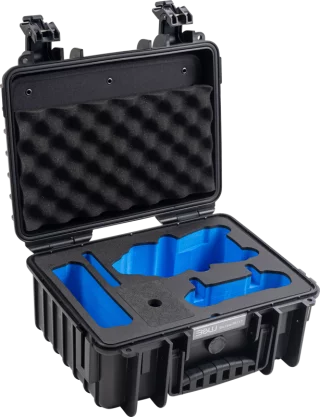
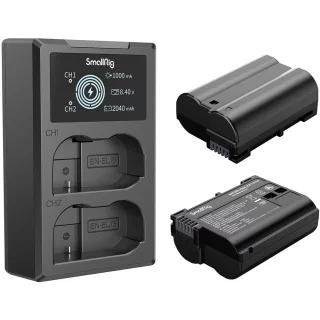
Smallrig 3820 Charger Kit - dual charger and batteries (Nikon EN-EL15)
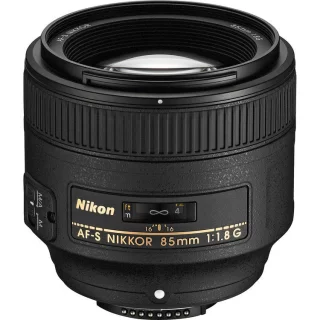

Summary of reviews
Jarmo L.
Erik B.
Jari V.
Ask about product

Mon-Fri 9-17 and Sat 10-14
INFO