Nikon Nikkor Z 800mm f/6.3 VR S lens





Aktiiviset kampanjat

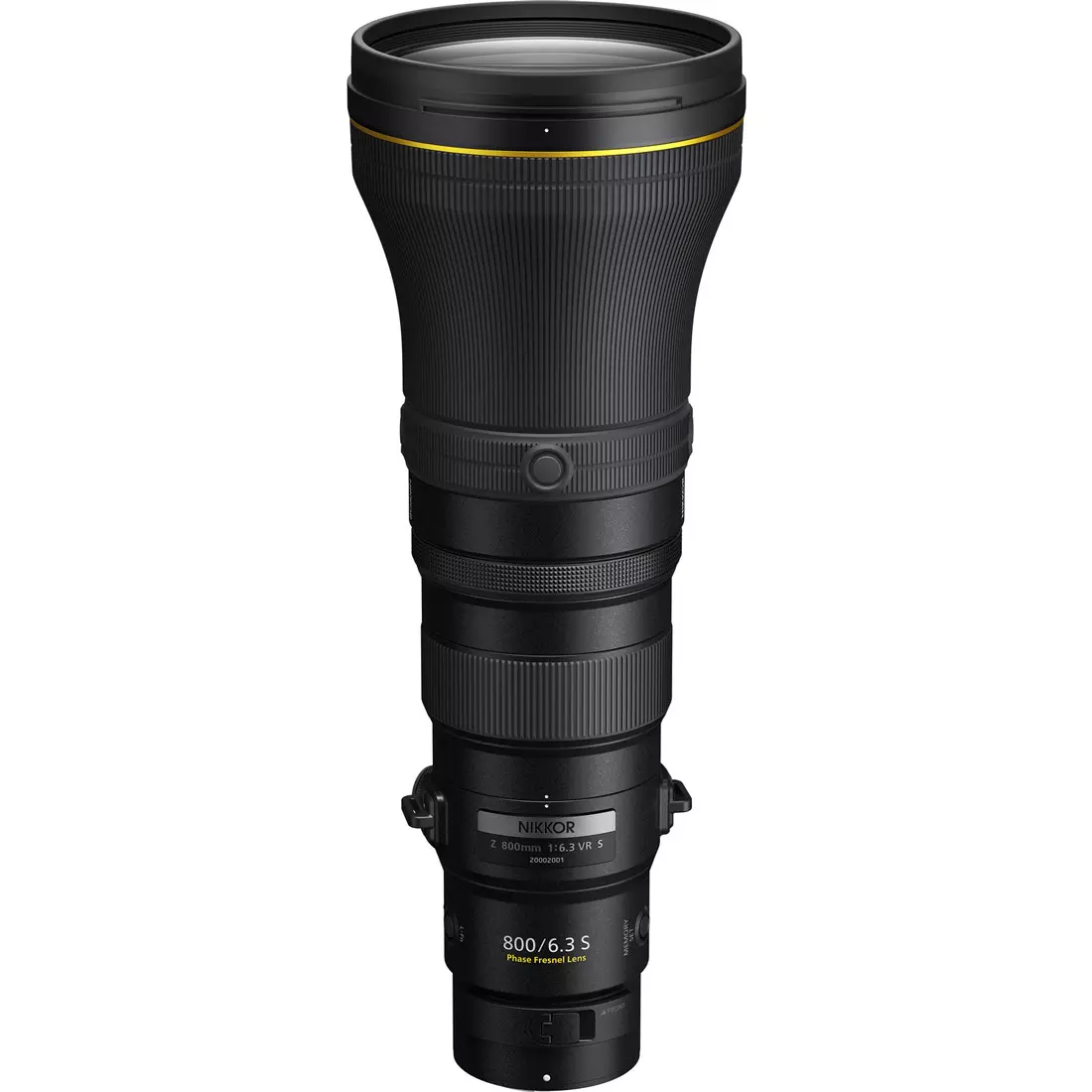
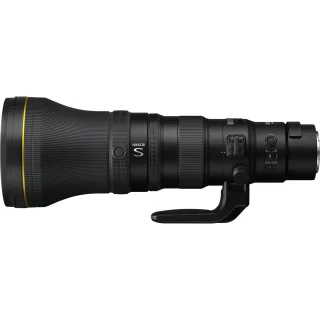
Nikon Nikkor Z 800mm f/6.3 VR S super tele
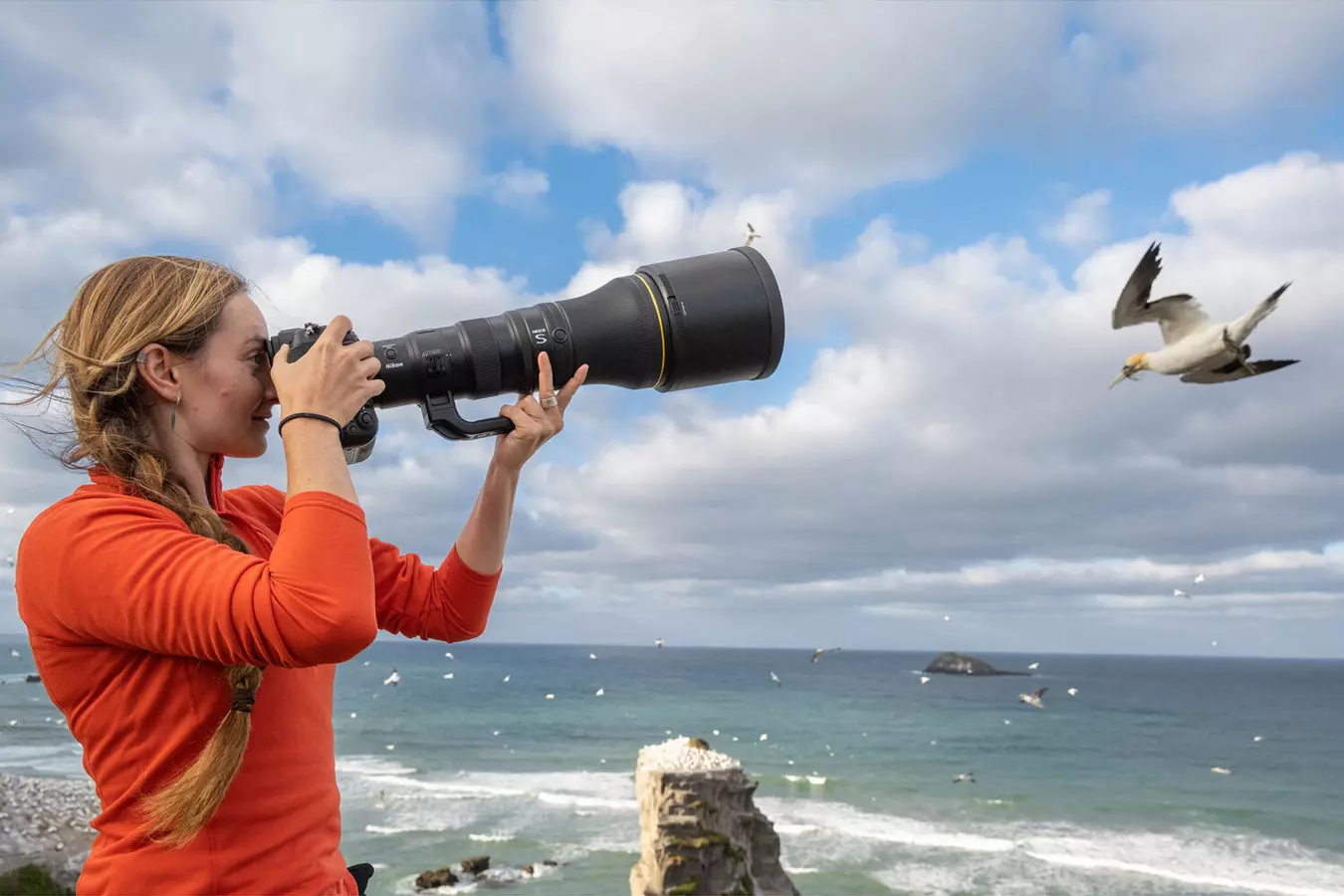
The focal length at the longer end of the super telephoto range is 800mm, the aperture is F6.3, the length is 38cm and the weight is only 2.38kg. Nikon has refined the Phase Freshnel technology with mirrorless Z cameras, this is 50% lighter than the previous AF-S 800mm F5.6 lens designed for mirrorless bodies.
The size and weight are partly explained by the F6.3 aperture, which is 1/3 of an aperture smaller than the old or, for example, Canon's competing product. On the other hand, this combines size and professional image quality in a device that is also sold at an unprecedentedly low price. This also offers a really interesting alternative for those who are actively involved in nature photography.
More versatility can be achieved by combining it with a teleconverter, and focusing also works with Nikon mirrorless system cameras with the more powerful 2x teleconverter.
- Image stabilization: 5 stops of power and, for example, with the Z9's in-body stabilization, a combined 5.5 stops of power
- Weight 2385 grams and length 38cm
- Closest focusing distance 5m
- Compatible with 1.4X and 2X teleconverters: up to 1200mm and 1600mm focal lengths
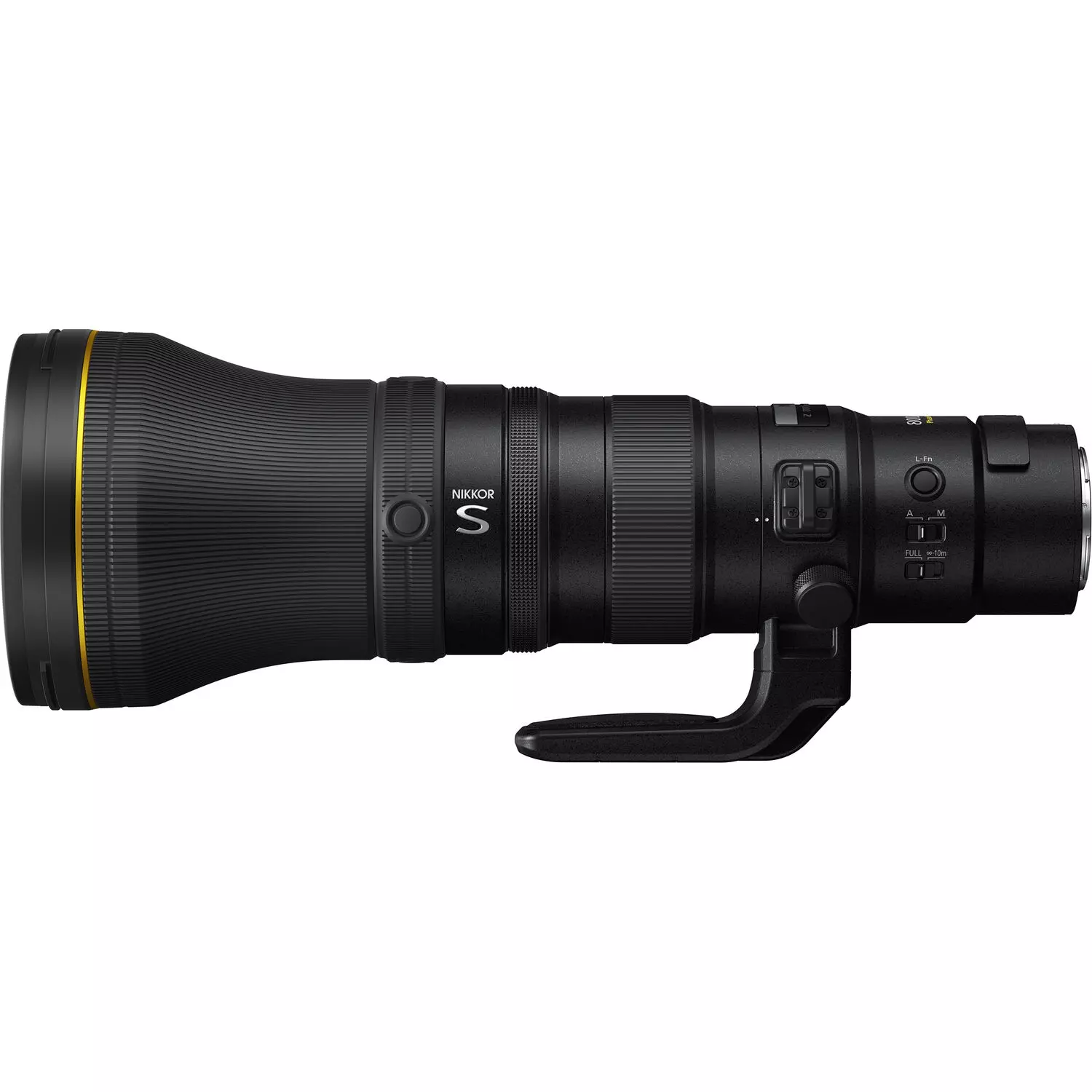
- Programmable control ring for example, exposure adjustment directly from the lens
- 4x L-FN2 and 1x L-FN1 programmable buttons, e.g. focus distance storage
- Support for 46mm drop-in filters
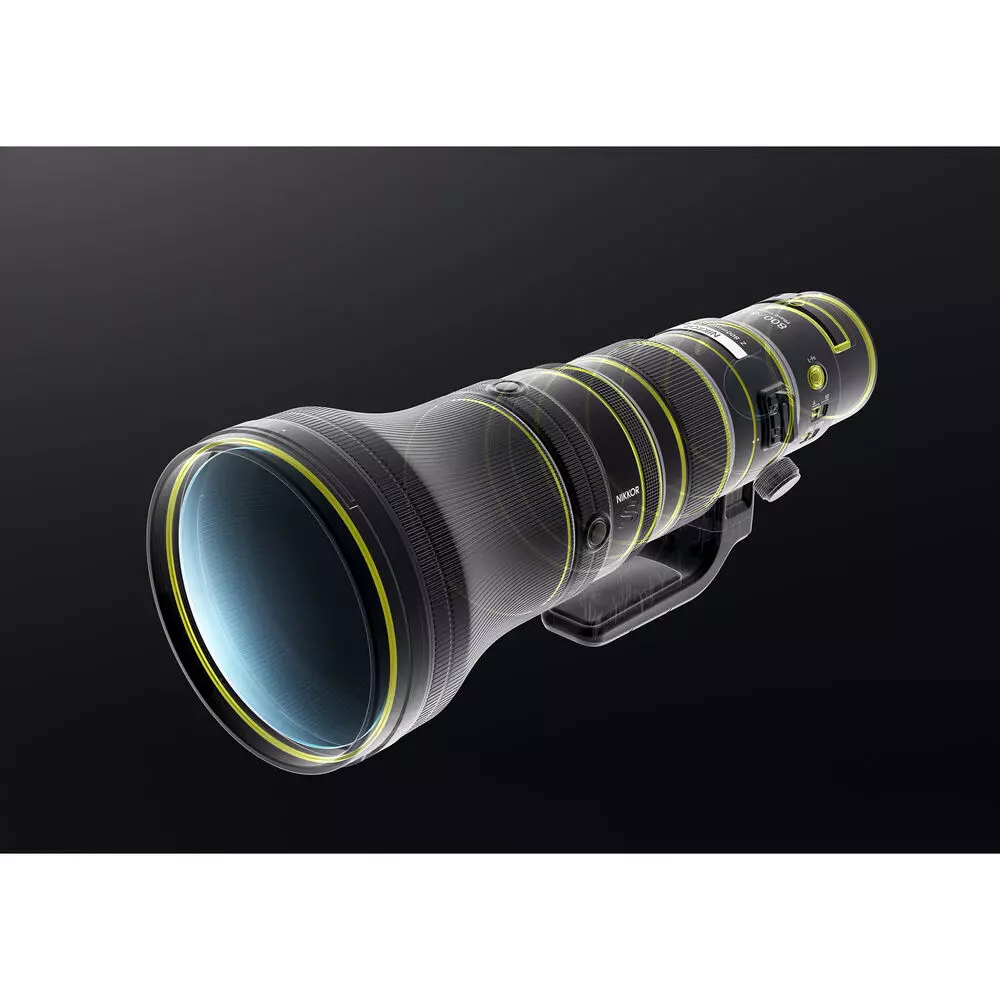
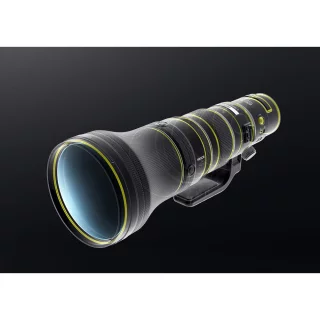
- Weatherproof construction
Phase Fresnel technology: Super lightweight 800mm super telephoto
New compact Nikon super telephoto lenses have often been implemented with PF, or Phase Fresnel, technology, such as this Z 800mm F6.3. Thanks to this technology, the telephoto lens can be made optically simpler, i.e. lighter and smaller.
Several PF lenses have been made, meaning the technology is now well-honed and does not cause any problems or peculiarities, for example, other than slightly reduced contrast when shooting against backlight. Nikon's NX Studio editing software also has a ready-made tool to eliminate this problem.
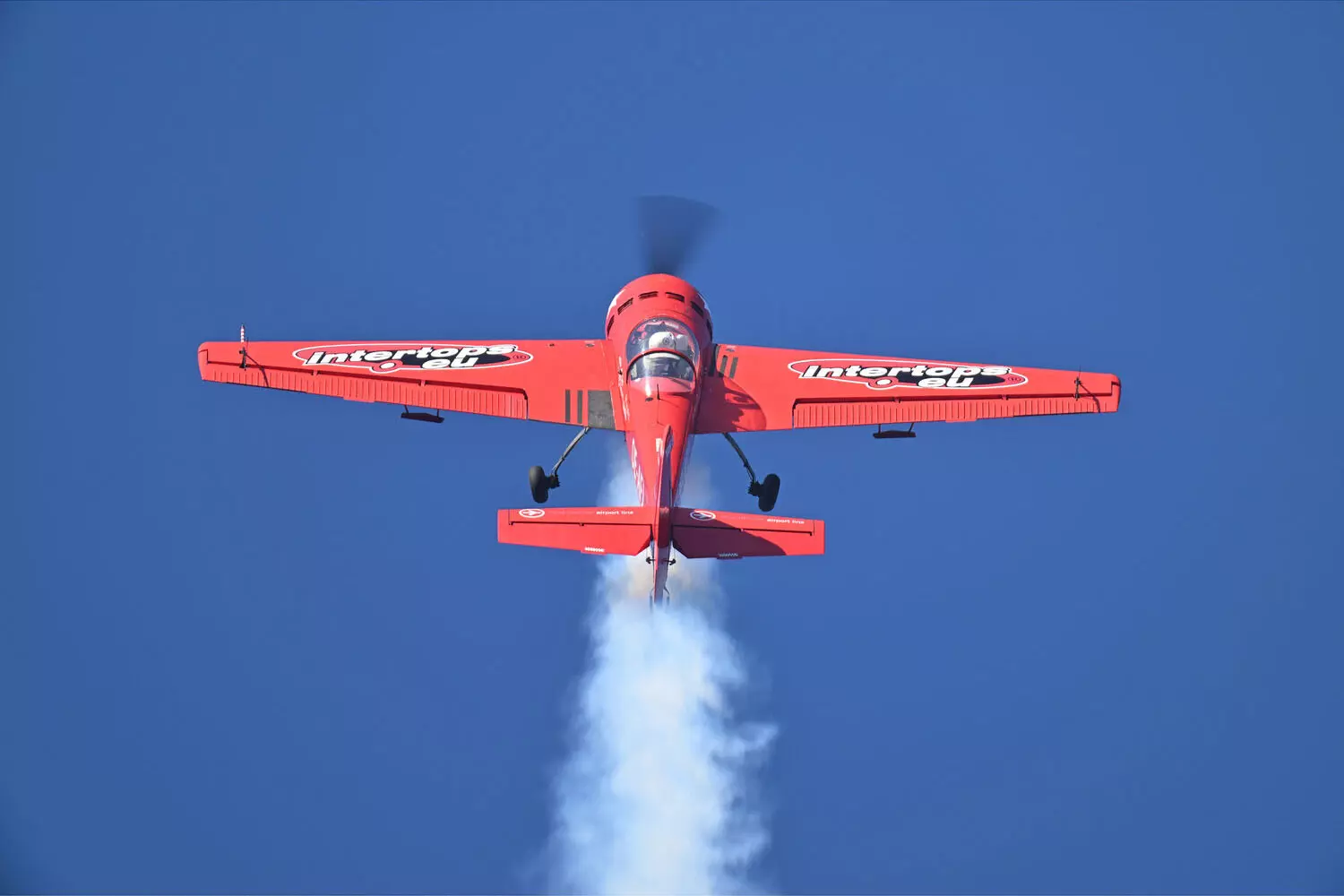
According to the MTF curves, the lens is nearly perfect, as is the case for a professional lens of this level. The sharpness is sharp all the way to the edges at full aperture, but improves slightly when stopped down to F8, becoming practically flawless. Vignetting, distortion and chromatic aberration are hardly visible, at least outside of laboratory conditions.
The image quality remains the same even under critical examination with the 1.4X telephoto extension, meaning this also includes a 1120mm F9 lens.
Handheld photography is also aided by a 5-stop image stabilization system that also works with certain cameras, such as the Nikon Z9 body stabilizer. This dual stabilization system has a total of 5.5 stops of stabilization. The stabilizer has a normal mode and a Sport mode that works when panning, i.e. when following a subject sideways.
Usability of a professional lens
The image quality is nearly flawless, like Nikon's other professional-level telephoto lenses, but there are also other requirements for the lenses.
Image quality is the minimum requirement for lenses of this level. It takes skill and patience to take memorable pictures. And when a unique situation arises, the usability of the equipment is important. Do your fingers hit the right spot in the dark and cold, do you need to stop shooting in the rain, or is the weather protection in order? According to Nikon's tradition, the photographer's perspective has been the most important starting point in the design work.
The lens has a programmable control ring, with the default setting it handles manual focus, but the same ring can also be used to change the aperture value or correct exposure. There is also a programmable L-Fn button and 4 L-Fn buttons. These can be programmed to, for example, the distance to a bird's nest or a soccer goal, so that in an emergency, the correct focus is just a click away.
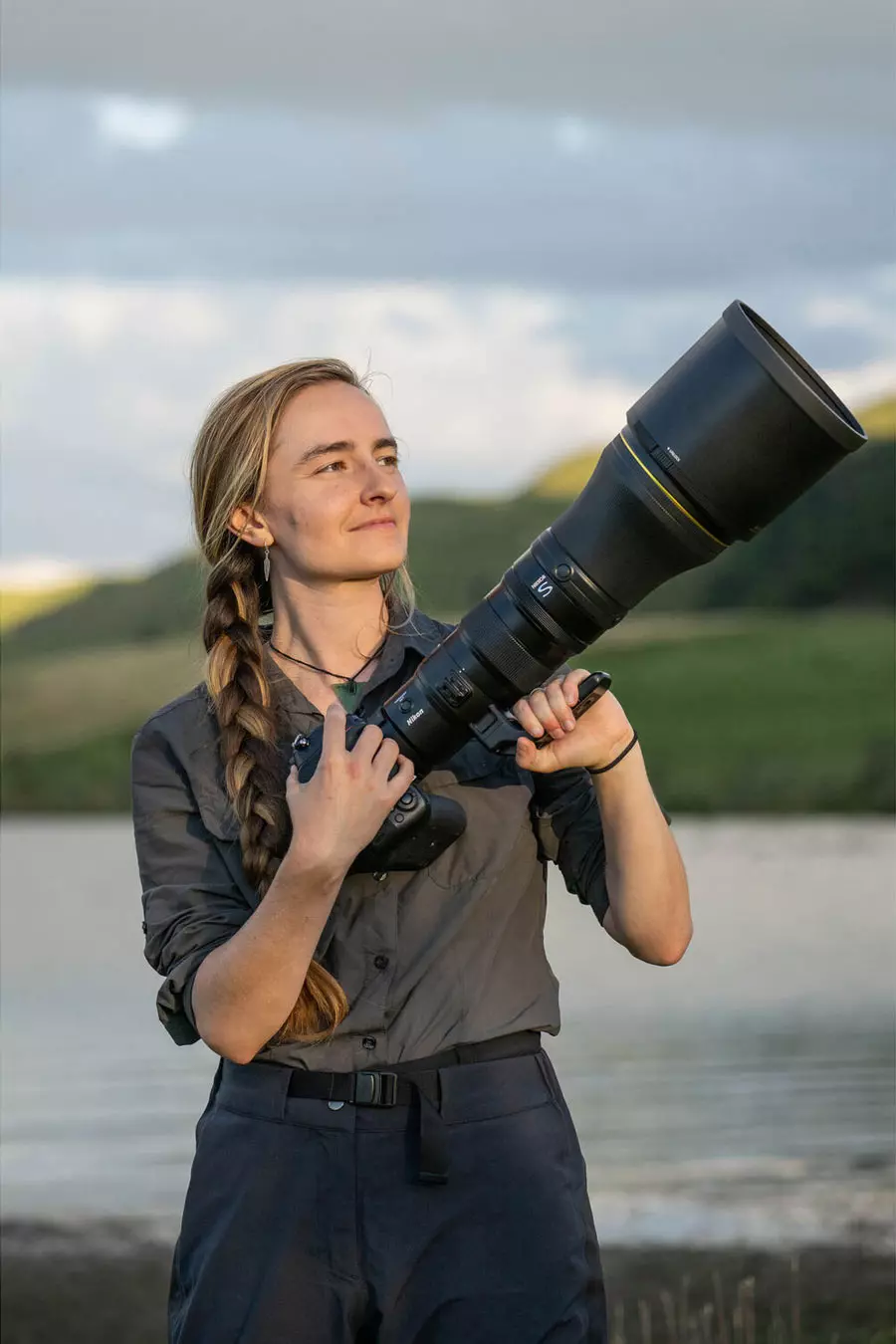
In addition, most of the lens elements and the focus motor are located at the back of the lens. This makes the lens's center of gravity optimal for handheld shooting, i.e., ideally at the point where you are supporting your hand. So, even though it is a very long focal length lens, handheld shooting is also possible, and the movement is also smooth when using the rocker.
Lightness of handling is important, especially when it comes to fast-focal-length optics with a very small viewing angle, meaning the bird or other object must fit in the frame and there is no zoom range.
The Nikon 800mm F6.3 is compatible with Nikon's TC-1.4x and TC-2.0x teleconverters, meaning it can be converted to the equivalent of a 1120mm F/9 or 1600mm f/13 lens if necessary.
The lens is weather and dust-resistant in several areas, on par with Nikon S-series lenses. The outer lens element is coated with a fluoride coating that repels dirt and makes cleaning easier.
Specifications:
- Compatibility: Nikon Z mount
- Focal length: 600mm
- Aperture: F6.33 (minimum F32)
- Closest focusing distance: 4m (maximum magnification 0.15X)
- Optical construction: 21 elements in 14 groups, 9 rounded diaphragm blades
- Image stabilizer: yes
- Removable tripod collar
- Filter thread: no, 46mm drop-in filters
- Size: 140 x 385mm
- Weight: 2385g
- Nikon NIKKOR Z 600mm f/6.3 VR S Lens
- Nikon LC-95B Front Lens Cap
- Nikon LF-N1 Rear Lens Cap
- Nikon HB-105A Lens Hood
- Nikon CL-L6 Lens Case

Arvostelujen yhteenveto
Kysy tuotteesta

ma-pe 9-17 ja la 10-14
TIETOA