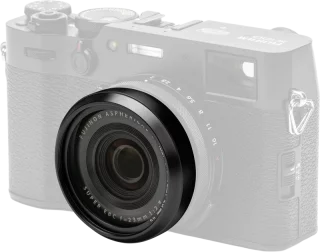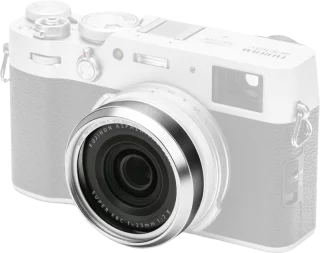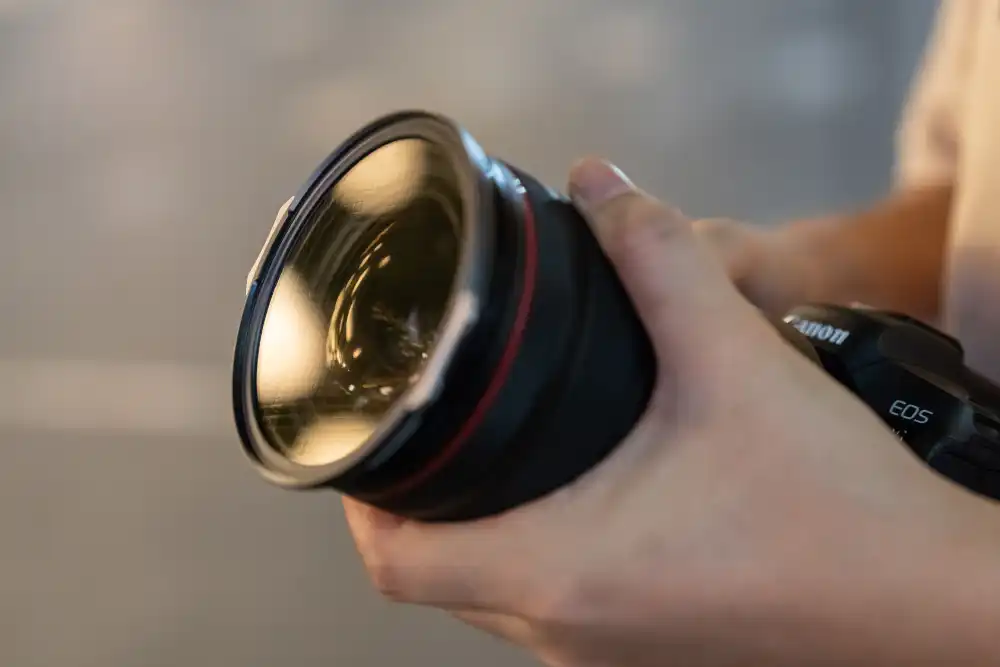



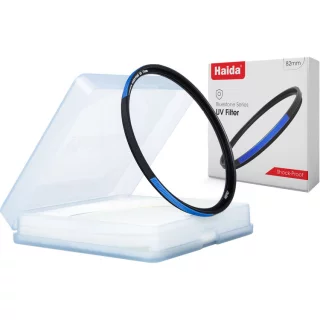
A high-quality protector filter does not affect image sharpness, protects the lens and makes cleaning easier. An important accessory for photographers who take care of their equipment!
Tuotteiden suodatus
Tässä kategoriassa 21 tuotetta.
Suodata
Lajittele:
Varastotuotteet
Alennustuotteet
Lajittele:
Tässä kategoriassa 21 tuotetta.
Why a protective filter for the lens?
The main function of the Protector filter is to protect the front lens of the lens. Even the most careful photographer will get dust and fingerprints on the front lens of their lens. By diligently wiping these off, abrasion marks can be left on the outer lens element. And of course, if the lens receives an impact, it can get scratched.
But a filter, which is much cheaper than a lens, can be cleaned more easily and protects the lens very well if you get a little too close to the subject or the lens cap has fallen off in the camera bag, for example.
A good protector filter is as transparent as possible and does not affect the image.
Disadvantages of the Protector filter
Cheap filters can noticeably soften the image quality. In addition, filters coated with poor technology easily cause extra reflections. Point-like light sources in otherwise dark areas, such as street lights when photographing a night landscape, are a difficult place for even a good filter. So sometimes it may be necessary to remove the filter.
It's not worth ruining the image of a high-quality lens with a bad filter!
Protector vs. UV filter
UV filter sales pitches often mention the same things as protective filters, including removing blueness in landscape photos, for example. In digital cameras, however, any UV filtering is already done on the film in front of the sensor, meaning a separate filter is not needed. Often, lower quality glass material is used to manufacture UV filters than for protector filters. The price difference is also very small, so it is definitely worth choosing a protector instead of a UV filter.
Correct filter size
The lens often indicates the diameter of the lens thread, or the lens cap may also have a marking indicating the correct size, meaning that the correct filter size is the same as the size of the lens cap. This allows the lens cap to be attached to the protective filter in the same way.
The filters have a thread on both sides, so in principle you can stack several of them on top of each other, but due to reflections and vignetting (i.e. underexposure at the edges), it is best to keep only one filter attached to the lens at a time in normal situations.
015 211 540
Avoinna myymälän aukioloaikoina ma-pe 9-17 ja la 10-14
asiakaspalvelu@kameraliike.fi
Vastaamme asiakaspalvelun viesteihin viimeistään 24 h kuluessa